We may earn money or products from the companies mentioned in this post. This means if you click on the link and purchase the item, I will receive a small commission at no extra cost to you ... you're just helping re-supply our family's travel fund.
Travel disappointment usually has less to do with a city being bad and more to do with expectations being miscalibrated. A destination can be historic, beautiful, and culturally rich, yet still feel frustrating when crowds, long waits, inflated prices, and overpacked itineraries dominate the day. Many of the world’s most visited cities now operate under heavy tourism pressure, especially in peak months when capacity and demand drift out of balance. These nine places often trigger that reaction. They are still worth visiting, but they punish unrealistic planning and reward travelers who pace their time thoughtfully.
Venice, Italy
/123rf
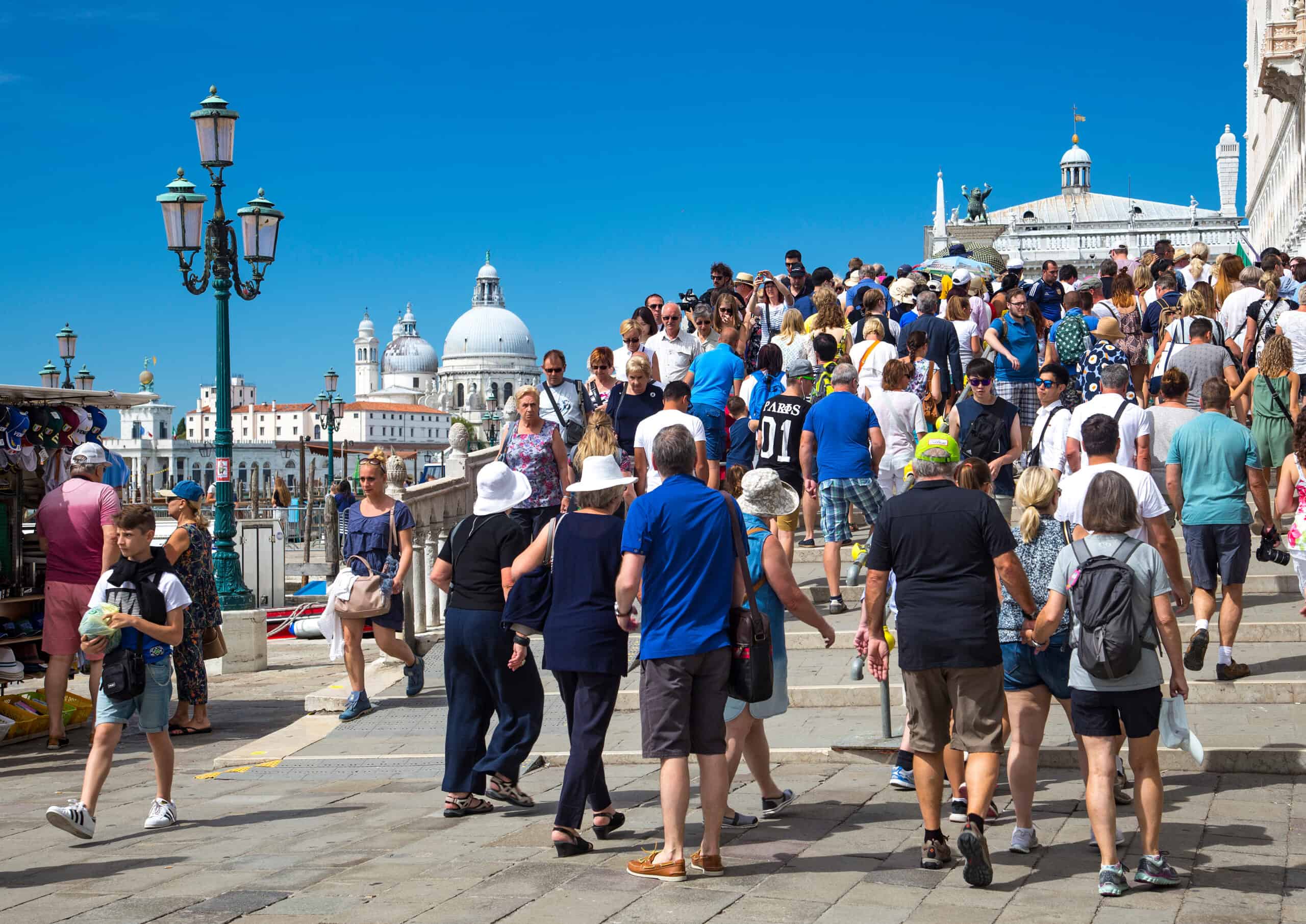
Venice can feel magical at sunrise and exhausting by midday. The same canals and bridges that make it unforgettable also create natural chokepoints when visitor volume spikes. Walking short distances can take far longer than expected, especially around major landmarks and transit points. Many travelers arrive expecting quiet romance and discover a high-density destination running on tight space and constant movement. Venice is rarely disappointing because of beauty. It disappoints when timing is poor. The city works best with early starts, slower routes, and realistic expectations about peak-hour flow.
Barcelona, Spain
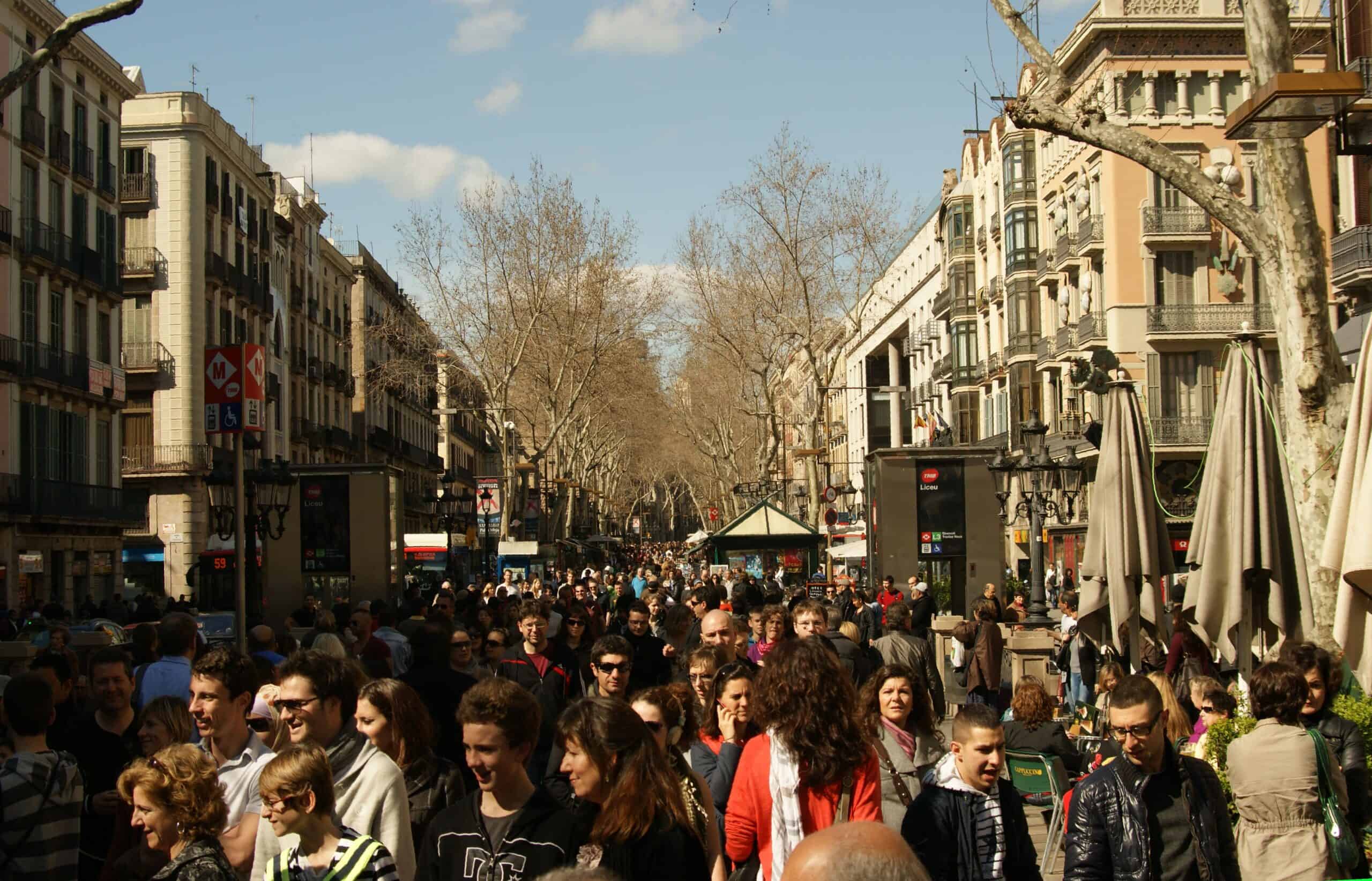
Barcelona delivers iconic architecture, beach access, and serious food culture, yet many visitors leave feeling more drained than inspired. The main issue is concentration: too many people in the same districts at the same hours, especially around major attractions and nightlife corridors. It creates long queues, reservation friction, and a constant sense of movement pressure that clashes with the city’s otherwise relaxed identity. Barcelona still offers depth and joy, but disappointment rises when trips stay confined to headline zones. The best experiences usually happen in quieter neighborhoods and slower daytime rhythms.
Amsterdam, Netherlands
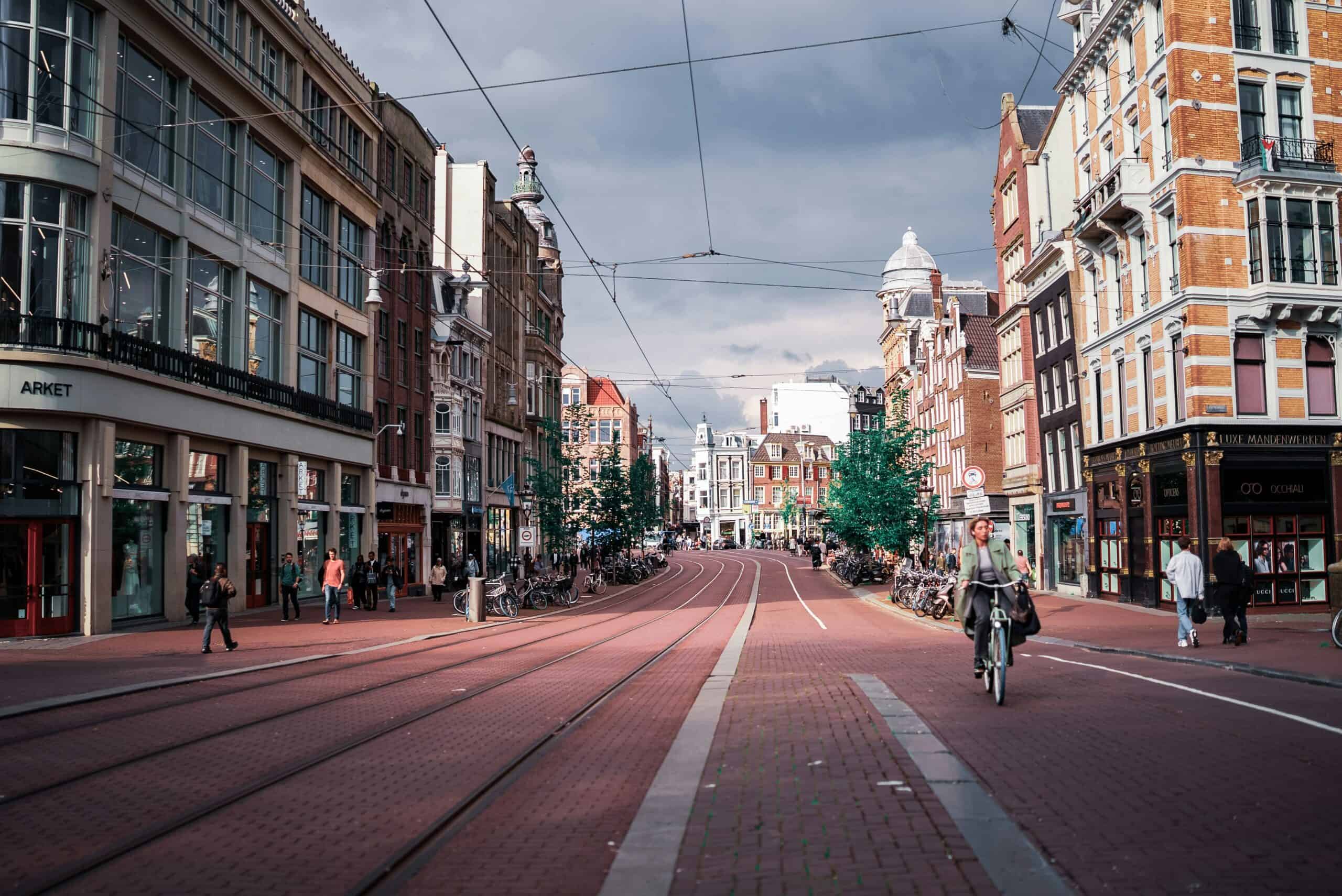
Amsterdam is compact, beautiful, and easy to navigate, but that compactness can magnify tourism pressure quickly. Central canal areas become crowded early, and popular routes can feel saturated before noon. Visitors expecting serene postcard calm often encounter dense foot traffic, higher prices, and limited spontaneity in peak season. The city still has exceptional museums, design culture, and neighborhood charm, yet it demands smart pacing. Amsterdam disappoints when it is treated like a quick photo circuit. It rewards those who step beyond the center and build time around local rather than viral hotspots.
Paris, France
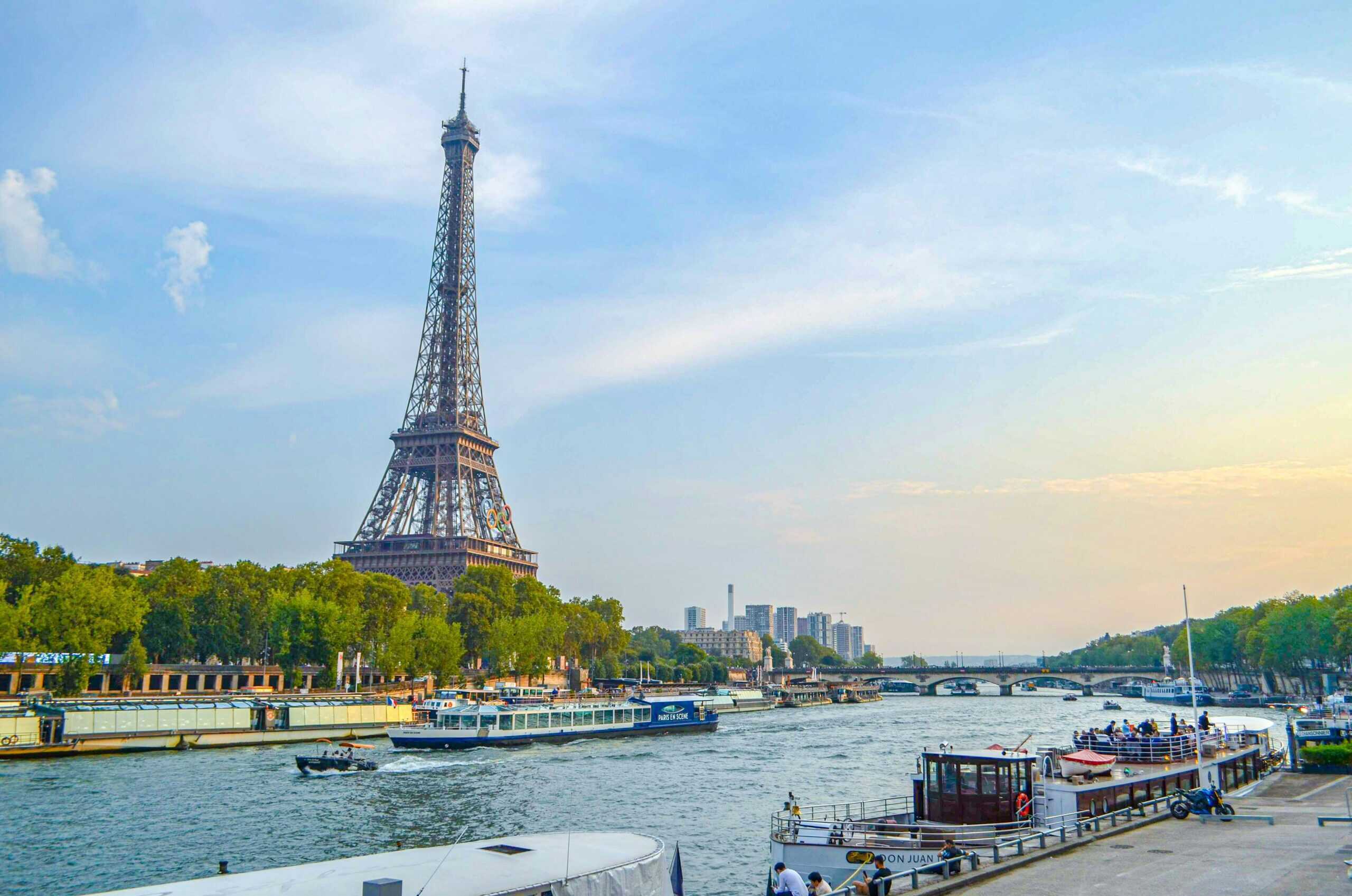
Paris disappoints people who expect every moment to feel cinematic. The city is extraordinary, but it is also large, fast, and logistically demanding when travelers try to stack too much into one day. Long museum lines, packed metro transfers, and high expectations can turn excitement into fatigue by late afternoon. None of this reduces Paris’s cultural power. It simply means the city requires rhythm, not rushing. Paris is most rewarding when days are anchored around one major priority, with space for neighborhood wandering, cafés, and unscripted time between major sites.
Santorini, Greece
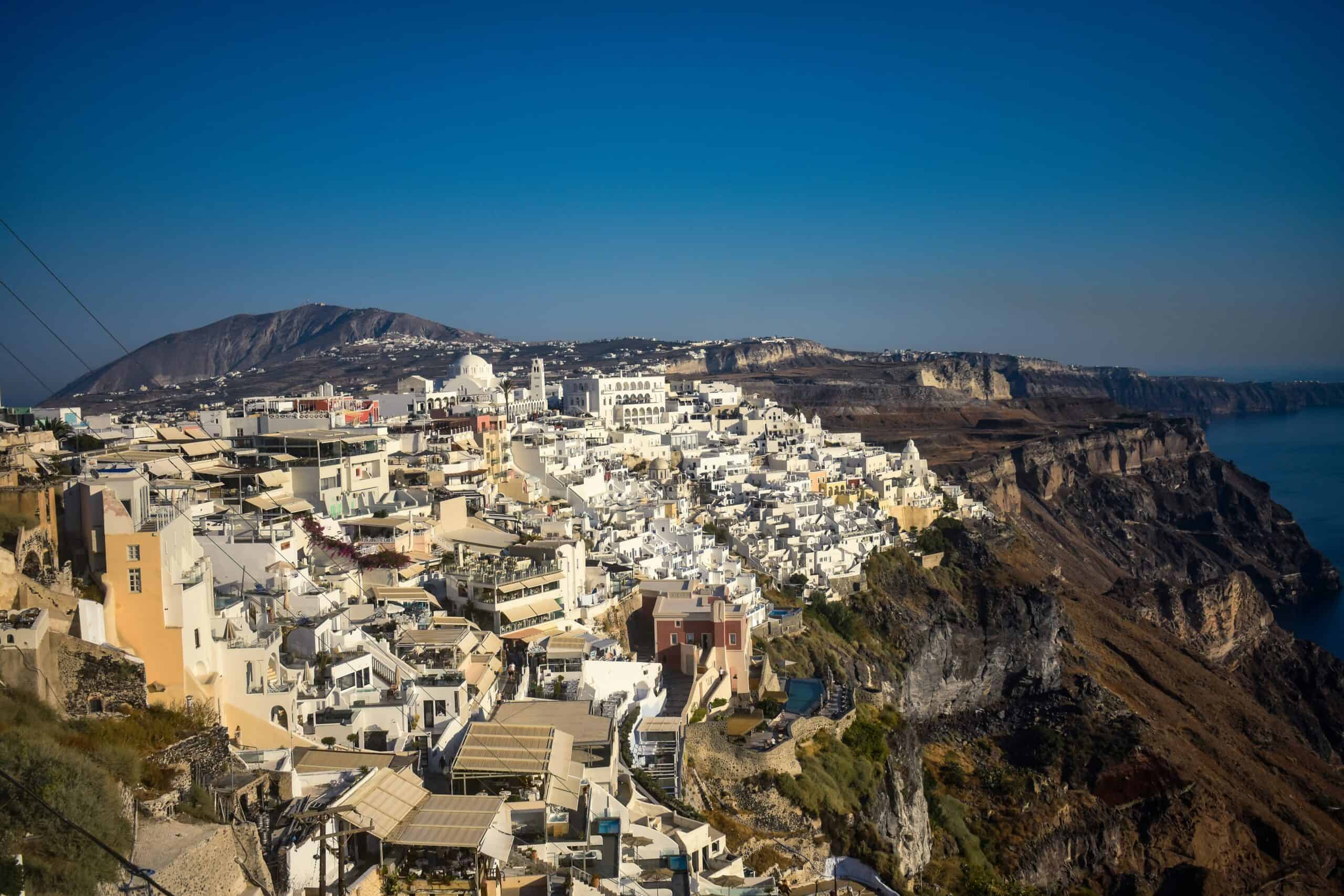
Santorini is visually stunning, but its beauty sits inside a narrow, capacity-limited landscape. Cliffside lanes and viewpoint clusters become congested quickly during peak cruise and sunset windows, which can make the island feel more crowded than peaceful. Many visitors arrive expecting effortless romance and find themselves navigating queues, traffic, and tightly packed photo zones. Santorini does not disappoint on scenery. It disappoints on flow when timing is unmanaged. Early mornings, shoulder season travel, and smaller-village detours usually transform the experience from stressful spectacle to something genuinely memorable.
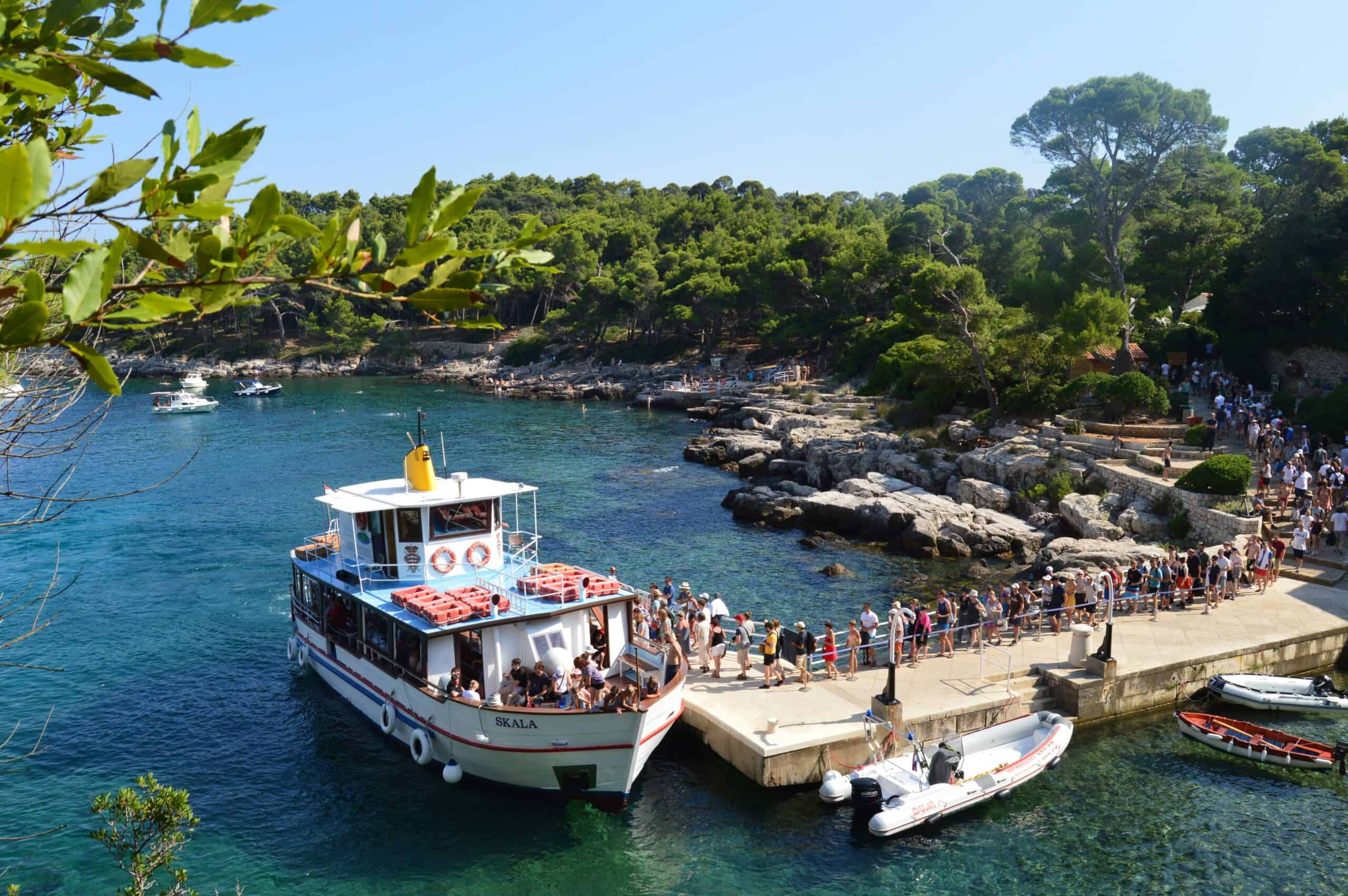
Dubrovnik, Croatia
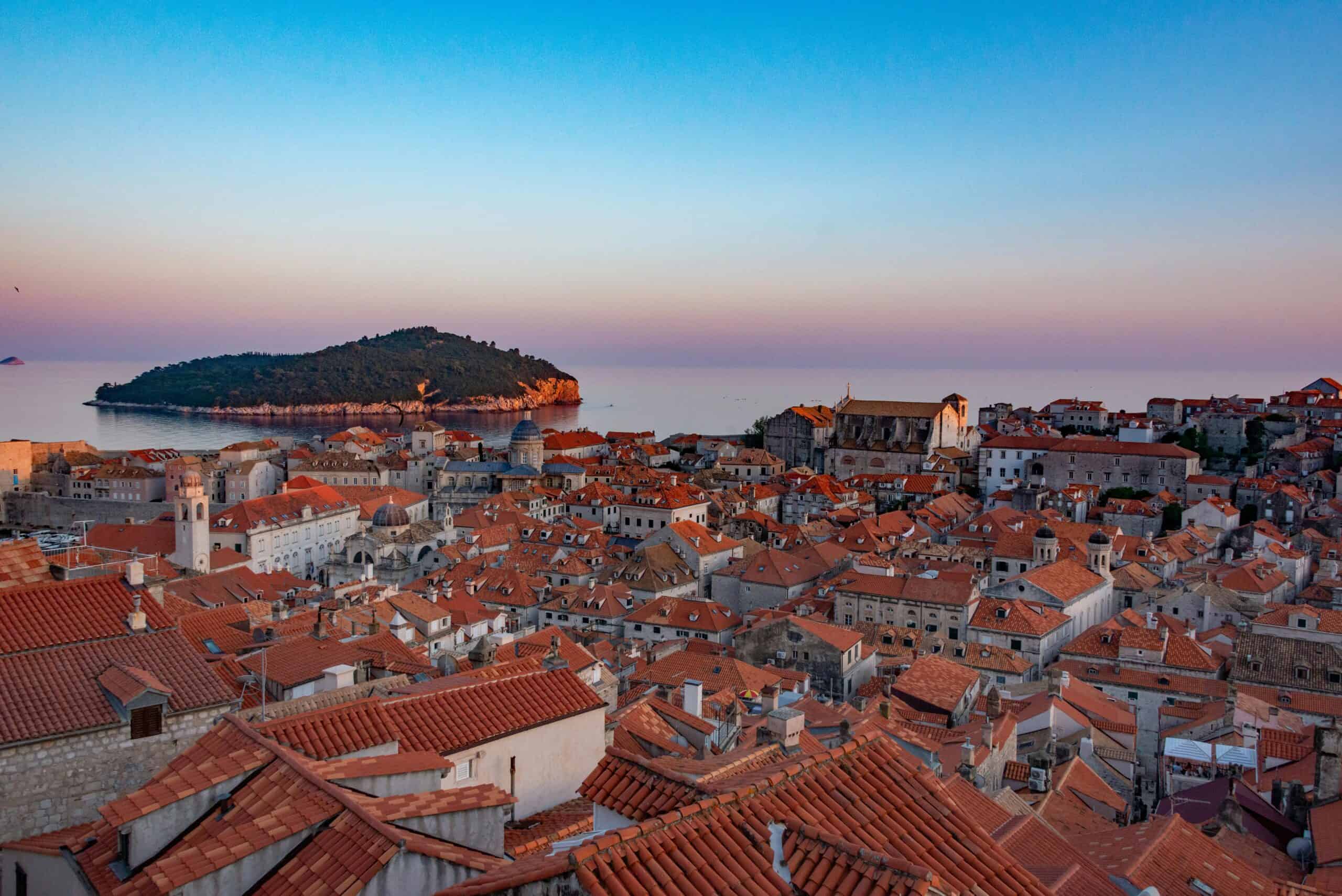
Dubrovnik’s old town is one of Europe’s most dramatic historic settings, yet it can feel overcompressed during high season. A walled core with narrow streets offers limited room for surge traffic, especially when cruise schedules overlap with day-trip arrivals. What should feel immersive can become stop-start movement through bottlenecks and queue lines. Visitors expecting cinematic calm often meet crowd logistics instead. Dubrovnik still delivers powerful architecture and atmosphere, but disappointment grows when trips are planned around peak hours. It performs far better at opening times and in quieter seasonal windows.
Cancun, Mexico
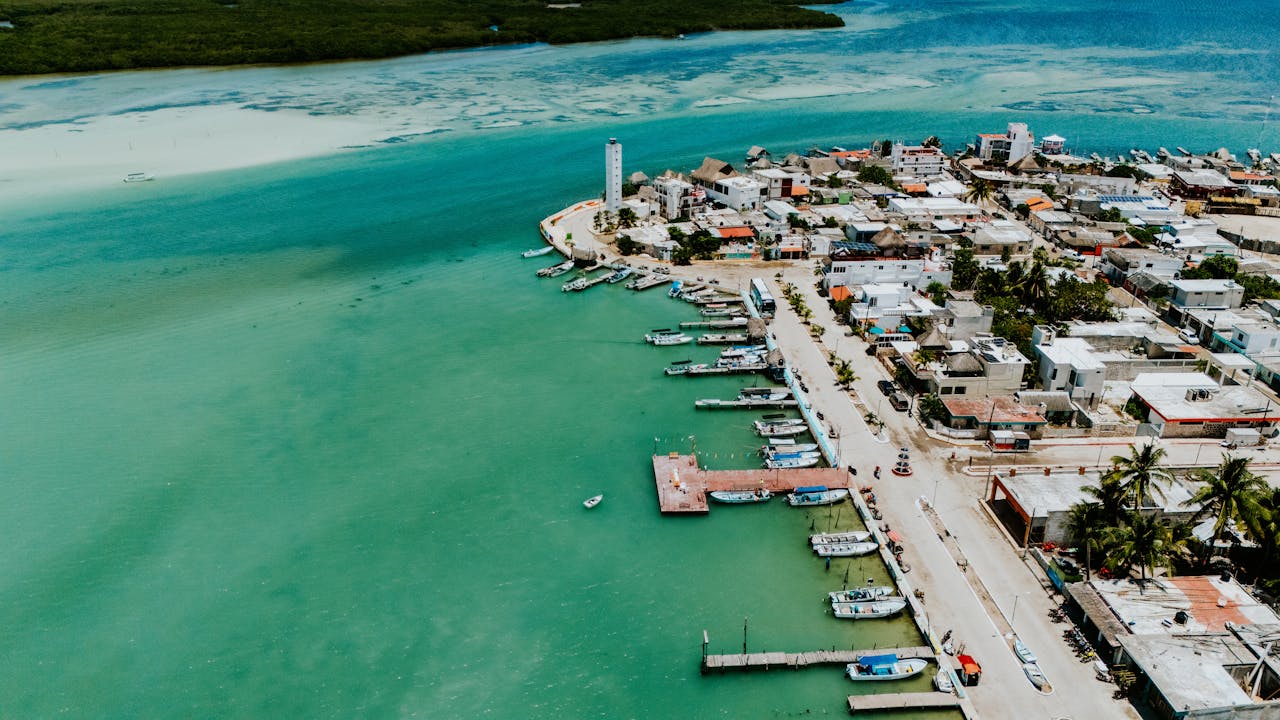
Cancun disappoints many travelers because expectation and product type often diverge. People seeking deep local immersion sometimes book hotel-zone itineraries built for convenience, resort throughput, and controlled leisure rather than neighborhood discovery. The result can feel polished but generic, especially for visitors wanting street-level culture and historical texture. Cancun is not a weak destination. It is a specialized one. Those who want beaches and all-inclusive ease often leave satisfied, while those chasing city character usually need to plan beyond the resort corridor to avoid feeling underwhelmed.
Orlando, United States
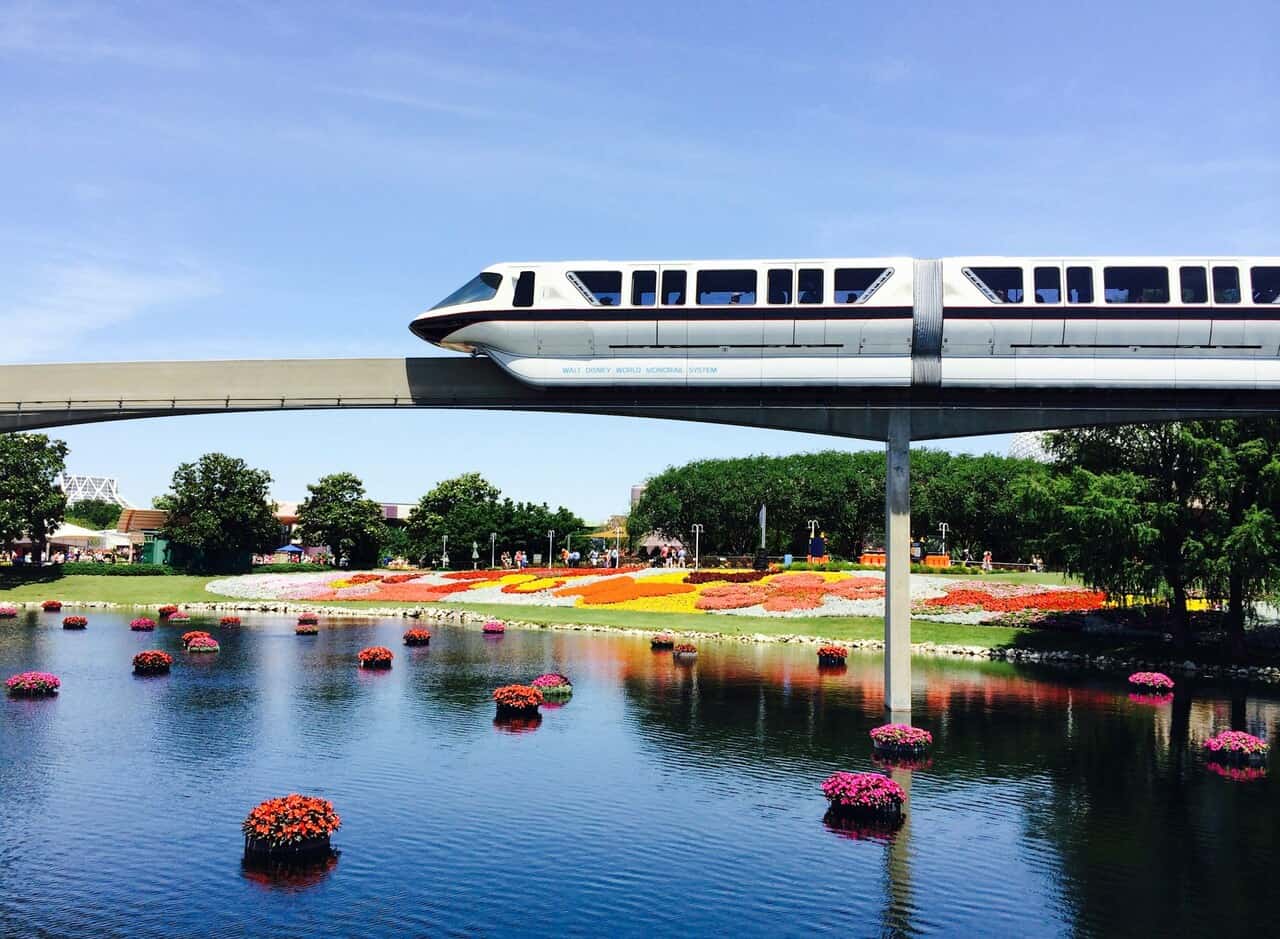
Orlando can be fun, but it is rarely effortless. Theme-park logistics require precise planning, timed reservations, and budget discipline, and first-time visitors often underestimate how much that affects daily enjoyment. Without structure, days can become expensive, crowded, and physically draining, particularly in hot-weather months. The city disappoints when it is treated like a spontaneous urban break. It succeeds when handled like a system that rewards preparation. Families and groups who plan for pacing, transport windows, and recovery time tend to leave with stronger memories and less frustration.
Reykjavík, Iceland
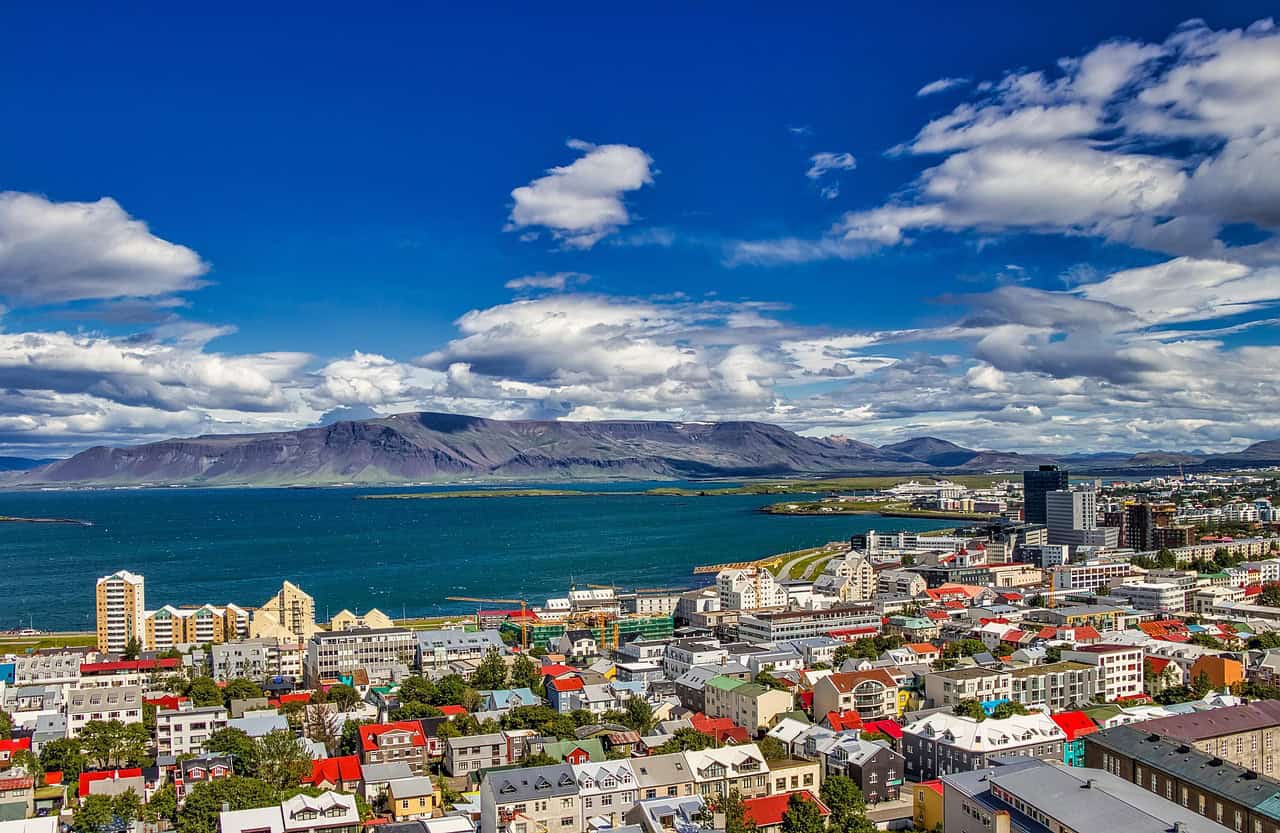
Reykjavík sometimes disappoints because travelers project big-capital expectations onto a smaller, calmer city. The urban core is pleasant and culturally interesting, but many of Iceland’s headline experiences sit outside city limits and require day tours or self-drive planning. Visitors expecting nonstop metropolitan intensity can misread that scale as lack of content. It is really a framing issue. Reykjavík works best as a thoughtful base with strong food, design, and access to wider landscapes. When understood that way, it feels grounded and rewarding instead of unexpectedly quiet.