We may earn money or products from the companies mentioned in this post. This means if you click on the link and purchase the item, I will receive a small commission at no extra cost to you ... you're just helping re-supply our family's travel fund.
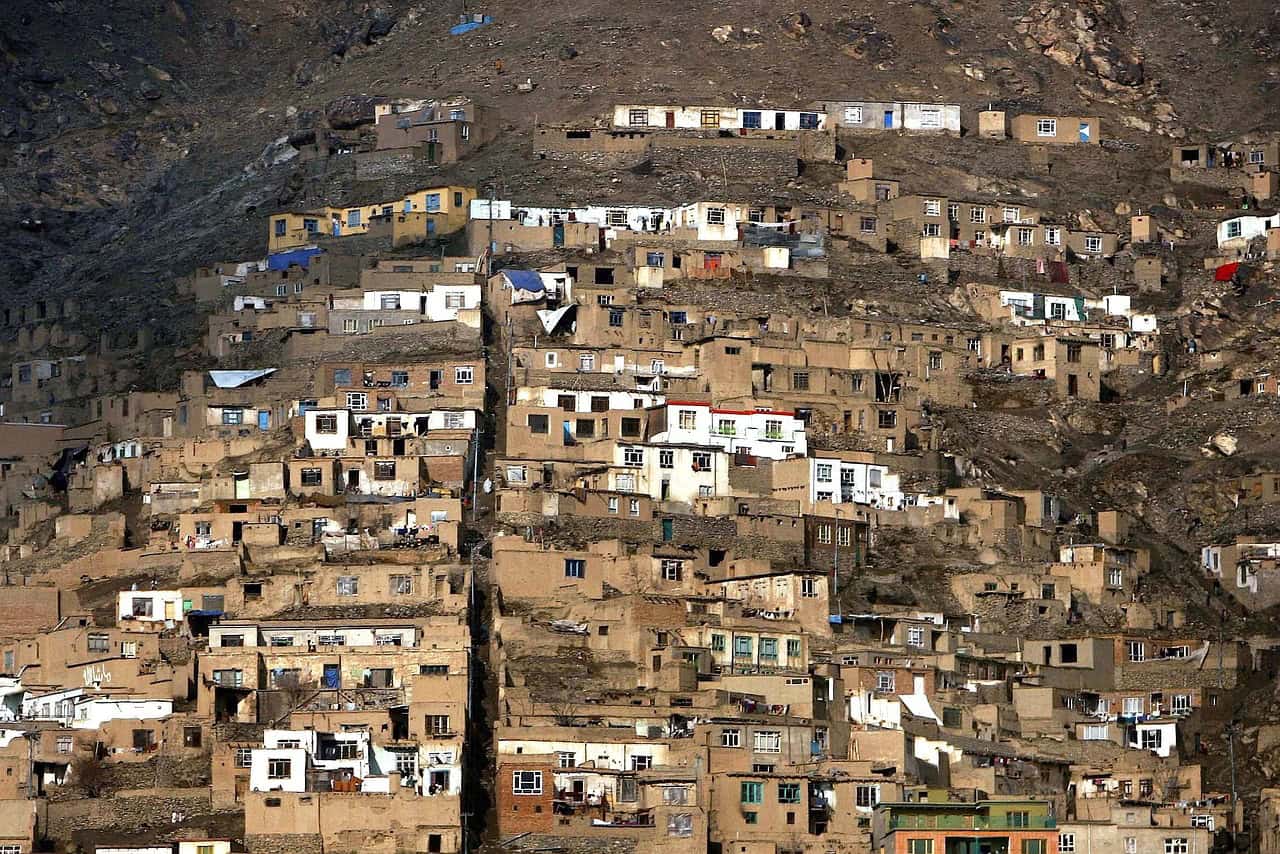
Travel can be transformative, but not every destination is safe to explore, especially when conflict, crime, or collapse dominate daily life. Some countries currently face conditions that make tourism extremely risky, regardless of preparation or experience. These dangers range from active war zones and terrorism to state failure, extreme crime rates, and nonexistent emergency services. The list below takes a grounded, factual look at nine countries where tourism is strongly discouraged. Each section explains why these places are dangerous right now, backed by numerical data and real-world conditions, while keeping the focus on traveler safety rather than sensationalism.
1. Afghanistan
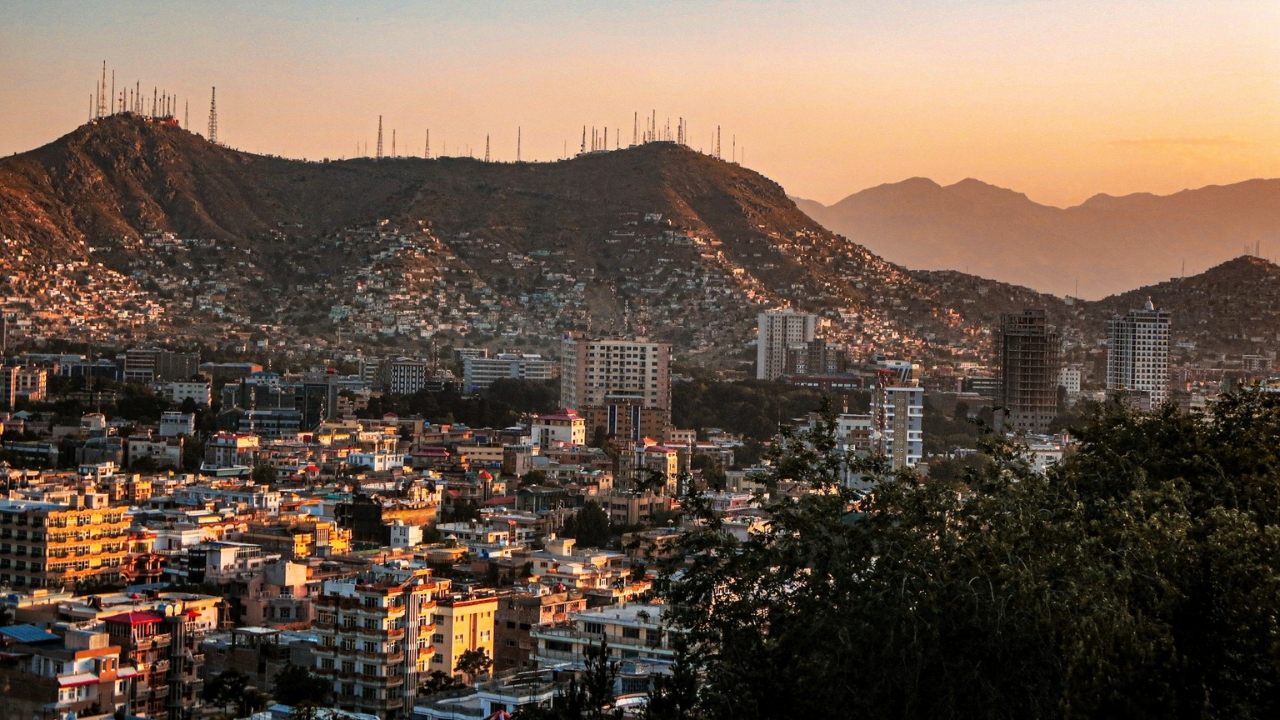
Afghanistan consistently ranks among the world’s most dangerous countries for visitors. Since the Taliban takeover, security incidents have surged, with over 1,500 violent attacks recorded annually. Terrorism, arbitrary detention, and kidnappings remain major threats, especially for foreigners. There is virtually zero tourist infrastructure, and most embassies have closed or operate remotely, limiting consular help. Medical facilities are scarce, with fewer than 0.3 hospital beds per 1,000 people, and evacuation options are extremely limited. Borders and internal checkpoints can close without notice, making movement unpredictable. Foreigners stand out immediately, increasing risk. Even aid workers and journalists require heavy security, making leisure travel unjustifiably dangerous.
2. Syria
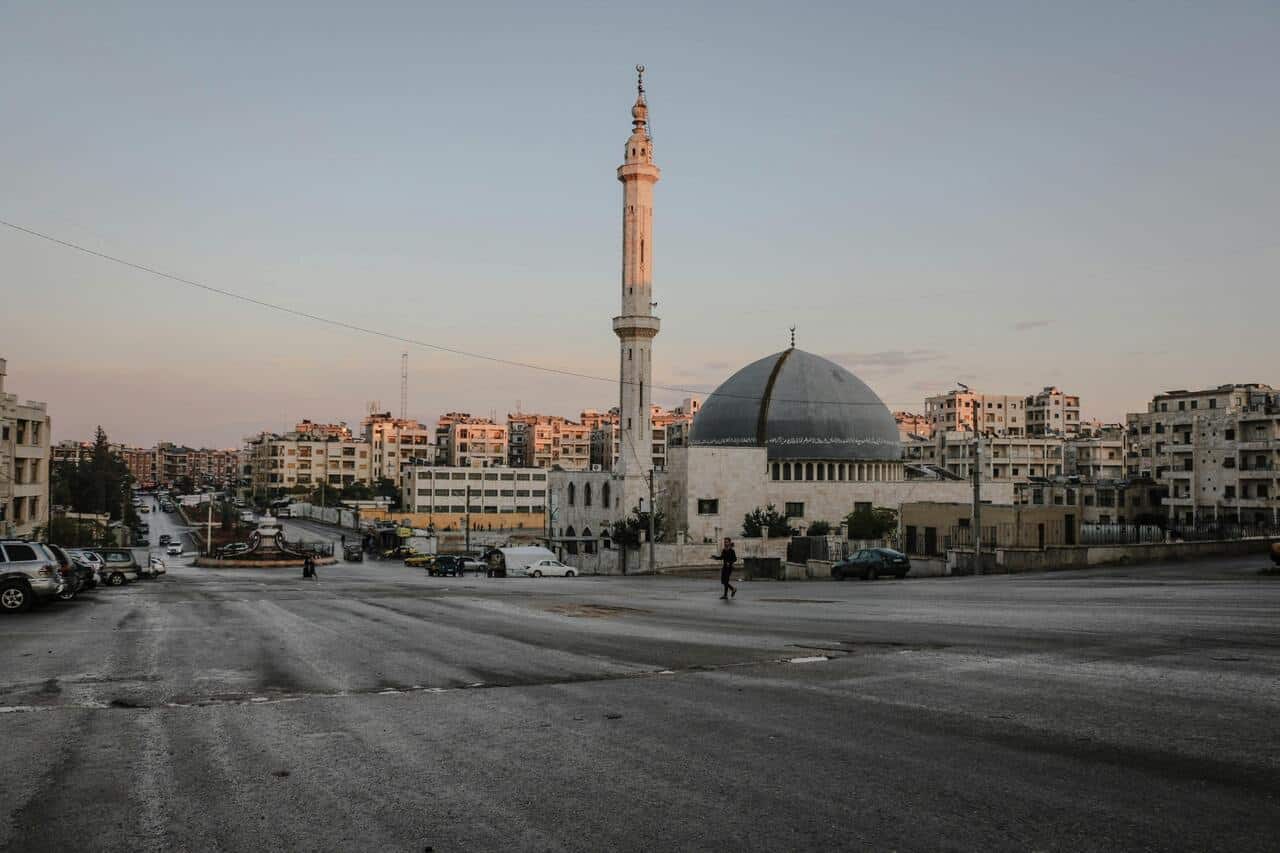
More than a decade of civil war has left Syria deeply unsafe for tourism. Despite reduced fighting in some regions, over 6 million people remain internally displaced, and unexploded landmines cause hundreds of civilian deaths each year. Airstrikes, militia clashes, and arbitrary arrests still occur. Infrastructure damage exceeds $400 billion, crippling transport, electricity, and healthcare. Many areas lack clean water or functioning hospitals, with doctor-to-patient ratios among the lowest globally. Borders shift control frequently, and foreigners face a real risk of detention or being caught in sudden violence. Travel advisories from most countries remain at their highest warning level.
3. Yemen
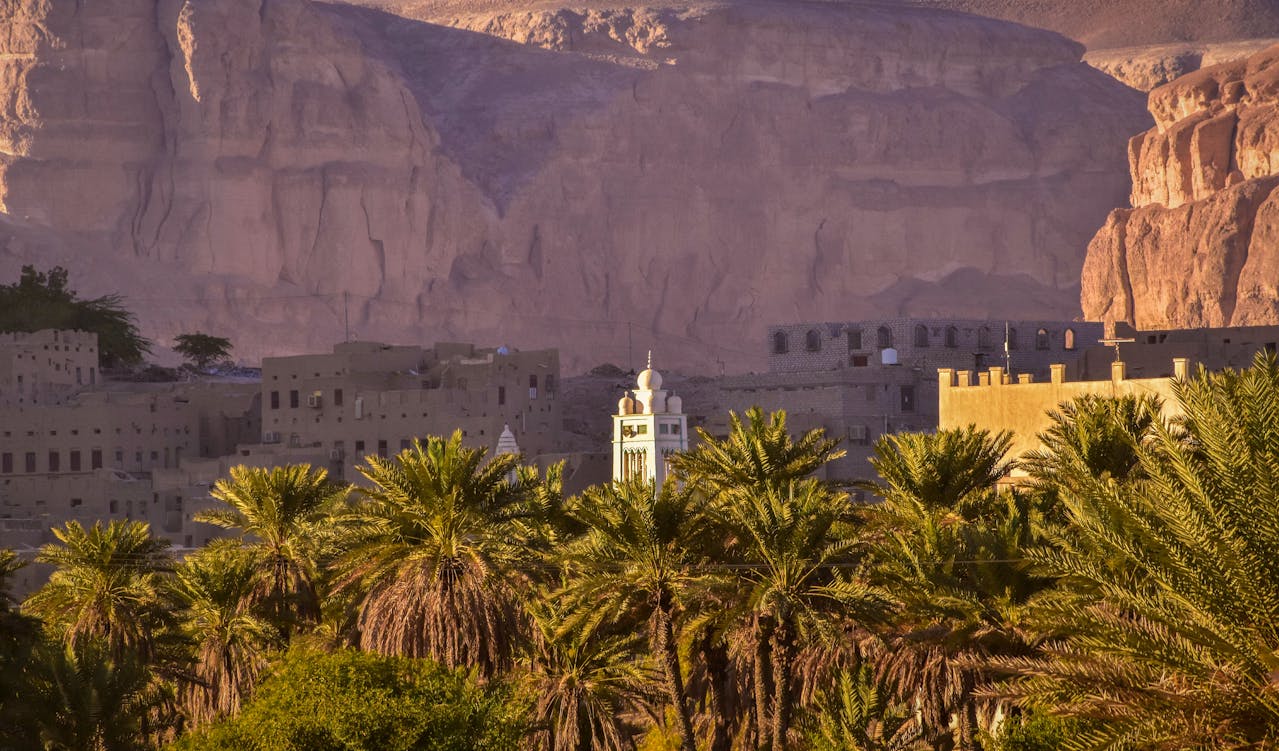
Yemen is widely considered one of the most dangerous places on Earth. Ongoing civil war has resulted in over 377,000 deaths, many from indirect causes like famine and disease. Armed clashes, airstrikes, and roadside checkpoints make travel nearly impossible. Over 80% of the population relies on humanitarian aid, and healthcare has collapsed, with fewer than 50% of hospitals functioning. Kidnappings of foreigners have historically been common, and evacuation routes are unreliable. Fuel shortages frequently halt transportation. With airports closed or operating sporadically, tourists have almost no safe entry or exit options.
4. Somalia
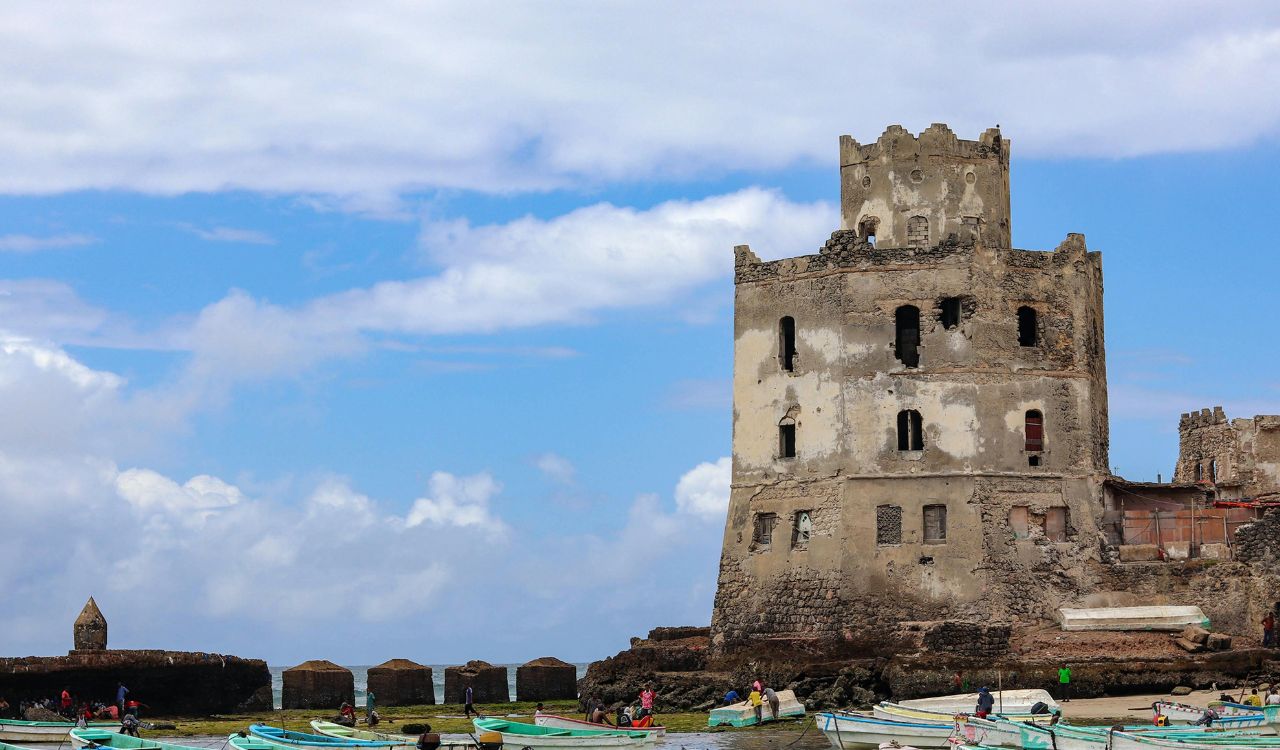
Somalia faces persistent threats from terrorism, piracy, and weak governance. The militant group Al-Shabaab carries out hundreds of attacks annually, targeting government buildings, hotels, and public spaces. Somalia’s homicide rate exceeds 35 per 100,000 people, among the highest worldwide. Outside limited zones in Mogadishu, security forces have little control. Medical care is extremely limited, with just 0.9 physicians per 100,000 people. Road travel is particularly dangerous due to ambushes and illegal checkpoints. Even seasoned professionals operate under armed protection, making tourism exceptionally unsafe.
5. South Sudan
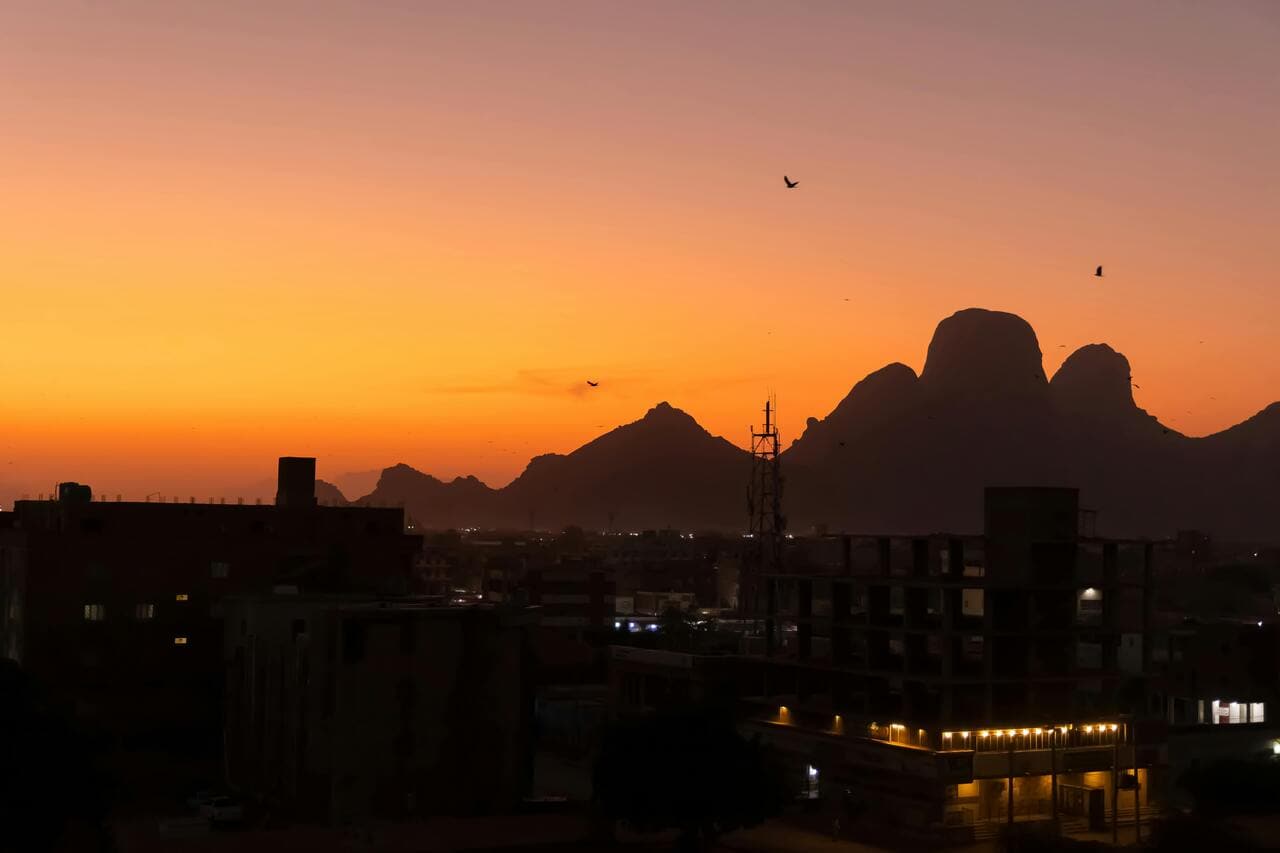
South Sudan has struggled with instability since its independence in 2011. Armed conflict and ethnic violence continue to displace civilians, with over 2 million refugees outside the country. Crime rates are high, and the homicide rate is estimated above 40 per 100,000 people. Roads are poorly maintained and often controlled by armed groups. Medical infrastructure is minimal, with fewer than 200 doctors nationwide for a population of 11 million. Violence can erupt with little warning, and foreigners may be targeted during unrest. Reliable communication and emergency evacuation are extremely limited.
6. Libya
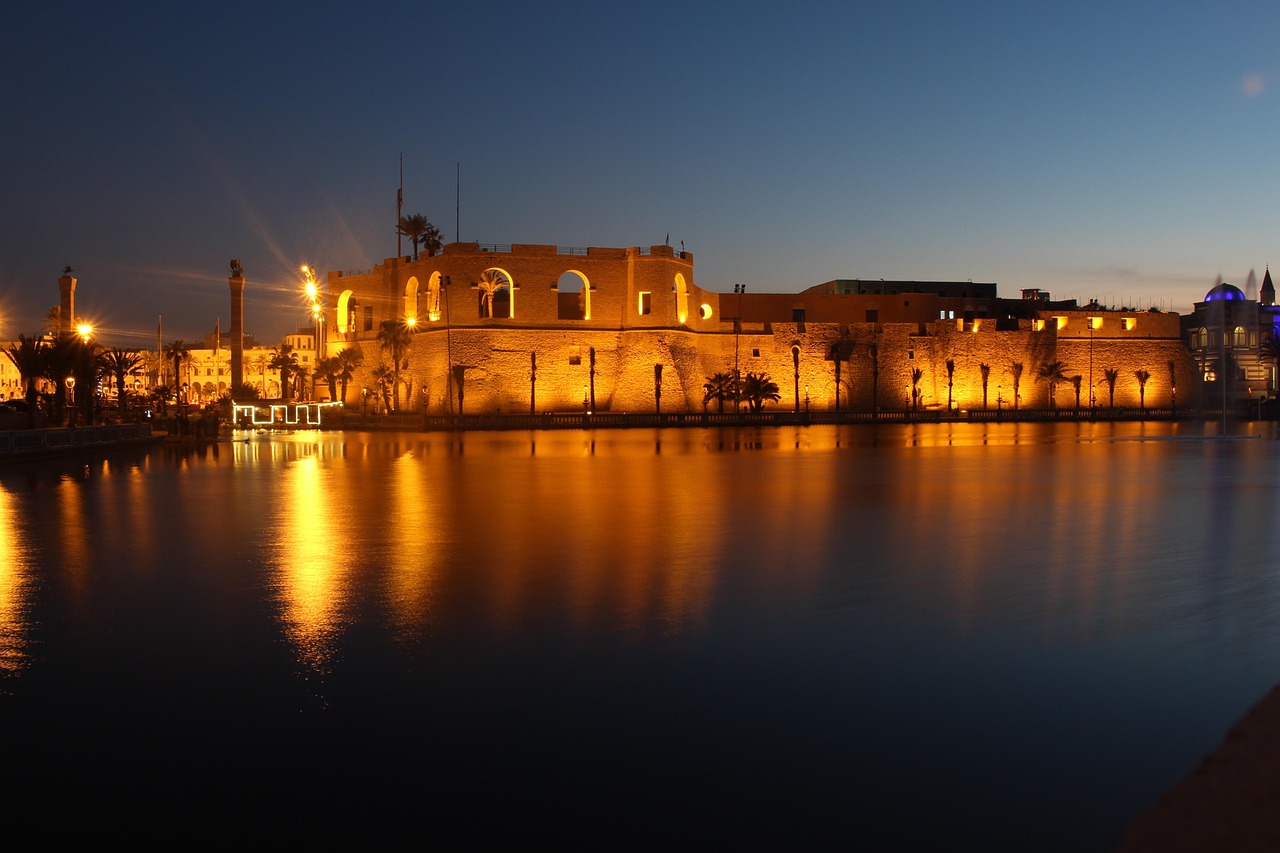
Libya remains fragmented between rival governments and armed militias. The country contains an estimated 500,000 unexploded landmines and remnants of war, posing constant danger. Kidnappings, including of foreigners, are regularly reported, and armed clashes can break out even in major cities. Libya’s murder rate is significantly higher than regional averages, and police authority is inconsistent. Airports and roads may close suddenly due to fighting. Healthcare is unreliable, with many hospitals lacking equipment or staff. Without a functioning national security system, tourism remains highly risky.
7. Central African Republic
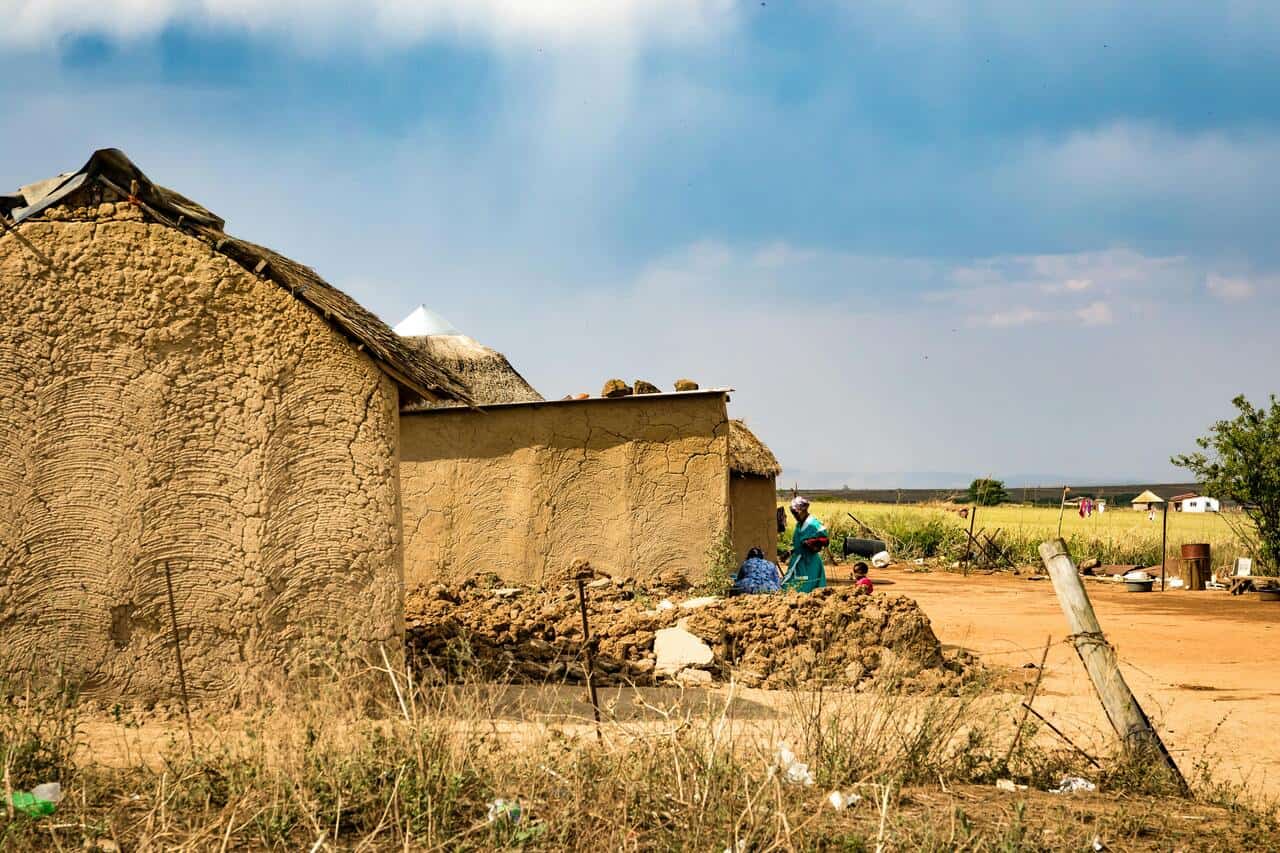
The Central African Republic (CAR) is marked by chronic instability and rebel violence. Armed groups control large parts of the country, and nearly 70% of territory lies outside government authority. The homicide rate exceeds 22 per 100,000 people, and violent crime is widespread. Infrastructure is severely underdeveloped, with fewer than 1 paved road per 1,000 square kilometers. Medical care is scarce, averaging 1 doctor per 20,000 people. Humanitarian convoys themselves often require armed escorts. For tourists, access to safety, healthcare, and reliable transport is extremely limited.
8. Venezuela
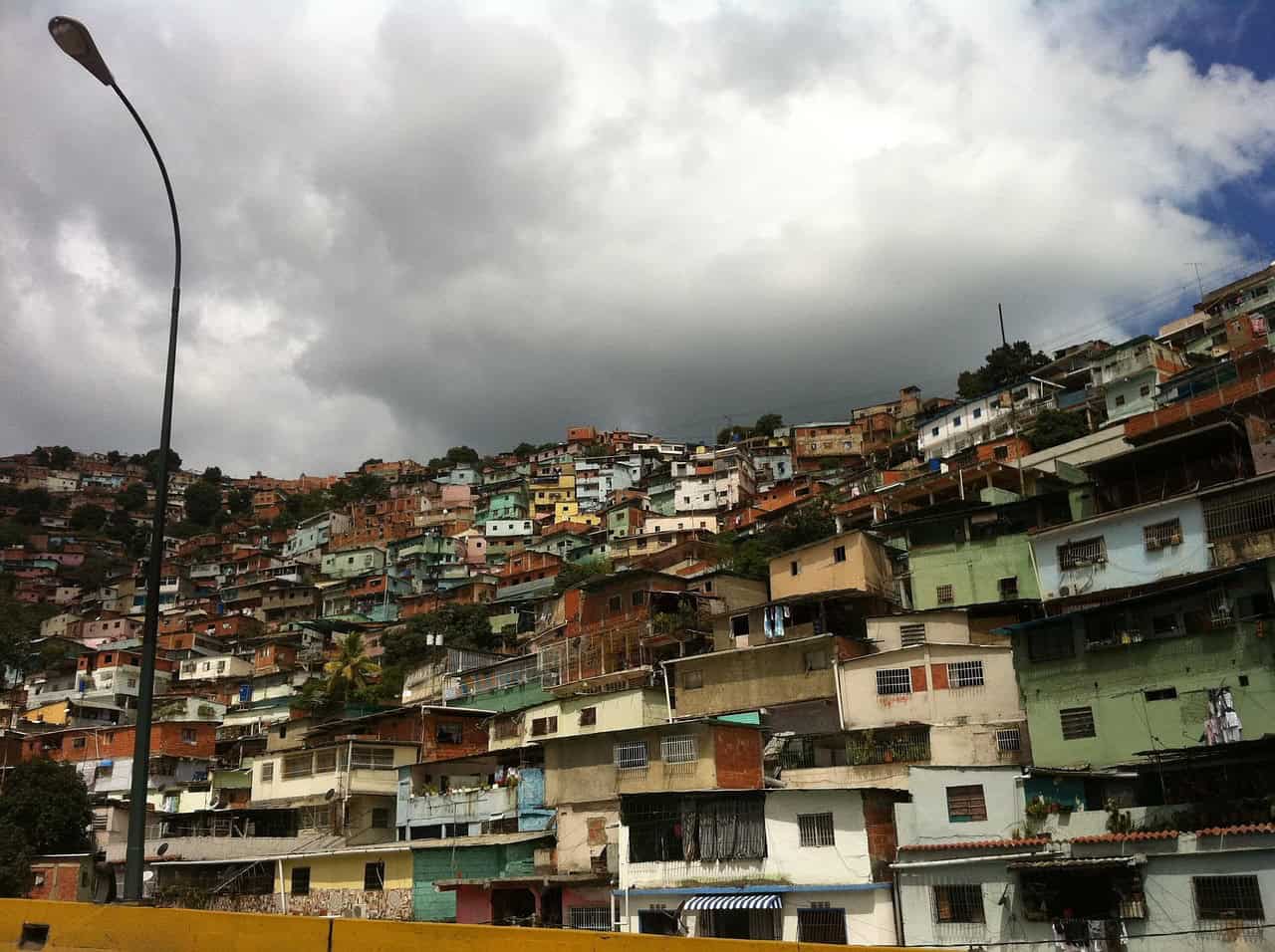
Venezuela’s danger comes less from war and more from extreme crime and economic collapse. The country’s homicide rate has hovered around 26 per 100,000 people, far above the global average. Armed robberies, kidnappings, and police corruption are common, even in daylight. Infrastructure failures cause frequent power outages and fuel shortages. Inflation, once exceeding 1,000% annually, has weakened basic services, including healthcare. Foreigners may be targeted due to perceived wealth. While some areas are calmer, risk levels vary unpredictably, making tourism unsafe without strong local support.
9. Haiti
Haiti faces escalating gang violence and political instability. Armed groups control an estimated 60% of Port-au-Prince, with kidnappings rising by over 200% in recent years. Homicide rates exceed 20 per 100,000 people, and police resources are stretched thin. Roads are frequently blocked, and violent protests can erupt suddenly. Hospitals struggle with shortages of staff, fuel, and medicine. Even humanitarian workers face attacks. With ports and airports periodically disrupted, tourists risk being stranded during unrest, making non-essential travel highly dangerous.