We may earn money or products from the companies mentioned in this post. This means if you click on the link and purchase the item, I will receive a small commission at no extra cost to you ... you're just helping re-supply our family's travel fund.
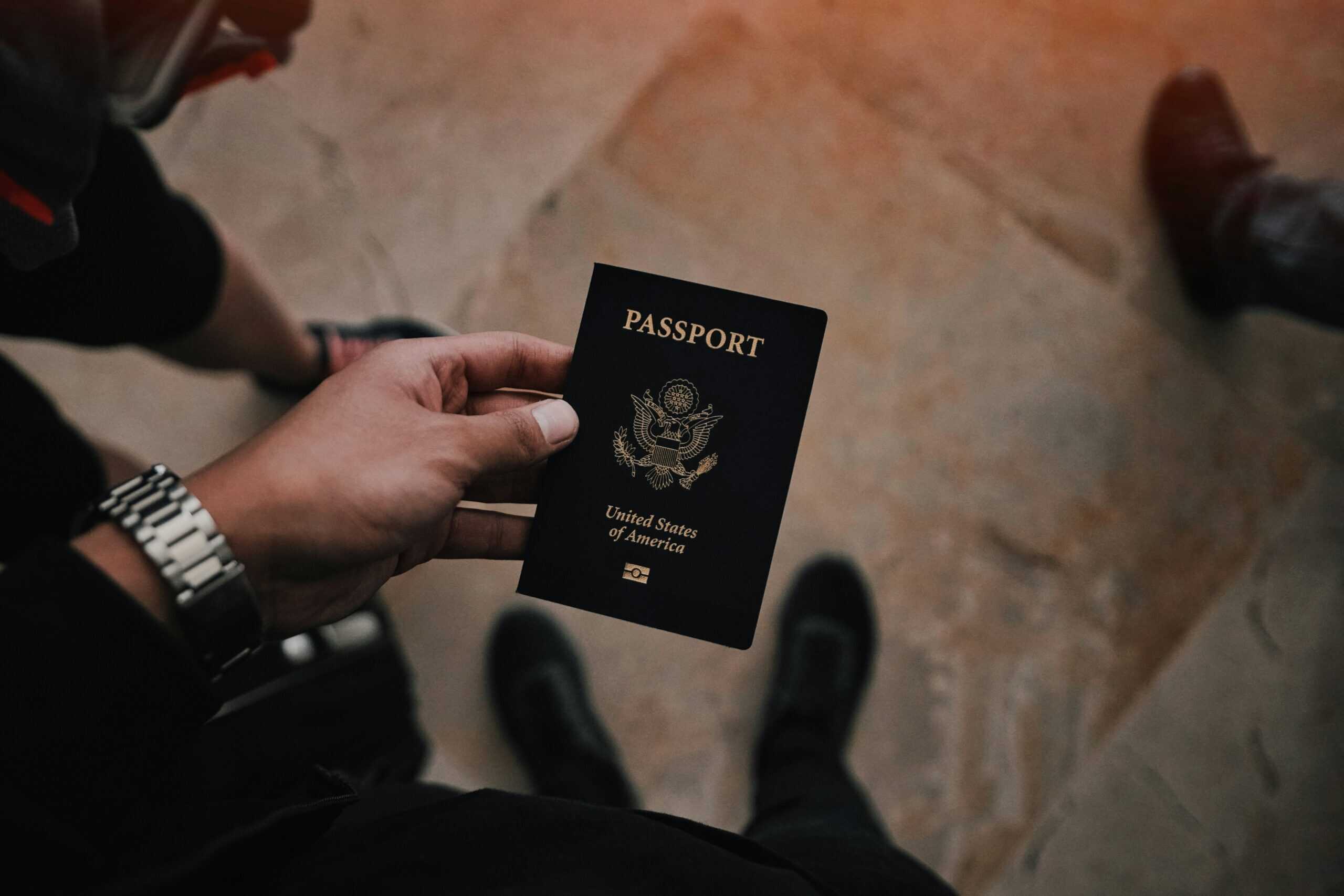
A passport is often treated like a keepsake tucked into a drawer, not a deadline that can rewrite vacations overnight. Yet airline agents see the consequence of procrastination every day: travelers denied boarding because the math between issue date, entry rules, and return dates never crossed their mind. The rules sound simple until they collide with different country standards, airline liability, and automated document checks. In 2026, the most painful travel problems still come from small oversights, especially at the gate, with luggage already tagged.
Assuming Expiration Equals Valid Until the Printed Date
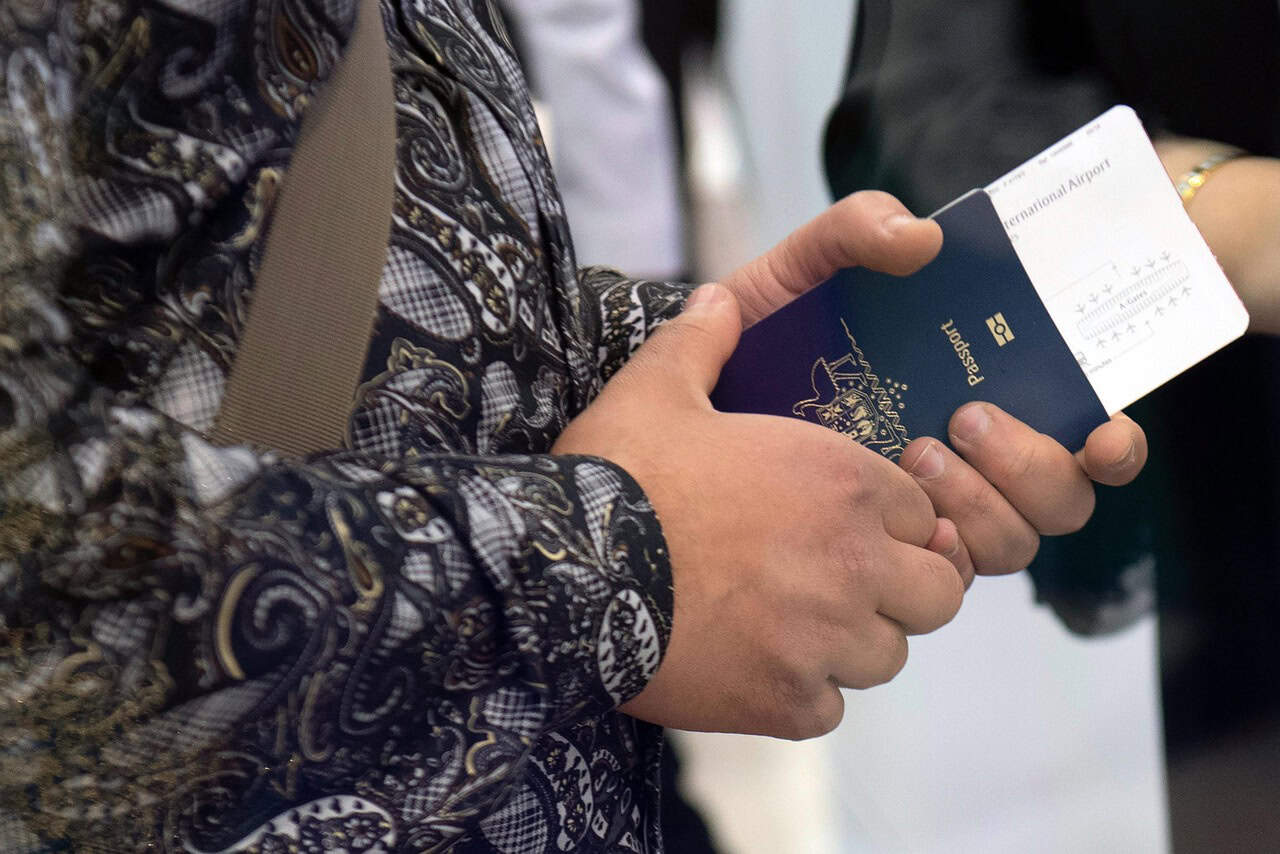
Many Americans read the expiration line like it’s a green light through midnight on that final day. The catch is that the printed date isn’t the only date that matters. Plenty of countries require extra validity beyond your arrival or departure, and the buffer can differ by destination and even by route. Airlines enforce it because they’re liable if you’re refused entry, so the stop happens at the counter. A simple habit saves trips: check the rule for your destination and any transit country, then make sure your passport clears that window with room to spare.
Ignoring the Six,Month Rule for Return Dates

/Freepik
It’s easy to check the outbound flight and stop thinking. But many destinations and airline systems apply the validity rule to the whole trip, including the day you fly home. If your passport falls under the required window before your return, you can be denied boarding even if entry on day one would have been allowed. Work backward from the date you land back home, then add slack for delays, missed connections, or an unplanned overnight that pushes your return into the next day. And if you’re transiting or adding a side trip, check that leg too, because the strictest segment is the one that wins.
Not Realizing Airlines Enforce Rules Before Governments Do
At the airport, the airline is the first line of enforcement. Governments publish entry rules, but carriers must apply them in real time, and they can be fined or made to transport you back if you’re turned away. That’s why agents rely on rule databases and take a conservative stance when something depends on passport type, visa status, transit points, or length of stay. Travelers think they’re debating customer service; staff is thinking liability and a departure clock that doesn’t pause. If there’s any doubt, assume the airline will require you to meet the strictest interpretation, because that’s the lowest-risk call.
Letting Kids’ Passports Lapse Faster Than Expected
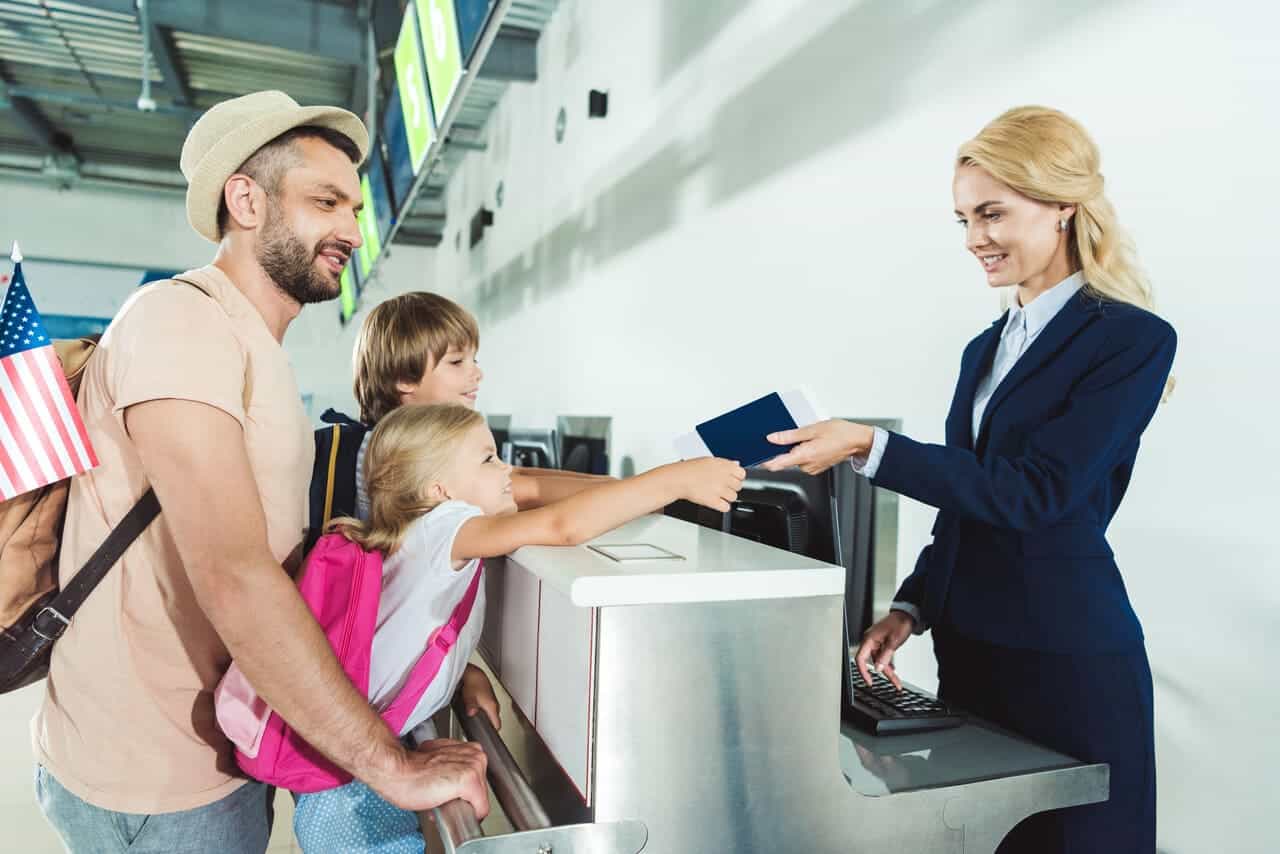
Kids’ passports expire faster than most parents expect: five years instead of ten. That shorter timeline sneaks up between school schedules, family moves, and years when nobody travels. Then the surprise hits at check-in when a child’s passport is weeks from expiring, and the destination’s validity buffer turns almost fine into not allowed. It’s extra painful because one child’s document can cancel flights, hotels, and everyone’s plans at once. The fix is boring but effective: set a renewal reminder the day you receive the passport, then check kids’ dates first whenever you start planning, before you book anything nonrefundable.
Assuming Cruise Travel Removes Passport Pressure

Closed-loop cruises can feel like a loophole, especially when marketing suggests a birth certificate is enough. But that comfort disappears the moment anything changes. A missed boarding time, a medical issue, a diversion to a different port, or a flight home from a foreign city can turn a nice-to-have passport into the only document that keeps you moving. Some ports and shore excursions also set their own rules for disembarking. Treat a cruise like international travel with extra steps, not like a domestic trip on water, and carry a valid passport unless you’ve verified you truly don’t need it for every possible scenario.
Forgetting That Damage Counts Like Expiration
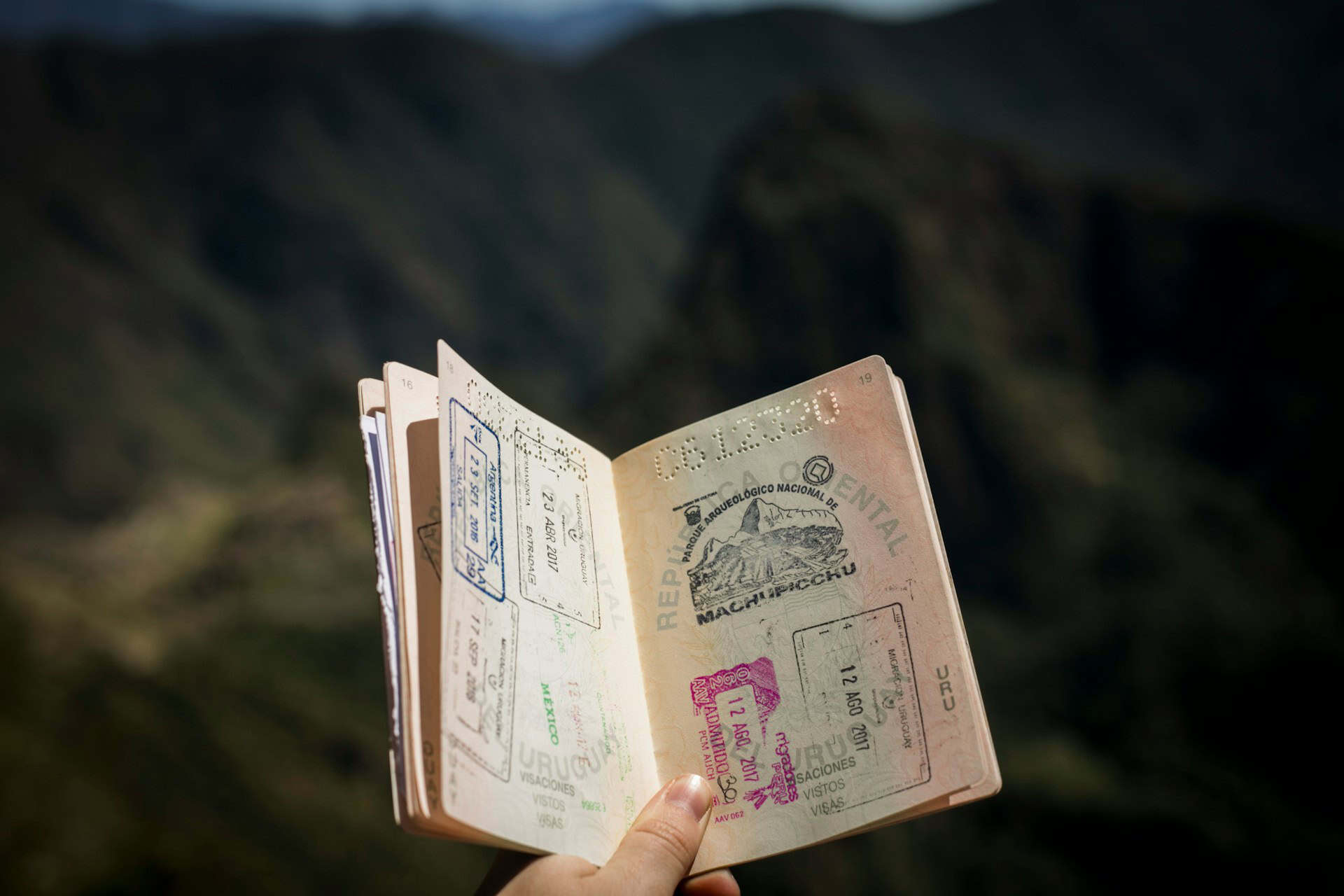
Torn pages, water stains, loose covers, ink marks, or a peeling photo layer can trigger rejection because damage can hide security features or raise tampering concerns. Travelers assume wear is harmless until an agent flips through the pages, pauses, and says they can’t accept it. Even if you flew with it last year, the next airline or agent may interpret the condition differently, and they have the authority to refuse. If anything about the ID page, photo, page numbers, or chip page looks compromised, replace it early while you still have time to do it calmly, not from a terminal.
Relying on Digital Images Instead of the Physical Book

A phone photo is useful for recovery, not for boarding. International check-in depends on the physical passport because the booklet has security elements and machine-readable data that a screenshot can’t replicate. People sometimes realize this only after bags are tagged and they’re standing at the counter with nothing to hand over. A digital copy can help if your passport is lost abroad, and it’s handy for forms or hotel check-in, but it will not get you onto the plane or through immigration. Keep the photo anyway, then pack the book like it’s your wallet: same place, every time, before you lock the door.
Not Checking Minor Name Mismatches After Life Changes
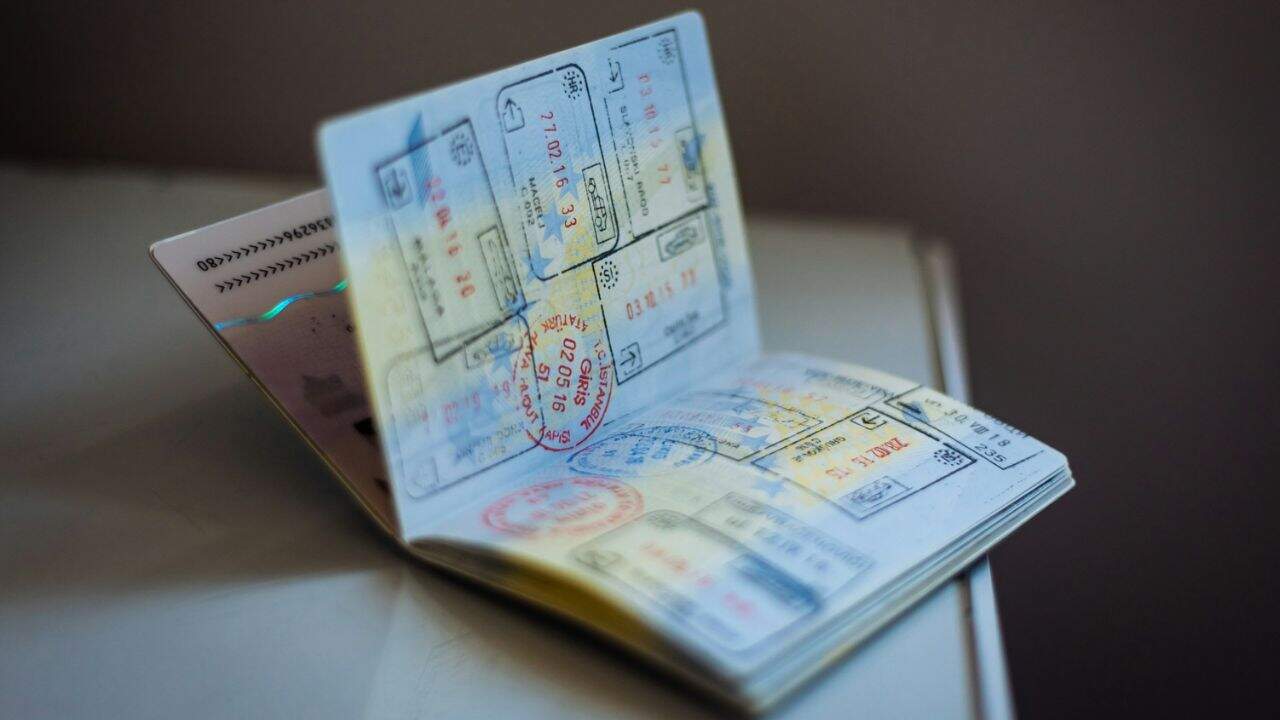
Marriage, divorce, or legal updates can leave passports and tickets slightly out of sync, and airline systems speak in exact characters, not personal history. A missing middle name, a swapped surname order, a hyphen that vanished, or a married name on the ticket that doesn’t match the passport can trigger manual review or a hard stop. Sometimes the counter can fix it, sometimes it requires reissuing the ticket, and sometimes the airline won’t take the risk on an international route. Small mismatches can also break automated online check-in and advance passenger checks. The safest rule is simple: book every ticket to match the passport letter for letter.
Believing TSA Will Catch Problems First

Domestic airport security checks identity and security, not whether a foreign country will accept your passport next week. That’s why people clear screening relaxed and still get denied at the airline desk: validity rules live in a different system, with different responsibilities. The meltdown happens late because you’ve parked, checked bags, and crossed the first hurdle, so it feels like the trip is already underway. Treat TSA as step one, not as proof everything is fine. Your real validation check is the airline’s document review at check-in, so do your passport math before you even leave for the airport.