We may earn money or products from the companies mentioned in this post. This means if you click on the link and purchase the item, I will receive a small commission at no extra cost to you ... you're just helping re-supply our family's travel fund.
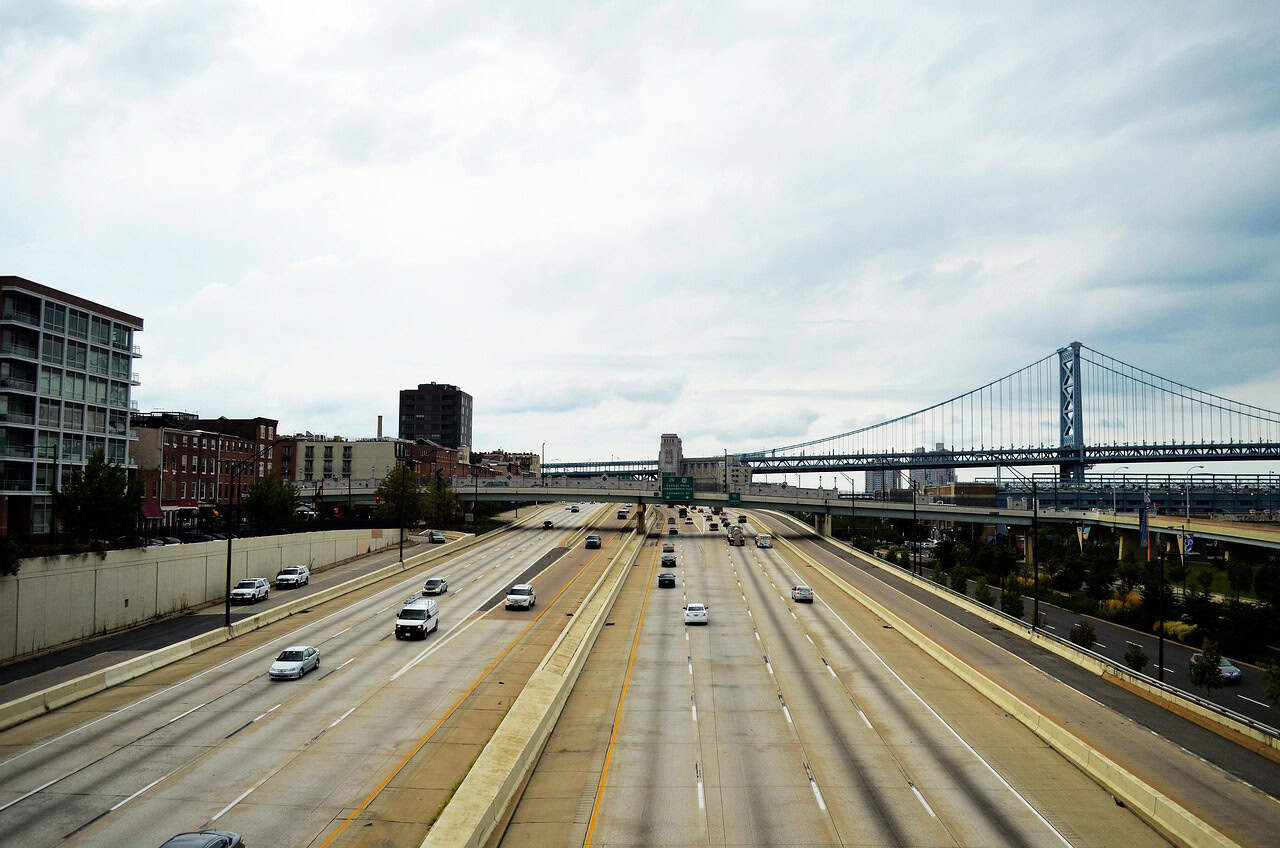
By 2026, travelers across several major corridors are going to notice something very different about their regular drives. A growing number of highways in the United States are shifting toward toll-only operation, driven by rising maintenance costs, funding gaps, and the push toward smarter road management using all-electronic tolling. These policies are meant to stabilize transportation budgets, but for drivers, it means planning ahead, understanding new systems, and budgeting for additional costs before hitting the highway.
1. Interstate 80, Pennsylvania
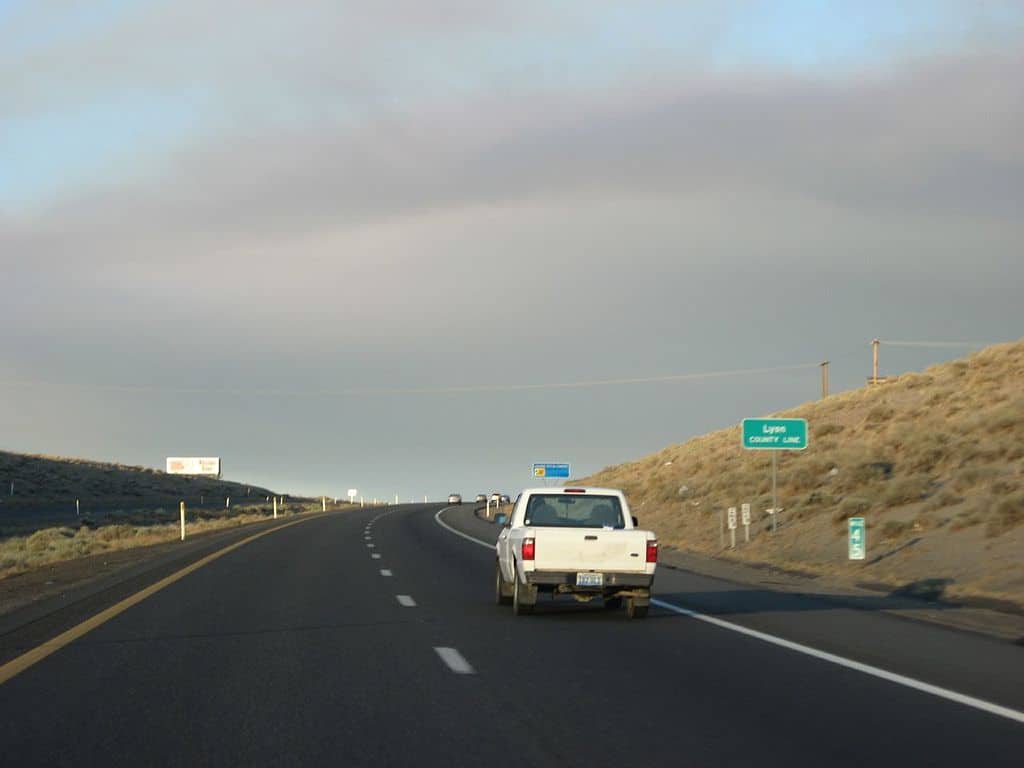
Pennsylvania’s Interstate 80 is moving toward full toll reliance largely to fund repairs along its 311-mile stretch. The state estimates that upkeep and modernization of the highway requires more than $1.2 billion, which existing fuel taxes cannot sustain. By 2026, drivers are expected to pay dynamic, all-electronic tolls ranging roughly from $6 to $25, depending on distance and vehicle class. Over 60,000 vehicles use this route daily, meaning the change will affect commuters, cross-country truckers, and travelers almost instantly.
2. Interstate 95, North Carolina
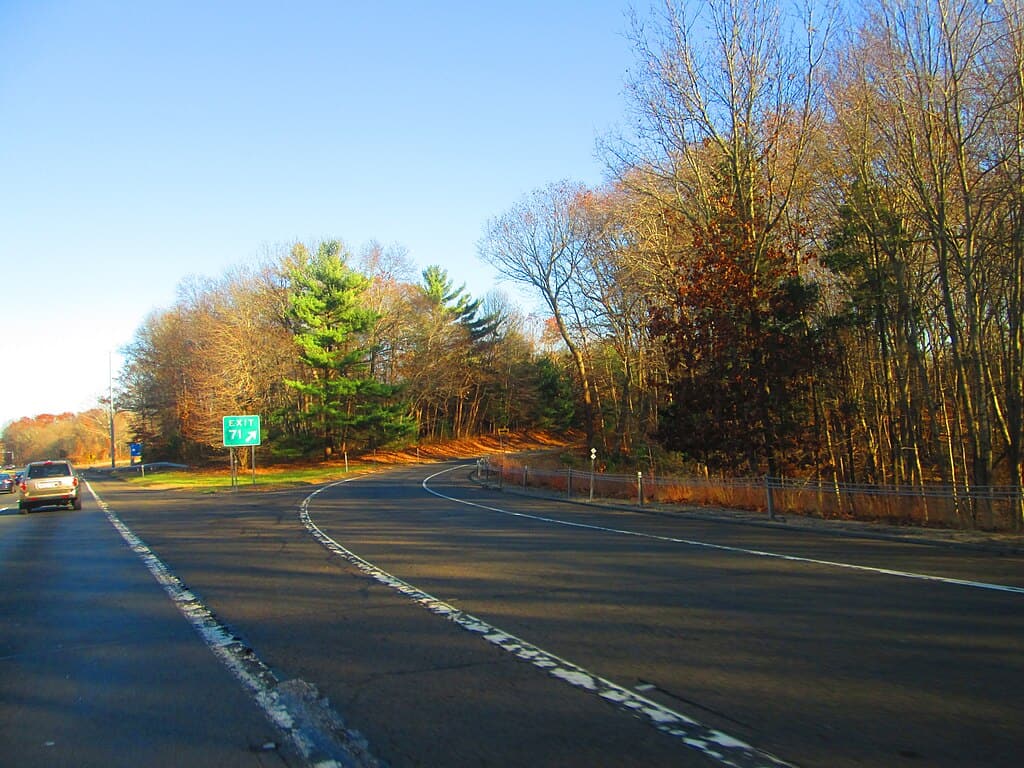
North Carolina’s section of Interstate 95, stretching about 182 miles, has long needed upgrades due to heavy freight and tourism traffic. State planners estimate that more than 70,000 vehicles per day use certain segments, creating wear that demands major investment. By 2026, electronic toll gantries are expected to handle payments, likely ranging from $4 to $18, helping fund widening, bridge rehabilitation, and safety improvements. Officials believe the toll system will generate hundreds of millions of dollars over the next decade to stabilize transportation funding.
3. Interstate 5, Southern California
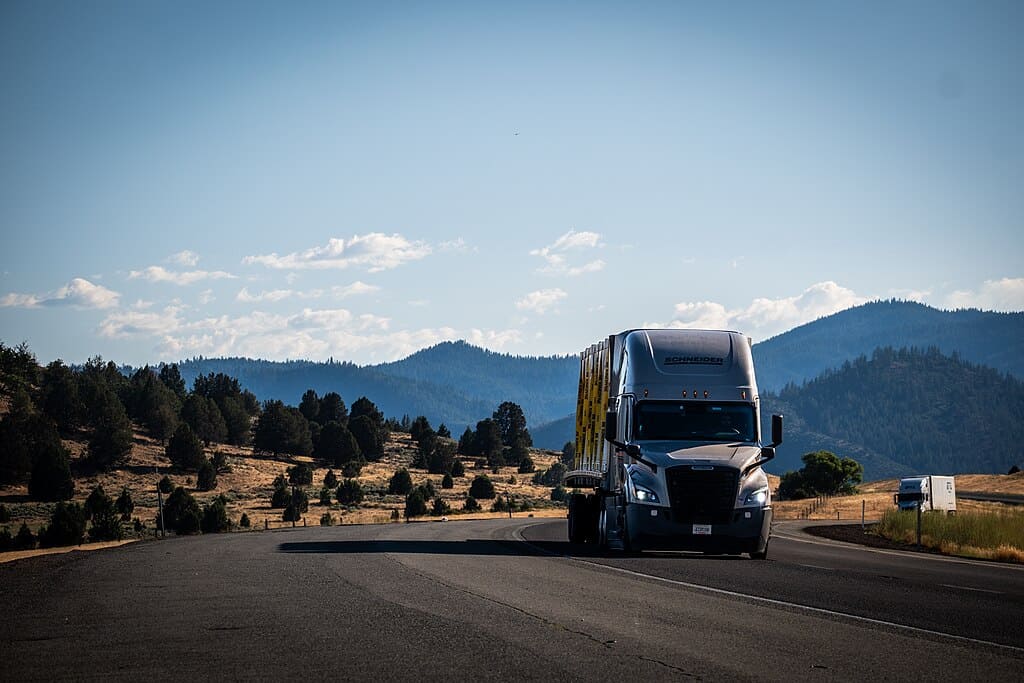
Interstate 5 is one of the West Coast’s busiest highways, serving over 250,000 vehicles daily in some areas. California plans to rely heavily on toll-managed express systems by 2026 to reduce severe congestion while ensuring funds for future expansion. New lanes are expected to stretch across dozens of miles, and pricing may fluctuate between $2 and $25 depending on peak hours, distance, and demand. The state projects billions in lifetime revenue, which will support roadway modernization, transit integration, and environmental mitigation efforts.
4. Interstate 285, Georgia
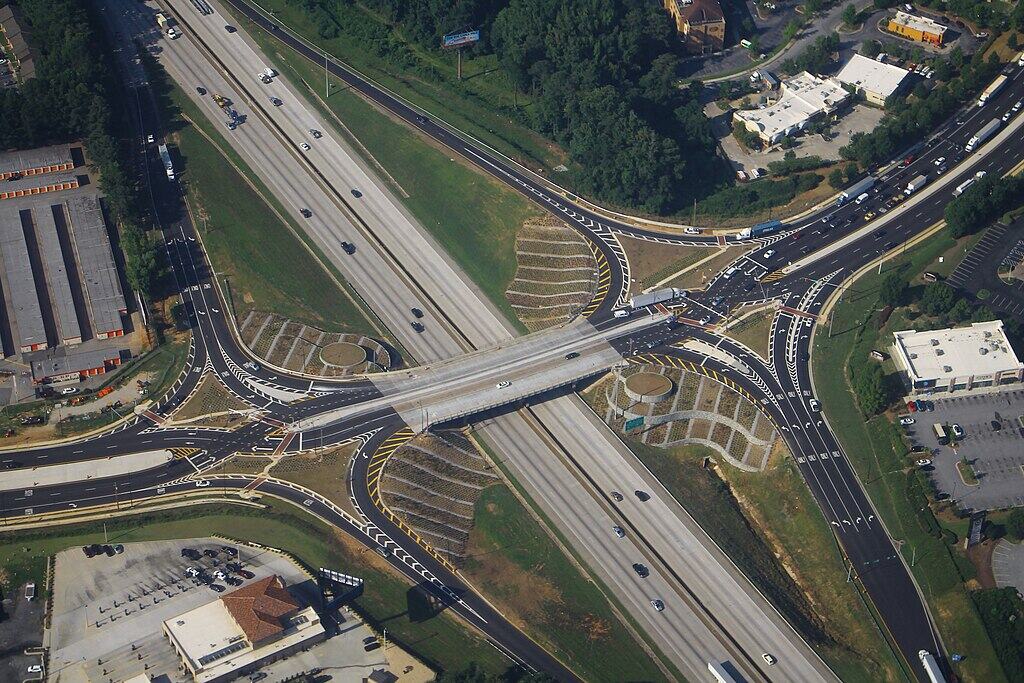
Atlanta’s Interstate 285, carrying roughly 2 million vehicles per week, has long been known for major traffic delays and maintenance challenges. Georgia is moving toward expanded toll express systems circling the metropolitan beltway by 2026, covering several large segments totaling more than 60 miles. Anticipated toll prices are expected to adjust dynamically, often ranging from $1 to $20, particularly during rush-hour congestion. Authorities say revenue from the program is crucial for bridge upgrades, roadway reinforcement, and improved commuter reliability across the region.
5. Interstate 66, Virginia
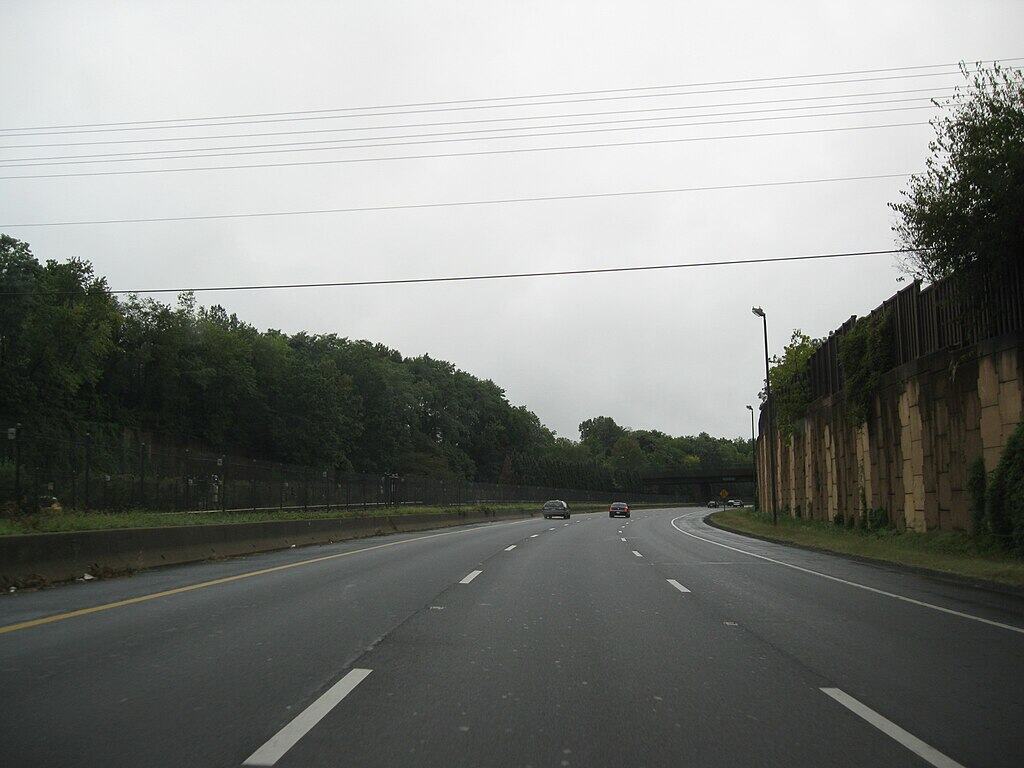
Virginia has already turned sections of Interstate 66 into toll-based corridors, and by 2026, remaining expansions are expected to complete a nearly 22-mile managed system. Daily vehicle counts surpass 100,000, pushing infrastructure to its limits and demanding more than $3 billion in investment over time. The toll rates will remain dynamic, often spanning between $3 and $30 depending on traffic intensity and travel time guarantees. The state expects smoother peak-hour movement, reduced bottlenecks, and a sustainable revenue stream supporting long-term road maintenance.
6. Interstate 35, Texas
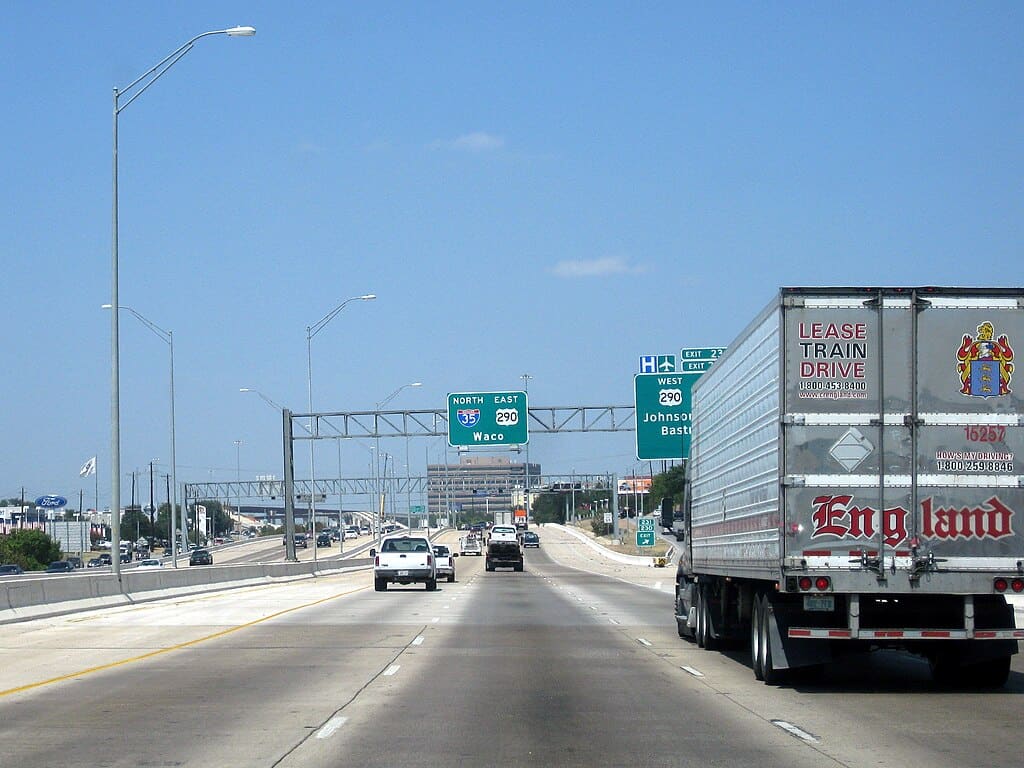
Texas continues expanding toll-managed express lanes along Interstate 35, particularly near urban centers like Austin and San Antonio, where traffic frequently exceeds 150,000 vehicles per day. By 2026, several converted sections are expected to depend mainly on electronic tolling, covering dozens of essential miles. Pricing will likely vary from $2 to $22, balancing congestion control with infrastructure funding. Texas transportation authorities anticipate billions in cumulative revenue over coming decades, which will finance lane expansions, resurfacing, structural repairs, and advanced traffic-management technology installations.
7. Interstate 95, Florida
Florida’s Interstate 95 already uses toll express concepts in segments, and by 2026, additional fully toll-controlled stretches are projected to operate along urban corridors exceeding 50 miles. Traffic counts in some sections surpass 300,000 vehicles per day, creating immense maintenance demands and requiring funding beyond fuel taxes. Expect all-electronic, variable tolls typically ranging from $2 to $28, depending on congestion, time of travel, and distance. State planners forecast hundreds of millions in revenue to finance lane upgrades, bridge improvements, and continuing safety enhancements.
8. State Route 99, Washington
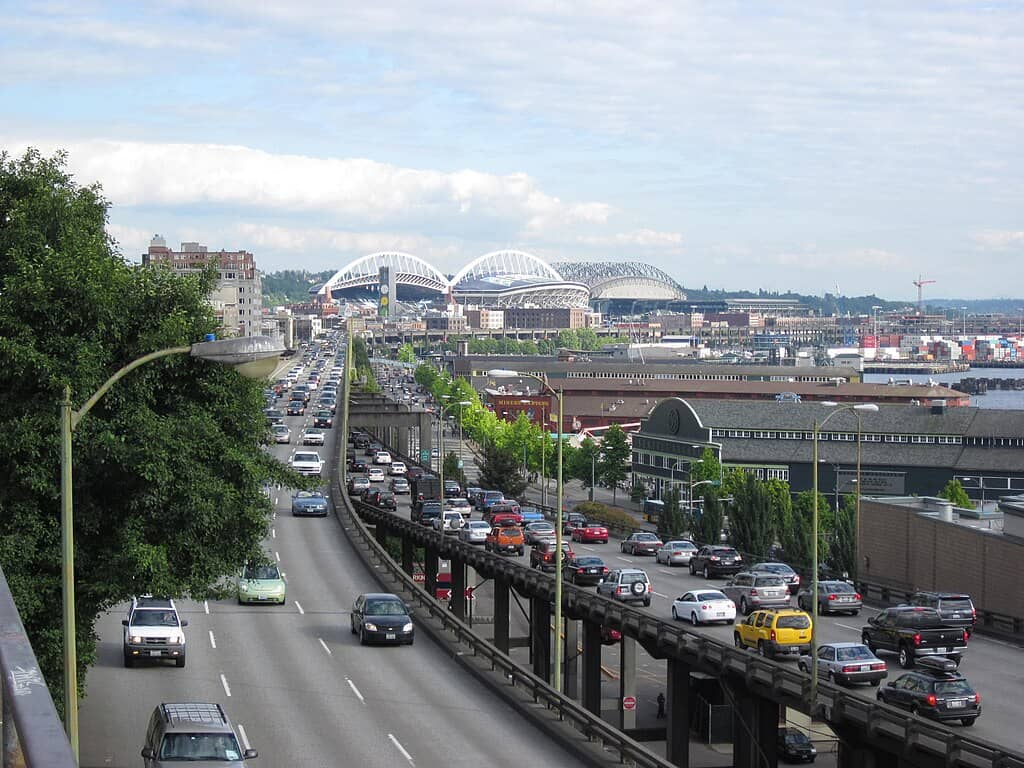
Washington’s SR-99 corridor has undergone major structural redevelopment, including a multibillion-dollar tunnel project beneath Seattle. By 2026, authorities expect toll-only collection to stabilize long-term funding, targeting annual revenue goals exceeding $100 million. Daily vehicle usage frequently reaches 90,000 cars, meaning consistent financial input is essential to cover construction debt and ongoing maintenance. Estimated tolls generally fall between $1 and $15, influenced by travel timing, distance, and demand. Officials argue the system will keep the corridor safe, reliable, and structurally supported for decades.
9. Atlantic City Expressway, New Jersey
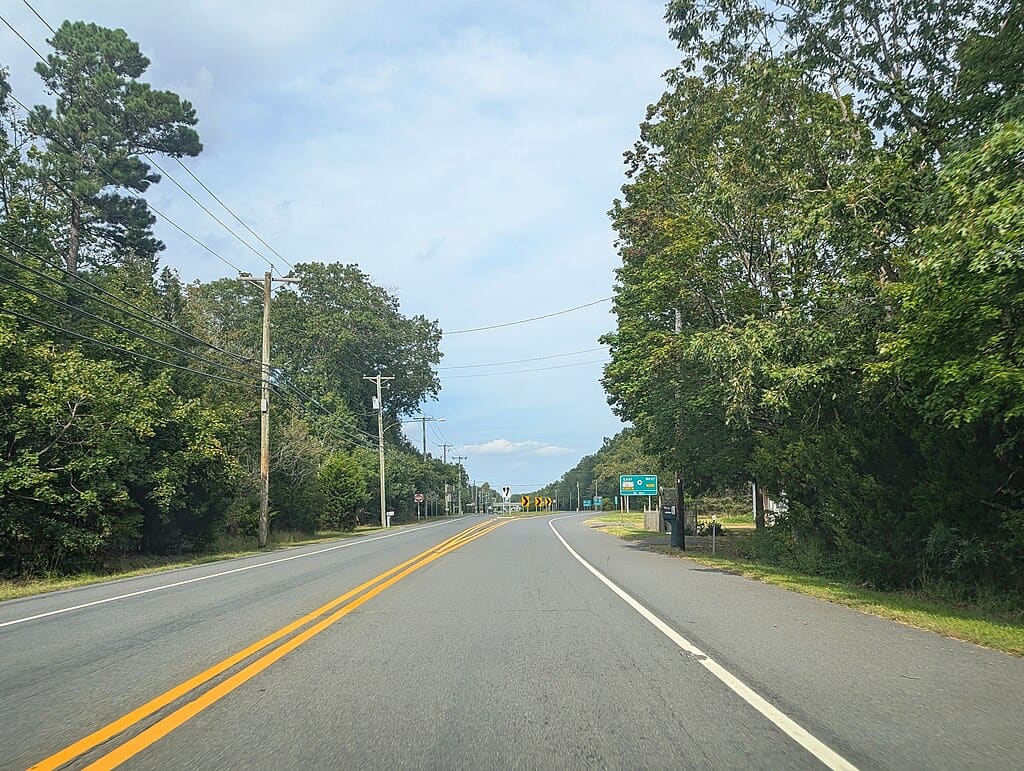
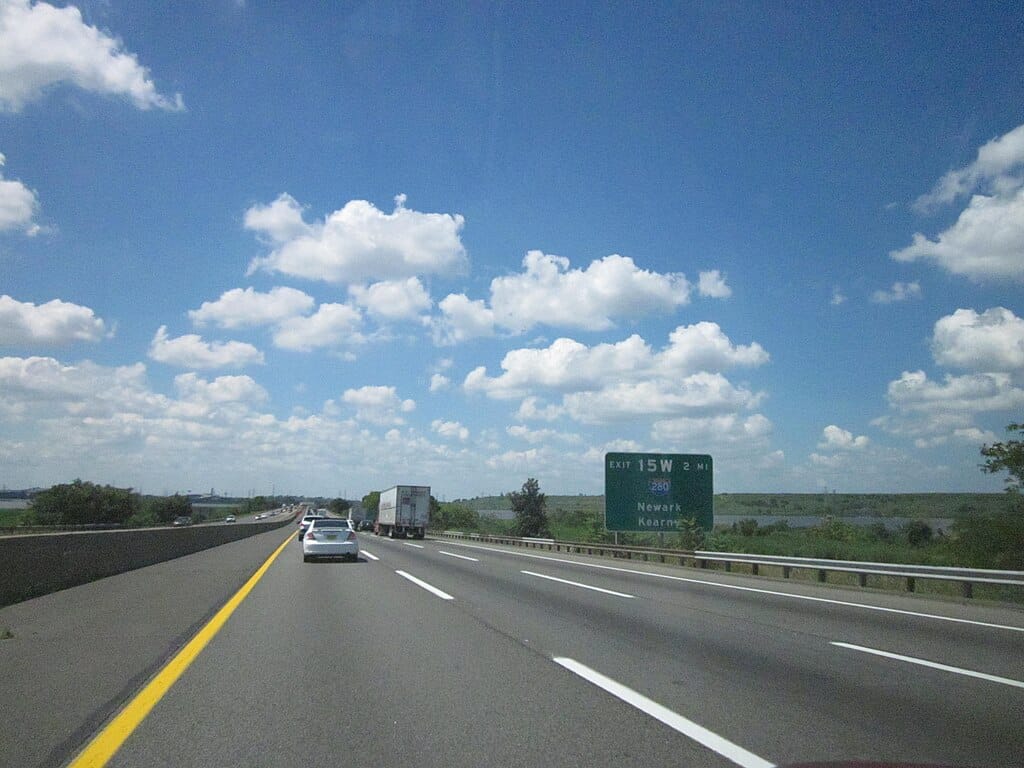
The Atlantic City Expressway, spanning roughly 47 miles, will transition to fully cashless toll-only operation by early 2026, marking a major modernization milestone. Although historically a toll road, its move to all-electronic collection means every vehicle will pay via digital systems with no physical booths remaining. Daily traffic often surpasses 200,000 vehicles, and tolls are expected to average between $1 and $6 depending on travel distance. Officials believe the shift will reduce delays, cut emissions from idling, and increase reliability while generating stable transportation revenue.