We may earn money or products from the companies mentioned in this post. This means if you click on the link and purchase the item, I will receive a small commission at no extra cost to you ... you're just helping re-supply our family's travel fund.
Long-haul flights covering 3,000 to 8,000 miles promise adventure, but the physical toll often begins before you even land. Hours in a pressurized cabin with humidity hovering between 10% and 20% challenge your hydration, circulation, and sleep rhythm. Small decisions at 35,000 feet can affect how you feel for the next 24 to 72 hours. If you want your trip to begin with energy instead of exhaustion, avoid these nine common long-haul flight mistakes.
1. Boarding Already Dehydrated
Cabin air typically contains just 10% to 20% humidity, far lower than the 40% to 60% most indoor environments provide. Starting a 3,500- to 7,500-mile journey without proper hydration increases fatigue, headaches, and dry skin. Many passengers drink only 1 or 2 cups of water during a 10- to 14-hour flight, which is rarely sufficient. A practical guideline is about 8 ounces of water per hour onboard, unless medically restricted. Cutting caffeine 12 hours before departure also improves fluid balance.
2. Relying on Alcohol for Sleep

Alcohol may make you feel sleepy within 20 to 30 minutes, but it reduces restorative REM sleep by approximately 15% to 25%. On a 4,000-mile overnight flight, that disruption can lead to repeated awakenings and mental fog upon arrival. Even 1 or 2 drinks increase dehydration in already dry cabin air. Instead, try an eye mask, neck pillow, or controlled breathing exercises. If appropriate, low-dose melatonin between 0.5 and 3 milligrams may help when aligned with destination bedtime.
3. Ignoring Time Zone Preparation
Crossing 5 to 10 time zones in a single 6,000-mile trip overwhelms your circadian rhythm, which adjusts naturally by only about 1 hour per day. Waiting until arrival to adapt often results in 2 to 4 sluggish days. Begin shifting sleep and meals 3 days before departure by 30 to 60 minutes daily. Once seated, set your watch to destination time immediately. After landing, aim for at least 30 minutes of natural daylight to speed internal clock adjustment.
4. Wearing Tight or Heavy Clothing
Flights longer than 5,000 miles frequently cause mild swelling in feet and ankles due to reduced circulation. Tight jeans, restrictive waistbands, or stiff shoes worsen discomfort during 8- to 14-hour stretches. Cabin temperatures may vary by 5 to 10 degrees Fahrenheit, so breathable layers are essential. Graduated compression socks rated 15 to 20 mmHg can help maintain blood flow on flights exceeding 8 hours. Comfortable clothing reduces stiffness and supports easier movement after landing.
5. Staying Seated for Nearly the Entire Flight
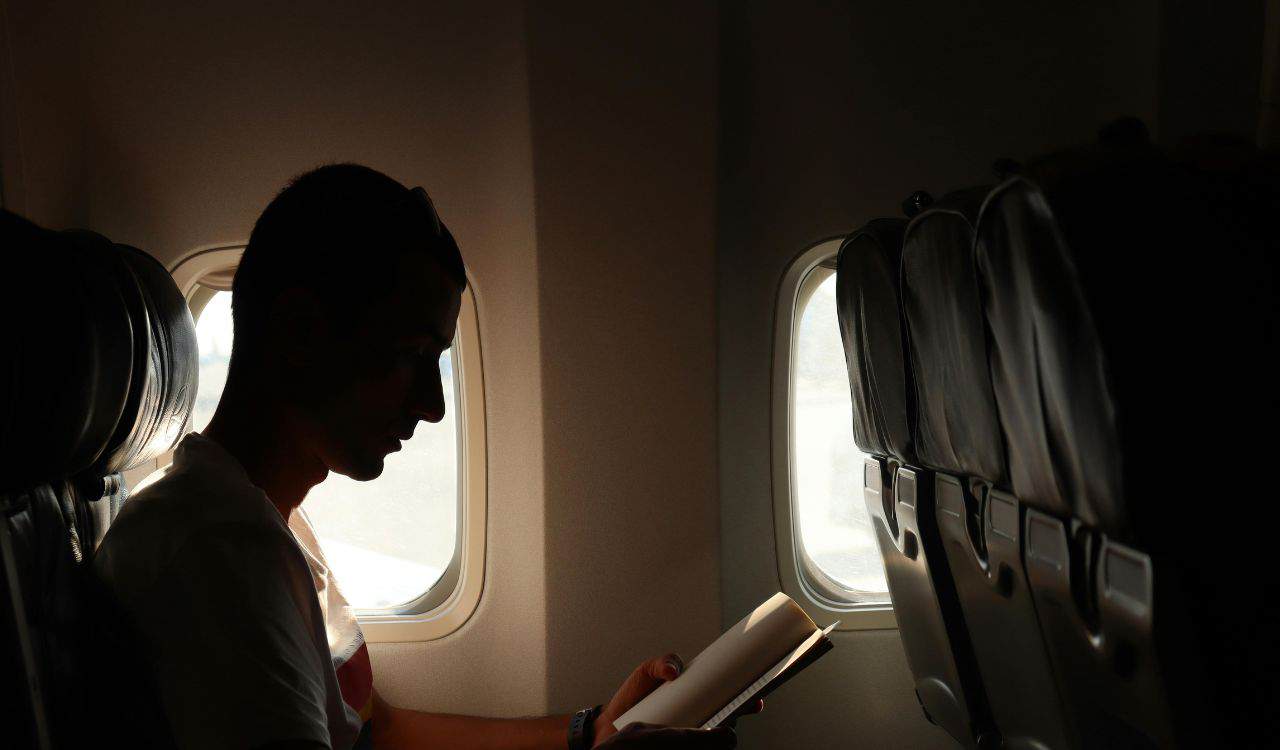
Remaining still for 10 to 15 hours slows blood circulation and increases muscle stiffness. Even short inactivity raises the risk of discomfort and, in rare cases, deep vein thrombosis on flights longer than 4,000 miles. Walking the aisle for 5 minutes every 2 hours significantly improves circulation. In-seat exercises like ankle circles and shoulder rolls repeated 10 to 15 times also help. Consistent micro-movement preserves energy and reduces that heavy, sluggish feeling upon arrival.
6. Overpacking Your Carry-On
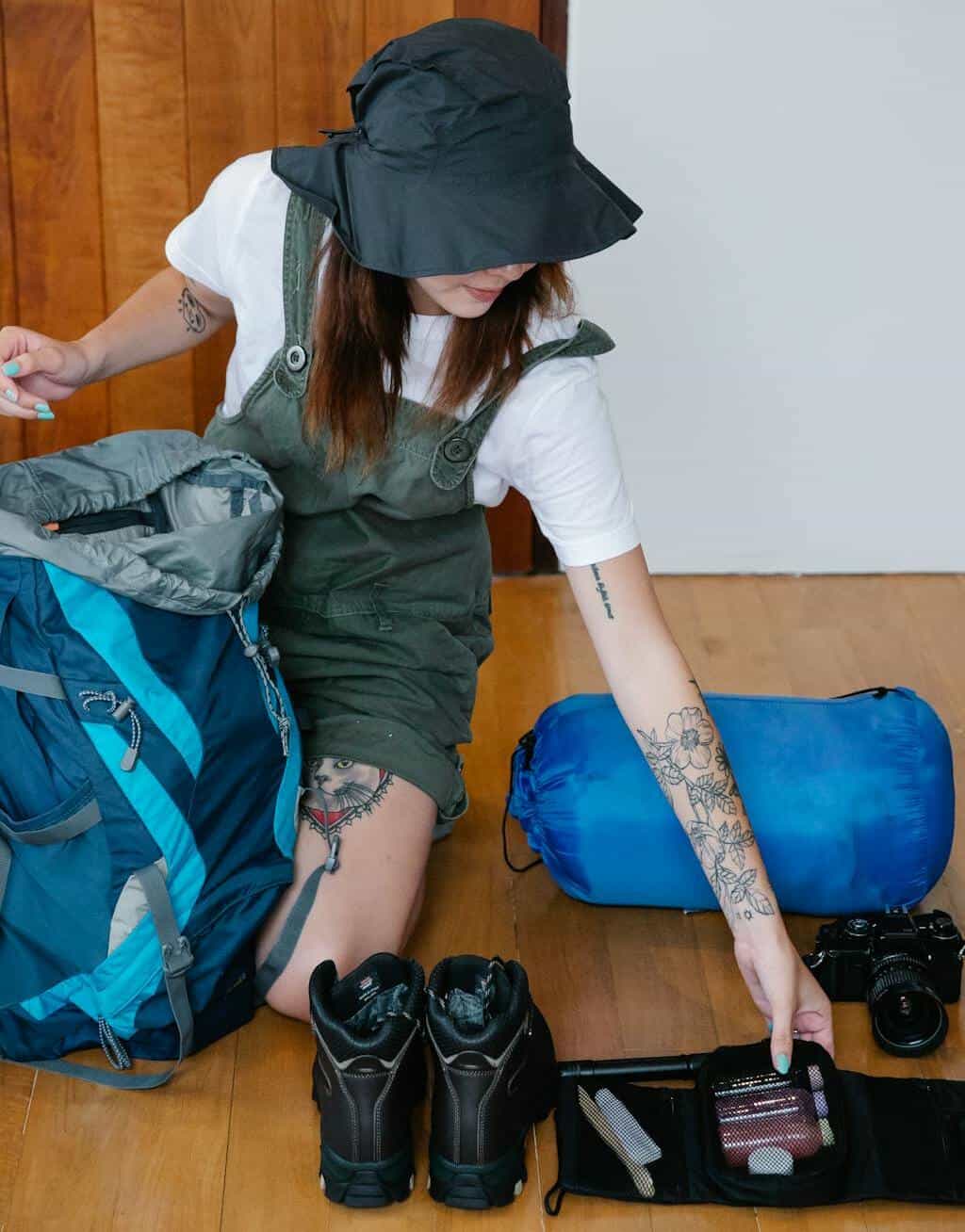
A carry-on weighing 15 to 22 pounds may seem manageable, but repeatedly lifting it into overhead bins strains shoulders and backs. Disorganization also increases stress when searching for chargers or medication mid-flight. Limit your bag to items needed within the first 12 hours and store liquids under 3.4 ounces in a clear pouch for smoother screening. A lighter, well-arranged carry-on reduces physical strain and mental fatigue before your trip even begins.
7. Eating Salty or Heavy Meals

Taste sensitivity drops by nearly 30% at cruising altitude, leading many travelers to choose saltier foods. Consuming meals with more than 1,500 milligrams of sodium during travel increases bloating and dehydration. Digestion also slows during 8- to 14-hour flights, making greasy meals harder to process. Opt for lean protein, whole grains, fruits, and nuts to stabilize blood sugar. Balanced eating supports steady energy levels across long distances of 3,000 miles or more.
8. Neglecting Hygiene and Skin Care
Extended exposure to 10% humidity can noticeably dry skin within just 3 to 4 hours. Without moisturizing or using eye drops, irritation builds throughout a 5,000-mile flight. Brushing your teeth mid-journey and applying lip balm every 4 to 5 hours refreshes both body and mood. Simple habits like cleansing wipes and hand sanitizer reduce discomfort and help you feel alert. Small hygiene routines create a psychological reset before stepping into a new destination.
9. Overscheduling Your First Day
After traveling 4,000 to 8,000 miles and crossing multiple time zones, cognitive performance can decline by up to 20% in the first 24 hours. Booking tours, business meetings, or long excursions immediately after landing increases exhaustion. Even if adrenaline keeps you energized at first, fatigue often peaks later that evening. Plan light activities, hydrate, and spend 30 to 60 minutes outdoors. Allowing a 12- to 24-hour adjustment window ensures your vacation begins refreshed.