We may earn money or products from the companies mentioned in this post. This means if you click on the link and purchase the item, I will receive a small commission at no extra cost to you ... you're just helping re-supply our family's travel fund.
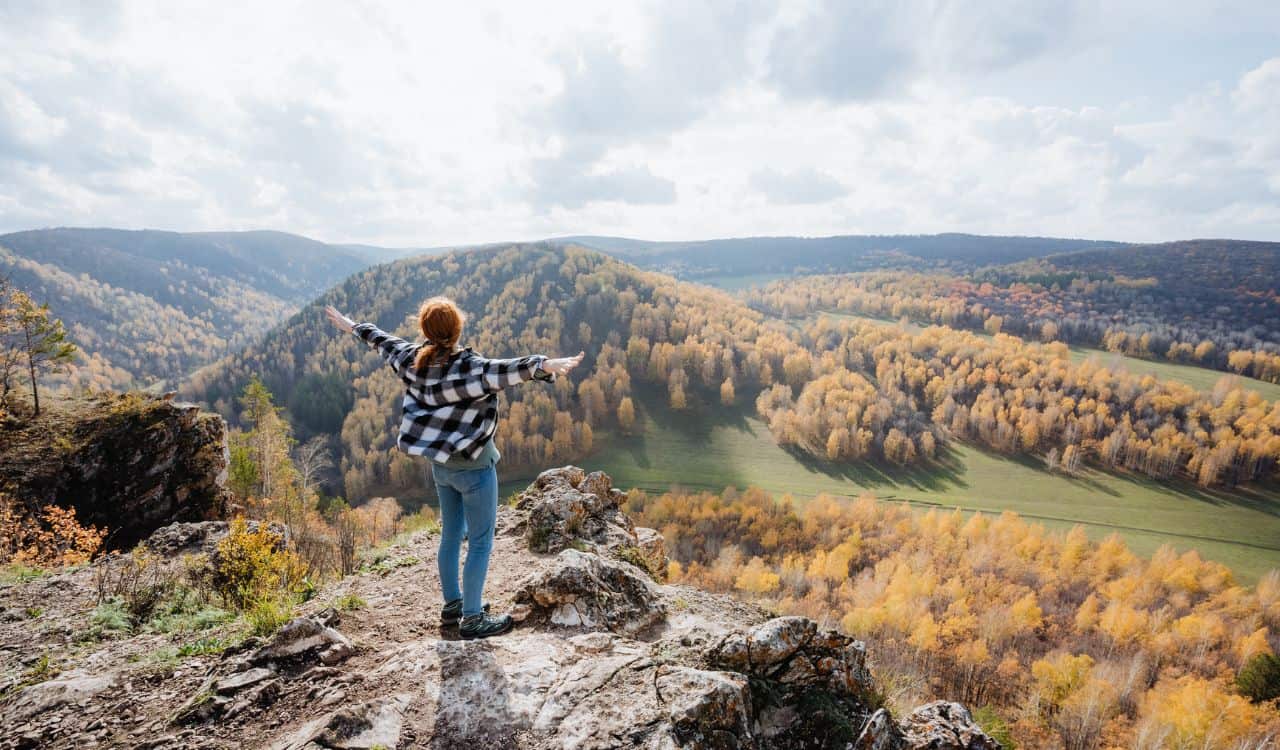
Some trails look calm or remote, yet they drain public resources at alarming rates. Rescue teams say these spots generate dozens of calls each year, many triggered by heat, poor planning, or sudden weather shifts. Every helicopter lift, night search, or rope extraction adds hours of taxpayer-funded labor. While each area is beautiful, emergency crews warn that their rescue budgets are pushed to the edge because so many incidents are easily avoidable.
1. Angels Landing : Zion National Park, Utah
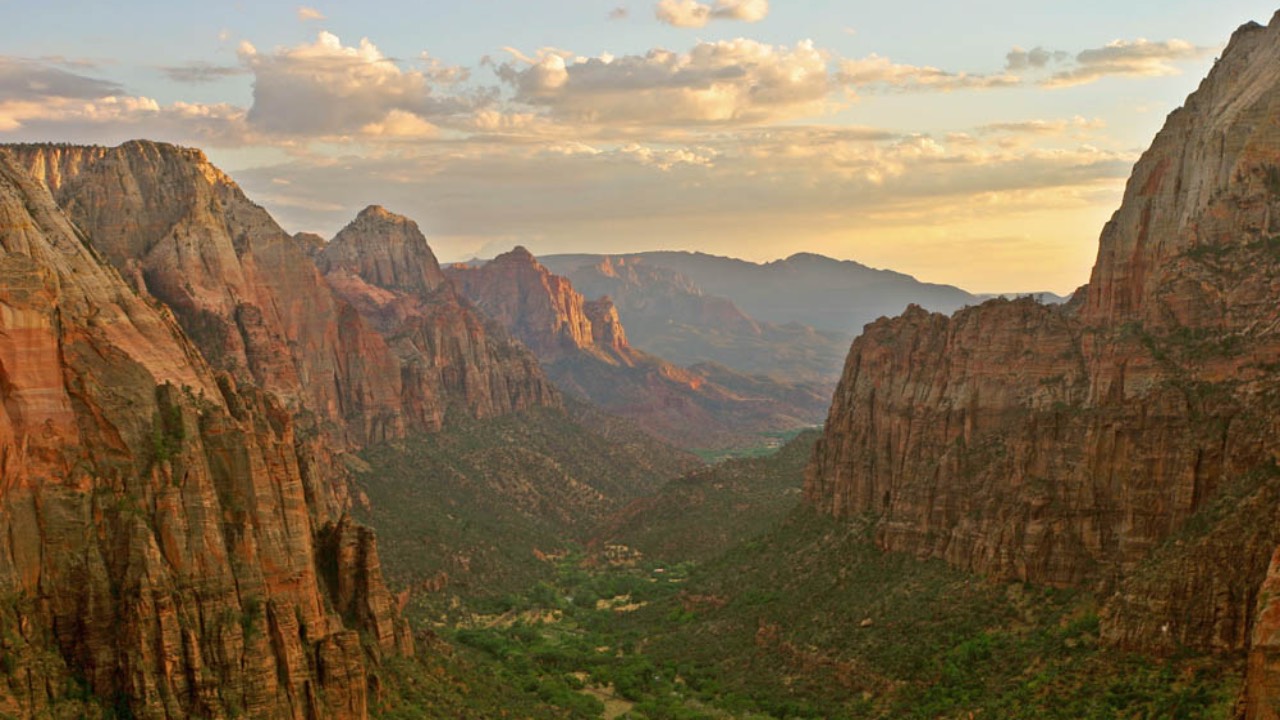
Angels Landing has become a financial sink for rescue teams, with more than 80 annual incidents demanding costly responses. Its narrow ridge forces crews into technical extractions that often require 2–3 helicopter rotations per call. Rangers note that many hikers freeze midway up, creating delays that stretch taxpayer-funded staffing. Despite permit limits, the trail still pulls significant resources because even minor missteps require rope-trained personnel to intervene safely.
2. Grand Canyon Inner Corridor : Arizona
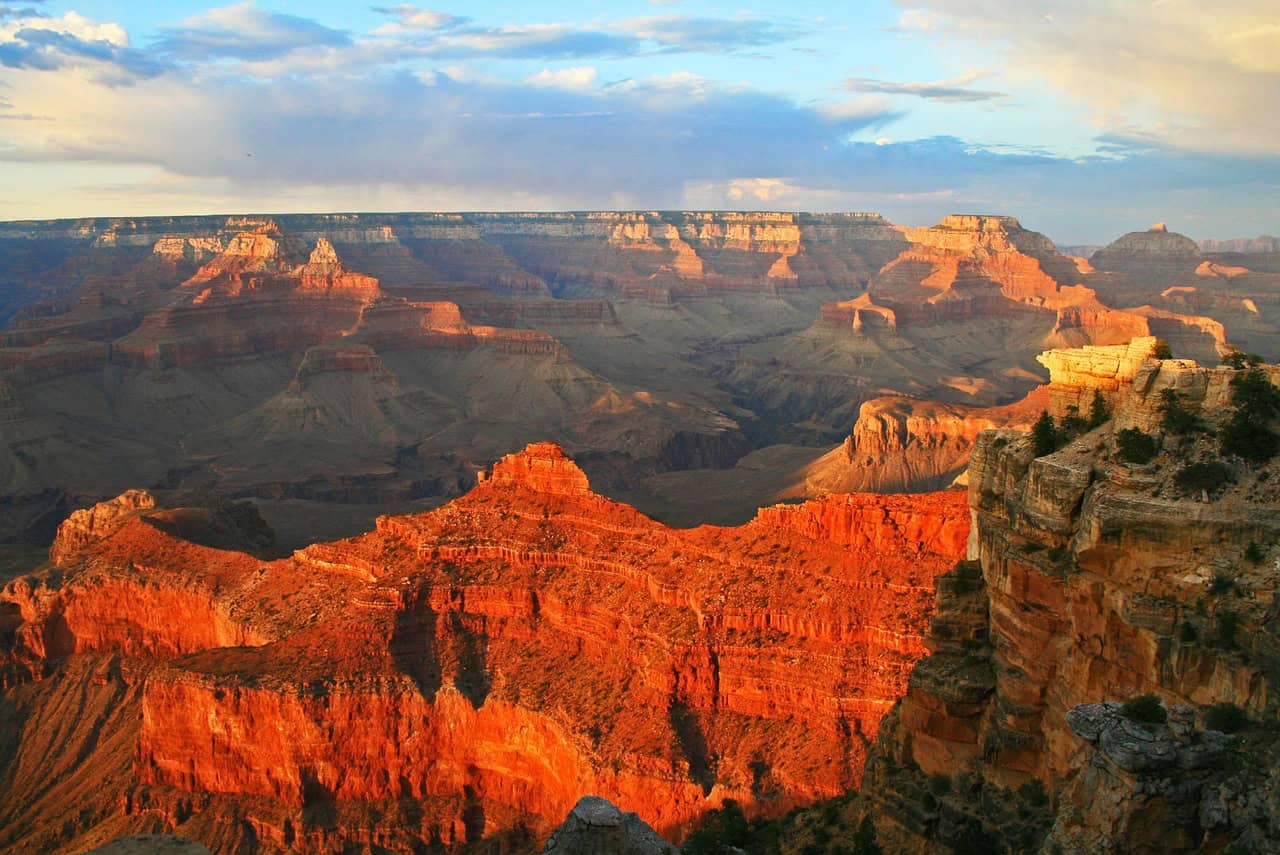
The Grand Canyon’s inner routes generate more than 300 rescues a year, many tied to heat exhaustion as temperatures climb past 40°C. Each deep-canyon mission can consume 6–10 hours of ranger time, plus expensive aerial support. Teams say visitors attempt round-trip descents without enough water, forcing emergency crews into long, hazardous evacuations. These operations repeatedly strain budgets because the canyon’s scale demands more personnel than most parks can spare.
3. Half Dome Cables : Yosemite National Park, California
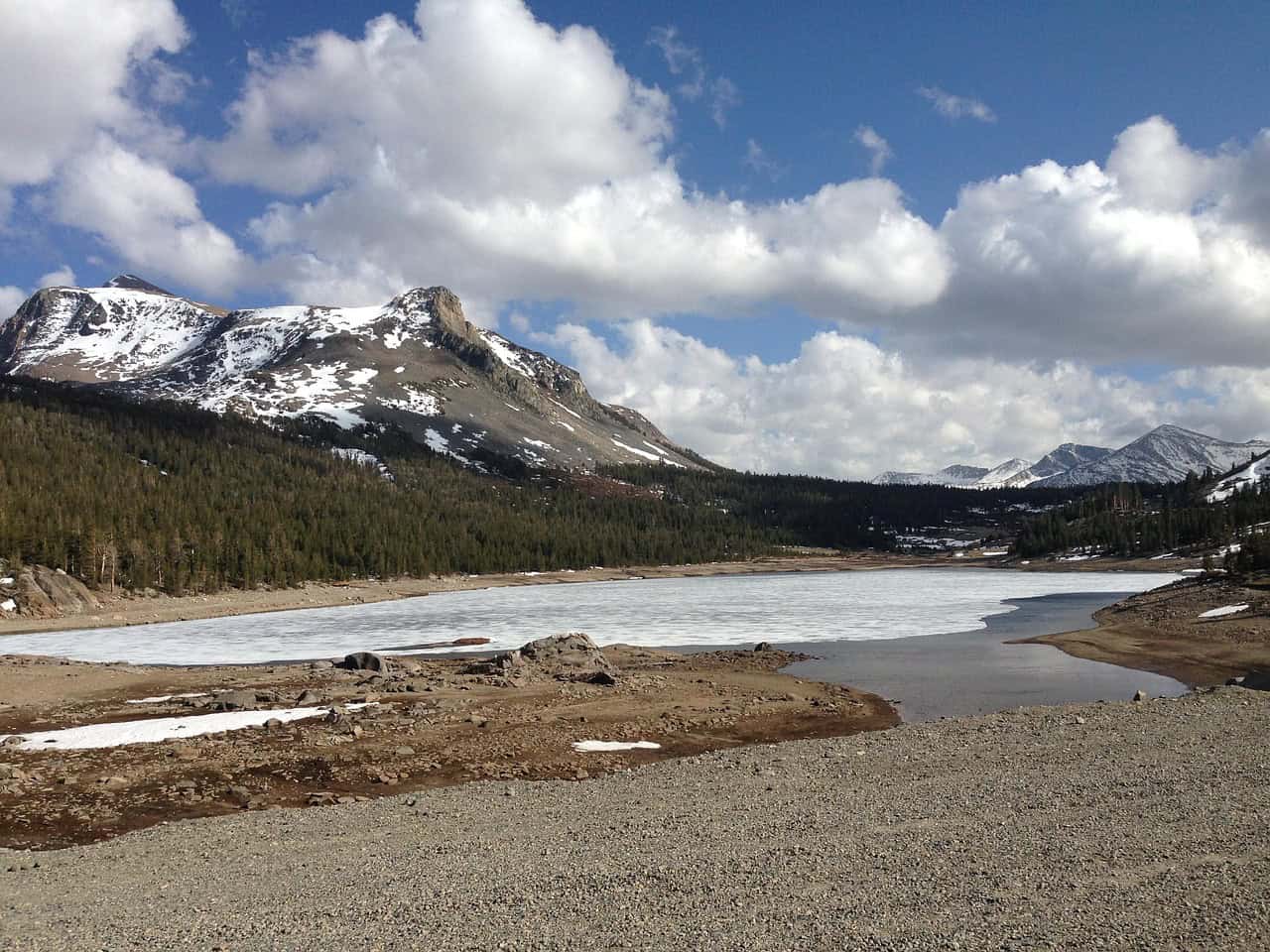
Half Dome’s cable section triggers frequent calls, with roughly 150 rescue responses logged each year. Slippery granite, sudden storms, and fatigue often trap hikers who underestimate the climb’s elevation gain of 4,800 feet. Rescues here can require multi-team coordination, including helicopter spotting runs funded by taxpayer dollars. Rangers report that even brief halts on the cables cause dangerous backups that prolong response times and increase operational costs.
4. Kalalau Trail : Kauai, Hawaii

The Kalalau Trail drains county budgets due to its 200-plus annual rescues, many involving stranded hikers after heavy rain. The route’s steep cliffs and flooded valleys force crews to deploy helicopters costing thousands per hour. Slippery mud and unpredictable surf frequently trap visitors who misread weather forecasts. Local officials say this single trail consumes a disproportionate share of Kauai’s rescue funding because evacuations often require repeat flights to move people safely.
5. Maroon Bells : Elk Mountains, Colorado
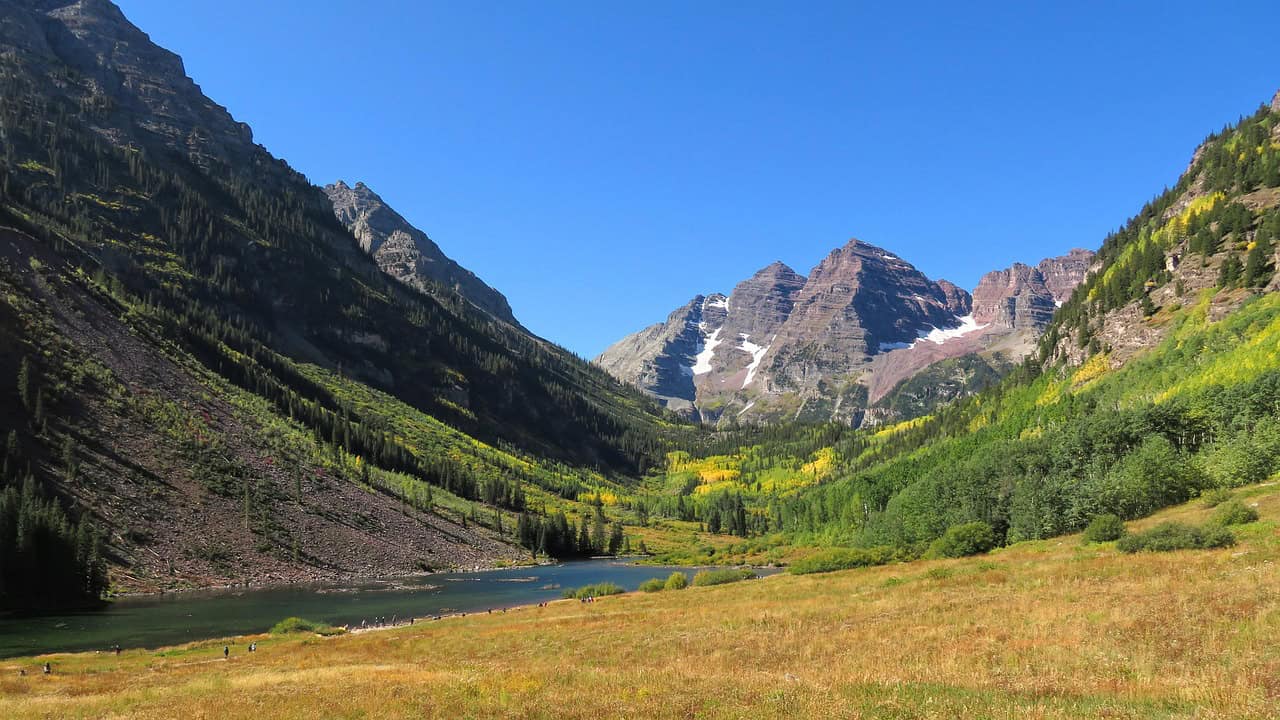
The “Deadly Bells” reputation stems from unstable rock that causes dozens of technical rescues every season. Each mission demands rope teams skilled in high-angle operations, often requiring 4–6 personnel and hours of preparation. Sudden storms at 14,000 feet force hikers into risky descents, prompting expensive aerial searches. Crews say these mountains drain taxpayer funds quickly because even small incidents escalate into complex operations when weather closes in.
6. The Narrows : Zion National Park, Utah
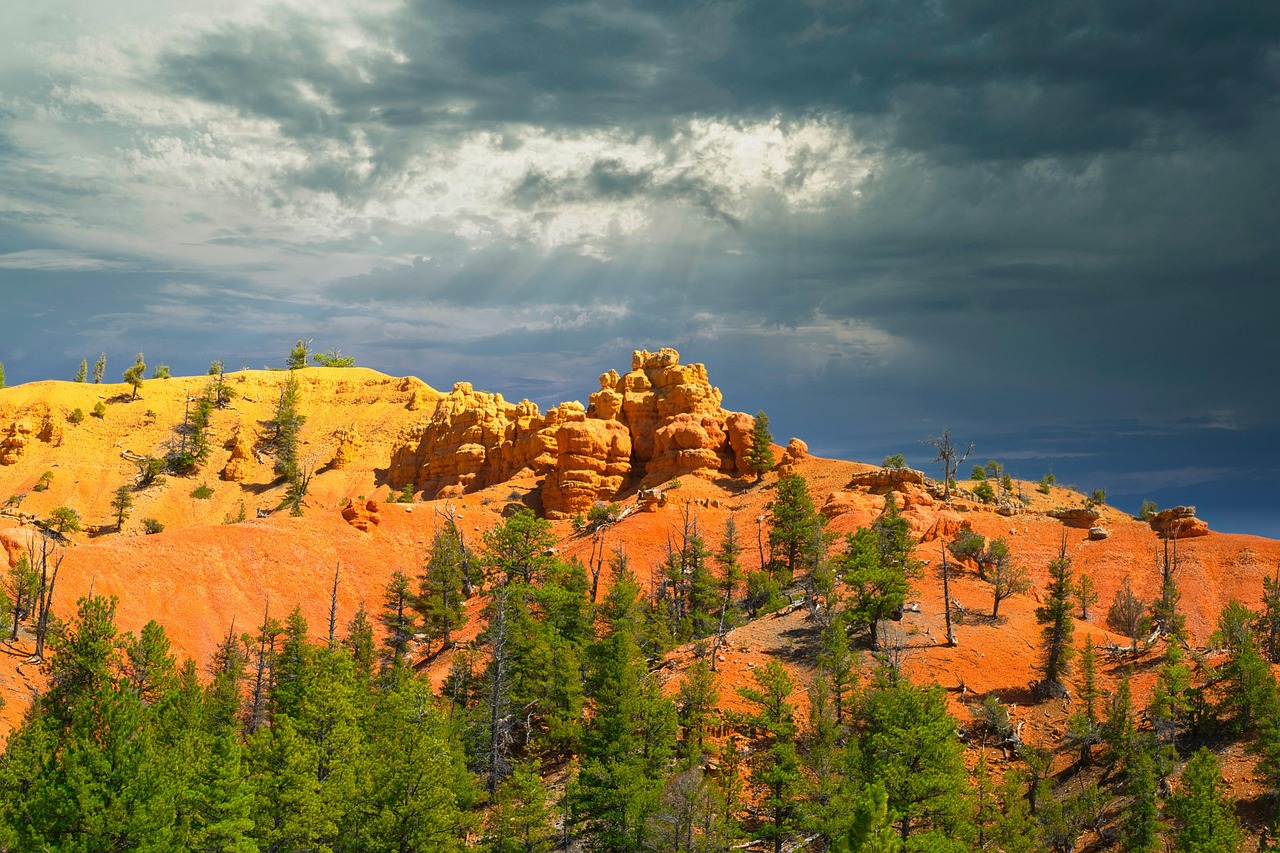
The Narrows triggers more than 120 rescue responses annually, largely due to flash-flood risk and cold water exposure. When storms roll in, swift-water teams and helicopter scouts must intervene, pulling significant overtime from ranger budgets. The canyon’s tight walls amplify danger, trapping groups who underestimate rising currents. Because evacuations require transporting people through rushing water, each mission often costs several thousand dollars in manpower and equipment.
7. Mount Hood : Oregon

Mount Hood’s unpredictable conditions lead to 70–100 rescues per year, many involving climbers lost in whiteouts. Night operations commonly require thermal-imaging flights, all funded by state resources. Avalanches and equipment failures add complexity, forcing teams to deploy specialized volunteers supported by taxpayer-covered logistics. The mountain’s accessibility attracts underprepared hikers, and rangers say this steady flow of incidents continually stretches Oregon’s rescue budgets thin.
8. Havasu Falls Trail : Grand Canyon Region, Arizona

The long, exposed approach to Havasu Falls results in frequent dehydration emergencies, often demanding helicopter lifts from deep canyon terrain. Temperatures regularly exceed 38°C, causing heat-triggered collapses that require immediate evacuation. Arizona agencies routinely assist, pulling state-funded personnel into multi-hour missions. Officials note that the trail’s remote location amplifies costs because even basic rescues require aircraft capable of navigating narrow canyon corridors.
9. Mount Washington : New Hampshire

Mount Washington’s extreme weather, with winds exceeding 160 km/h, leads to more than 150 rescues every year. Rapid shifts from clear skies to freezing fog trap hikers who underestimate the mountain’s volatility. Search teams often spend 3–5 hours reaching stranded hikers, incurring overtime funded by taxpayers. Night missions are especially costly, requiring coordinated ground crews and vehicle support across agencies to safely navigate the rugged Presidential Range terrain.