We may earn money or products from the companies mentioned in this post. This means if you click on the link and purchase the item, I will receive a small commission at no extra cost to you ... you're just helping re-supply our family's travel fund.
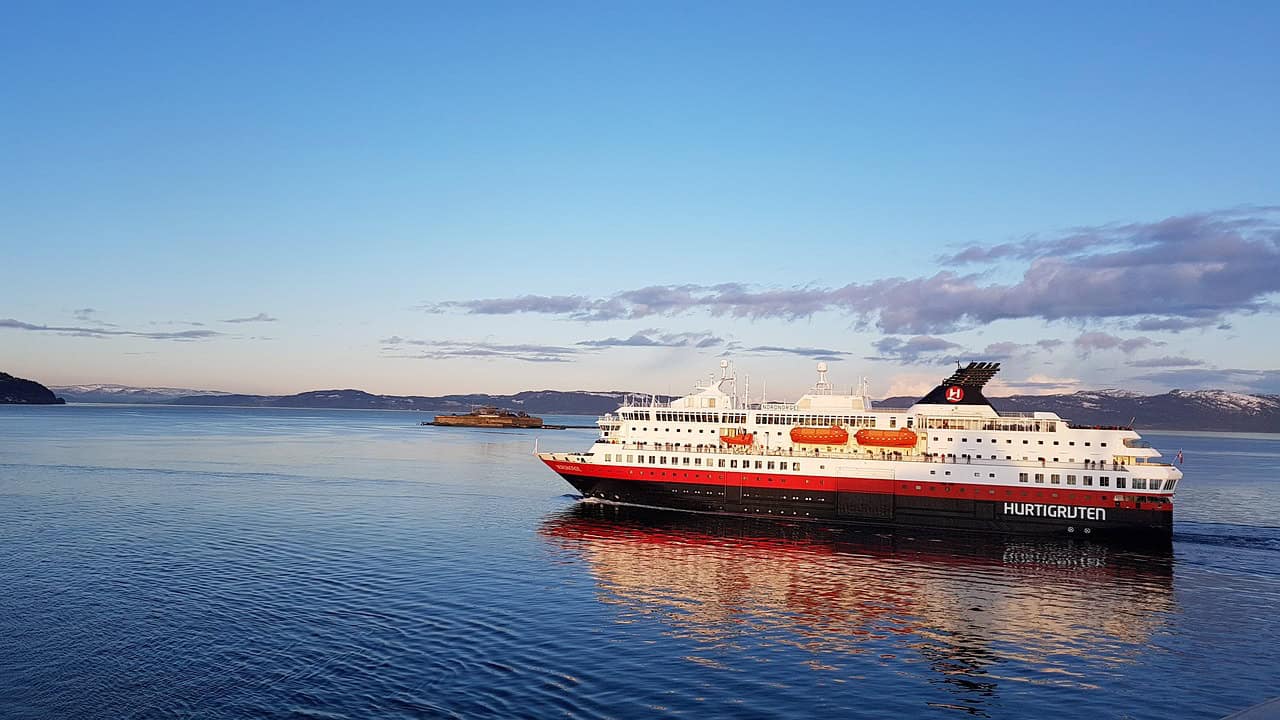
Cruises still promise value-packed escapes, yet the real cost often hides beyond the advertised fare. In 2026, higher operational expenses and shifting onboard pricing strategies mean travelers are paying more in subtle ways. From automatic charges to optional upgrades that feel essential once onboard, these expenses can quietly inflate your budget. Knowing where these costs appear helps you plan realistically, avoid frustration, and decide whether your cruise is truly affordable before you ever step onto the ship.
1. Automatic Daily Gratuities That Quietly Add Up

Most cruise lines now apply automatic gratuities instead of voluntary tipping. In 2026, these charges range between $16 and $20 per guest per day, depending on cabin type. On a 7-night cruise, a couple will pay roughly $224 to $280, while a family of four can exceed $560. Suite guests often face higher rates. Because gratuities are rarely included in headline fares, many travelers underestimate their impact until the final onboard statement arrives at the end of the voyage.
2. Mandatory Port Fees and Government Taxes
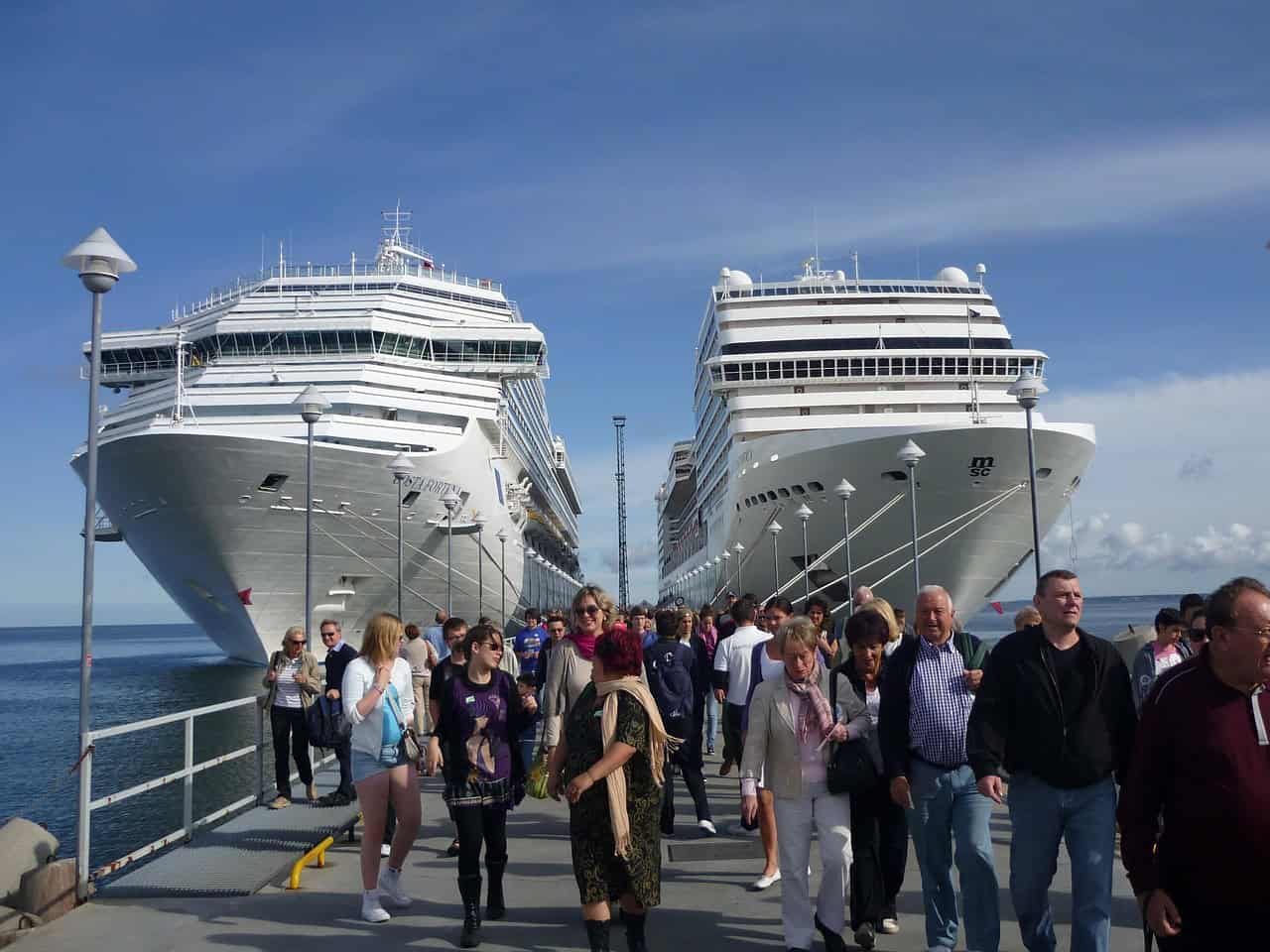
Port fees and government taxes are unavoidable but often excluded from advertised prices. In 2026, these charges typically fall between $150 and $400 per passenger depending on itinerary and region. Caribbean ports average $18 to $25 per stop, while European ports frequently exceed $40 each. These fees cover customs processing, docking, terminal usage, and local infrastructure. Since they appear later in the booking process, travelers often mistake them as optional when they are fixed and compulsory.
3. Shore Excursions With Built-In Markups

Cruise line excursions are convenient but expensive. In 2026, half-day tours usually cost $75 to $130 per person, while full-day excursions often exceed $200. Small-group or private experiences can surpass $300. Cruise operators typically apply markups of 30 to 60 percent compared to local providers. While booking independently can reduce costs, it also carries the risk of missing the ship, making excursions a costly yet tempting onboard expense.
4. Specialty Dining Charges Beyond Included Meals
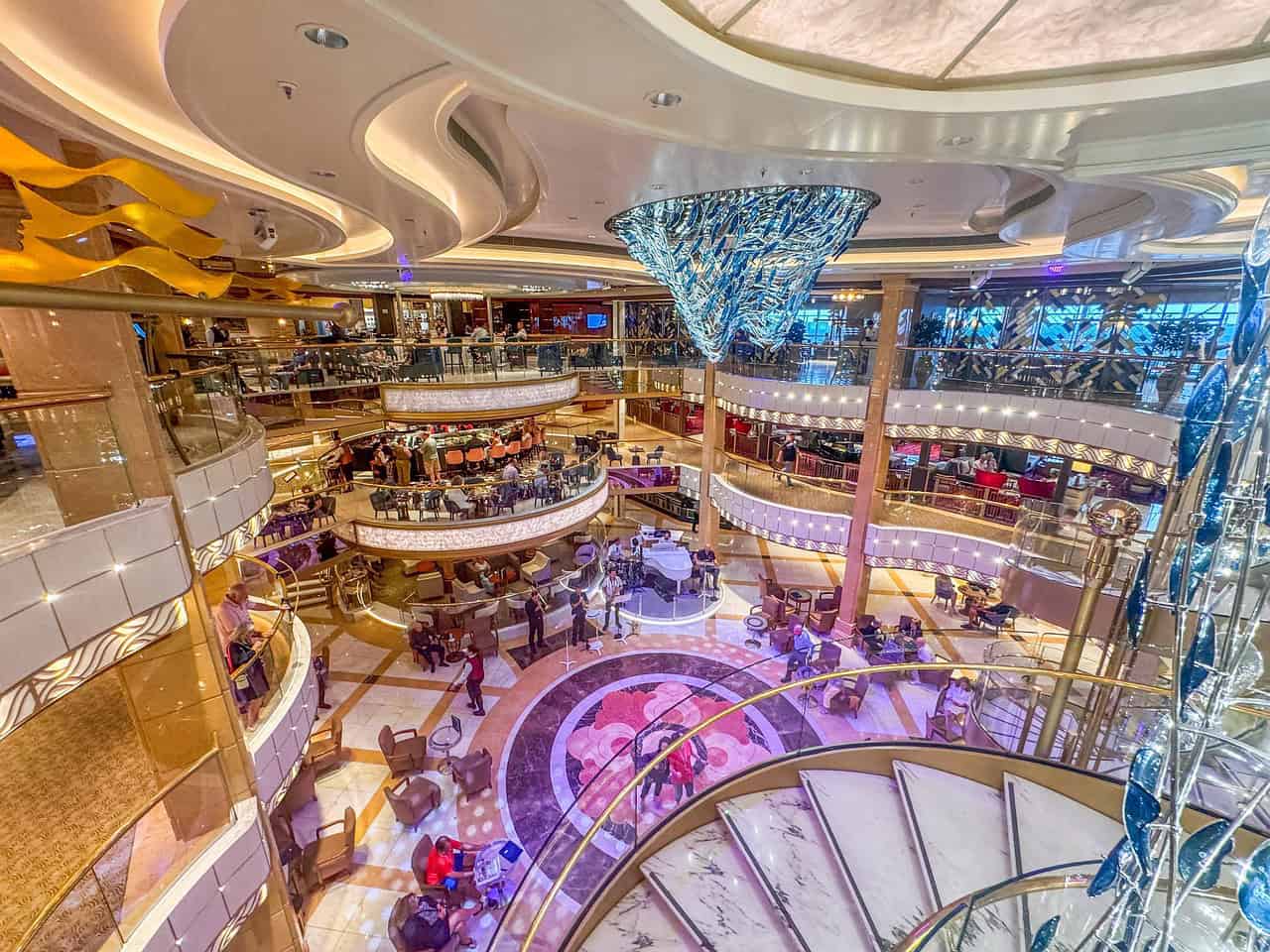
Although main dining rooms are included, specialty restaurants now dominate newer ships. In 2026, cover charges range from $25 to $60 per person, with premium tasting menus climbing past $90. A couple dining at specialty venues three times may spend $180 to $300 extra. Some cruise lines now add surcharges even to once-free venues. These dining upgrades are heavily promoted onboard, making it easy to overspend without noticing how quickly the costs accumulate.
5. Alcohol, Soda, and Beverage Package Costs

Individual alcoholic drinks average $12 to $15 in 2026, while specialty coffees cost $4 to $7. Beverage packages range from $70 to $110 per person per day and usually require all adults in a cabin to participate. Over seven nights, two guests may spend $980 to $1,540, plus an added 18 to 20 percent service charge. Many travelers buy packages expecting savings but fail to consume enough drinks to justify the cost.
6. Wi-Fi and Internet Access Fees
Internet access at sea is still treated as a premium service. In 2026, basic Wi-Fi packages average $15 to $25 per device per day, while high-speed plans that allow streaming or video calls can exceed $35 daily. Over a seven-night cruise, one device can cost $175 to $245, and families often need multiple logins. Although satellite technology has improved speeds, most plans restrict usage, turning simple messaging and browsing into one of the most underestimated and expensive cruise add-ons.
7. Paid Onboard Activities and Experiences

Many popular onboard attractions now come with added fees. In 2026, escape rooms typically cost $15 to $30 per person, virtual reality games range from $10 to $18, and specialty fitness classes average $12 to $25 per session. Thermal spa access can exceed $60 per day. While each charge seems small, several sea days of activities can easily push total spending beyond $300 per guest, especially on newer ships designed around paid entertainment experiences.
8. Medical Services and Health-Related Charges
Cruise ship medical centers operate privately, and treatment is expensive. In 2026, a basic doctor consultation averages $150 to $200, while diagnostic tests, medication, or IV fluids can push bills beyond $500. Even simple seasickness injections may cost $75 to $120. Payment is required immediately, regardless of insurance status. Many travelers assume medical care is included, only to discover that minor health issues can result in surprisingly high onboard medical expenses.
9. Cancellation Penalties and Insurance Expenses
Cruise cancellation policies become stricter as departure approaches. In 2026, canceling within 60 days often results in losing 50 to 100 percent of the cruise fare. Travel insurance typically costs 5 to 10 percent of the total trip price, averaging $150 to $400 per booking. Without coverage, illness, flight delays, or emergencies can lead to a complete loss of prepaid costs, making insurance an essential but frequently overlooked expense.