We may earn money or products from the companies mentioned in this post. This means if you click on the link and purchase the item, I will receive a small commission at no extra cost to you ... you're just helping re-supply our family's travel fund.
For decades, Americans moved easily through a familiar circle of friendly nations, passports stamped with little friction and few questions. That ease has not vanished, but it has thinned. Behind polite border counters and sleek digital portals, governments have added new screenings, fees, and approvals that subtly reshape arrival. The changes rarely feel hostile. They feel administrative, even reasonable. Yet together they signal closer scrutiny, driven by security coordination, migration pressure, and the sheer volume of travel returning at once.
United Kingdom

The United Kingdom’s Electronic Travel Authorisation, or ETA, turns even short visits into a pre-cleared trip. Americans still enter visa-free for tourism, but an online approval and fee are required in advance, and full enforcement is set for Feb. 25, 2026, meaning airlines can refuse boarding without it; applicants submit personal details and answer screening questions before the plane ever leaves. At the border desk the tone may stay polite, but the logic has changed: entry is no longer a spontaneous stamp, it is a permission check, and the reminder is explicit that an ETA helps you travel, not that it guarantees admission.
European Union (Schengen Area)

The Schengen Area is adding ETIAS, a travel authorization layer for visa-free visitors, including Americans, expected to start in late 2026. It is not called a visa, but it still asks for an online application, background questions, and a fee before travel, and a refusal arrives digitally, not at the border line. For people used to hopping between Paris, Amsterdam, and Rome on impulse, the shift matters: the trip begins with centralized approval, and a simple mistake can snowball into rebooked flights, extra nights, and a long call with an airline agent who can only say no, the system is strict.
Canada

Canada remains one of the easiest crossings for U.S. citizens, but the paperwork story has grown less forgiving for air travel and for anyone arriving with the wrong assumptions. Many travelers hear about Canada’s eTA and think it applies to Americans, yet the rule is narrower: U.S. passport holders are exempt, while other passports and special cases trigger airline checks before departure. The tightening is mostly about enforcement and accuracy. Names must match, documents must be current, and carriers act as gatekeepers, so the cost of confusion is not a stern talk at arrivals, but denied boarding at the airport.
Australia

Australia’s ETA has always been digital, but the process now feels more like a controlled channel than a convenience perk. Americans must use the official Australian ETA app, pay the service fee, and clear automated checks that can flag travel history or inconsistencies, sometimes pushing applicants into longer visa pathways with little explanation. Nothing about the welcome has to feel unfriendly, yet the reality is that entry is increasingly decided before the flight leaves Los Angeles or Dallas, and the spontaneity of booking a last-minute Sydney week is replaced by a quiet, app-based approval ritual.
New Zealand

New Zealand’s NZeTA pairs warm hospitality with a clear message: visitors should arrive pre-cleared and help fund the places they came to enjoy. Americans need approval before departure, and the International Visitor Conservation and Tourism Levy is bundled into the process; the levy rose to NZD $100 on Oct. 1, 2024, turning entry into a small but noticeable transaction for most tourists. The system is simple when done early, but it is strict in practice, because the first hard checkpoint is the airline counter. A typo or a forgotten authorization can collapse the trip before customs ever enters the picture.
Japan

Japan still grants Americans visa-free entry for short stays, but arrival now runs more on pre-submitted data than on paper forms. Travelers are urged to file immigration and customs details in advance through official tools like Visit Japan Web, which converts declarations into scannable codes and speeds the airport flow during busy periods. The tightened feeling comes from coordination. When details are missing or plans change at the last minute, the friction shows up as longer lines and extra questioning at Narita or Haneda, a reminder that efficiency depends on compliance before wheels down.
South Korea

South Korea’s K-ETA reshaped the idea of a spontaneous Seoul weekend by adding a permission step before travel. The requirement has been waived for U.S. passport holders through Dec. 31, 2025, but official guidance points to K-ETA returning on Jan. 1, 2026, which means an online application, fee, and review window become part of the checklist again. Because policy waivers can change, the smart move is to treat entry like a living rulebook. The country can feel welcoming at arrivals, yet the real gate is often the airline’s system, which will not issue a boarding pass if the authorization is missing.
Israel

Israel’s ETA-IL makes pre-arrival vetting the default even for short, visa-free visits. Beginning Jan. 1, 2025, U.S. citizens need an approved electronic travel authorization before boarding, submitting identity details and screening answers online and paying the required fee through the official system tied to the passport. The tone at entry can remain calm, but the process is firmer: no ETA-IL can mean no flight, and the approval is not a promise of admission. For travelers used to deciding on a quick Jerusalem stopover late in the week, the new step forces earlier planning and cleaner paperwork.
Singapore

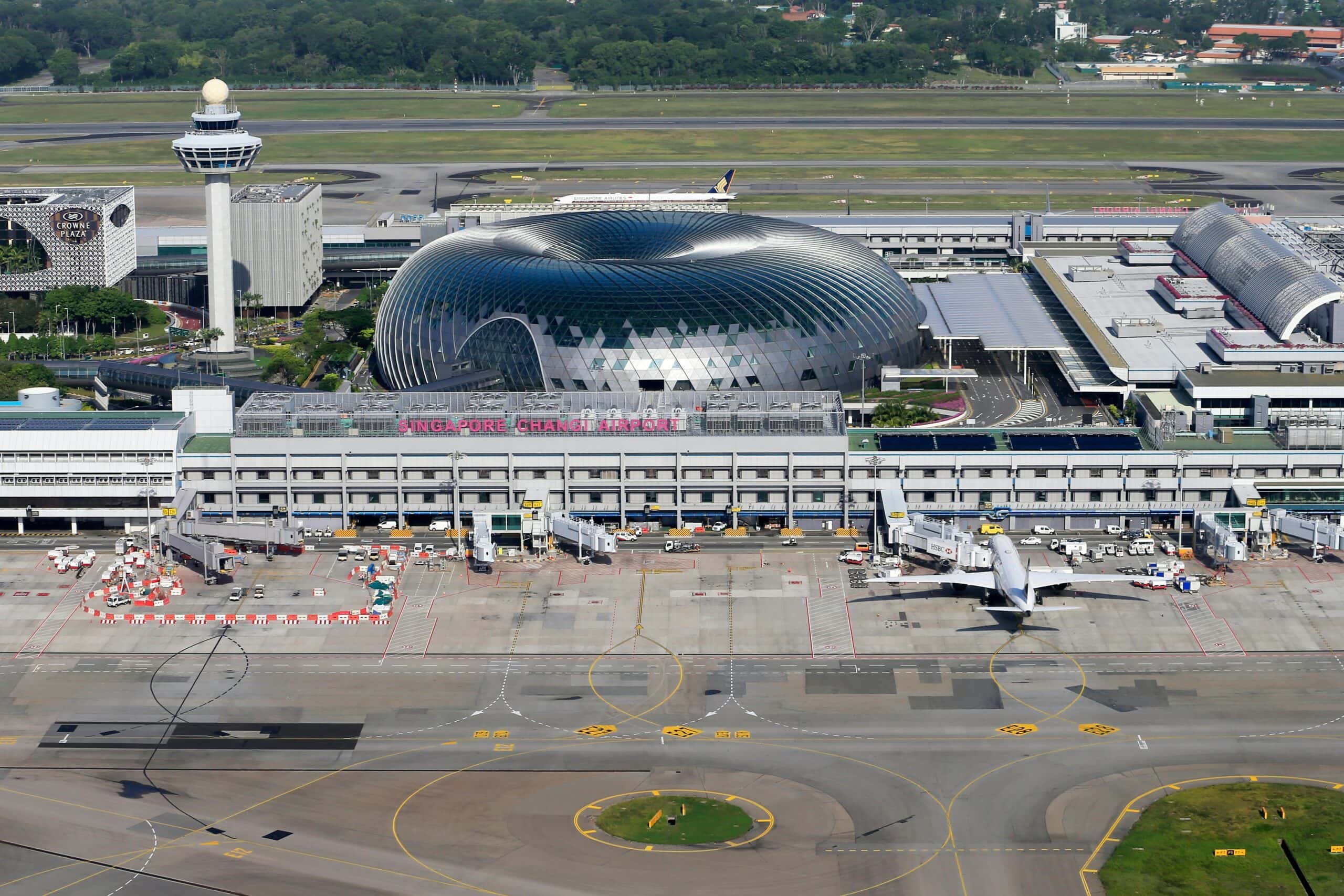
Singapore’s rules are not loud, but they are exact, and that is where the tightening shows. Americans do not need a visa for short visits, yet all travelers must submit the SG Arrival Card with an electronic health declaration within 3 days of arrival, and incomplete or incorrect entries can trigger delays at immigration. The city-state runs on clean systems, so there is little slack for fix it when we land. When paperwork is treated like optional homework, the penalty is time: extra screens, extra questions, and a welcome that starts with a queue instead of a smooth stroll into the MRT station.