We may earn money or products from the companies mentioned in this post. This means if you click on the link and purchase the item, I will receive a small commission at no extra cost to you ... you're just helping re-supply our family's travel fund.
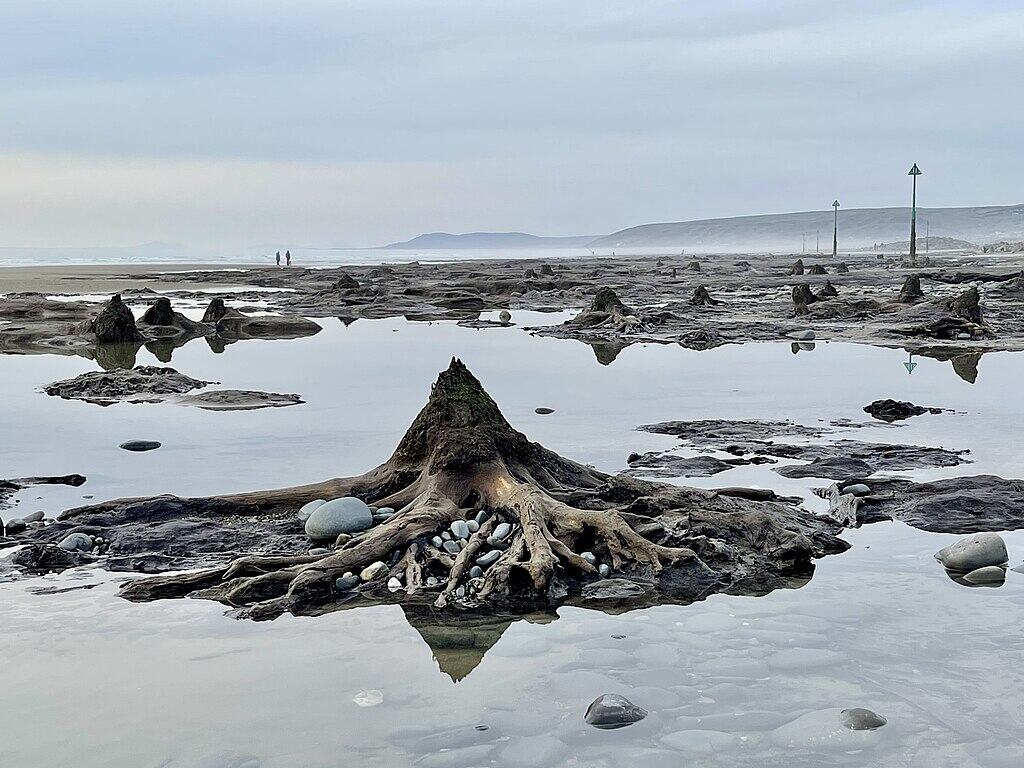
Across the United States, countless landmarks have slipped into obscurity, overshadowed by modern development or fading memory. Yet, these forgotten places survive, quietly telling stories of bygone eras, human ambition, and nature’s persistence. From abandoned towns to mysterious roadside curiosities, each has a unique history. Many are still accessible to explorers, photographers, and history enthusiasts. Here are nine forgotten American landmarks, complete with intriguing details and numbers, that prove some parts of America’s past are impossible to erase.
1. The Mystery Spot : Santa Cruz, California
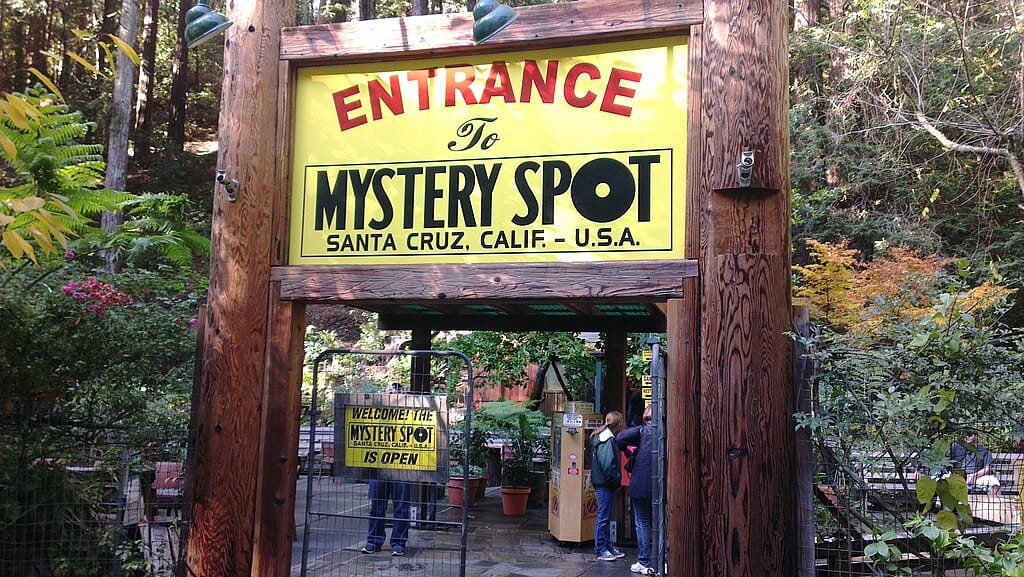
Since 1939, the Mystery Spot in Santa Cruz has confounded visitors with impossible physics. Balls appear to roll uphill, and people seem to lean at impossible angles on a 5-acre plot in the redwoods. Attracting over 100,000 visitors annually, it’s one of America’s earliest roadside curiosities. Despite the rise and fall of similar attractions in the mid-20th century, it remains fully operational. Its wooden observation house, built on a 15-degree tilt, preserves the classic 1940s Americana vibe, blending optical illusion with natural forest scenery, making it a timeless roadside oddity.
2. Salton Sea’s “Underwater City” : California
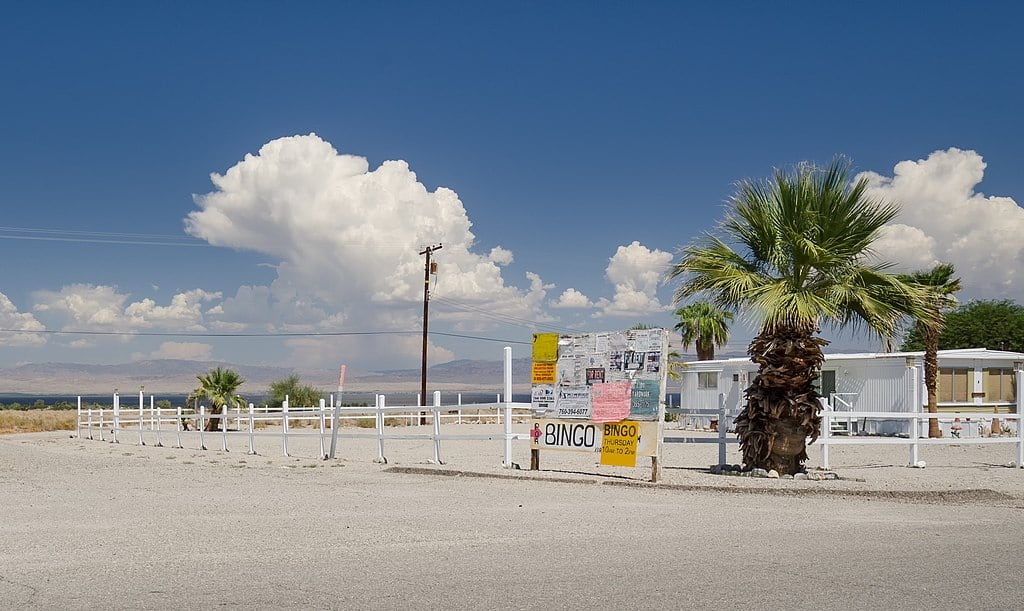
The Salton Sea, formed accidentally in 1905, hides a partially submerged town with streets and building foundations visible in the water. Once home to 5,000 people, it flourished as a resort in the 1950s, attracting celebrities and tourists. Rising salinity and environmental neglect caused mass abandonment by the 1970s. Today, curious visitors can explore the eerie ruins along the shoreline. Ghostly houses, rusted piers, and skeletal signs provide a glimpse into a vibrant past. Photographers and urban explorers document these remnants, offering haunting perspectives of a lake whose water level fluctuates over 20 feet seasonally.
3. National Roadside Crosses : Various States
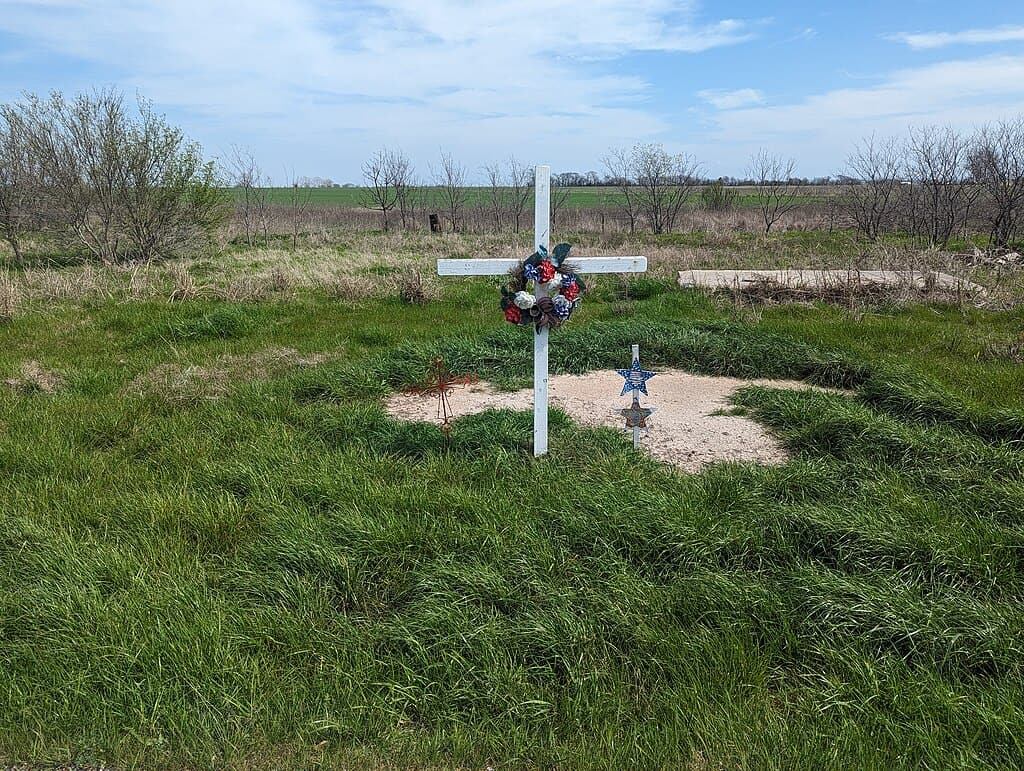
Across highways in states like Texas, Florida, and Pennsylvania, hundreds of roadside memorial crosses mark tragic accident sites or historic routes. Some date back over 60 years, though many have been removed due to changing safety laws. They range in size from modest wooden crosses to elaborate ironwork with inscriptions and flowers. Each memorial represents human stories of loss and remembrance, quietly surviving alongside busy traffic. For instance, a cross along Route 66 in Oklahoma commemorates a 1947 accident and has become a destination for history enthusiasts. These overlooked markers offer emotional connections to local and national history.
4. Goldfield Hotel : Goldfield, Nevada
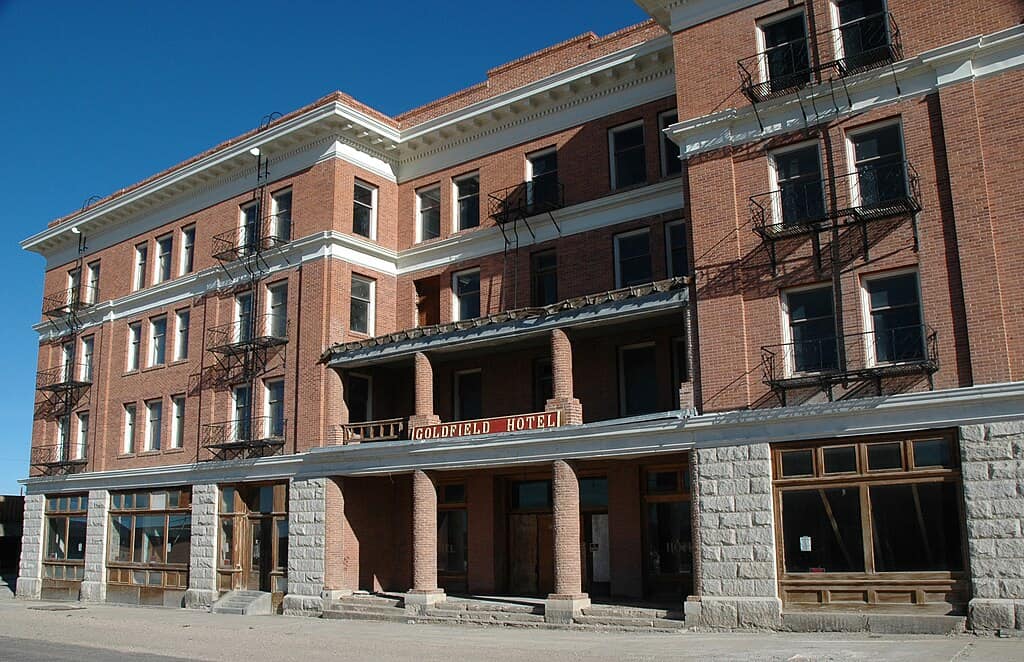
Opened in 1908, the Goldfield Hotel symbolized luxury during Nevada’s gold rush, featuring 110 rooms, crystal chandeliers, and oak paneling. Following the mining collapse in 1911, it fell into disrepair. Ghost tours now attract roughly 10,000 visitors yearly, seeking paranormal encounters in the abandoned halls. Its preservation is remarkable considering Goldfield’s harsh desert climate, with temperatures exceeding 110°F in summer. The hotel has inspired legends of hauntings and cinematic visits, standing as both a testament to early 20th-century opulence and a cautionary tale of boom-and-bust towns in the American West.
5. Centralia, Pennsylvania : The Burning Town
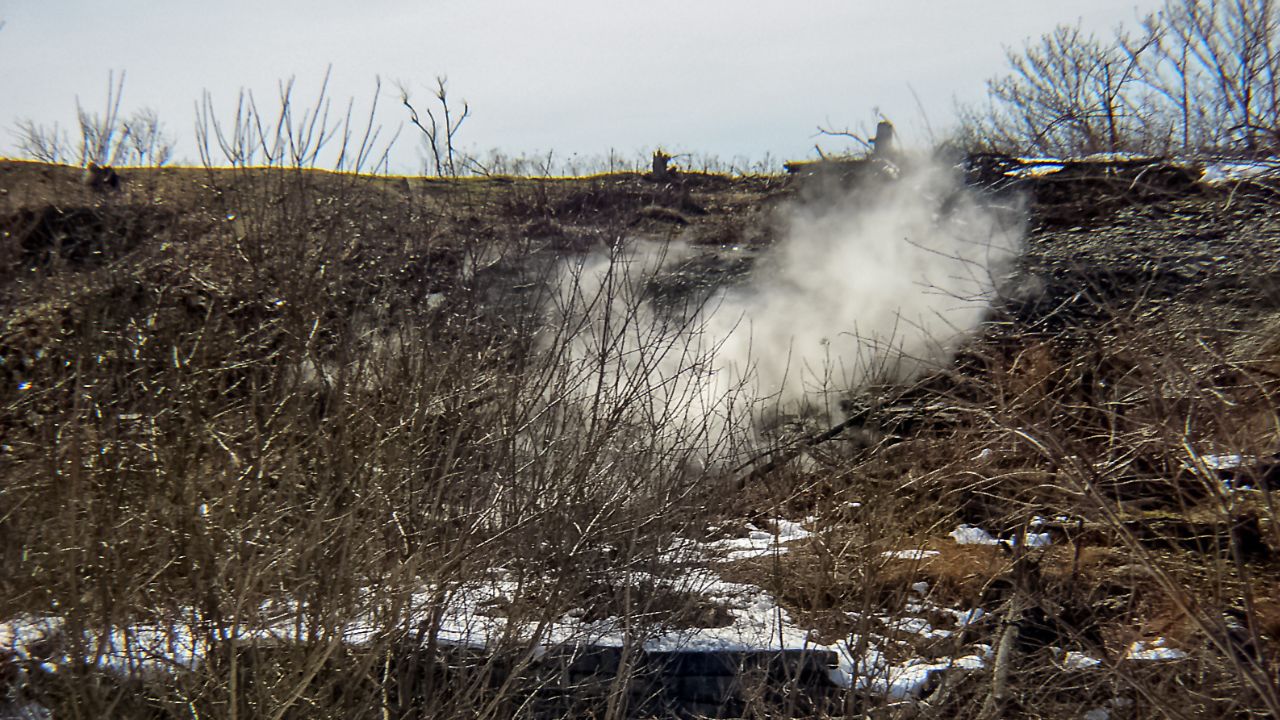
Centralia, once home to 1,000 residents, has been nearly abandoned since an underground coal fire ignited in 1962. Over 60 years, the fire has destroyed infrastructure, leaving cracked roads and smoke rising from over 150 venting sites. Only a handful of residents remain. Highways now bypass the town, but remnants such as street signs, a few houses, and the eerie Route 61 “Graffiti Highway” endure. Centralia is a stark example of human settlement clashing with natural forces. Its underground fires, some more than 300 feet below ground, continue to burn silently, preserving a ghost town frozen in an unusual, fiery limbo.
6. Rock City : Lookout Mountain, Georgia
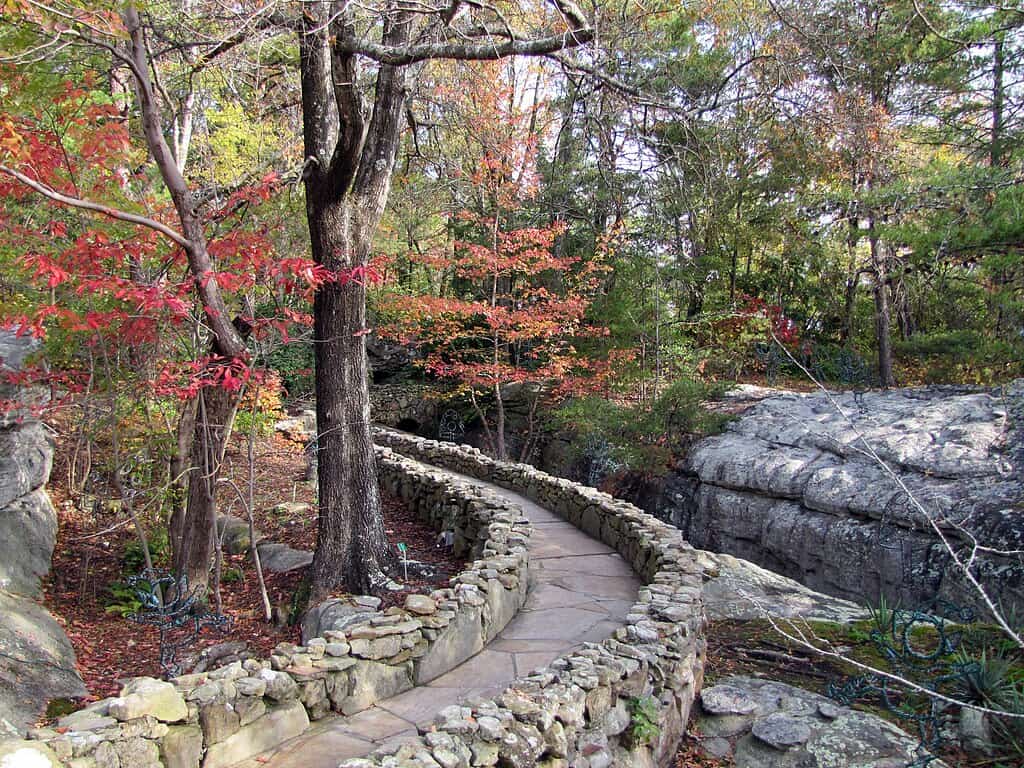
Rock City, developed in the 1930s, spans 4,100 feet of ridgeline atop Lookout Mountain and features massive rock formations, gardens, and the famous “See Seven States” viewpoint. Over 700,000 visitors explore its trails annually, yet the attraction remains a relic of early tourism marketing. Barn advertising across 10 states helped make it iconic before modern highways diverted traffic. The site mixes natural wonder with whimsical landscaping, including swinging bridges and sculpted pathways. Its continued operation preserves a piece of eccentric Americana, where quirky design and breathtaking geology coexist, offering experiences that feel both timeless and surreal.
7. Sunken Forest : Fire Island, New York
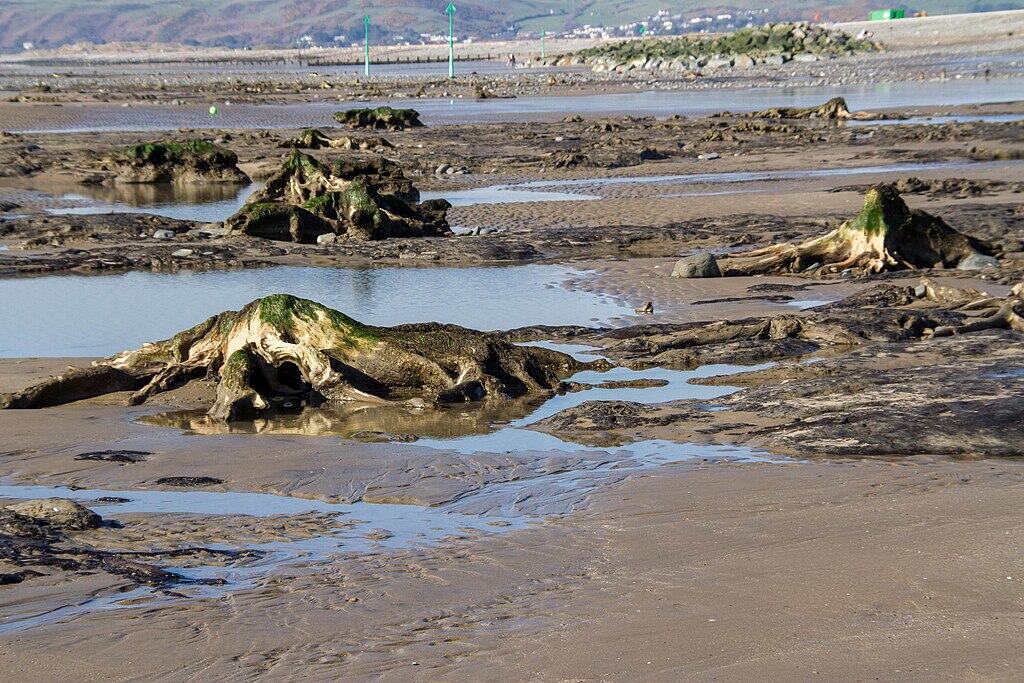
The Sunken Forest on Fire Island covers roughly 80 acres of partially submerged maritime woodland. Rising tides and shifting sands create reflective pools around twisted, half-submerged trees. Limited public access preserves its fragile ecosystem. While Fire Island draws over 1 million visitors during summer, few venture to this hidden forest. Its serene isolation makes it a rare surviving landscape of pre-colonial coastal forests. Birdwatchers note up to 200 migratory species here, and the unique terrain illustrates the delicate balance between nature and human intrusion, giving explorers a hauntingly beautiful glimpse of a land slowly being reclaimed by the sea.
8. Paper House : Rockport, Massachusetts
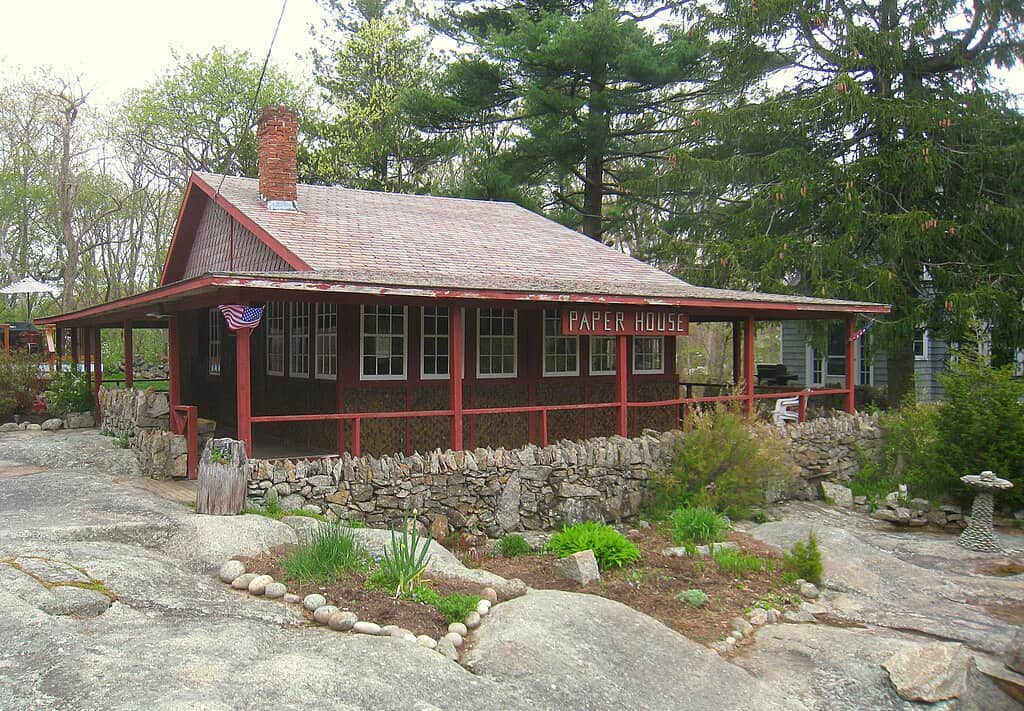
Constructed by Elis Stenman in the 1920s, the Paper House is made entirely of newspaper pages, over 100,000 in total, layered and varnished for preservation. It contains furniture, walls, and even window frames made from paper, and has survived over a century with careful maintenance. Open to roughly 5,000 visitors annually, it’s a quirky museum and testament to ingenuity. The house includes original furnishings, a built-in couch, and walls lined with newspaper clippings documenting contemporary events. Its delicate survival illustrates both architectural creativity and dedication, making it one of America’s most unusual and enduring home landmarks.
9. Bombay Hook Lighthouse : Delaware
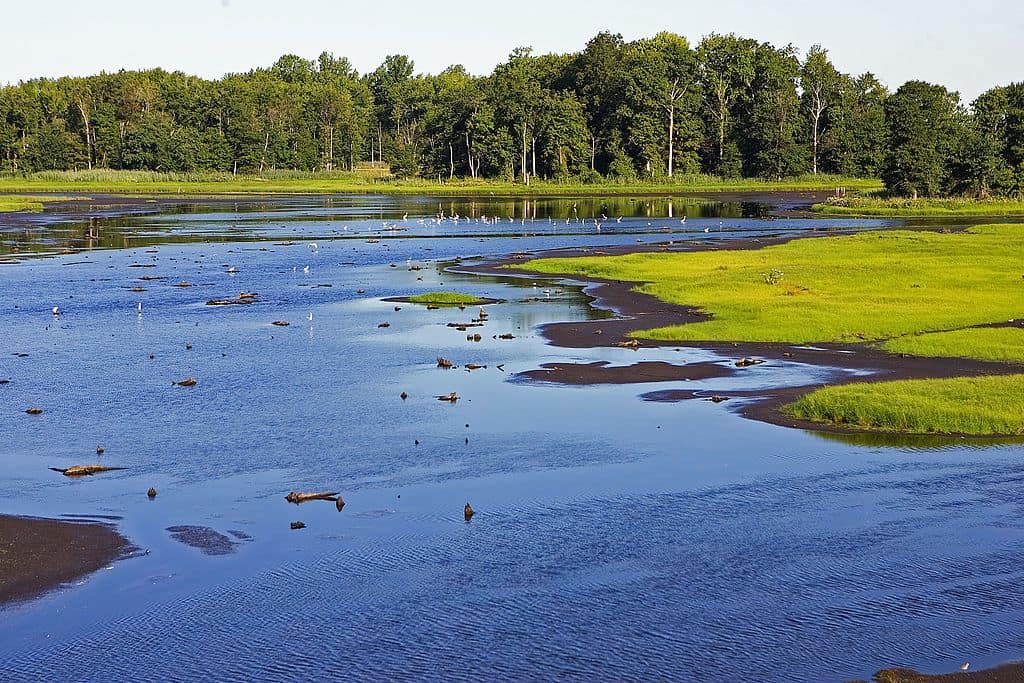
The Bombay Hook Lighthouse, built in 1858 on Delaware Bay, stands on a small 10-acre marsh reserve. Automated since 1940, it no longer requires a keeper but continues to guide vessels along a historically busy shipping route. Surrounded by over 16,000 acres of wetlands, it provides a habitat for over 300 bird species, attracting birdwatchers and photographers. Though often overlooked, the lighthouse’s original brick tower and lantern remain intact, exemplifying 19th-century maritime engineering. Its quiet persistence in a remote location illustrates America’s coastal heritage and the enduring necessity of navigational landmarks, even as technology advances.