We may earn money or products from the companies mentioned in this post. This means if you click on the link and purchase the item, I will receive a small commission at no extra cost to you ... you're just helping re-supply our family's travel fund.
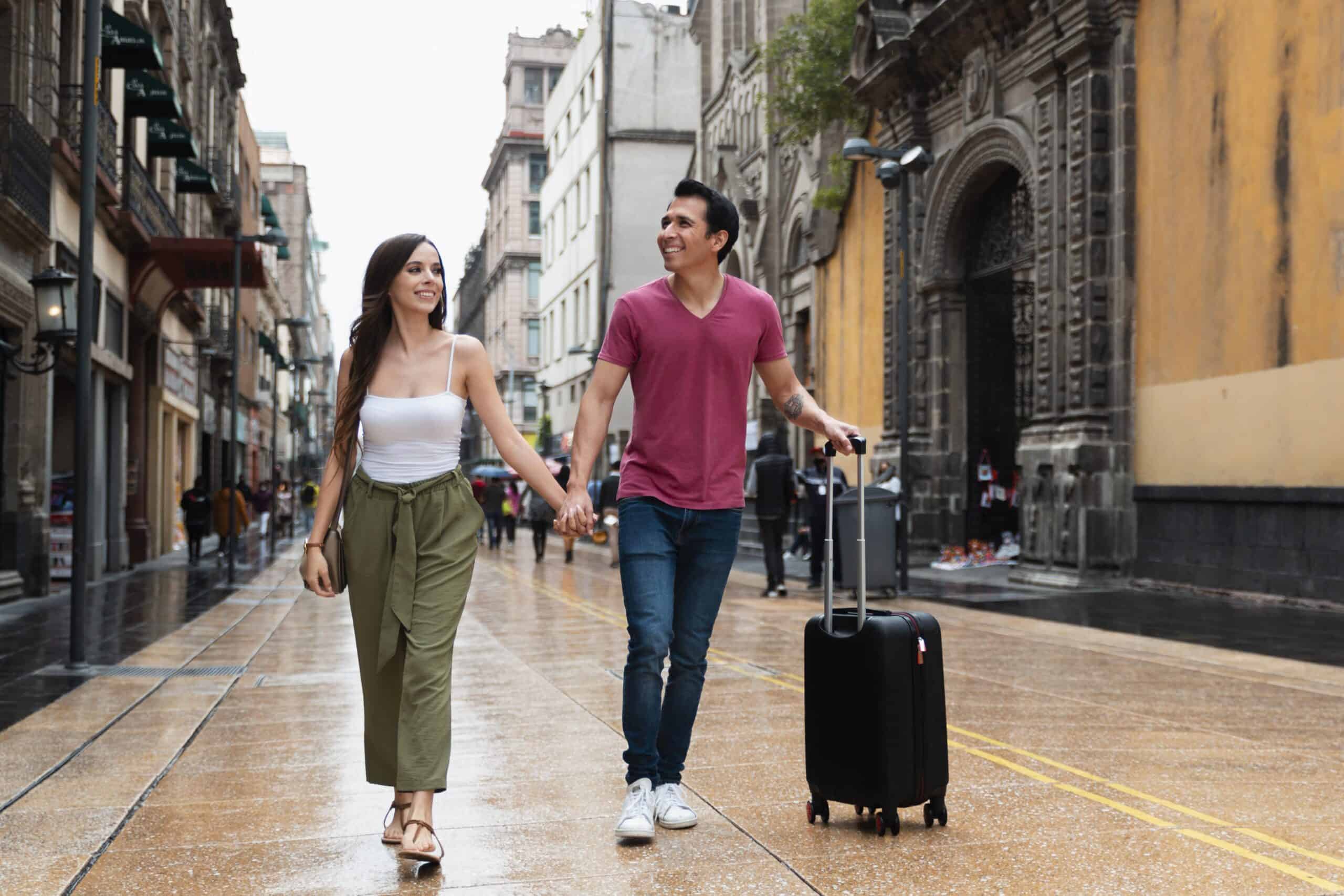
Across Europe’s prettiest old towns, the humble rolling suitcase has become a kind of villain. What once felt like a clever travel hack now sounds like a nightly drum solo on stone. Neighbors count every clatter over cobbles, councils talk about noise and cracked paving, and new rules slip into city codes. Together they are reshaping how people arrive in historic centers, nudging expectations away from wheels toward bags that can be carried without waking an entire alley.
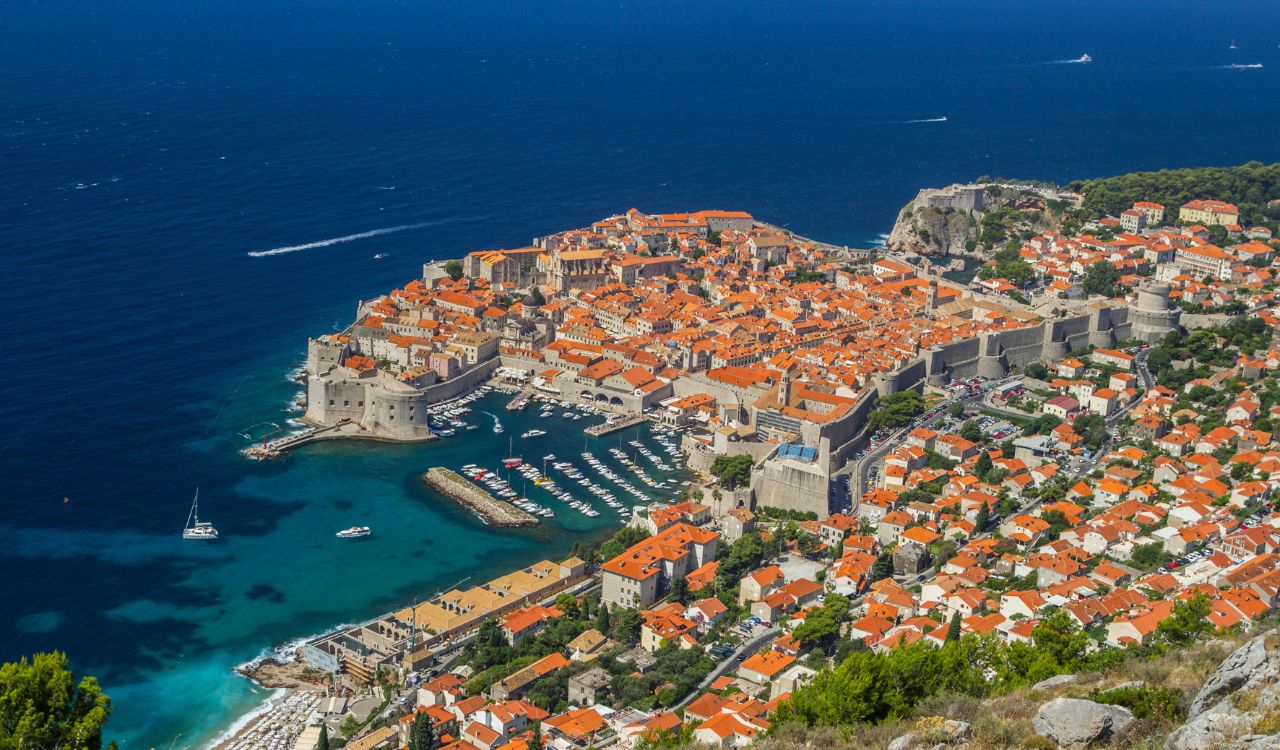
Dubrovnik, Croatia
CC BY-SA 4.0/Wikimedia Commons
In Dubrovnik’s walled center, the suitcase debate is no longer abstract. Noise rules and the Respect the City campaign give officials cover to focus on the sharp clatter of plastic wheels in echoing lanes and tunnels. Visitors are nudged toward luggage drop points at the gates or porter services that hoist bags on carts or shoulders instead of dragging them. Locals say mornings feel calmer now, with fewer pre dawn departures sounding like a rolling thunderstorm on stone steps, arches, and polished slabs that sit only a few meters from bedroom windows and tiny balconies.
Venice, Italy
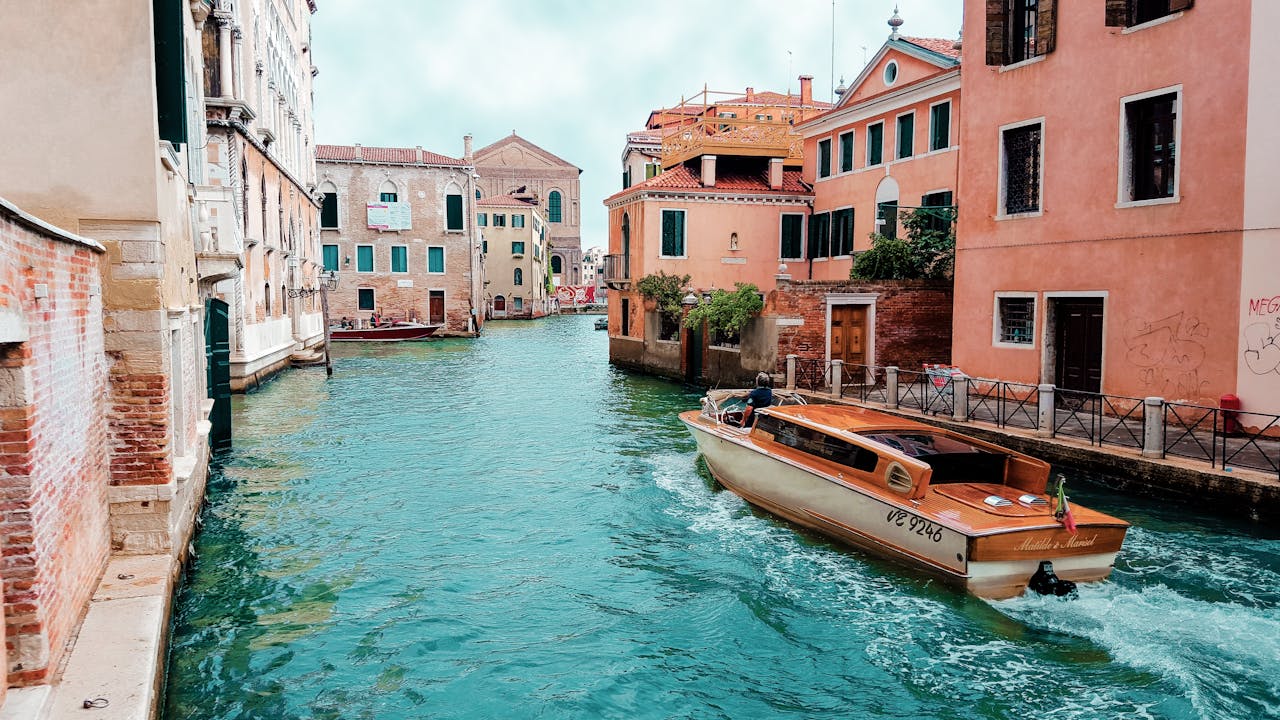
Venice became a symbol of suitcase panic after talk of giant fines for trolleys raced around the world, even though the strictest proposal never became law. Officials still limit hard plastic wheels on delivery carts and publicly blame rolling luggage for chipped steps, cracked stone, and sleepless residents in old palazzi. Travelers now hear constant advice to pack lighter, carry bags over bridges, or book canal transfers instead of dragging cases. The message is clear: wheels may be legal on paper, but using them loudly in fragile calli and campi is no longer welcome.
Portofino, Italy
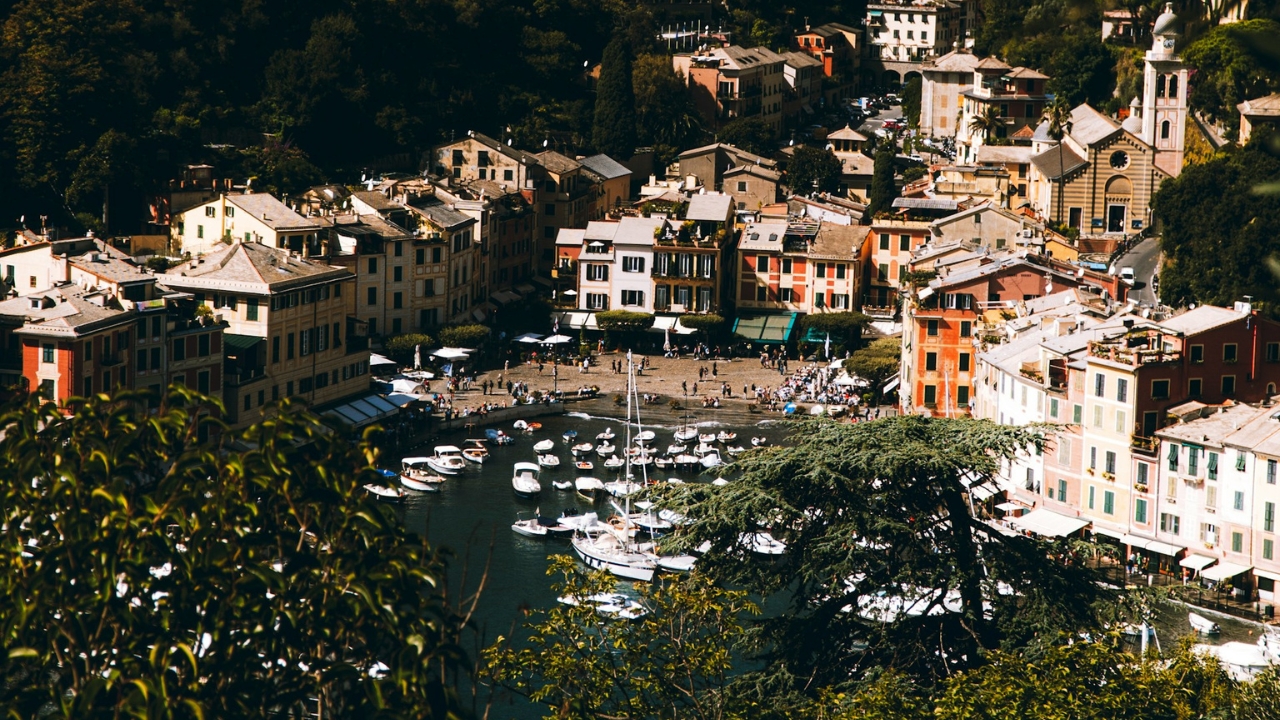
In Portofino, crowd control rules have quietly turned suitcases into villains. New local regulations fine visitors who loiter in narrow lanes and around the harbor with bulky luggage that blocks traffic, shop doors, and photos for long stretches. Officials say they are protecting safety and preserving the tiny piazzetta for residents, workers, and hotel guests, not letting it become a storage area on peak cruise days. For day trippers landing from boats, the message is simple: carry bags close, keep moving, and avoid letting rolling luggage dominate the postcard views.
Capri, Italy
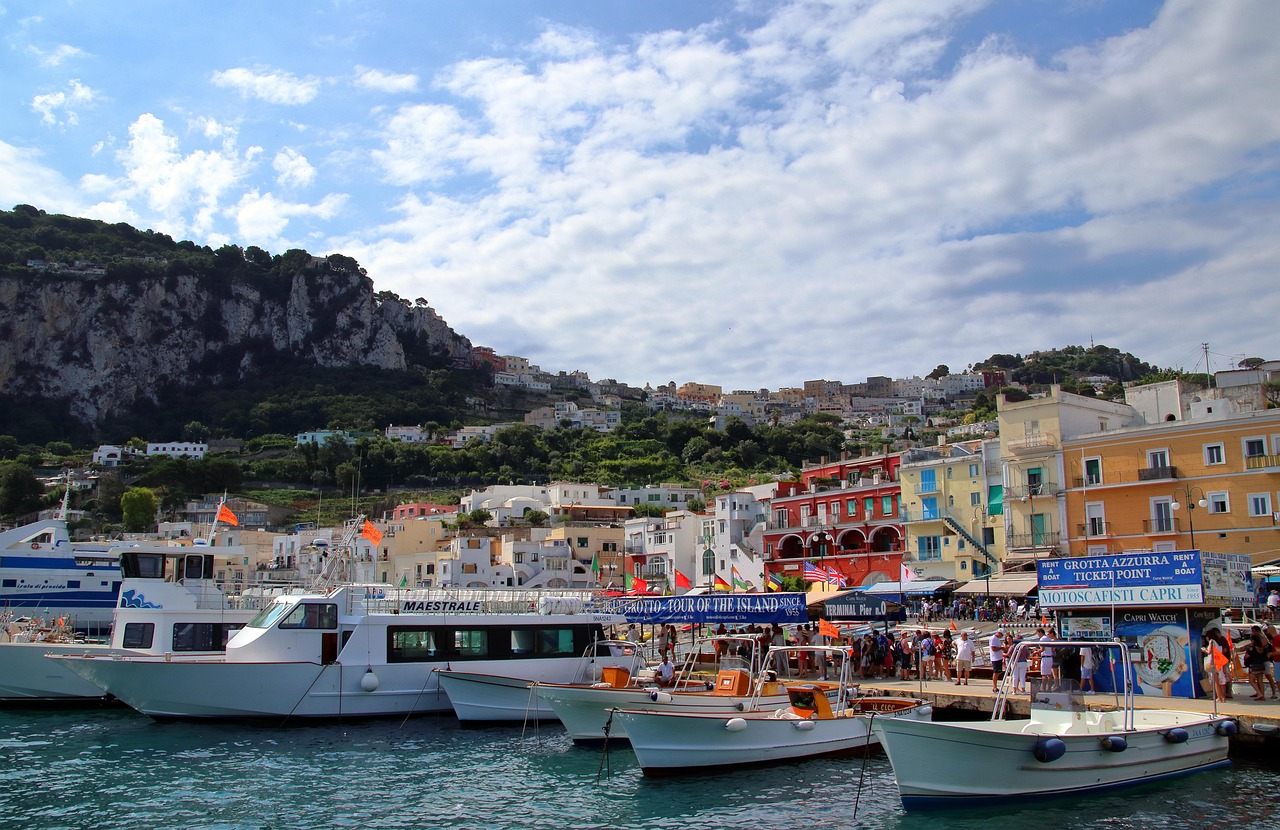
On Capri, the written rules focus on noisy footwear in town centers, but the spirit of those laws now wraps around suitcases as well. Old bans on loud wooden clogs and hard soles were meant to keep alleys quiet and protect delicate paving laid long before mass tourism and rolling luggage existed. Locals increasingly lump harsh plastic wheels into the same category, glaring at trolleys that bang over steps in the early hours. Hotels and porters warn guests ahead of time, nudging them toward smaller bags and hand carried luggage for the final climb into hilltop streets.
Florence, Italy

Florence has not drawn a red line through rolling suitcases yet, but they sit inside a wider effort to calm the Renaissance center and protect locals’ sleep. Recent measures banned golf carts and tourist tuk tuks from historic streets and tightened rules on self check in rentals that turned every doorway into a mini lobby. Residents now mention suitcase noise in the same breath as bar crawls, party bikes, and late night buskers echoing off old stone. If stricter rules arrive, luggage will likely be framed as part of a broader fight over who the centro really serves each night.
Barcelona, Spain
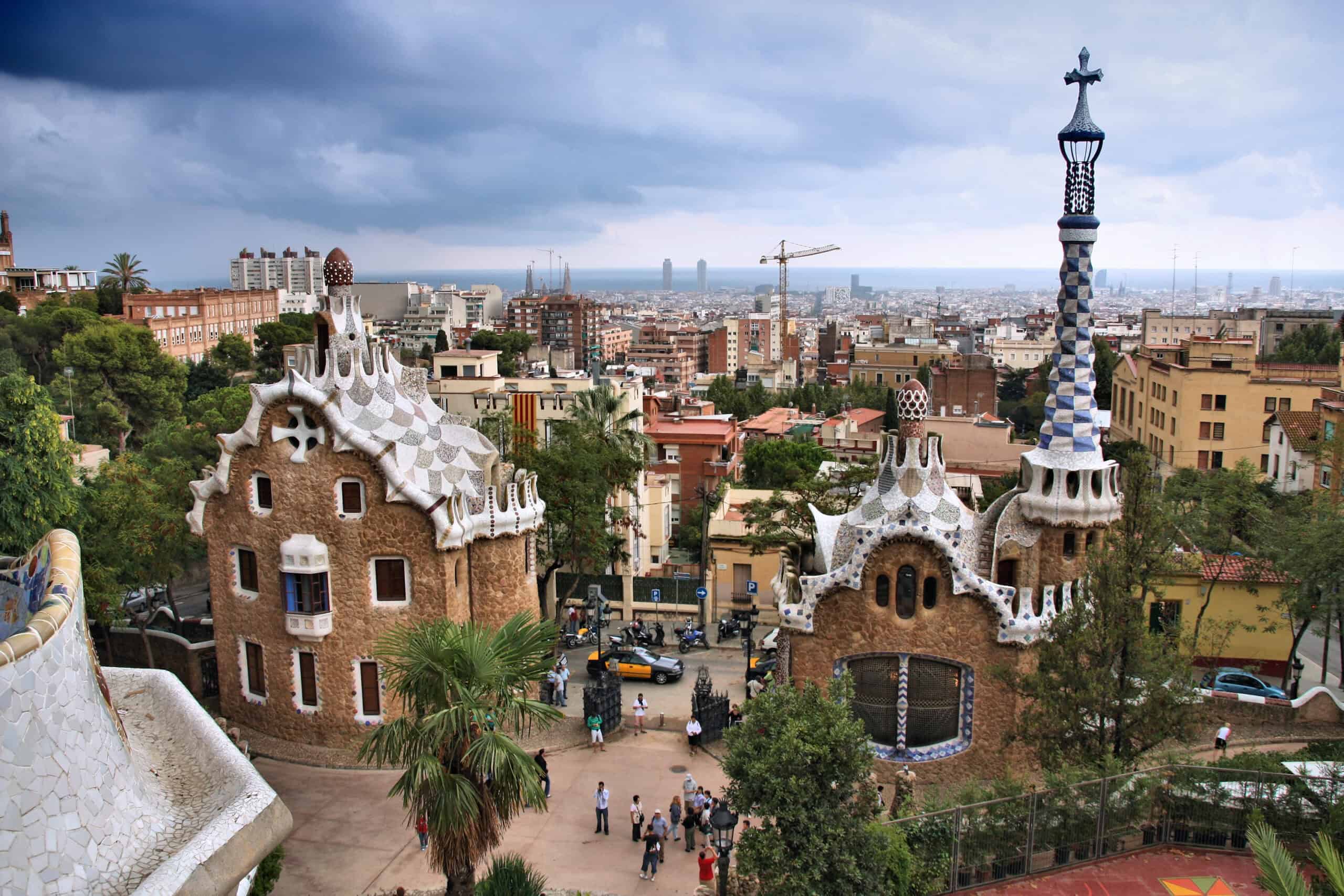
Barcelona’s laws aim at illegal rentals, cruise crowds, and street drinking, but suitcase noise keeps slipping into the conversation. Neighbors in Ciutat Vella describe nights when every early flight turns into a mobile alarm clock, with trolleys rumbling past bedroom walls at 3 a.m. City campaigns against nuisance tourism often show images of overstuffed bags and narrow stairwells, even if ordinances do not name luggage directly. For many residents, the rolling suitcase has become a symbol of constant turnover, as entire stairwells empty and refill with visitors every few days.
Amsterdam, Netherlands
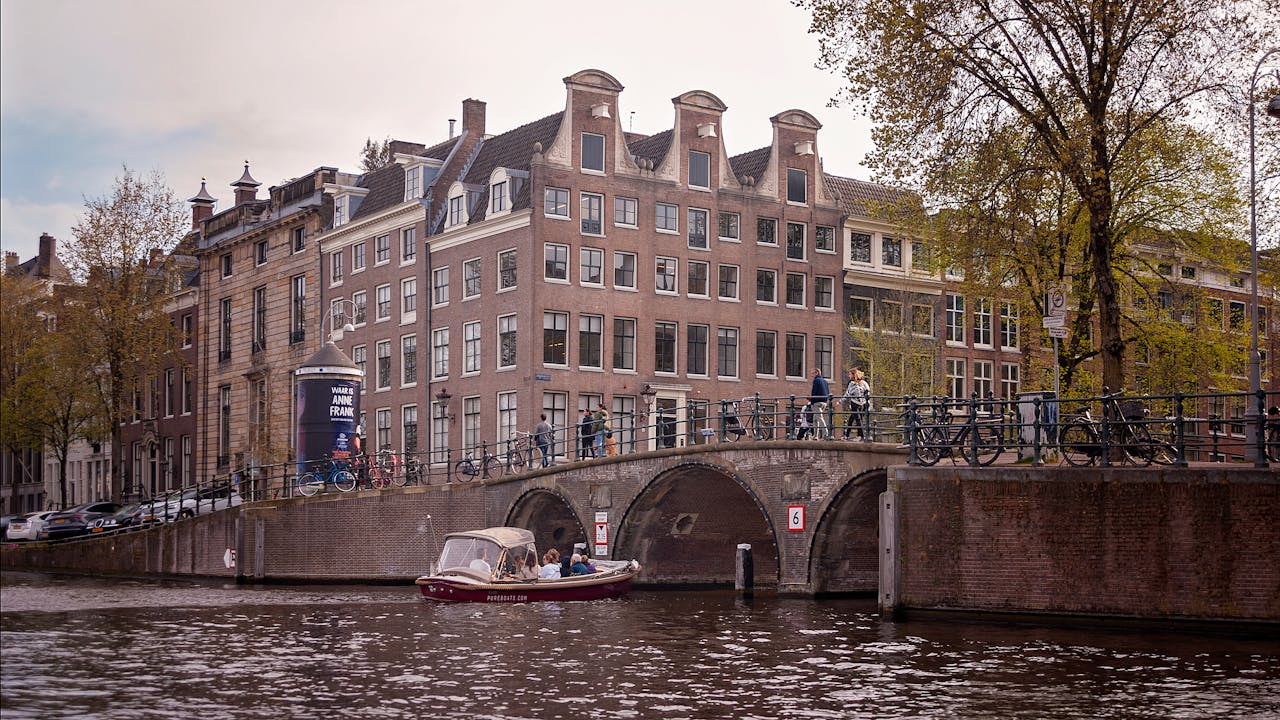
In Amsterdam, suitcase wheels form part of a larger friction between party weekends and everyday family life along the canals. Tall houses sit close to the street, so every trolley rattling over bricks seems to pass within arm’s reach of a bed or crib at all hours. Some narrow lanes have experimented with gentle signs asking visitors not to roll bags at night, especially in quiet stretches away from the busiest rings. City policy still targets rental caps and noisy groups, but locals talk about suitcase noise as the soundtrack to each new wave of short stay guests.
Cinque Terre, Italy

In the Cinque Terre villages, gravity does half the work that formal laws might. Steep staircases, tight alleys, and crowded train platforms leave little space for big trolleys, so local advice strongly urges travelers to store extra bags in La Spezia and arrive with only what can be carried. Park rangers already fine people for flimsy footwear on cliff paths, citing safety, rescue costs, and damage. Suitcases slide into the same logic: on hot days, a heavy rolling bag on a packed platform or slope is not just noisy, it is a tripping risk and a blockage.
Amalfi Coast Towns, Italy

Along the Amalfi Coast, towns like Positano and Amalfi do not always write suitcases into their codes, but the streets make their own rules. Endless stairs, single lane roads, and tiny piazzas turn large trolleys into moving roadblocks, so hotels increasingly warn guests in advance and suggest porters. Regional crackdowns on crowding and dress codes in historic centers frame noisy or obstructive behavior as finable. In that climate, dragging heavy luggage through a stepped alley feels less like a smart shortcut and more like testing the patience of every neighbor watching from above.