We may earn money or products from the companies mentioned in this post. This means if you click on the link and purchase the item, I will receive a small commission at no extra cost to you ... you're just helping re-supply our family's travel fund.
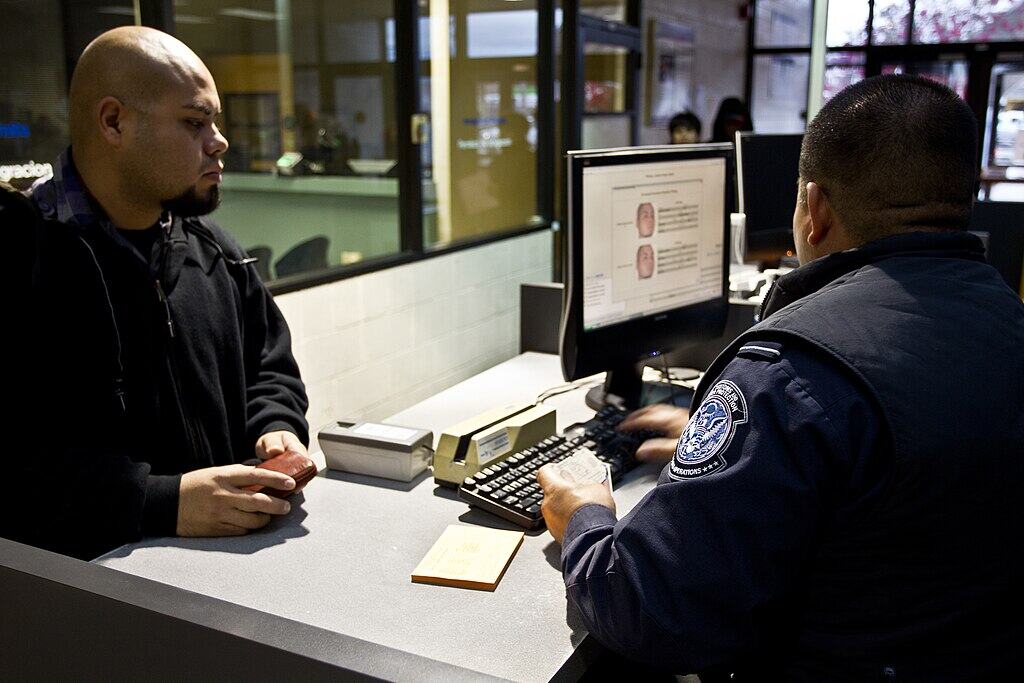
Crossing U.S. borders has become increasingly detailed, with Customs and Border Protection (CBP) officers now asking more pointed employment questions. These inquiries confirm visa compliance, detect unauthorized work, and ensure travelers’ stated employment matches official records. Understanding the types of employment questions you might face can prevent delays, secondary screenings, or denial of entry. Here are nine key employment questions you should be ready to answer.
1. What is your current occupation?

CBP officers often ask travelers to state their exact job title. A 2025 CBP report shows that 32% of secondary screeningsare triggered by inconsistent employment claims. Officers want to ensure your stated occupation aligns with your visa type—H-1B visa holders, for example, must perform specialty occupations. Providing concise and truthful answers reduces scrutiny. Describe your role in one or two clear sentences. Vague terms like “consultant” without context can raise flags, as officers may interpret them as attempts to bypass work restrictions.
2. Who is your employer?
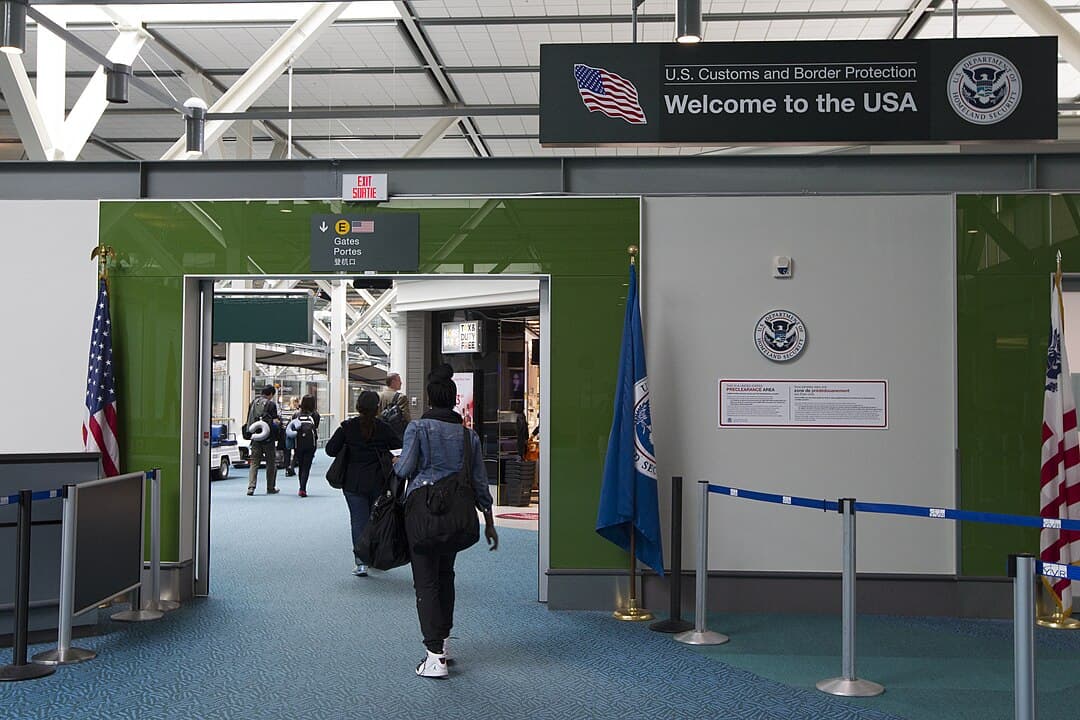
Travelers may be asked to provide their employer’s official name, including branch or subsidiary. CBP data from 2024 indicates that 18% of work-related secondary screenings were triggered by discrepancies in employer information. Officers use this to validate employment status and ensure visa compliance. For multinational companies, specifying the correct branch is critical. Officers may cross-check with prior visa applications, LinkedIn profiles, or company records. Providing precise employer details helps prevent unnecessary delays or additional questioning at the border.
3. What are your primary job duties?
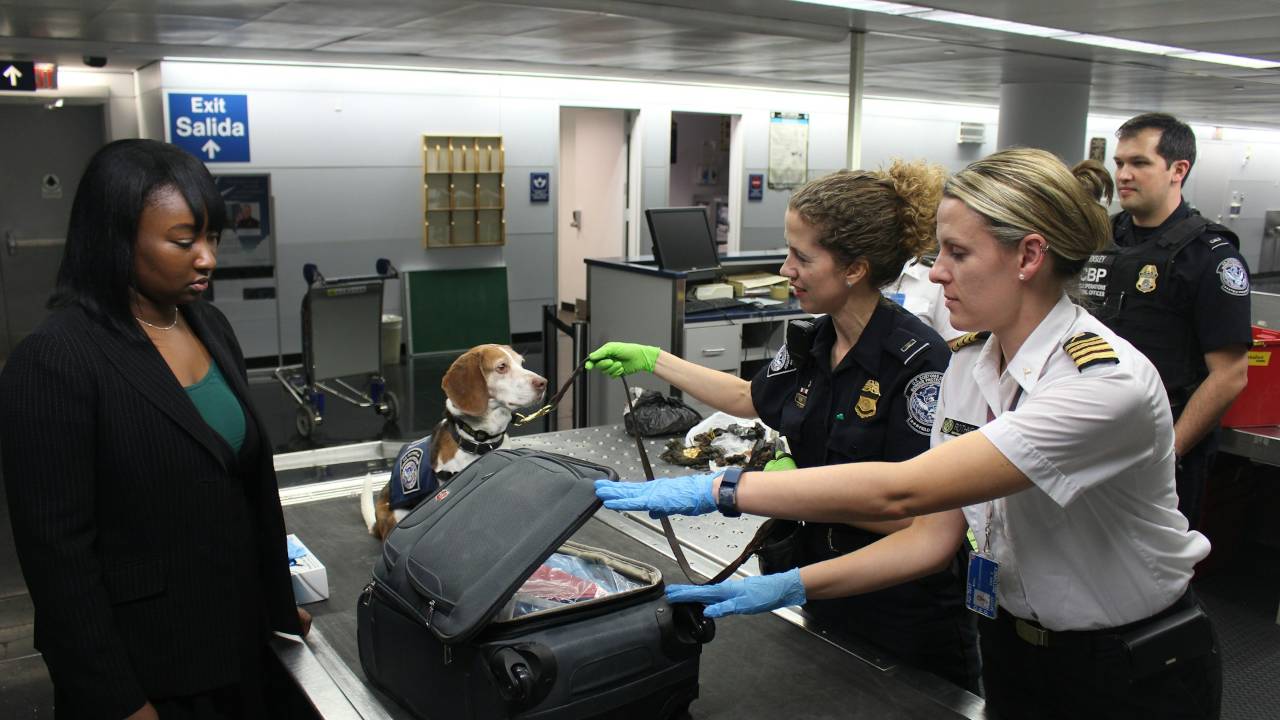
CBP officers often ask travelers to summarize main responsibilities. A 2025 internal survey found that 27% of work-related screenings included questions about job duties. Officers want to ensure that your tasks match your visa type and declared occupation. For example, a tourist visa holder claiming to manage software development projects may face extra scrutiny. Clear, brief explanations focusing on essential duties, avoiding technical jargon are recommended. This helps reduce the chance of secondary screening and demonstrates that your employment is legitimate and consistent.
4. How long have you been employed in this role?
Travelers may need to specify their tenure. CBP data from 2024 shows that 21% of employment-related secondary screenings were triggered by short-term employment or recent hires. Officers use this to verify that your stated role is genuine and consistent with your visa. Providing accurate start dates and duration builds credibility. Inconsistencies with previous visa applications or pay stubs can prompt additional questioning. Being prepared with documentation helps prevent delays and ensures smooth entry.
5. Do you work remotely or on-site?
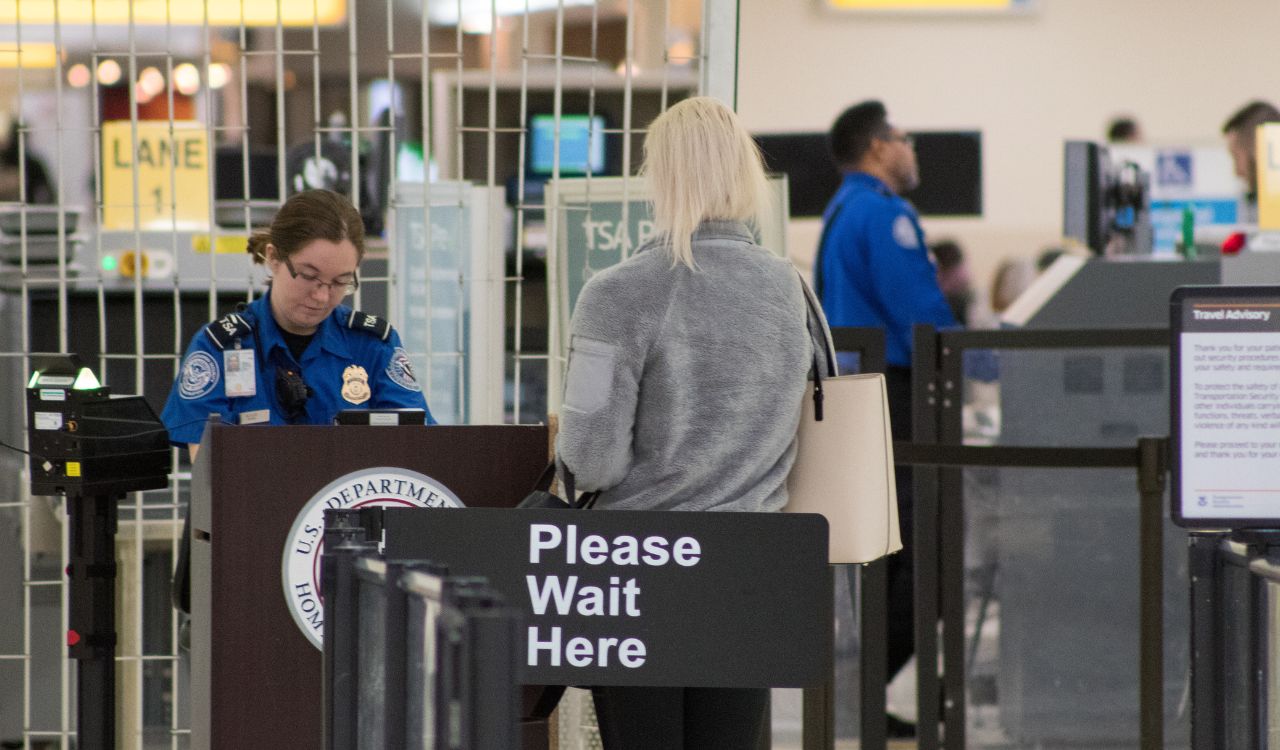
With remote work increasingly common, CBP may ask if duties are performed on-site, at client locations, or from home. In 2025, 14% of work-related secondary screenings involved questions about work location. This is crucial for visa compliance, as some visas prohibit working remotely from outside the U.S. Travelers should answer honestly, specifying how tasks are completed and where. Clear explanations reduce assumptions of unauthorized work. Officers may also check travel patterns or company policies for verification.
6. What industry is your employer in?

CBP officers often ask about the sector your employer operates in, such as healthcare, technology, or finance. According to 2024 data, 19% of work-related screenings involved industry verification. This ensures your occupation aligns with visa type and helps officers detect entry by travelers in restricted sectors. Providing precise industry information, for instance “biotech research and development” instead of just “healthcare,” avoids misinterpretation. Officers may cross-check with company registration or websites to verify authenticity.
7. Are you traveling for business or personal reasons?
Even when primarily traveling for leisure, CBP may probe about work activities. A 2025 review showed that 26% of travelers were asked this when visas permitted limited business activities. Distinguishing personal from professional travel is essential. For instance, attending a conference on a tourist visa without authorization could result in denial of entry. Travelers should clarify the main purpose and provide brief context for any business-related activities. Honest, consistent answers reduce confusion and prevent penalties.
8. Do you receive payment from your employer while abroad?

CBP may ask if you continue to be paid while traveling or working outside your home country. In 2024, 12% of work-related screenings focused on payment practices abroad. This helps officers detect unauthorized foreign employment or visa violations. Travelers should answer truthfully and provide context, such as payroll being routed through a U.S.-based company. Misrepresentation could lead to longer questioning, secondary screening, or denial of entry. Transparency regarding compensation is critical for smooth processing.
9. Have you recently changed jobs or employers?

Officers may inquire about recent employment changes to confirm visa compliance. In 2025, 15% of work-related secondary screenings were triggered by recent job transitions. Sudden switches can raise suspicion, especially for H-1B visa holders tied to specific employers. Travelers should have supporting documents such as new contracts or employment letters ready. Honest answers combined with documentation demonstrate compliance and reduce the risk of complications during entry, helping travelers avoid unnecessary delays or secondary inspections.