We may earn money or products from the companies mentioned in this post. This means if you click on the link and purchase the item, I will receive a small commission at no extra cost to you ... you're just helping re-supply our family's travel fund.
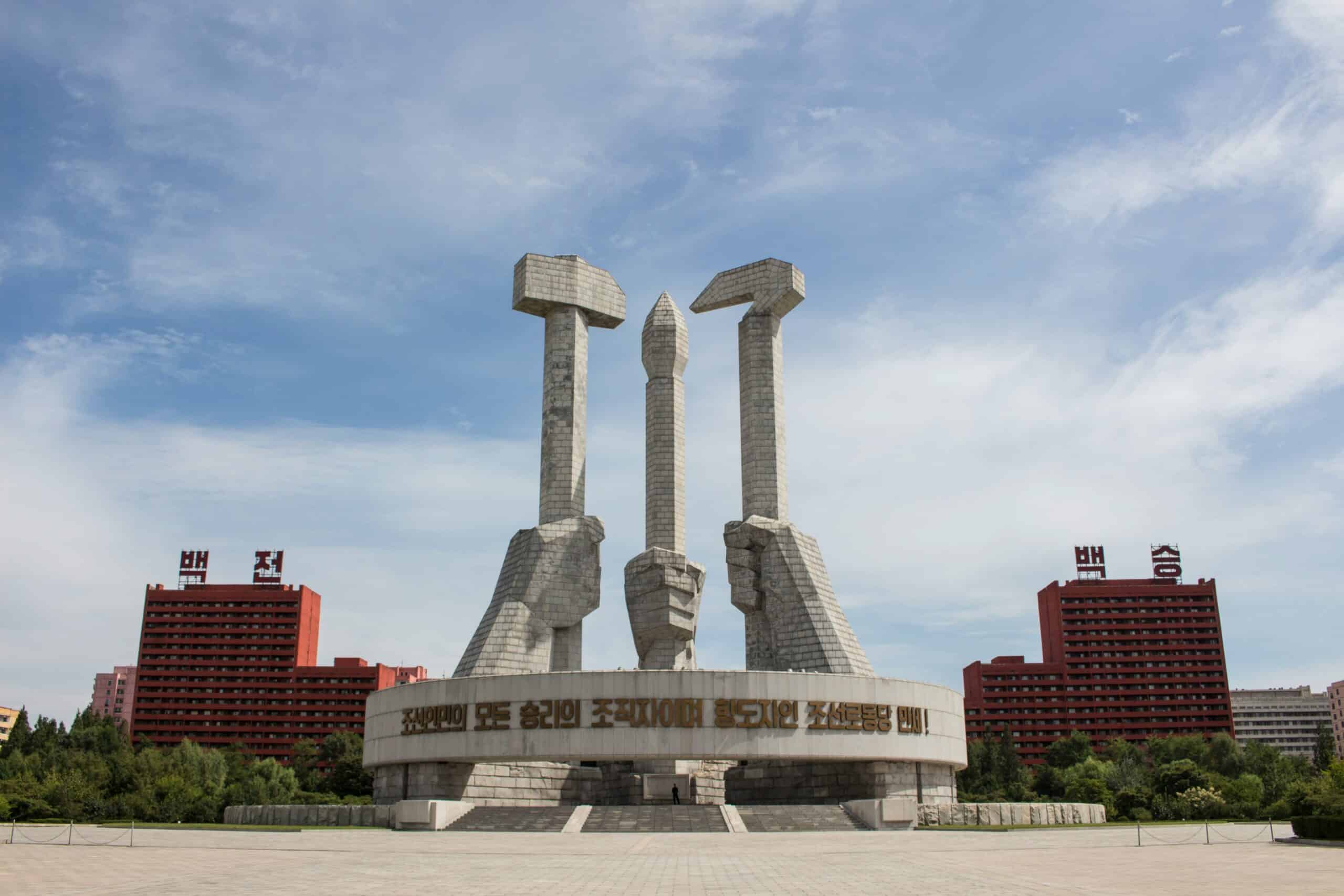
Travel can feel like harmless curiosity until the ethics come into focus. In places where governments jail critics, erase minorities, or police everyday life, a tourist dollar can land in the wrong hands. Human rights reports rarely read like guidebooks, yet they shape what visitors see, what locals cannot say, and who bears the risk. This gallery highlights destinations where abuses are widely documented and where leisure travel can blur into validation. The aim is not to flatten complex societies, but to name the systems that can make a vacation ethically costly.
North Korea

Tourism there is tightly stage-managed, with government guides, fixed routes, limited cities and a constant script about national pride and loyalty. Outside that script, rights groups and U.N. investigators have long described political prison camps, collective punishment, forced labor, and extreme limits on speech, religion, and movement, alongside bans on independent media. Visitors rarely meet locals freely, photos are controlled, and most trips run through state-linked operators, so hard-currency fees and on-the-ground purchases can reinforce the same system that keeps ordinary life unreachable and guarded, with limited oversight overall.
Afghanistan
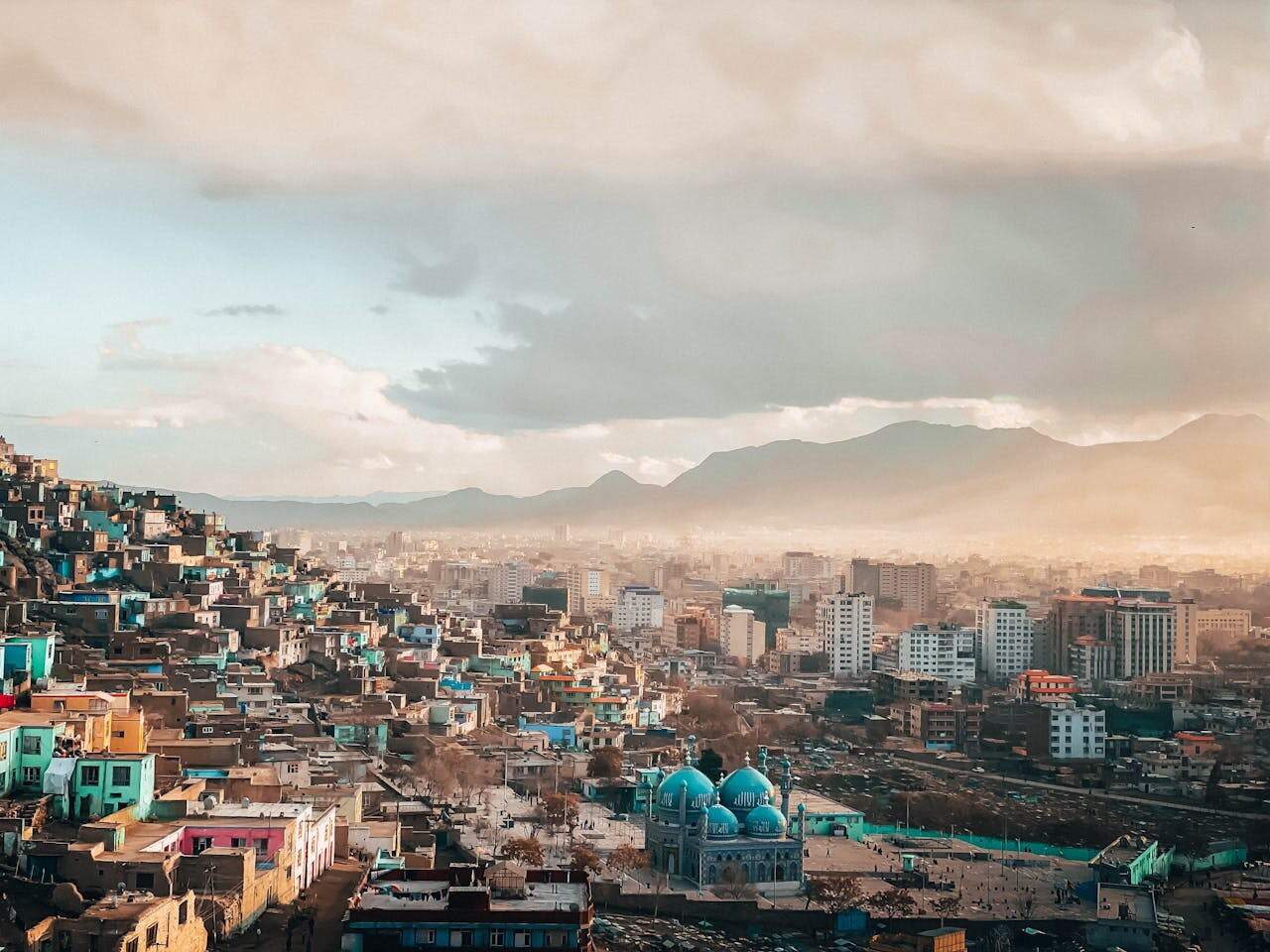
Public life there has narrowed under Taliban rule, and the squeeze is most visible in the lives of women and girls. Education bans beyond primary school, including bans on girls’ secondary and university study, restrictions on work, limits on movement, and strict rules on public presence reshape markets, clinics, universities, parks, and aid programs, while media and civil society face raids, closures, and censorship. A trip can turn ethically heavy when half the population is pushed from public spaces, when morality policing is routine, and when criticism is answered with detention, intimidation, disappearance, or punishment for local hosts.
Myanmar
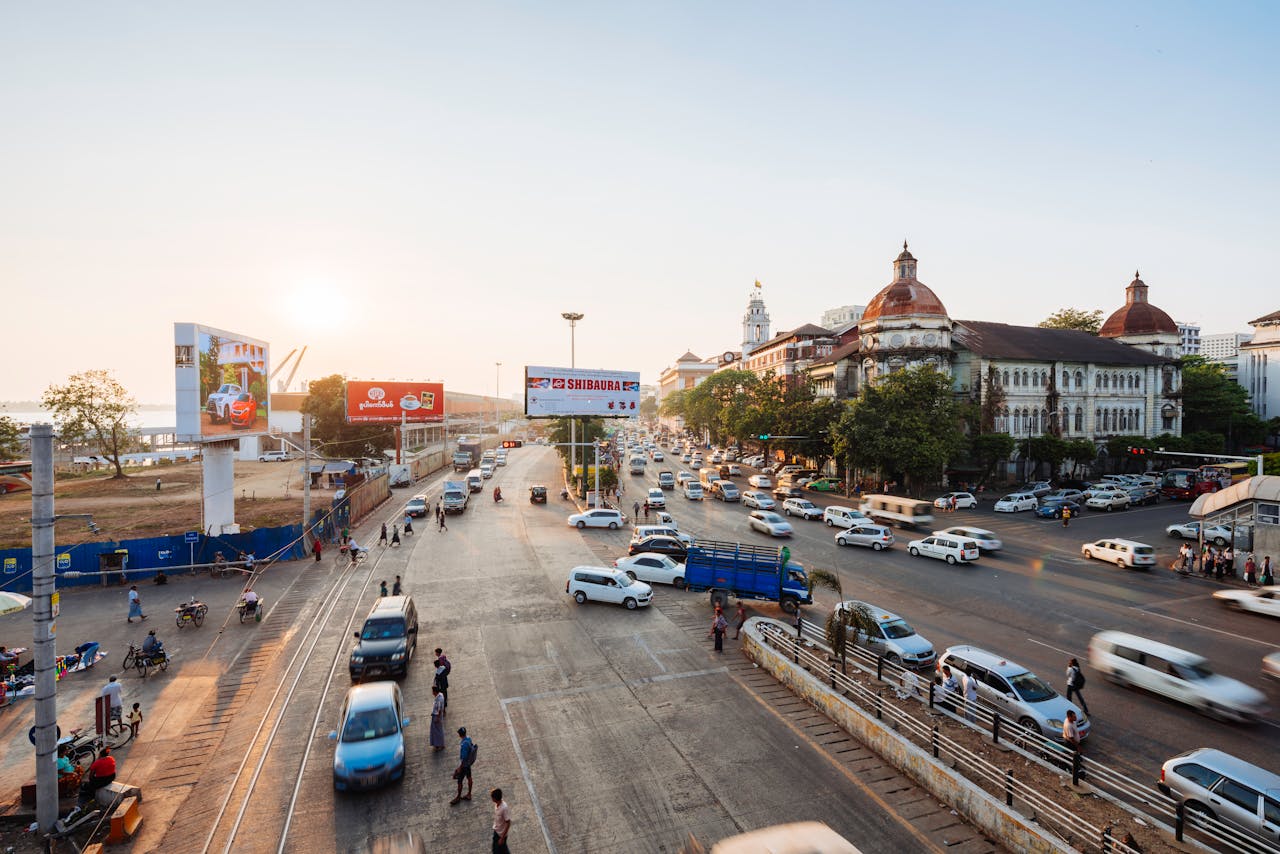
The conflict there is not a distant headline; it is a daily emergency for towns caught between the military and armed resistance. Rights monitors describe airstrikes, village burnings, arbitrary arrests, and reprisals that drive waves of displacement, including renewed danger for Rohingya communities and civilians trapped near borders. Even in calmer cities, permits, hotels, and transport can feed junta-linked institutions, while conscription pressure, blackouts, raids, internet shutdowns, blocked aid routes, and checkpoint payments keep families packing bags for sudden flight, often without warning, for whole neighborhoods at a time, nights.
Syria
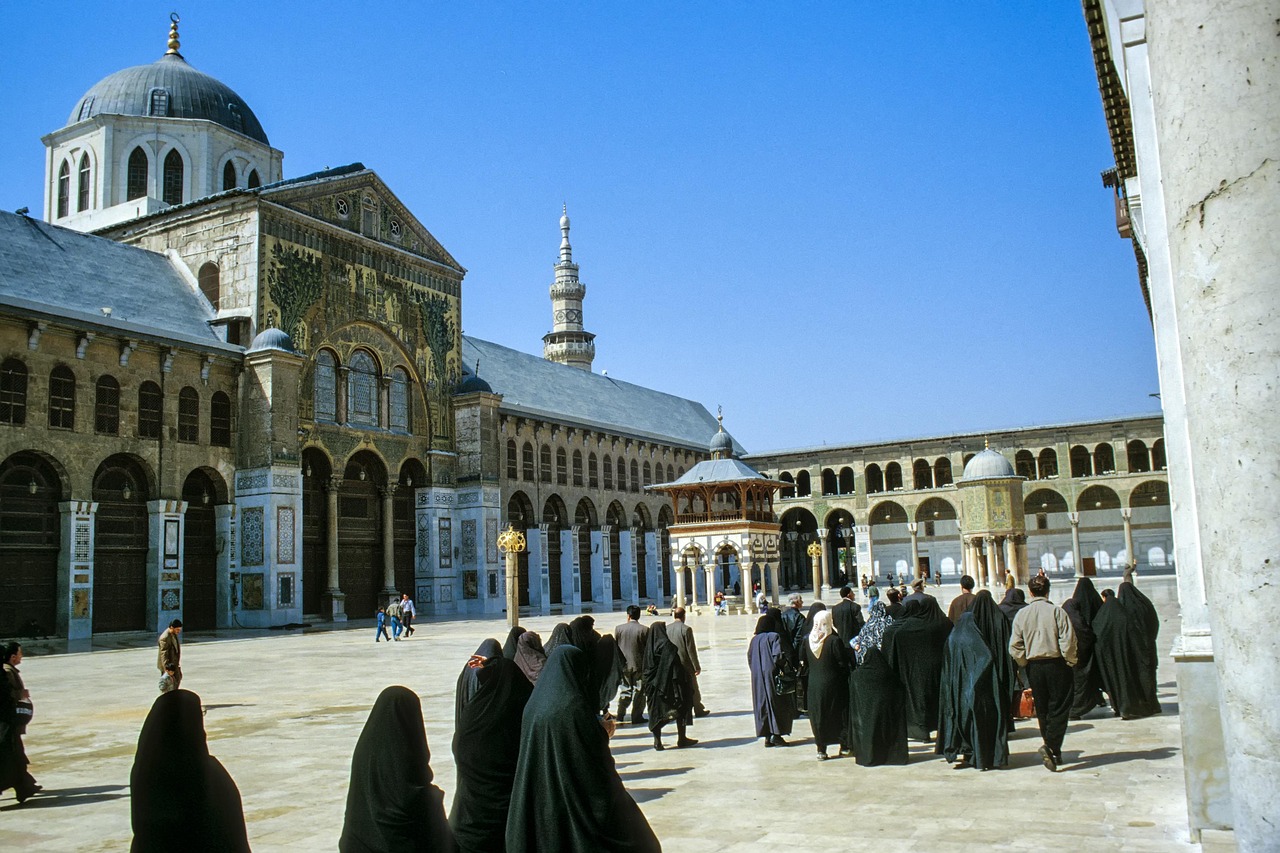
The country is living through a renewed political chapter after the Dec. 2024 fall of the Assad government, yet the human toll remains close to the surface. Amnesty and other monitors describe torture, unlawful killings, and vast numbers of people still missing or detained, along with shifting control, fragile security, and shortages that keep millions dependent on aid. For travelers, the moral risk is real: a curated stop in a rebuilt market can sit steps away from former detention sites, unmarked graves, looted records, and families still scanning lists for names, truth, accountability, and safe return, and survivors still fear open speech.
Eritrea
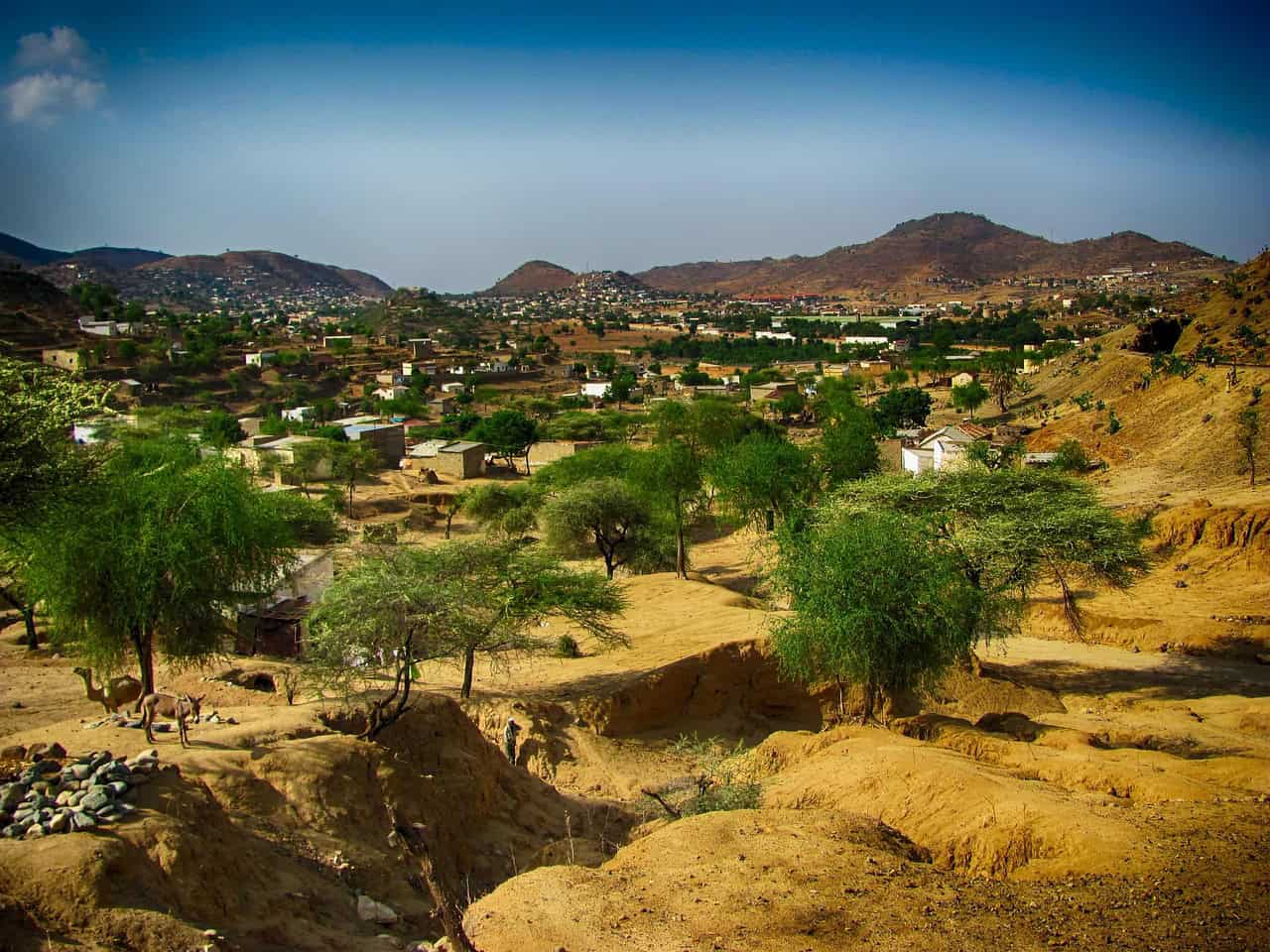
The country is often described as one of the world’s most closed states and the closure shapes daily life as much as politics. Rights groups report indefinite national service, prisons without due process, a near-total absence of independent media, tight limits on religion, pervasive surveillance, and long separations as people flee or are blocked from leaving. The tourism footprint is small, but state control is large so a visit can become a quiet endorsement of a system that restricts exit, speech, association, independent organizing, and punishes families for evasion or dissent at scale, with dissent punished and unions banned in practice.
Iran
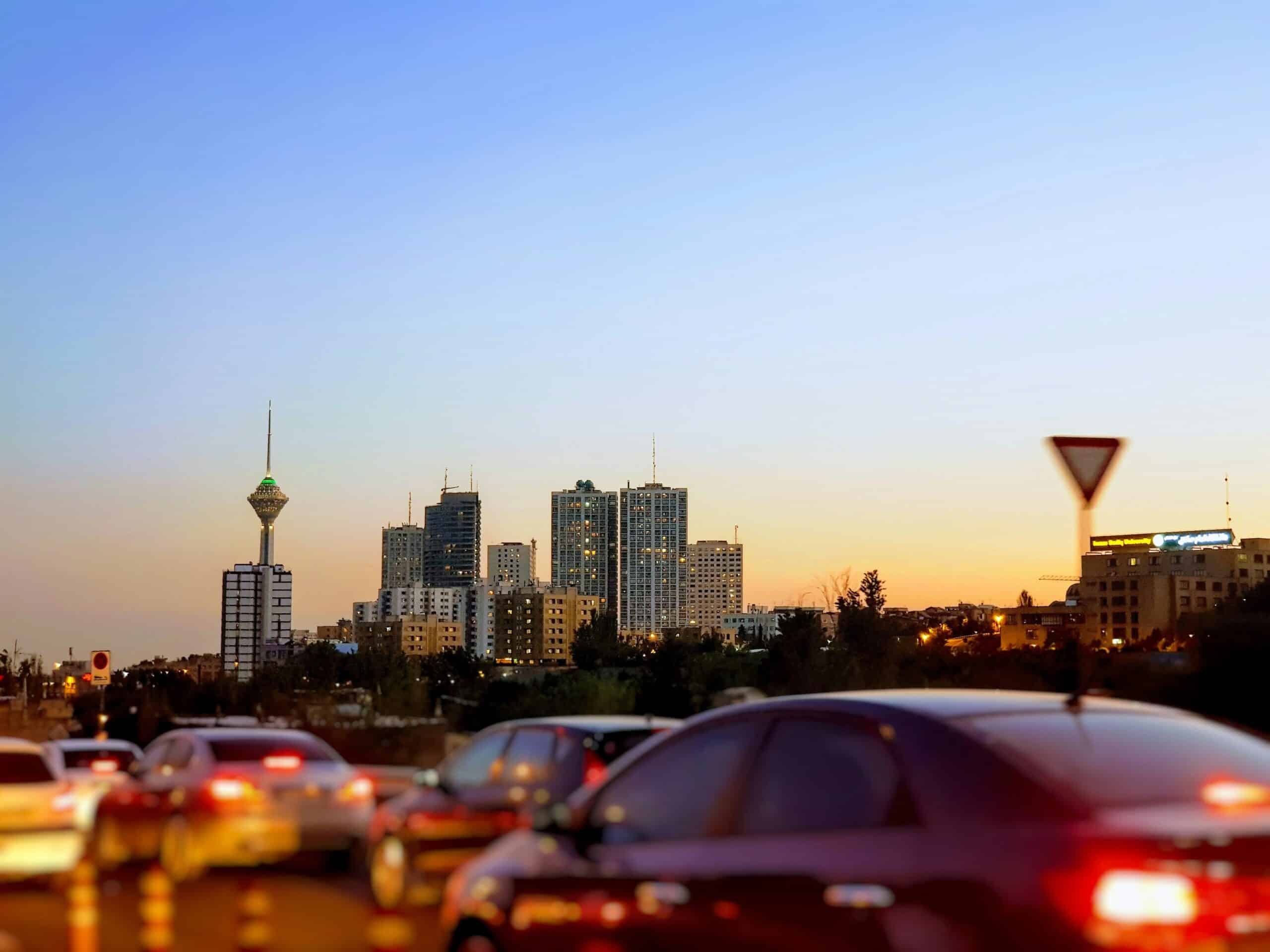
The country holds immense cultural depth, yet the political climate has repeatedly tightened around speech, protest, and bodily autonomy. Human rights groups and UN experts have reported harsh crackdowns, arbitrary detention, and heavy sentences for activists, journalists, and ordinary people caught in unrest, including intensified enforcement of compulsory veiling rules. Ethically the dilemma is not the beauty of the sites, but whether travel spending, publicity, and selective hospitality help normalize coercion while local dissent, internet freedom, minority rights, and due process are squeezed harder, year after year, especially for women.
Saudi Arabia
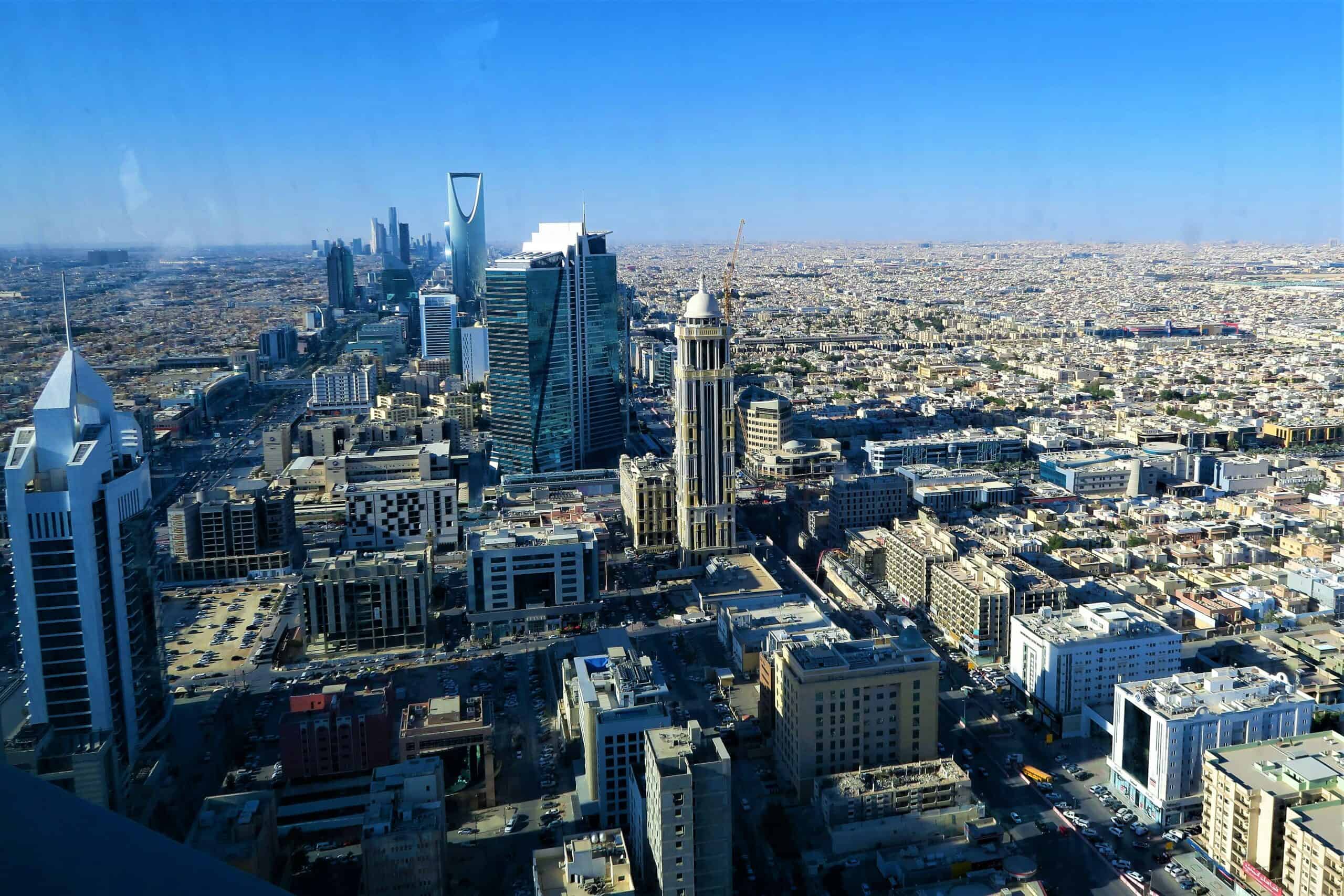
The country’s tourism push has grown quickly, but rights concerns remain a constant undertow beneath the glossy rebrand. Reports describe prosecutions of critics, limits on expression and association, and a justice system that can impose severe penalties, while migrant workers face serious labor abuses and weak avenues for redress. A packed events calendar can distract from the cost of silence, and travel dollars may reward institutions that restrict accountability, expand surveillance, use travel bans, rely on harsh sentencing, and escalate executions, including for drug cases, even as glossy campaigns sell a softer image to outsiders still.
Turkmenistan
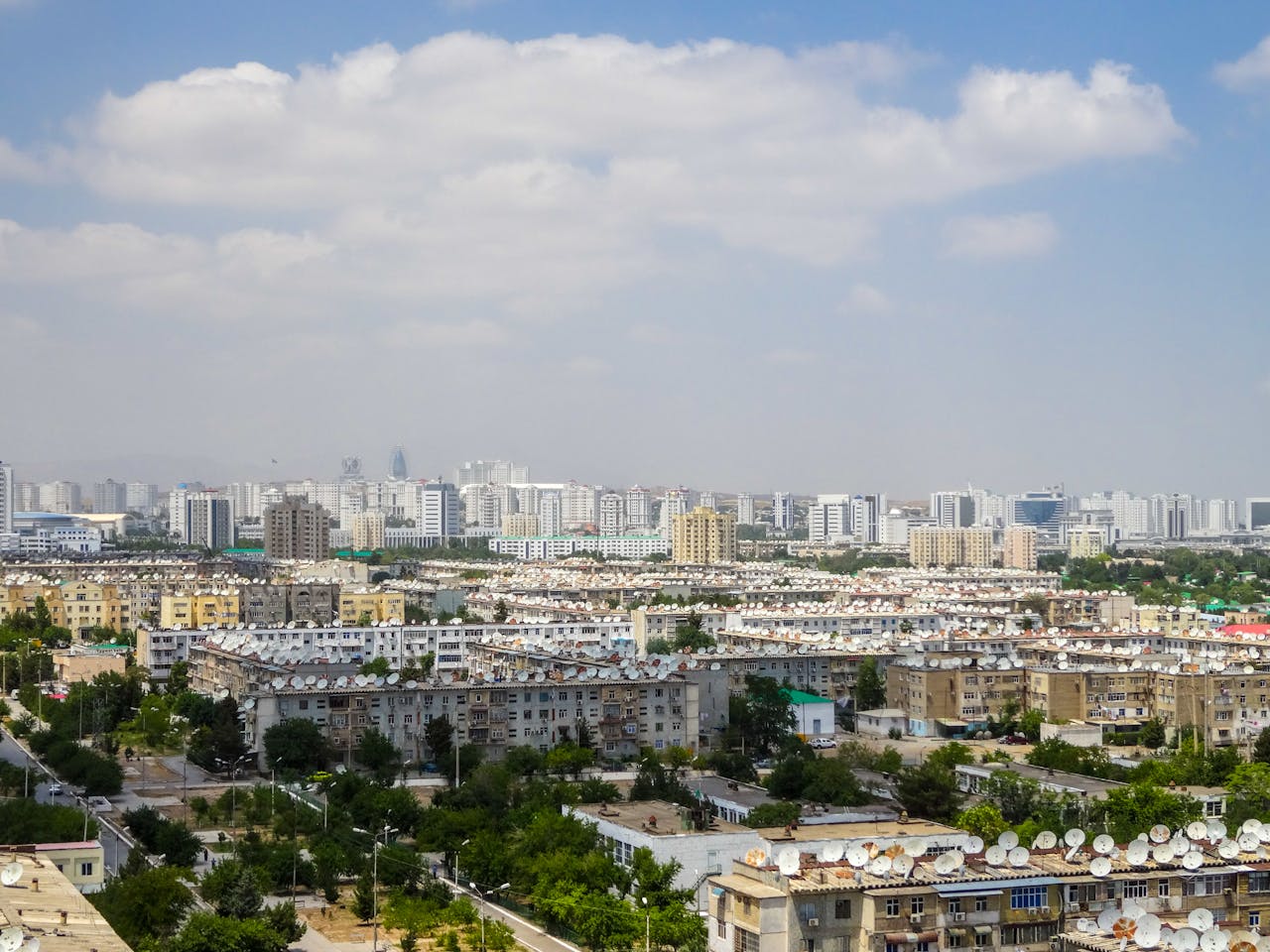
Public life can look immaculate on the surface, especially in the bright capital, yet it is tightly controlled and closely watched. Observers describe near-total control over information, punishment for peaceful dissent, arbitrary travel bans, and pressure on people abroad through passport restrictions, leaving residents isolated from independent news. Investigations have flagged state-imposed forced labor in the cotton harvest, including mobilizing public workers, and reports of internet blocks and fear of informants make a choreographed visit feel less like discovery and more like consent to repression, daily, even as facades look pristine.
Belarus
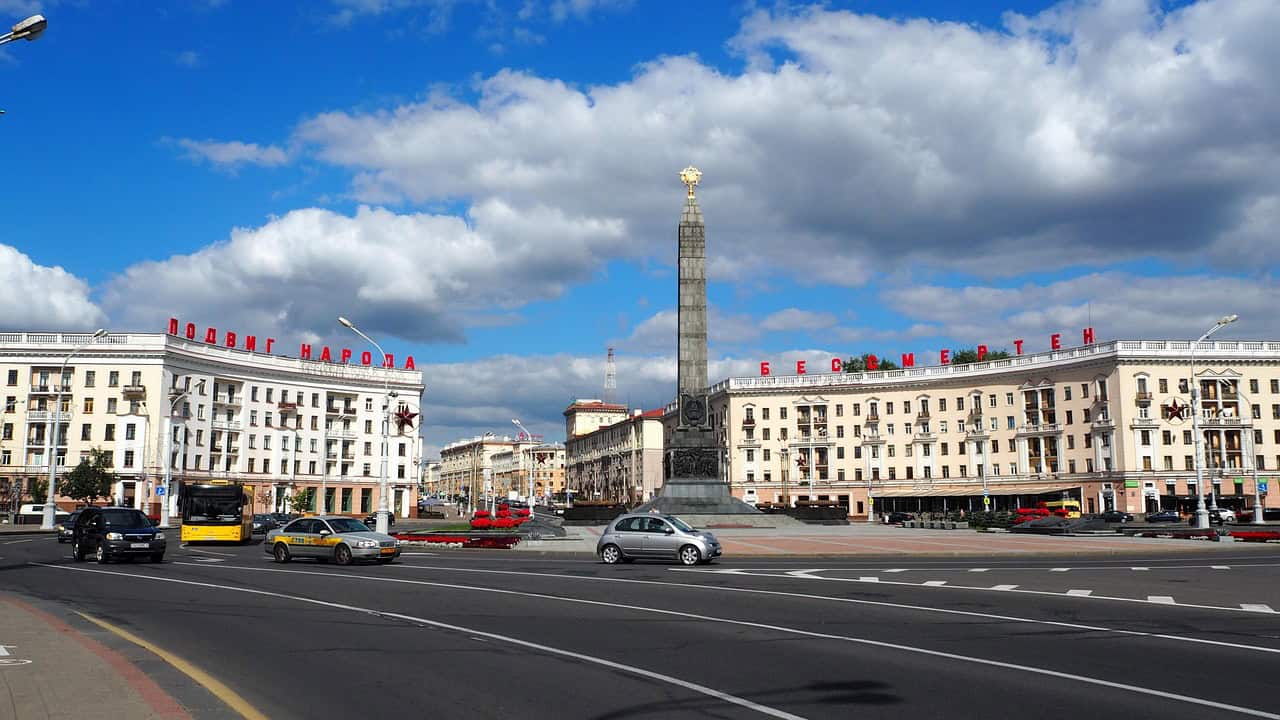
The state has been defined by political repression since the disputed 2020 election, and the clampdown has seeped into everyday routines. Rights groups document mass arrests, pressure on lawyers and journalists, mistreatment of political prisoners, and punishment for opposing a neighboring war, with courts used as tools of intimidation. Tourism there is rarely neutral: spending supports a state that treats dissent as extremism, normalizes fear through surveillance and coerced confessions, labels civic groups as enemies, hands out long sentences for online speech, and pushes thousands toward exile, even when streets feel calm and orderly also.