We may earn money or products from the companies mentioned in this post. This means if you click on the link and purchase the item, I will receive a small commission at no extra cost to you ... you're just helping re-supply our family's travel fund.

Travel has a way of making the world feel close: one flight, one ferry, one crowded market, and a new place becomes familiar. But microbes travel too, slipping through mosquito bites, shared air, and a single unsafe glass of water. Most illnesses never touch a trip, yet a small set can turn serious fast when prevention is skipped or care is delayed. These destinations are not warnings to stay away. They are reminders that good planning, updated health guidance, and basic hygiene can protect both visitors and the communities welcoming them.
Haiti, Cholera Where Water Systems Break
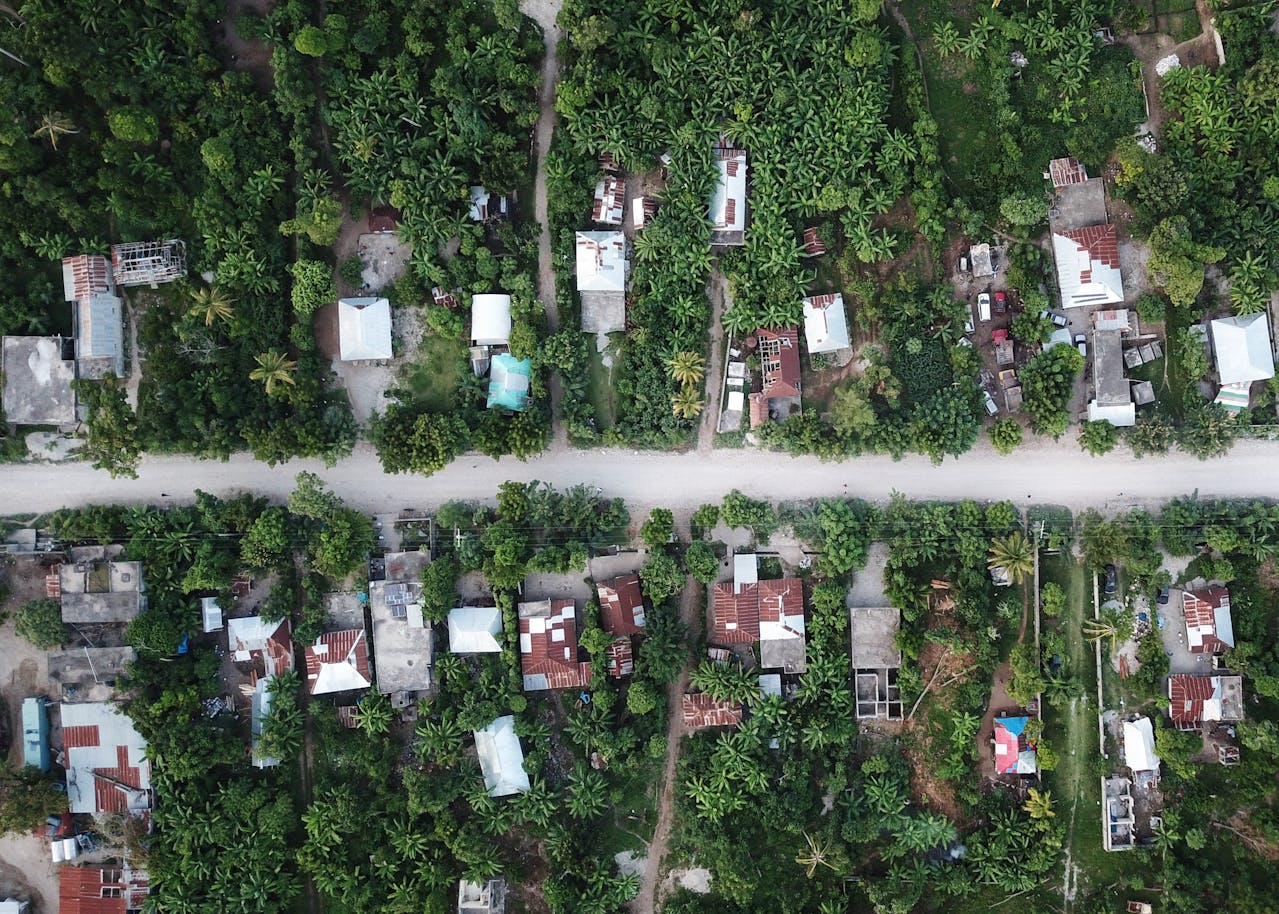
In Haiti, cholera is not an abstract headline; CDC notes active transmission is widespread, even though illness remains uncommon among most travelers and tends to cluster where water and sanitation are most disrupted after storms, strikes, or infrastructure breakdowns. WHO describes cholera as a severe diarrheal disease that can become fatal within hours without rapid rehydration and timely care, so delays matter more than distance from a hospital. Trips that minimize risk lean on bottled or treated water, careful street-food choices, and vaccine conversations for higher-risk stays, especially during outbreaks.
Nigeria, Meningitis Belt Surges In Dry Season

Nigeria sits in the extended African meningitis belt, a zone WHO describes as stretching from Senegal to Ethiopia, where outbreaks can surge during the hot, dusty dry season during Harmattan winds and spread through close contact in crowded settings. Invasive meningococcal disease can escalate in a matter of hours, which makes prevention feel less like a checklist and more like basic respect for how fast biology moves. Well-prepared travel often includes recommended vaccination, smart crowd and respiratory hygiene, and a low threshold for urgent evaluation if high fever, severe headache, or stiff neck appears.
Kenya, Malaria That Hides Behind Safari
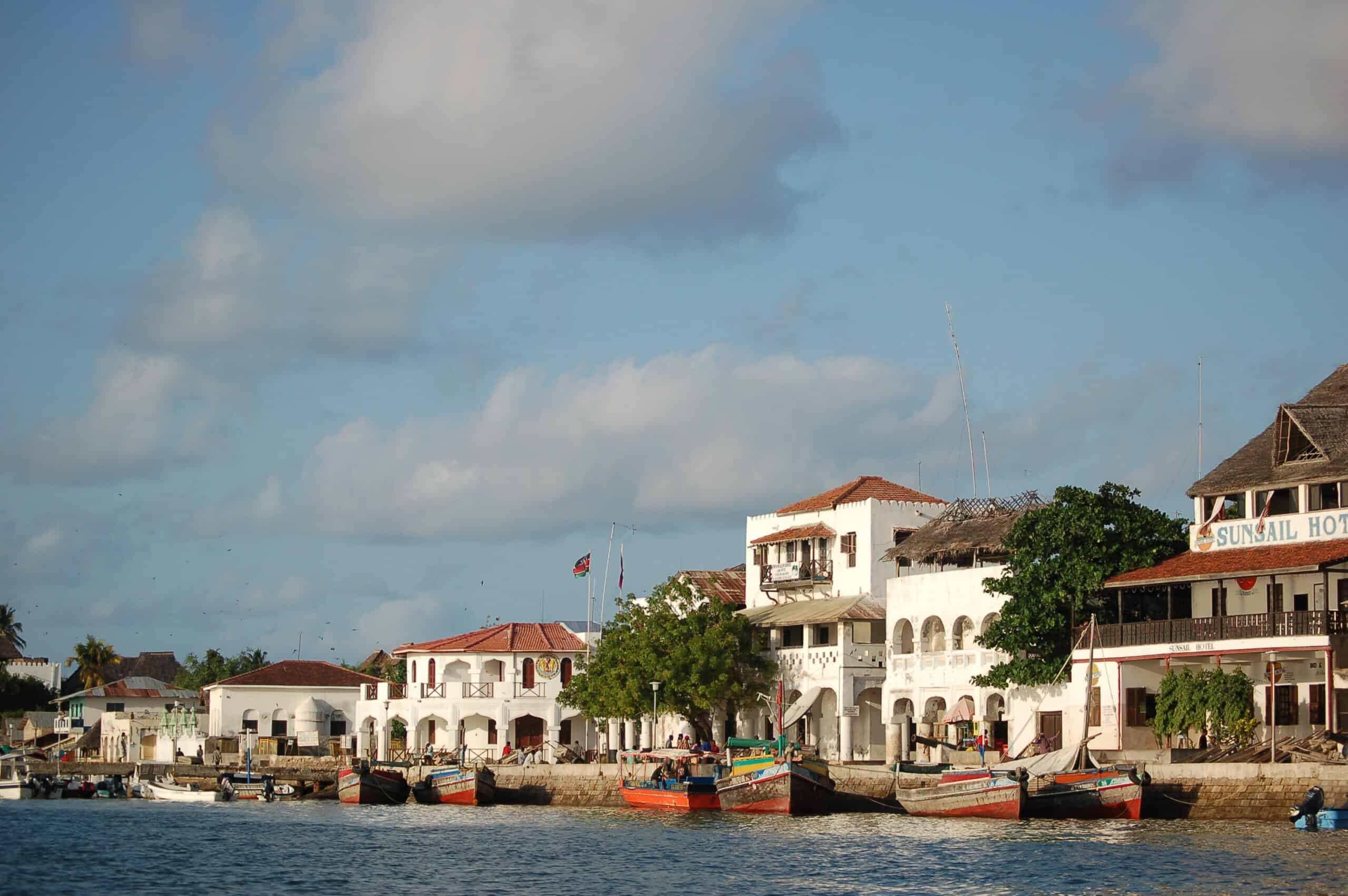
Kenya’s safari imagery can distract from a simple reality: malaria remains a risk in parts of the country, with risk varying by region and elevation, and severe malaria can be fatal when diagnosis is delayed or treatment is interrupted. CDC warns that travelers, especially to sub-Saharan Africa, face the greatest risk of getting malaria and potentially dying from infection if it is not recognized and treated promptly. Practical preparation pairs mosquito bite prevention with the right preventive medication plan, started on a schedule, taken consistently, and backed by a plan for rapid testing if fever appears.
Brazil, Yellow Fever Risk Beyond The Jungle

Brazil’s rainforest romance comes with a mosquito footnote: yellow fever transmission risk persists across wide areas, including many states that travelers use as gateways for the Amazon, big cities, and beach routes, even for short stops and side trips. CDC’s Yellow Book recommends vaccination for travelers going to extensive parts of Brazil, and WHO maintains country risk lists that also shape entry rules and onward travel requirements elsewhere. The calm move is to plan vaccination very early, layer daytime bite protection, and keep routes flexible when local advisories shift after heavy rains or outbreaks.
Indonesia, Rabies Threat In Animal Encounters

Indonesia’s beaches and temples can hide a more abrupt danger: rabies risk, including CDC notes of increased human cases reported in West Timor, where animal contact is common around homes and markets. Once symptoms begin, rabies is almost always fatal, so the only winning strategy is prevention and immediate action after any bite, scratch, or saliva exposure, and post-exposure care can be hard to reach quickly outside major cities. Itineraries that include rural wandering or monkey sites often weigh pre-exposure vaccination and make distance from unfamiliar dogs, cats, and wildlife a deliberate daily choice.
Pakistan, Drug-Resistant Typhoid In Daily Meals

Pakistan is tied to a long-running outbreak of extensively drug-resistant typhoid that began in 2016, and CDC notes the strain does not respond to most antibiotics commonly used to treat the disease, and cases are reported worldwide, mostly among travelers returning from Pakistan. Typhoid spreads through contaminated food and water, so everyday decisions, from ice to uncooked garnishes, become the real risk surface rather than dramatic moments. Vaccination, disciplined hand hygiene, and cautious eating and drinking are the basics that keep travel from turning into a high-stakes search for effective treatment.
Thailand, Japanese Encephalitis In Rural Nights

Thailand is often marketed as effortless, yet CDC still flags Japanese encephalitis for travelers spending time in rural areas, especially with longer stays, farm visits, or outdoor nights near rice fields. JE is mosquito-borne and can cause severe brain inflammation, so prevention is a planning item, not a footnote, even when an itinerary looks relaxed on paper, because seasons and hotspots vary by province each year. Lower-risk travel blends vaccination decisions for higher-exposure trips with consistent bite protection, screened sleeping spaces, and a realistic sense that mosquitoes keep their own schedule.
Cuba, Dengue Waves Across The Caribbean

Cuba, like much of the Caribbean, sits inside the global dengue map, with CDC noting frequent outbreaks and year-round risk in many places, including destinations that feel comfortably familiar, and dengue can surge after rains and heat. Most infections are self-limited, but severe dengue can be life-threatening, and outbreaks can shift neighborhood by neighborhood as Aedes mosquitoes spread in daytime, urban settings. Steady prevention relies on repellent, covered skin, screened lodging, and taking fever seriously rather than dismissing it as a harmless travel bug, and seek care if sudden belly pain appears.
Saudi Arabia, Hajj Crowds And Meningococcal Risk

Saudi Arabia’s Hajj and Umrah season shows how fast infections can move when millions share tight spaces, meals, buses, and fatigue, creating perfect conditions for respiratory and close-contact spread, especially when heat pushes people indoors. CDC notes meningococcal vaccination is required for pilgrims, and recent cases have been reported among travelers linked to these mass gatherings, underscoring that protection is more than a formality. Strong preparation treats timing as a health tool: vaccination completed at least 10 days before arrival, plus alertness for sudden fever, headache, rash, or confusion.