We may earn money or products from the companies mentioned in this post. This means if you click on the link and purchase the item, I will receive a small commission at no extra cost to you ... you're just helping re-supply our family's travel fund.

Travelers are far more aware today that wardrobe choices are no longer just about fashion; in many destinations, they’re tied to cultural identity, legal expectations and even tourism policy. Around religious landmarks, urban neighborhoods and entire nations, dress regulations are being applied with renewed seriousness. These rules can involve covered shoulders, full-length clothing or complete bans on revealing outfits, and in some places, the consequences are real, from denied entry to financial penalties. Understanding these enforced modest-dress rules helps travelers avoid embarrassment, respect local communities and enjoy their trip smoothly.
1. Saudi Arabia
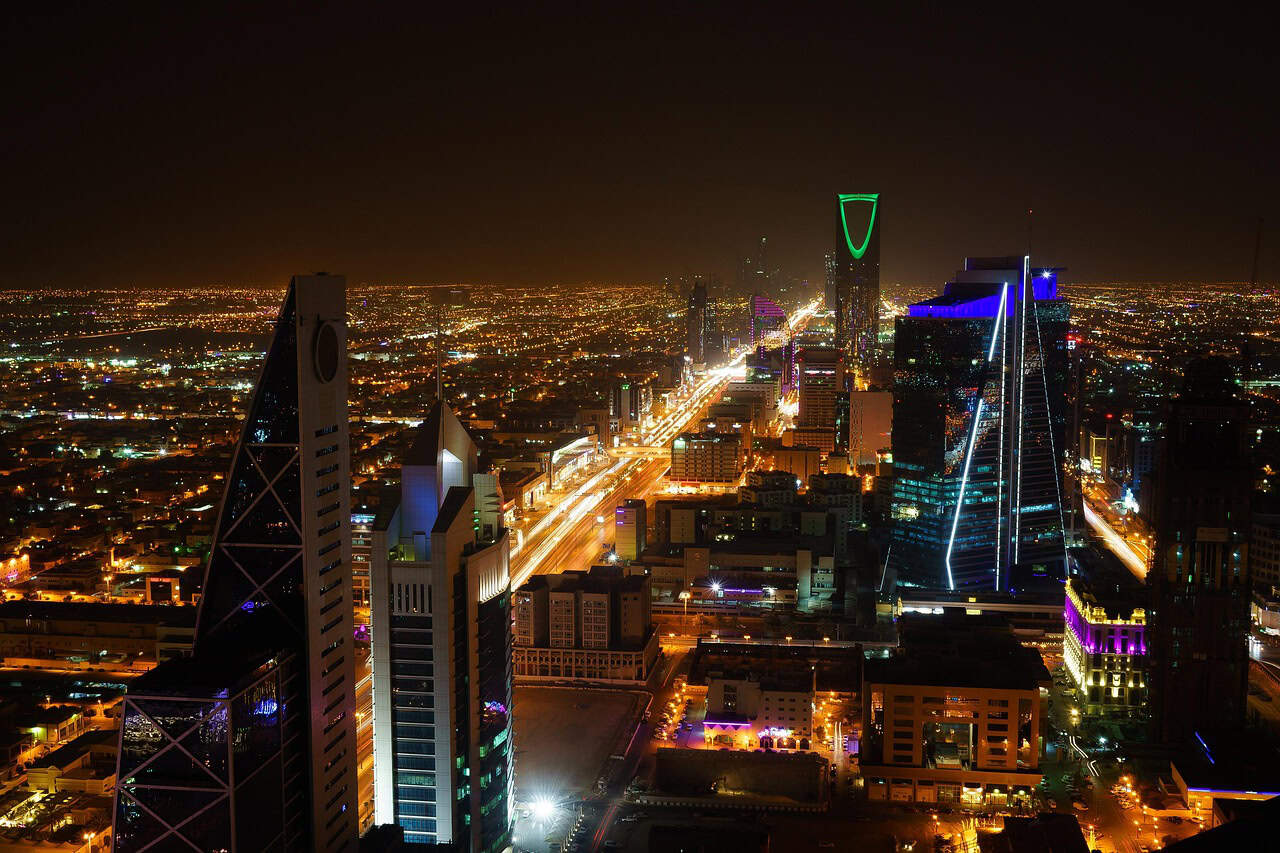
Saudi Arabia maintains one of the world’s most recognized modest-dress systems, extending expectations to citizens and international visitors alike. Shoulders and knees are required to be covered in public, and although the law has relaxed slightly in recent years, most women still wear abayas while men avoid shorts in major cities such as Riyadh, Jeddah and Medina. Authorities have issued thousands of warnings and penalties can exceed 500 SAR, especially in conservative regions. Shopping malls, religious complexes and government buildings conduct visible checks, and surveys suggest nearly 90% of tourists adjust their wardrobe before arrival to avoid uncomfortable situations.
2. Iran
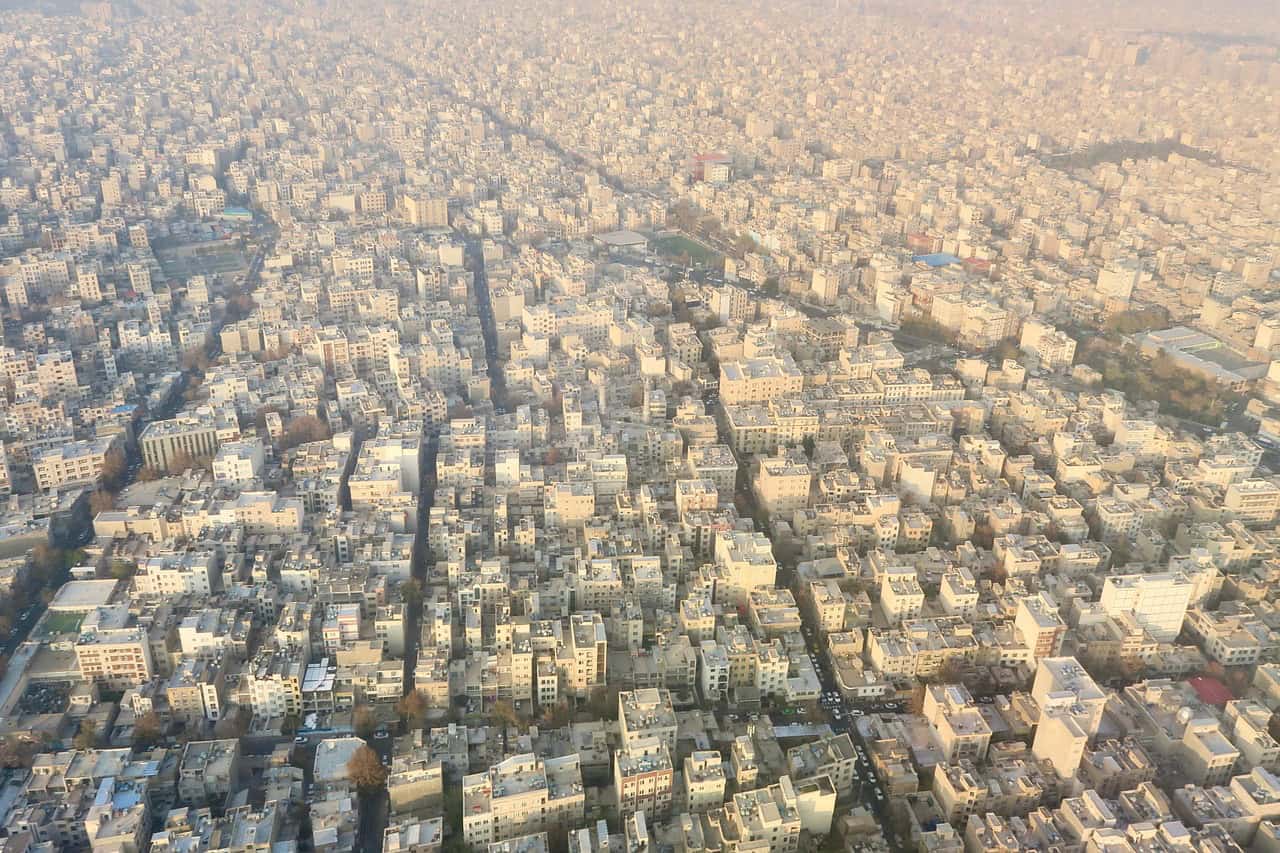
Iran’s legally enforced dress code has been in effect since 1983 and continues to be applied with strong consistency, particularly in Tehran, Mashhad and other major urban centers. Women are required by law to wear a headscarf, loose-fitting outer garments and full-length trousers, while men are discouraged from wearing shorts and sleeveless shirts in public environments. Enforcement comes from both police units and civilian patrols, with penalties ranging from official warnings to significant financial fines. Studies indicate that more than 95% of foreign travelers prepare modest clothing in advance, since inspectors, cultural monitors and transportation hubs frequently check compliance at checkpoints.
3. Qatar
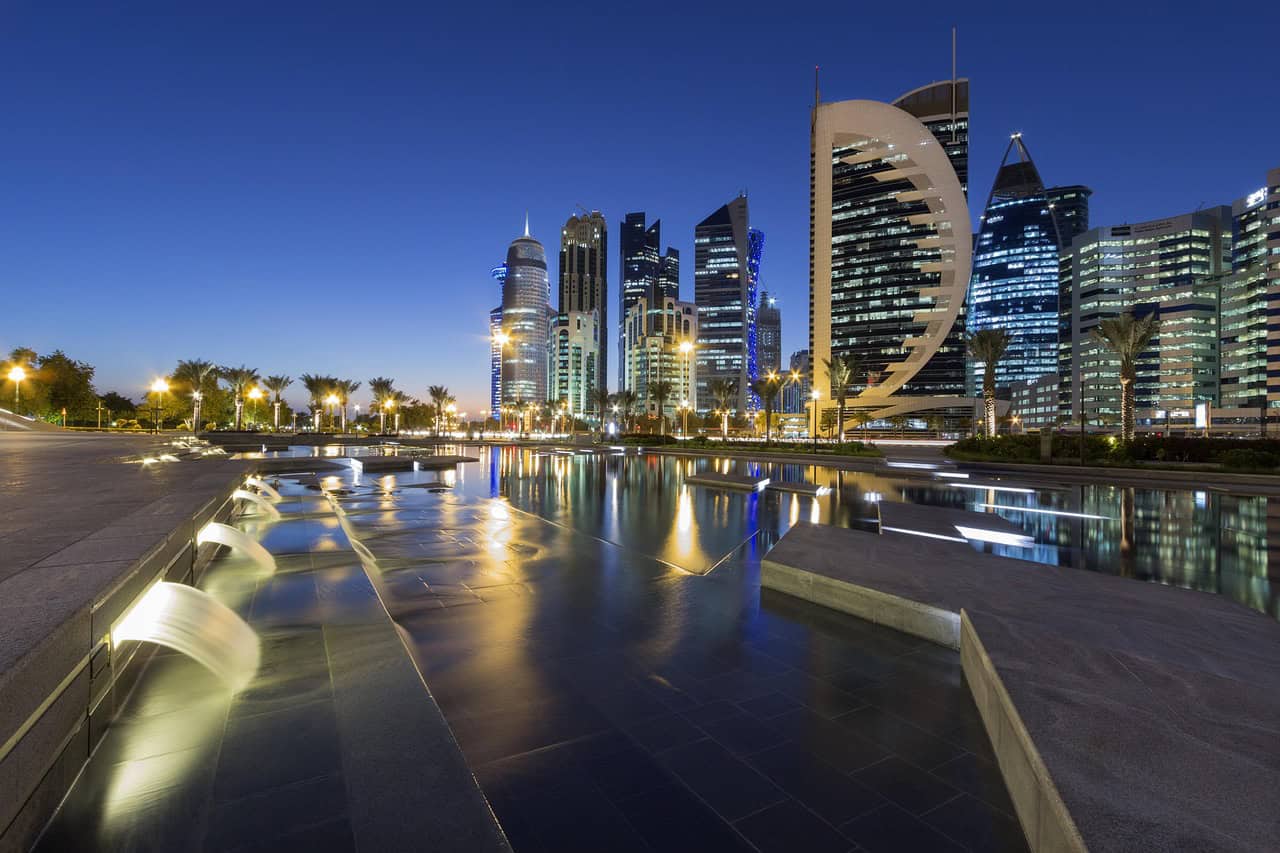
Qatar emphasizes culturally respectful attire as part of its public behavior regulations, and visitors will see dress code reminders prominently displayed in malls, museums, parks and metro stations. Shoulders and knees should remain covered, and sleeveless or revealing clothing often results in verbal warnings or refusal of service. Although enforcement is slightly more flexible than in neighboring Saudi Arabia, it still exists and visitors are expected to comply. Men usually avoid tank tops in public spaces, while women opt for long skirts, trousers and loose sleeves. During the 2022 FIFA World Cup, awareness campaigns reached millions of guests to reinforce these modest-dress expectations across Doha and surrounding areas.
4. Vatican City
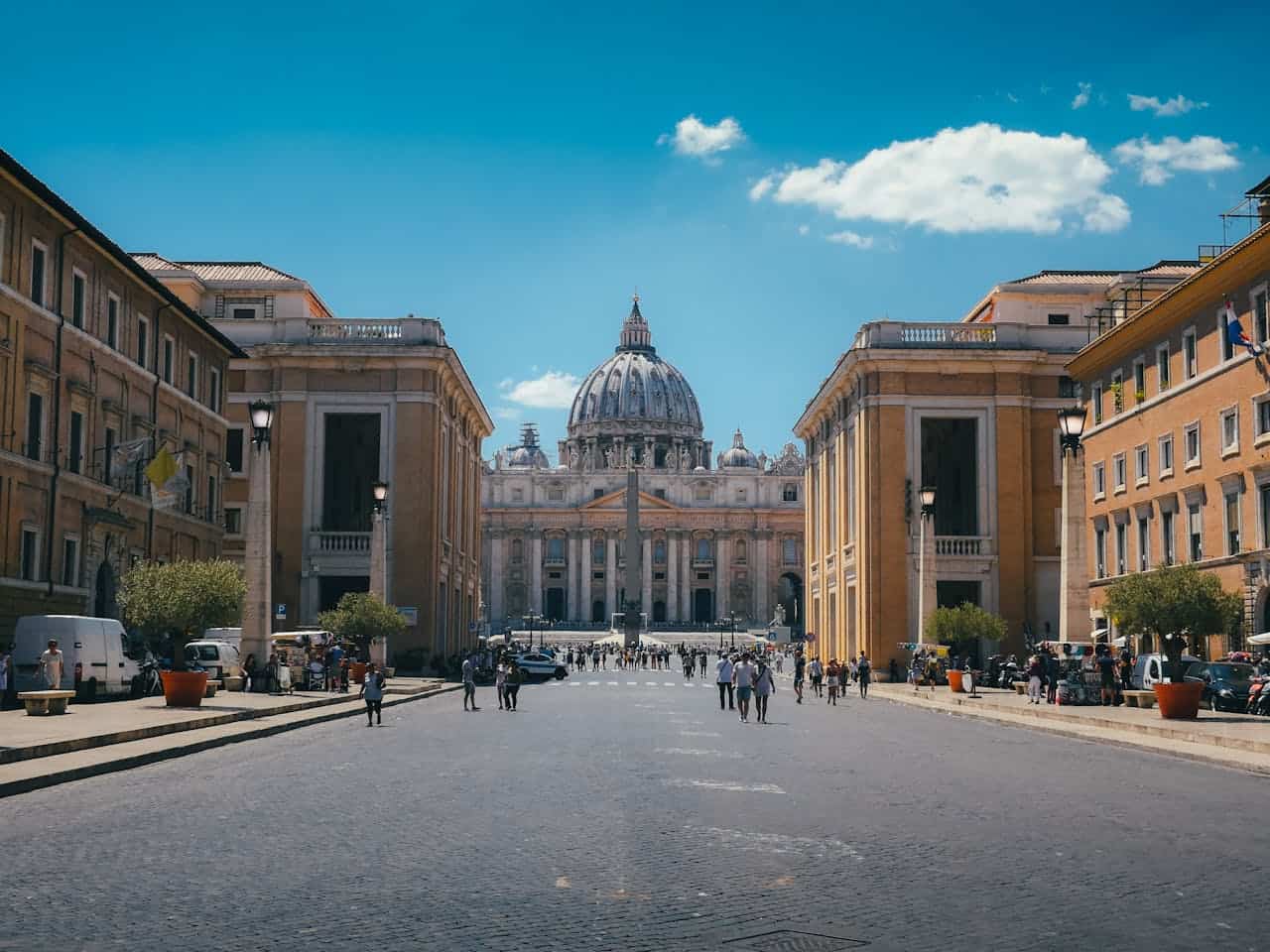
Despite its small size, Vatican City enforces one of Europe’s most uncompromising modest-dress rules, particularly around St. Peter’s Basilica, the Sistine Chapel and other sacred sites. Anyone wearing shorts above the knee, sleeveless tops or revealing clothing is simply refused entry without negotiation, and security checks reject thousands of visitors during peak tourism seasons. Knees and shoulders must remain covered at all times, regardless of the heat, so many travelers carry scarves or light shawls as backup clothing. With more than 6 million visitors entering Vatican museums annually, enforcement remains firm to preserve religious decorum and respect the spiritual environment inside.
5. Meteora & Orthodox Monasteries, Greece
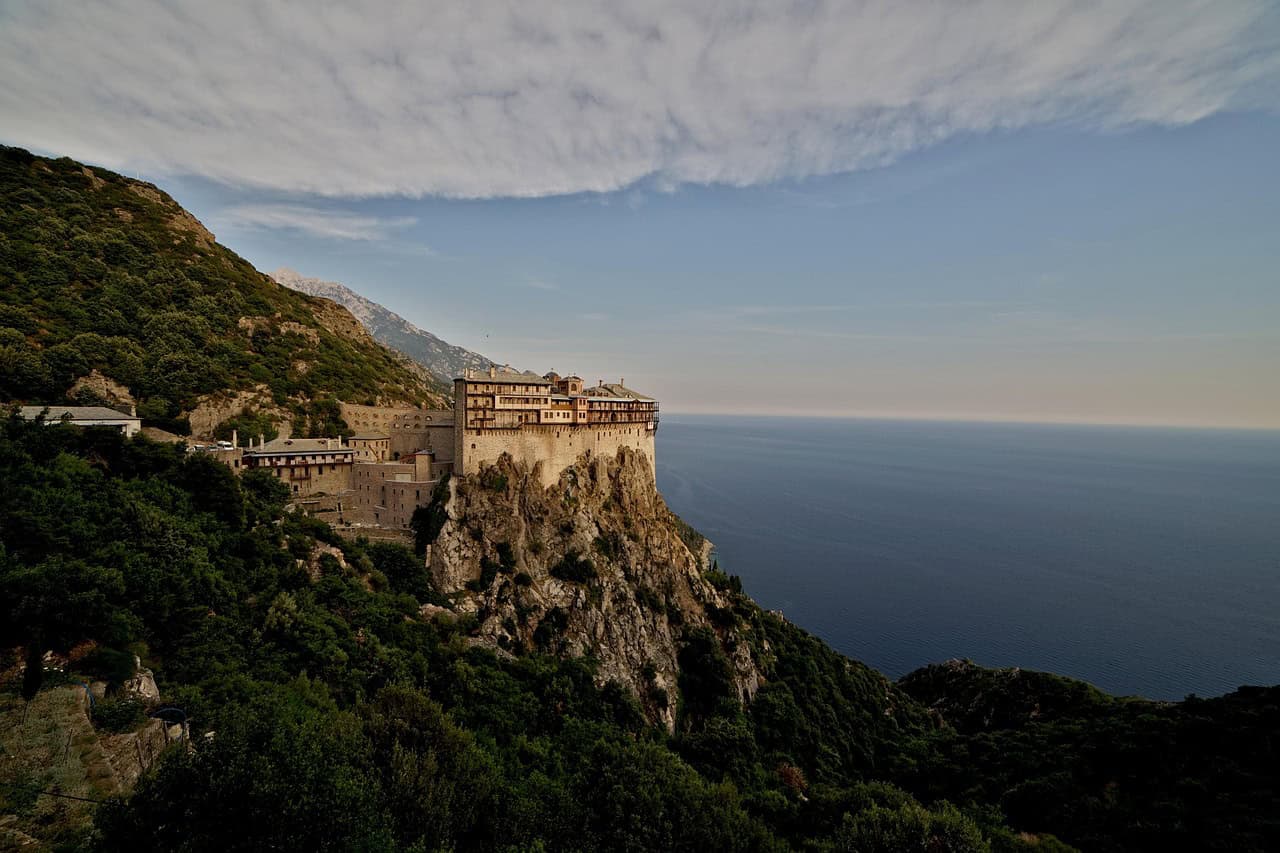
In Greece, especially around the Meteora monasteries and traditional Eastern Orthodox religious centers, dress expectations are clearly communicated and strictly monitored by staff. Women are required to wear long skirts rather than trousers, shoulders must be covered, and men are not permitted to enter in shorts. Tourist authorities estimate that over 70% of unprepared visitors end up borrowing wraps or skirts provided at the entrances. Signs in multiple languages warn that entry may be denied, and some protected heritage areas can impose fines reaching 200 euros for disregard. These rules help preserve centuries-old religious customs while guiding the millions who visit annually.
6. Mea Shearim, Jerusalem
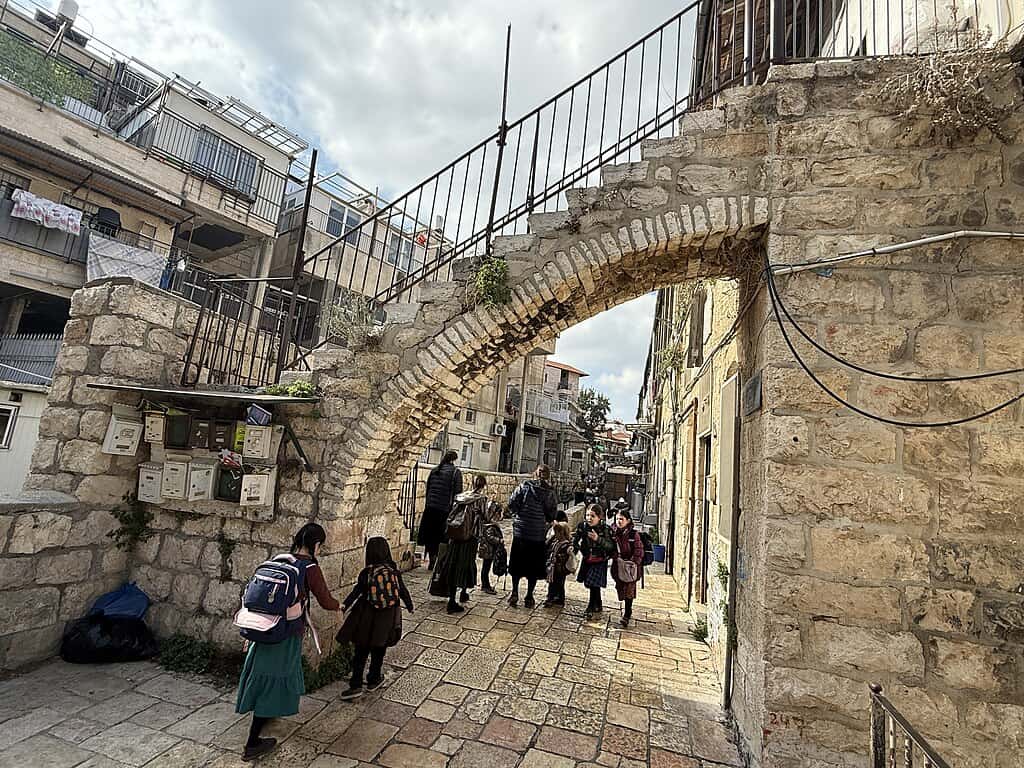
Jerusalem’s ultra-Orthodox neighborhood of Mea Shearim enforces modest attire through strong community norms, public signage and social expectation. Women are asked to wear skirts extending below the knee, sleeves covering the elbows and high necklines, while men should avoid shorts or casual revealing clothing. Local residents and community groups sometimes remind outsiders when rules are ignored, and city advisories explicitly instruct tourists to comply out of respect. With over one million tourists passing near or through these religious districts every year, respectful clothing choices significantly influence safety, comfort and acceptance while walking through these traditionally conservative streets.
7. Morocco
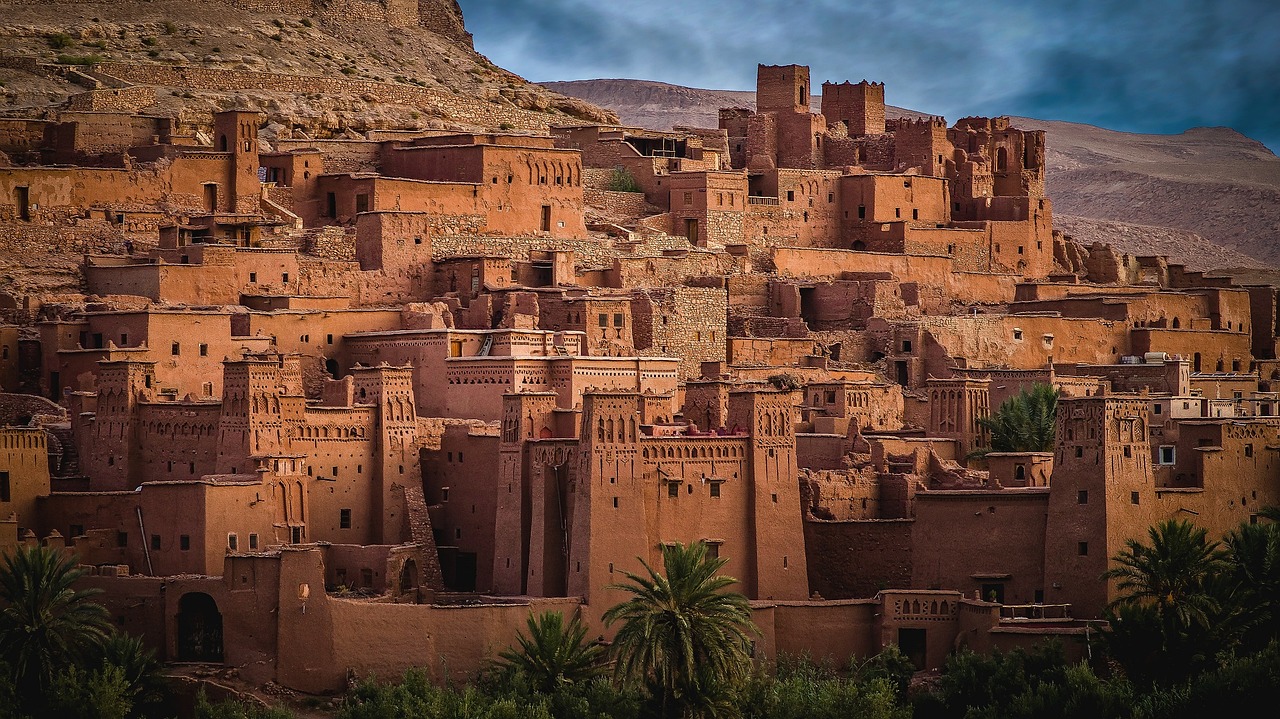
Morocco is generally welcoming and fashionable, yet conservative cities, rural towns, souks and religious spaces enforce modest dressing more strictly than many travelers expect. Women are encouraged to cover shoulders and legs, and men are often expected to wear long trousers rather than shorts in city centers like Fez, Marrakech and Casablanca. While not always enforced through written law, social pressure can be extremely strong, and certain municipalities issue official warnings or deny site entry when clothing is considered inappropriate. Tourism studies show that around 80% of visitors voluntarily choose modest lightweight outfits to blend in and avoid conflict with local expectations.
8. Indonesia (Especially Bali Temples)

Indonesia applies clear and consistently enforced attire rules at many cultural and religious destinations, especially across Bali’s famous temple network. Both men and women must wear sarongs and waist sashes, and shoulders and knees must remain covered before entry. Security personnel at temples such as Uluwatu, Tanah Lot and Besakih regularly turn away visitors who do not comply, though sarongs are often available for rent or loan. Authorities report distributing millions of sarongs annually as temple tourism increases. Even beyond temples, several provincial regions encourage modest attire in markets, ceremonies and village communities to maintain cultural dignity.
9. Maldives (Local Islands)
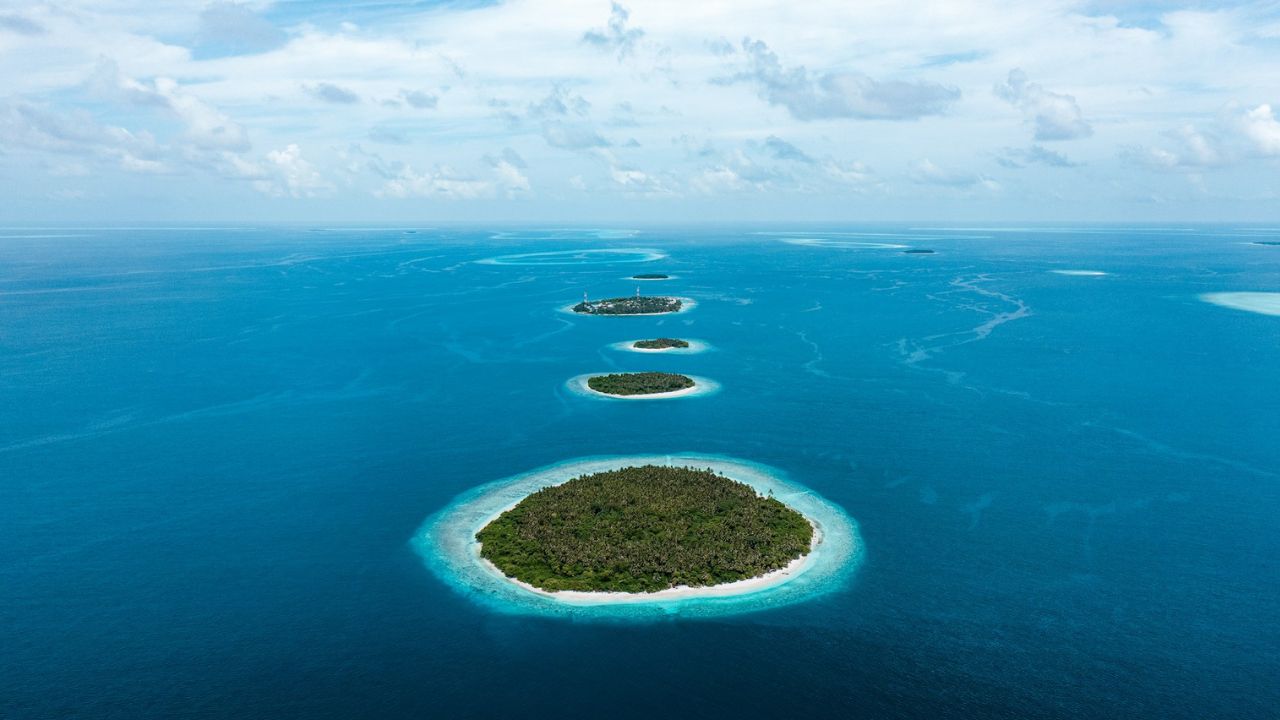
The Maldives often projects an image of carefree beach fashion, but on inhabited local islands, modest dress rules are actively enforced and very different from private resort expectations. Revealing swimwear and bikinis are restricted to specifically designated “bikini beaches,” while public areas require covered shoulders and knees at all times. Community councils, ferry staff and local police occasionally issue reminders or ask non-compliant visitors to change clothing before continuing travel. With more than 1.6 million tourists visiting annually, awareness of these regulations prevents embarrassment, social tension and potential fines while ensuring respect for the country’s strong Islamic cultural identity.