We may earn money or products from the companies mentioned in this post. This means if you click on the link and purchase the item, I will receive a small commission at no extra cost to you ... you're just helping re-supply our family's travel fund.
Getting lost is rarely dramatic at first. A wrong turn looks like a minor detour, and a missed junction feels fixable, until the landscape starts collecting interest. In certain places, heat strips water, cold steals dexterity, and distance turns rescue into a question of hours or days. These destinations are famous for beauty, but also for conditions that punish improvisation. The common thread is simple: once the trail, road, or river line is gone, the safest outcome depends on planning, signal, and time.
Death Valley National Park, California
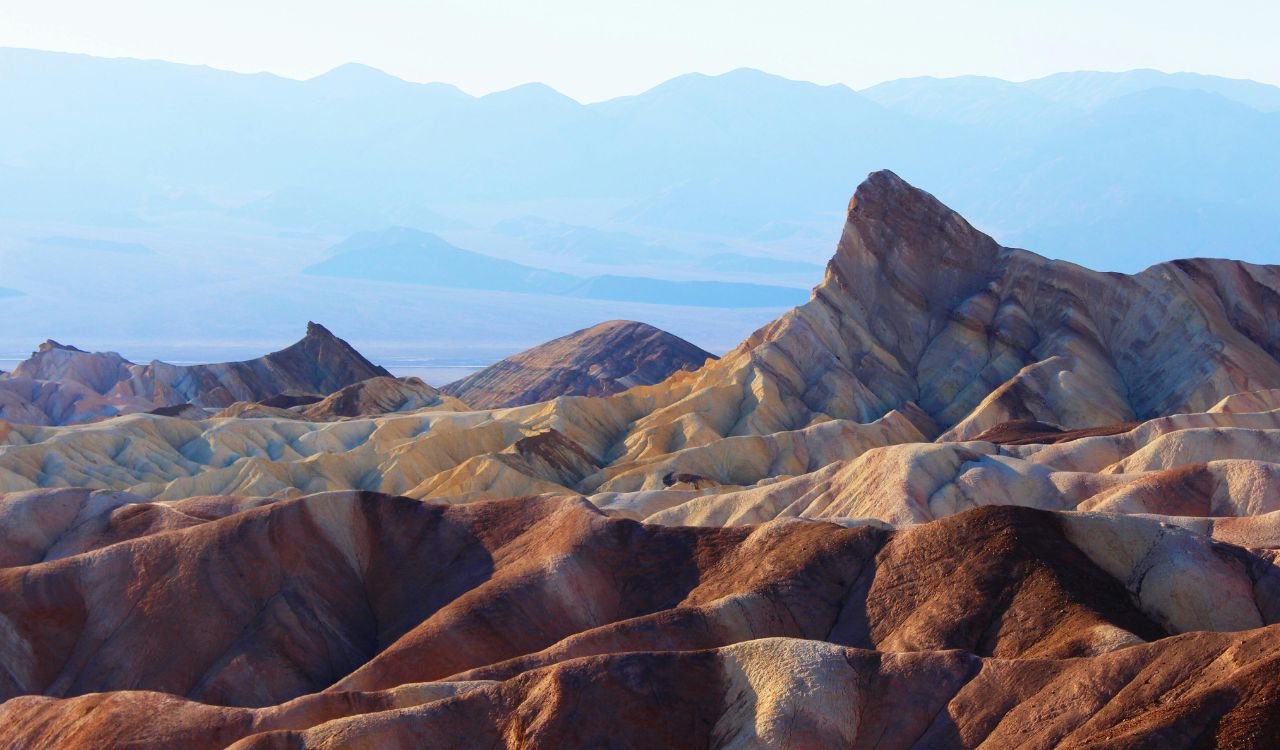
Death Valley looks like open country, but its scale and heat can fool even experienced hikers who assume the car is always close and that a dry wash will lead back to pavement. The National Park Service flags dehydration as a major risk, advises at least 1 gallon of water per person per day, and urges avoiding hikes in the valley when it is hot, because the sun can turn a short walk into heat illness. When a wrong turn or an off-trail shortcut happens, heat drains judgment, batteries, and stamina for backtracking, and the valley’s long sightlines hide how far the nearest shade, a water spigot, or a staffed ranger station really is, even in spring.
Grand Canyon Inner Canyon, Arizona
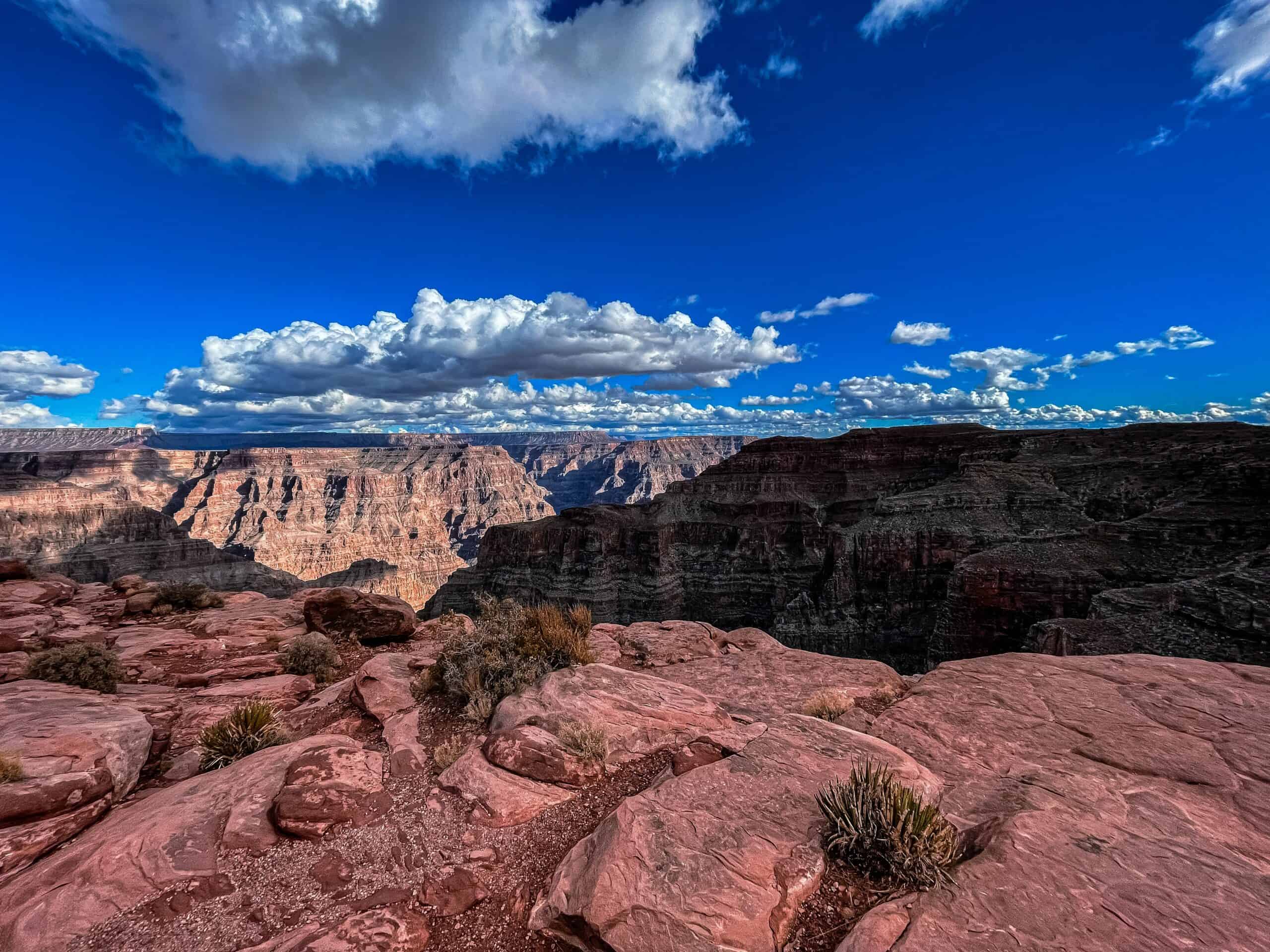
The Grand Canyon’s inner trails can feel straightforward on a map, yet the climb out is long, exposed, and often far hotter than the rim, especially when sun reflects off stone. During excessive heat, the National Park Service warns against hiking below the rim, naming heat illness and death as real risks, and noting rescues can be delayed by limited staff and restricted helicopter flying in extreme conditions. If someone misses a junction, follows a side drainage too far, or underestimates the return grade, distances add up quickly, and the safest exit can require more water, electrolytes, and hours of steady movement than the day seemed to promise.
Sahara Desert, North Africa
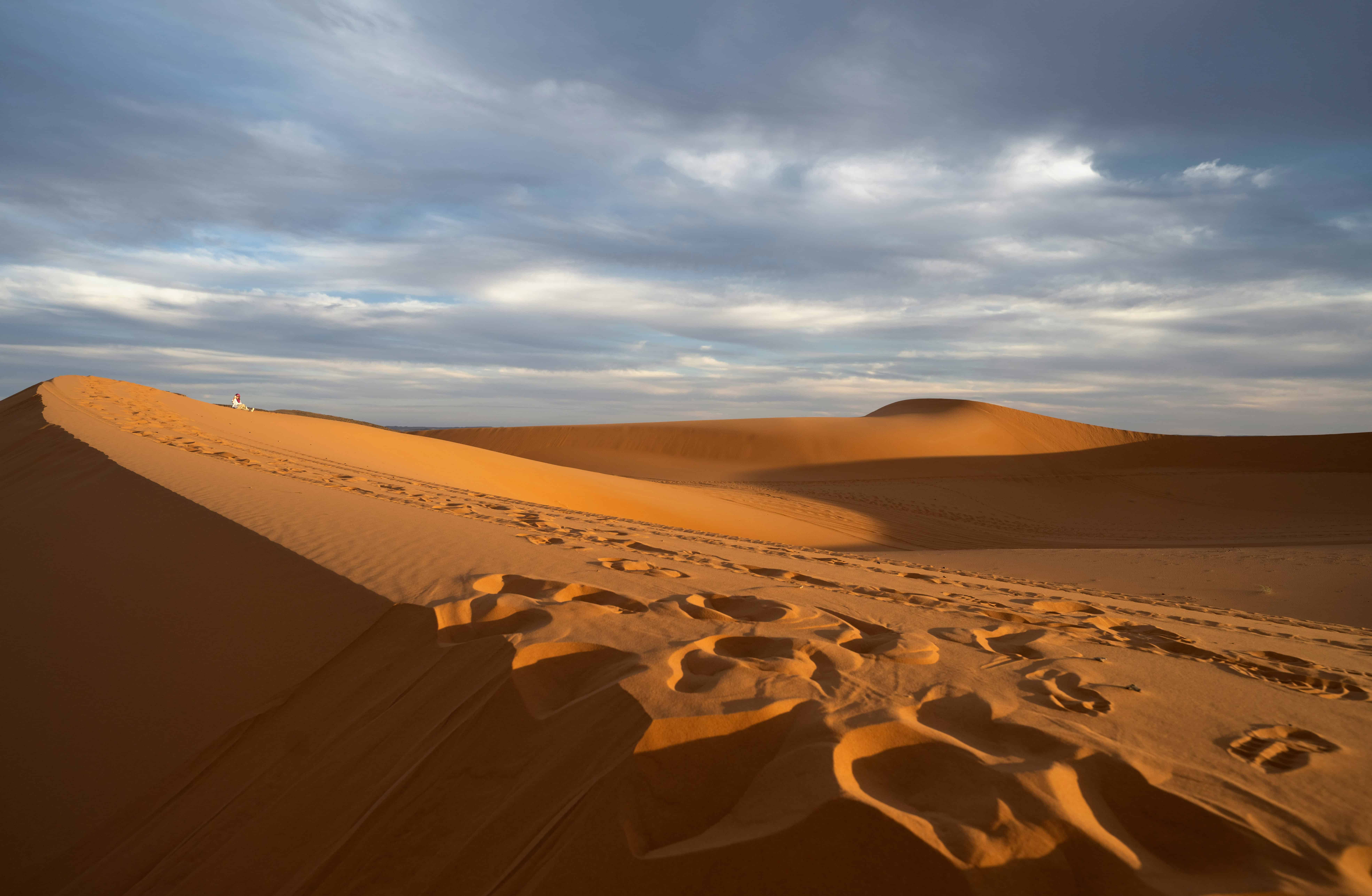
The Sahara is so vast that getting turned around can stop feeling like a mistake and start feeling like a disappearance, especially when the horizon repeats itself for hours and wind smooths over tracks. Britannica describes it as the world’s largest hot desert and notes the classic hazards of desert travel: losing the way, excessive heat, stifling sandstorms, and death by thirst, a risk that still shadows modern trips. Even with a vehicle, a storm can erase landmarks, a route can drift off a known track, and a single wrong bearing can separate a traveler from the nearest road or oasis by distances too large for walking before water runs low.
Rubʿ al-Khali, Arabian Peninsula
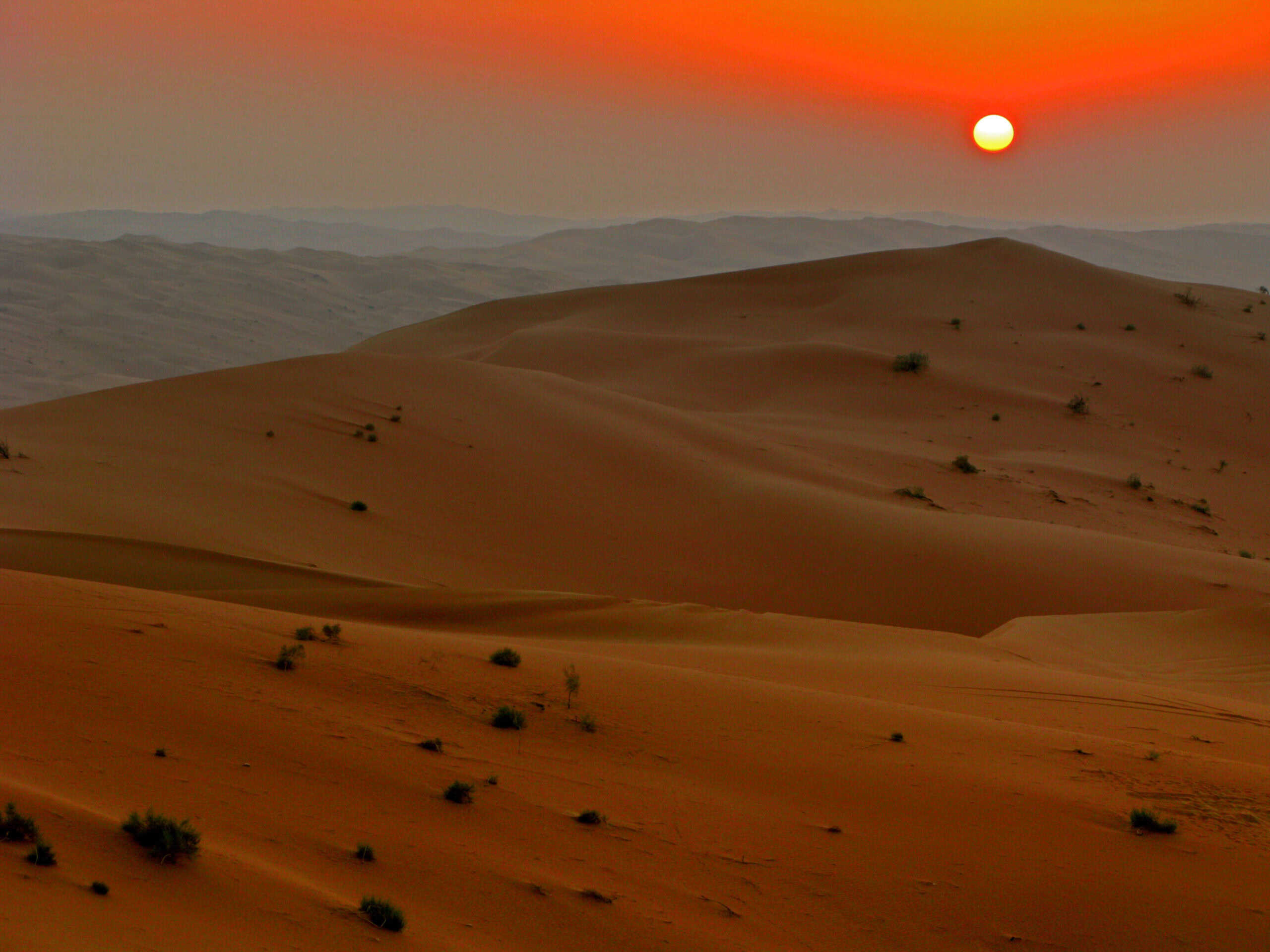
In the Rubʿ al-Khali, the Empty Quarter, dunes and salt flats stretch with very few fixed reference points, and the ridgelines can look identical once tire marks fade and the sun drops. Britannica calls it the largest area of continuous sand in the world, and that vastness matters because soft sand can bog vehicles, fuel burns faster in slow going, and communications often thin out far from settlements. When navigation fails, hours pass with no shade, no reliable water sources, and no landmarks to correct the route, while sand quietly swallows tracks, turning a minor detour into a high-stakes wait, and the next firm ground may still be a full day away.
Atacama Desert, Chile
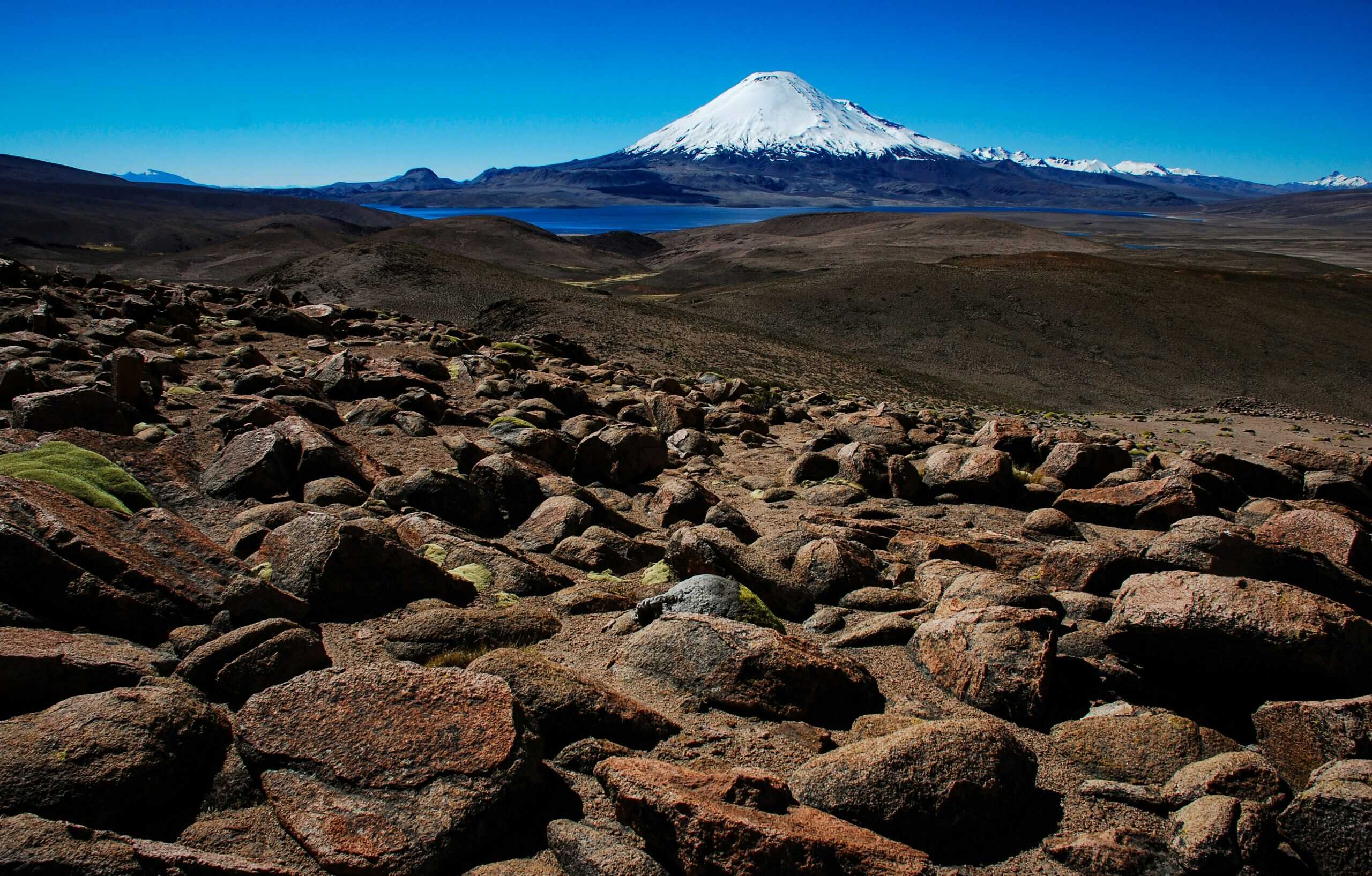
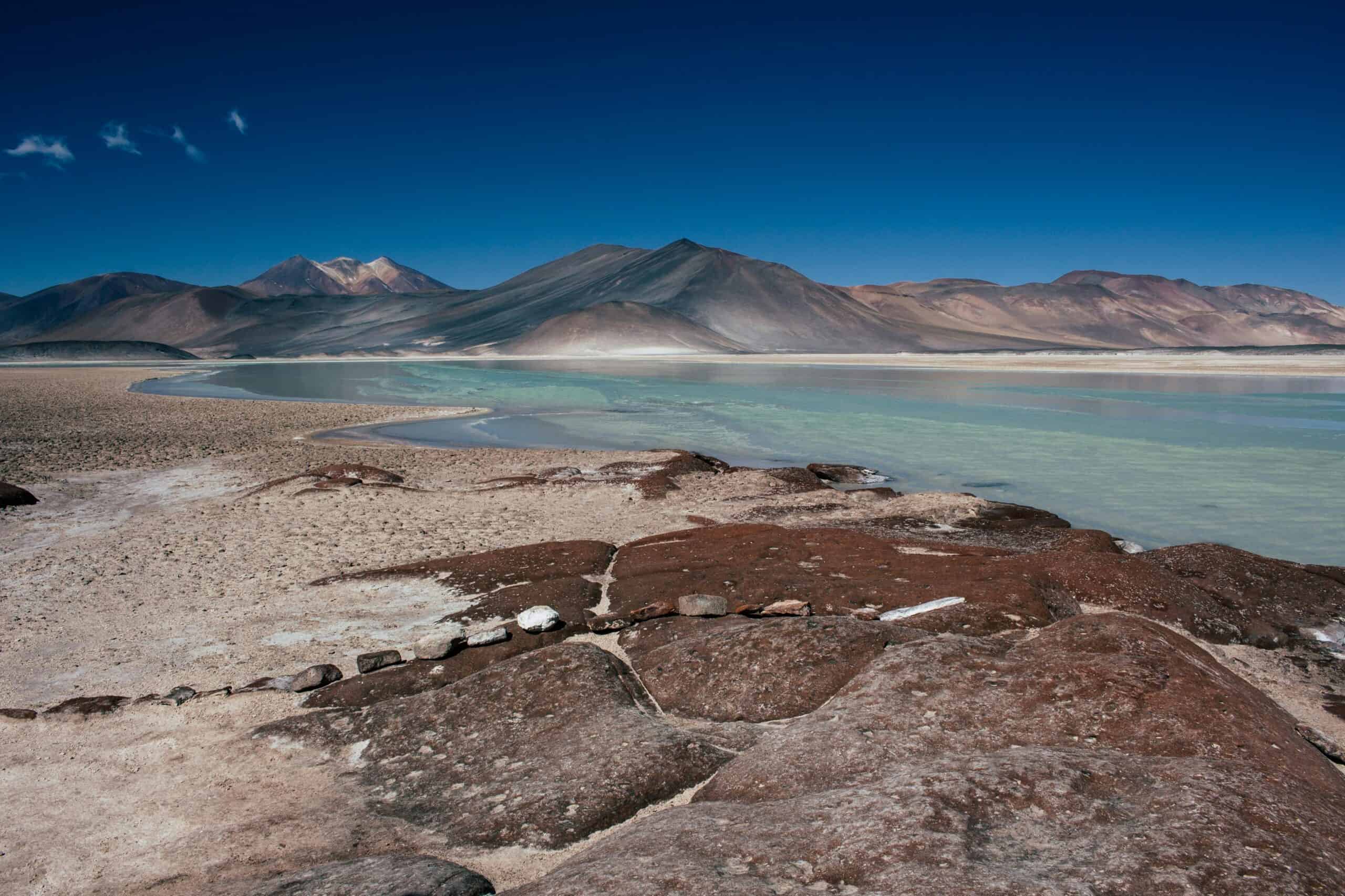
The Atacama’s beauty is a kind of quiet that can make empty space feel safe, right up until the basics run out and the wind starts sanding away comfort on exposed flats. Reuters describes Atacama as the driest desert in the world, a place of salt flats and high-altitude basins where humidity is scarce, sweat evaporates quickly, and thirst can sneak up without the usual warning signs. When someone veers off a road, misreads a track, or hikes without clear bearings, distance and exposure do the damage first, and the landscape offers little shelter while altitude, glare, and thin services magnify every decision, and nights can turn cold fast.
Munga-Thirri Simpson Desert, Australia
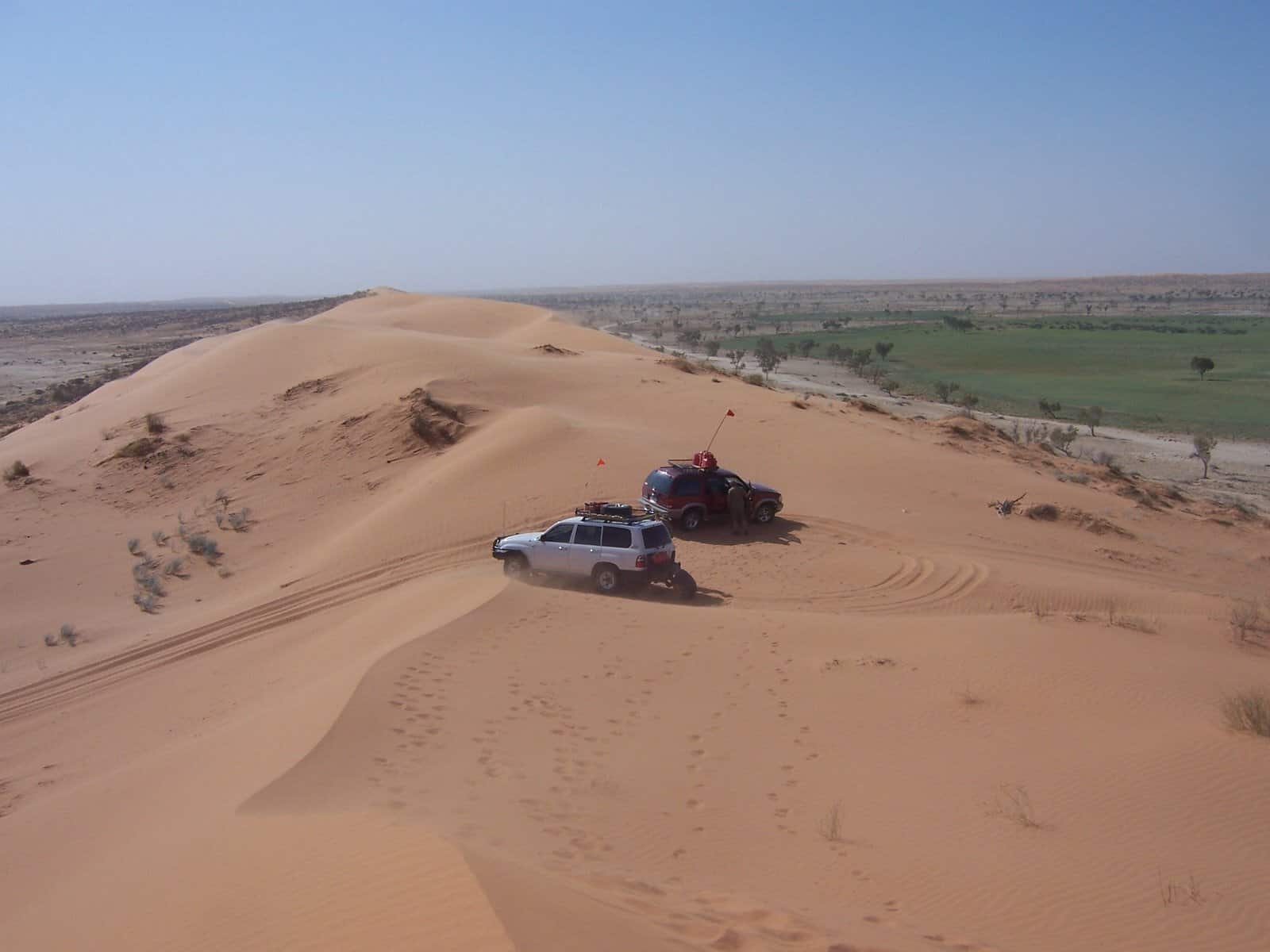
The Simpson Desert is remote enough that a small navigation error can add hours of driving across sand where the next fuel, water, or phone reception simply does not exist. Queensland Parks warns that only well-equipped visitors experienced in desert and remote-area travel should enter, citing isolation, hot weather, unexpected rain, and vehicle breakdowns as reasons planning matters. Tracks can wash out or become impassable after rain, radios may not reach anyone, and getting lost can mean conserving supplies inside a vehicle while waiting for a search in a place built from distance, heat, slow response times, and few passing vehicles.
Amazon Rainforest, South America
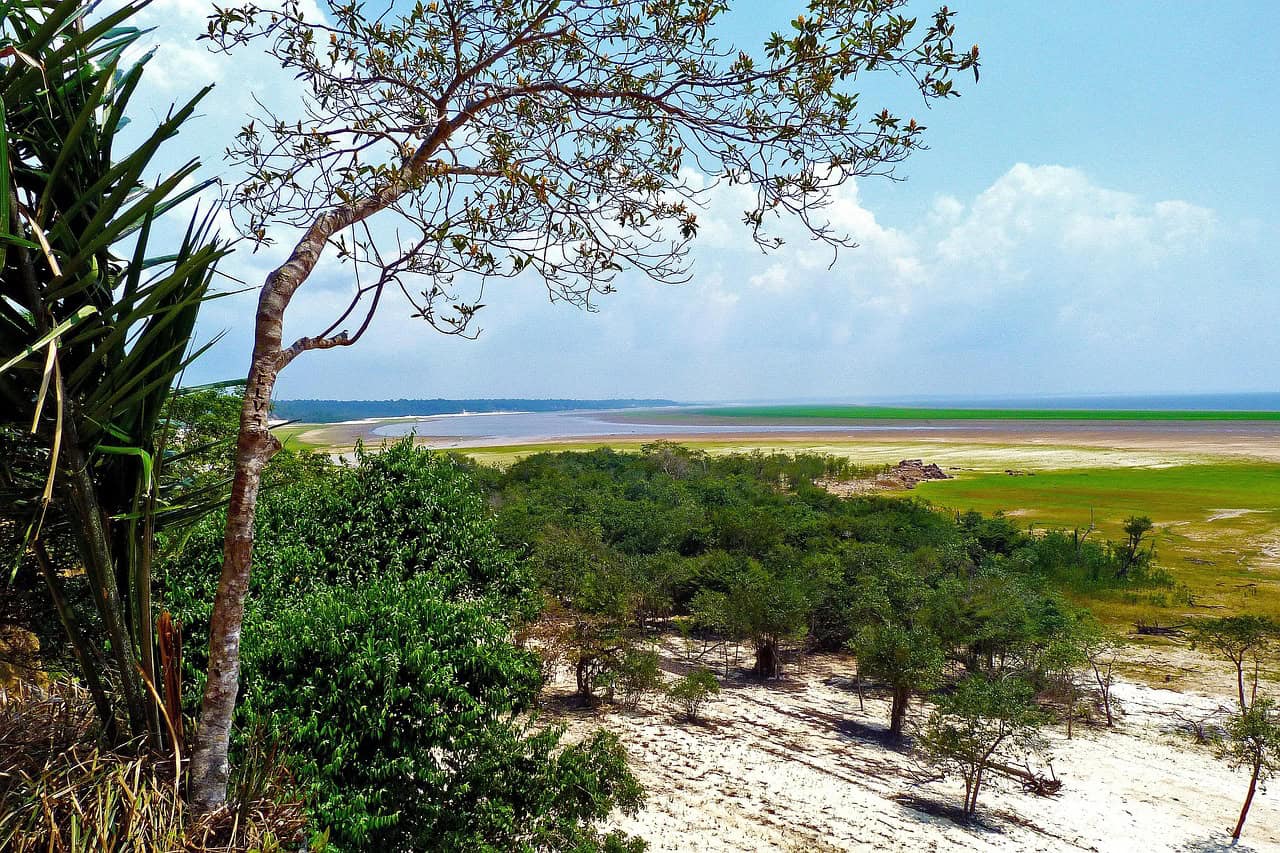
The Amazon rainforest can feel endless because the canopy closes in, visibility shrinks, and the forest repeats the same green cues until direction becomes hard to prove beyond the next bend. Britannica notes the forest spans the world’s largest river basin, and research on Brazilian remote rural municipalities shows urgent care can involve long distances and travel times when an injury happens far from towns. If someone separates from a group or loses the river line, humidity, insects, and limited communications can turn a few wrong choices into days, with exhaustion rising while the forest offers very few obvious waypoints or sightlines.
Darién Gap, Panama and Colombia
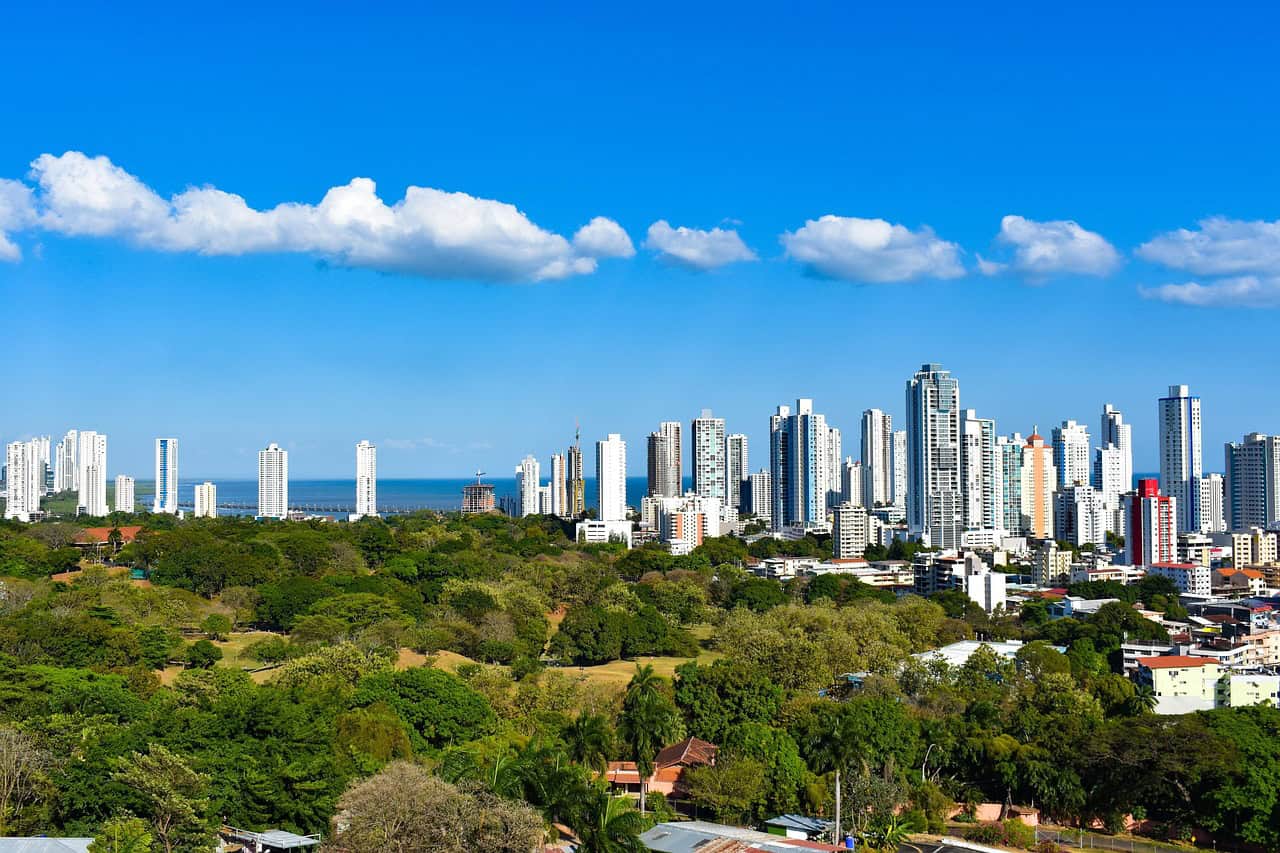
The Darién Gap is not just jungle, it is a terrain puzzle of rivers, mud, steep ridges, and isolation where a missed turn can strand someone beyond quick rescue and beyond communication. UNICEF has described the corridor between Colombia and Panama as one of the most dangerous places for migrants attempting to reach North America, and U.S. DHS has warned of the trek’s risks and exploitation. Dense forest and frequent river crossings make separation easy, and once someone is off main footpaths, heavy rain, steep climbs, and fatigue slow progress while medical help remains limited, so a few wrong turns can stretch into a long, hazardous wait.
Svalbard, Norway
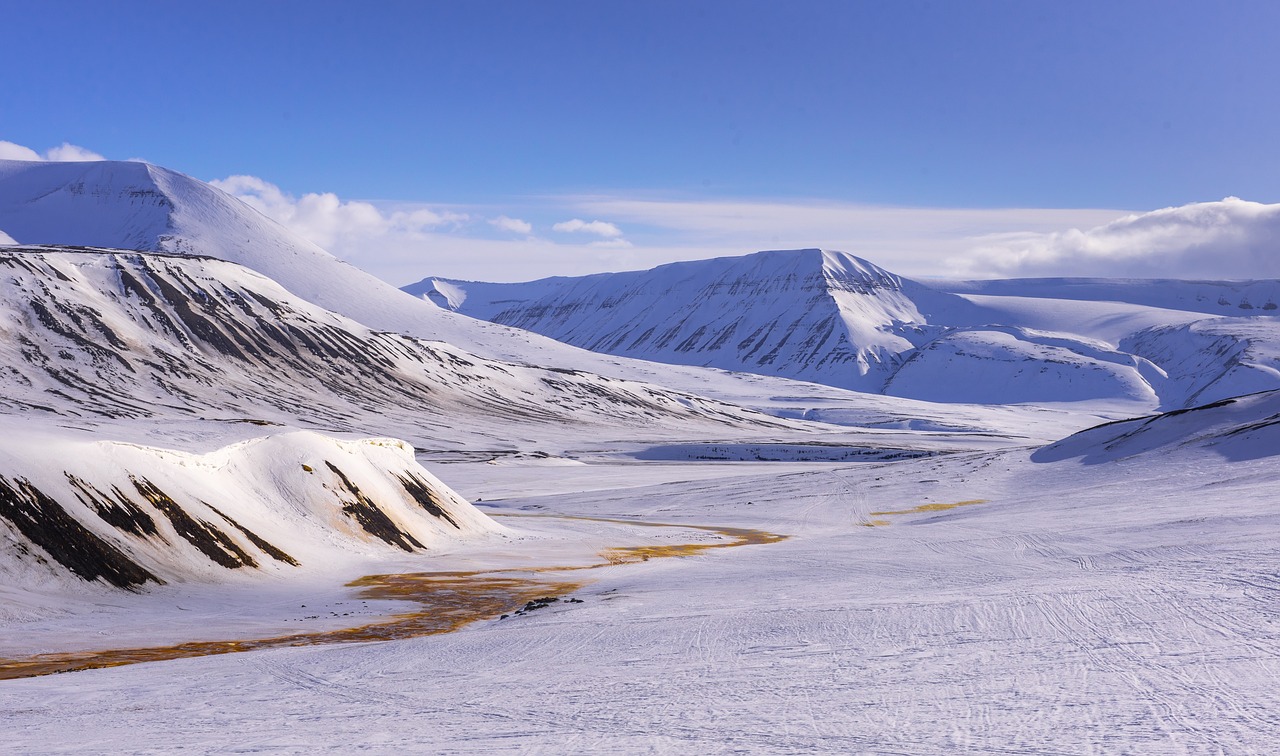
Svalbard’s wide valleys and white horizons can look calm, yet remoteness, fog, and wildlife turn a navigation slip into a serious problem in minutes. Safety guidance from the Governor of Svalbard treats polar bear protection as a practical requirement outside built-up areas, and expedition operators emphasize watch routines and armed guides because encounters are a real planning factor. Cold drains batteries and slows movement, whiteouts flatten landmarks, and being off route can mean exposure plus wildlife risk, with help depending on clear coordinates, reliable communications, and the kind of timing that harsh weather does not always allow.