We may earn money or products from the companies mentioned in this post. This means if you click on the link and purchase the item, I will receive a small commission at no extra cost to you ... you're just helping re-supply our family's travel fund.
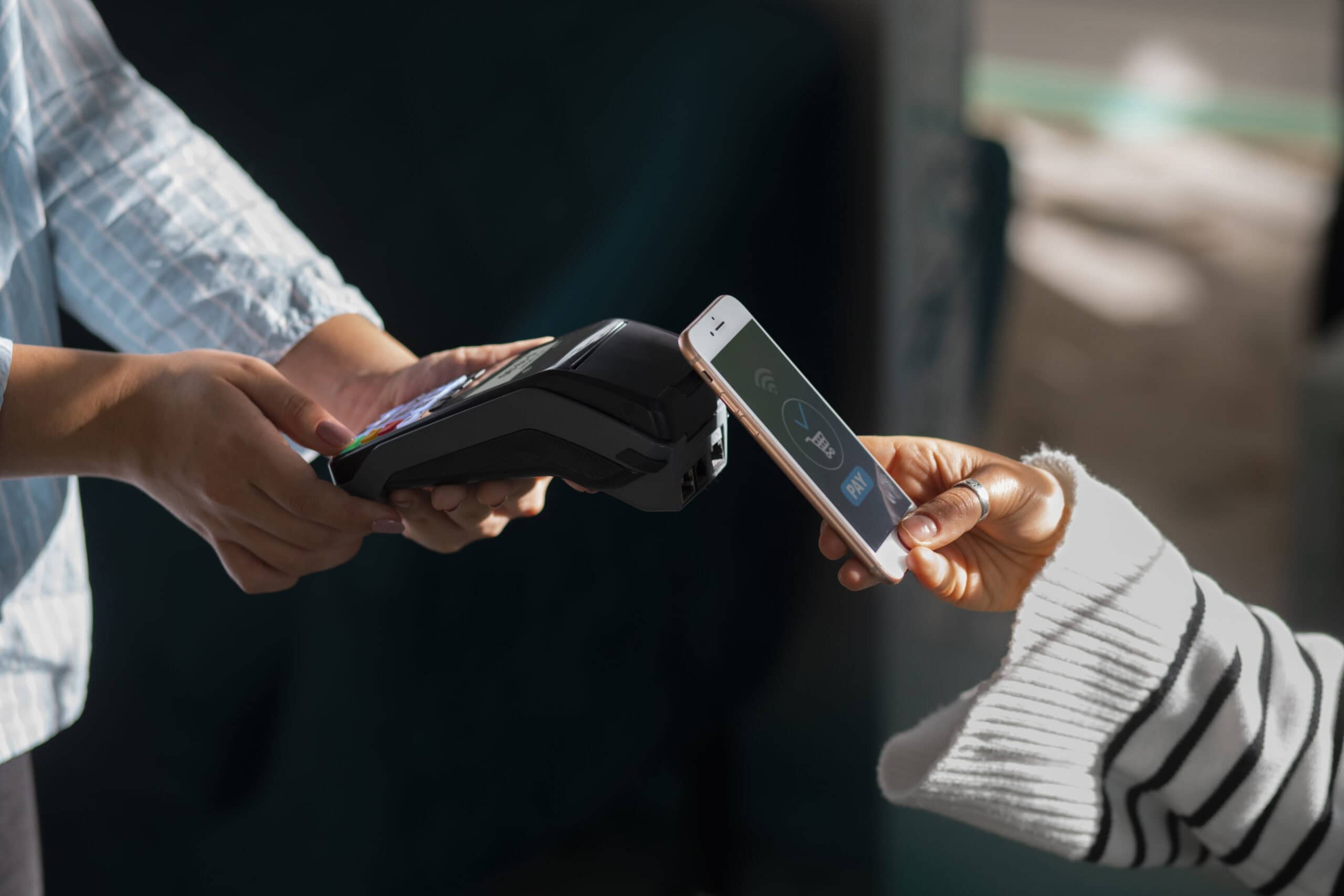
Digital payment rules expanded quickly in tourist zones, stadiums, and transit systems, yet many older travelers still rely on bills, coins, and in-person exchanges. Seniors report moments of embarrassment at ticket gates, where QR codes replace conductors and card terminals replace simple fares. The policy shift is rarely hostile. It reflects labor shortages, security concerns, and the ease of automated sales. Still, a segment of travelers now feels edged out of public life, learning that access can be denied not by distance, but by a missing app.
Stockholm Metro, Sweden

Stockholm’s metro no longer treats cash as a normal way to buy a ride, steering riders toward mobile tickets, card taps, and self-service machines. Older visitors from cash-heavy places can freeze at turnstiles that assume comfort with apps, menus, and quick decisions, while staffed booths are rare and help may be blocks away on a different platform. The city frames the shift as speed and security, but the emotional cost is real: a missed tap becomes a small public scene, and some seniors respond by shrinking their day, avoiding transfers, or waiting outside the gate until a stranger turns a simple trip into a digital transaction.
London Buses, United Kingdom
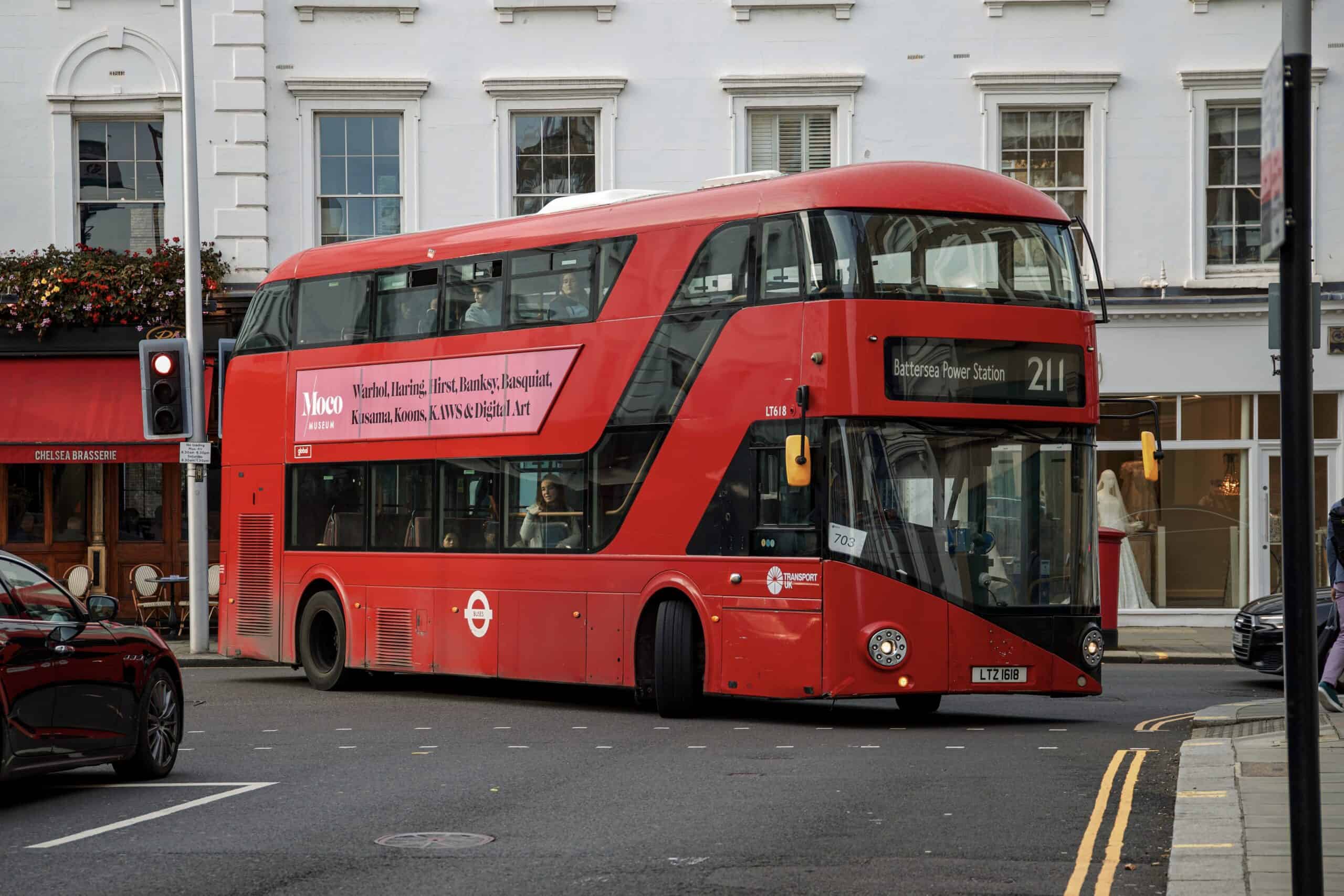
London buses have been cashless for years, but the lived reality still surprises visitors who expect a driver to take coins. Seniors arriving from rural counties or overseas can step aboard with exact change, only to be directed to Oyster cards or contactless readers that require setup, bank compatibility, and confidence under the gaze of a full aisle. The system runs efficiently, yet the moment of refusal lands in close quarters, where a short pause feels public and sharp. A simple hop across town turns into a scramble for a shop that sells cards, a working bank card, or a patient bystander willing to explain the tap-and-go routine.
New York Sports Venues, United States

Many major arenas and ballparks in New York now run cash-free concession stands, replacing bills with tap readers and phone payments. For seniors used to exact change, the pressure peaks when handheld terminals time out, lines swell, and the menu board keeps moving while a card triggers a security prompt or a phone wallet needs signal. Some venues offer kiosks that convert cash into stored-value cards, but the workaround adds steps, confusion, and another piece of plastic to track, turning a simple hot dog and soda into a small obstacle course wedged between fans, tight aisles, and staff trained for speed, not troubleshooting.
Norway’s Fjord Ferries

On fjord routes in western Norway, tickets are increasingly purchased online in advance, with confirmations tied to emails, apps, or QR codes instead of a staffed booth. Older travelers arriving with cash and a paper map can end up dependent on strangers to translate screens, load a card, and prove purchase while a queue forms and staff point to a website. Operators defend the model as efficient during short seasonal windows, but the friction is real: roaming limits, weak signal, or a declined card can wipe out a whole day trip, leaving seniors to watch the ferry pull away and rebuild plans around what a phone can, or cannot, unlock.
Tokyo’s Private Rail Lines, Japan
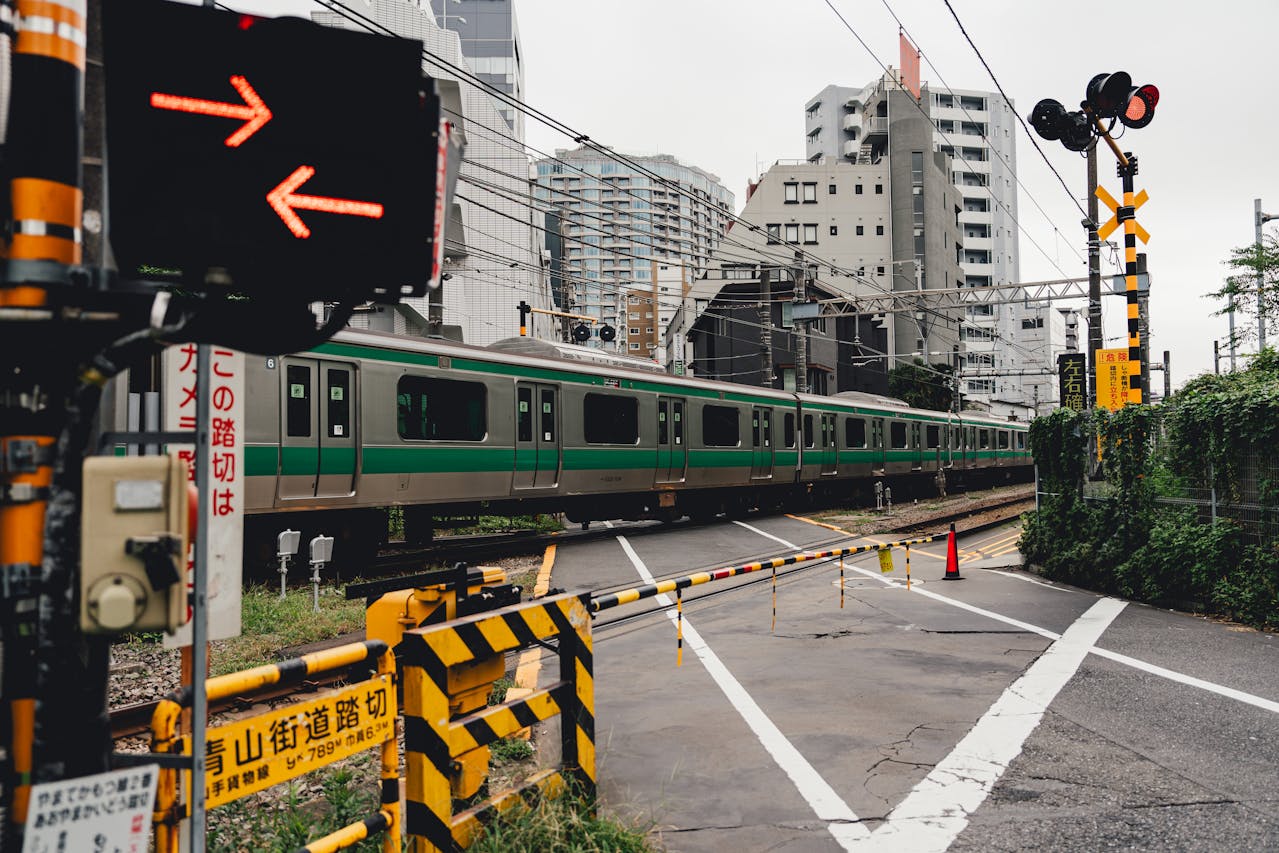
Tokyo’s private rail operators increasingly steer riders toward Suica, Pasmo, and mobile wallets, because taps move crowds faster than cash windows ever could. Older visitors arriving with yen in hand can struggle at card-loading machines filled with small text, multiple fare paths, and language toggles that appear only after several taps. Attendants often help when they can, but rush-hour pressure thins that support, and the lesson lands hard: one of the world’s most navigable cities can still feel gated by a screen, a setup step, and the fear of delaying a line of commuters who treat every second like part of the timetable.
Singapore Hawker Centers
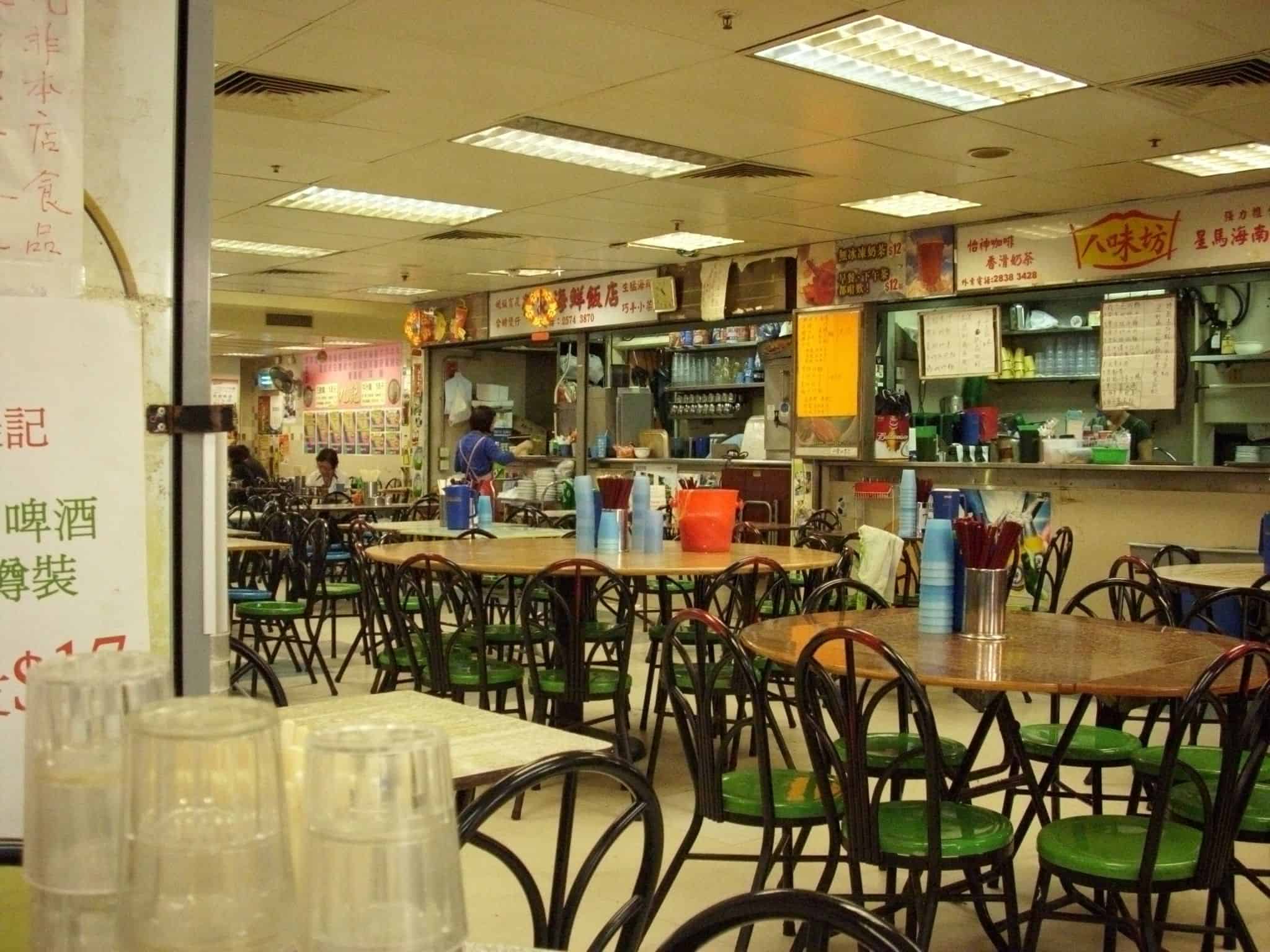
Some Singapore hawker centers have expanded cashless-only stalls to speed queues and reduce handling, turning a simple lunch into a tech check. Older visitors can hover at the counter with bills ready, only to learn payment requires QR-based apps linked to local banks, or a card tap that may not work with every foreign account, even when the food is steaming. The goal is efficiency and hygiene, but the social shift is obvious: cash used to function as a universal handshake. Now a missing login, a dead battery, or a rejected card can turn a bowl of noodles into an awkward pause while the line inches past, and pride takes a small hit.
Vancouver TransLink

Vancouver’s transit system increasingly pushes contactless payment across buses and SkyTrain, rewarding quick taps over cash fumbling. Tourists and older riders without cards can hit a wall at validators, where the equipment is obvious to locals but confusing to anyone unfamiliar with zones, fare products, or how to add value at a machine that offers too many buttons. Agencies argue cash slows boarding and adds security risk, yet the cultural cost shows up in the mood on the platform: seniors feeling rushed by younger commuters, hesitant to ask questions, and more likely to skip a trip than risk another public misstep at the gate.
Amsterdam Public Toilets
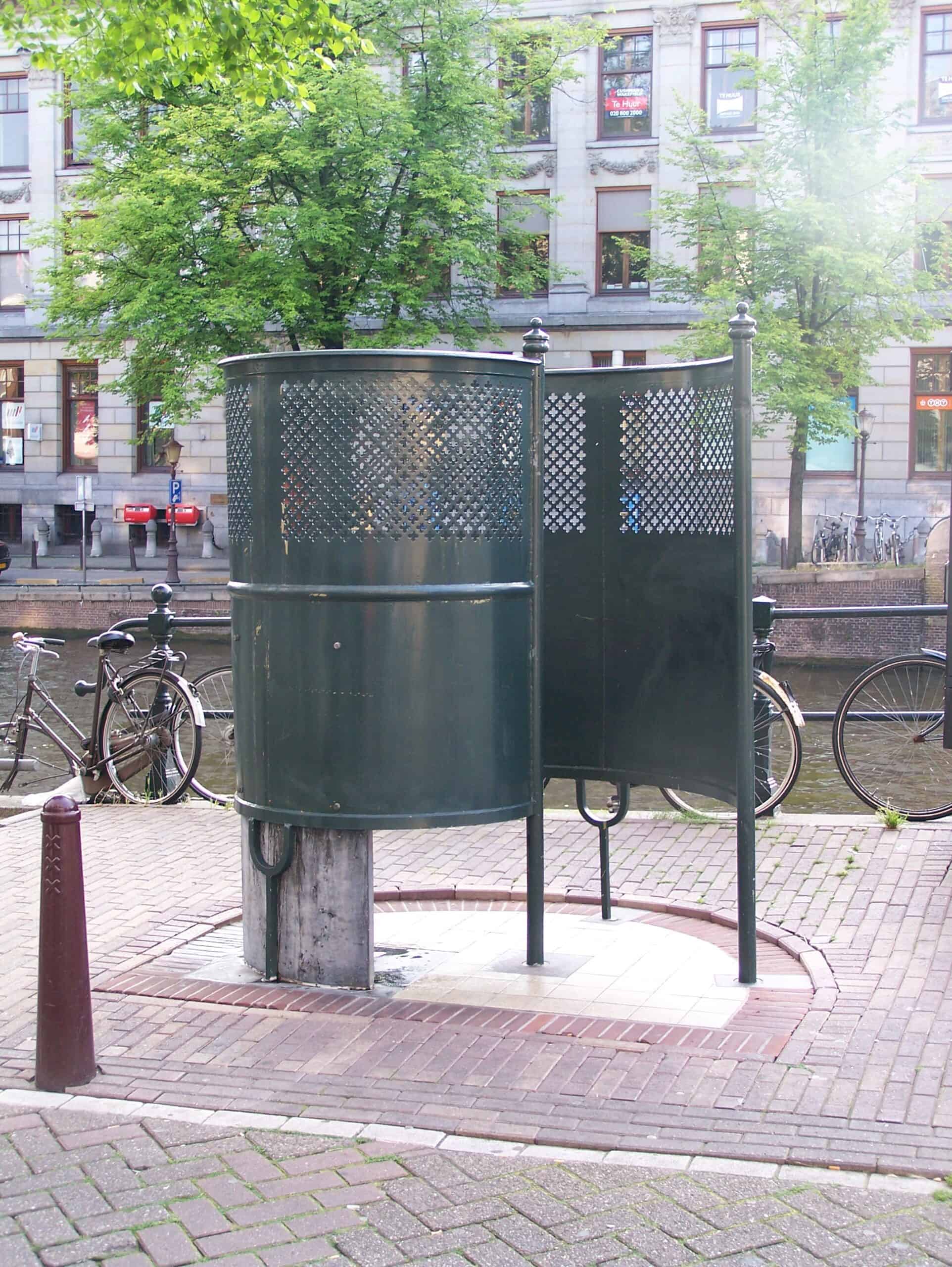
In Amsterdam, paid public restrooms increasingly rely on contactless taps instead of coin slots, a small change until urgency makes it personal. Older travelers who saved euro coins for emergencies can face a locked door and a screen that assumes a working card or phone wallet, even in neighborhoods crowded with day-trippers. The city points to sanitation and reduced vandalism, but the barrier feels sharper than most cashless rules because time matters. A failed tap is not just inconvenience; it can turn a normal afternoon into a stressful search for an attendant, a café willing to help, or a restroom that still takes coins.
Las Vegas Parking Garages
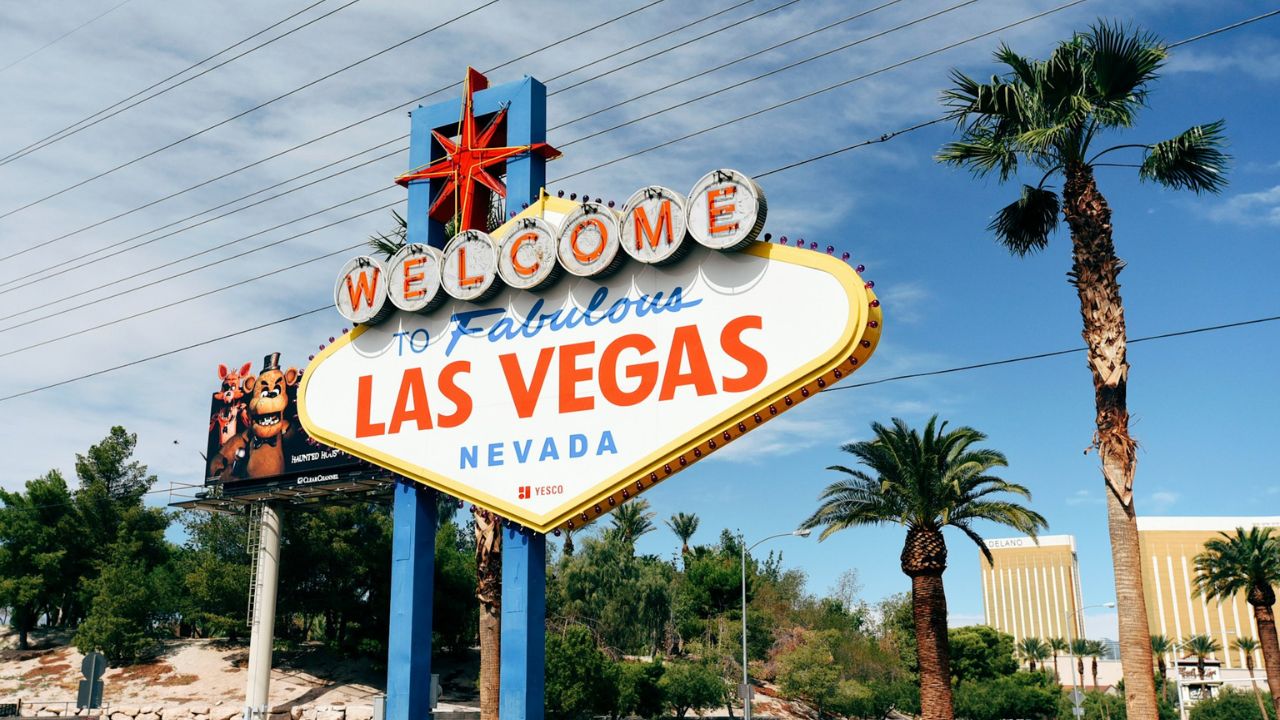
Las Vegas garages and resort lots have shifted to kiosks and app-based payment, replacing attendants and cash drawers with touchscreens and license-plate entry. Older drivers can struggle with small fonts, timed prompts, and the pressure of typing plate numbers correctly while cars queue behind, especially after a long drive in heat and glare. Staff may point to apps or card terminals, and paper bills sit useless in wallets. The system suits weekend traffic, but it nudges some seniors to avoid driving, choosing ride-shares or staying close rather than risk a parking error that triggers fees and a long walk back to fix it.