We may earn money or products from the companies mentioned in this post. This means if you click on the link and purchase the item, I will receive a small commission at no extra cost to you ... you're just helping re-supply our family's travel fund.

Airports and beaches can make the world feel borderless, but local laws still draw hard lines. The surprising part is how often trouble starts with something that feels normal at home: a vape in a pocket, a drone in a backpack, a snarky post, or a photo taken in the wrong place. Digital records, strict customs checks, and fast-moving security responses mean small choices can escalate. The best trips are not timid, just informed, with enough care to protect the freedom to keep moving.
Thailand’s Vape Crackdown

Thailand treats e-cigarettes as contraband, and enforcement can be abrupt in beach towns and nightlife areas where casual vaping stands out. Government travel advice warns that importing, selling, or possessing vapes and related items can bring serious penalties, including detention and heavy fines, even when a device was bought elsewhere and used quietly for a short break in a crowd. Smooth trips keep the habit out of the suitcase entirely, because cartridges, chargers, coils, and even empty pods can be treated as the same offense during airport screening or roadside checks, and there is rarely a clean fix once a stop begins.
Japan’s Banned Prescription Surprise
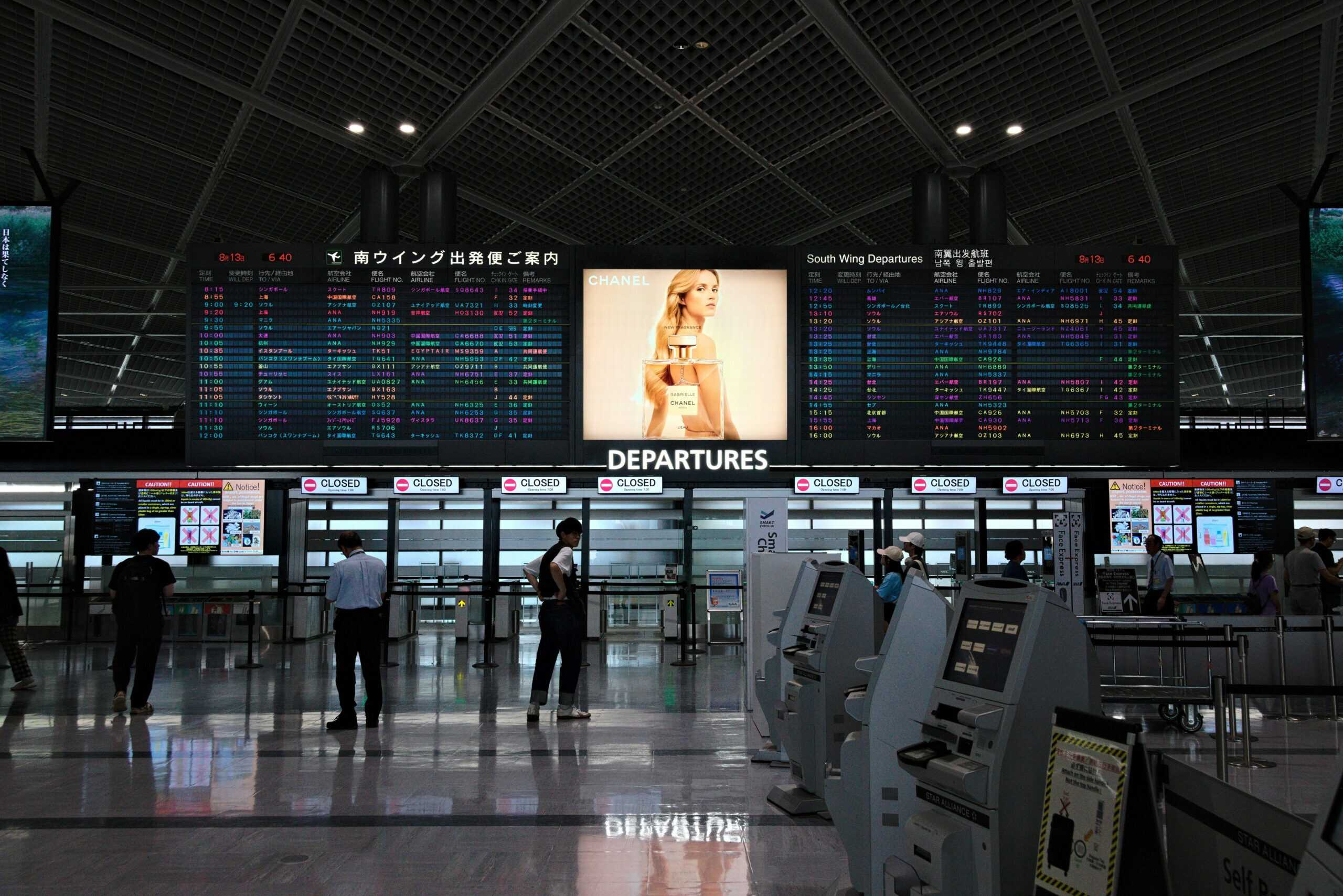
Japan’s drug rules surprise visitors because a valid prescription does not make a medication legal at the border. Official guidance warns that some common stimulants and certain cold medicines are prohibited, while others require advance permission paperwork, and customs can confiscate items on arrival without much debate. The least stressful routine is checking active ingredients line by line, keeping medicines in original packaging with a doctor letter, and securing any required import certificate such as a Yakkan Shoumei early, especially for psychotropics, so the conversation stays medical, not criminal, and schedules stay intact.
UAE Privacy Laws And Restricted Photography
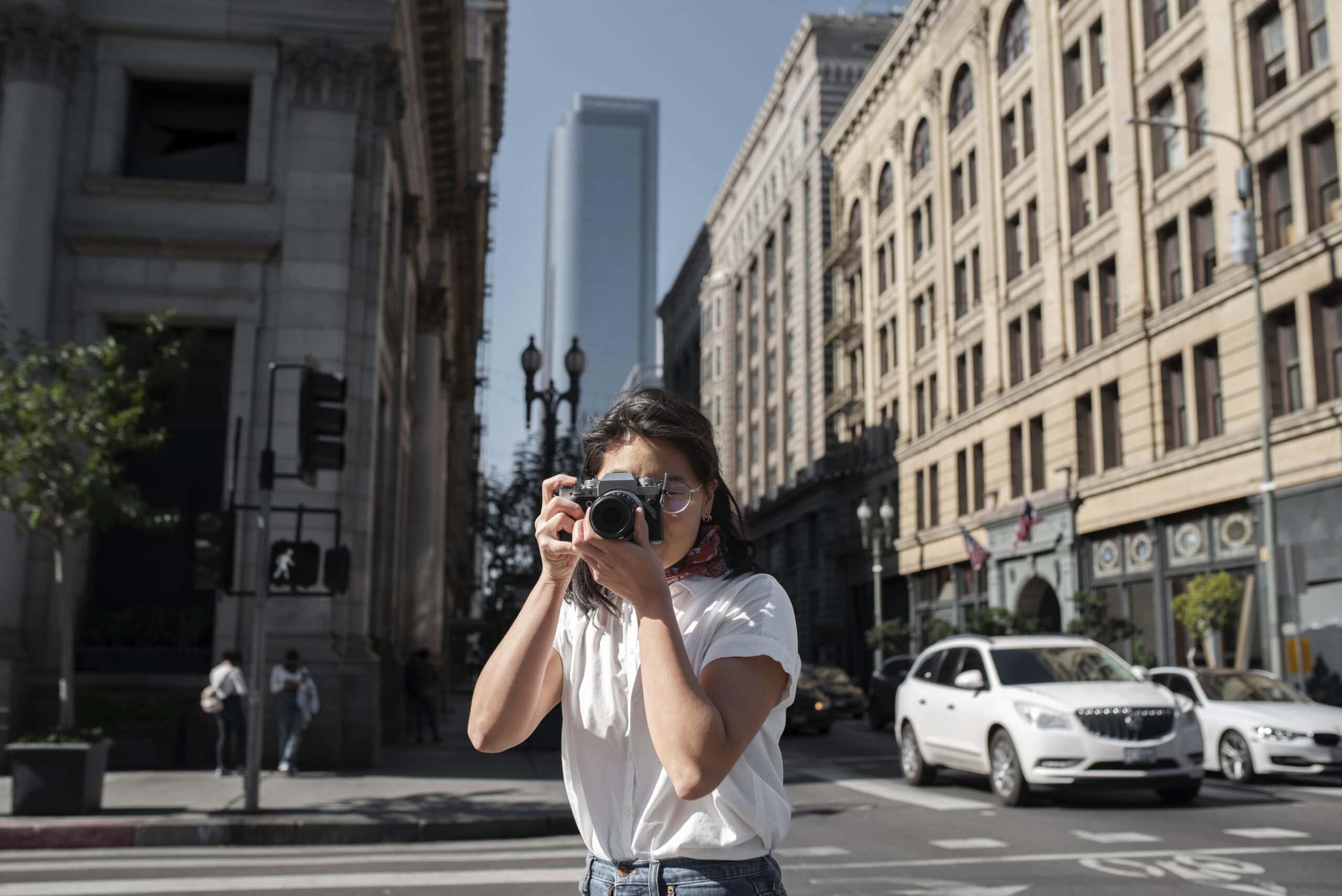
A quick street photo can become a problem in the UAE when it includes secure buildings or people who did not consent. Travel guidance warns that some government and military sites cannot be photographed, and visitors have faced legal trouble for photographing people without permission, especially when images are shared online or used to complain publicly. The low-friction habit is treating privacy as local courtesy: ask first, avoid filming near checkpoints and official complexes, and keep cameras down around uniforms, airports, and sensitive infrastructure, even when the scene looks harmless and the street feels relaxed.
Turkey’s Antiquities Trap, Souvenirs That Are Evidence

Turkey protects its cultural heritage aggressively, and visitors have been detained over objects that felt like harmless keepsakes. Government travel advice warns that removing artifacts or buying antiquities can trigger serious legal consequences, even when a seller claims an item is a replica, a beach find, or a market trinket with no paperwork. The safer souvenir strategy is sticking to reputable shops, keeping detailed receipts, and skipping anything that looks archaeological, old, or unverified, because a small stone, coin, or shard can turn an airport departure into a long, formal legal interview and baggage search.
Singapore, Graffiti Is Not Just A Tag
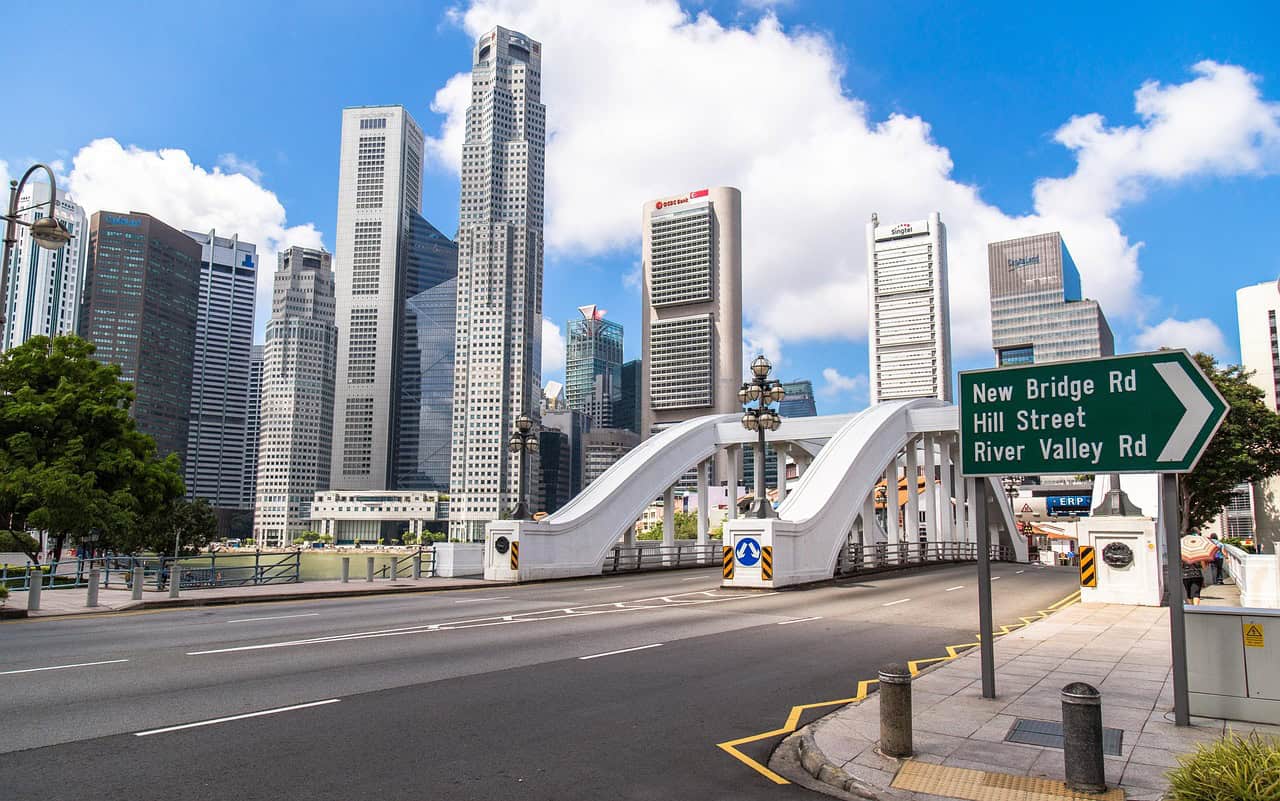
Singapore treats vandalism as a serious offense, and graffiti can lead to arrest, prison time, and caning under local law. Travel advice highlights harsh penalties, and past court cases show that tourist status does not soften the response, even when the damage seems minor, temporary, or meant as a joke after midnight. Road trips stay drama-free when markers, stickers, and paint stay in bags, and creativity is saved for legal walls, workshops, or a sketchbook, not a train depot, a public underpass, or a stairwell where cameras, witnesses, and fast police reports are part of the street, often backed by CCTV.
Singapore, Drugs, Even Traces, Can Trigger Charges

Singapore’s drug enforcement is strict enough that trouble can start without anything in a pocket. Travel guidance warns that evidence of drug use in the body on arrival or in transit can lead to arrest, and other advisories note charges may apply even if use happened elsewhere, including places where it was legal and socially normal. That reality turns layovers into high stakes, so cautious travelers avoid drugs entirely, treat CBD and edibles as high risk unless officially verified, and assume screening can include questions, searches, and tests, plus follow-up interviews that feel routine to authorities and can delay onward travel.
Iceland’s Off-Road Driving And Fragile Landscapes
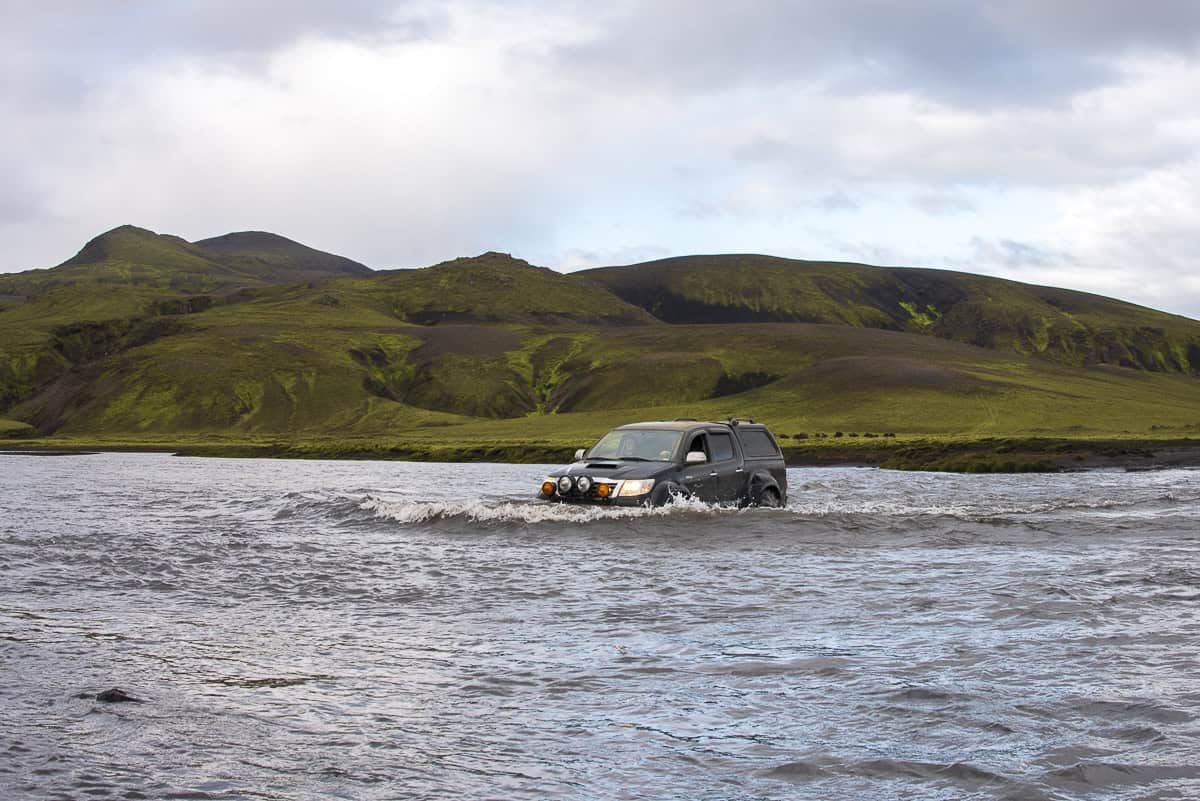
Iceland’s highlands look built for freedom, but driving off marked roads is illegal and treated as environmental damage. The Icelandic Environment Agency warns that off-road driving scars vegetation and soil for years, and violations can bring heavy fines and, in some cases, imprisonment, because recovery in the Arctic climate is slow and tracks spread quickly across moss and sand. The best adventures still happen legally, with open F-roads, local guidance on river crossings, and patience for closures when wind, meltwater, or storms make a route unsafe, because the landscape remembers every shortcut and repairs take decades.
Caribbean Camouflage Bans That Surprise Visitors

In parts of the Caribbean, camouflage clothing is restricted because it is tied to military uniforms and public order. Travel advice for Barbados warns that wearing camouflage can be illegal, and similar rules appear across the region and may be enforced at customs, on beaches, or during routine checks, even for hats, shorts, and backpacks. Packing stays simple with neutral colors, leaving camo prints at home, and remembering that a harmless fashion choice can read as provocation in small communities where uniforms carry history, authority, and real tension that visitors may not see until it is too late, especially during festivals.
Thailand’s Speech And Symbol Laws

Thailand’s warmth does not extend to disrespect toward the monarchy or sacred images, and casual behavior can cross a line fast. Official guidance emphasizes reverence for the royal family and Buddhist symbols, and travel advisories note that offensive acts or comments can carry severe penalties, including online posts that spread beyond the original audience and are hard to delete. A practical travel habit is restraint: avoid jokes, never deface currency, and treat temples and Buddha images as places for quiet behavior, modest dress, and respectful photos that do not turn a cultural moment into a courtroom story.