We may earn money or products from the companies mentioned in this post. This means if you click on the link and purchase the item, I will receive a small commission at no extra cost to you ... you're just helping re-supply our family's travel fund.
Travel advisories can sound absolute, yet real travel rarely follows straight lines. People still visit countries with genuine safety issues for family, work, faith, beaches, and history, then stay inside the parts that function day after day. Risk still matters, and it is rarely uniform. It shifts by neighborhood, time of day, and local politics. The countries below draw visitors despite crime, unrest, or conflict because the rewards feel tangible. The key is realism, not bravado, plus respect for limits and current local guidance.
Mexico Stays Popular Despite Uneven Safety

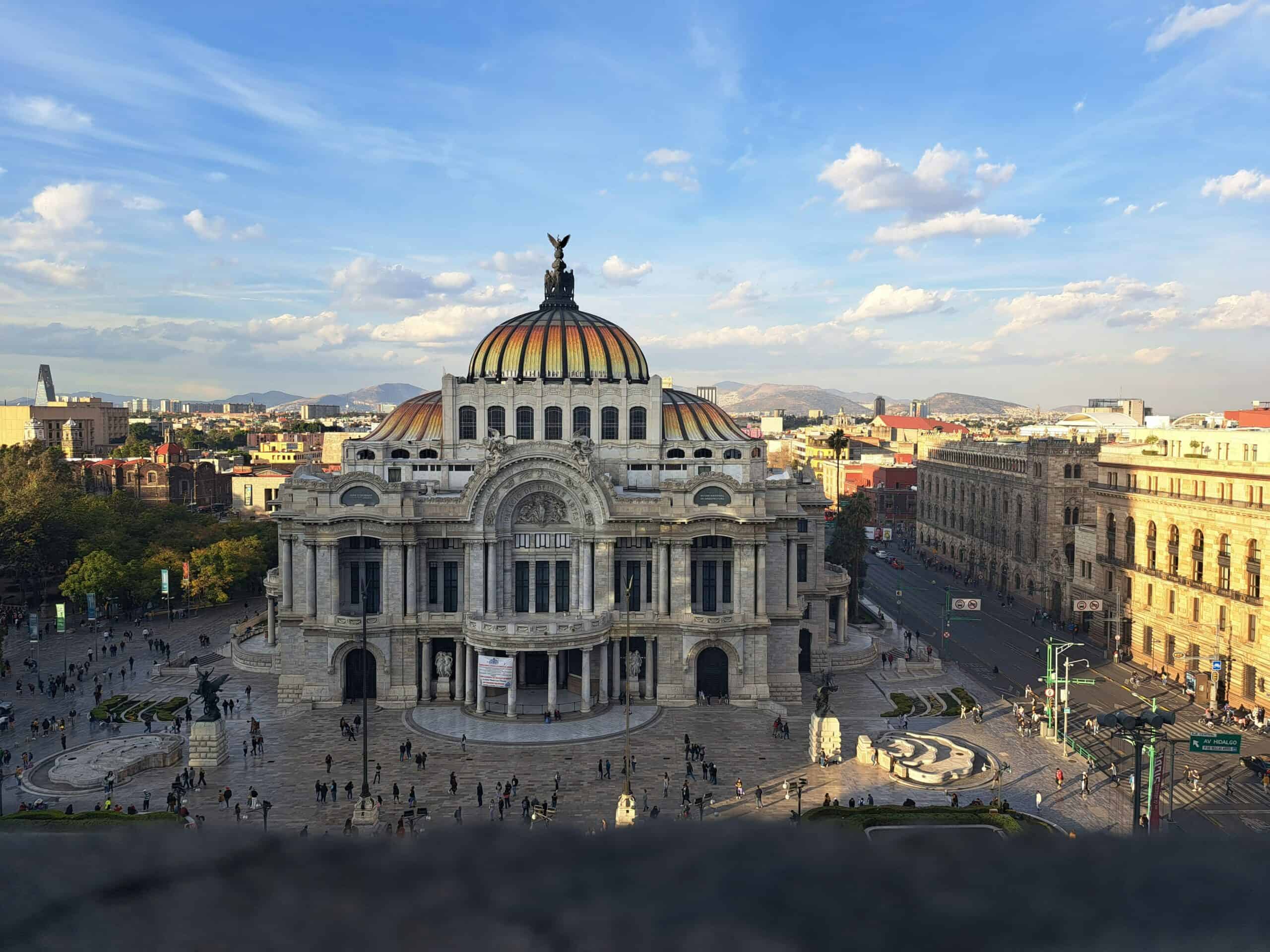
Mexico keeps pulling visitors for beach towns, food cities, and ancient ruins, even as some regions face serious violence. The truth is geographic: a heavily touristed corridor can feel calm and organized, while another state carries higher risk tied to organized crime. Smart trips cluster around reputable transport, daylight plans, and vetted hotels because conditions can change quickly after protests, roadblocks, or a local crackdown. Mexico is not one story, and the safest experience depends on region, timing, and real-time local guidance. Headlines flatten that contrast, but travelers feel it fast.
Colombia Keeps Winning Visitors, Even With Hot Spots
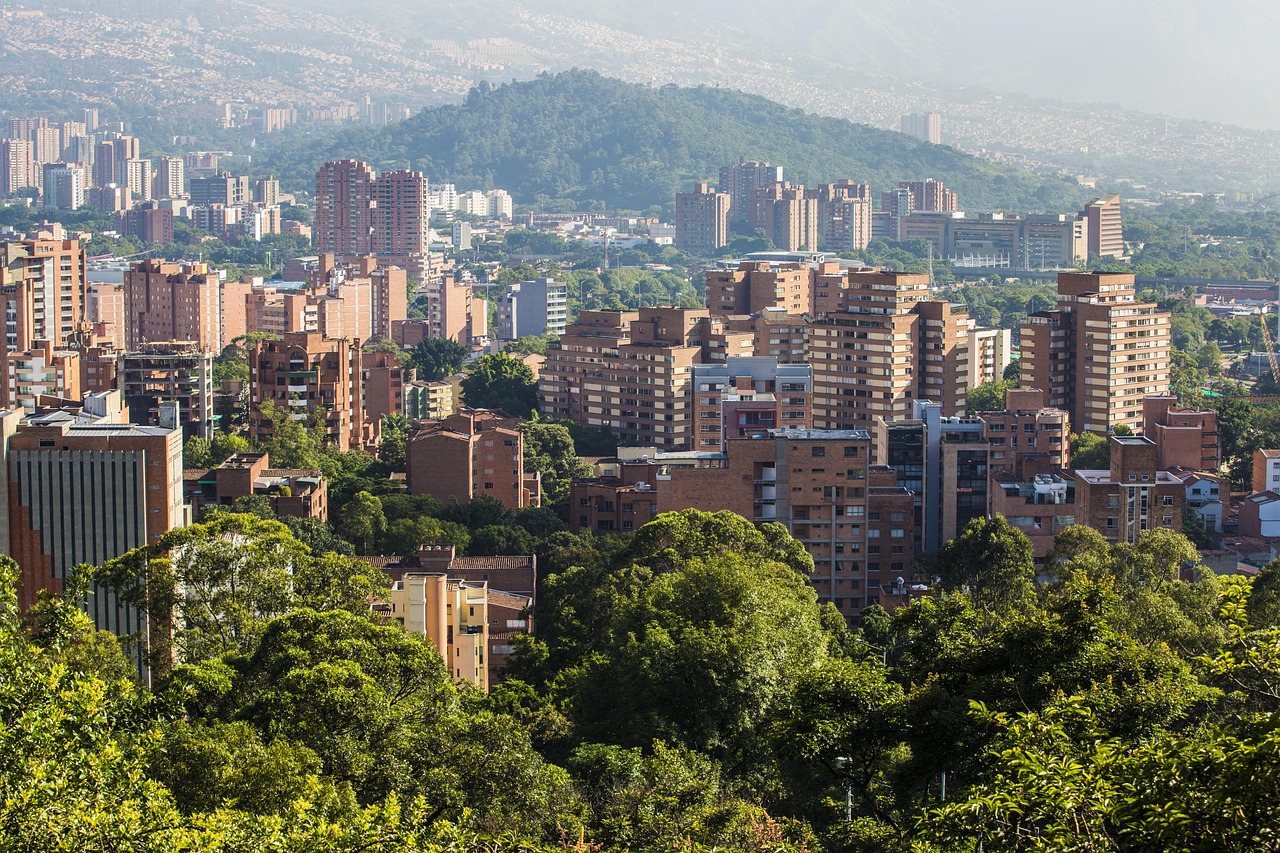
Colombia’s image still swings between romance and alarm. Big cities run on cafés, coworking spaces, and late dinners, while some rural zones remain volatile and harder to predict. Visitors keep coming for Caribbean coasts, coffee towns, and mountain views, but the practical reality is uneven policing and sharp differences between neighborhoods. Well planned trips rely on local drivers, current route advice, and avoiding border corridors that can shift fast. The country’s warmth is real, and so are the pockets where caution is nonnegotiable. It helps to treat every move as a choice, not a dare.
Egypt Draws Crowds While Some Zones Stay Off Limits
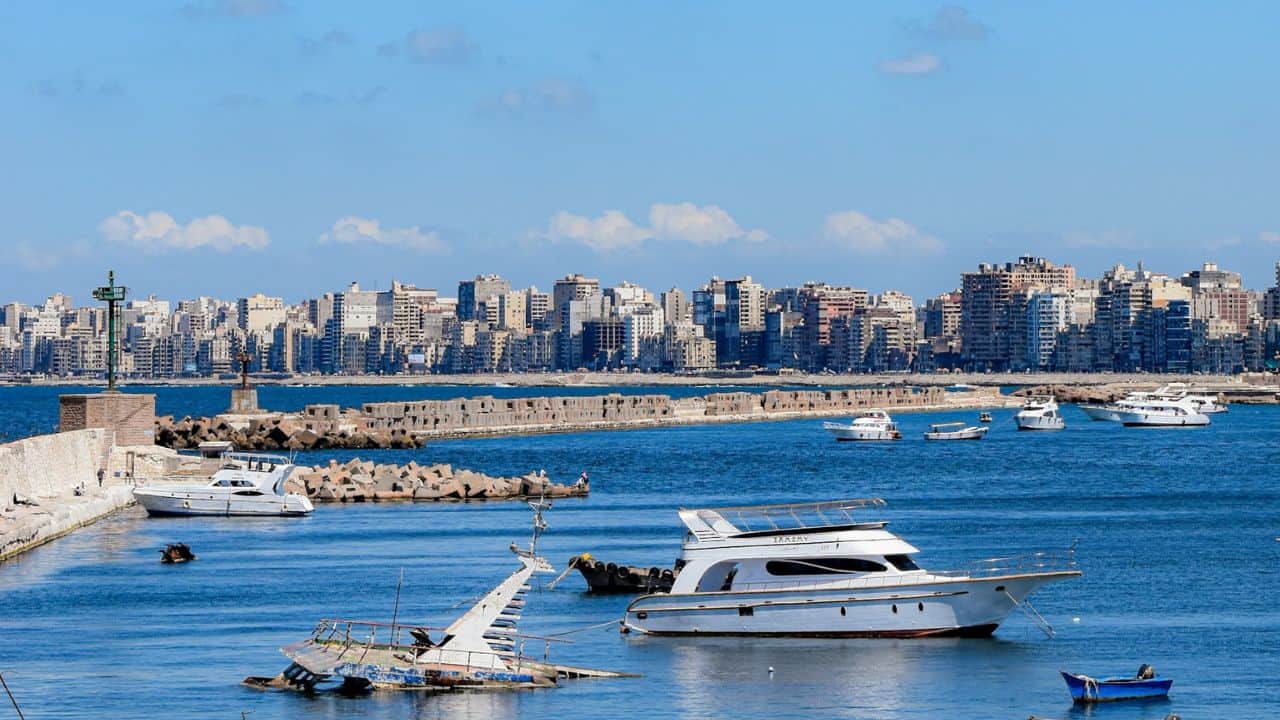
Egypt’s monuments and river towns draw steady tourism, and many itineraries feel tightly managed, with checkpoints and visible security around major sites. Risk shows up in the edges: remote deserts, sensitive border areas, and moments of political tension that can turn a normal day into delays and detours. The safest visits tend to follow licensed guides and established routes, then treat side trips with restraint. Egypt is both awe and bureaucracy, and the balance changes by region and news cycle. Staying with licensed operators and clear daytime plans keeps wonder high and stress low here.
South Africa’s Beauty Comes With Street-Level Risk
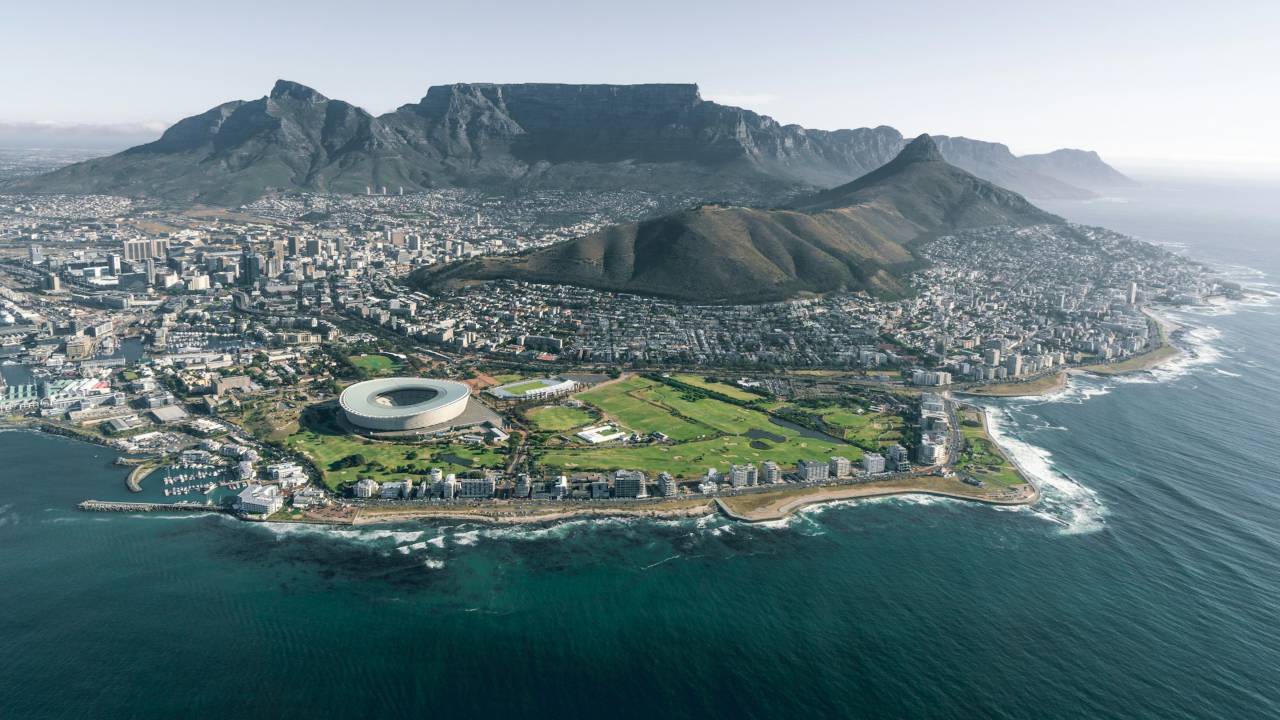
South Africa offers wildlife, coastlines, and city culture that feel worth the effort, yet street level crime shapes everyday choices. In some areas, theft, carjackings, and opportunistic attacks remain persistent, especially after dark or on isolated roads. Tourism continues because game reserves and curated neighborhoods can feel secure, but the margin for error is smaller than many expect. Successful trips lean on trusted transport, local norms, and a calm, alert posture instead of spontaneity. Many return praising the people, while admitting the vigilance stays constant after dark plainly.
Jamaica’s Resorts Sit Beside Tough Realities
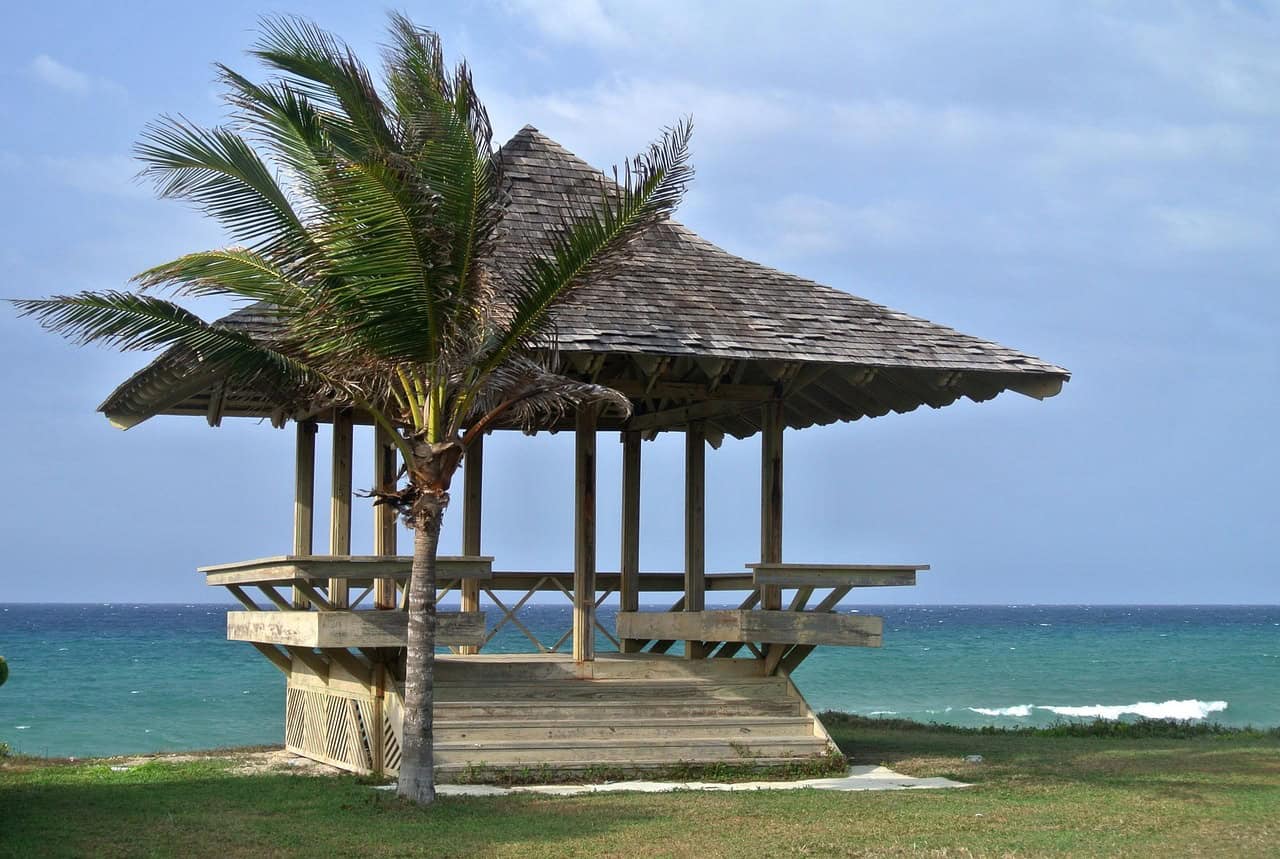
Jamaica can feel effortless inside resort zones, but the island also faces serious violence that affects certain communities and travel corridors. The contrast is part of the story: guarded beach roads can sit close to neighborhoods dealing with gangs, limited services, and long economic strain. Tourists still come for music, food, and water that looks unreal, yet careful planning matters, including vetted drivers and clear boundaries for nightlife. Jamaica’s magic is not a free pass from common sense. Visitors chase the soundtrack and sunsets, but they stick to routes and trusted drivers so.
Kenya’s Safari Dream Meets Security Warnings
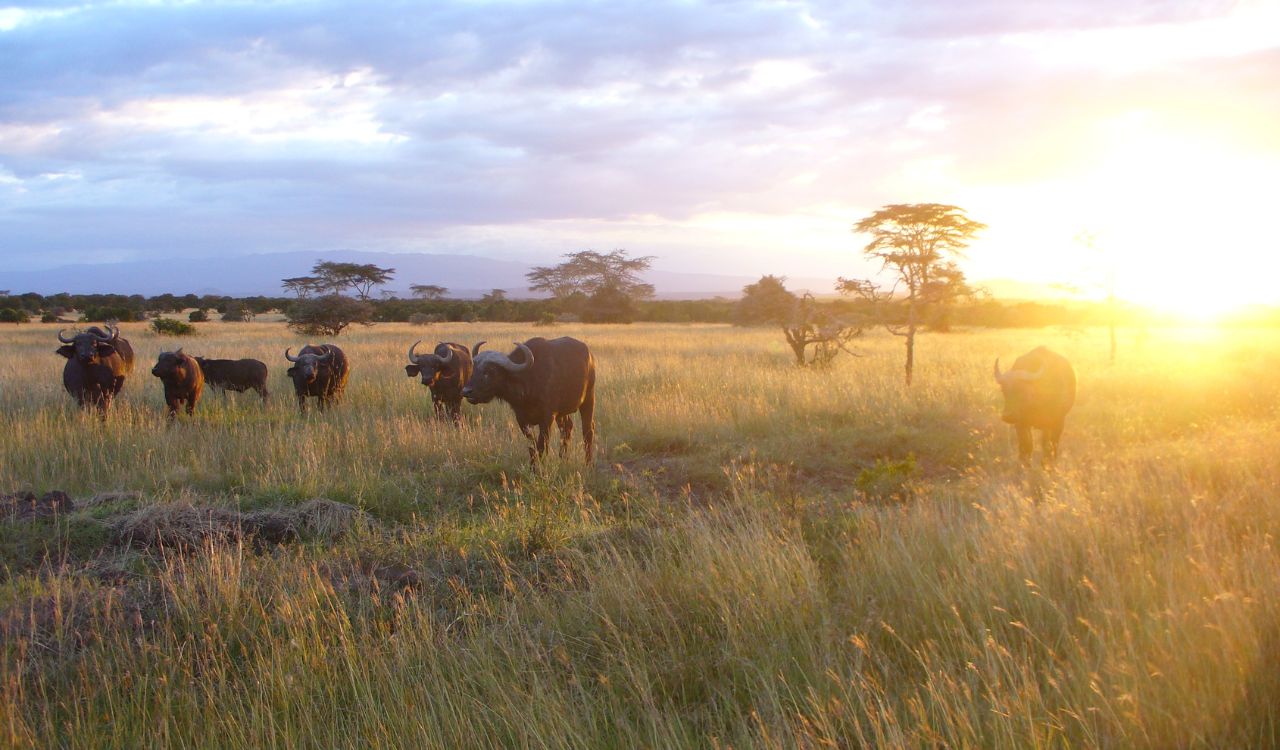
Kenya’s tourism runs on safaris, lodges, and guides who treat logistics like craft. Many trips feel smooth inside parks and established circuits, yet security concerns still exist in parts of the country. Urban theft can be opportunistic, and certain border counties have a history of higher risk tied to militant activity. That is why reputable operators matter: they know which roads to skip, when to fly instead of drive, and how to respond when conditions change. Kenya holds wonder, and it demands respect for boundaries. Guides and lodge staff track alerts daily, then reroute fast when needed.
The Philippines Mixes Paradise With Pockets of Conflict
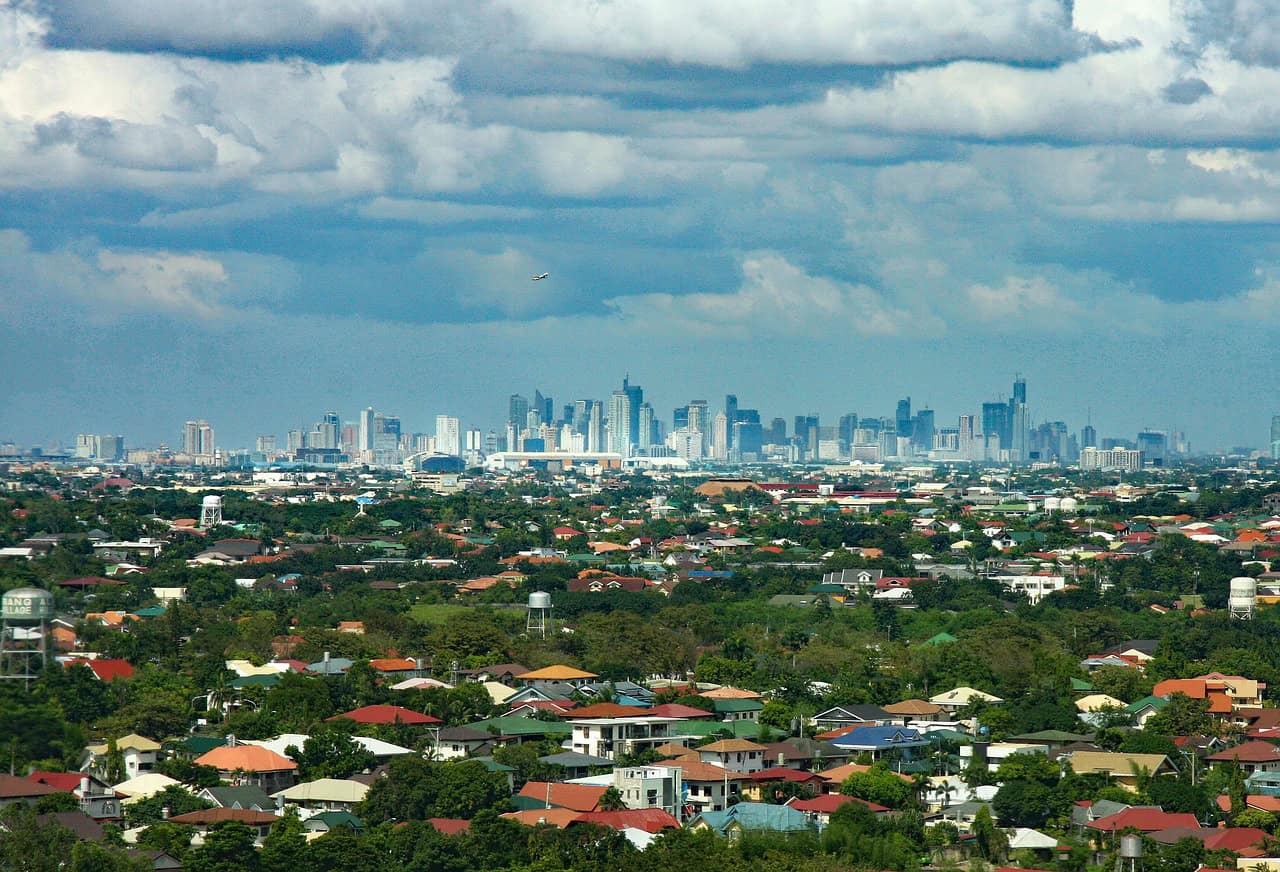
The Philippines sells island beauty, and most visitors stay in well known destinations where ferries, flights, and hotels support tourism. Still, some regions face long running conflict, kidnapping threats, or instability that can flare without warning. The practical divide is geographic: one province can be carefree, another requires strict caution and updated guidance. Travelers who do well here treat the archipelago as many separate maps, not one. That mindset keeps the trip grounded and the risks clearer. When conflict is distant, islands feel carefree, but one route can change everything.
Honduras Draws Divers Even As Violence Persists
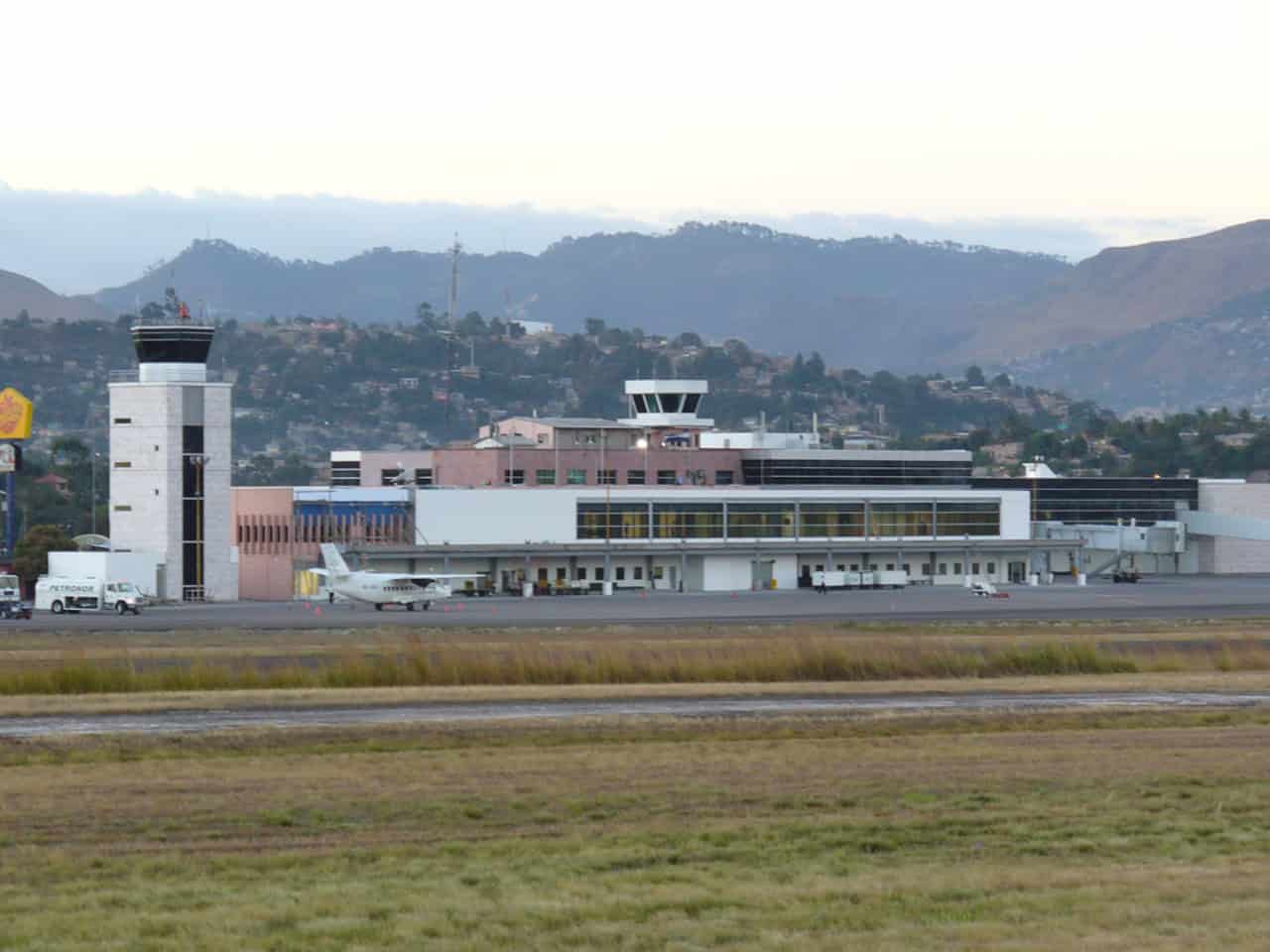
Honduras is often associated with gang violence, yet the Bay Islands keep welcoming divers who come for reefs, calm water, and a simple routine. That does not erase national challenges, including robbery, extortion, and uneven emergency response in some areas. The pattern is clustering: visitors stay where policing and services are stronger, then move with intention rather than improvisation. Honduras can be rewarding, but it asks for tight logistics, daylight travel, and an honest read of what is happening beyond the resort bubble. Diving days feel simple, but off island travel needs caution.
Türkiye Blends Busy Tourism With Border Tension
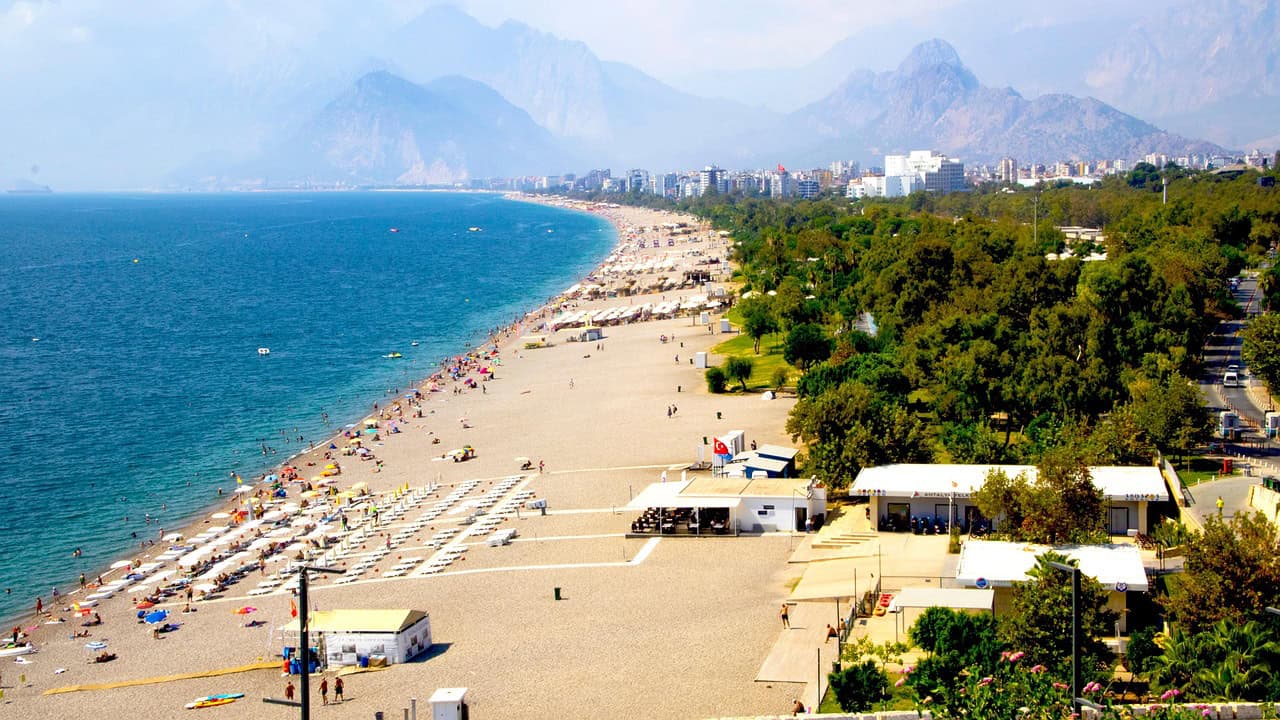
Türkiye remains a major tourism hub, with lively cities, coast resorts, and landscapes that feel timeless. The risk is not uniform. Certain border regions carry higher uncertainty, and political demonstrations can rise quickly in big cities, bringing heavier policing and sudden closures. Most visitors experience normal days of museums and ferry rides, yet the country’s location means events across the region can ripple into travel plans. Türkiye rewards preparation, and it punishes complacency about geography. In hubs, life feels normal, yet border events can tighten rules and disrupt transit.