We may earn money or products from the companies mentioned in this post. This means if you click on the link and purchase the item, I will receive a small commission at no extra cost to you ... you're just helping re-supply our family's travel fund.

Theme parks are built for constant motion: music loops, queue chatter, the clack of restraints, the squeal right after a drop. When a park shuts down, the silence feels wrong, like a movie set after filming ends. Paint fades, metal rusts, and weeds start doing what maintenance crews used to prevent. Some places are fenced tight and illegal to enter. Others can be seen from public edges or through scheduled tours. Either way, they leave the same feeling behind: joy paused mid-scene, with nature slowly rewriting the script.
Six Flags New Orleans, Louisiana
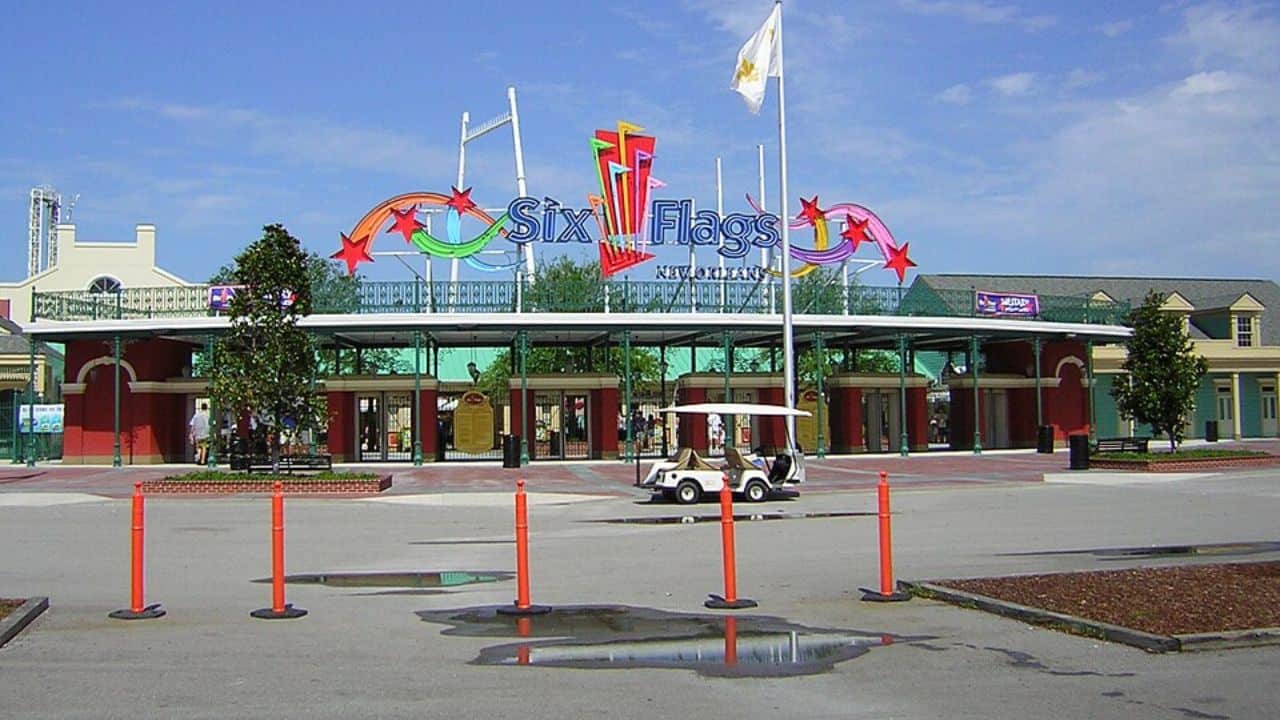
Six Flags New Orleans never reopened after Hurricane Katrina flooded the site in 2005, and the park has sat in the humid grip of the city’s edge ever since. Coaster track still rises above tall grass, and bright cartoon facades linger like props that nobody cleared, which makes the quiet feel even louder. Redevelopment plans have surfaced and faded over the years, but the most consistent reality is that the property remains a serious trespass risk with active warnings and enforcement. From a legal distance, the skyline of rusted rails against swampy green looks like a party that ended mid-song, then got abandoned to weather, water, and time.
Lake Dolores Waterpark, California
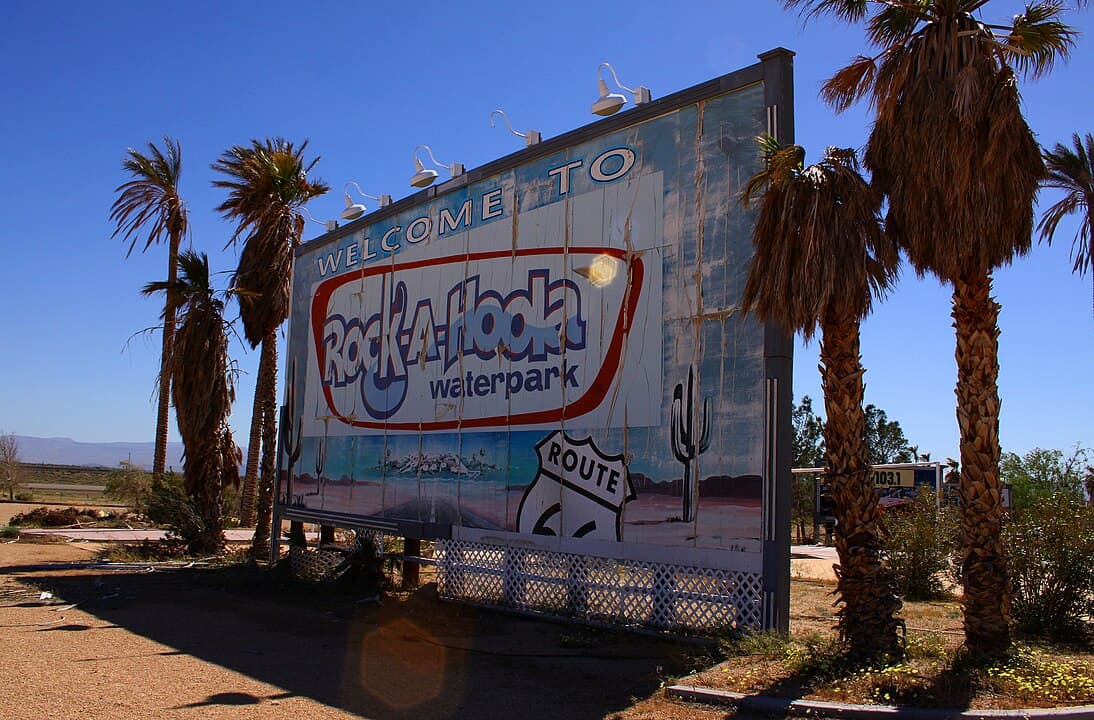
Near Barstow on I-15, Lake Dolores, later branded Rock-A-Hoola, looks like a summer dream left out in the desert sun until it cracked. Slides twist toward empty basins, walkways lead to chalky pool bottoms, and the wind moves through structures that were built for shouting kids, not silence. Closed since 2004, the Mojave has been editing it daily: heat bleaches color, sand scours paint, and every season turns more of the place into accidental sculpture. The creepiness is not supernatural. It is the contrast between playful shapes and a landscape that is utterly indifferent, with legal viewing often happening from the roadside where the whole scene reads like a mirage that forgot to vanish.
Ghost Town Village, North Carolina
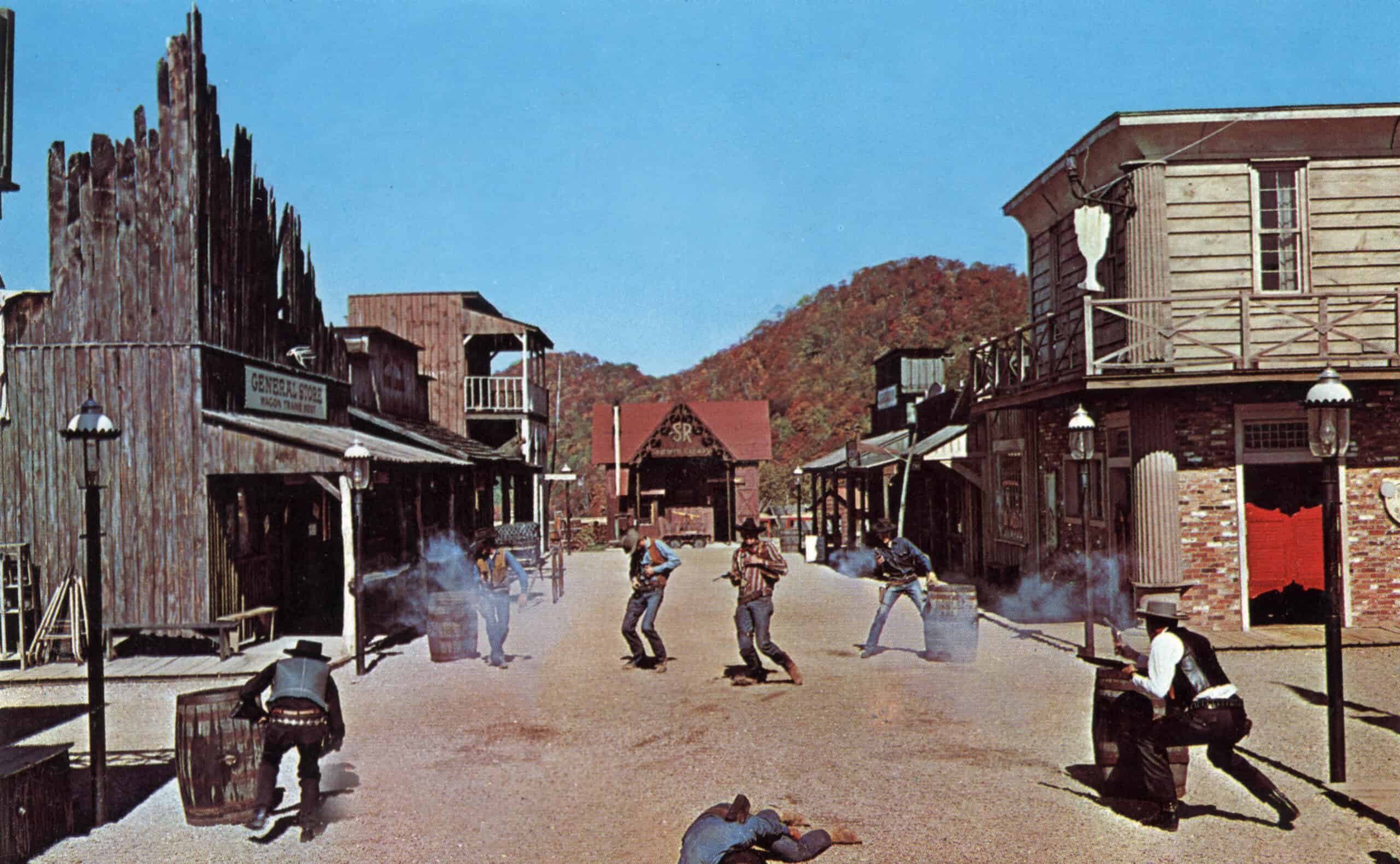
Ghost Town Village sits on Buck Mountain above Maggie Valley, built as a Wild West street reached by steep grades and lifts that once felt like part of the adventure. After repeated shutdowns and revival attempts, it is closed again, and the quiet mountain air does a strange thing to the empty buildings. From below, the main street looks like a stage after the audience left, storefronts facing nobody, ride frames rusting, and chairlift towers marking where families used to float upward into cool views. The site’s status has been tangled in disputes and uncertainty, which adds to the feeling that time is paused. In the fog, the place can look almost intact, then suddenly hollow.
Dogpatch USA, Arkansas
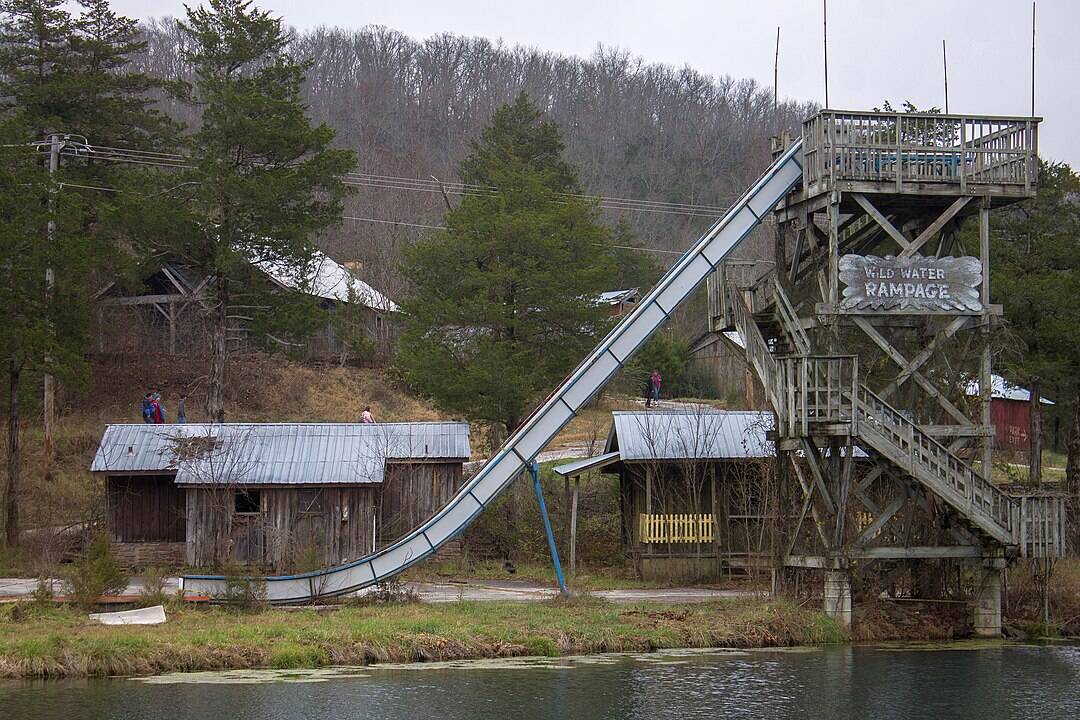
Dogpatch opened in 1968 as a Li’l Abner-themed Ozark village and shut down in 1993, leaving a cartoon town to live in real weather. Stone cabins and old signage still suggest the original idea, but many structures look tired, softened by rain stains, warped wood, and creeping growth that does not care about nostalgia. Ownership and redevelopment talk have changed over time, yet long stretches of disrepair are what linger in the mind: stages that hosted shows now silent, windows that look dark even at noon, and paths that lead into weeds. The Buffalo River country nearby feels alive and inviting, which only sharpens the contrast. It is a place where a joke theme met serious neglect and lost.
Chippewa Lake Park, Ohio
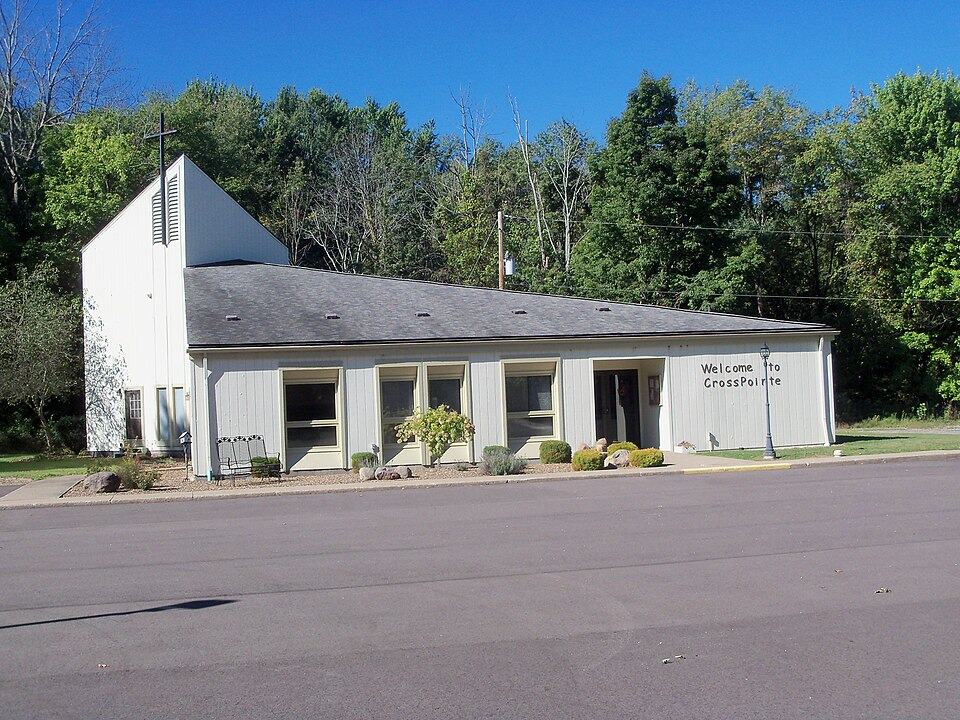
Chippewa Lake Park closed in 1978 and then sat for decades with its rides decaying behind a fence, a rare case of a whole midway slowly collapsing in place. For years, photos showed ride silhouettes standing in trees like skeleton landmarks, and even recently the site has remained a reference point for abandonment lore while local plans moved toward a safer future. The county park district has discussed trails, basic amenities, and a small museum, with phased public access aimed for spring 2026, which makes the current moment feel transitional. That in-between mood is what haunts people: not full ruin, not full revival, but a long pause where childhood infrastructure stayed visible long after it stopped working.
Lake Shawnee Amusement Park, West Virginia
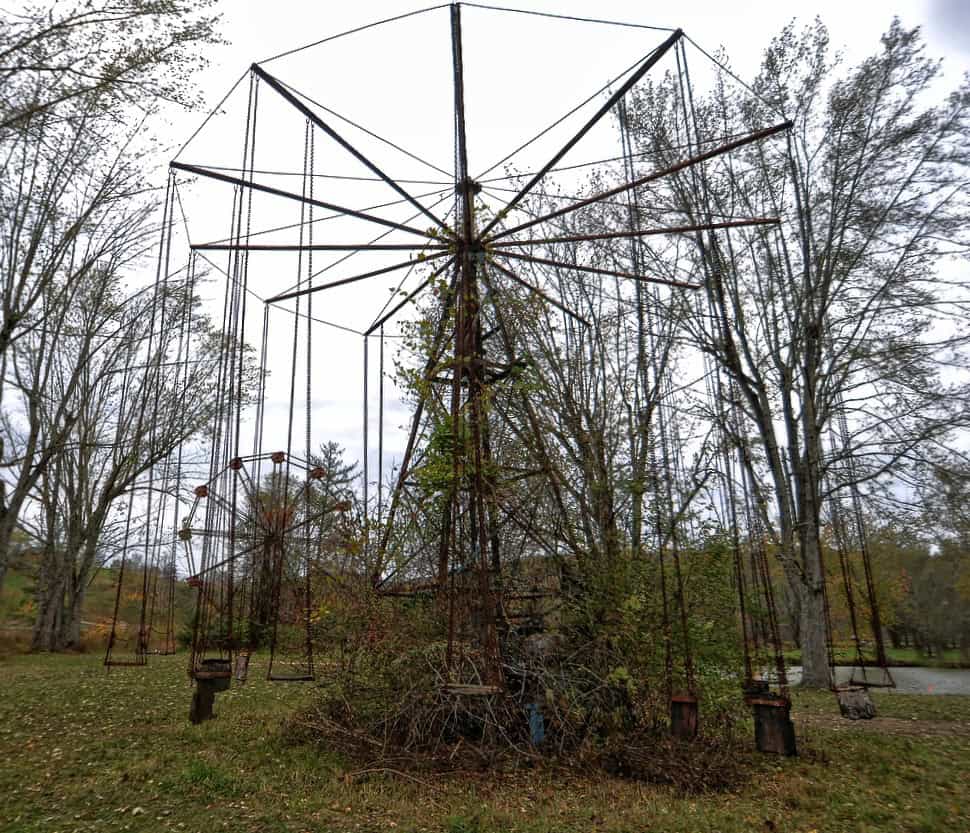
Lake Shawnee shut down in 1988, but it never fully vanished because scheduled tours still bring people onto the grounds to hear the site’s history and see what remains. Rusted rides sit in tall grass, a skeletal Ferris wheel frame rises near the trees, and the lake edge keeps everything quieter than a typical roadside stop. The mood is less about jump scares and more about time passing in slow, physical ways: flaking paint, sagging structures, and the way fog can flatten the landscape until the park looks like a memory. It feels eerie because the setting is peaceful, yet the relics are built for noise, and that mismatch never fully resolves while walking the paths.
Discovery Island, Florida
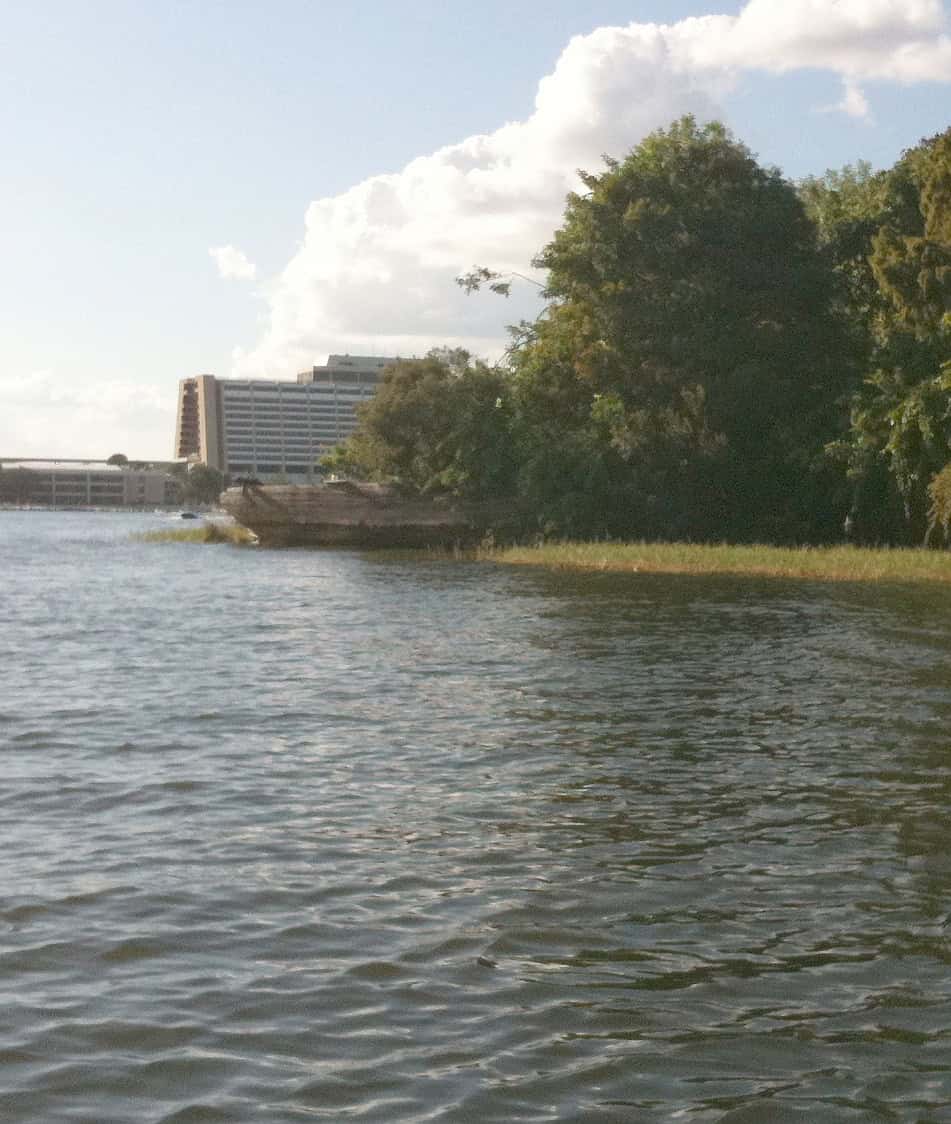
Disney’s Discovery Island closed to visitors in 1999 and has sat largely abandoned, visible from nearby resorts like a green secret across the water. Storm damage and overgrowth have turned buildings and walkways into something closer to reclaimed jungle than a former attraction, with docks and signs fading under vines. The creepiness comes from proximity: fireworks and crowds can be close by, yet this island stays quiet and off-limits, with trespassing arrests helping fuel the mythology. It feels like a place where the lights should come back on, but never do. Seen from legal vantage points, the island reads as a reminder that even famous places can be left behind, and nature is always ready to move in.
Heritage USA, South Carolina
Heritage USA was once a massive Christian theme park and resort complex, then collapsed into bankruptcy and became a cautionary landmark. The unfinished hotel tower is the image people remember, a tall, empty silhouette rising above trees like ambition frozen mid-build. Fences and warnings keep the site from becoming a casual stop, yet it still pulls attention because it looks so ordinary in material, concrete and windows, while carrying an extraordinary story of scale, money, and collapse. Recent legal and cleanup steps have been discussed over time, but the visual impact remains the same. It feels haunted not by ghosts, but by the idea of a future that was sold hard, then abruptly abandoned, leaving a skyline scar.
Holy Land USA, Connecticut
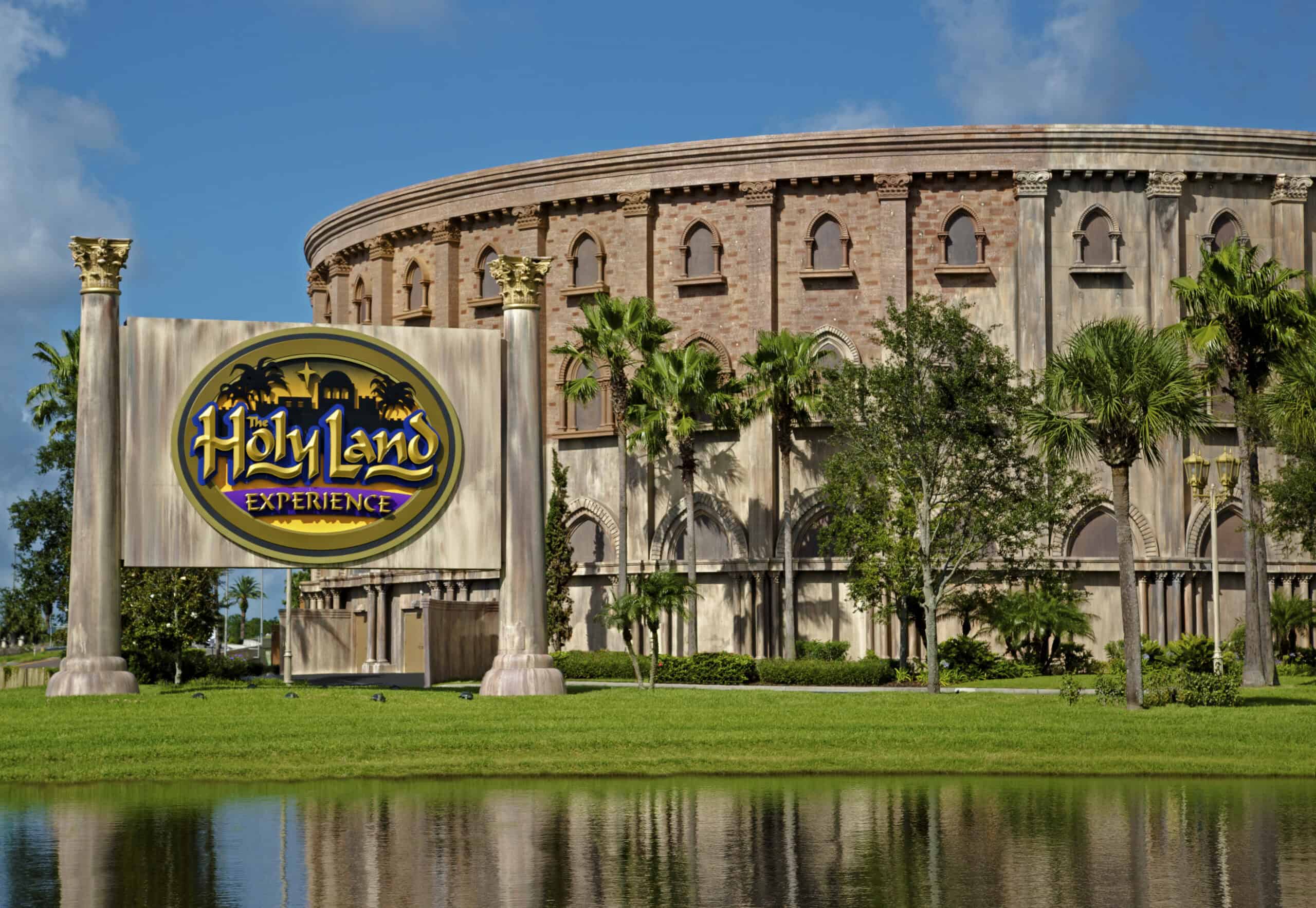
Holy Land USA in Waterbury drew crowds in its heyday, then closed in 1984 and spent decades in partial dormancy, leaving a hillside of religious dioramas and stone paths beneath a huge cross. Some restoration work and a Stations of the Cross trail have brought careful, limited attention back, but much of the site still feels suspended between ruin and return. That tension creates a heavy quiet: not a polished attraction, not a total wreck, but a place where folk art, faith, and weathered materials sit together without a clear conclusion. In the right light, the hillside looks peaceful. In shadow, the empty structures feel like they are waiting for voices that will not return.