We may earn money or products from the companies mentioned in this post. This means if you click on the link and purchase the item, I will receive a small commission at no extra cost to you ... you're just helping re-supply our family's travel fund.

Smartphones quietly store more personal information than passports or wallets ever could. Location history, call logs, app activity, and browsing data often sit just beneath the surface. In many countries, laws allow governments to legally access this data under national security, cybercrime, or public order frameworks. While this does not mean constant surveillance for every visitor, the level of access, oversight, and transparency varies greatly. Understanding how phone data is handled can help travelers, professionals, and long-term visitors manage digital risk more responsibly.
1. China

China operates one of the world’s most extensive digital monitoring systems, covering telecom networks, apps, and cloud data. All SIM cards require real-name registration using government ID, linking devices directly to individuals. Authorities can legally access call records, location data, and app activity without court warrants. China has over 1.6 billion mobile subscriptions, and telecom data retention can exceed 60 months. Popular apps like WeChat process billions of messages daily, with automated filtering and long-term storage. Travelers using Chinese networks should assume most phone metadata is accessible to state agencies.
2. Russia

Russian surveillance laws require telecom and internet providers to store user communications and metadata for extended periods. Under the Yarovaya Law, call data and messages can be retained for up to 3 years, while metadata may be stored for 5 years. SIM cards must be registered with passports, including for foreigners. Security agencies can request access without notifying users. With over 260 million mobile connections, Russia maintains centralized oversight of telecom infrastructure, making location tracking and communication history legally obtainable during investigations or security operations.
3. Iran

Iran’s mobile and internet infrastructure is tightly regulated and state-controlled. All SIM cards are registered to national IDs or passports, and telecom operators must cooperate with authorities. During heightened security periods, mobile data access increases significantly. Iran has more than 75 million mobile users, and internet traffic can be filtered at the national gateway level. Messaging apps may be blocked or monitored, and location data has reportedly been used in criminal cases. Phone data retention policies are broad, giving authorities wide discretion over access.
4. Saudi Arabia
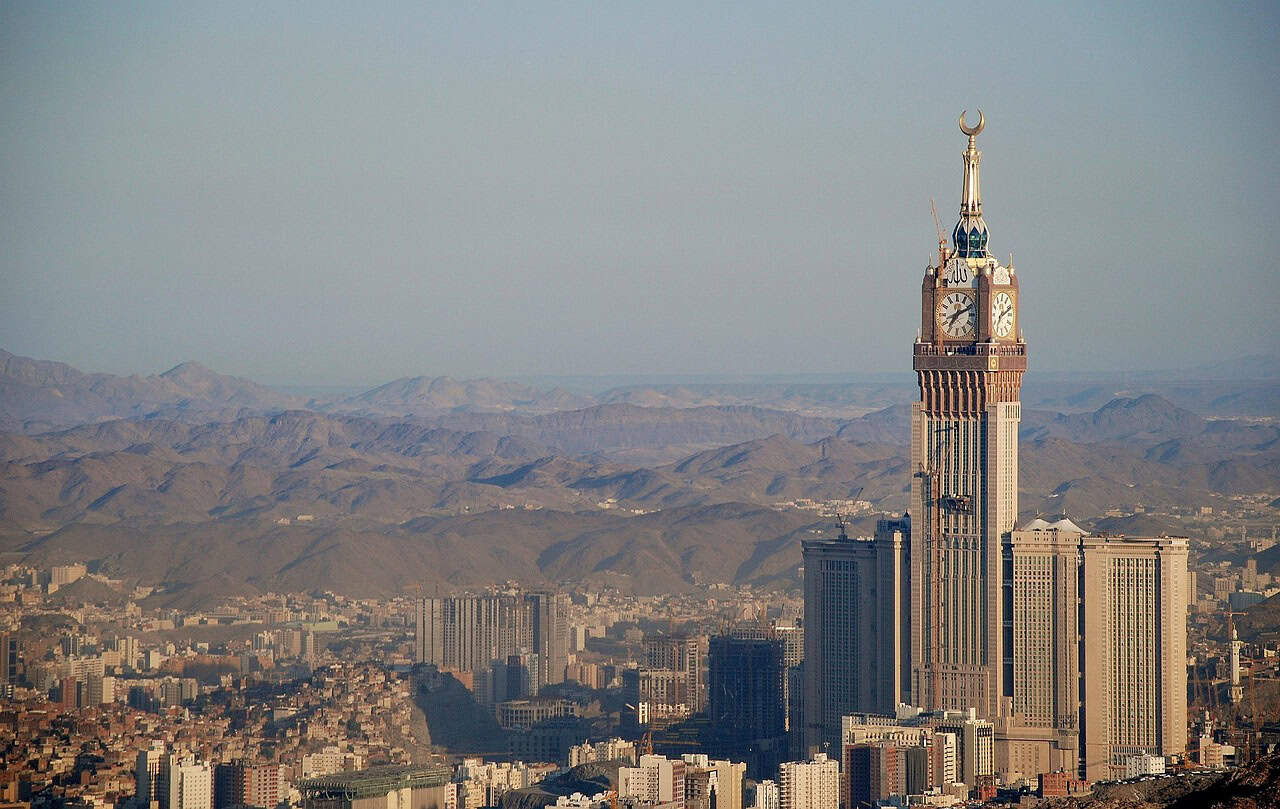
Saudi Arabia employs centralized digital monitoring supported by advanced telecom systems. Mobile numbers are linked to national ID or passport data, and authorities may access metadata under cybersecurity and anti-terror regulations. The country has over 55 million mobile subscriptions, exceeding its population due to multiple SIM ownership. Location data accuracy can reach within 10 meters in urban areas. While encrypted apps are permitted, metadata such as call times, IP addresses, and device identifiers can still be accessed during investigations tied to public order or online activity.
5. United Arab Emirates

The UAE maintains strict cybercrime laws that allow lawful access to phone data through regulated telecom providers. SIM cards are issued only with Emirates ID or passport details, and VoIP services are partially restricted. The country records over 20 million mobile connections, with data retention periods extending beyond 24 months. Authorities can access call metadata, location history, and internet usage during legal proceedings. While daily phone use feels unrestricted, digital activity linked to speech, finance, or content sharing can be reviewed retrospectively if flagged.
6. Turkey

Turkey requires telecom companies to retain user metadata, including call logs and location records, for up to 2 years. Courts and security agencies can request access under national security or public safety laws. Turkey has more than 85 million mobile subscribers, and mobile internet shutdowns have occurred during sensitive events. SIM registration with identification is mandatory, including for tourists. While private messages are generally untouched, metadata analysis and device tracking may increase during protests or politically charged periods.
7. Egypt

Egypt’s digital surveillance powers expanded significantly after 2018 cybercrime legislation. Authorities can monitor communications, block websites, and access mobile data with limited public oversight. SIM cards require registered identification, and mobile devices may be inspected at entry points. Egypt has over 110 million mobile subscriptions, and telecom operators are required to store usage data for extended periods. Location tracking and call metadata have reportedly been used in investigations, particularly involving journalists, activists, or online content linked to national security concerns.
8. Pakistan

Pakistan enforces biometric SIM registration, directly linking phone numbers to fingerprints and national identity records. The country has over 190 million mobile subscribers, making biometric oversight one of the largest in the world. Telecom operators must provide call records, location data, and internet metadata upon request under security laws. During emergencies or unrest, network monitoring intensifies, and mobile services may be restricted. While ordinary users rarely notice surveillance, their phone data remains legally accessible through centralized systems.
9. Vietnam

Vietnam’s cybersecurity laws require tech and telecom companies to store user data locally and provide it to authorities when requested. SIM registration with identification is mandatory, and online activity may be monitored for compliance. Vietnam has over 130 million mobile connections, and data retention can exceed 36 months. Messaging metadata, browsing history, and location data may be reviewed during investigations. Content related to politics or public criticism can trigger scrutiny, making phone data a key enforcement tool.