We may earn money or products from the companies mentioned in this post. This means if you click on the link and purchase the item, I will receive a small commission at no extra cost to you ... you're just helping re-supply our family's travel fund.

Travelers often assume prescriptions translate cleanly across borders, yet many governments define medicines through cultural norms, controlled-substance laws, and public-health priorities. Customs officers may request paperwork that would never appear in an American pharmacy. Some countries restrict common stimulants, while others ask travelers to prove personal use with detailed documentation. These rules are not designed to intimidate visitors, but the mismatch between expectations and regulation creates uneasy moments at inspection desks, especially after long flights and little sleep.
Japan
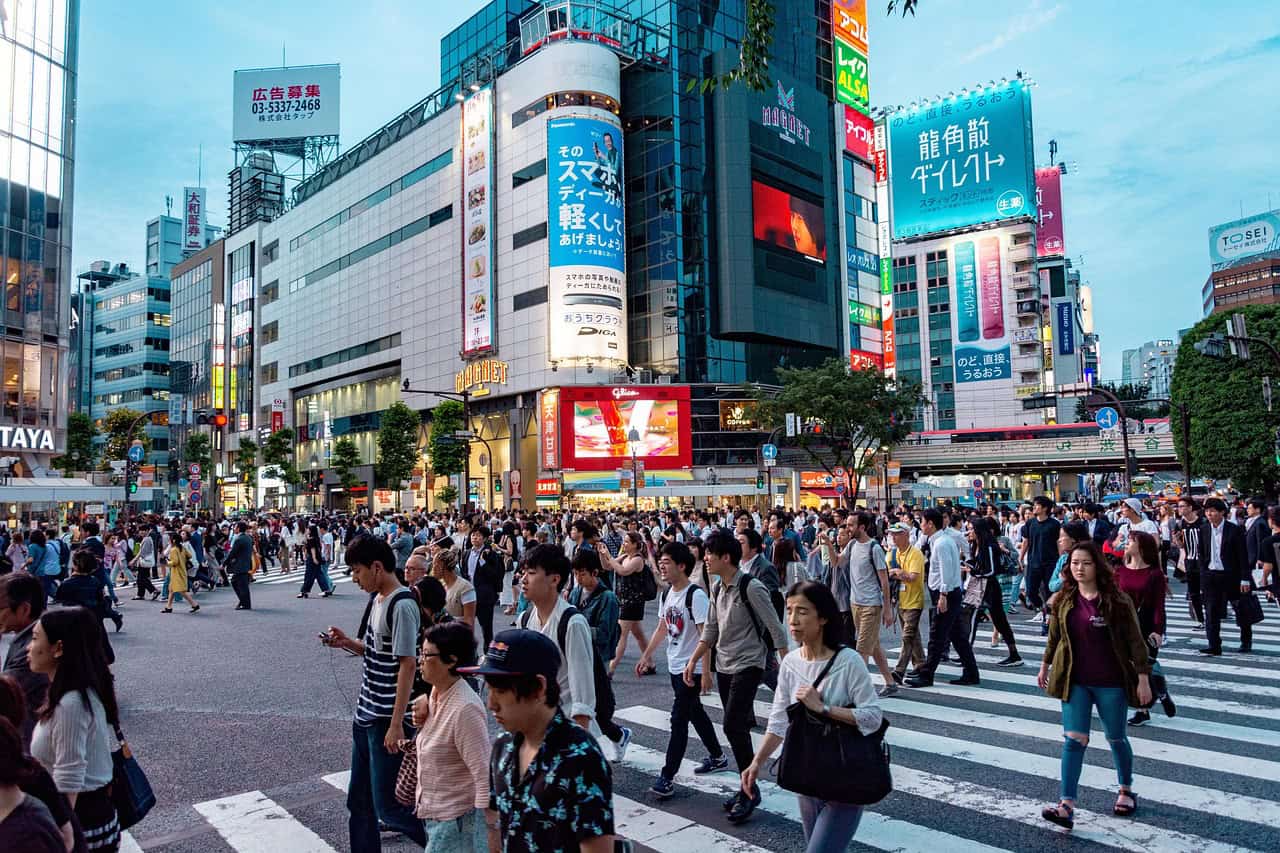
Japan surprises travelers because it treats certain everyday U.S. prescriptions as tightly controlled, especially stimulants linked to ADHD treatment. Medications containing amphetamine ingredients can be prohibited, and other psychotropic drugs may require advance permission through an import certificate system before arrival. Quantity also matters. A large bottle meant for convenience can look suspicious if it exceeds what a short stay would reasonably need. The country’s approach reflects a cautious national posture toward psychotropic substances, and confusion usually comes from assuming a U.S. pharmacy label is universally persuasive. Clear documentation and advance approval protect travelers from a stressful arrival conversation.
United Arab Emirates
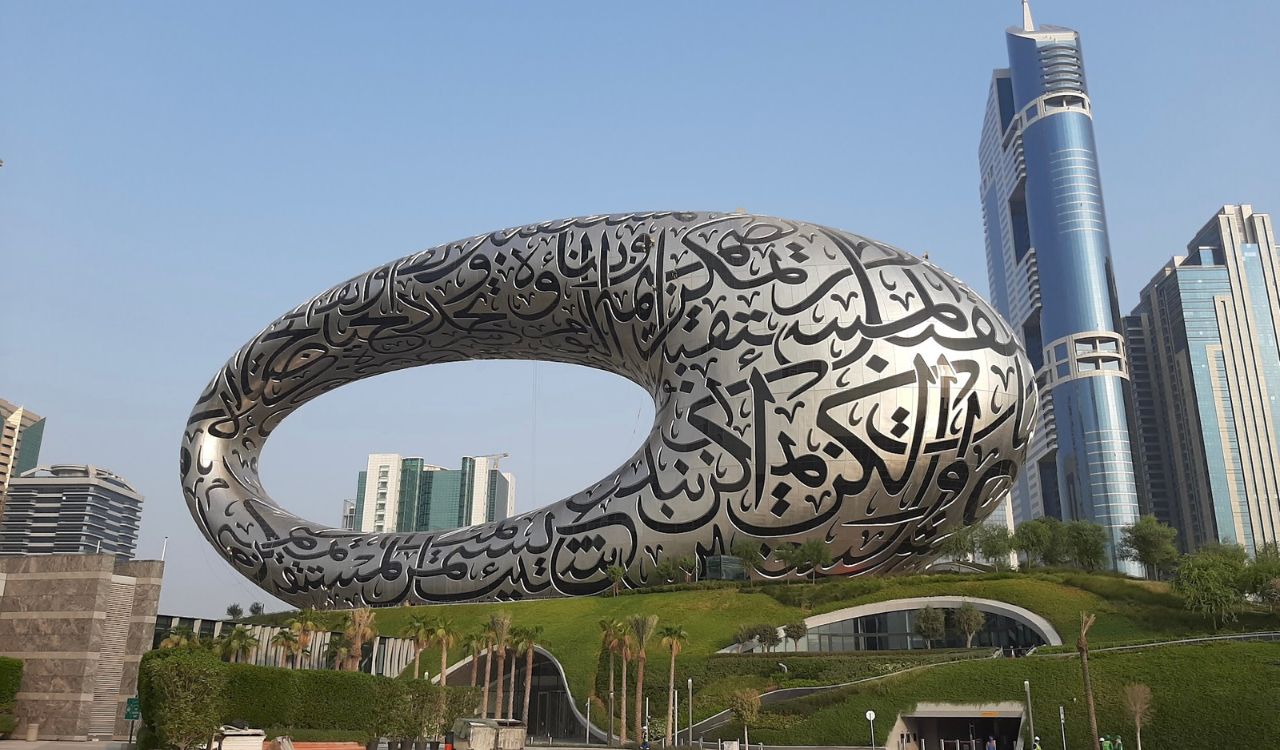
The UAE can feel strict because officials take mood-altering and pain-related medications seriously, even when the traveler has a legitimate prescription. Sedatives, sleeping aids, antidepressants, and certain pain medicines can draw attention, and officers may ask for a doctor letter, the original prescription, and packaging that clearly matches the traveler’s name and passport details. The setting matters too. Airports are formal, and inspections happen under bright lights with little privacy. Rules can also update without much notice, so old advice from friends may be wrong. Travelers who keep medicines in original containers, bring a concise physician note, and carry only personal-use quantities tend to move through with far less friction.
Singapore
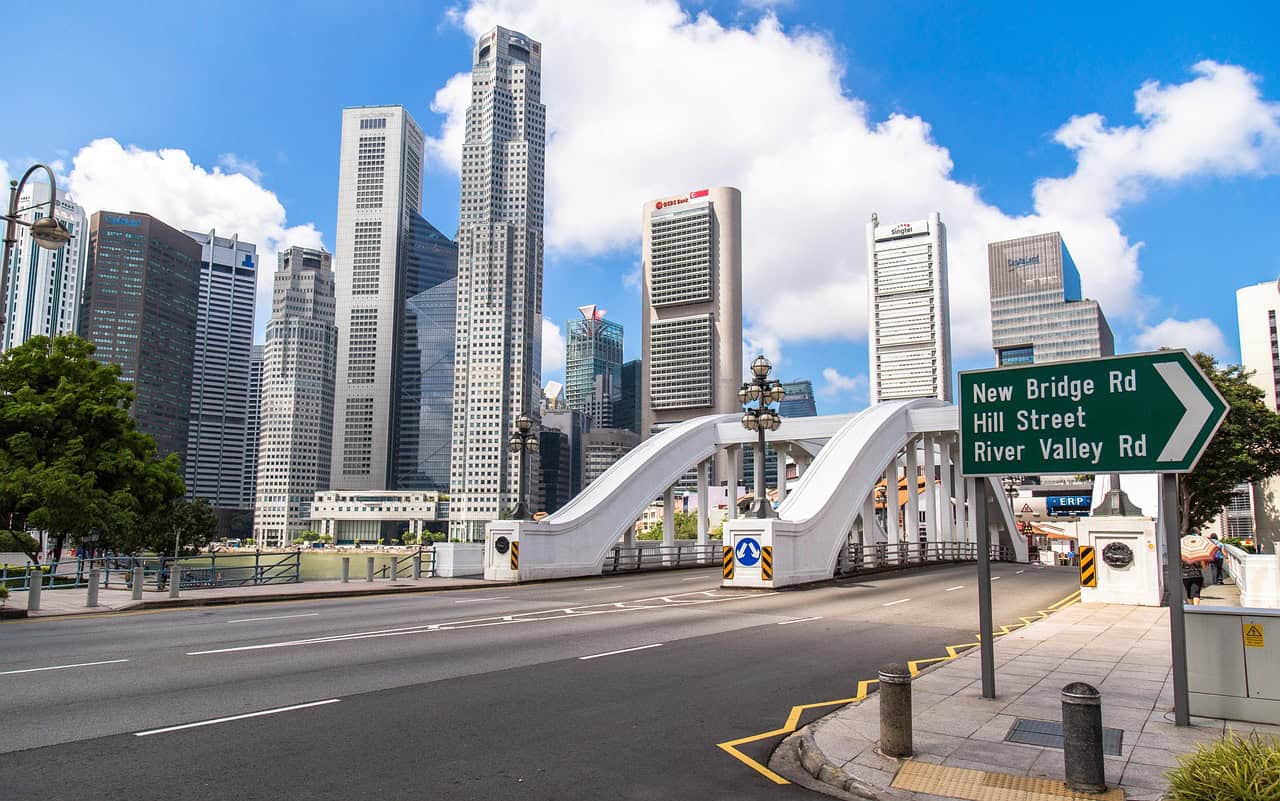
Singapore’s laws surprise travelers because enforcement is consistent and the tone is serious, even when the interaction stays polite. Some prescription pain medications and sedatives fall under controlled-drug regulations, and customs officers may ask for paperwork that explains diagnosis, dosage, and prescribing physician. What feels routine in the United States can trigger a longer conversation here, partly because the country prioritizes public order and tight drug control. That intensity shows up in the airport environment, where officers expect clear answers and clean documentation. Frequent travelers keep prescriptions in original packaging, carry a brief doctor letter, and avoid bringing extra “just in case” pills that inflate quantities and raise questions.
India
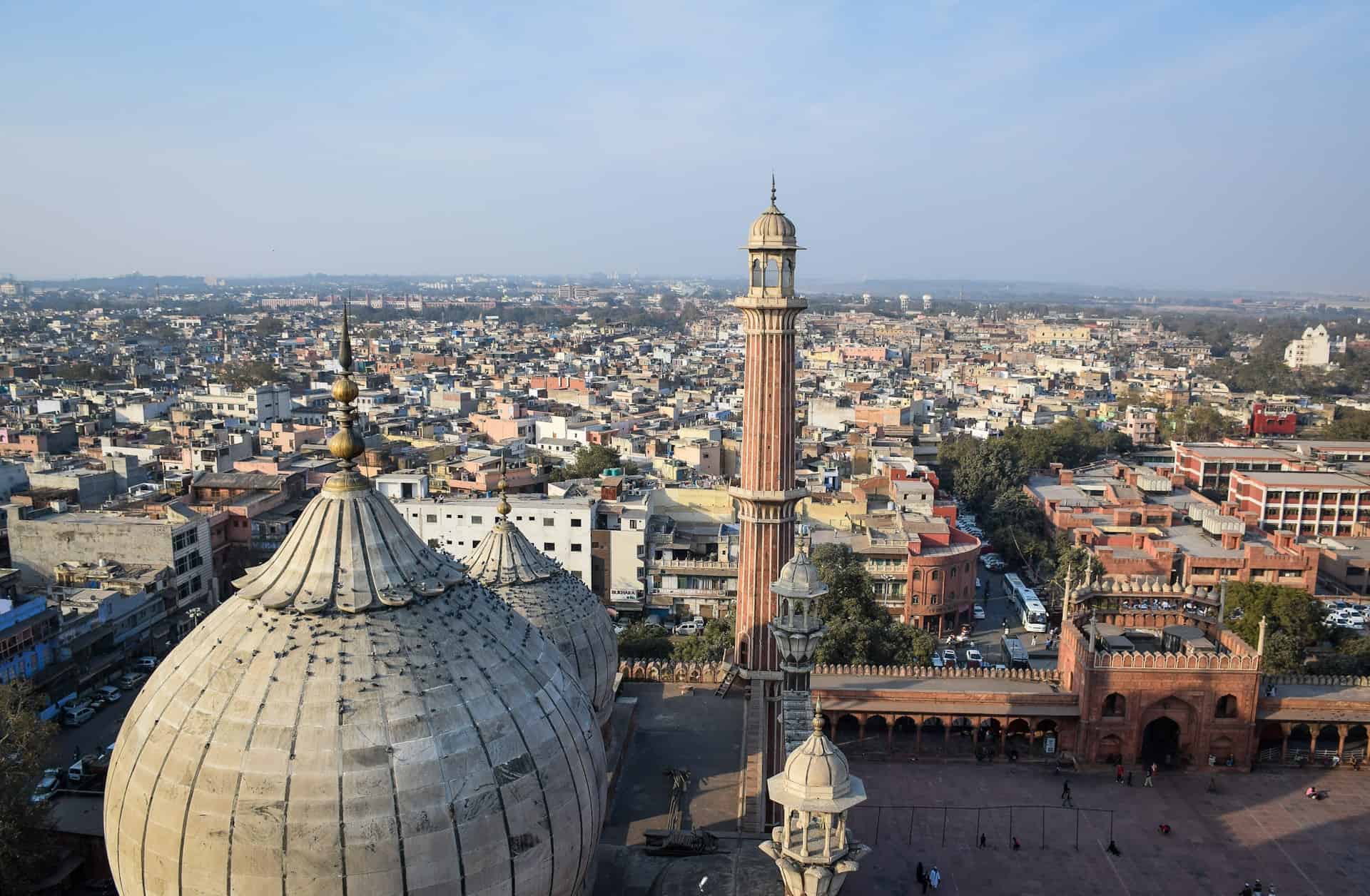
India often allows prescriptions for personal use, yet travelers can still get caught by presentation, not prohibition. The most common issue is carrying pills loose in organizers or plastic bags, or bringing brand-name medications that look unfamiliar compared to domestic equivalents. Customs officers may focus on authenticity and intent, and without labels, the traveler’s explanation has to do all the work. Crowded terminals and long lines can add pressure, making the exchange feel sharper than it needs to be. The calm path is simple: keep medicines in original, labeled packaging, carry a copy of the prescription, and pack quantities that match the trip length so personal use is obvious at a glance.
Qatar
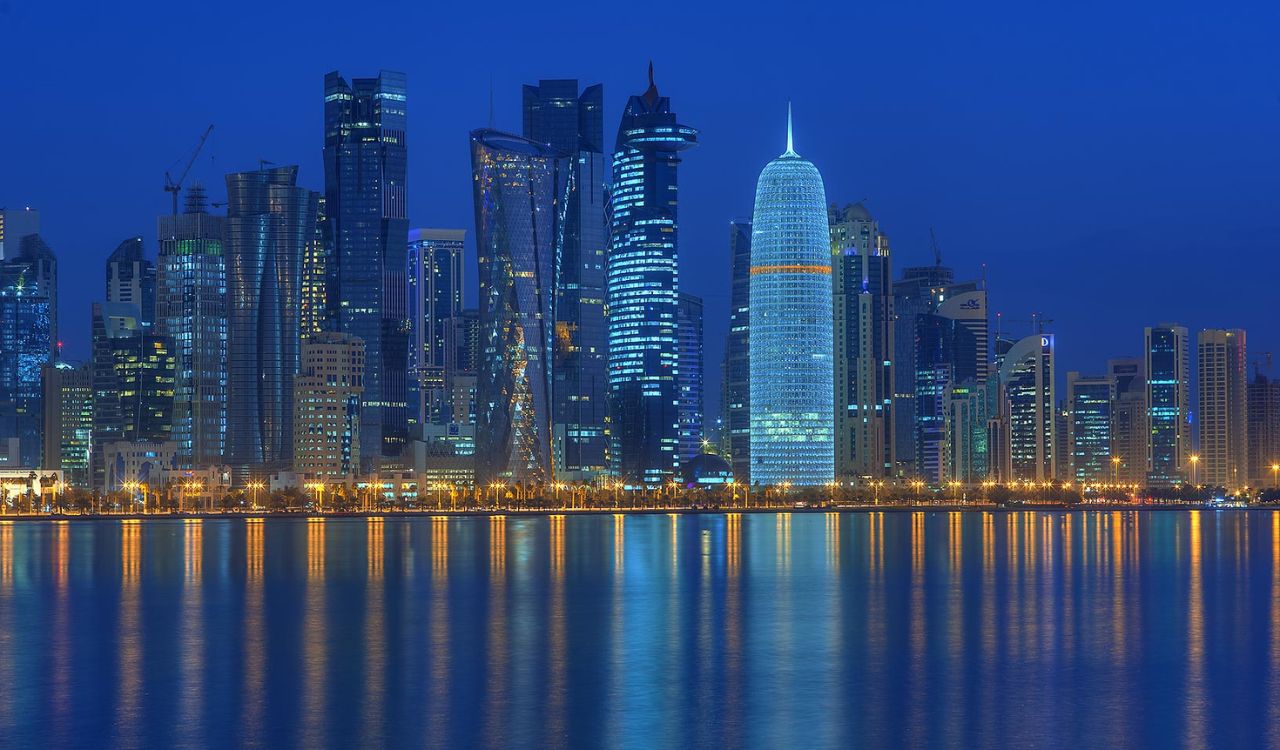
Qatar surprises travelers because a pharmacy printout may not feel sufficient when officials classify certain antidepressants, anti-anxiety drugs, and strong pain medicines as controlled items. Customs can ask for formal supporting documents, sometimes including a physician letter that states medical need, dosage, and duration, and they may want the traveler’s name to match the label exactly. The misunderstanding often comes from a U.S. habit: assuming a bottle with a label ends the conversation. In Doha, the conversation can begin there. Travelers who prepare a short, clear packet of documents, keep prescriptions in original containers, and bring only what the stay requires tend to avoid the awkward moment when an officer asks for proof beyond the sticker.
Indonesia
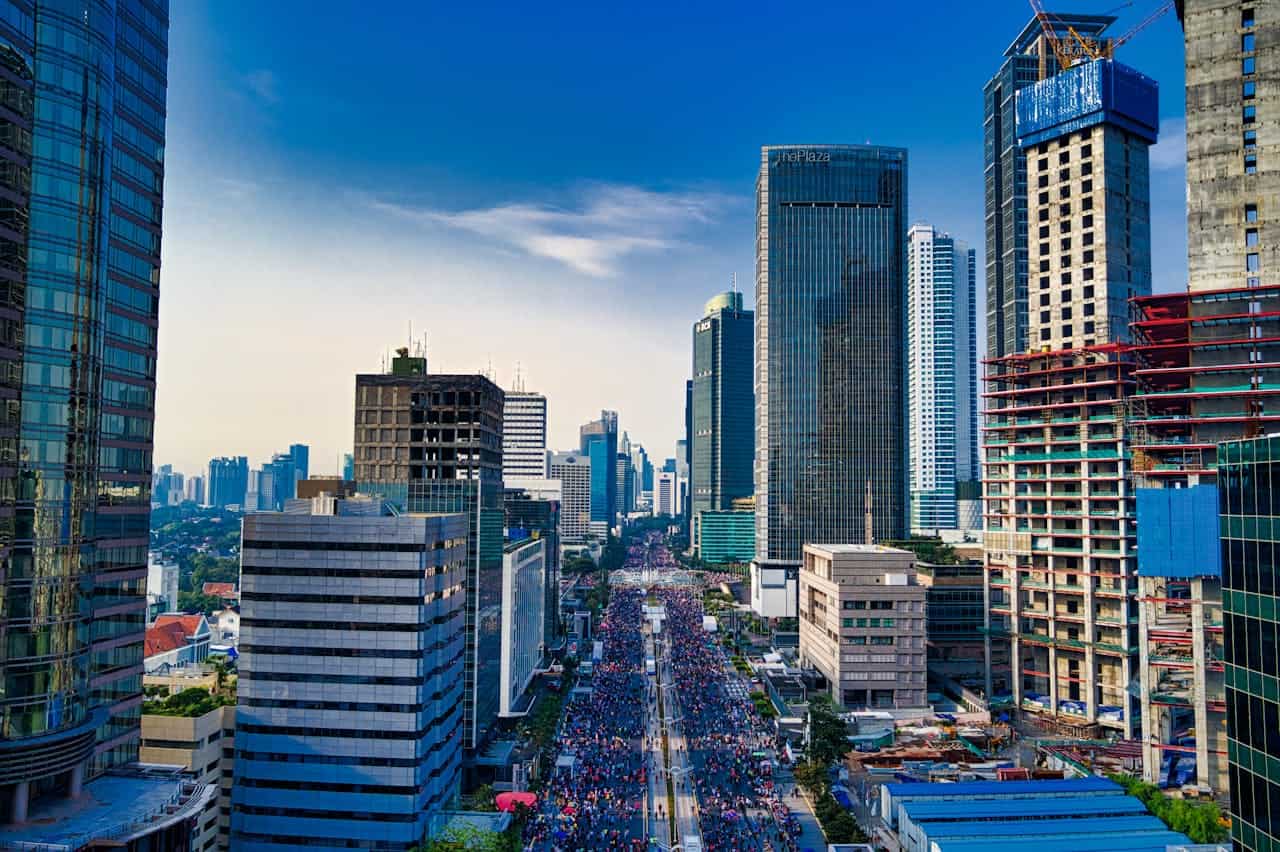
Indonesia can catch travelers because its narcotics and controlled-medicine rules can include strong pain therapies that Americans may carry without a second thought after surgery or chronic treatment. Enforcement can vary by airport and by officer, which creates mixed expectations and makes word-of-mouth advice unreliable. Some travelers pass through untouched, while others face a bag hold and a request for documentation that explains the prescription and quantity. The intent is to curb illegal distribution, but the net can feel wide. Travelers reduce risk by keeping everything in original packaging, carrying a doctor letter that lists the generic drug name, and avoiding high quantities that read like supply, not personal use for a short trip.
Saudi Arabia
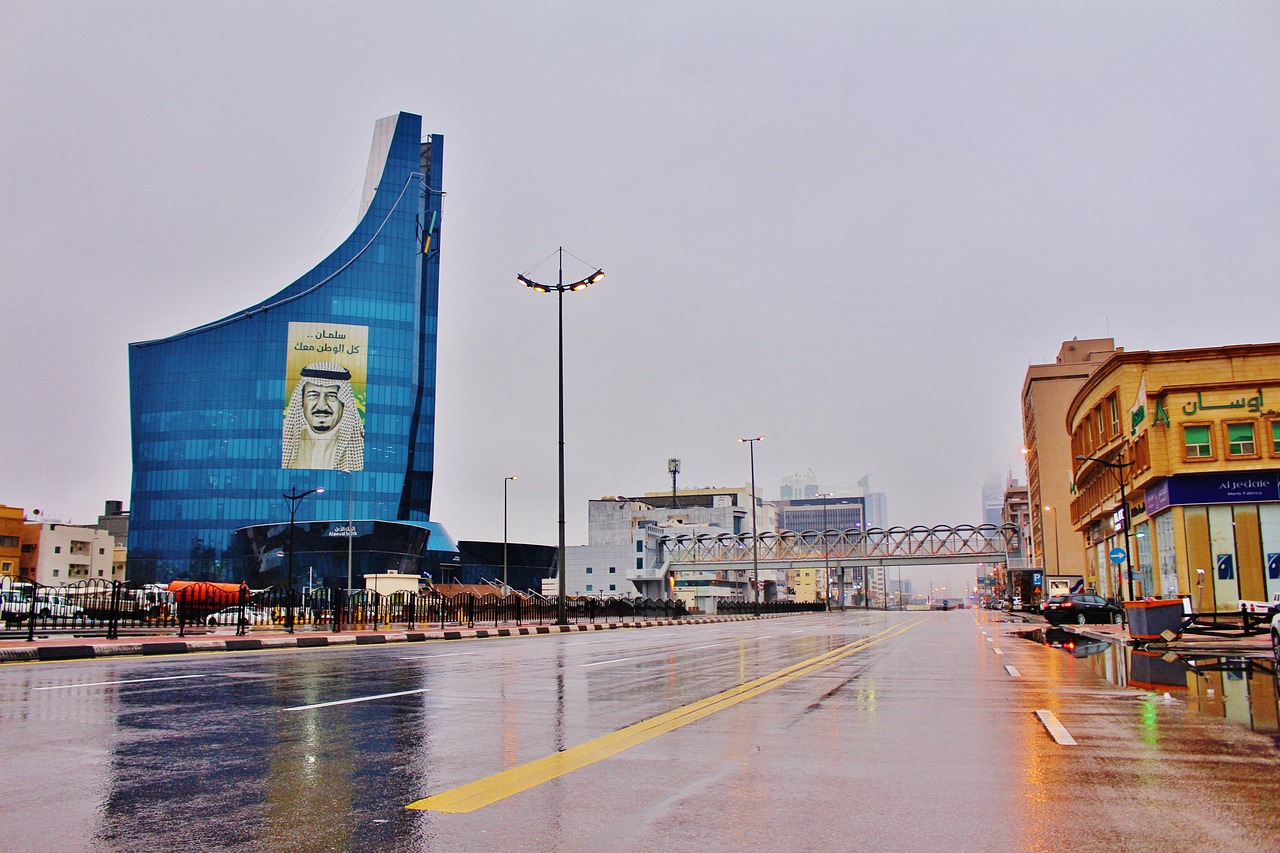
Saudi Arabia tends to feel strict at arrivals because officials expect formality in how medicines are carried and explained. Many prescriptions should be in original containers with clear labels, and the label should match passport information closely. Medications connected to psychological treatment can receive extra attention, and officers may look at quantity to judge whether it fits personal use rather than resale. The tone can be stern, especially for first-time visitors navigating unfamiliar procedures while tired. The best preparation is plain: carry a printed prescription, a concise doctor letter, and only the amount needed for the trip, with no loose pills. Clarity keeps the interaction short and respectful.
Mexico
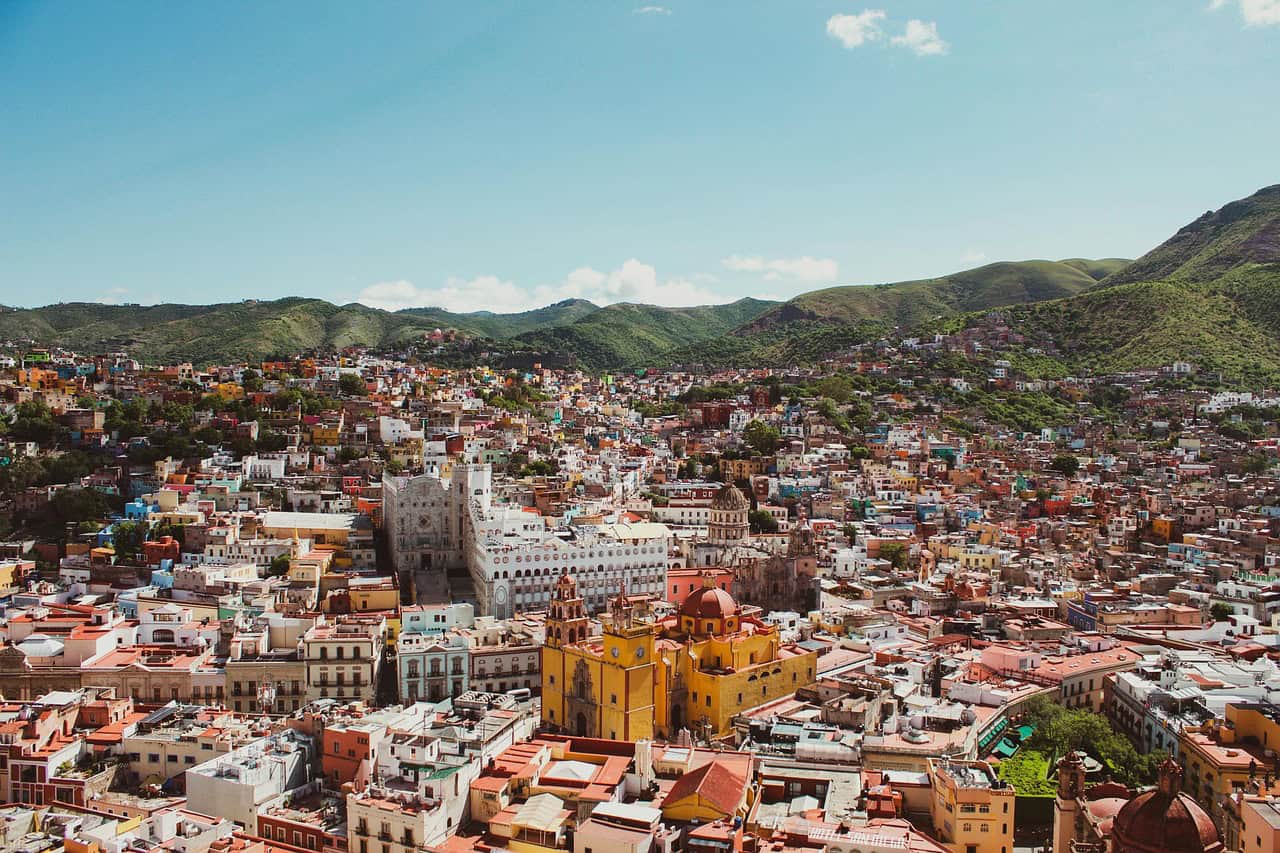
Mexico usually permits personal prescriptions, yet travelers can still run into confusion when narcotics or tranquilizers are involved, or when pills are removed from original containers. Enforcement can differ between busy land borders and international airports, which makes the rules feel inconsistent even when the law is the same. The practical risk is that a bottle of mixed pills in a weekly organizer looks like an unverified substance, and that triggers questions about authenticity. Mexico’s oversight is shaped by trafficking concerns, so officials care about labels, quantities, and clear medical legitimacy. Travelers who keep medicines in original packaging, carry copies of prescriptions, and avoid traveling with extra supply beyond the stay length tend to pass through smoothly.
Philippines
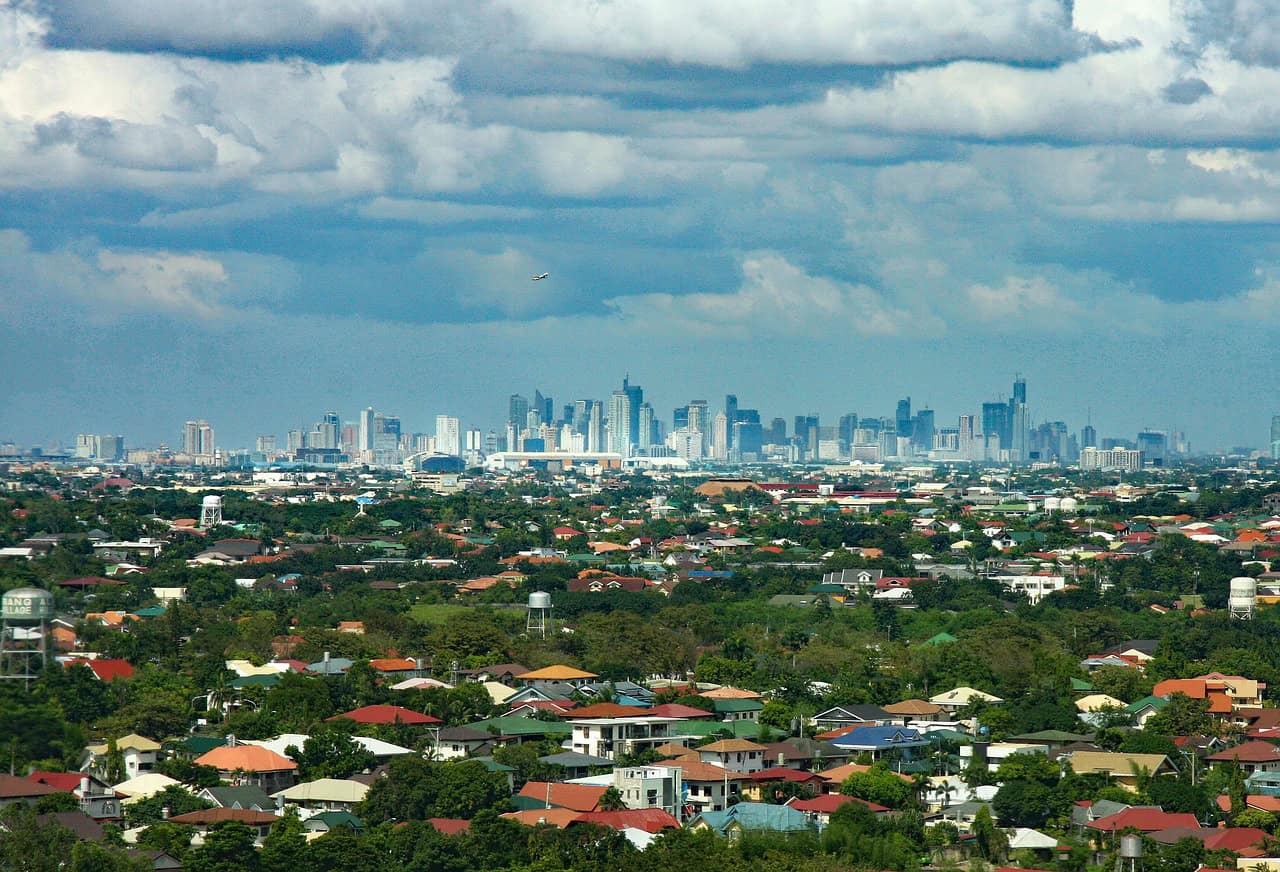
The Philippines often expects travelers to carry prescriptions and original labels when transporting regulated medications, and officers may ask direct questions about dosage and length of stay. The request is usually brief, but delays happen when packaging looks incomplete or a traveler cannot quickly show proof that the medicine is prescribed and for personal treatment. Manila’s arrivals hall can feel hectic, which raises stress when a bag is pulled aside. The simplest way to stay calm is to pack medications in original containers, keep a printed prescription or doctor letter in the same pouch, and match quantities to the trip so the purpose is obvious without debate. A little preparation prevents a long wait under fluorescent lights after a red-eye flight.