We may earn money or products from the companies mentioned in this post. This means if you click on the link and purchase the item, I will receive a small commission at no extra cost to you ... you're just helping re-supply our family's travel fund.
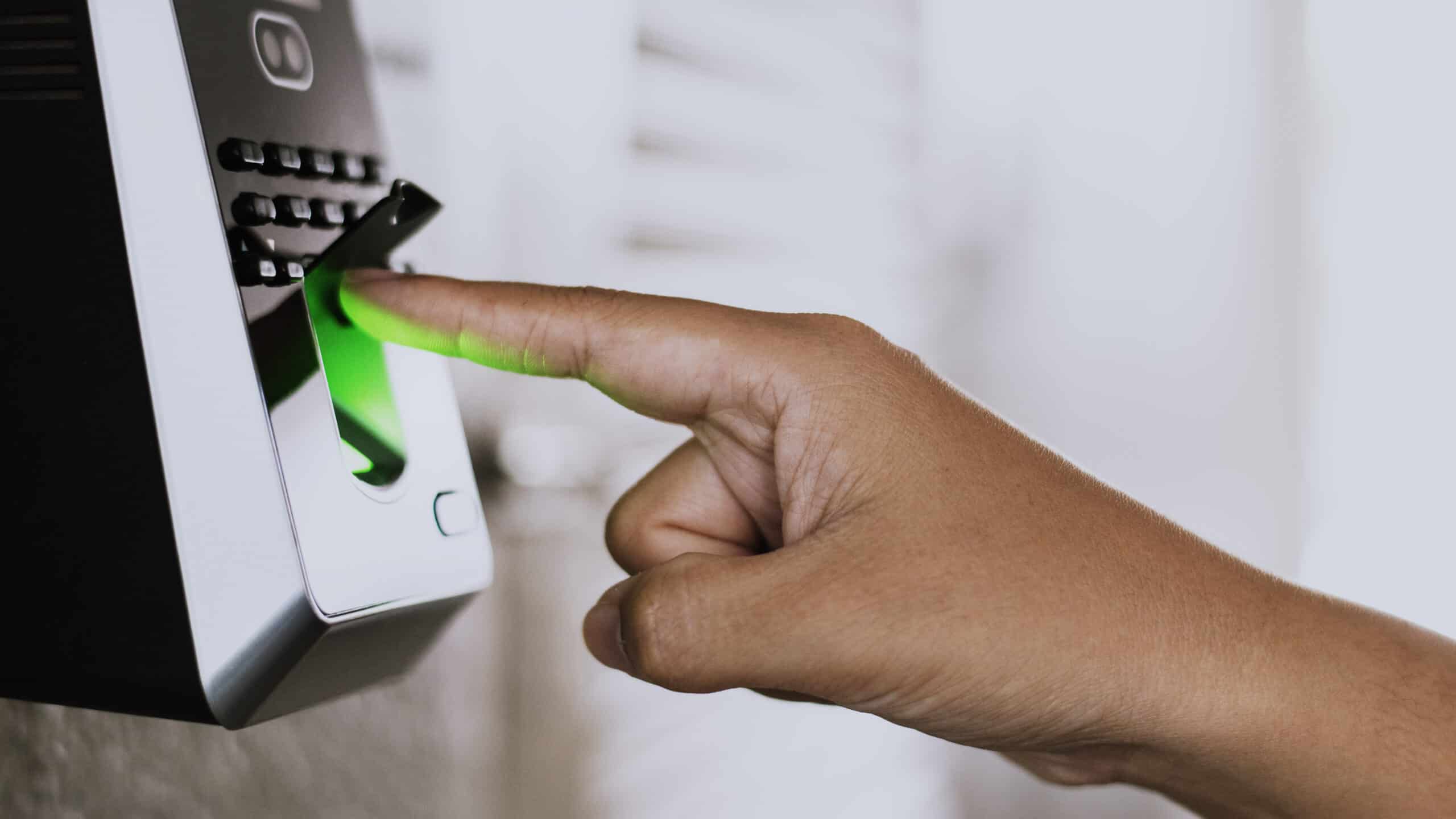
Biometric borders are no longer a sci-fi idea. In 2026, more destinations log arrivals with a quick scan that links a face and fingerprints to a passport, often at self-service kiosks before an officer’s desk. For many Americans, the surprise is not the technology, but the assumption that entry is casual and anonymous. A single touch can decide whether a trip starts smoothly or stalls under questions about identity, overstays, or paperwork. The trend keeps spreading, quietly rewriting what arrival means.
Japan

Japan has long treated biometrics as routine. At many airports, most foreign visitors, including Americans, are photographed and asked for fingerprints during immigration, with staff guiding travelers through the steps in a steady, practiced flow that keeps moving even during holiday surges. The system is efficient, but it makes a point: identity is verified in seconds, and small inconsistencies in plans, documents, or past entries can turn a normal queue into extra screening that eats into the first afternoon in Tokyo or Osaka on peak arrival banks when several long-haul flights land together.
South Korea
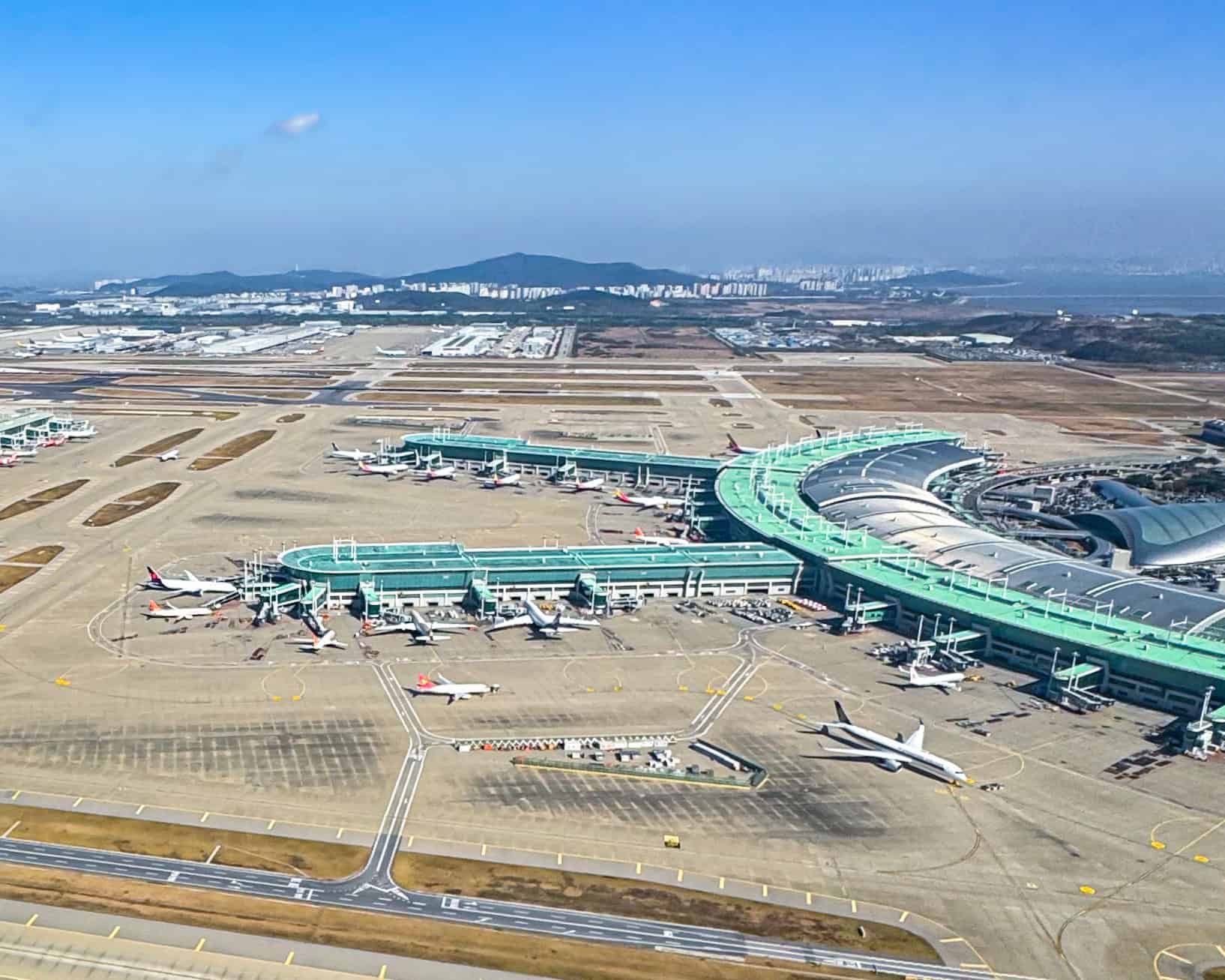
South Korea’s entry process often includes biometric checks for foreign travelers. At major airports, visitors typically provide fingerprints and a facial photo at arrival, and the procedure is handled as standard processing at a counter or automated station before the passport is cleared. It can feel quick when lines are short, but it also means privacy assumptions evaporate at the checkpoint. Those biometrics help confirm identity, flag overstays, and sort out look-alike or same-name matches that would otherwise take longer in busy seasons when counters switch between automated and staffed processing.
Singapore
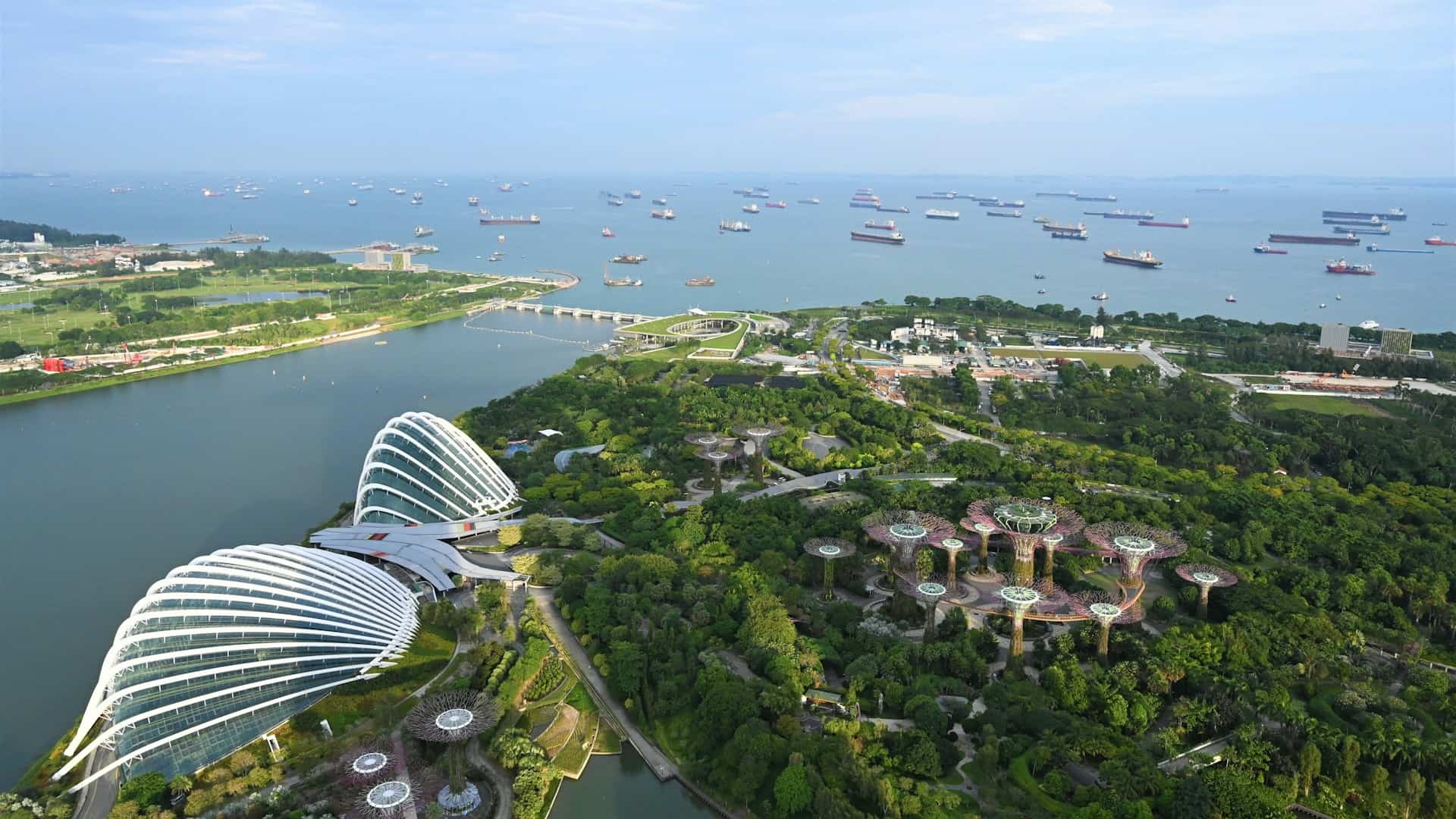
Singapore has leaned hard into biometric immigration, especially for first-time arrivals. Foreign visitors, including Americans, may be enrolled with fingerprints, iris data, and a facial image at the checkpoint, turning the first entry into a one-time registration that later feeds faster automated lanes and smoother transfers. The upside is speed and predictability in a hub that prizes order. The trade-off is clarity: entry is conditional on sharing biometrics, and declining can end the trip before baggage claim and makes the first landing feel more like enrollment than a simple stamp.
India
India’s e-Visa pathway often includes biometrics at arrival. After landing, Americans entering on an e-Visa can be asked to provide fingerprints and a photo at immigration before clearance is granted, a step that surprises travelers who assume online approval means the border will be hands-off. At busy hubs, that verification can feel like a second line inside the line, especially when several international flights land close together. The practical lesson is simple: digital permission still ends in physical identity confirmation, and a printed itinerary often helps keep the exchange brief and factual.
China
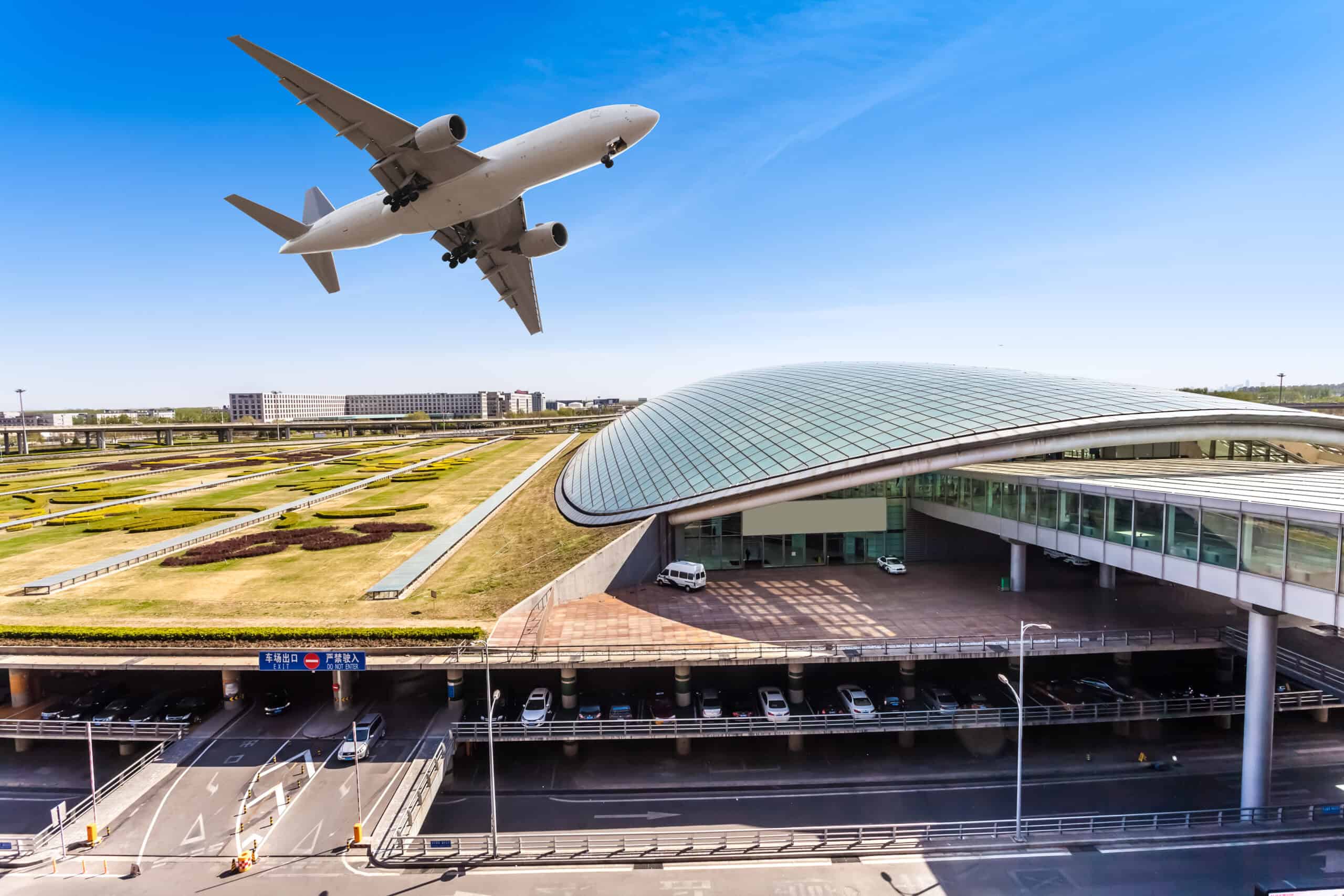
China has used fingerprint collection at ports of entry as part of border control for years. Many arriving foreign nationals, including Americans, may be asked to scan fingerprints during immigration, with age-based exemptions and an approach that resembles intake before the passport is processed. The atmosphere is procedural, but it reinforces how much entry decisions rely on databases rather than conversation. When documents are clean, the scan is brief; when they are not, the scan becomes the start of deeper questions, and it can feel stricter when regional rules are enforced without much explanation.
Germany

Germany’s external Schengen borders have shifted under the EU’s Entry/Exit System, which uses biometrics for short-stay non-EU travelers. Americans entering through German airports can be directed to kiosks or staffed counters where fingerprints and a facial image are captured on first registration, replacing the old passport stamp routine with a digital record of entry and exit. The promise is tighter tracking, but the lived experience is timing: arrivals can take longer, especially during the phased rollout, while airports tune staffing and kiosks to handle the new steps efficiently.
France
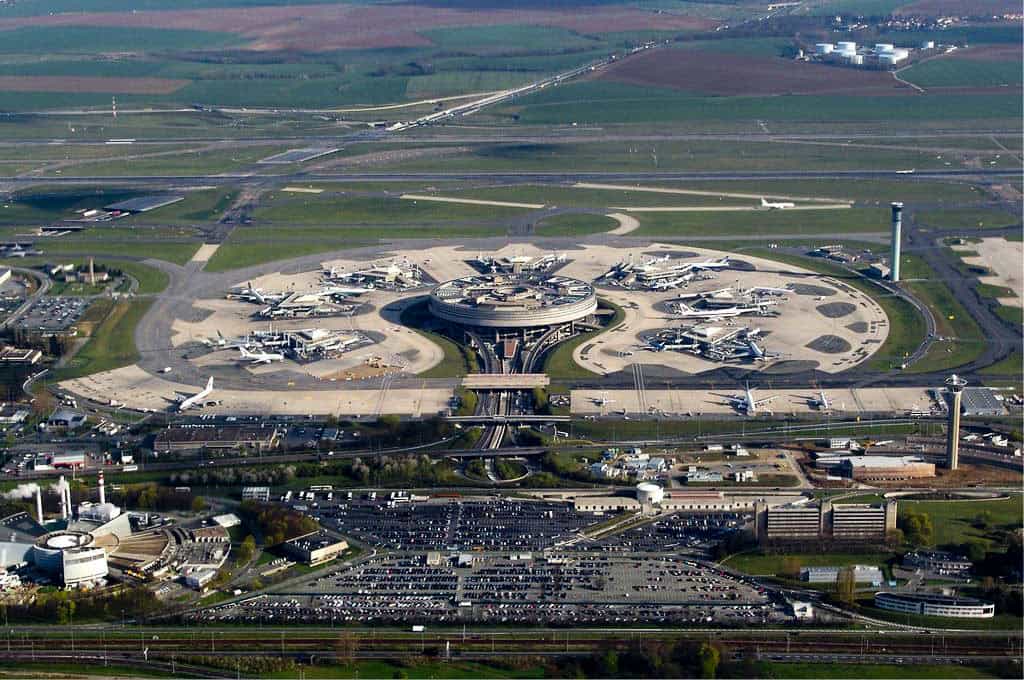
France is rolling out the EU Entry/Exit System at its external borders, including major air and rail gateways. For Americans arriving on a short stay, first entry can involve fingerprint capture and a facial photo before the journey continues beyond the airport or train terminal, while later trips may shift to quick verification. The friction usually shows up in timing, not attitude, because the technology adds steps even when everything is in order. In a country built on tight connections, a few extra minutes at the border can matter, especially when trains and tours are scheduled with little buffer.
Netherlands
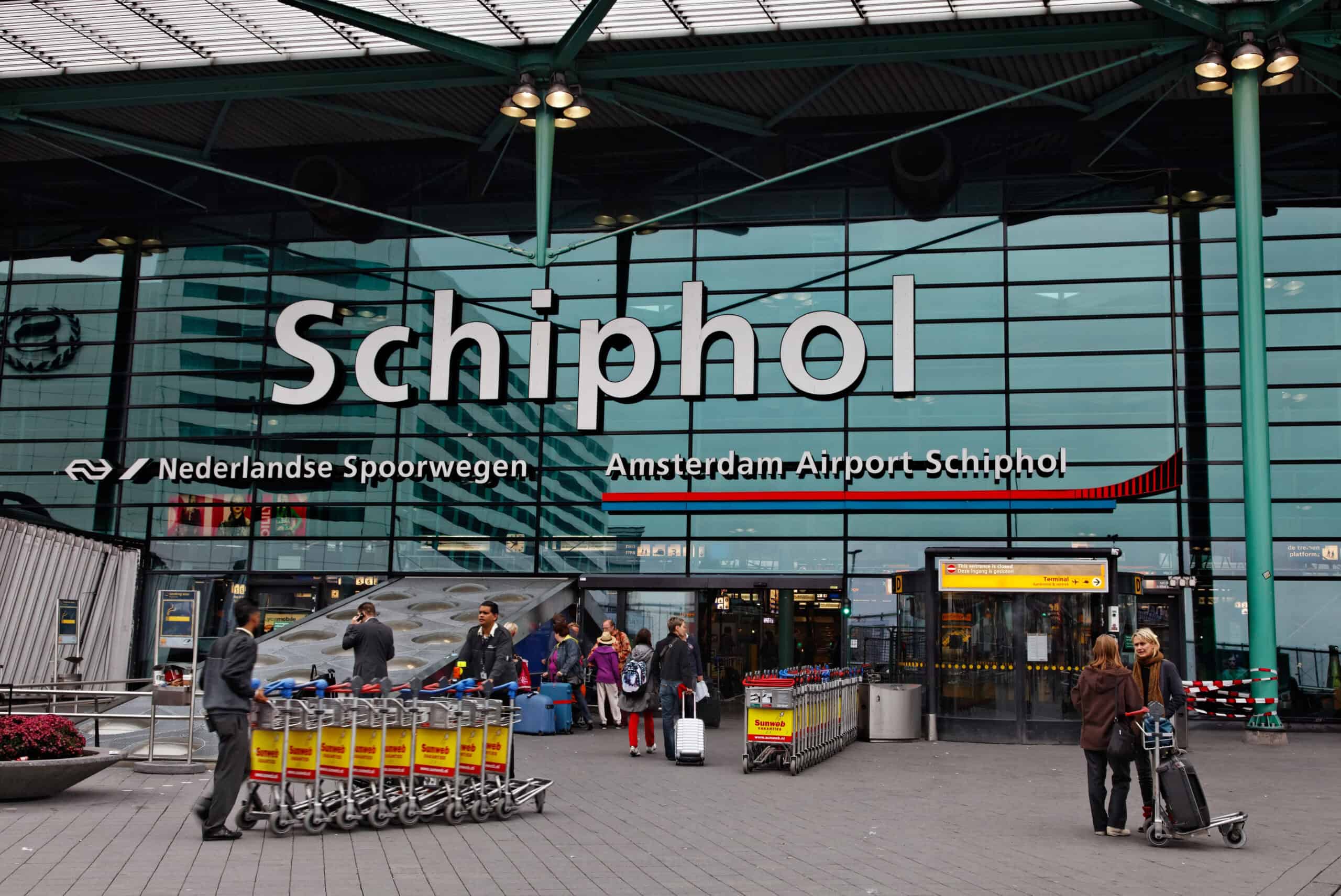
The Netherlands treats biometric entry as part of the EU Entry/Exit System, especially at high-volume gateways like Schiphol. Americans arriving for short stays may have fingerprints and a facial image recorded the first time, while later crossings may only require verification, a design meant to shorten repeat checks for frequent travelers. The mood is businesslike, but the system is strict about matching data to the passport record. A typo in a booking, a swapped surname, or an unclear travel story can suddenly matter more than expected, even when the trip itself is simple and short.
Italy

Italy’s border crossings are adapting to the EU Entry/Exit System, which registers non-EU visitors with biometric data. Americans arriving for a short stay may be asked for fingerprints and a facial image at first entry, a step that can feel jarring after a long flight into Rome, Milan, or Venice when everyone wants to be on the street quickly. The process is usually straightforward, yet it changes the tone of arrival from welcome to verification. Even relaxed itineraries begin with a reminder that movement is being measured, before gelato, museums, or family reunions come back into focus.