We may earn money or products from the companies mentioned in this post. This means if you click on the link and purchase the item, I will receive a small commission at no extra cost to you ... you're just helping re-supply our family's travel fund.
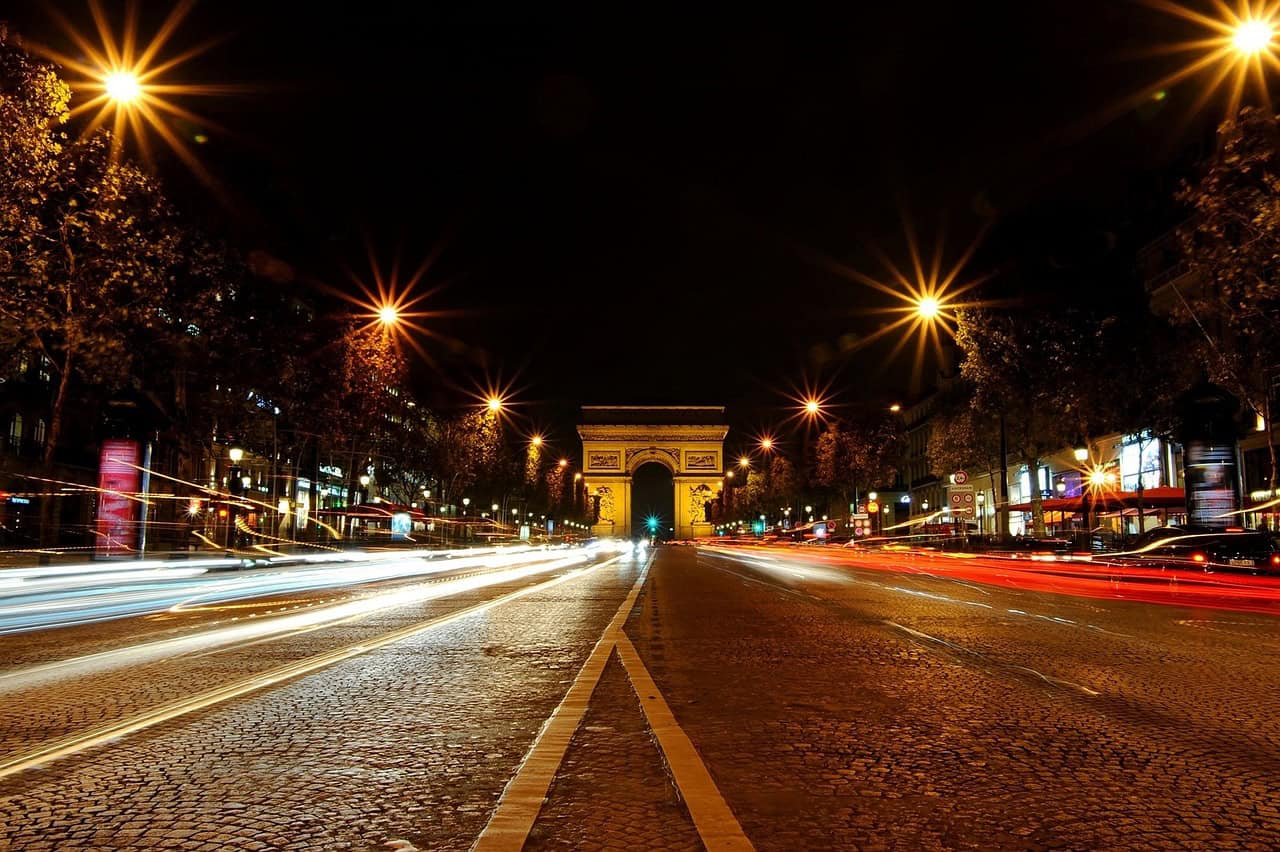
Street photography thrives on observing daily life, but in many global cities the legal landscape has grown increasingly restrictive. Privacy-centered laws, personality rights, and security regulations have narrowed what photographers can safely shoot and share. In some places, taking a photo is legal but publishing it is risky; elsewhere, even capturing an image can raise legal issues. Growing social media exposure since the late 2010s has accelerated enforcement and complaints. Below are nine cities where street photography has become legally complicated, explained with clear context, realistic risks, and numerical data photographers should know.
1. Paris, France
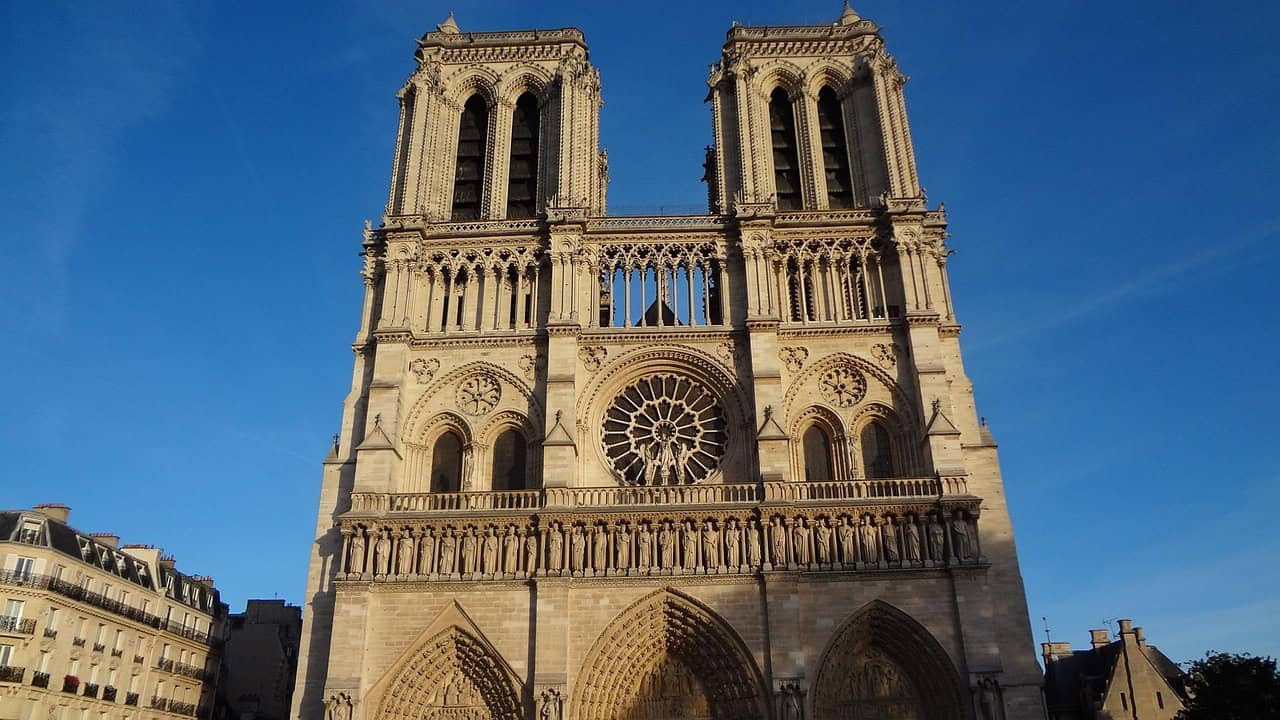
Paris may look photographer-friendly, but French privacy law makes street photography legally delicate. France enforces a strong “right to one’s image,” allowing identifiable individuals to challenge publication without consent unless public interest applies. While shooting in public is lawful, sharing images can trigger civil claims. Courts have awarded damages between $1,100 and $16,500. Since GDPR enforcement in 2018, complaints have risen roughly 30%. About 60% of disputes involve social media posts. Police scrutiny also increases near government buildings, making discretion essential for photographers.
2. Berlin, Germany
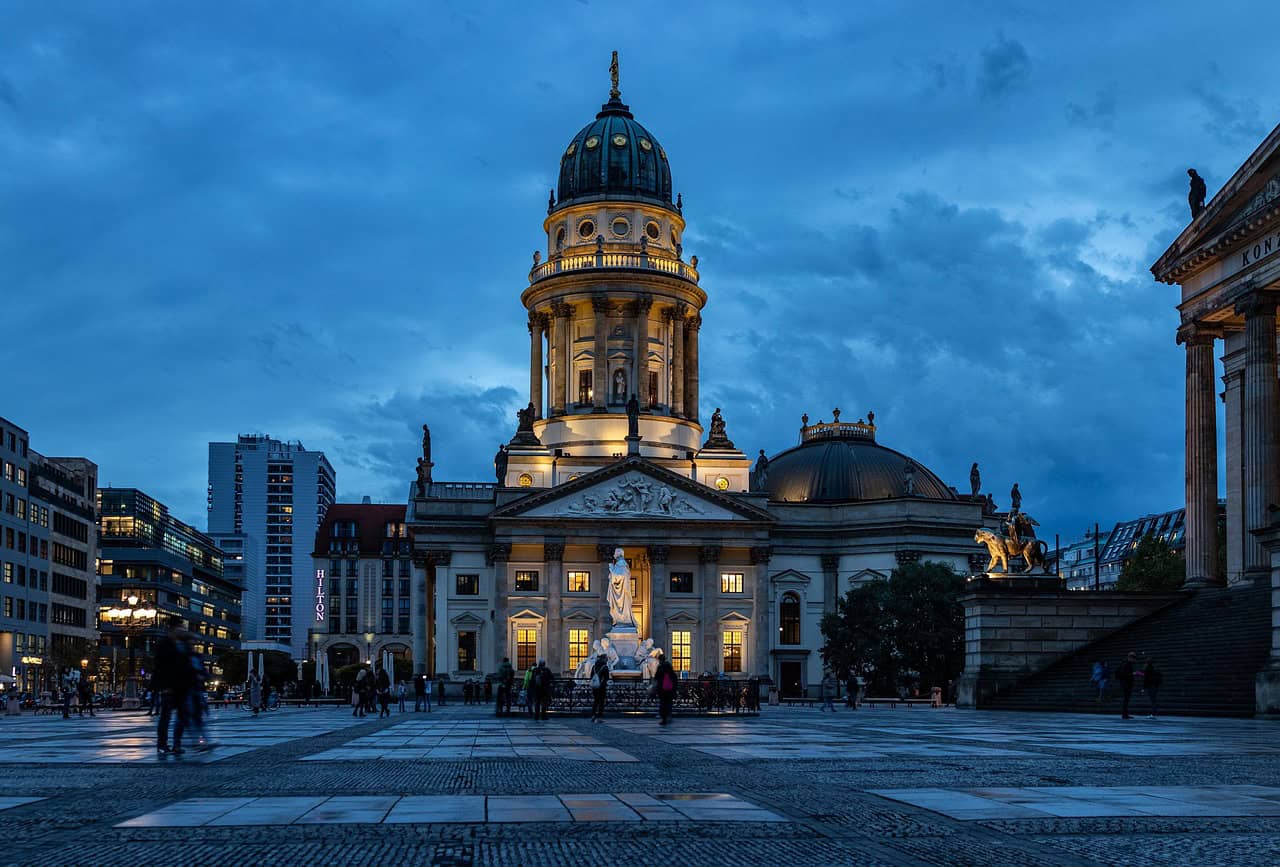
Berlin’s challenges stem from Germany’s strict personality rights laws under the Kunsturhebergesetz. Publishing identifiable people without consent is usually prohibited unless part of a crowd or public event. Civil penalties can reach $55,000, and courts often order image removal. Though these laws are over 100 years old, enforcement intensified after 2015 with social media growth. Around 70% of complaints involve online sharing. Photographing children carries higher restrictions. While taking photos is legal, publication remains the primary legal risk.
3. Budapest, Hungary
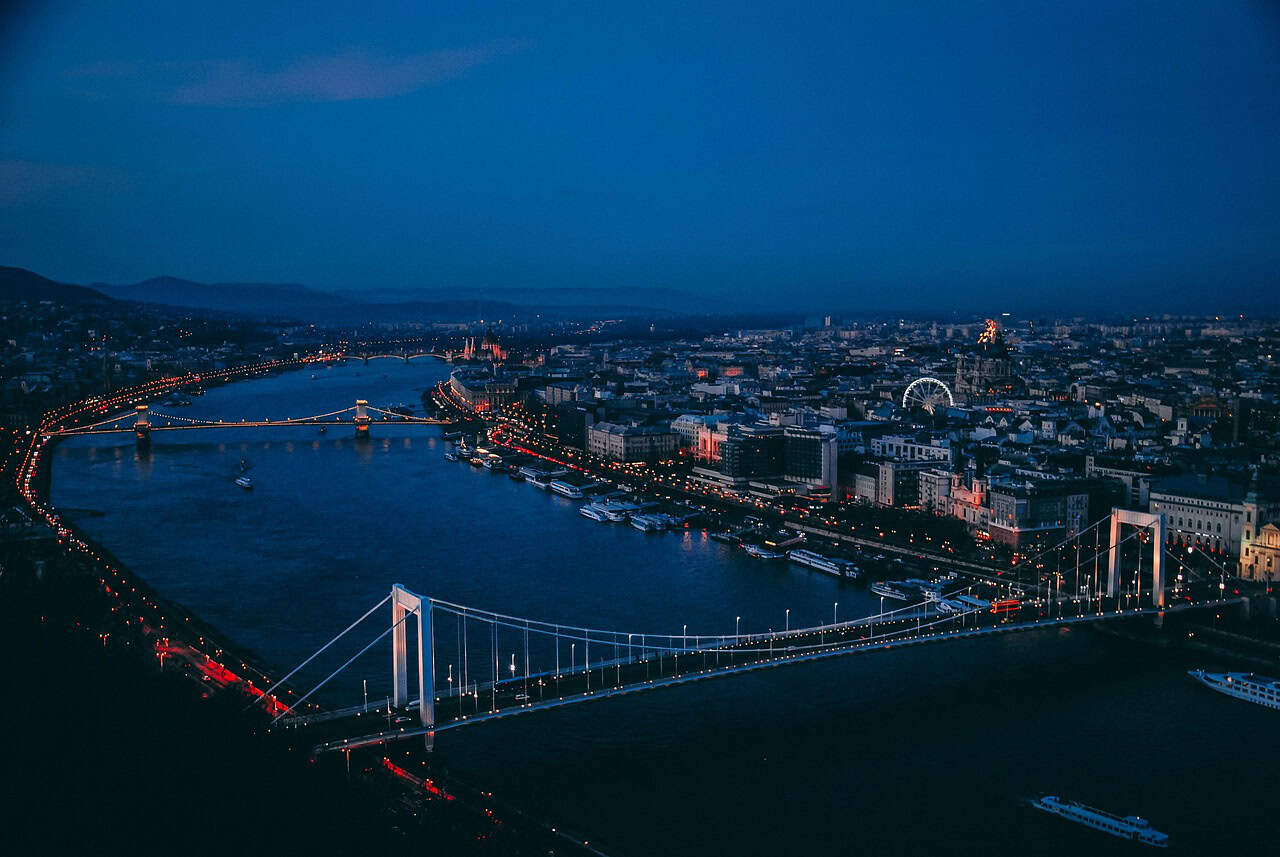
Budapest is especially complex because Hungarian law may require consent even to take a photo if a person is clearly recognizable. Legal reforms in 2014 strengthened image rights, creating uncertainty. Courts have upheld claims involving everyday street scenes. Financial penalties typically range from $330 to $3,300, while forced image deletion is common. Nearly 45% of disputes involve tourists photographing locals. Exceptions exist for crowds and public officials, but unclear definitions make candid photography legally risky.
4. Tokyo & Kyoto, Japan
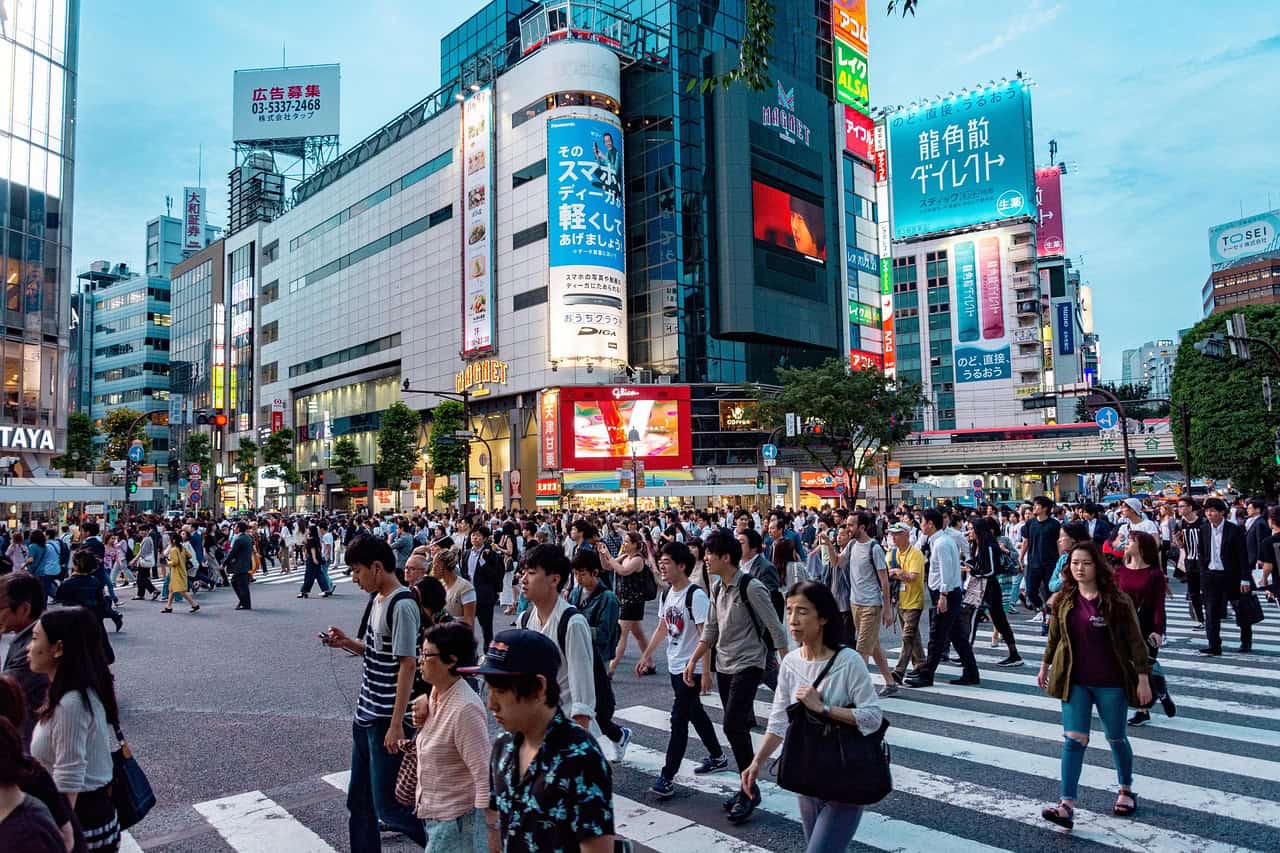
Japan permits photography in public, but privacy norms and local rules complicate street work. Publishing images that harm personal dignity can result in civil liability, with settlements often between $670 and $3,300. Kyoto imposed strict bans from 2019 to 2023 in historic districts, issuing fines up to $70 for photographing residents or geisha without consent. Around 80% of reported conflicts occur in tourist zones. Enforcement often reflects cultural expectations, making etiquette as important as legal compliance.
5. Seoul, South Korea
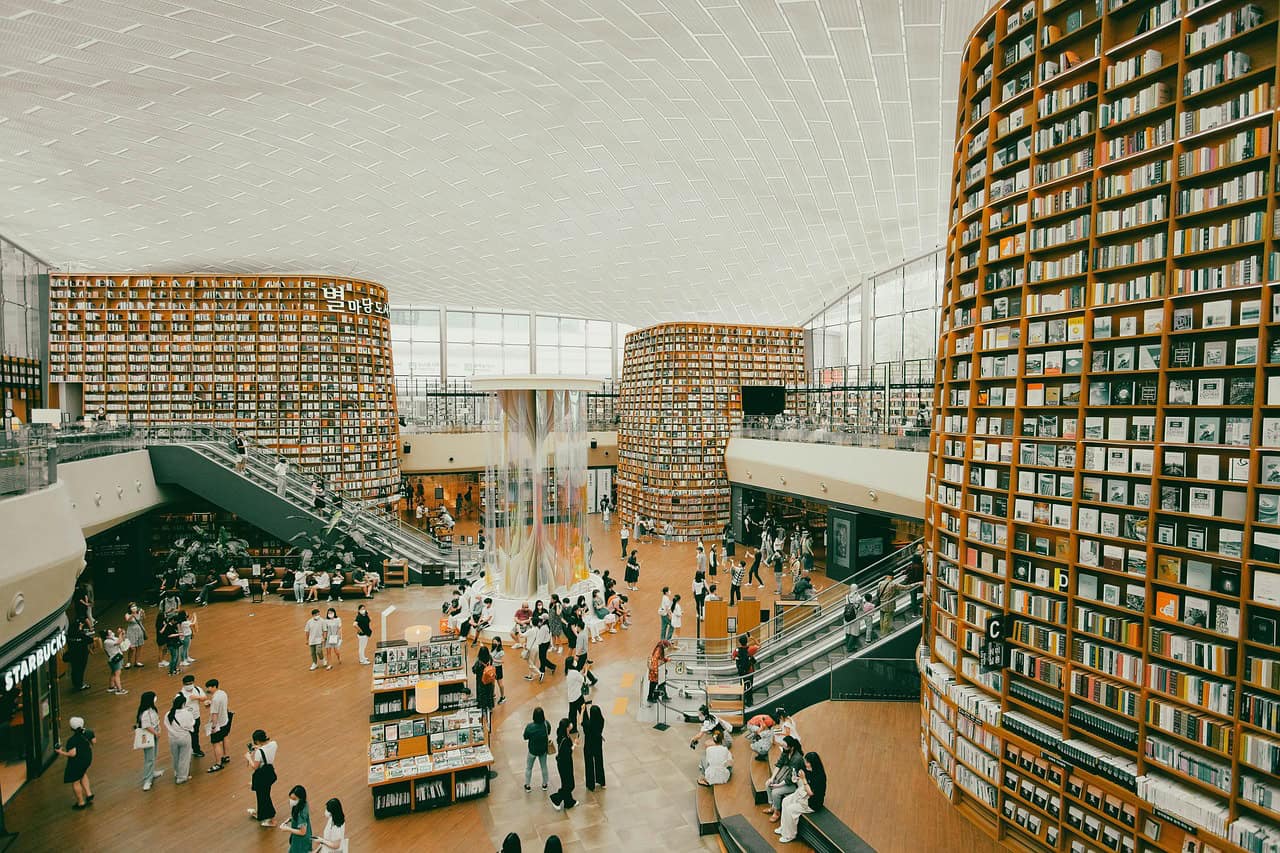
Seoul presents high legal risk due to strong personality rights and strict defamation laws. Publishing identifiable images without consent can result in civil or criminal charges if reputational harm is alleged. Fines may exceed $7,500, and severe cases can carry prison terms up to 7 years. Since 2020, complaints linked to street imagery have risen about 25%, largely driven by social media. Roughly 65% of cases involve reposting rather than original capture.
6. Dubai, UAE
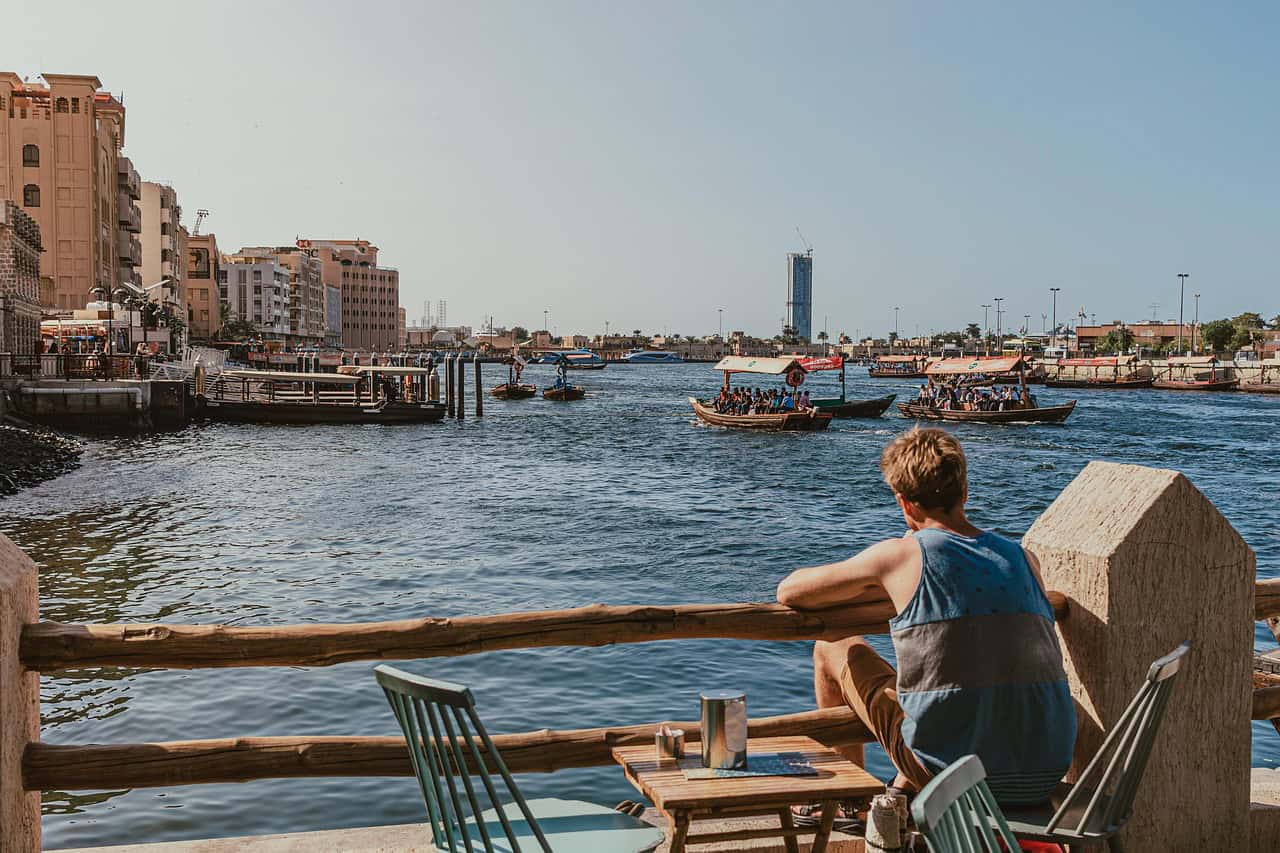
Dubai enforces some of the world’s strictest photography laws. Federal regulations prohibit photographing people without consent if privacy or dignity is affected. Penalties can reach $136,000, and authorities may confiscate equipment. Cybercrime law updates in 2018 expanded enforcement to images shared online or via messaging apps. About 70% of reported cases involve tourists unaware of restrictions. Photography near government buildings and infrastructure is tightly controlled, creating serious legal risks.
7. Mumbai, India
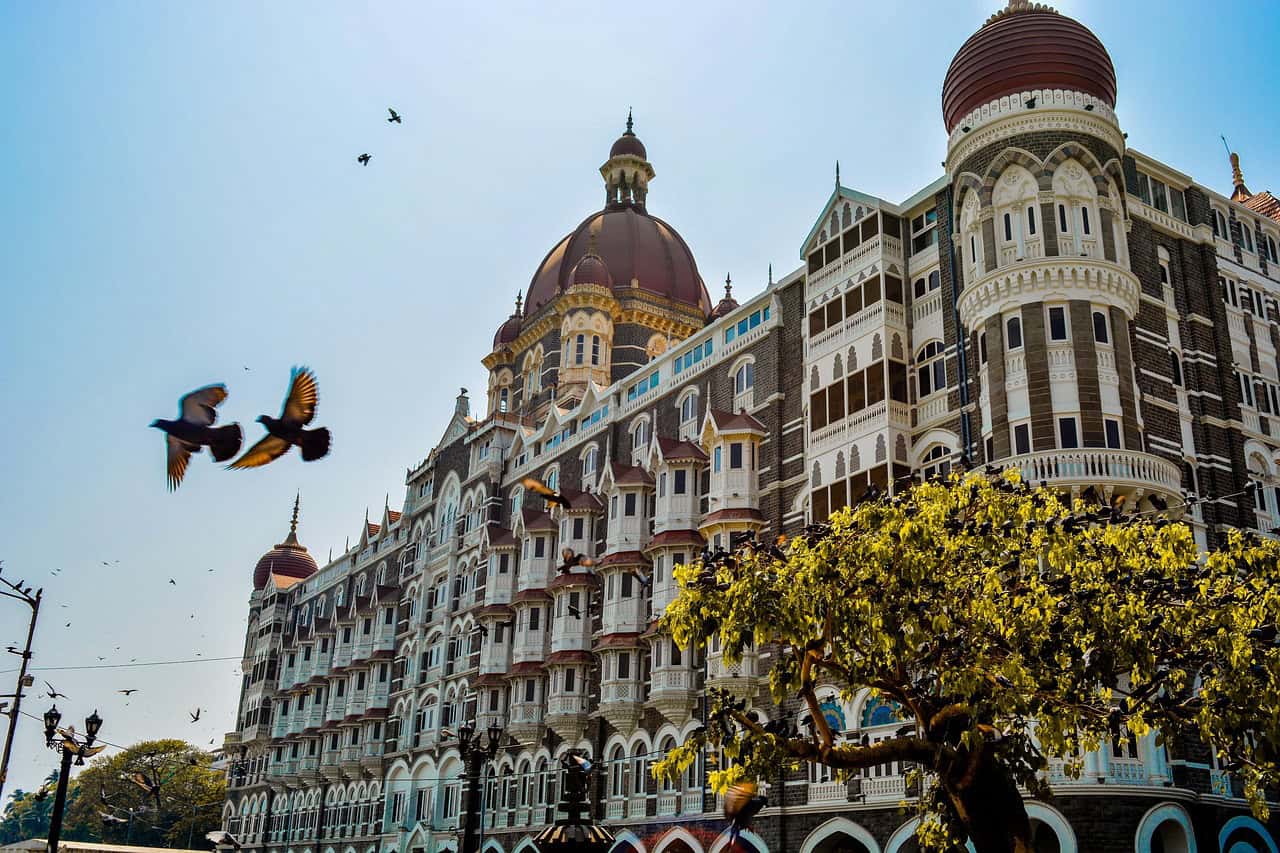
Mumbai generally permits public photography, but enforcement varies sharply by location. Security laws restrict shooting near railways, ports, and government facilities, with fines around $60 or questioning under public safety statutes. Since 2016, enforcement has increased due to security concerns. Nearly 40% of conflicts involve private guards imposing unofficial bans. Publishing identifiable images may also invite civil claims after privacy rulings strengthened in 2017, making location awareness essential.
8. Rio de Janeiro, Brazil
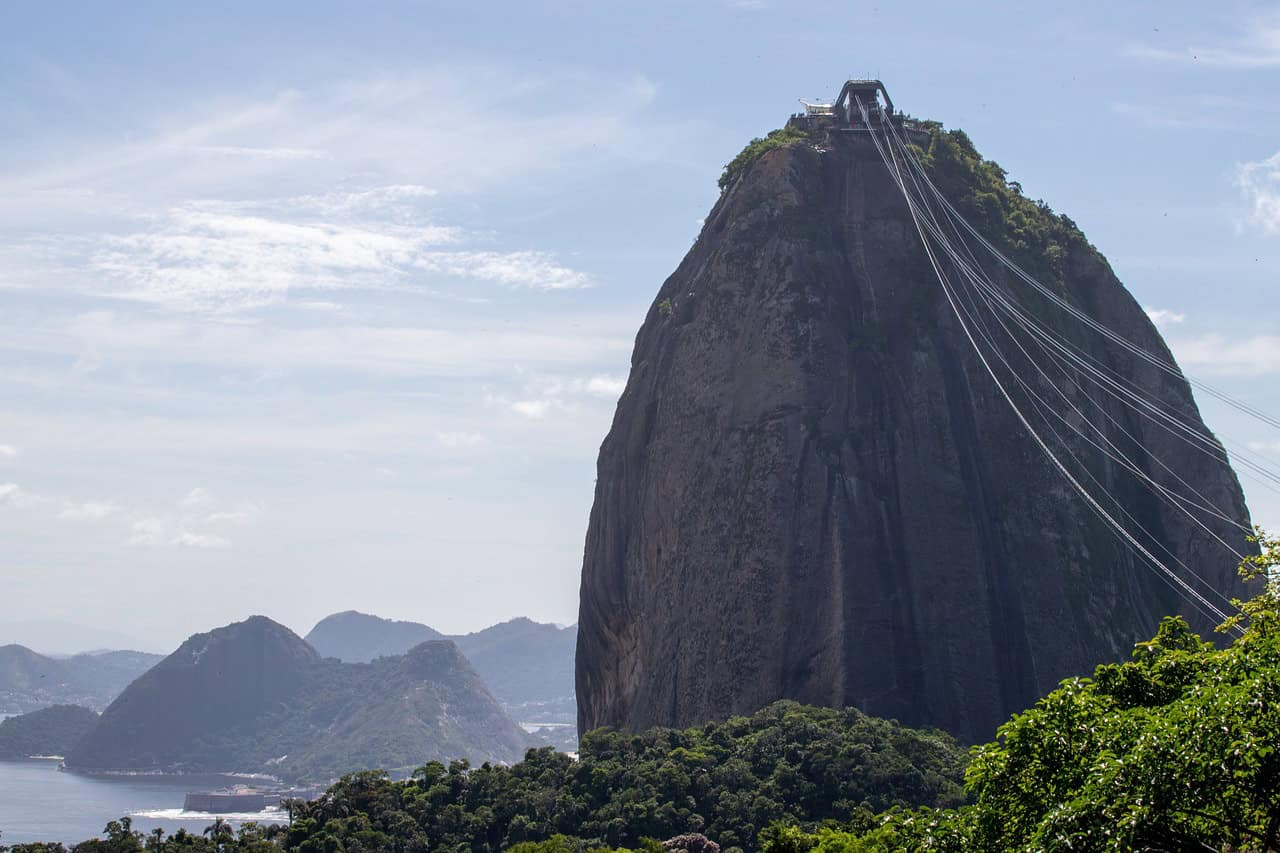
Brazil’s constitution strongly protects image rights, making street photography legally sensitive. Consent is often required to publish identifiable individuals, even in public spaces. Civil damages commonly range from $400 to $4,000, and courts frequently order image removal. Since 2018, complaints tied to online exposure have increased by about 35%. Around 55% of disputes involve social media sharing. While taking photos is rarely penalized, publishing without consent carries real financial risk.
9. Montreal, Quebec, Canada
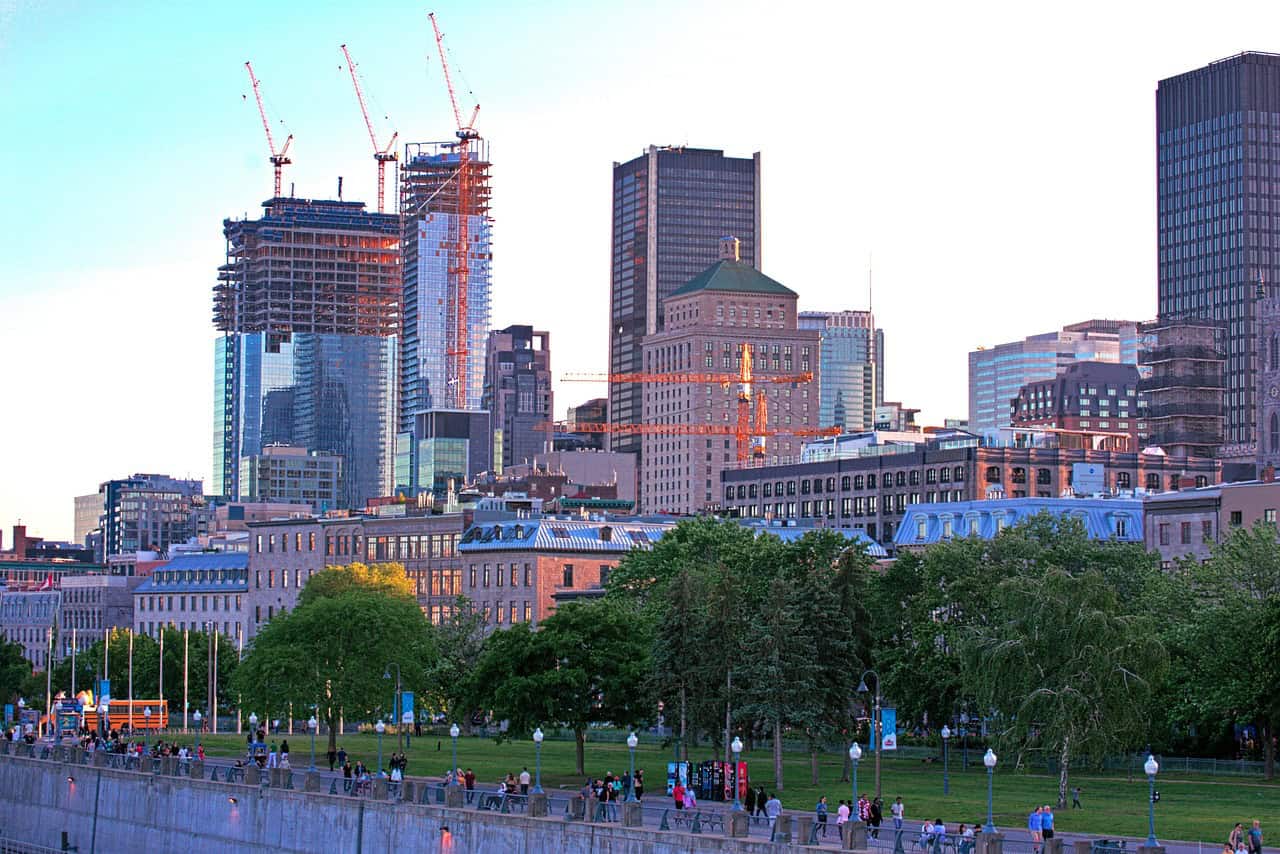
Montreal follows Quebec’s droit à l’image, stricter than laws elsewhere in Canada. Individuals may challenge the use of their image even when photographed in public. Courts often award damages between $730 and $7,300. Since 2019, photography-related privacy complaints have risen roughly 20%. About 50% of disputes involve artistic or documentary images shared online. Editorial exceptions exist, but personal or commercial use frequently requires consent.