We may earn money or products from the companies mentioned in this post. This means if you click on the link and purchase the item, I will receive a small commission at no extra cost to you ... you're just helping re-supply our family's travel fund.
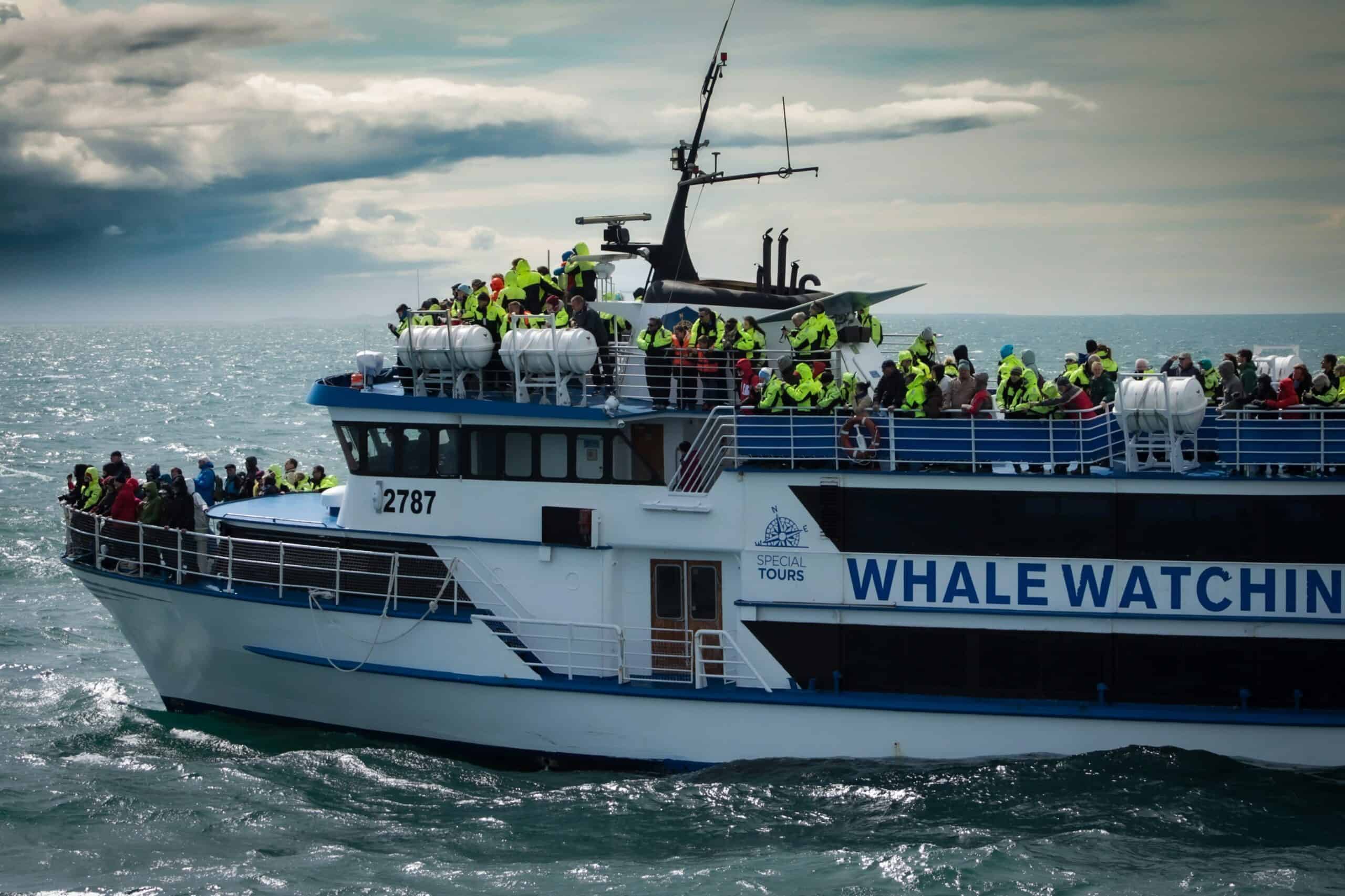
Overtourism now shows up in ordinary routines, not just headlines. Rent climbs faster than wages, neighborhood shops turn into short-stay services, and public transport feels stretched long before noon. In many iconic cities, leaders are responding with caps, fees, rental controls, and tighter behavior rules to protect local life. The shift is important: tourism is still welcome, but unlimited volume is not. These nine cities reveal what happens when popularity outpaces capacity, and why the future of travel depends on balance, timing, and respect for people who live there year-round.
Venice, Italy
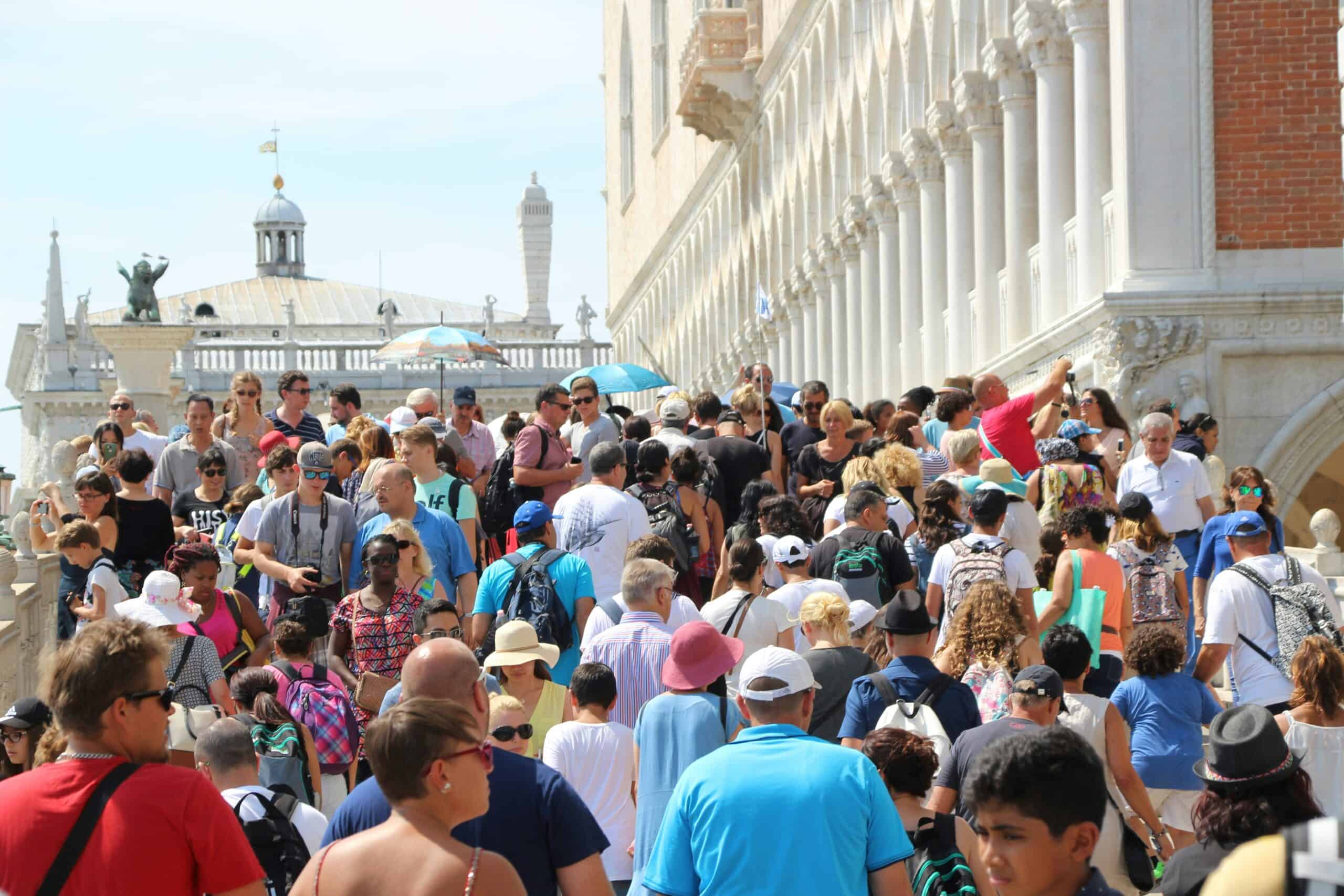
Venice faces crowd pressure unlike almost anywhere else because day trippers and overnight visitors converge on a fragile historic core built for premodern movement. In response, authorities introduced an access-fee model on high-pressure dates to discourage unmanaged surges and spread demand more evenly. The issue is not only numbers. It is concentration in narrow lanes, limited transit corridors, and a resident population that has steadily declined. Venice remains extraordinary, but its policies now reflect a hard truth: beauty without limits can erode the very city people come to admire.
Barcelona, Spain
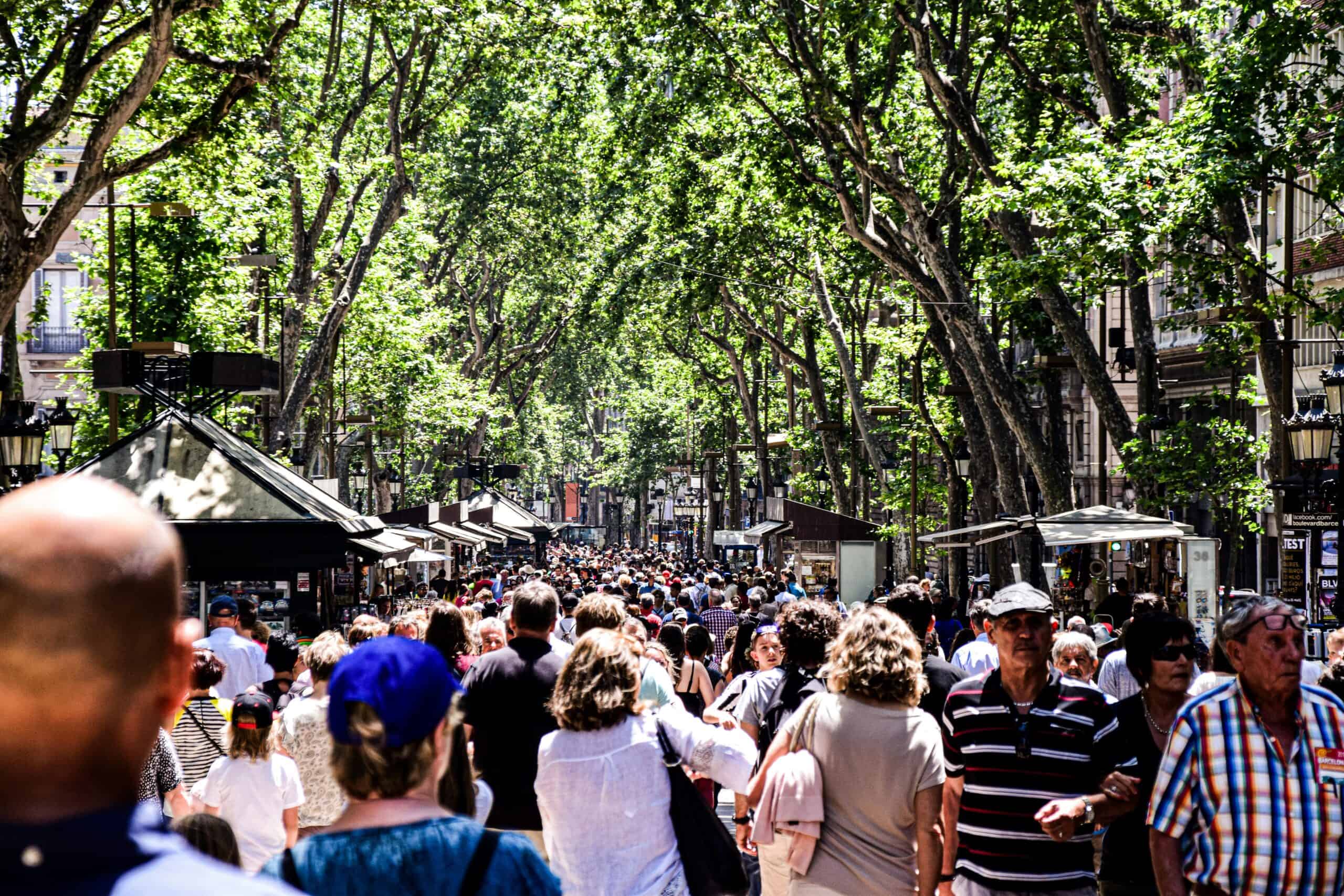
Barcelona has become a defining case of overtourism backlash as housing pressure and visitor density reshaped local politics. The city moved toward ending tourist-apartment licenses over time, signaling a major shift from growth-first tourism to resident-first planning. The concern is less about visitors in principle and more about short-term rentals replacing long-term homes in central neighborhoods. Streets remain vibrant, but friction grows when everyday life becomes secondary to turnover. Barcelona’s current direction is clear: preserve urban livability first, then build tourism around that baseline.
Amsterdam, Netherlands
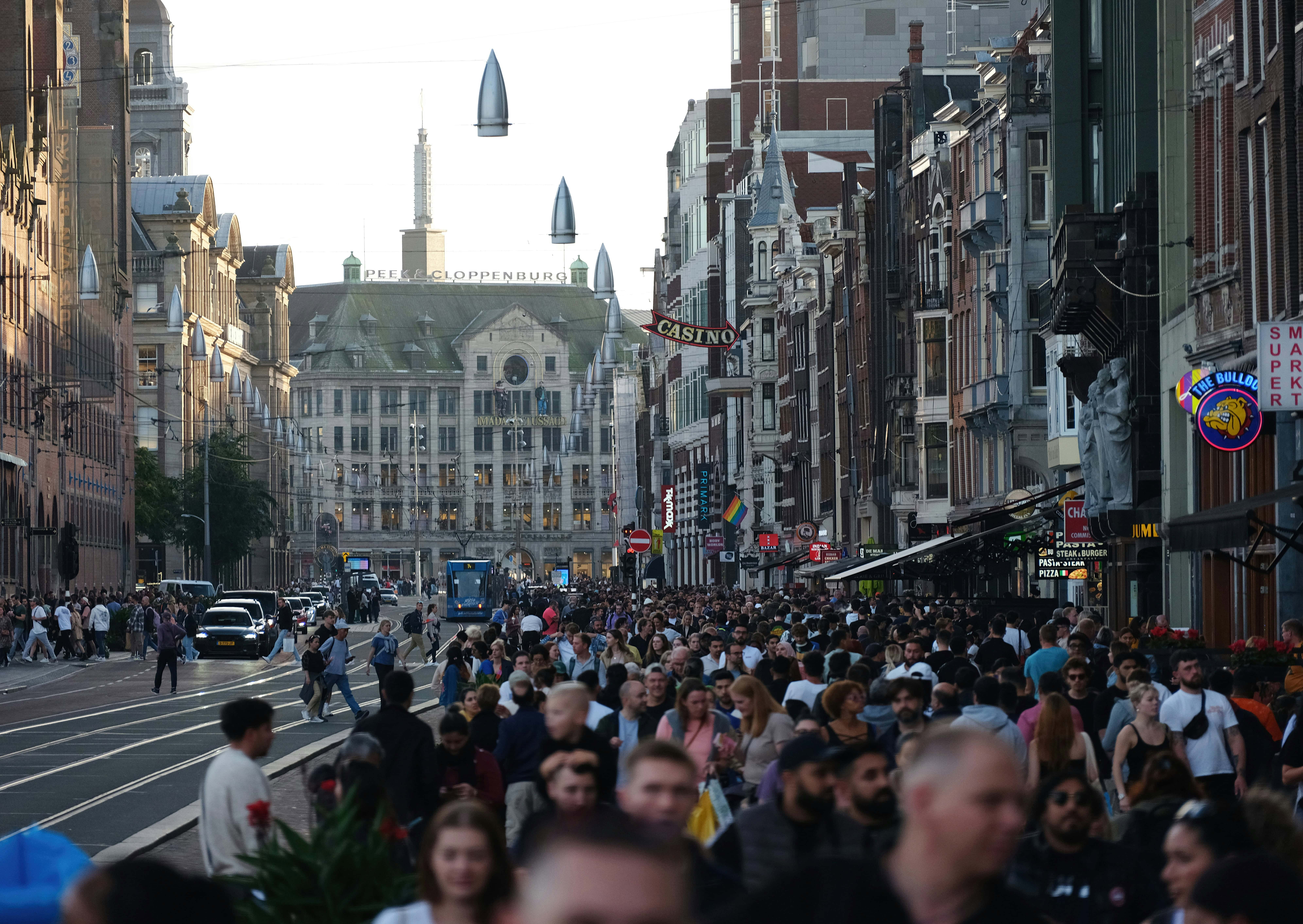
Amsterdam has spent years trying to reduce nuisance-heavy tourism while protecting daily life in its compact historic center. Rising tourist taxes, stricter short-let controls, and behavior campaigns all point to one strategy: fewer high-impact visits, better-managed stays. Local frustration persists because pressure is constant, not occasional, especially in districts where nightlife and short-term demand overlap. Amsterdam still welcomes cultural travelers, but the city no longer treats unlimited visitor growth as a success metric. The new standard is quality of life for residents, then quality of experience for guests.
Santorini, Greece
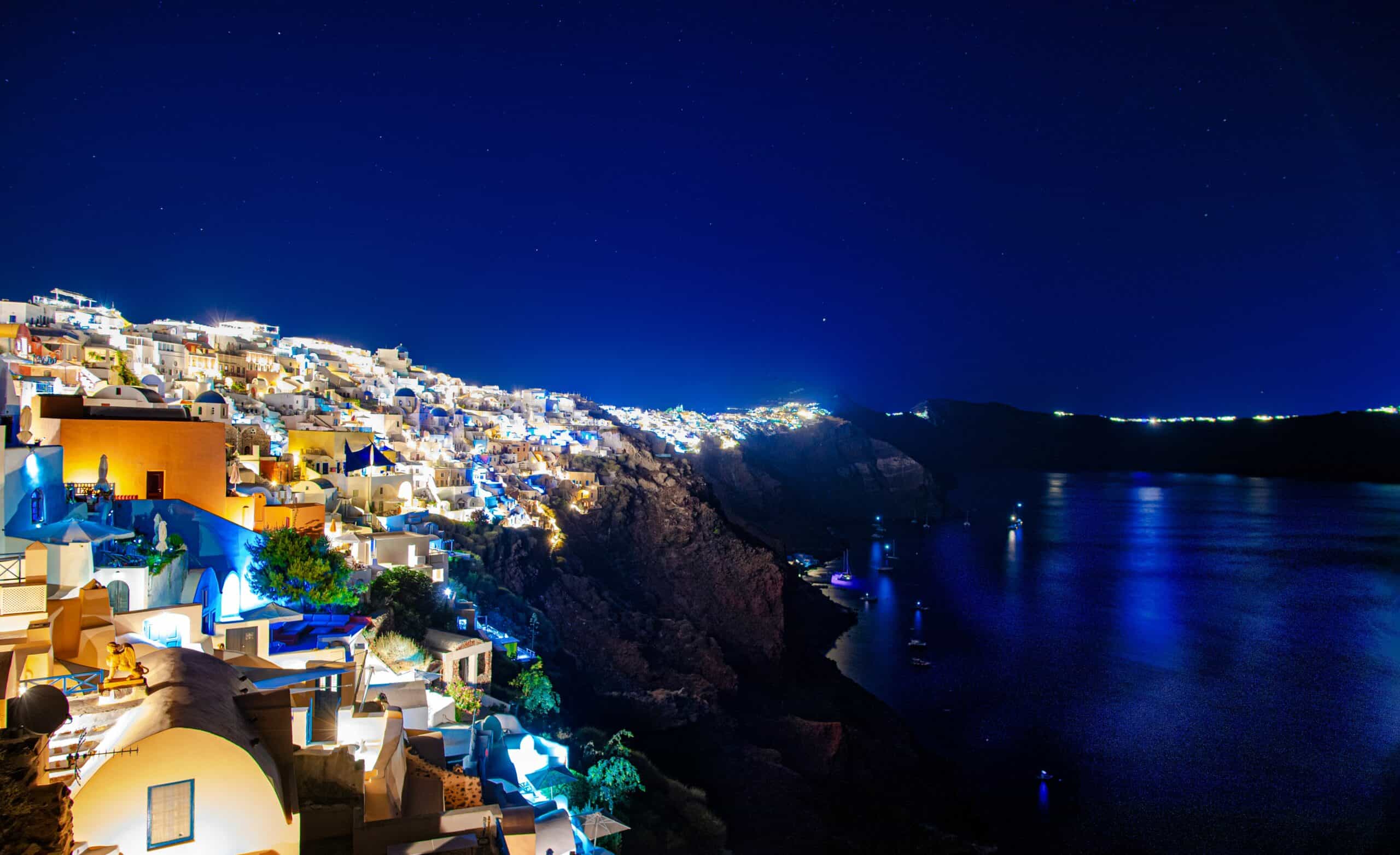
Santorini shows how quickly a small island can strain under global demand. Cruise arrivals, sunset bottlenecks, and seasonal peaks create sharp pressure on roads, services, housing, and water systems that were never designed for extreme daily surges. Local controls, including tighter flow management, reflect an attempt to protect infrastructure and reduce crowd shock during peak windows. Santorini is still breathtaking, but the destination now sits in a difficult balance between economic dependence on tourism and the physical limits of island life. Capacity, not marketing, is the defining question.
Dubrovnik, Croatia
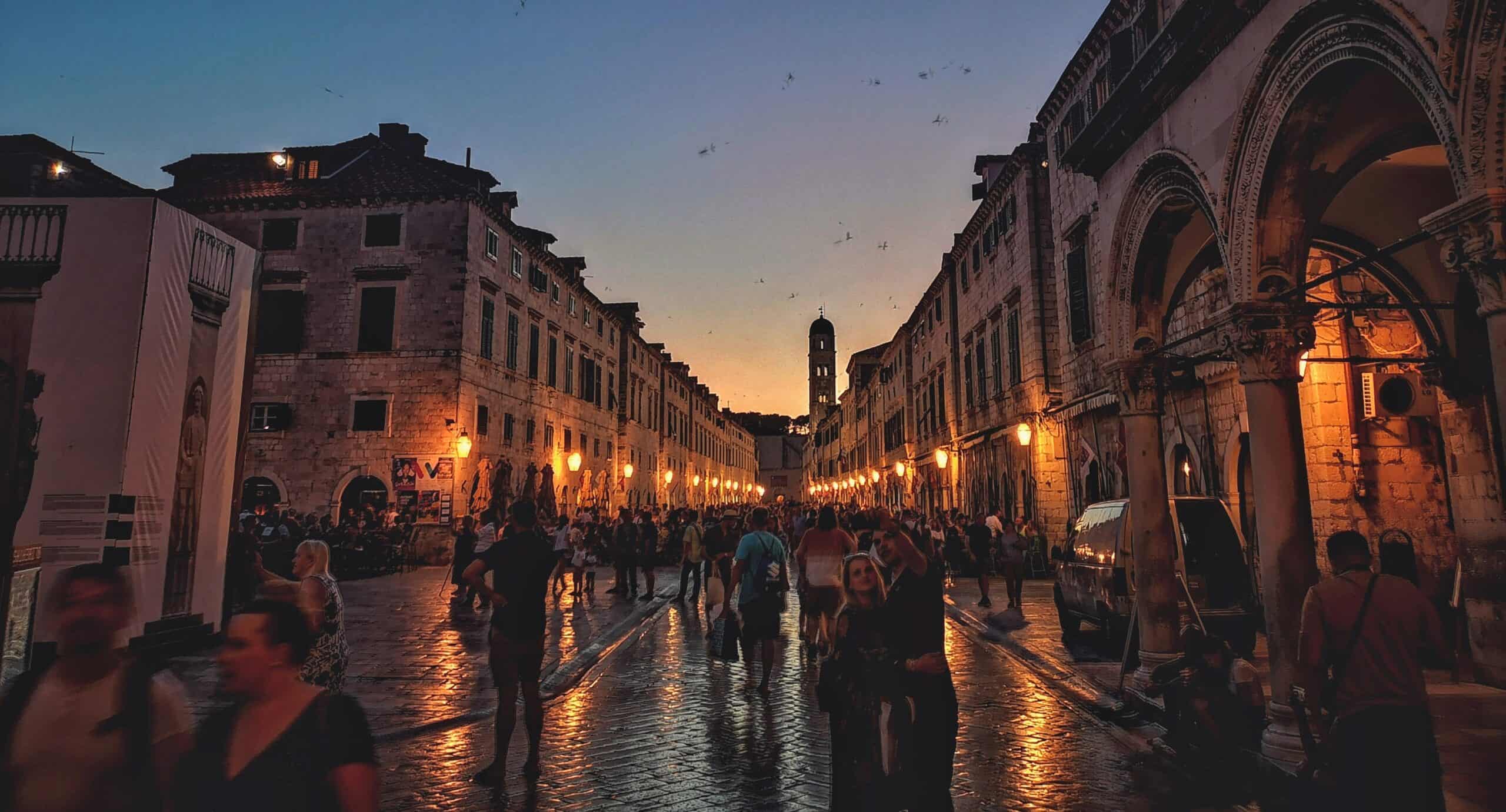
Dubrovnik’s old town is one of Europe’s clearest examples of spatial overload. A fortified historic core with narrow streets can become saturated quickly when cruise schedules and day trips stack within the same hours. The effect is immediate: congestion, reduced local mobility, and a visitor experience that feels rushed rather than meaningful. Authorities have pushed crowd-control measures, but the challenge is structural because demand remains intense. Dubrovnik’s long-term success depends on pacing arrivals and protecting resident function, not simply increasing total footfall in a world-famous but physically constrained setting.
Lisbon, Portugal
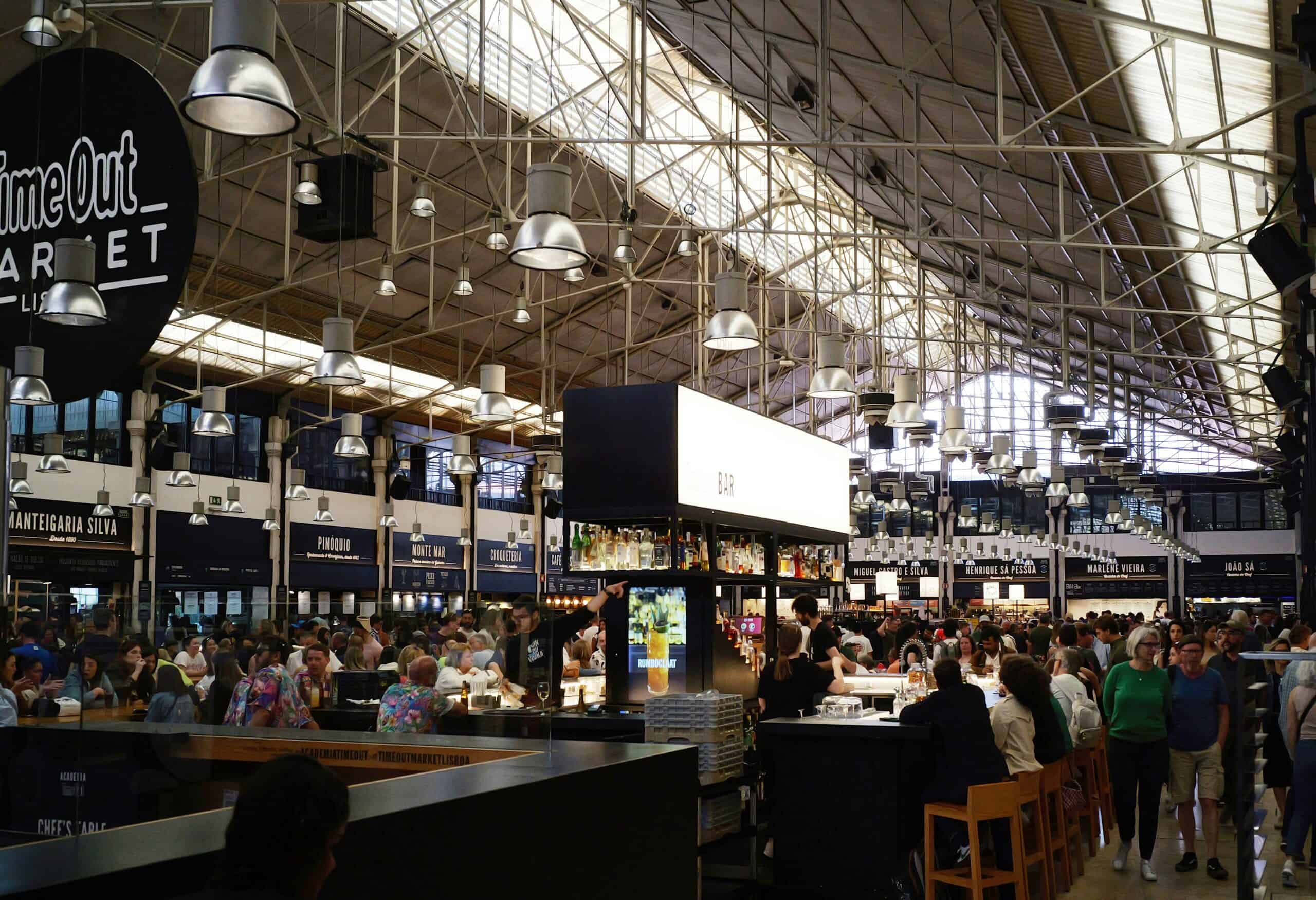
Lisbon’s tourism boom brought investment and visibility, but it also intensified housing stress in central neighborhoods where short-term rentals expanded rapidly. Many locals now describe a city center that feels increasingly optimized for temporary stays rather than permanent community life. The pressure is subtle but cumulative: rent inflation, resident displacement, and street-level business mix shifting away from daily needs. Lisbon remains deeply appealing, yet policymakers and residents are pushing for rebalancing so tourism can continue without hollowing out the neighborhoods that give the city its character and emotional depth.
Prague, Czech Republic
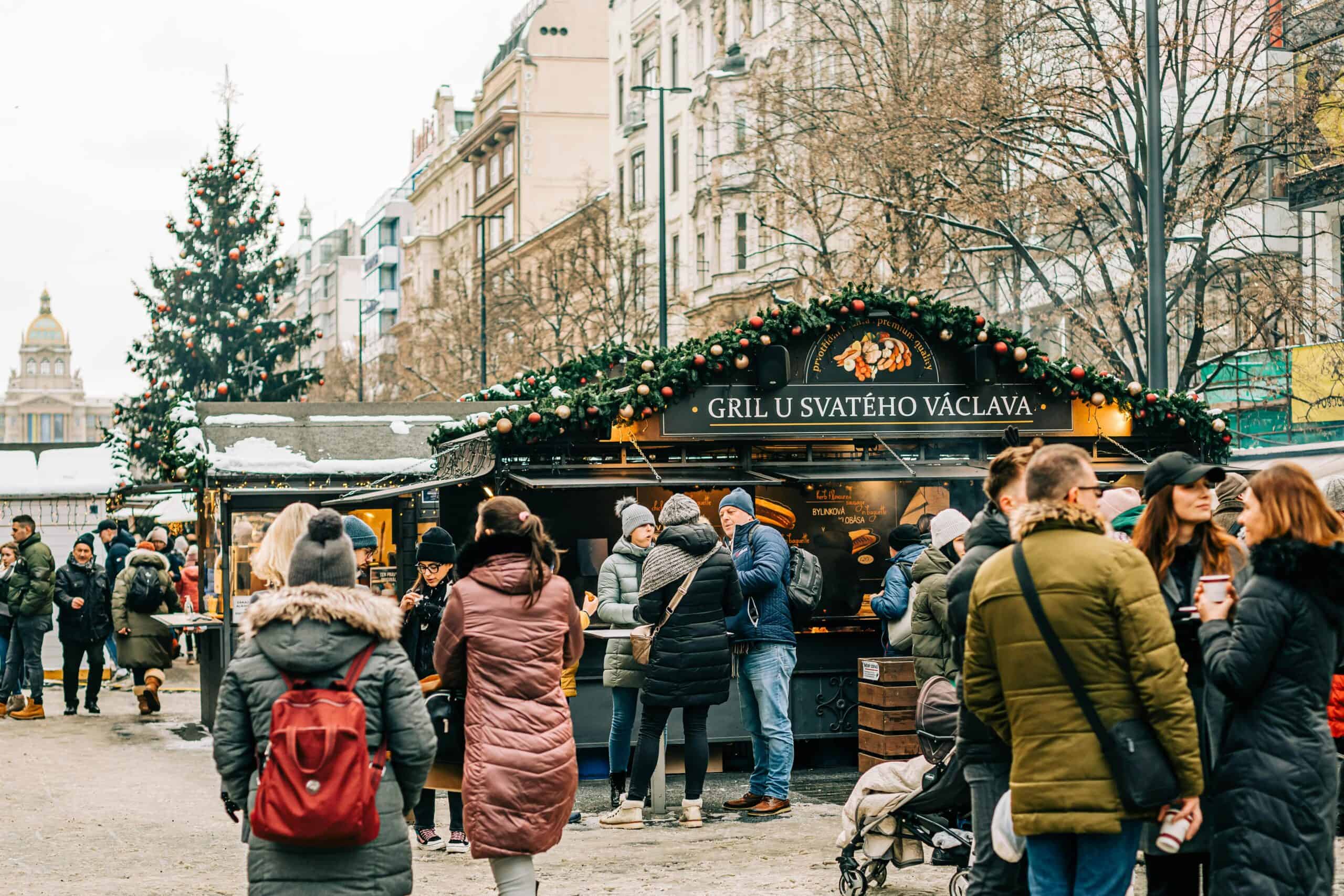
Prague’s overtourism challenge centers on concentration. The historic core draws heavy year-round foot traffic, and party-oriented short stays can overwhelm residential blocks built for a different pace. When crowd density stays high across seasons, the city risks becoming performative, active for visitors, but less functional for locals. Public debate increasingly focuses on dispersing tourism beyond the center, tightening conduct expectations, and preserving neighborhood dignity. Prague still offers remarkable cultural value, but sustaining that value requires treating the old town as a lived urban space, not an unlimited event zone.
Kyoto, Japan

Kyoto carries unusual pressure because its most visited areas are also sacred, residential, and culturally sensitive. Crowd behavior, transport overflow, and etiquette breaches can quickly damage trust between residents and visitors, especially in narrow lanes and temple districts where silence and order matter. The city has emphasized responsible conduct and better visitor distribution rather than pure volume growth. Kyoto’s message is firm but fair: access to heritage comes with obligations. The city remains welcoming, yet expects travel behavior that protects both community rhythm and the cultural meaning of place.
Reykjavík, Iceland
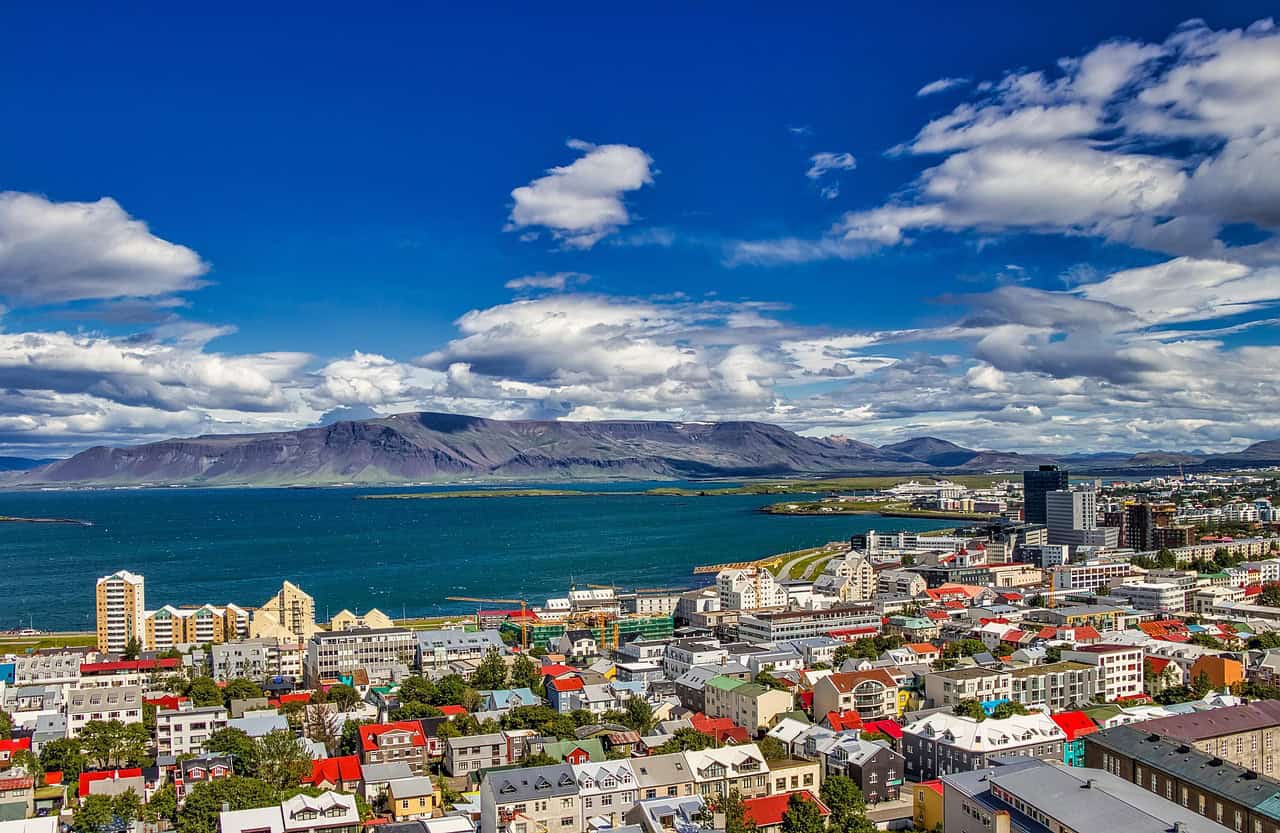
Reykjavík functions as Iceland’s main tourism gateway, so national growth is felt intensely at city scale. Seasonal spikes can strain accommodation, transport coordination, and local services even when annual totals look manageable on paper. The challenge is not mass urban size, but timing and concentration in a small-capacity system. Iceland has increasingly tied tourism to infrastructure funding and management tools, reflecting a move from expansion to resilience. In Reykjavík, overtourism is less about dramatic protest and more about pace, ensuring visitor demand does not outrun what the city can sustain well.