We may earn money or products from the companies mentioned in this post. This means if you click on the link and purchase the item, I will receive a small commission at no extra cost to you ... you're just helping re-supply our family's travel fund.
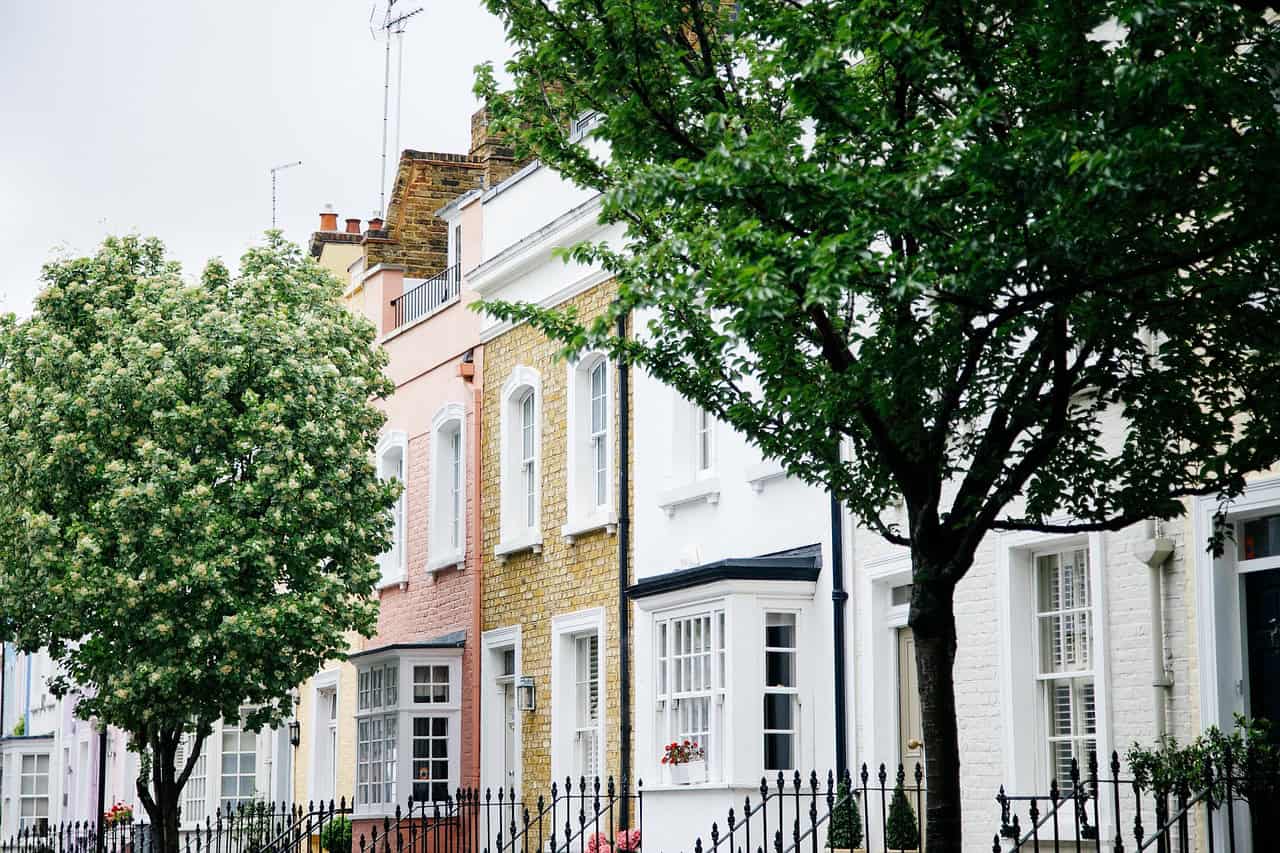
Across major U.S. cities, neighborhoods filled with century-old homes are undergoing rapid gentrification as demand for historic charm collides with modern urban growth. Built largely between the late 1800s and early 1900s, these districts once housed working-class families and long-established communities. Today, rising property values, demographic shifts, and redevelopment pressure are transforming them at remarkable speed. While reinvestment brings restored architecture and new amenities, it also raises concerns about affordability, displacement, and cultural preservation. The following nine neighborhoods illustrate how quickly century-home districts can change.
1. Old Fourth Ward : Atlanta, Georgia
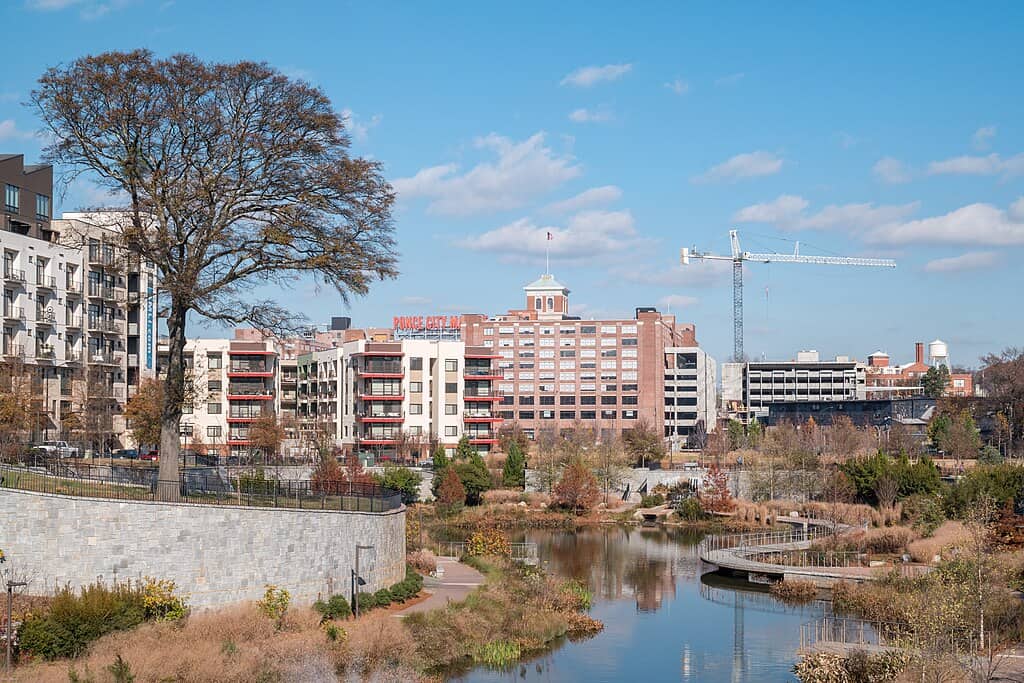
Old Fourth Ward contains early 20th-century craftsman homes and brick residences that have surged in value due to BeltLine expansion and transit-oriented development. Over the past decade, median home prices increased approximately 75%, reaching around $420,000, while population density grew nearly 12%. New mixed-use buildings and renovated historic homes now dominate streets once defined by industrial decline. Rental displacement is estimated near 18%, creating tension between revitalization and legacy residents. The neighborhood reflects Atlanta’s broader struggle to balance historic preservation with intense redevelopment pressure.
2. West End : Atlanta, Georgia
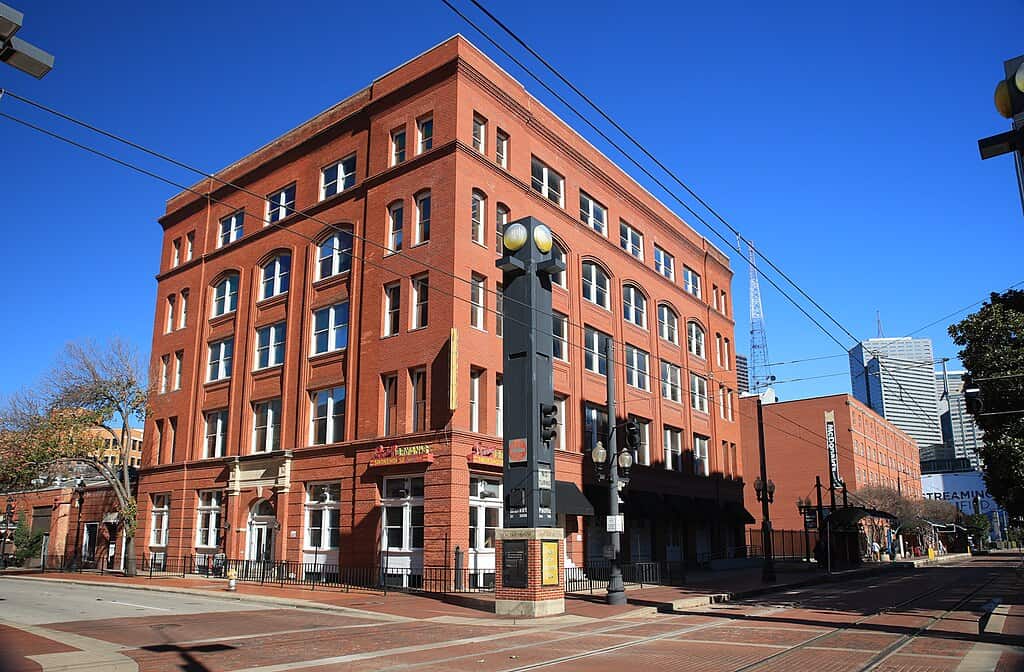
West End’s Victorian homes and bungalow streetscape date back more than a century, and recent infrastructure investment has accelerated buyer interest. Median sale prices rose about 60% in ten years, settling near $350,000, while owner occupancy increased and renter share declined roughly 8%. Commercial rents jumped nearly 30% as new cafés and creative businesses replaced long-standing storefronts. Although many homes are renovated rather than demolished, affordability concerns persist. Community groups continue pushing for equitable growth as property taxes and living costs steadily rise.
3. Crown Heights : Brooklyn, New York
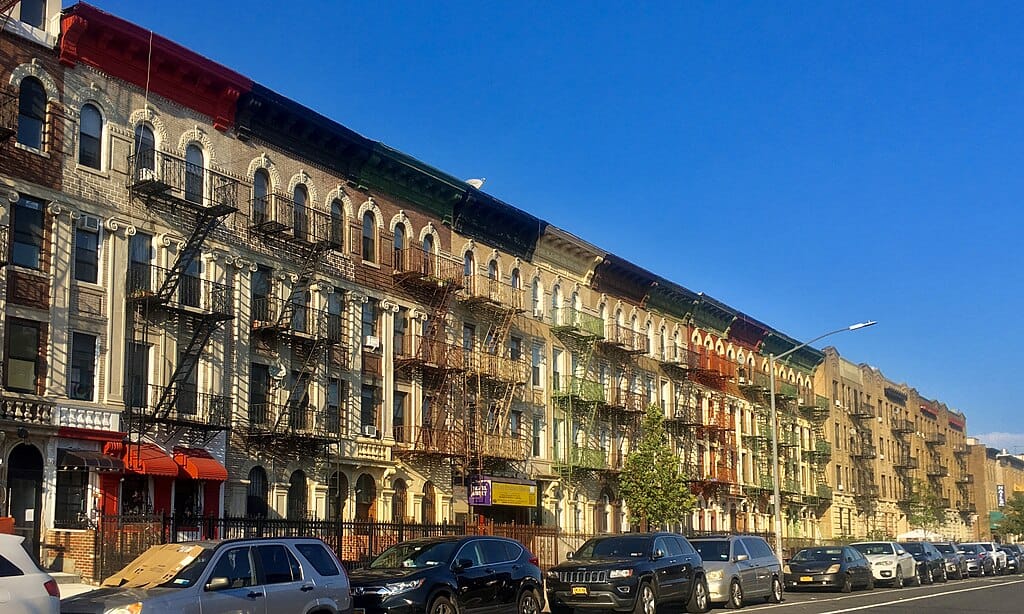
Crown Heights is defined by century-old brownstones that have become focal points of intense gentrification. Median home values climbed approximately 95% over the last decade, reaching nearly $1.2 million. The proportion of residents with college degrees increased about 25%, while median household income rose roughly 40%. Upscale renovations and condominium conversions now dominate main corridors. These shifts have sparked debates over cultural displacement, landmark protection, and tenant rights, making Crown Heights one of New York City’s most closely watched gentrification flashpoints.
4. Bushwick : Brooklyn, New York

Bushwick’s historic brick buildings and former industrial structures have been rapidly converted into lofts, galleries, and dense housing. Median property values surged roughly 130% in ten years, approaching $950,000. Vacancy rates fell by about four percentage points, intensifying competition for housing. Rising commercial rents have strained the artistic community that initially fueled the neighborhood’s popularity. Rezoning and redevelopment continue reshaping Bushwick’s identity, highlighting the fragile balance between creative revival and market-driven transformation.
5. Bedford-Stuyvesant : Brooklyn, New York
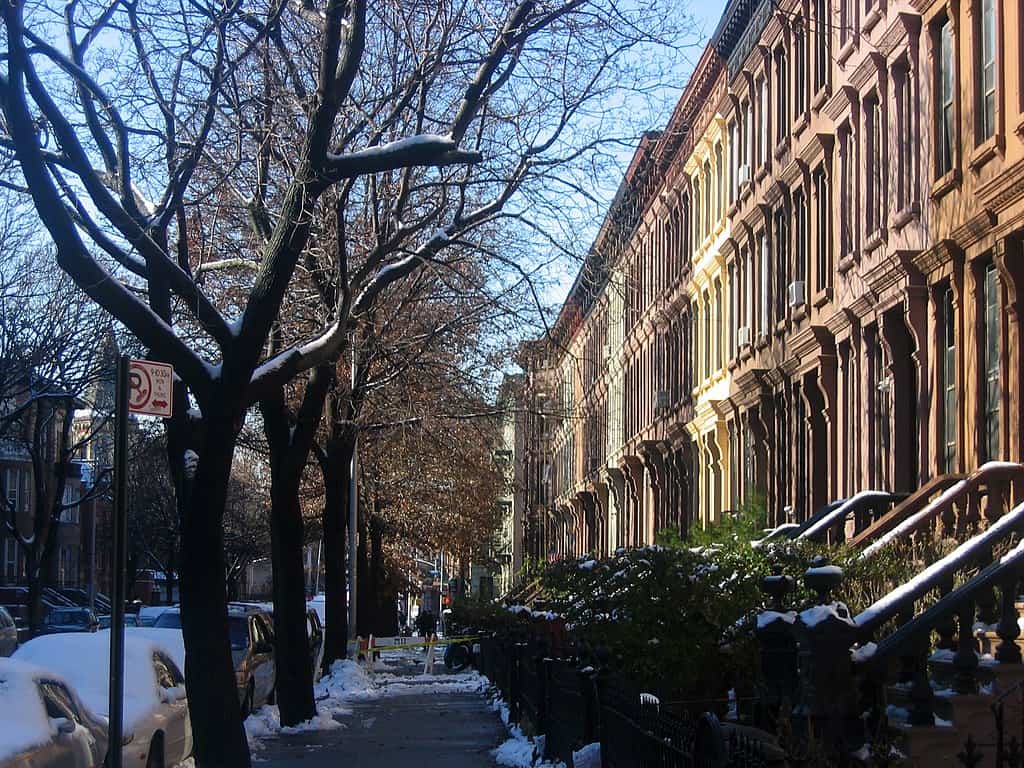
Bedford-Stuyvesant’s iconic brownstones, many built before 1900, are now central to long-term gentrification trends. Median home prices increased approximately 110% over the past decade, reaching around $1.05 million. Higher-income households grew by nearly 30%, while long-time residents face increasing rent and tax pressures. Local retail revenue expanded about 45% as new dining and retail businesses emerged. Preservation efforts coexist with mounting affordability concerns, shaping an ongoing debate over Bed-Stuy’s future.
6. Boston-Edison Historic District : Detroit, Michigan
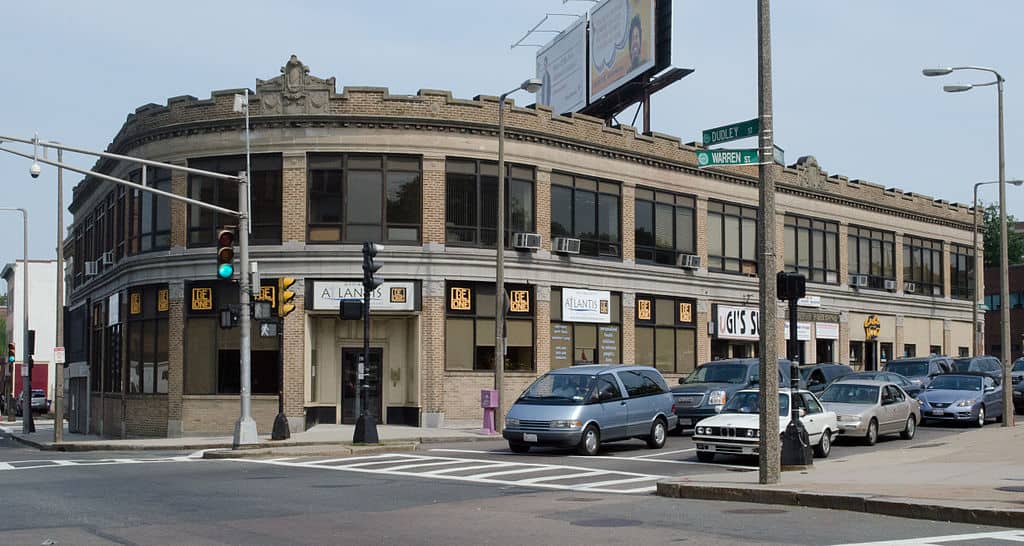
Boston-Edison features grand early 20th-century homes that have attracted selective reinvestment rather than mass redevelopment. Median property values rose about 55% in ten years, reaching roughly $220,000. Renovation permits increased approximately 20%, reflecting renewed interest in historic preservation. Owner occupancy has grown modestly, though surrounding blocks show uneven recovery. This neighborhood illustrates Detroit’s slower, patchwork form of gentrification, where restoration coexists with lingering economic disparities.
7. Clarksville : Austin, Texas
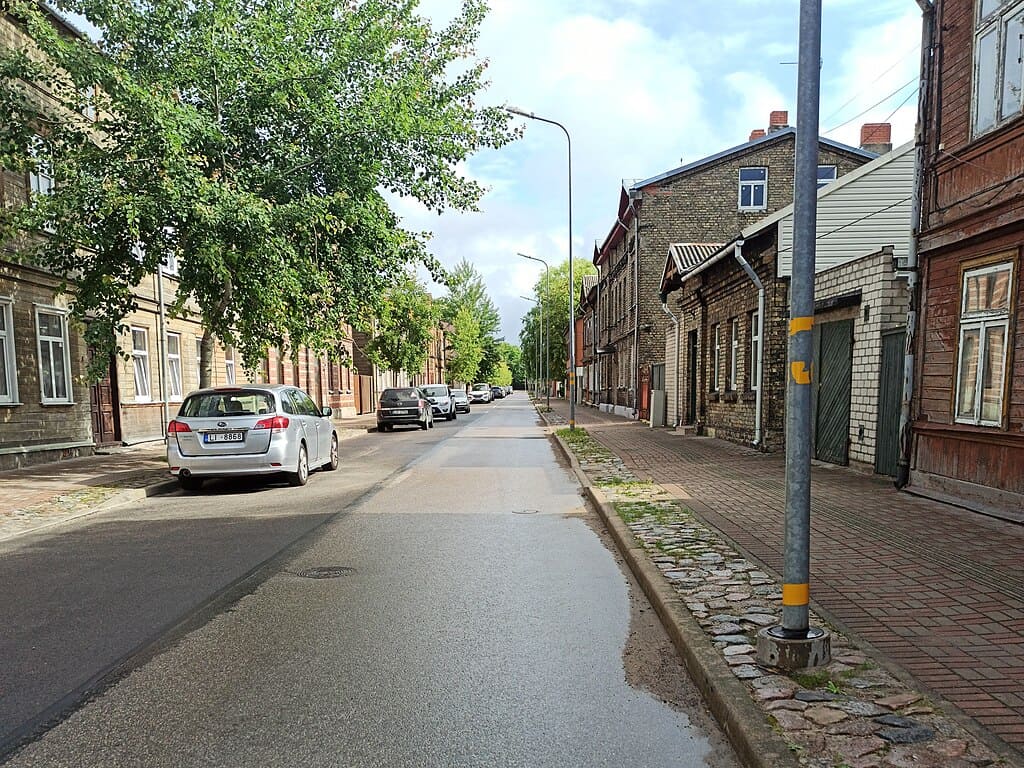
Clarksville, founded as a freedmen’s community, contains century-old cottages increasingly targeted for upscale redevelopment. Median sale prices surged roughly 140% over the past decade, reaching nearly $780,000. Property tax burdens have risen sharply, affecting long-term homeowners. Smaller historic houses are often replaced with luxury builds, reducing housing diversity. While preservation groups remain active, Clarksville exemplifies how Austin’s explosive growth places historic neighborhoods under intense financial pressure.
8. Third Ward : Houston, Texas
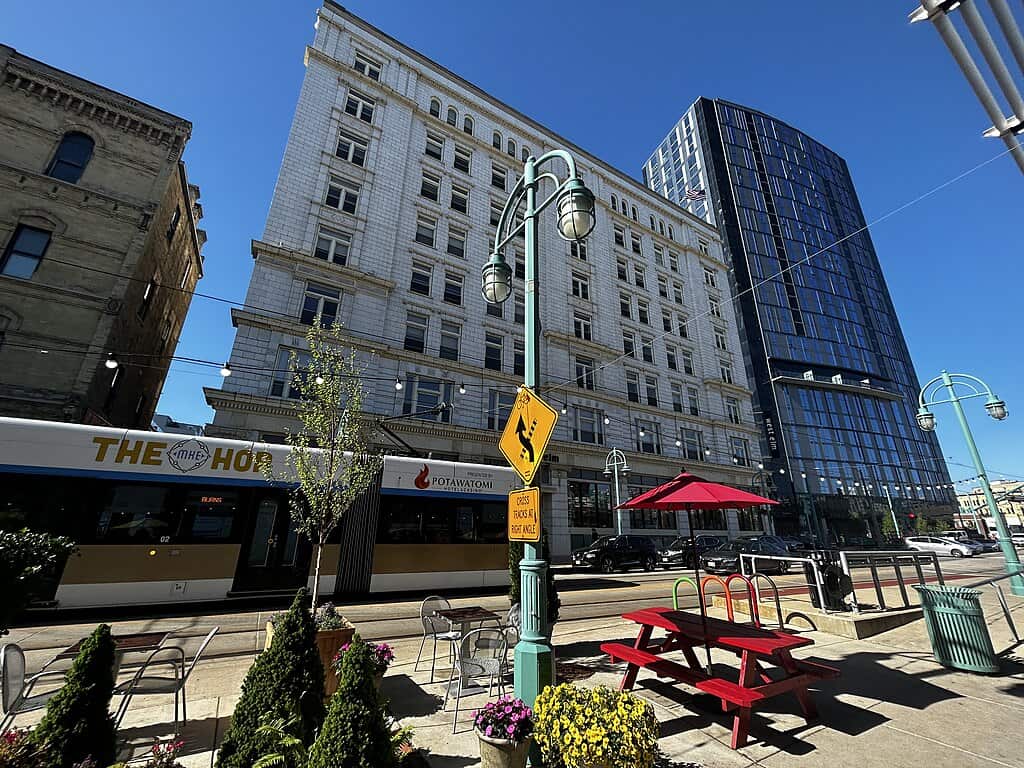
Third Ward’s early 20th-century homes and cultural institutions are facing redevelopment linked to nearby university expansion. Median home values climbed approximately 85% in ten years, reaching about $360,000. Condominium conversions increased around 15%, while new retail activity boosted local business revenue. Long-standing residents express concern over displacement and cultural erosion. The neighborhood reflects Houston’s struggle to encourage investment without undermining historically significant communities.
9. Chinatown International District : Seattle, Washington
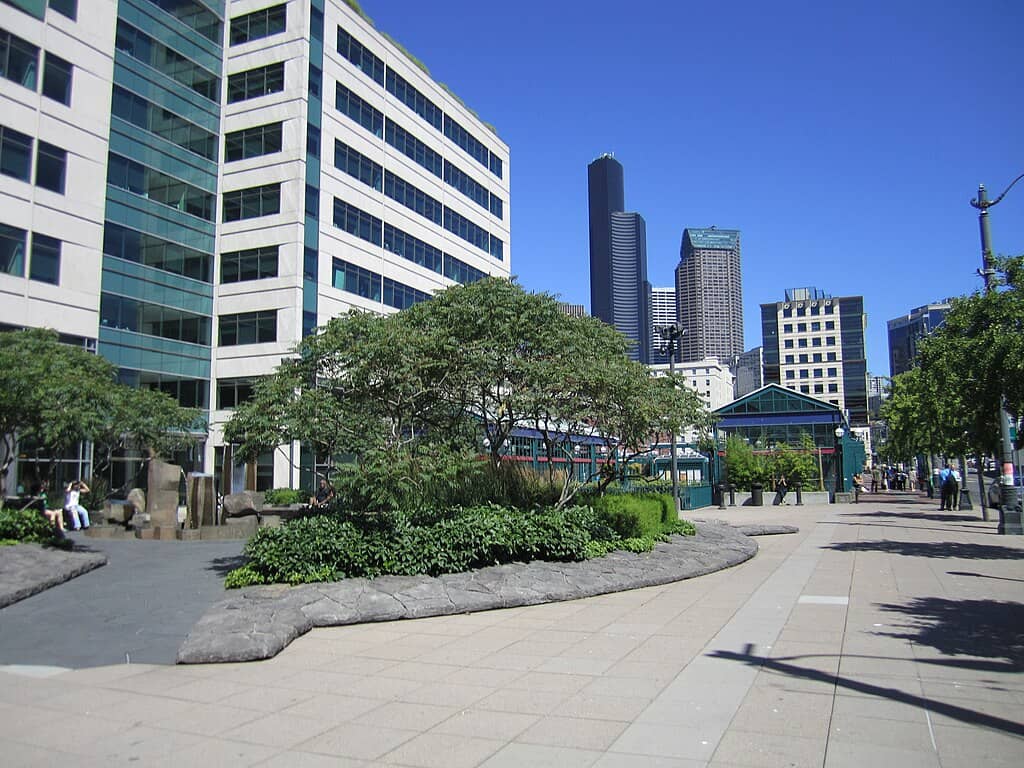
Seattle’s Chinatown–International District features century-old mixed-use buildings now threatened by large-scale redevelopment. Median property prices rose about 90% over the past decade, reaching roughly $580,000. During this period, the number of Asian-owned small businesses declined an estimated 20%, even as tourism and foot traffic increased. Preservation advocates push for stronger protections to maintain cultural identity. The district highlights how gentrification can reshape not only housing, but also longstanding cultural ecosystems.