We may earn money or products from the companies mentioned in this post. This means if you click on the link and purchase the item, I will receive a small commission at no extra cost to you ... you're just helping re-supply our family's travel fund.
Eating local food is one of the joys of travel, but in some countries, something as simple as chewing gum or bringing chocolate can land you in trouble. Food laws abroad often protect culture, public health, or city infrastructure, and ignoring them can be costly. From banned snacks to strict alcohol regulations, travelers are often shocked when they discover that something legal at home is completely prohibited abroad. Here are nine bizarre food laws every traveler should know before packing their bags.
1. Chewing Gum Is Heavily Restricted in Singapore

Singapore banned the sale and import of chewing gum in 1992 to protect public infrastructure, including train doors and sidewalks, from sticky residue. Possession without a prescription can result in fines up to SGD 100,000 or jail time for trafficking. Only medically prescribed gum is allowed with proof. Minor infractions like spitting gum in public can cost SGD 500. Travelers are often stunned because gum feels harmless, yet Singapore enforces cleanliness and civic responsibility with extreme strictness.
2. Kinder Surprise Eggs Are Illegal in the United States

The U.S. prohibits placing non-edible objects inside food, so Kinder Surprise eggs are illegal. Customs officers frequently confiscate them, with fines reaching $2,500 per egg for commercial import. Each year, thousands are seized at airports, surprising tourists who expect a simple treat to be harmless. Kinder Joy is legal due to separate compartments, but the classic egg remains banned. Travelers often discover this only at customs, realizing that a childhood chocolate favorite is considered a federal violation.
3. Feeding Pigeons Is Punishable in Venice, Italy

Venice banned feeding pigeons to prevent damage to historic buildings, particularly in St. Mark’s Square. Fines range from €25 to €500, and authorities confiscate food from tourists. Pigeon droppings are highly acidic, causing millions of euros in restoration costs each year. Vendors selling bird feed were outlawed, and feeding pigeons is considered an environmental violation. Many travelers are surprised that a seemingly innocent activity could result in a fine, highlighting how seriously Venice protects both its architecture and urban cleanliness.
4. Ketchup on Traditional Pasta Can Trigger Fines in Italy
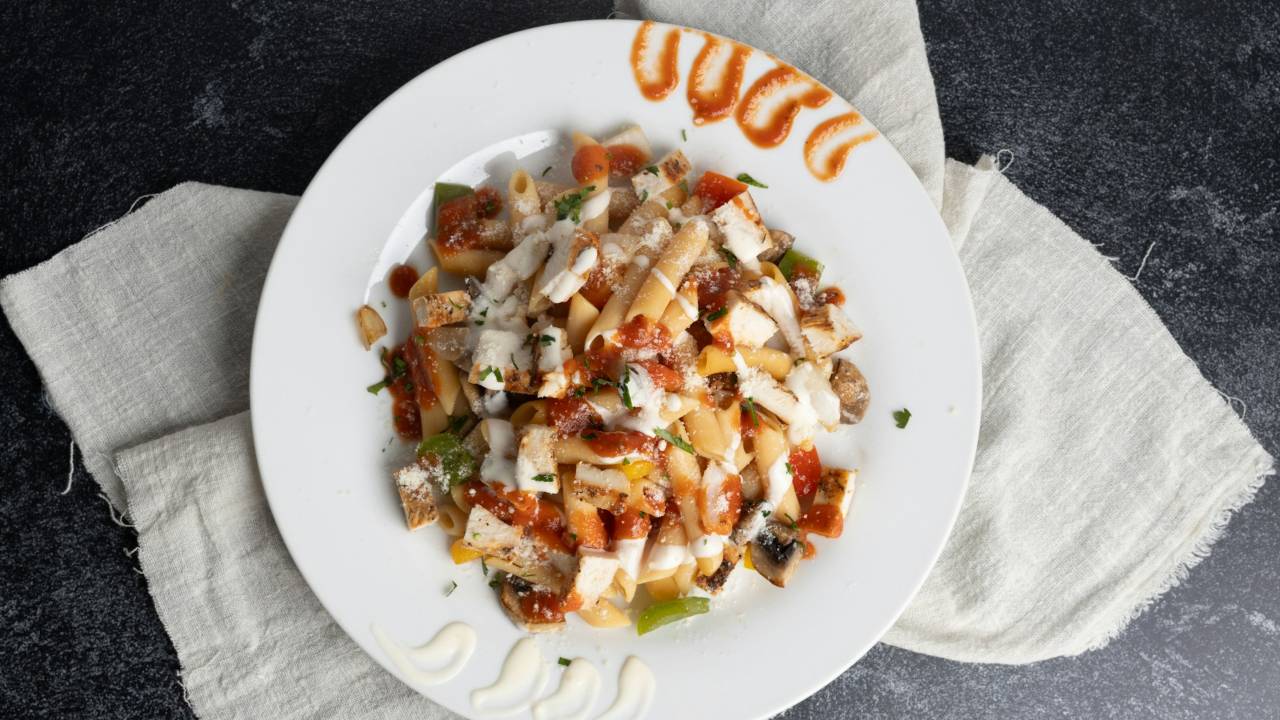
In some Italian cities, local ordinances discourage adding ketchup to traditional pasta, considering it a “cultural distortion.” While not a national law, fines up to €100 have been issued in tourist areas, and some restaurants refuse service. Officials argue that such measures protect culinary heritage and prevent the dilution of iconic recipes. Travelers who casually mix ketchup with spaghetti are often shocked to learn that taste preferences can have legal consequences in Italy, where food is deeply tied to cultural identity and local pride.
5. Importing Certain Cheeses Is Strictly Controlled Worldwide
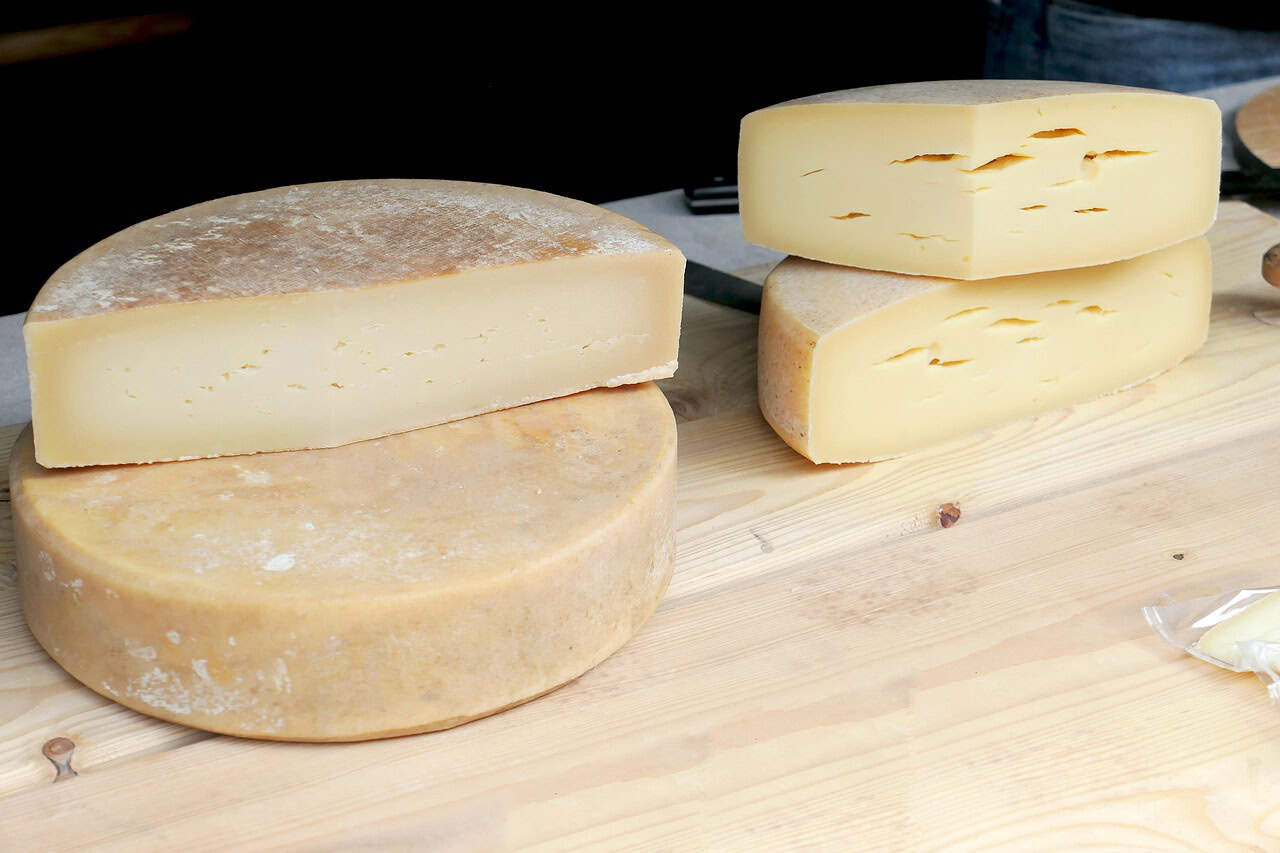
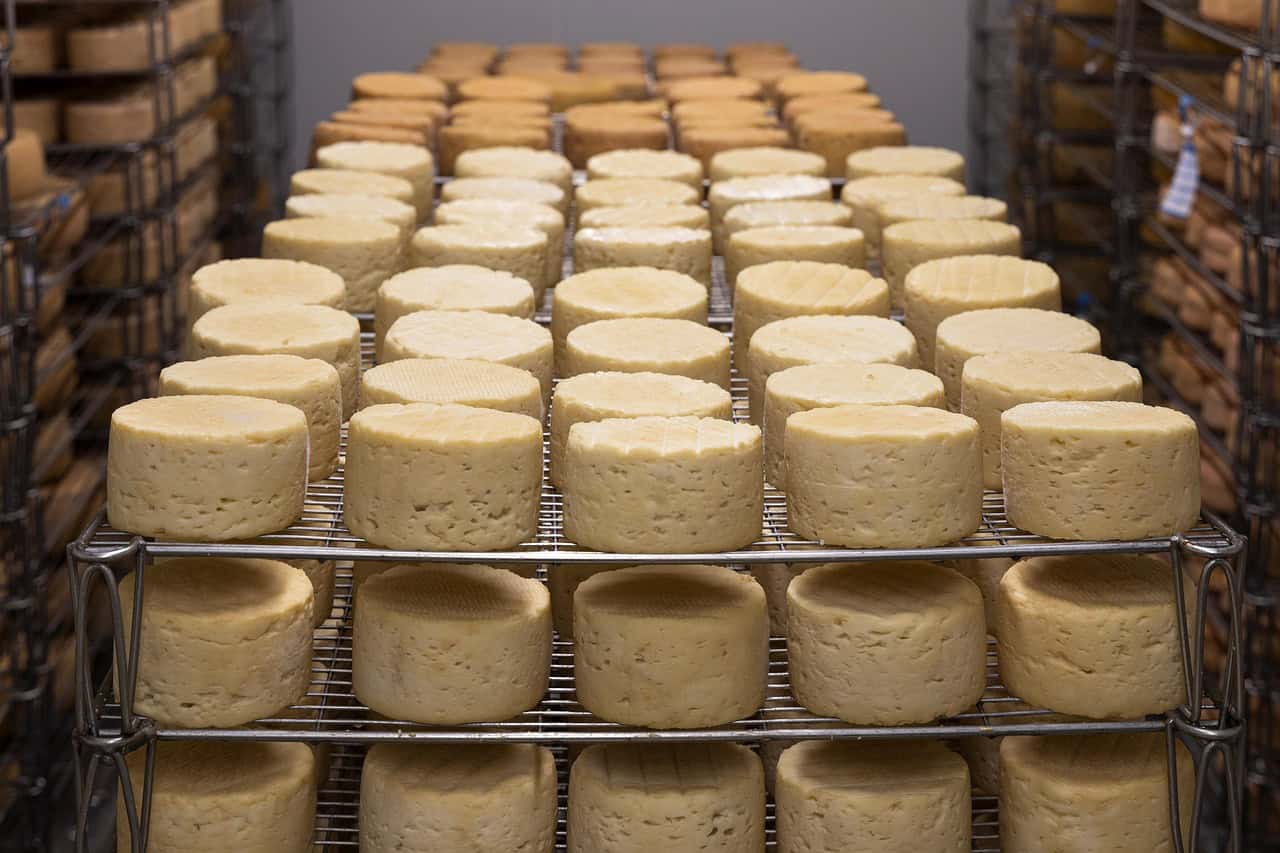
Countries including the U.S., Australia, and Japan restrict or ban soft cheeses made from unpasteurized milk due to bacterial risks. Cheeses aged under 60 days, such as Brie or Roquefort, are often confiscated at customs. Fines can exceed $500, and repeated violations may flag travelers for inspection. Thousands of tourists annually lose expensive artisanal cheeses without warning. While cheese is a beloved culinary treat, authorities treat unpasteurized imports as biosecurity risks, surprising travelers who assume food bought abroad is always legal to carry.
6. Alcohol Possession Is Illegal in Several Countries
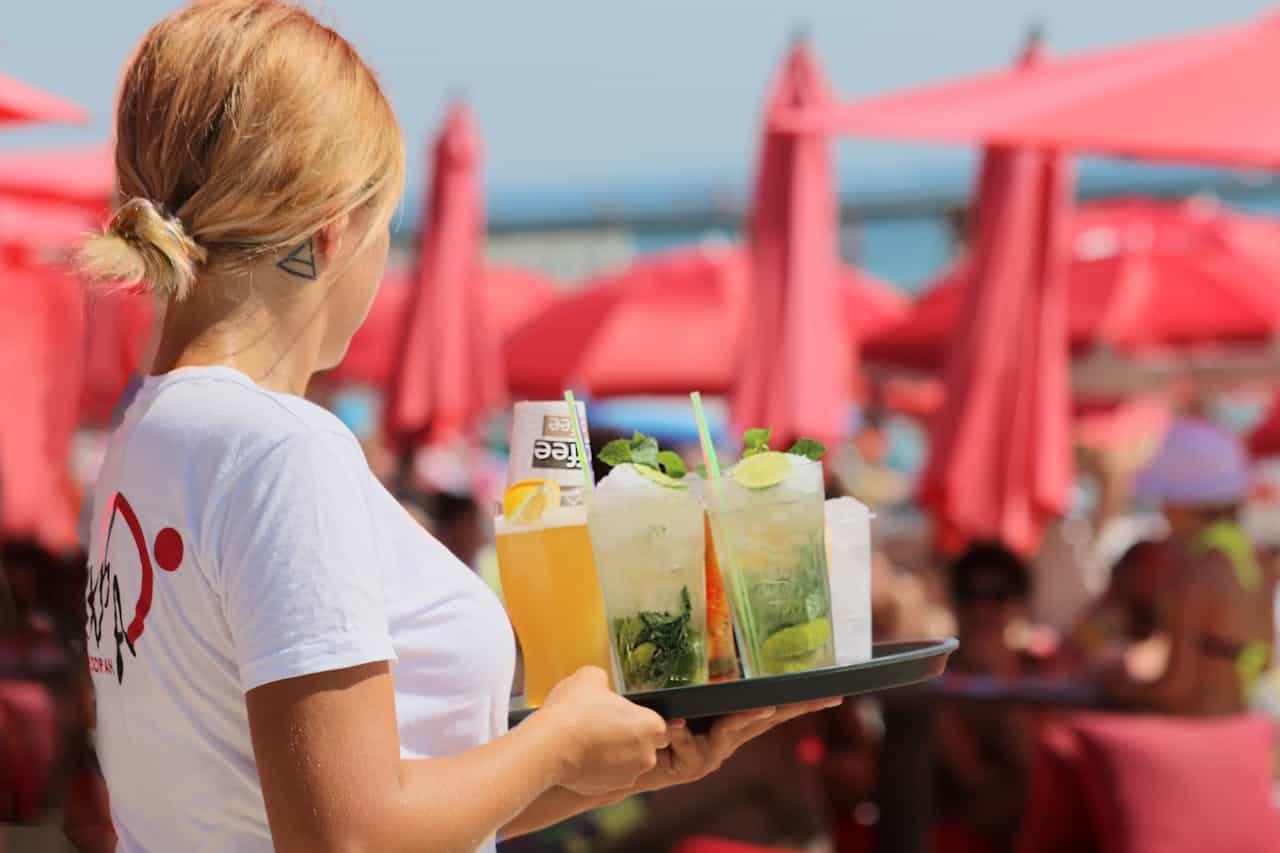
In Saudi Arabia, Kuwait, and Afghanistan, alcohol is strictly prohibited. Possession can result in heavy fines, imprisonment, or deportation, even for small amounts. Saudi authorities have detained tourists for months over alcohol violations, and duty-free purchases are not exempt. Alcohol-infused foods like chocolates or cooking wine can also lead to penalties. Each year, embassies report dozens of traveler detentions linked to alcohol. Tourists often underestimate the seriousness of these laws, which apply equally to locals and visitors, regardless of intent.
7. Eating on Local Public Transport Is Restricted in Japan

In Japan, eating on city buses and commuter trains is prohibited, except on long-distance routes like the Shinkansen. Fines range from ¥2,000 to ¥5,000, but social consequences can be harsher than legal ones. Cleanliness and consideration for others are deeply valued, and littering or spills are taken seriously. Public transit authorities report reduced maintenance costs after enforcement. Tourists often find it shocking that eating a snack while traveling can be a legal or social offense, reflecting the country’s strict etiquette and high hygiene standards.
8. Street Food Purchases Are Regulated in Some Major Cities
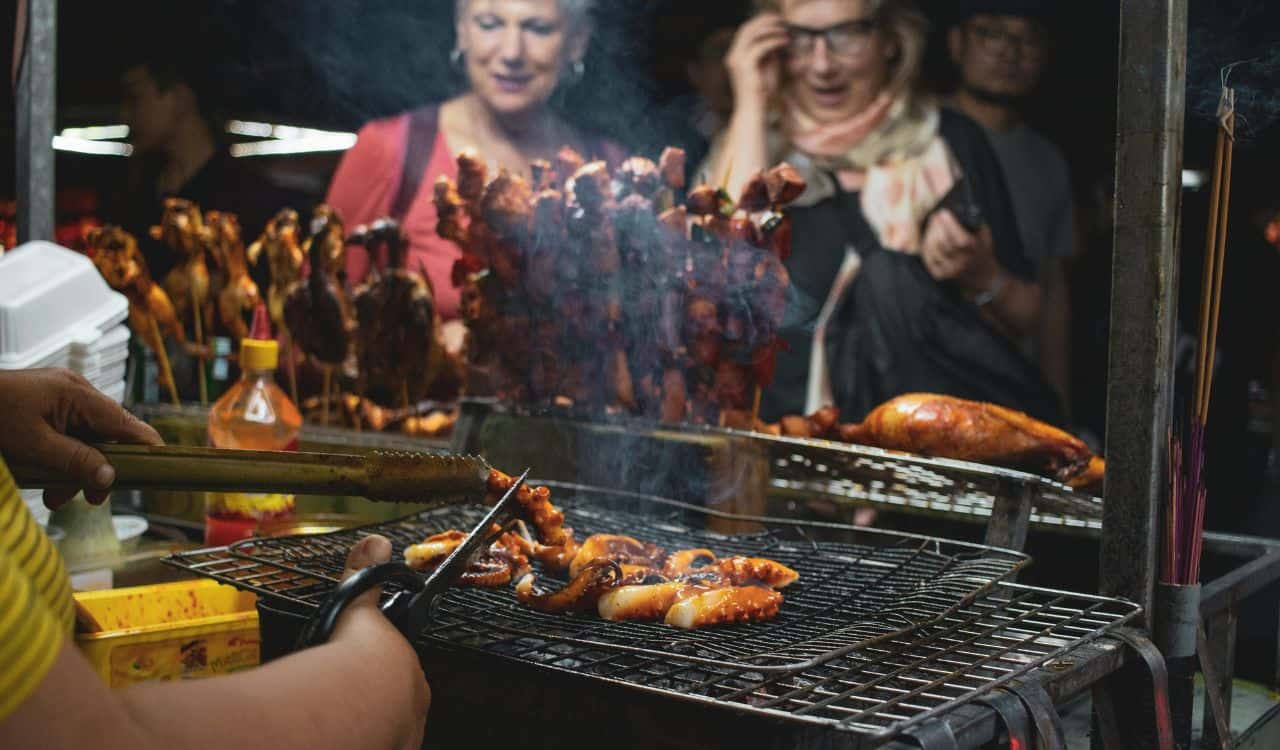
Cities like Bangkok and Barcelona strictly regulate street food. Unlicensed vendors face fines exceeding €1,000, and tourists knowingly buying from them can also be penalized. Authorities cite hygiene, congestion, and competition concerns, with Bangkok removing over 40% of informal stalls during crackdowns. While street food seems like an authentic experience, what feels like supporting local culture can legally be considered participating in an unauthorized transaction. Travelers are often surprised that casual eating can carry legal consequences.
9. Preparing Certain Fish Is Illegal Without Certification
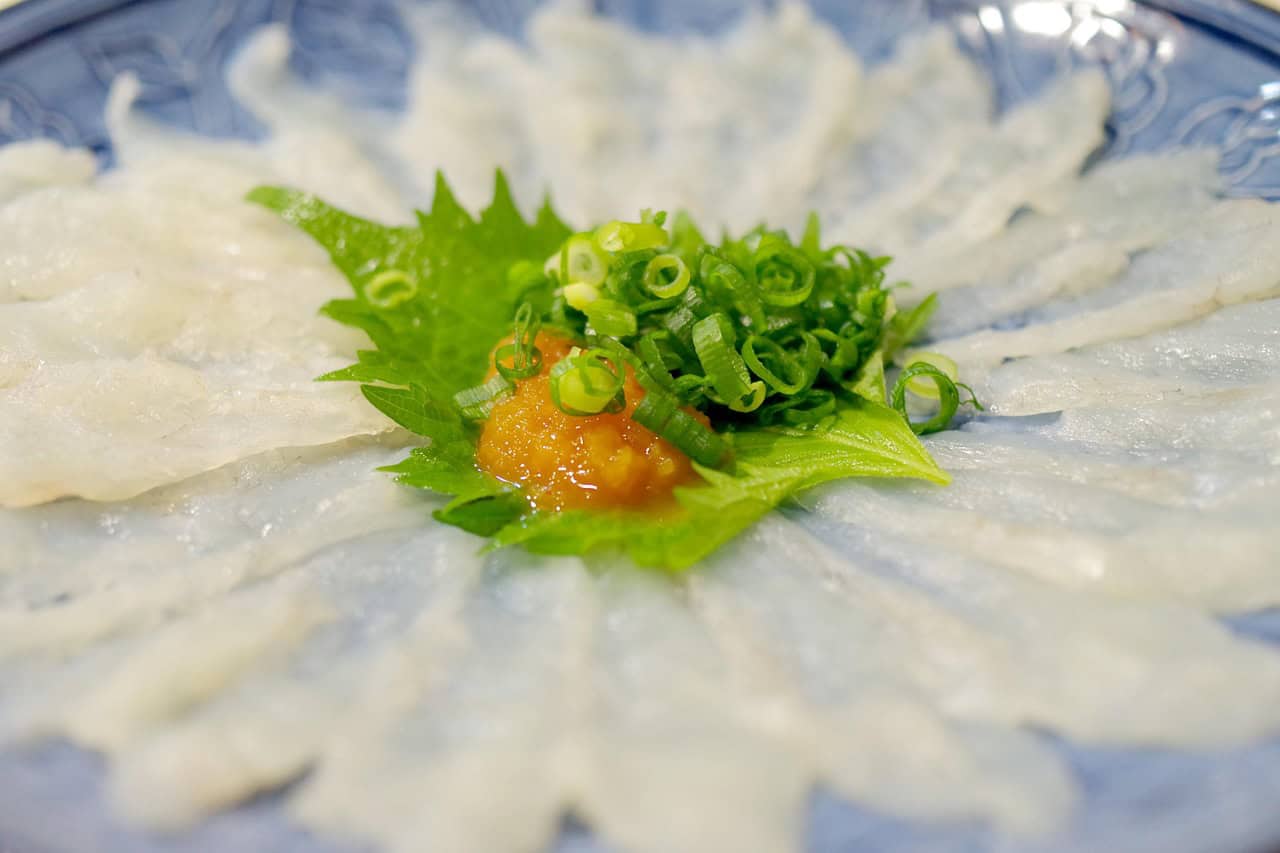
Japan strictly regulates fugu, or pufferfish, which contains deadly tetrodotoxin, 200 times more potent than cyanide. Only chefs with 3–5 years of training and official licenses can prepare it. Restaurants face closure if violations occur. Each year, a few unlicensed attempts lead to severe poisoning cases. Tourists consuming unauthorized fugu risk death or severe illness. This law is one of the world’s strictest food regulations, showing how cultural cuisine and public safety intersect, and highlighting that some foods abroad are legally off-limits without proper expertise.