We may earn money or products from the companies mentioned in this post. This means if you click on the link and purchase the item, I will receive a small commission at no extra cost to you ... you're just helping re-supply our family's travel fund.

If modern systems ever fractured, whether from infrastructure failure, economic collapse, or severe long-term disruption the safest places would be those offering water, food security, defensibility, stable climates, and low population density. The following nine locations are consistently considered strongholds for off-grid survival, thanks to their natural resources, isolation, and long history of self-reliant living. Each environment offers unique advantages that become critically important when society’s safety nets disappear.
1. The Ozark Mountains (Missouri & Arkansas)
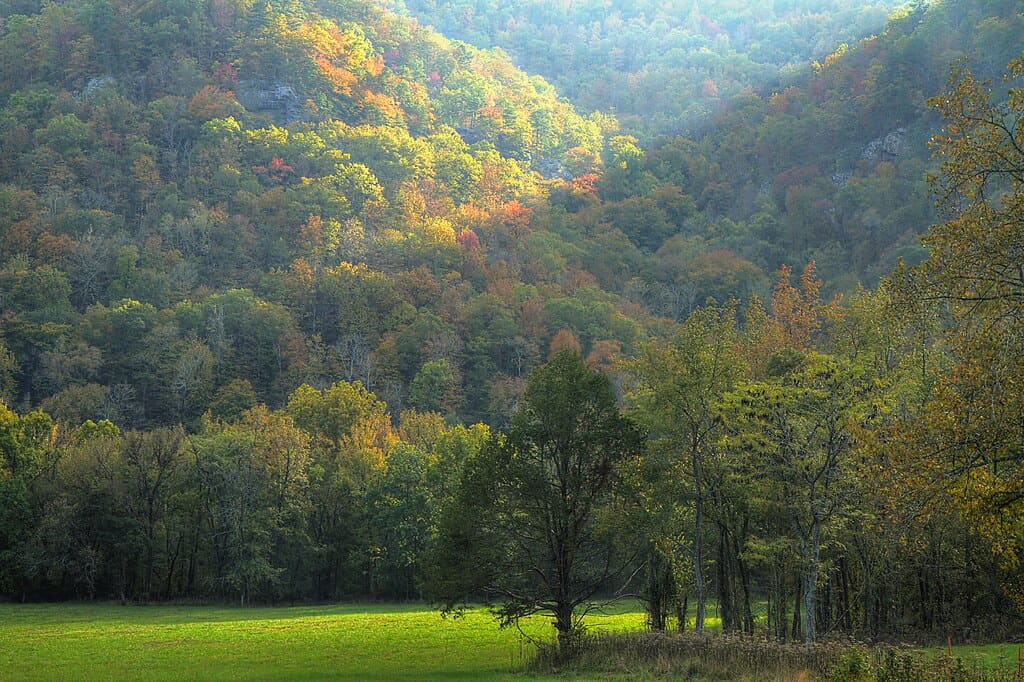
The Ozarks are frequently regarded as one of the most resilient survival regions due to their abundant freshwater sources, with over 1,000 named springs and countless creeks running year-round. The region’s 46,000+ square miles of forested terrain offer ample timber, wild game, and natural cover. Its population density sits at roughly 35 people per square mile, limiting conflict risk. With a humid subtropical climate and fertile valleys, residents can grow food through long seasons while remaining shielded by rugged hills that naturally deter mass migration.
2. The Appalachian Mountains (West Virginia, Kentucky, Tennessee)
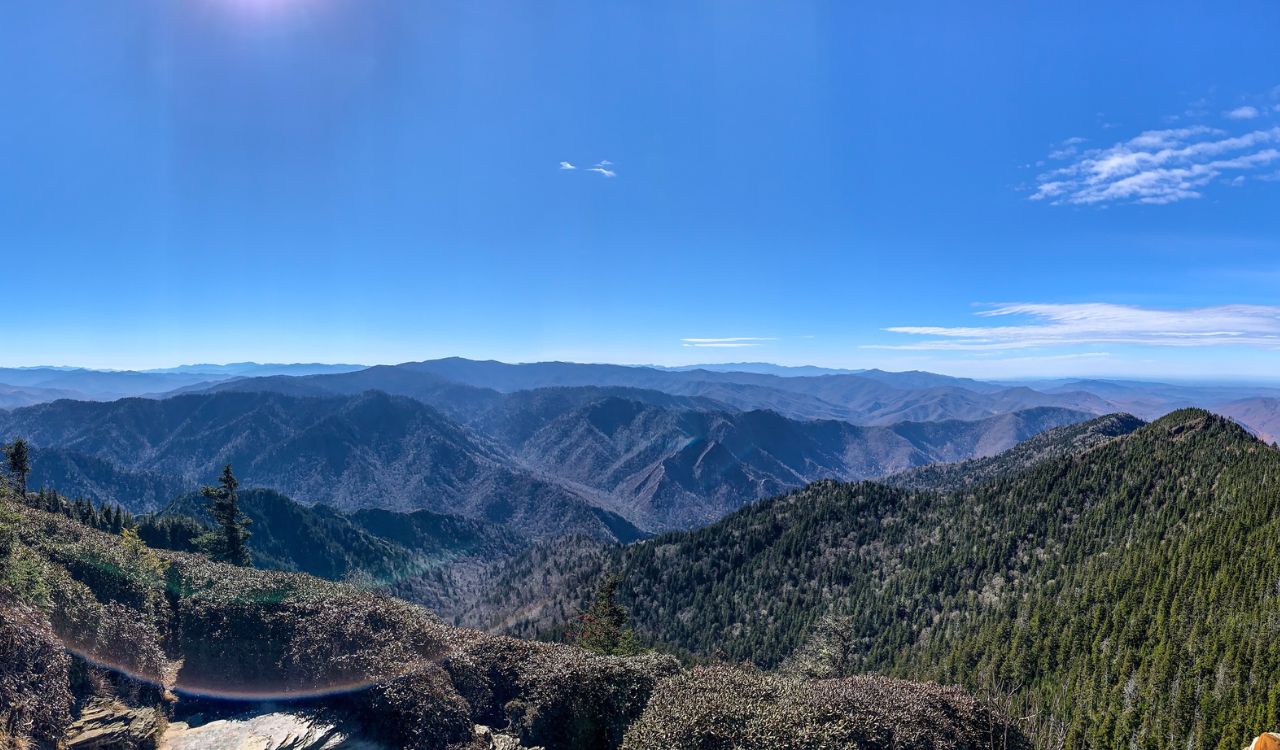
The central Appalachians combine endless water access with deep-rooted homesteading culture, making them ideal for long-term self-reliance. The region has over 100,000 miles of streams, extensive hardwood forests, and rich soils capable of supporting diverse crops. Population density averages 30–45 people per square mile, low enough to provide safety without total isolation. Elevations ranging from 2,000 to 4,000 feet create cooler temperatures and natural defensive positions, while centuries-old traditions of hunting and small-scale farming make rural communities unusually adaptable.
3. Idaho Panhandle

The Idaho Panhandle offers a rare blend of heavy forest cover, clean lakes, and low human presence. With more than 3 million acres of national forest and lakes like Pend Oreille reaching 1,150 feet deep, freshwater supply is nearly limitless. The population density is around 20 people per square mile, creating plenty of space for off-grid living. Its four-season climate supports crop rotation and root-cellar storage, while mountains ranging from 4,000 to 7,000 feetprovide natural defense and vantage points that are crucial in any collapse scenario.
4. The Cumberland Plateau (Tennessee & Alabama)

Stretching roughly 450 miles, the Cumberland Plateau offers elevated terrain ideal for security, with cliffs, ridges, and deep forested hollows offering protection. Annual rainfall of 50–55 inches ensures consistent water availability, while fertile valleys support crops like corn, beans, and hardy vegetables. With a population density often below 40 people per square mile, the region remains secluded without being harsh. Its network of natural caves—some extending over 10 miles underground—adds unique shelter and storage options that few regions can match.
5. Northern Maine

Northern Maine stands out for those seeking near-total isolation and resource abundance. The region contains over 6,000 lakes and ponds and more than 17 million acres of forest, creating a landscape capable of supporting long-term hunting, fishing, and foraging. With fewer than 11 people per square mile, it is one of the most sparsely populated places east of the Mississippi. While winters regularly plunge below –20°C, the harsh climate also discourages migration and preserves privacy, allowing prepared residents to live independently with minimal outside interference.
6. Michigan’s Upper Peninsula

The Upper Peninsula is surrounded by 1,700+ miles of Great Lakes shoreline, providing unmatched access to freshwater and fish. Dense forests covering 8 million acres offer firewood, shelter, and game, while the population density remains around 20 people per square mile. Summers are mild, and winters—though long—help preserve food stores naturally. The U.P.’s distance from major metropolitan corridors reduces potential conflict, and its small, tight-knit communities already rely on self-sufficiency due to geographic isolation, making adaptation during collapse far easier.
7. Rocky Mountain Backcountry (Montana, Wyoming, Colorado)

The Rocky Mountain backcountry delivers some of the best natural defensibility in the country thanks to vast elevation changes ranging from 6,000 to 12,000+ feet. Millions of acres of wilderness contain rivers, high-altitude lakes, and game populations that exceed hundreds of thousands in elk and deer alone. Population density in many valleys drops under 5 people per square mile, ensuring deep isolation. The cold climate demands preparation but rewards residents with natural strongholds, wide visibility, and rugged terrain that dramatically reduces risk of intrusion.
8. The Nebraska Sandhills

Covering nearly 19,000 square miles, the Sandhills sit atop the Ogallala Aquifer, one of the largest freshwater reserves on Earth, containing an estimated 3 billion acre-feet of water. Grasslands support livestock grazing even in challenging conditions, and the region’s population density remains below 8 people per square mile, offering unparalleled quiet and safety. Annual precipitation of 18–23 inches is enough to support sustainable ranching, while the gently rolling hills provide visibility and open land perfect for building resilient homesteads far from urban instability.
9. Inland Pacific Northwest (Eastern Washington & Eastern Oregon)

The inland PNW combines fertile agricultural valleys with dry plateaus that stay relatively stable even in long-term crises. With over 2 million irrigated acres in eastern Washington alone, the region produces hardy crops like wheat, lentils, and potatoes that store well. Population densities range from 7 to 25 people per square mile, providing balance between community support and safety. Snowpack from surrounding mountains feeds major rivers such as the Columbia and Snake, ensuring reliable water even during drought, while the semi-arid climate supports predictable growing seasons.