We may earn money or products from the companies mentioned in this post. This means if you click on the link and purchase the item, I will receive a small commission at no extra cost to you ... you're just helping re-supply our family's travel fund.
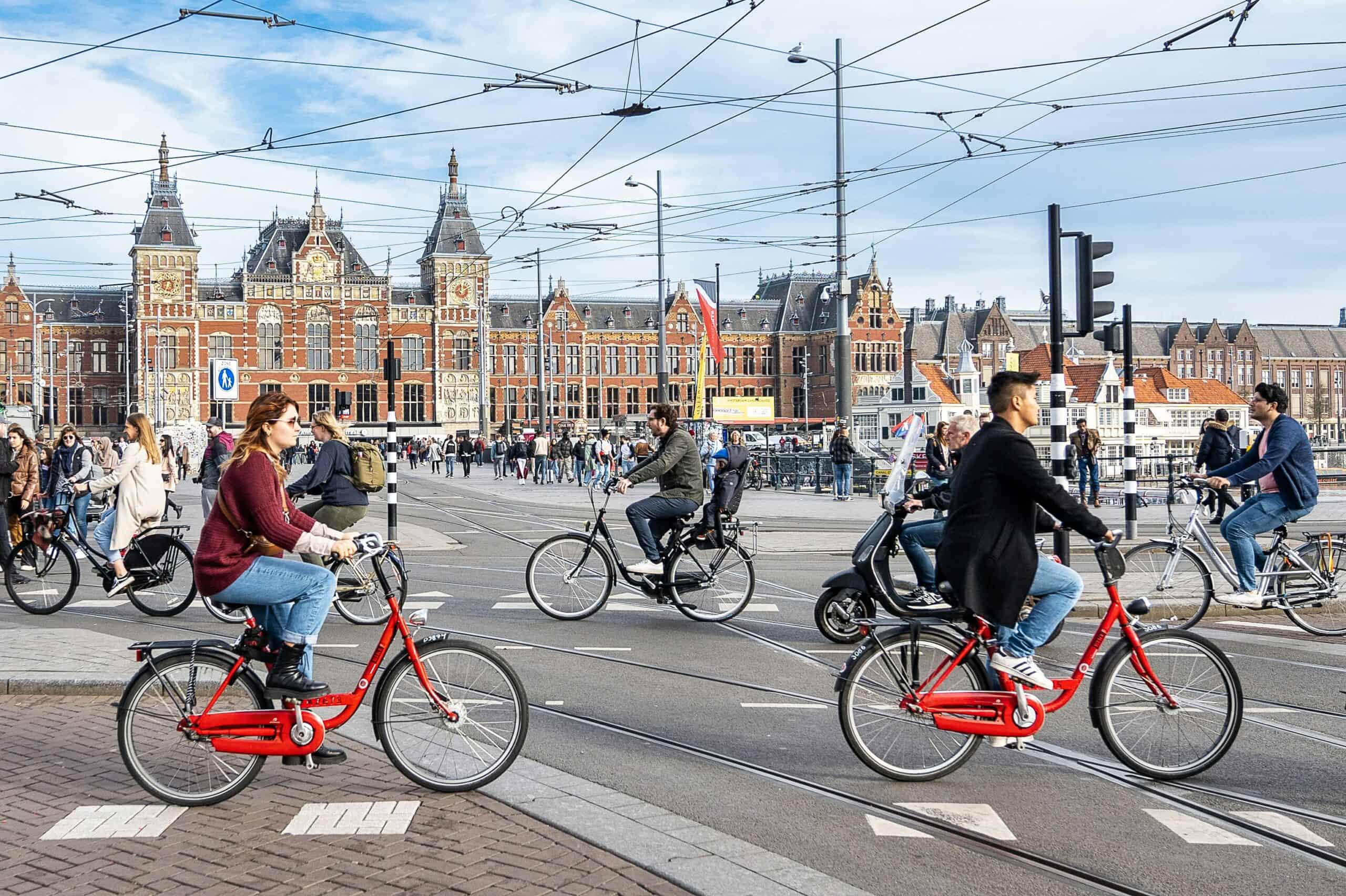
Work-life balance is often framed as a personal skill, but national systems still shape the outcome more than individual discipline. Paid leave, childcare access, healthcare reliability, commuting patterns, and social trust all influence whether people recover after work or remain in constant catch-up mode. Across Europe, some countries consistently create conditions where ambition and rest can coexist without constant trade-offs. These nine stand out not because life is perfect there, but because everyday structures reduce friction and protect time, energy, and family stability over the long run.
Netherlands
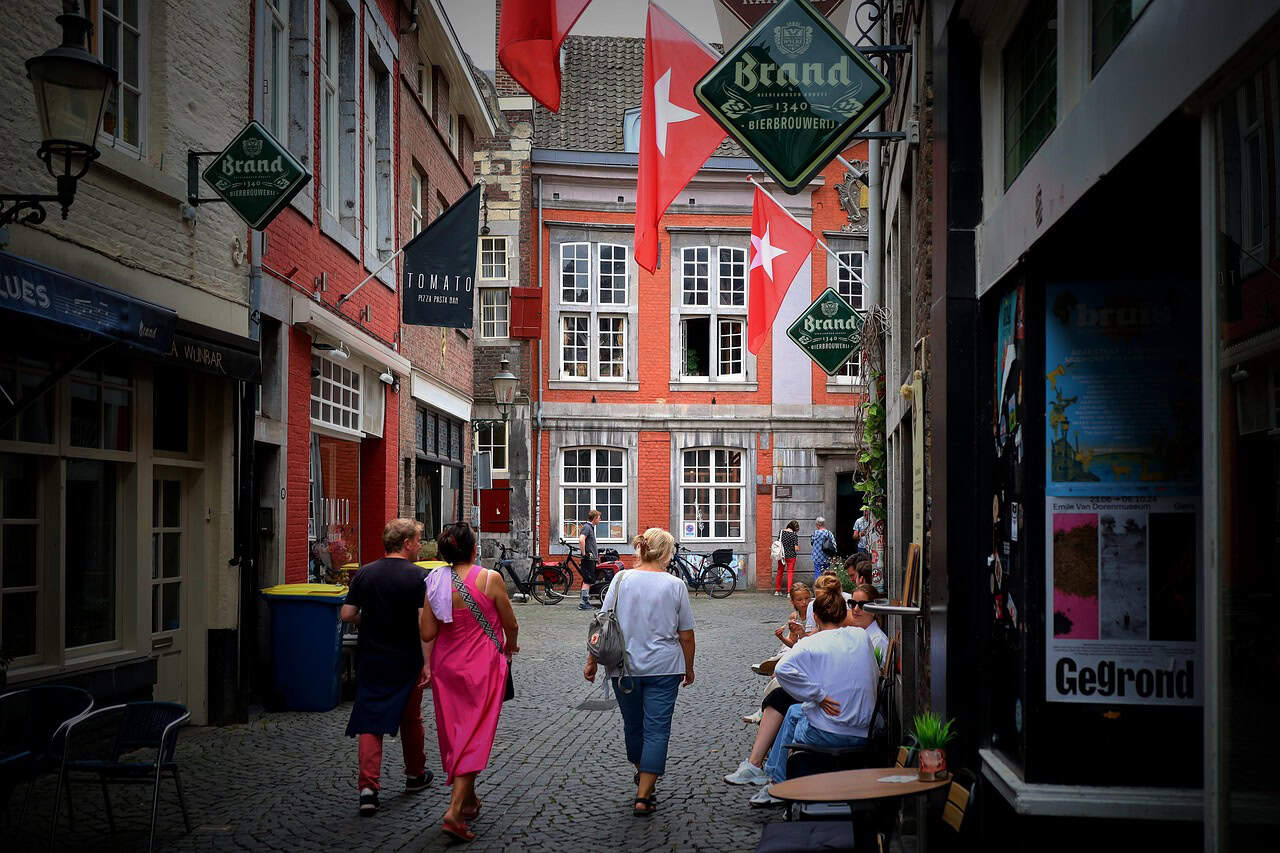
The Netherlands stands out for its practical approach to time. Average working hours are among the lowest in Europe, and part-time arrangements are widely normalized rather than treated as career penalties. That matters because flexibility works best when it is culturally respected and legally supported. Daily life feels more manageable when parents can coordinate school schedules, workers can protect evenings, and commutes are supported by efficient transport and cycling infrastructure. The Dutch model is not built on hustle mythology. It is built on predictable routines that leave room for both productivity and real personal life.
Norway
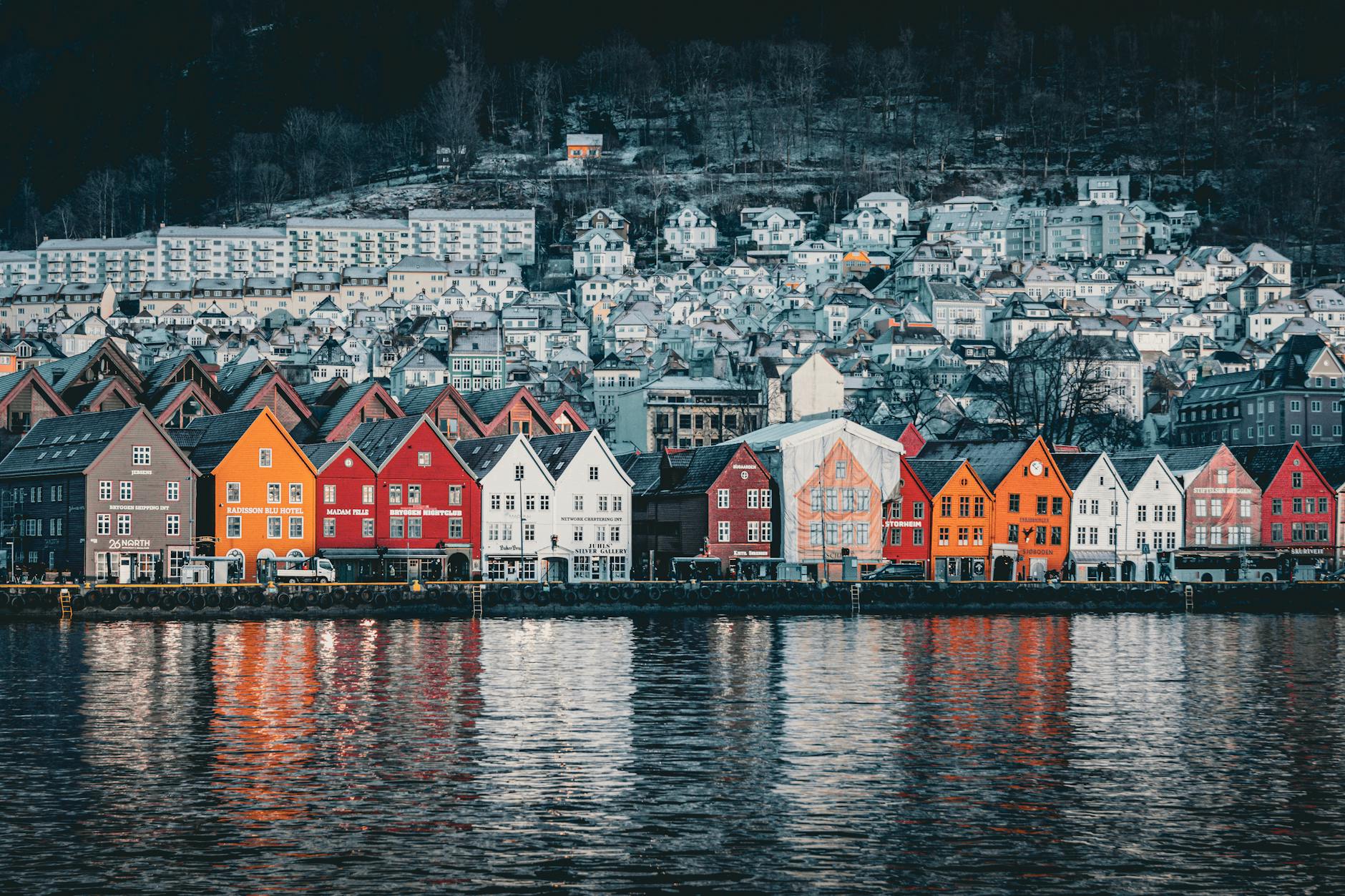
Norway pairs high living standards with policies that reduce pressure at home and at work. Strong parental leave, broad social protections, and dependable public services help people navigate major life phases without career collapse or financial panic. Work remains important, but there is less expectation that identity must revolve around constant availability. The cultural tone favors sustainability over burnout, and that shows in long-term life satisfaction. Norway’s advantage is not one headline policy. It is the consistency of systems that keep work intense at times, but rarely all-consuming.
Denmark
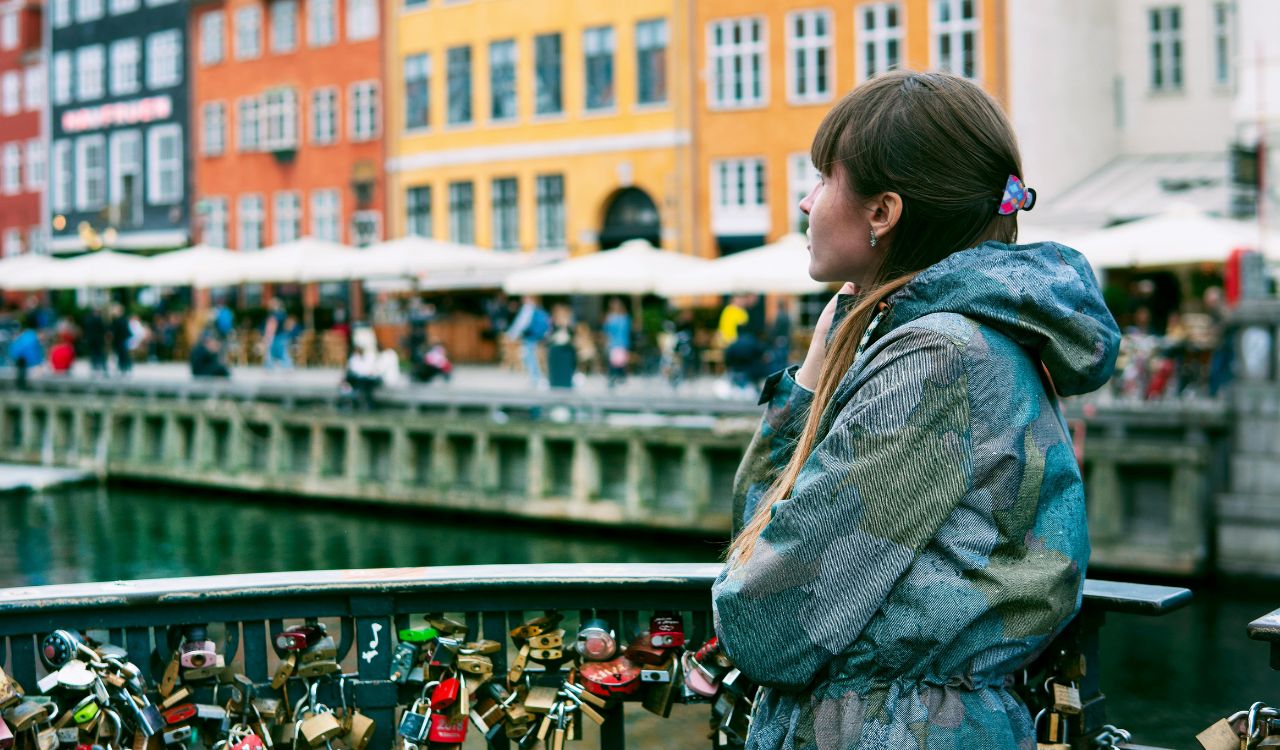
Denmark’s strength is coherence. Labor expectations, social supports, and public services generally align in ways that make ordinary weeks feel less chaotic. Childcare and healthcare reliability reduce the hidden labor many households carry, while workplace culture often respects boundaries around evenings and family time. That combination lowers the emotional cost of full participation in both work and personal life. Denmark does not promise a stress-free existence. It offers something more useful: a framework where pressure is manageable, recovery is possible, and people can plan beyond immediate exhaustion.
Finland
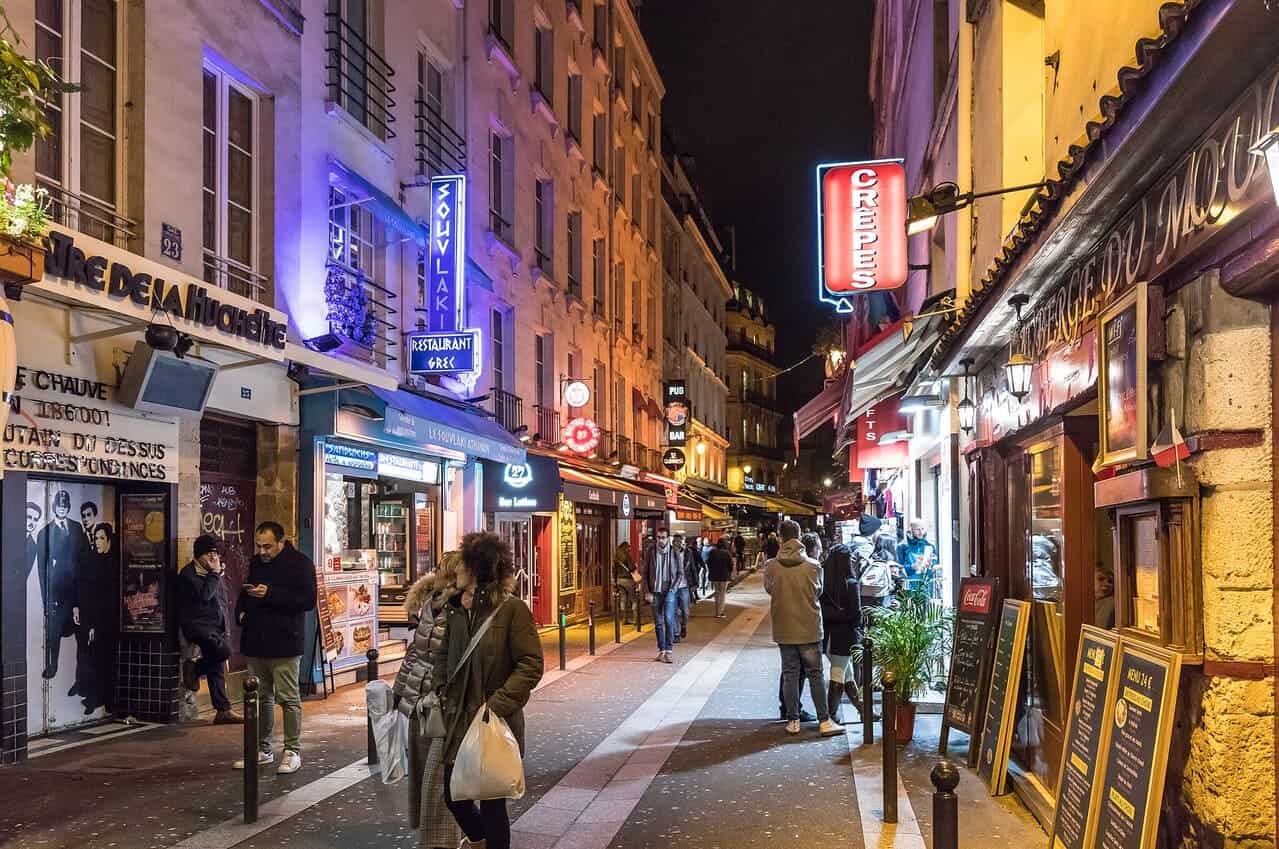
Finland performs strongly because stability is built into daily systems, not left to luck. Public institutions are trusted, education and healthcare are accessible, and social support structures reduce fear around disruption. When people are less worried about basic security, work becomes one part of life rather than a permanent emergency. Finnish culture also tends to value calm competence over performative overwork, which helps maintain healthier routines over time. The result is a quieter form of balance, where resilience comes from reliability and where rest is treated as a normal requirement, not a reward.
Sweden
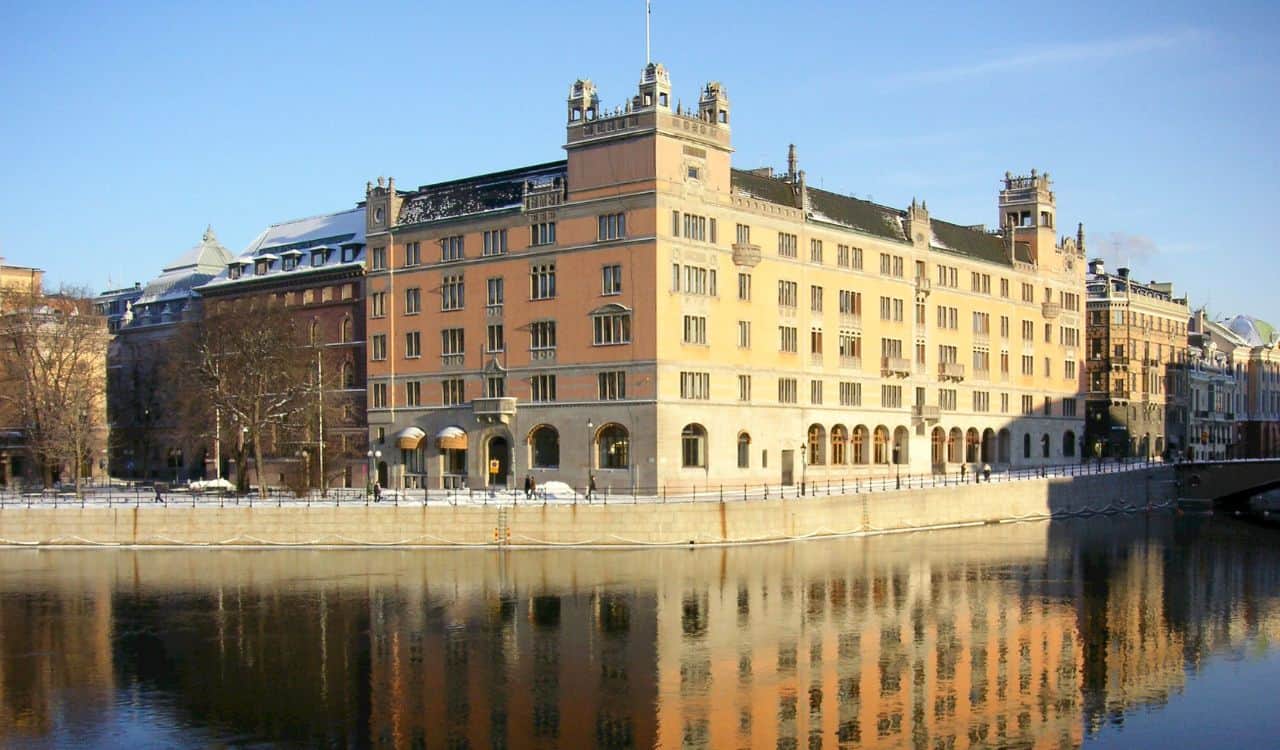
Sweden combines modern economic strength with social policies that cushion everyday stress. Paid leave frameworks, family supports, and strong public services create space for workers to sustain careers without sacrificing all personal bandwidth. Cultural norms often reinforce this, with less status attached to nonstop busyness and more emphasis on long-term steadiness. That shift in values matters as much as policy. Sweden’s balance is not about doing less. It is about organizing work so people can keep showing up well over decades, not only during short bursts of unsustainable intensity.
Iceland

Iceland’s scale and social fabric contribute to a distinct work-life rhythm. Community ties are strong, institutions are broadly trusted, and many people report a practical sense of support when life gets complicated. Even with harsh weather and seasonal extremes, daily structures often remain stable enough to protect personal time and family continuity. Work demands exist, especially in key sectors, but the broader social environment does not glorify depletion as success. Iceland demonstrates that balance can thrive where mutual trust and social cohesion are treated as infrastructure, not soft extras.
Germany
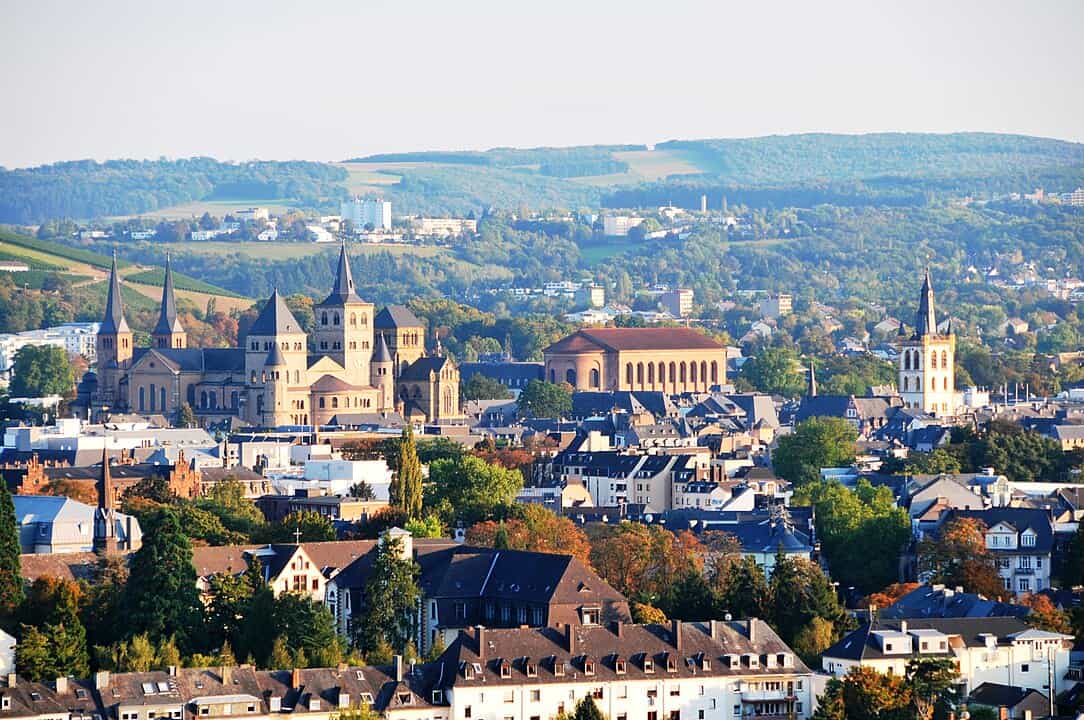
Germany’s work-life profile is shaped by structure. Regulated labor norms, paid leave traditions, and a broad culture of planning create clearer boundaries around working time than in many high-pressure economies. While intensity varies by industry, there is still strong institutional support for predictable schedules, vocational stability, and social insurance protections. That framework helps households absorb disruptions without immediate collapse. Germany’s model is not perfect, and regional differences remain real, but its core strength is straightforward: systems are designed to support sustained performance, not permanent overload.
Belgium
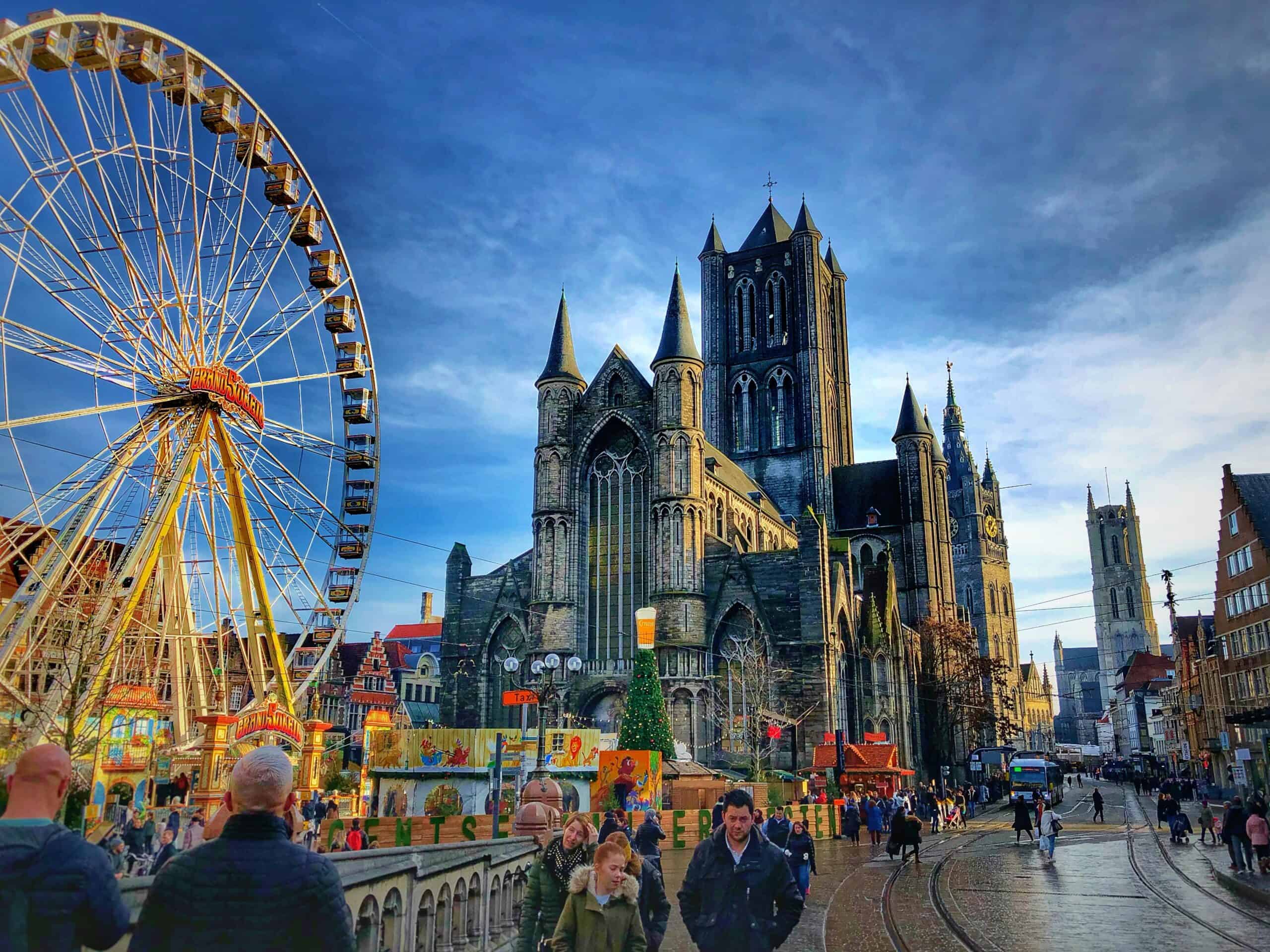
Belgium offers a balanced model grounded in reliable services and social protections. Healthcare access, labor regulation, and public infrastructure reduce many of the hidden stresses that accumulate outside office hours. This makes a practical difference in how people experience weekdays, especially families managing caregiving, commuting, and administrative tasks. Balance here is not marketed as lifestyle branding. It appears in ordinary routines that feel less brittle and less reactive. Belgium’s advantage is subtle but meaningful: stronger institutional support allows personal life to remain active, not residual.
Ireland
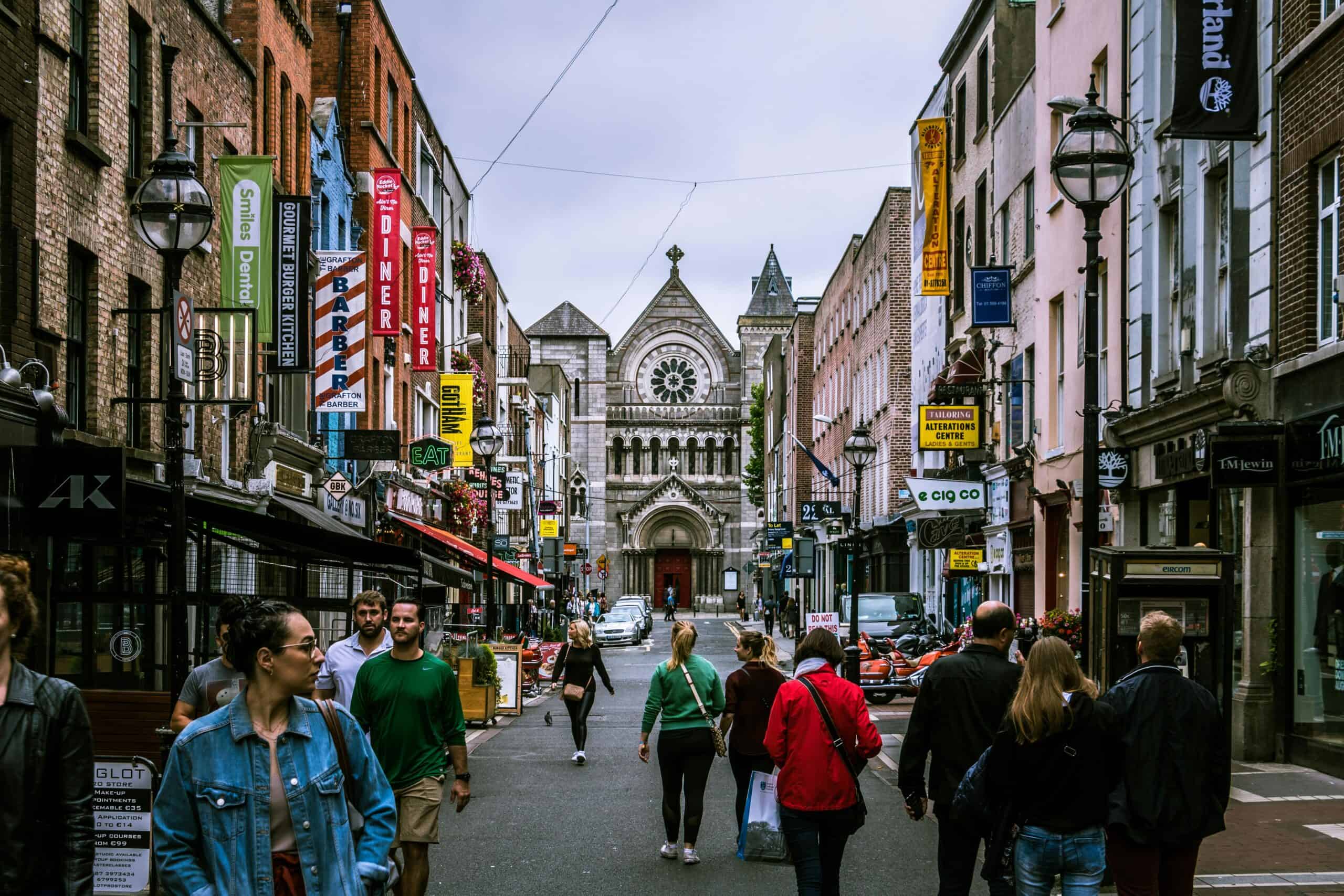
Ireland has improved its quality-of-life position through stronger economic opportunity and a social climate that still values community ties. Work pressures remain, especially in high-cost urban areas, but many workers benefit from increasing flexibility, evolving labor practices, and stronger service ecosystems than in earlier decades. The cultural tone also helps, with social connection and family networks still central to daily resilience. Ireland’s balance story is still developing, yet the direction is clear. Conditions are moving toward a model where work can be ambitious without becoming the only framework for living.