We may earn money or products from the companies mentioned in this post. This means if you click on the link and purchase the item, I will receive a small commission at no extra cost to you ... you're just helping re-supply our family's travel fund.
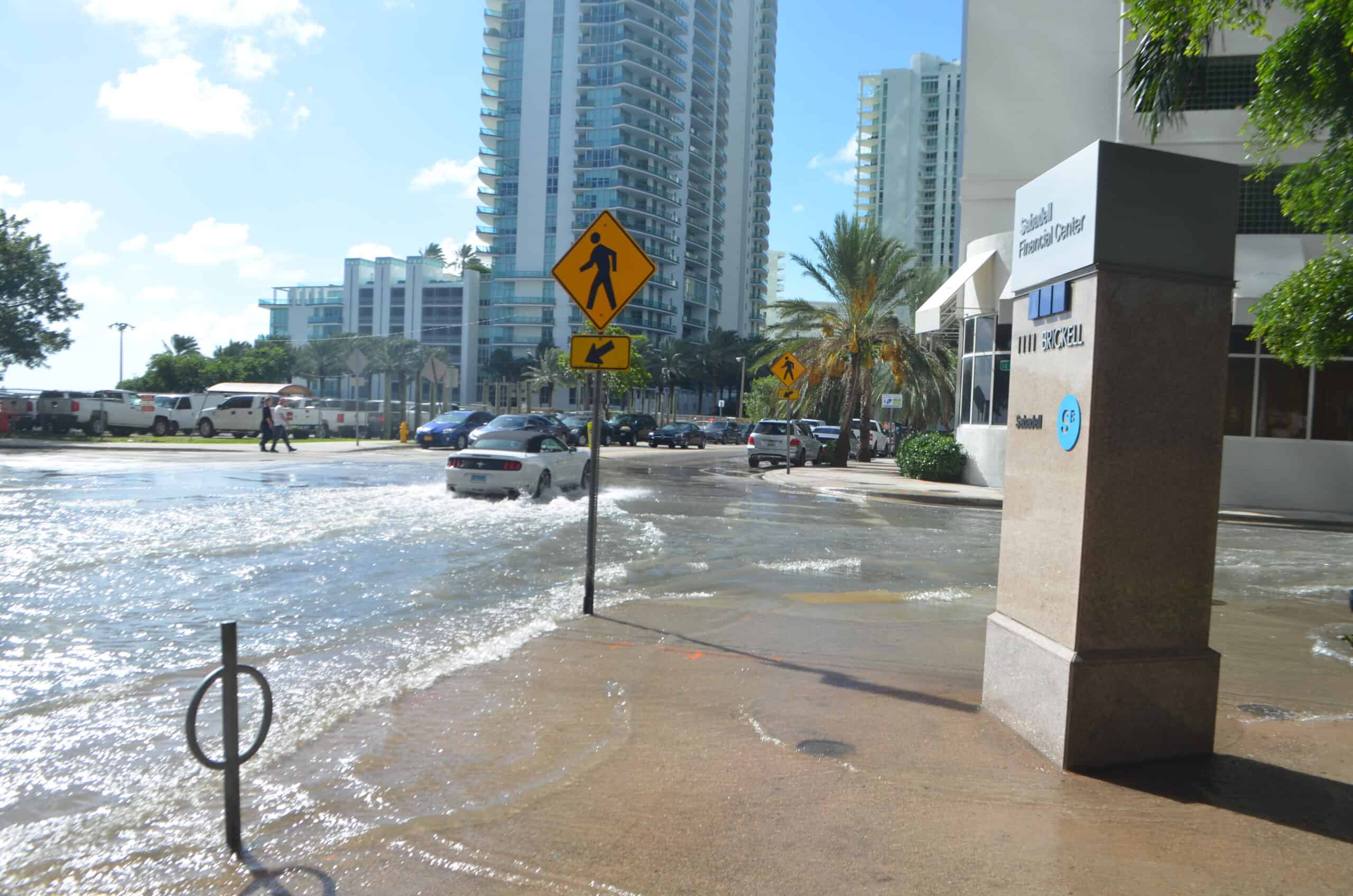
High-tide flooding used to be a quirky photo opportunity, a glossy street and a quick laugh before lunch. Along parts of the U.S. coast, it is now a recurring, calendar-driven disruption that shows up on sunny days. When water rises from bays, canals, and storm drains, it hits the most ordinary places first: crosswalks, parking lanes, storefront thresholds. By 2026, many beach towns plan around tide charts the way they once planned around storms, because the ocean has started arriving on schedule.
Miami Beach, Florida
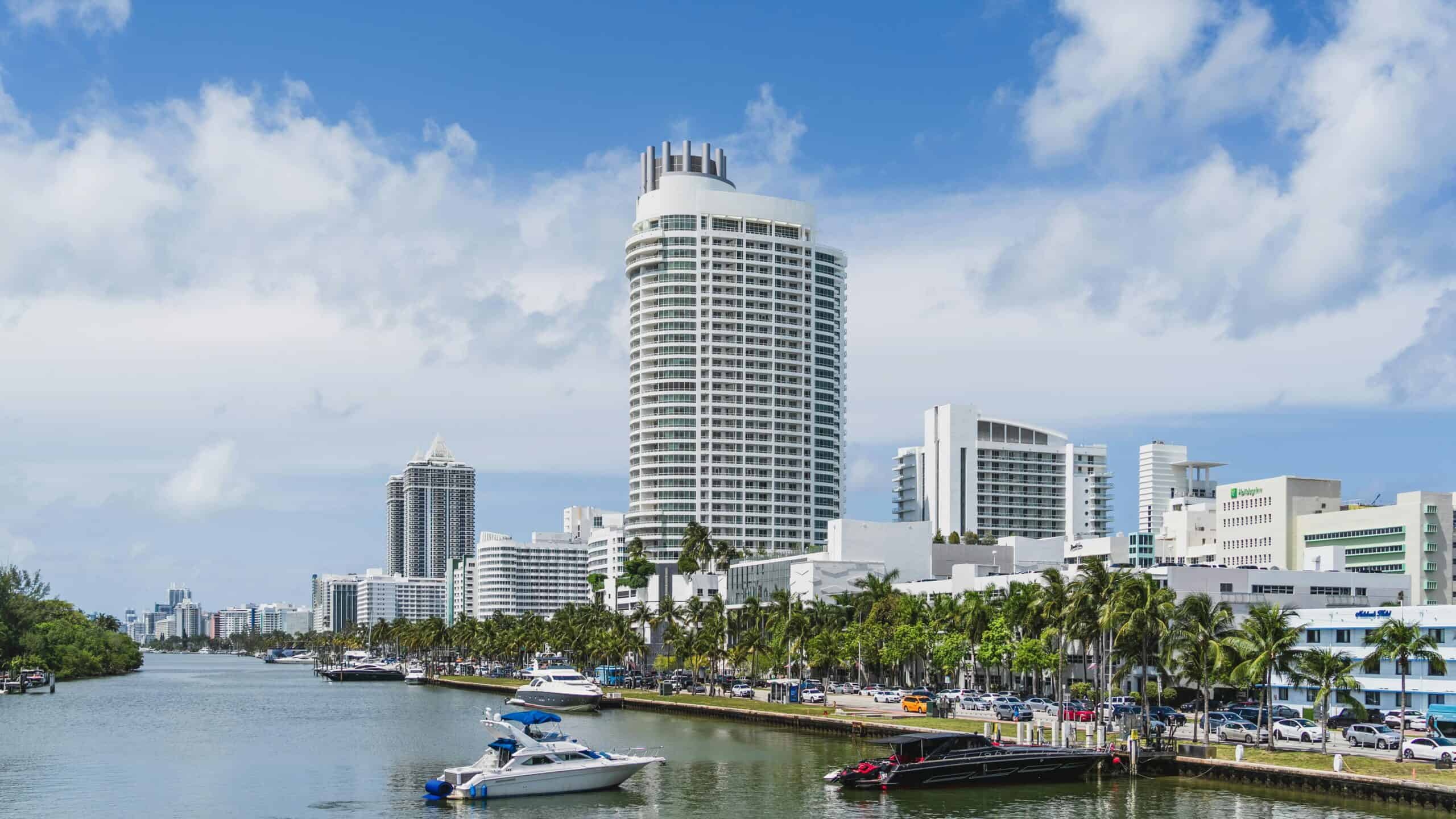
On calm fall mornings, saltwater can creep onto low streets near Biscayne Bay, turning valet stands, crosswalks, and curbside parking into sloshy detours. Miami Beach has fought back with pump stations, new drainage, and road-raising projects on corridors like 1 Street and Alton Road, designed to keep water moving out instead of pooling during higher tides. Even with upgrades, king-tide weeks still slow South Beach down as puddles linger in side streets, stain curbs with salt, and corrode car underbodies and storefront planters long after the water dries.
Key West, Florida
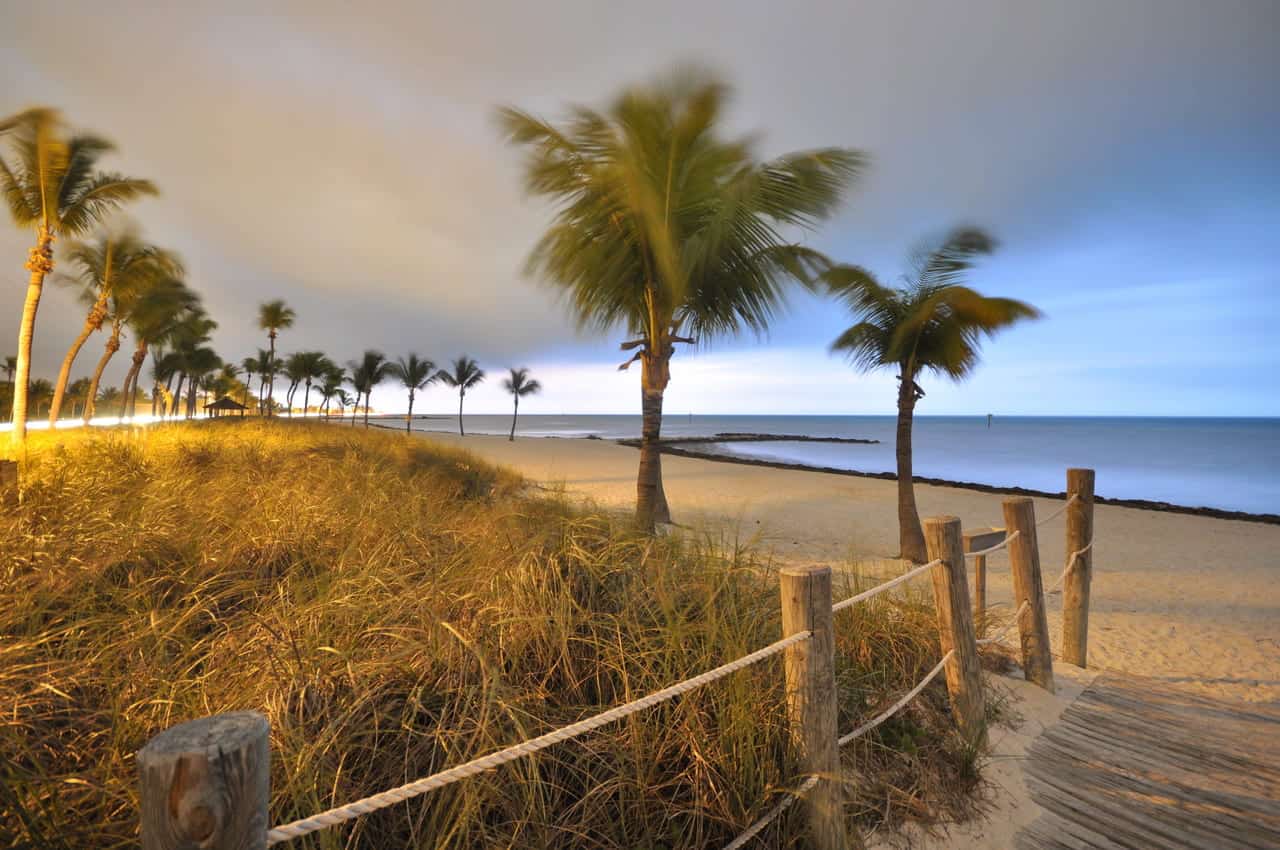
Key West sits so low that the ocean sometimes behaves like an uninvited neighbor, pushing water into streets when tides run high and the wind leans the wrong way. The National Weather Service in Key West flags windows when higher-than-normal tides can cause coastal flooding, and Monroe County warnings note king tides can make low areas temporarily impassable, especially when rain piles on. Downtown blocks near Duval Street are repeat trouble spots, where bikes splash through brackish puddles, and restaurant mats end up doing double duty as makeshift squeegees and city crews check grates and pump stations before the next high-water peak.
St. Augustine, Florida
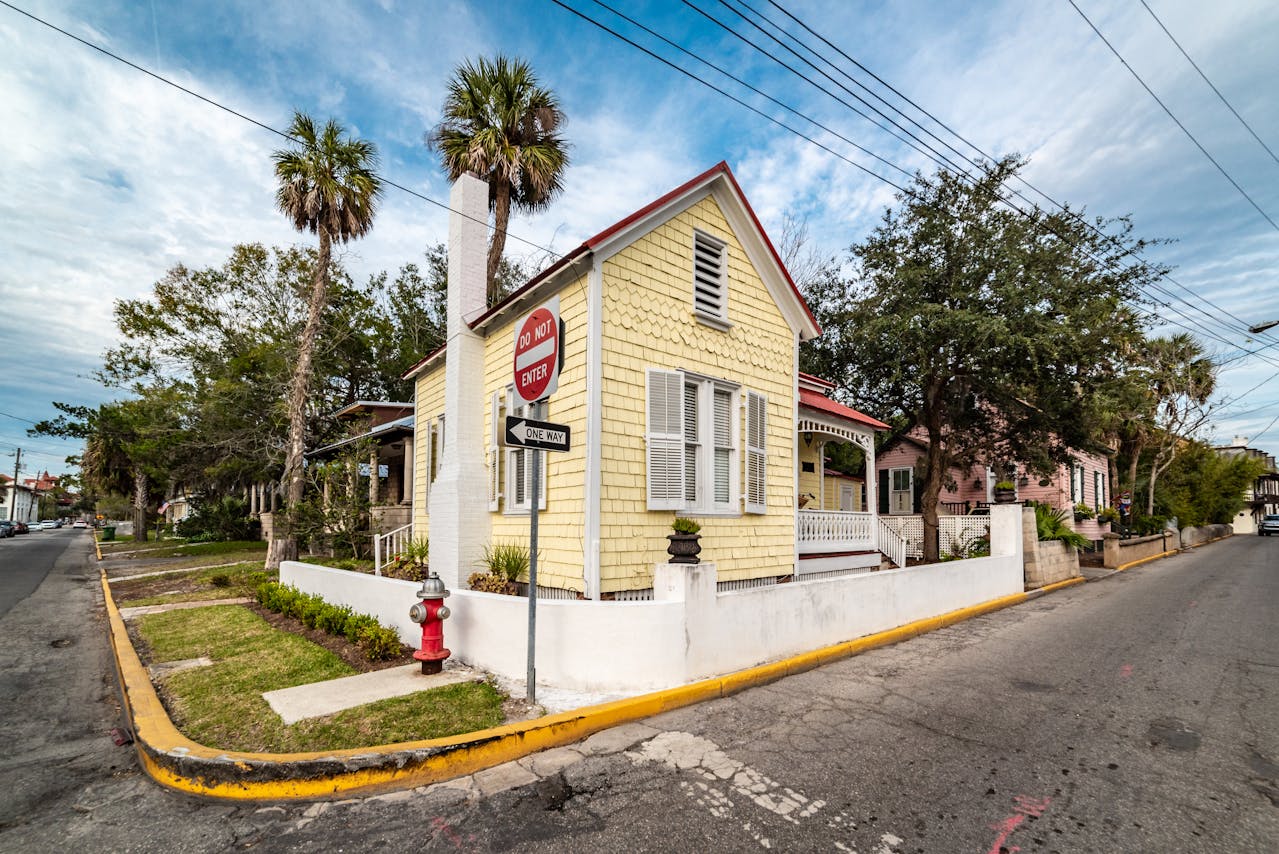
In America’s oldest city, the romance of brick sidewalks can clash with the math of tides that do not care about history or tourism seasons. During king-tide periods, city warnings and local weather coverage have shown roads around the bayfront and along King Street taking on water, disrupting routines near the seawall, bridge approaches, and the historic core. The flooding is often short-lived, but it can back up traffic, close a few lanes, and leave businesses wiping salty residue from doorsteps before the next tour group arrives. It is a reminder that the Matanzas River sets the clock as much as any church bell.
Charleston, South Carolina
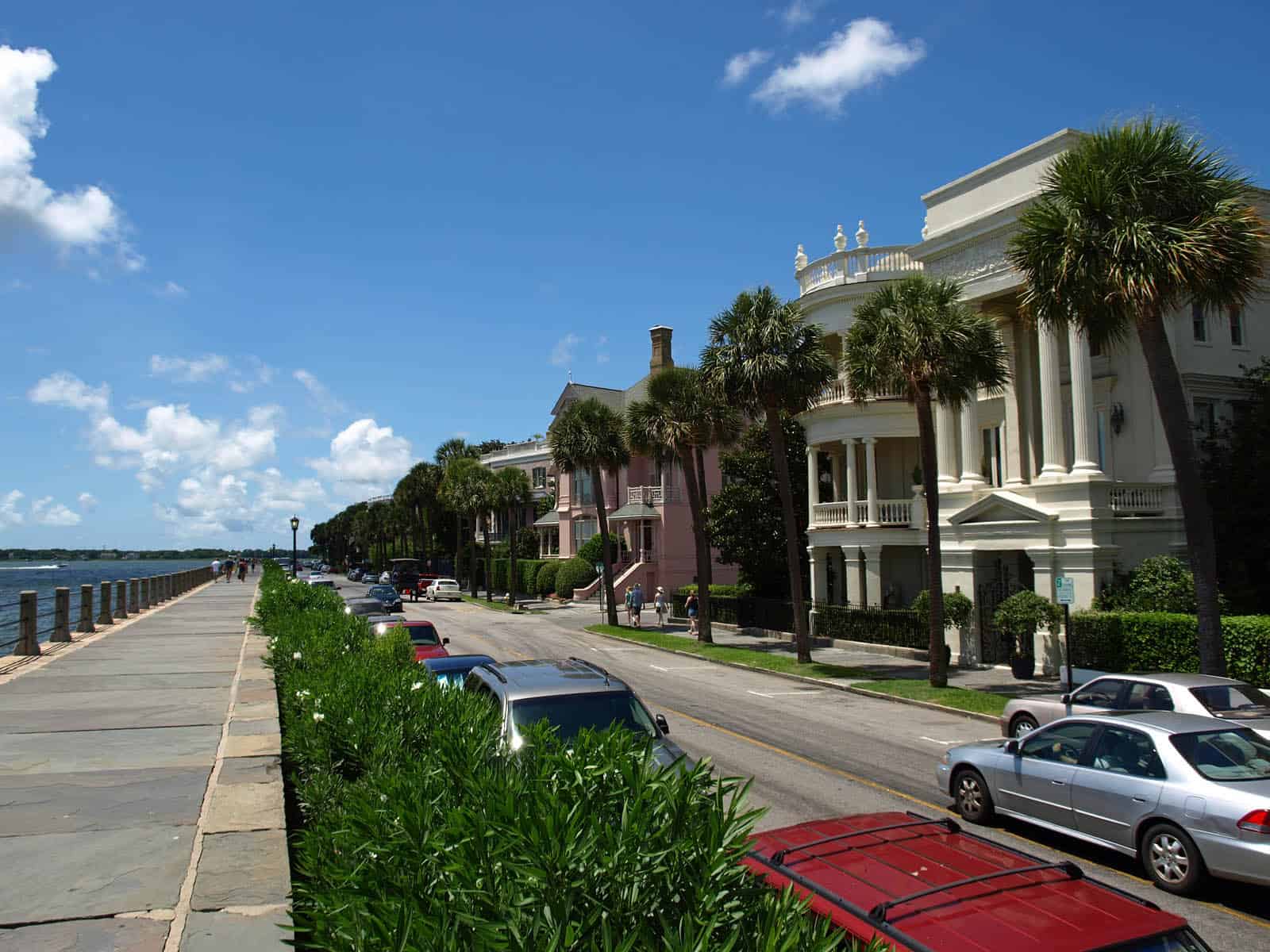
Charleston’s pastel facades and cobblestones look timeless, yet downtown flooding has become a familiar storyline when tides peak in the harbor. Local reporting has described street flooding and road closures tied to higher water, including busy downtown corridors that locals once blamed only on heavy rain. The scene can feel surreal: sunshine on church steeples, then a shallow sheet of water across crosswalks as drains burp upward, cars crawl through intersections, and shops keep extra towels for the corners that flood first, even when it has not rained in days and the air smells faintly of marsh.
Norfolk, Virginia
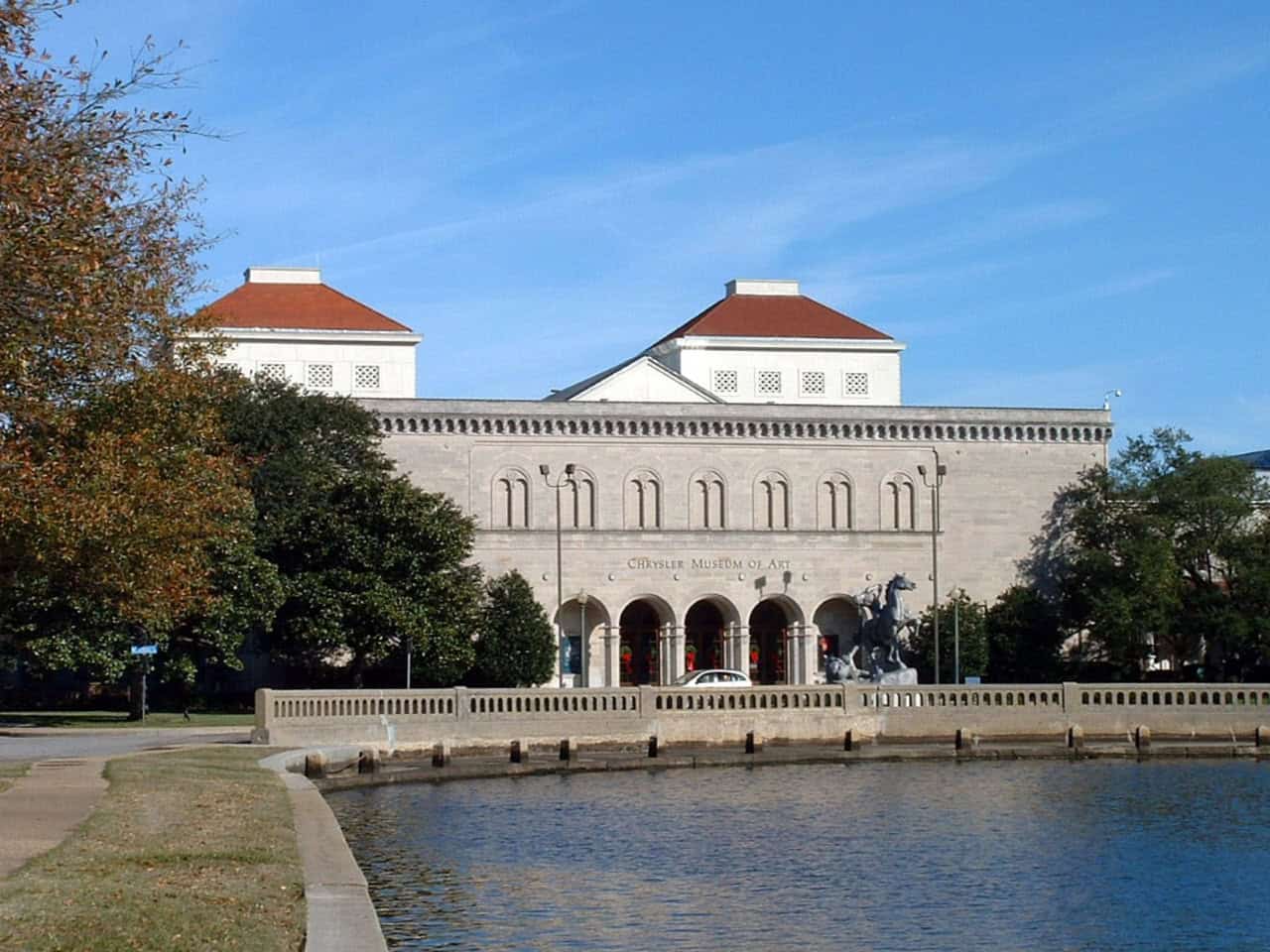
Norfolk is built around working water, and that closeness shows up when high tide meets low-lying streets, tunnels, and underpasses near downtown. The city publishes a flooded-streets map that highlights recurring problem intersections, and local updates regularly note closures when high water cuts off familiar routes such as key underpasses and commuter corridors. What used to be a surprise becomes routine: commuters learn backup streets, businesses keep sandbags ready, and water can arrive under clear skies, then retreat by afternoon, all while the Elizabeth River keeps climbing leaving salt lines on curbs and a faint smell of marsh.
Sea Isle City, New Jersey
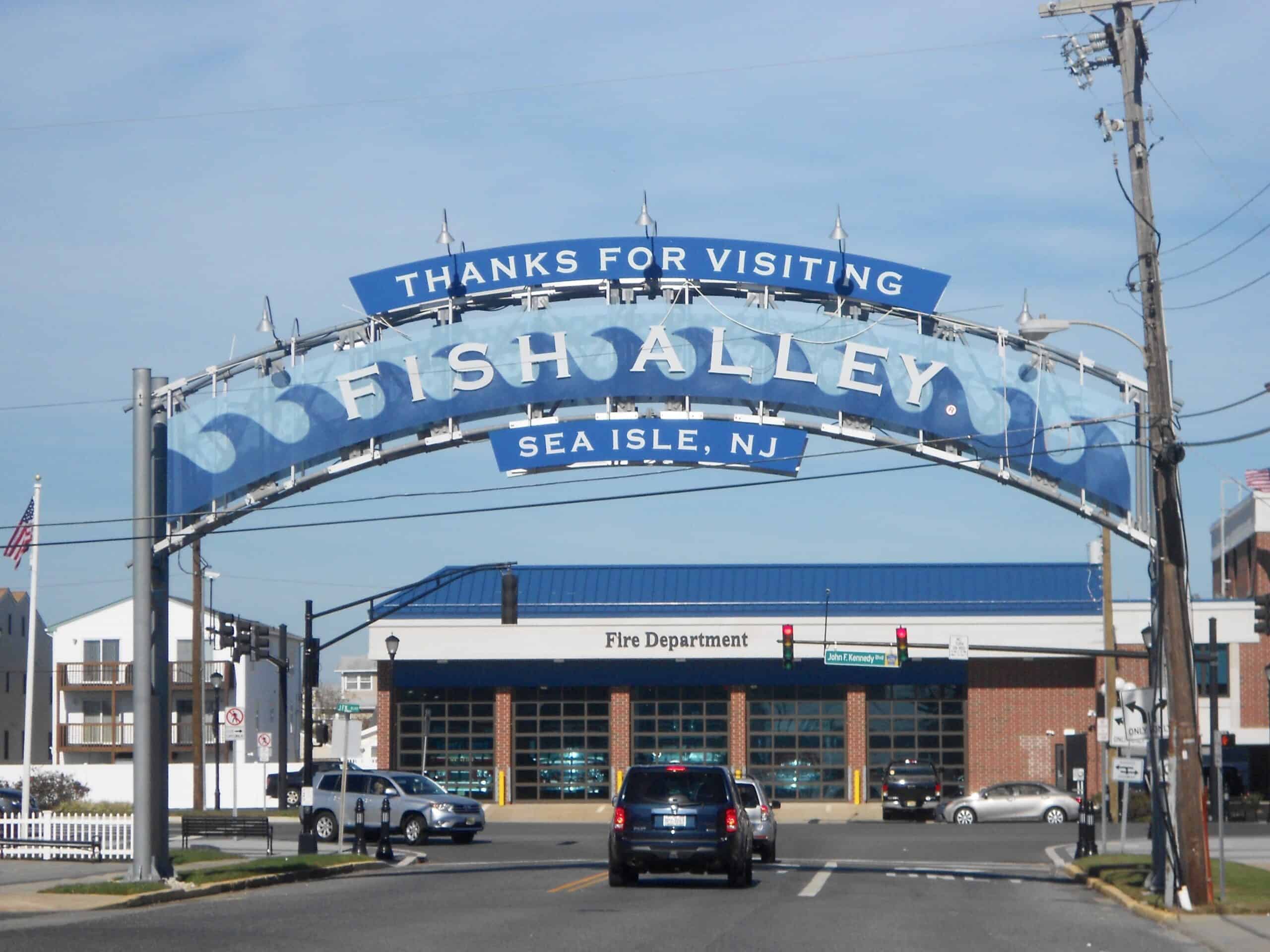
On barrier islands, the back bay can be as disruptive as the ocean, especially when wind pushes high tide inland and storm drains cannot keep up. Jersey Shore reporting has shown Sea Isle City streets filling with seawater during coastal-flood events, leaving residents to move cars, reroute deliveries, and wait for the next tide cycle to reverse the flow. The beach can look peaceful from the dunes, but a few blocks back the town grid briefly behaves like a canal system, with water lapping at bulkheads and running over storm grates near intersections. Police cones pop up, and porch steps become informal tide gauges.
Ocean City, New Jersey
/Pixabay
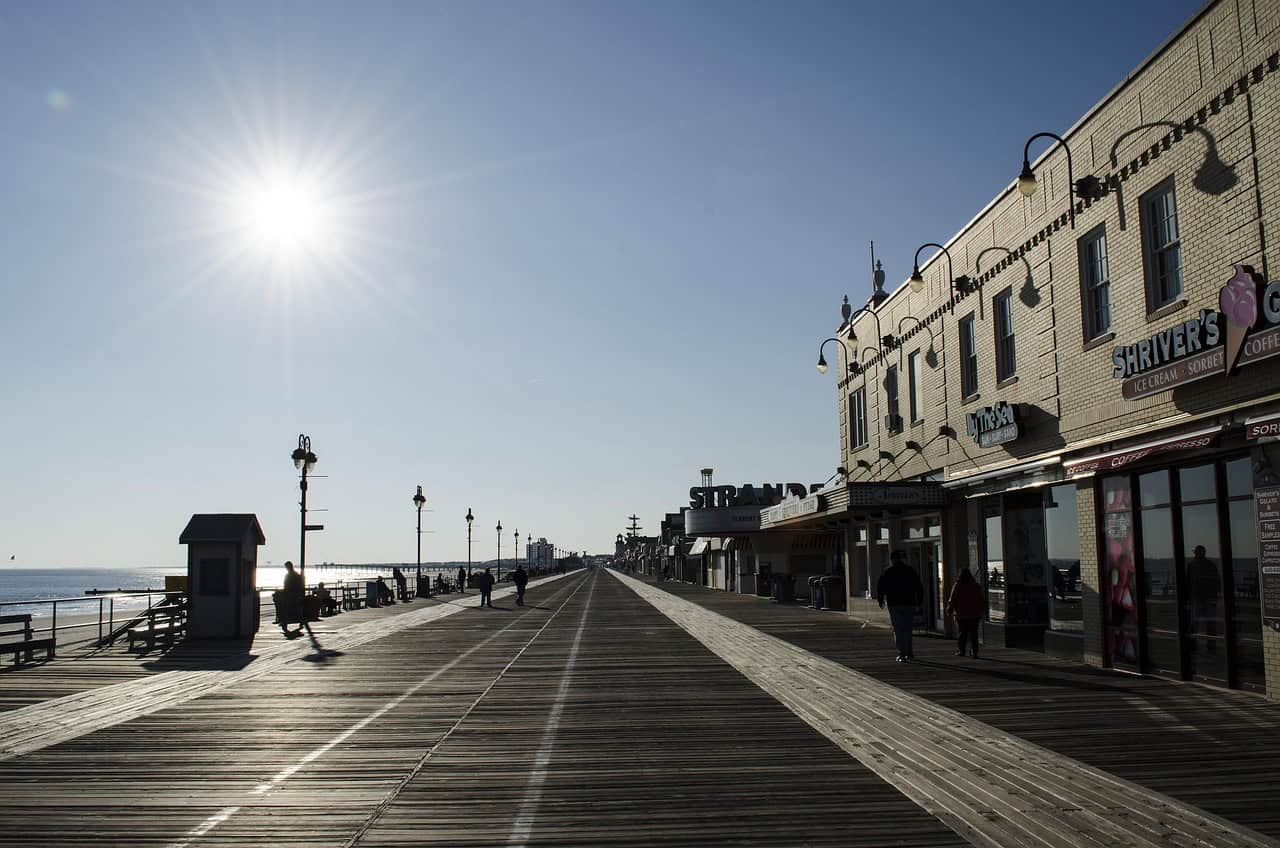
Ocean City’s boardwalk image hides a second coastline on the back bays, where water levels crest around high tide near the Ninth Street Bridge. The city’s own updates have warned that wind combined with higher-than-normal tides can produce minor coastal flooding, especially on the bay side, even when the oceanfront looks calm. The pattern is familiar to locals: brackish water pools along marsh edges, bubbles up through storm drains, and noses into streets near the bridge until the tide turns and the pavement reappears. During peak water, trash bins wobble, and residents park on higher blocks to avoid saltwater in engines.
Rehoboth Beach, Delaware
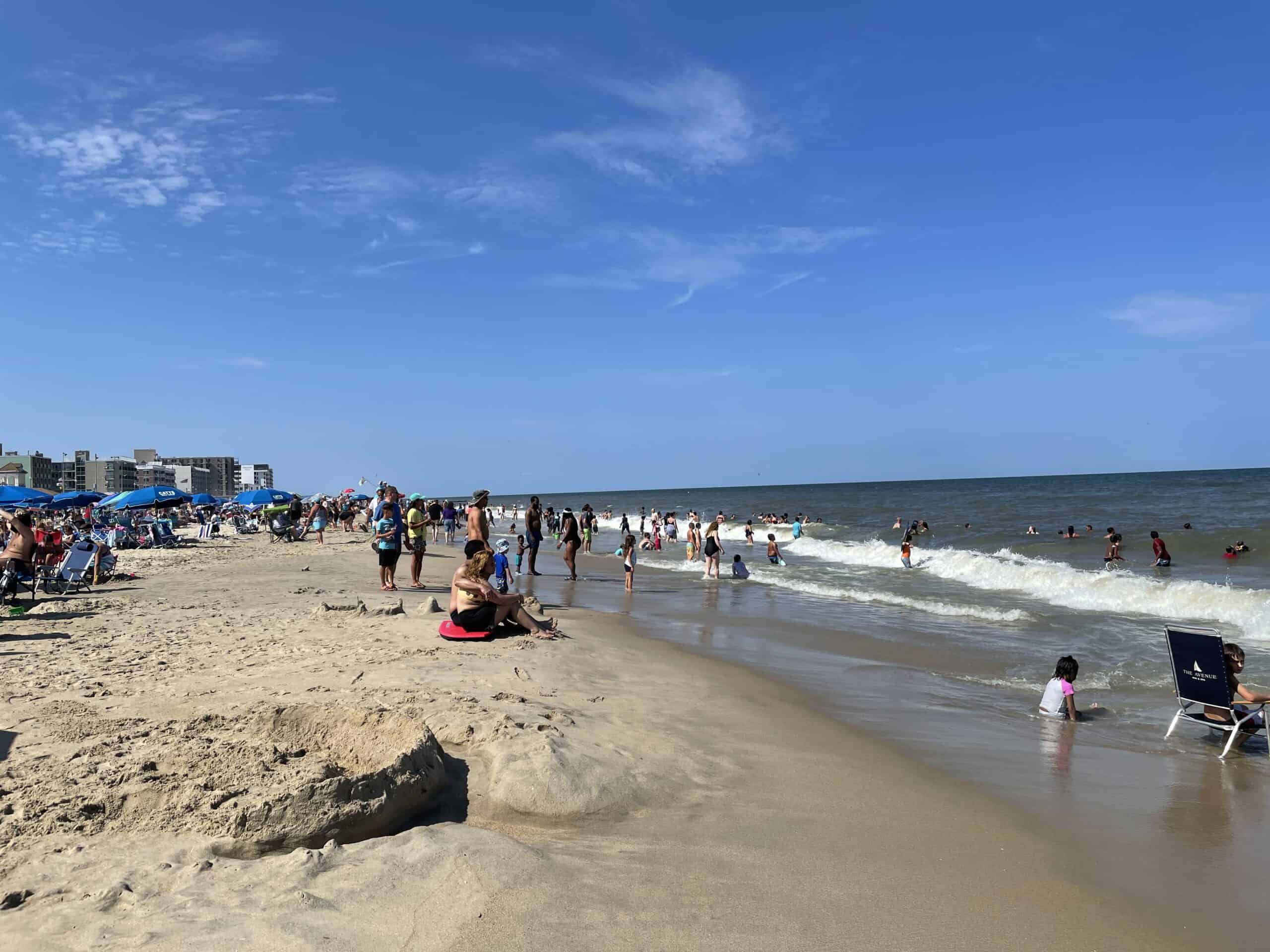
Rehoboth’s charm is walkable and compact, which makes flooding feel personal when high water reaches the blocks behind the boardwalk. National Weather Service advisories for coastal flooding have covered Delaware beaches, including Rehoboth, during periods when tides run elevated and low spots can take on water. Add rough surf and a tight street grid, and the town’s easy rhythm turns cautious fast. Low stretches such as Surf Avenue have taken on water in past events, and the effect is immediate: street parking disappears, storefront foot traffic thins, and shopkeepers keep towels handy until the next low tide buys breathing room. It is a small-town lesson in living by the water’s timetable.
Provincetown, Massachusetts
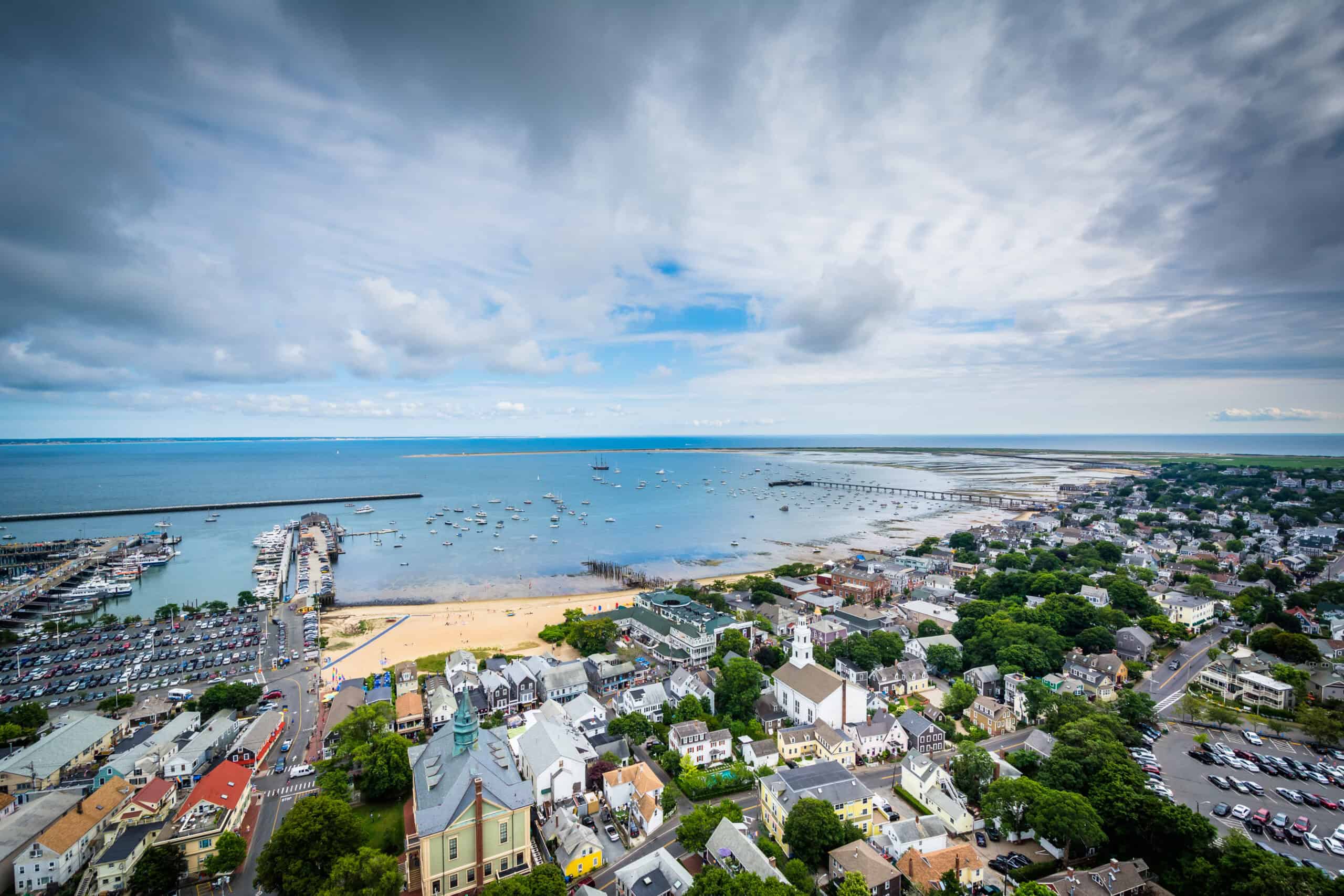
Provincetown sits at the tip of a hook-shaped cape, exposed to unusually high water that can spill into town streets at the wrong moment. The town has moved beyond shrugging and started planning for water on Commercial Street, including testing deployable coastal flood barriers and deploying mobile barriers along the crowded thoroughfare. That kind of preparation signals a shift in mindset: flooding is being treated like a recurring condition, not a surprise event. When the harbor rises, the main drag can turn glossy and slick, then dry out before lunch, leaving behind sand, salt, and the feeling of a normal day interrupted. Residents talk about it the way others talk about traffic.
Leave a Reply