We may earn money or products from the companies mentioned in this post. This means if you click on the link and purchase the item, I will receive a small commission at no extra cost to you ... you're just helping re-supply our family's travel fund.
America is full of places that look legendary from 20 feet away and feel oddly thin once the tickets, fees, and upsells hit. The letdown usually does not come from beauty or history itself. It comes from the expensive packaging built around them: timed entry, photo bundles, premium tiers, fast-track lanes, and scenic experiences that end almost as soon as they begin. What drains a trip is not spending money. It is spending heavily on moments so brief, crowded, or overproduced that they leave behind little more than a receipt and a rushed photo.
Midtown Observation Deck Markups
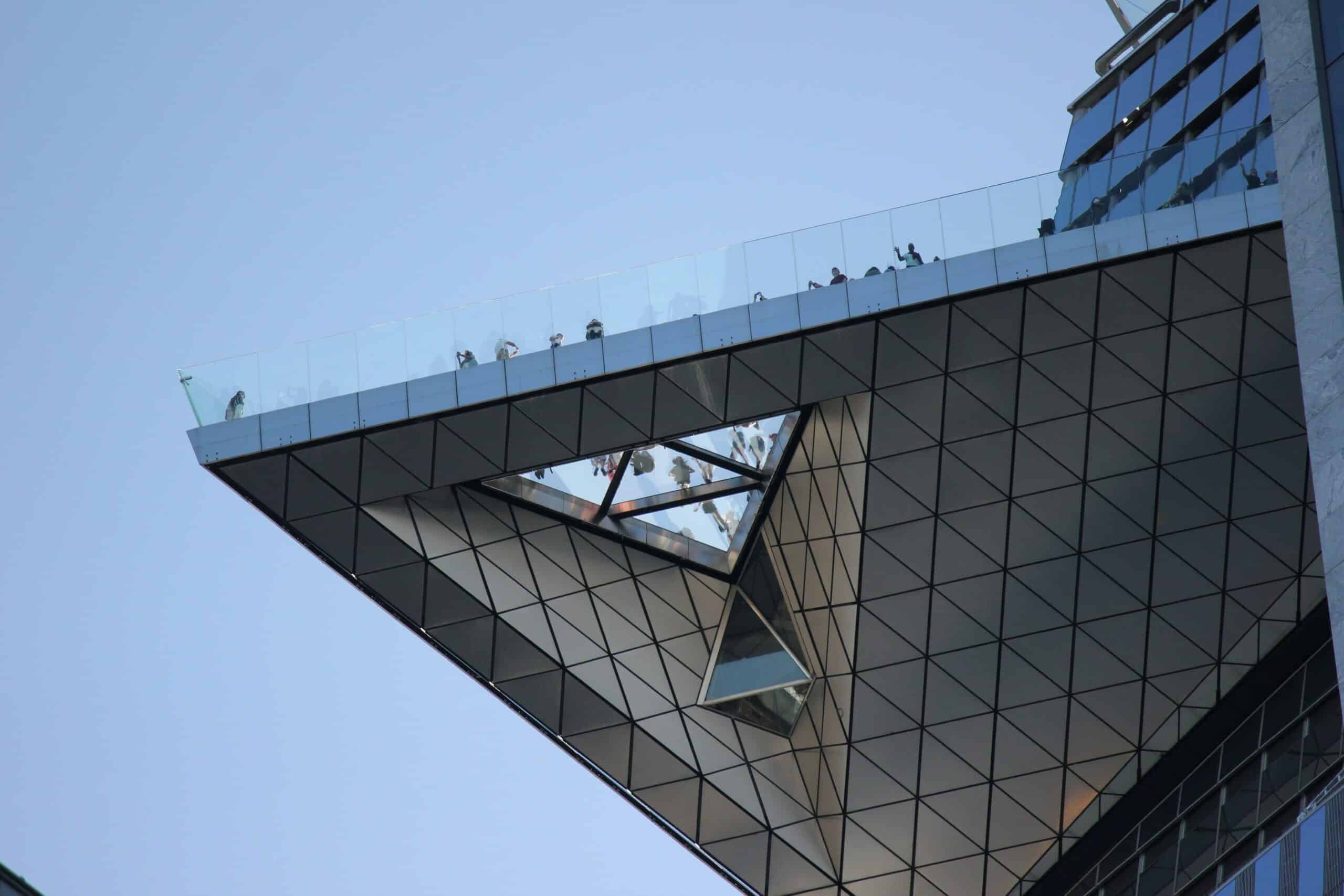
Observation decks are not automatically a bad splurge, but the price creep has become hard to ignore. Empire State Building admission starts at $44 for the 86th floor and $79 for the 86th-and-102nd-floor option, with a $5 booking charge added per transaction, which means a family can burn through real money before even reaching the elevator. When the core experience is still a short panoramic stop followed by a gift-shop exit, some travelers leave feeling that the skyline was grander from the street than from a tightly timed queue in the clouds.
Hop-On, Hop-Off Bus Passes
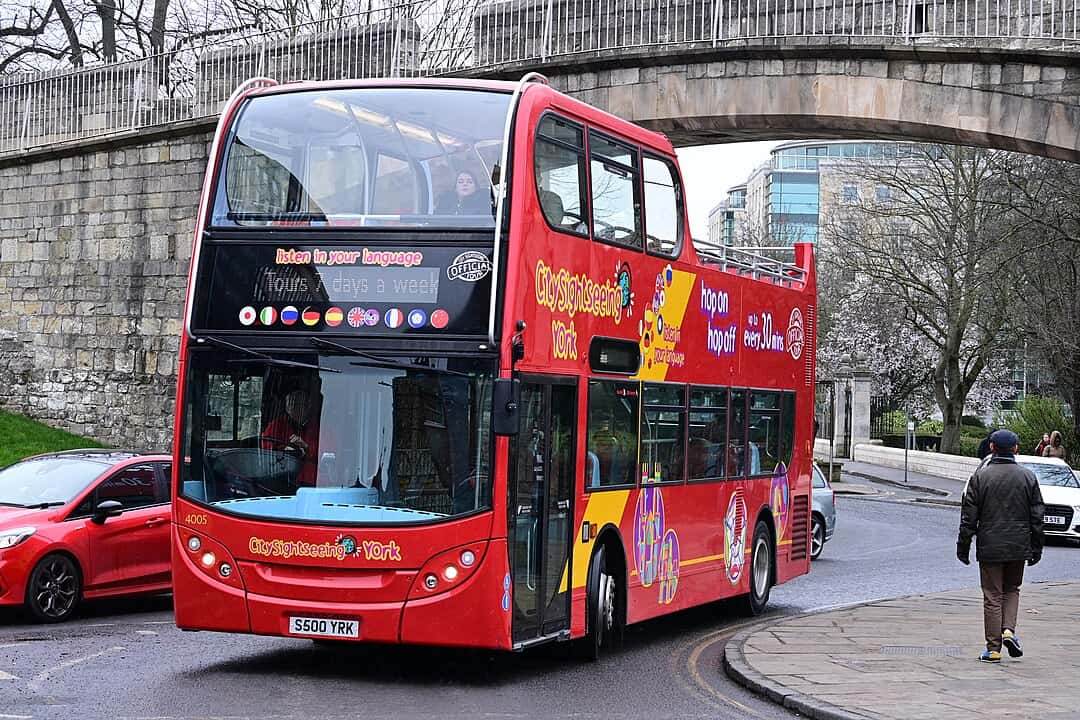
Hop-on, hop-off buses sell a dream of effortless sightseeing, yet the cost often outruns the payoff. Big Bus lists a three-hour New York ticket from $44, a night tour from $67, and a 72-hour pass from $99, all for an experience that can easily become slow traffic paired with commentary. For travelers already comfortable using subways, ferries, or their own feet, the bus can end up feeling like an expensive way to stay stuck above ground while the city rolls by at windshield speed instead of real street level.
Times Square Wax Museum Bundles
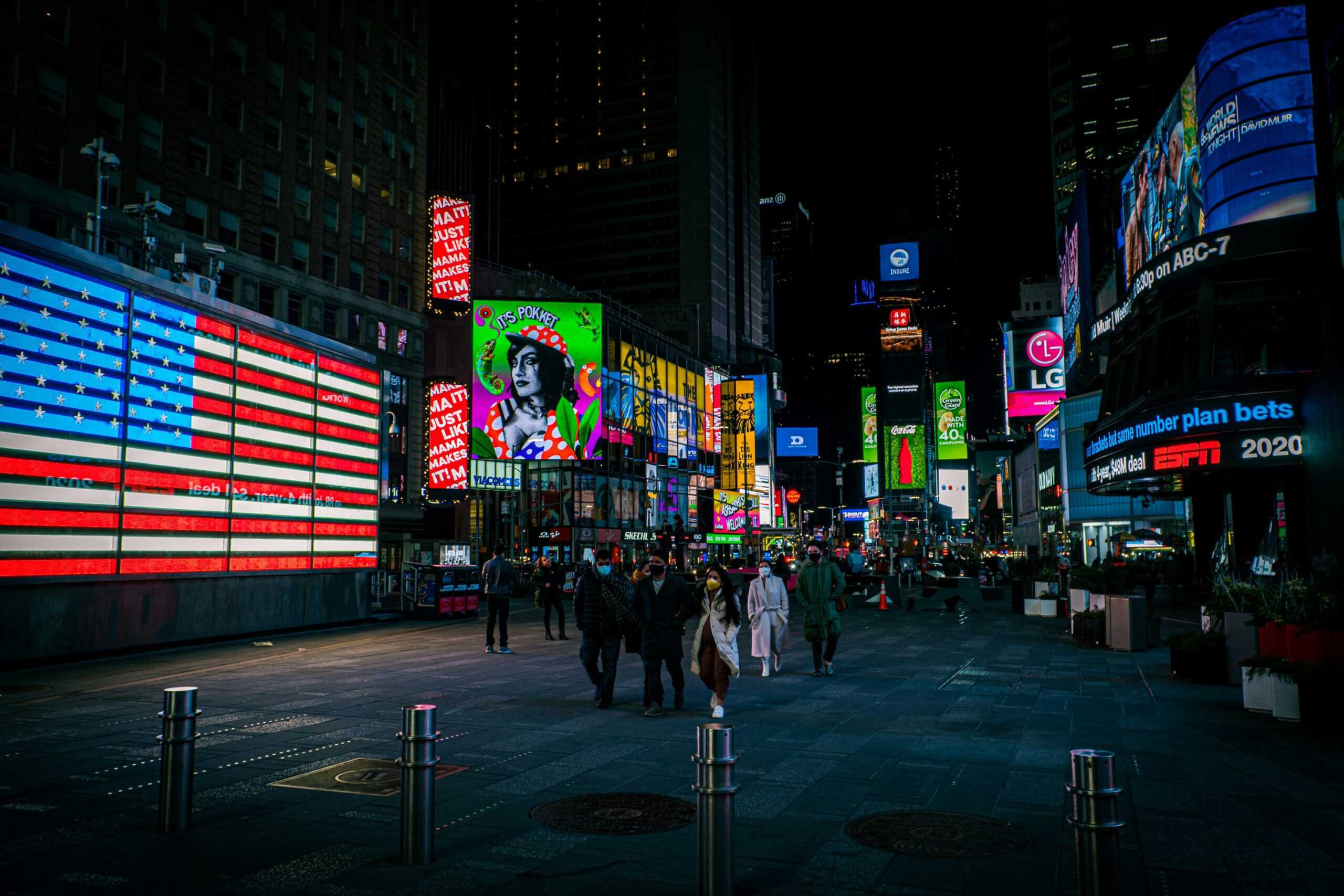
Wax museums remain one of the clearest examples of paying premium money for novelty that fades fast. Madame Tussauds New York lists online tickets from $39 for the Silver tier, $44 for Gold, and $59 for Platinum, bundling 7D games, fast track entry, photos, and keepsakes around what is still mostly a pose-and-move attraction. For many visitors, the fun peaks in the first few rooms, then slides into a long march of selfies, add-ons, and queue nudges that make celebrity access feel less glamorous than carefully monetized.
Hollywood Celebrity Home Tours
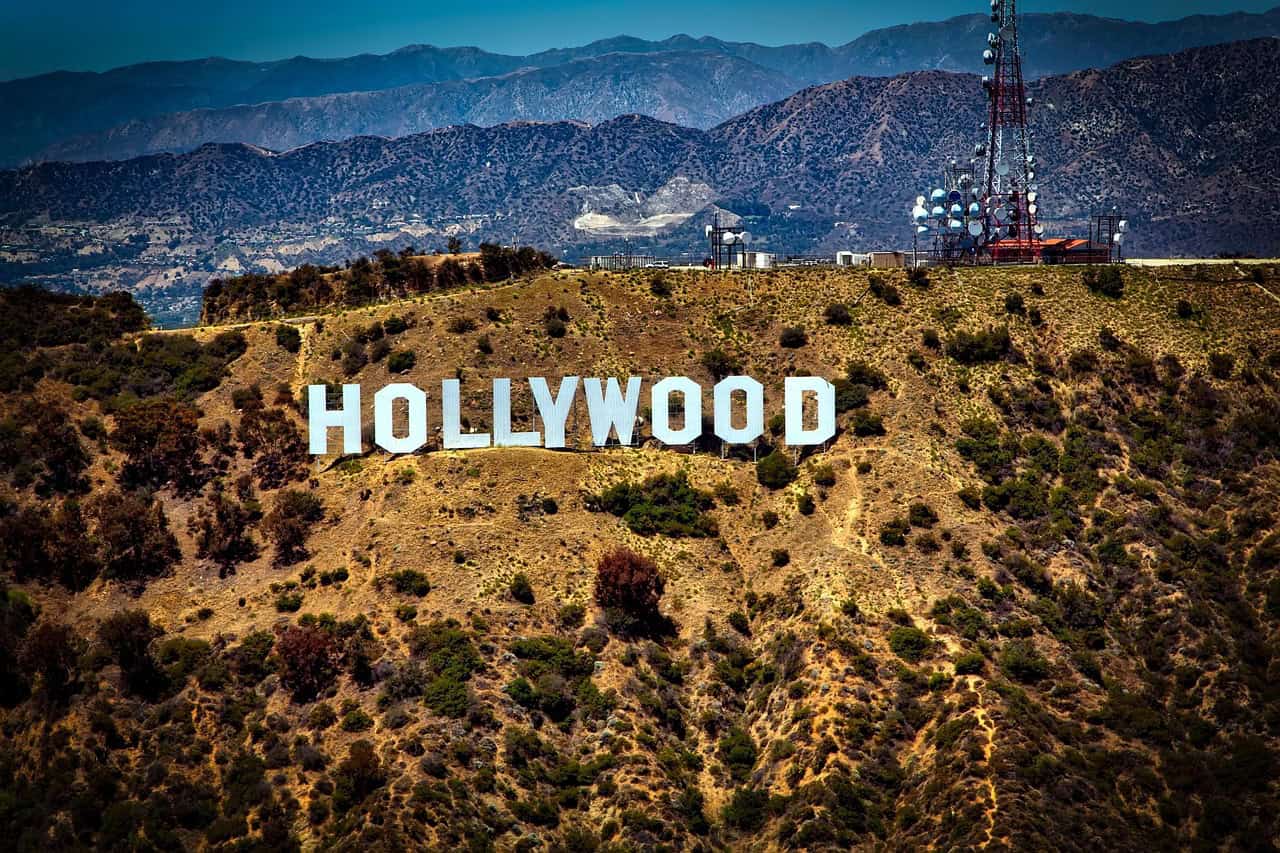
Celebrity-home tours in Hollywood keep thriving because they sell proximity to fame while offering very little actual closeness. Big Bus prices its Celebrity Homes Tour from $39.99, and Starline starts similar tours at $40, yet the experience is still largely a guide gesturing toward hedges, gates, and distant driveways from an open-air bus. The mismatch is the point: the ticket promises Hollywood magic, but the payoff is often just two hours of sun, traffic, and carefully narrated glimpses of property lines that no visitor can really enter or verify.
Las Vegas Resort Fees
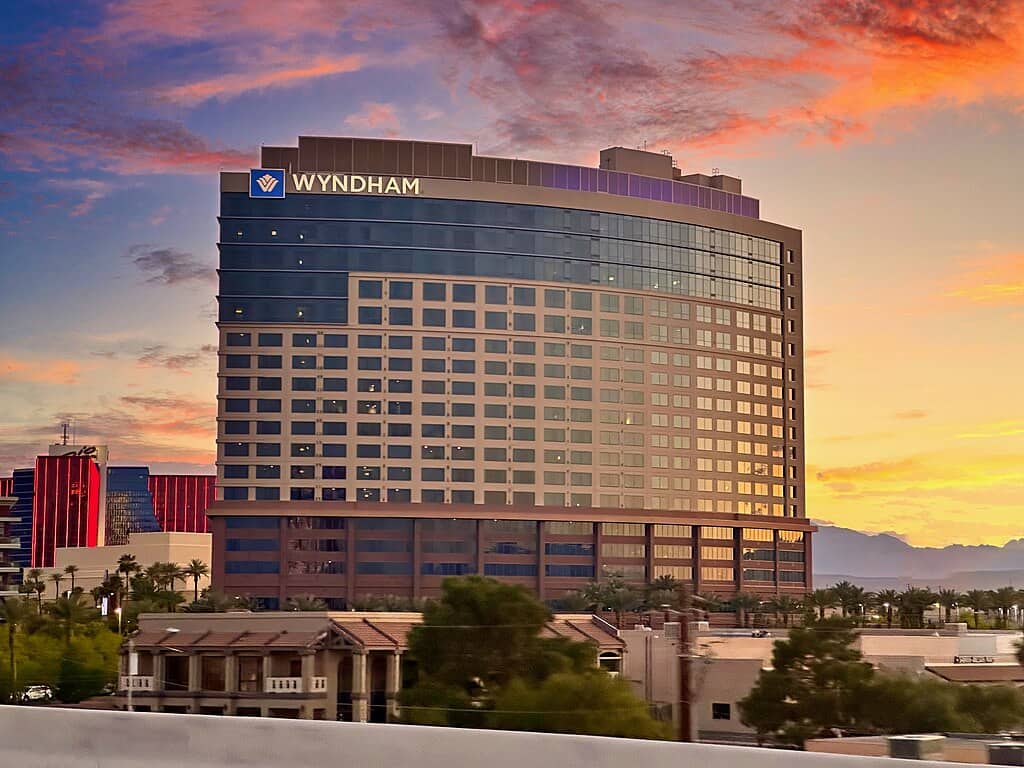
Few travel annoyances feel more vacuum-sealed than the Las Vegas resort fee. MGM’s own policy explains that eligible Gold-tier members can get daily resort fees waived, which is a neat way of showing how meaningful those charges have become, while Expedia currently lists Caesars Palace’s resort fee at $62.30 per accommodation, per night. For plenty of guests, that extra charge buys a generic bundle of amenities they never planned to use, turning a flashy room rate into the opening move of a much pricier stay than the first search result suggested.
Space Needle Combo Pricing
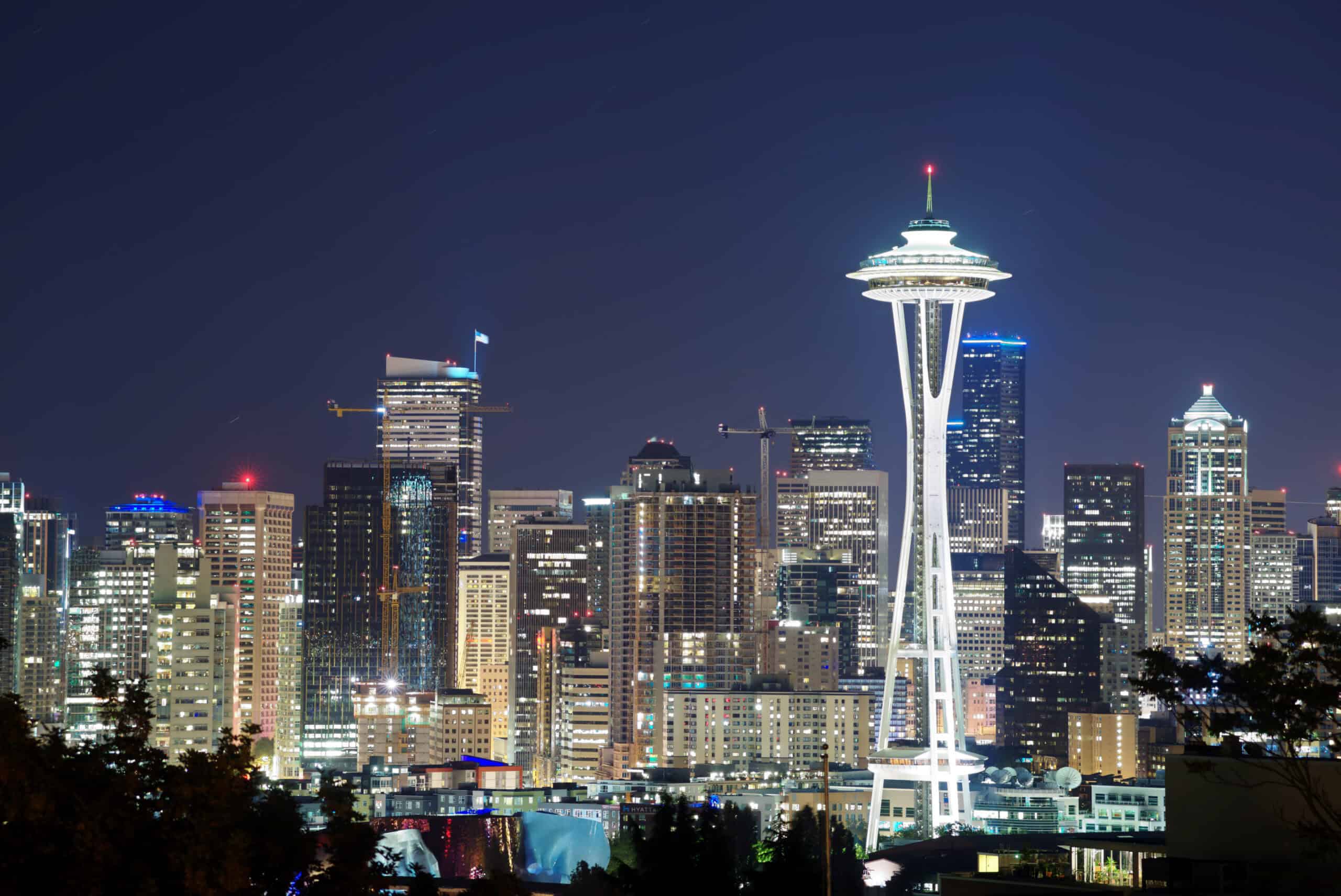
The Space Needle remains one of Seattle’s most recognizable silhouettes, yet the tickets can feel startlingly rich for a short orbit around a platform. General admission is $49, the Chihuly add-on combo is $69, and Seattle CityPASS is listed at $119 to $139, which pushes a quick lookout into serious vacation-budget territory. When the weather turns gray or visibility softens, the emotional math gets even harsher, because the experience still lasts minutes while the price behaves as if it delivered an entire afternoon of depth and discovery.
Santa Monica Pier Ride Wristbands
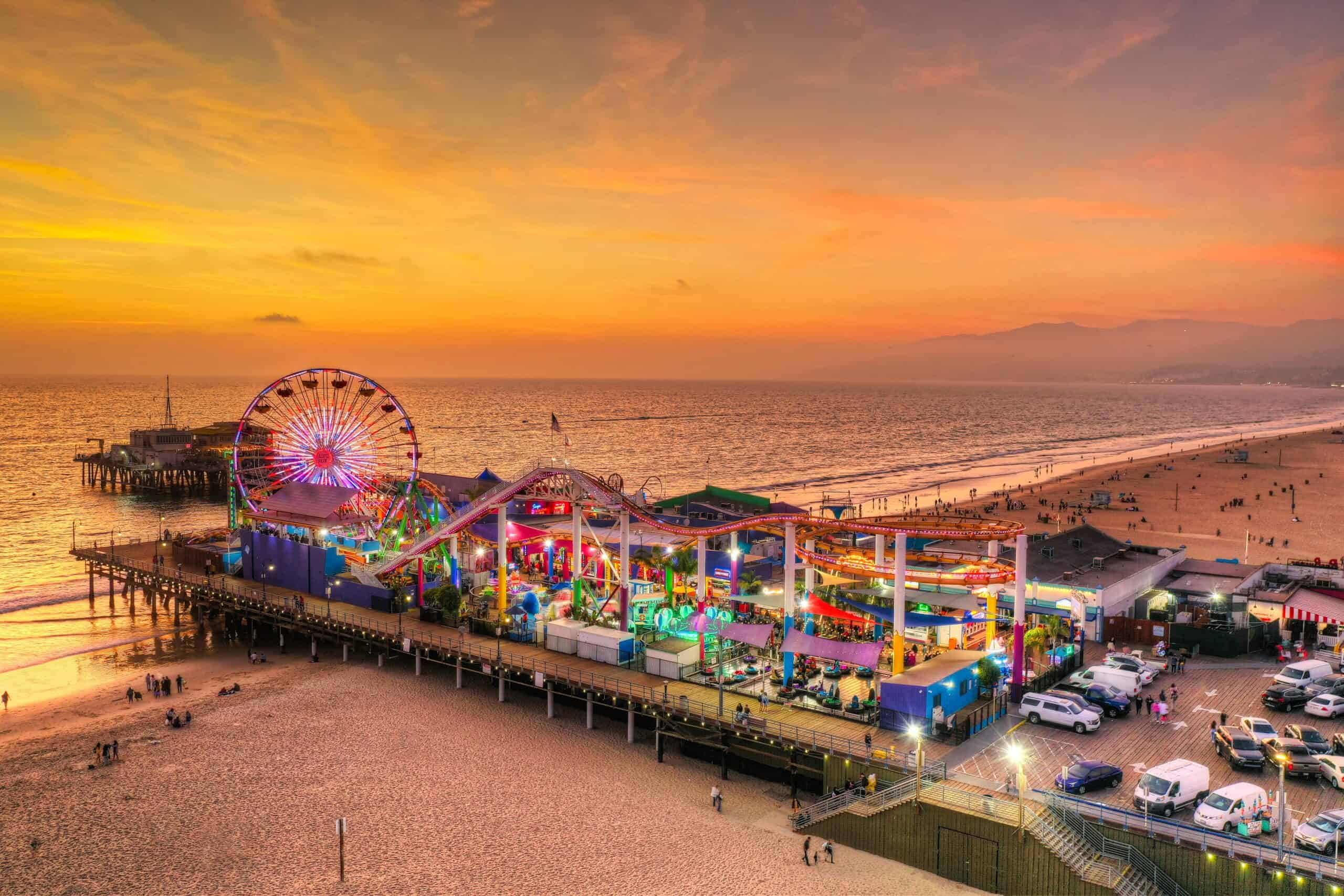
Santa Monica Pier works best as a place to stroll, snack, and watch the light shift over the Pacific. The trap begins when visitors start feeding the ride economy: Pacific Park says individual rides range from $8 to $20, the Pacific Wheel alone is $16, and the all-day wristband for ages eight and over is $40. For travelers who really wanted atmosphere more than an amusement-park checklist, that pricing can turn a charming stop into a nickel-and-dime exercise built around wristbands, short loops, and the feeling of paying extra to industrialize a sunset.
Premium Waikiki Luaus
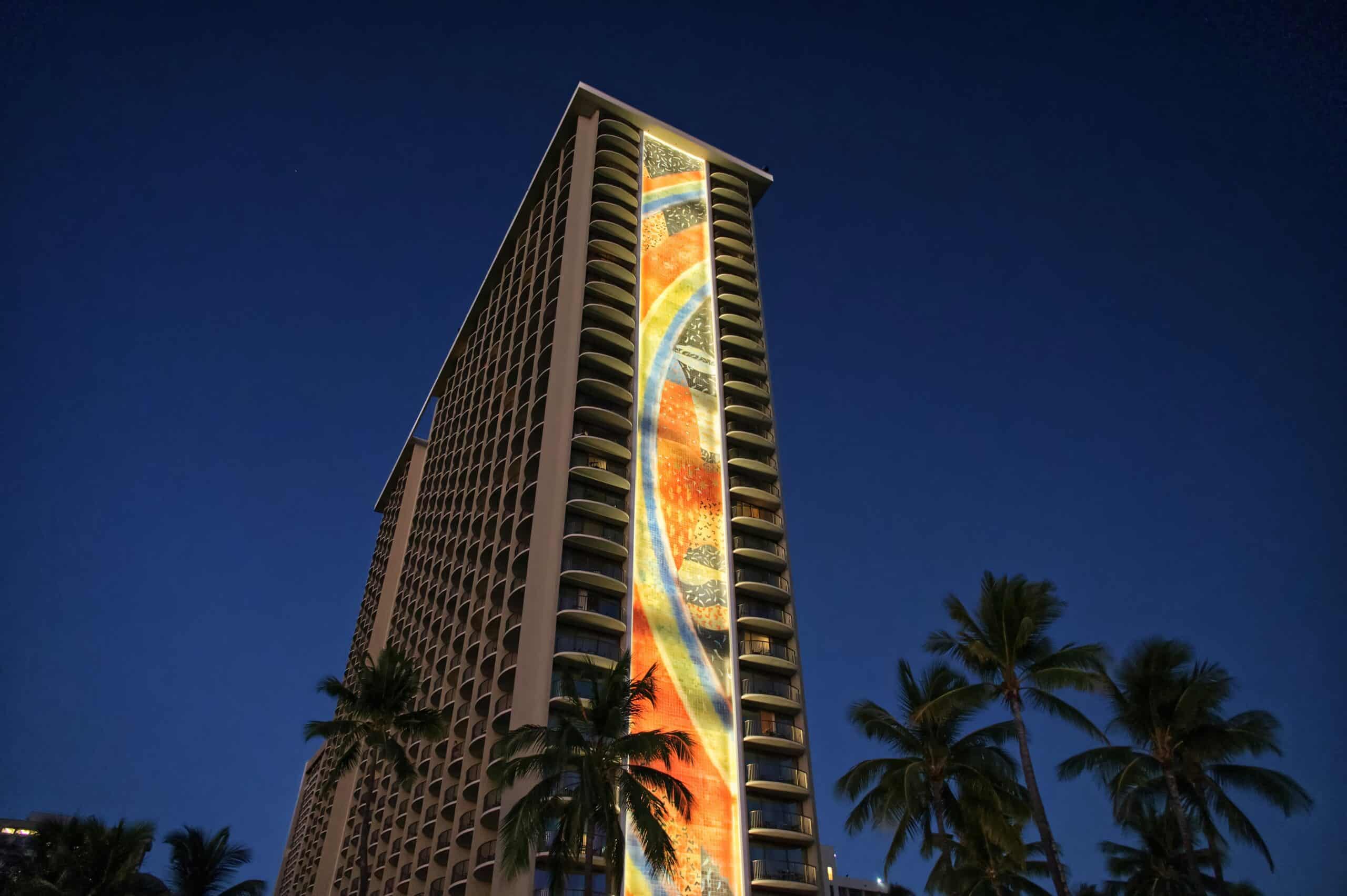
Some Waikiki luaus are beautifully staged, but the most polished versions can also be among the easiest places to confuse price with depth. The Royal Hawaiian Luau currently lists adult pricing at $240 to $265, with children ages five to 12 at $150, which places one evening of dinner-and-show entertainment firmly in special-occasion territory. When a cultural performance is packaged so tightly around premium seating and resort prestige, travelers can walk away impressed by the production while still feeling oddly distant from the place itself.
Overambitious City Attraction Passes
Sightseeing passes become traps when travelers buy the fantasy of doing everything and end up doing very little. The New York Pass lists a four-day pass at $319, while CityPASS markets savings on five attractions, but both products quietly depend on disciplined scheduling and real stamina to pay off. In practice, many trips slow down for weather, transit, long meals, or plain exhaustion, and that is when the pass turns from smart planning into a prepaid guilt machine, nudging people toward quantity, timed slots, and speed instead of genuine time in a city.