We may earn money or products from the companies mentioned in this post. This means if you click on the link and purchase the item, I will receive a small commission at no extra cost to you ... you're just helping re-supply our family's travel fund.

Travel pricing in the United States is starting to feel less uniform, especially for people arriving from abroad. At gatehouses, ticket windows, and hotel desks, small phrases like resident rate, local offer, or proof required can change the number on the screen. Some policies are brand-new, while others have been around for years and are simply getting noticed more often as travel costs climb. The result is a road culture where the same view, ride, or museum hall can come with a different bill, depending on where someone lives.
Nonresident Surcharges at Top National Parks
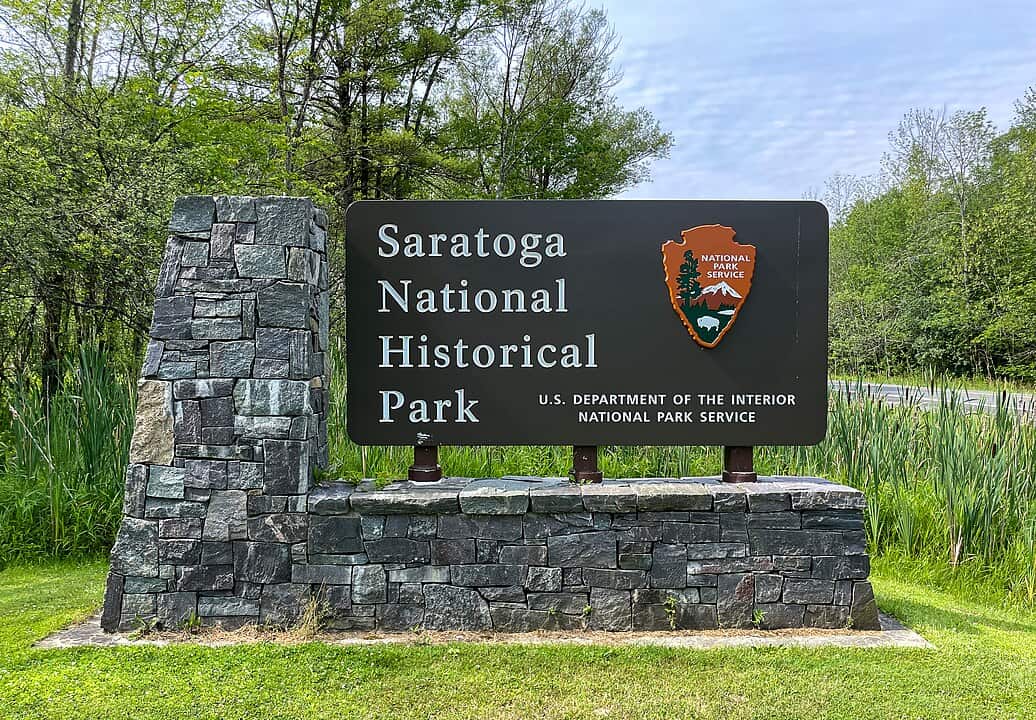
At some of the most visited national parks, entry now comes with a clear split: U.S. residents pay the standard entrance fee, while many international visitors age 16 and older add a $100 nonresident charge per person, on top of whatever the gate costs. It shows up fast in real life as guides recount adults, families reshuffle who rides in which car, and tour leaders debate whether a quick re-entry later in the week is worth another round of fees. The scenery is unchanged, but the first conversation is often about totals, cash flow, and whether the trip can still afford a ranger program, a shuttle day, and an unhurried sunset pullout.
Annual Park Pass Pricing That Favors U.S. Residents

The America the Beautiful Annual Pass now has a residency tier: $80 for U.S. residents and $250 for nonresidents, with the nonresident pass covering a vehicle, or the passholder plus up to three additional adults where per-person fees apply. That creates a new road-trip choice: pay per entrance, or buy the higher-priced pass early and treat it like a backbone for a route that hops from national parks to wildlife refuges and federal recreation sites. The National Park Service also says other pass types are for U.S. citizens and residents only, so the split can appear at purchase and at entrance checks, not just in planning.
Resident-Only Fee-Free Days

Fee-free days used to feel like a small gift to anyone passing through, a chance to wander in without doing math at the booth. For 2026, the Interior Department highlights resident-only fee-free dates tied to U.S. holidays and anniversaries, including days like Presidents Day, Memorial Day, and Constitution Day, which means many international visitors do not get the same zero-dollar window. The difference often appears late in planning, when a tour times a visit around a free day and learns the offer depends on residency, forcing last-minute reroutes and changing which day gets saved for the marquee park on the itinerary.
State Park Camping Surcharges for Nonresidents
Residency pricing is not just federal. Road trippers run into it at state parks where a campsite costs more simply because the reservation holder lives elsewhere, even when the loop, the view, and the picnic table are identical. Idaho lists additional nightly nonresident campsite fees across its state parks, and New York flags a non–New York State resident surcharge on camping rates, both of which can add up fast on a family route with multiple stops. These add-ons rarely make headlines, but they quietly push travelers toward fewer nights, more private campgrounds, or a faster drive-through day that trades rest for miles.
Florida Resident Theme Park Deals

Orlando’s biggest parks run deals built for locals, not visitors passing through, and the rules are enforced with ID checks rather than vibes. Walt Disney World advertises Florida Resident ticket offers and requires proof of Florida residency for certain resident tickets and annual passes, noting that residents age 18 or older must provide proof while under-18s are covered when an eligible adult purchases. Universal Orlando promotes Florida resident guides and passes, and the gap is felt at checkout when visitor groups realize the local price was never on the menu and the “extras” budget tightens, even before souvenirs.
Hawaii Kamaʻaina Hotel Rates

In Hawaii, resident-first pricing is often framed as a staycation perk rather than a penalty for outsiders, but the gatekeeping is real. Many hotels advertise kamaʻaina rates and require proof of Hawaii residency at check-in, and the terms typically warn that rates are subject to availability, blackout dates, and change if proof is not provided. It can create awkward moments when visiting relatives travel with residents and discover that two rooms in the same building can carry different totals, shaping how long the trip lasts, where the group stays, and which add-ons, like parking or late checkout, survive in the final booking.
Resident,Only Museum Pricing

Even cultural stops can separate locals from visitors in a way that feels surprisingly concrete, right down to what gets shown at the ticket desk. The American Museum of Natural History states that pay-what-you-wish admission applies to New York State residents with ID for general admission only, while others pay the posted price. For travelers, that changes the rhythm of a city day, turning what might have been a spontaneous indoor break into a planned purchase, with fewer casual pop-ins, more timed-ticket planning, and more comparisons between museums that price access differently, with kids in tow, especially on packed weekends.
Resident Toll Discount Programs

On certain toll facilities, residency can lower the price of simply crossing water, even when every vehicle is moving at the same speed. The MTA’s Staten Island Resident Program offers a discounted rate for eligible E-ZPass NY account holders at the Verrazzano-Narrows Bridge, and requires vehicles to be registered to a Staten Island address, with eligibility subject to periodic review. For visitors, the gap shows up as a higher charge for the same bridge at the same hour, and it can reshape routing decisions when rental-car fees, parking costs, and traffic already make every mile feel priced, especially on multi-day city loops.
Outdoor Licenses Priced by Residency

For travelers who fish, residency pricing can be the biggest sticker shock of the trip, because the permit is mandatory even for a casual outing. Florida’s wildlife agency lists a clear gap between resident and nonresident saltwater fishing license prices, including a higher nonresident annual rate, alongside short-term nonresident options like three-day and seven-day licenses. On the road, it means a simple sunrise charter or pier morning gets priced differently depending on where a license holder lives, so planning starts to include paperwork, dates, and which permit term fits the itinerary, not just bait and weather forecasts.