We may earn money or products from the companies mentioned in this post. This means if you click on the link and purchase the item, I will receive a small commission at no extra cost to you ... you're just helping re-supply our family's travel fund.
lemanieh/123rf
These rankings capture a familiar American tension: a place can hold deep pride, strong communities, and real cultural pull while still carrying a rough national reputation. For the 2026 edition of WalletHub’s “Best States to Live In,” published Aug. 11, 2025, researchers compared all 50 states across 51 livability indicators, from affordability and safety to education, health, and economic conditions. The eight states at the bottom are not without strengths, but they do show where reputations harden around everyday strain and repeated quality-of-life gaps.
New Mexico

WalletHub ranked New Mexico 50th overall with a total score of 39.68, and the state’s safety rank at 49 and education and health rank at 48 shape public perception quickly and often unfairly. The same study also places New Mexico 50th for crime rate and 48th for share of population living in poverty, which helps explain why its reputation can feel heavier than the state’s creative culture, Indigenous heritage, and dramatic landscapes. In this ranking cycle, the strongest drag is not one headline problem but a stack of safety concerns, poverty pressure, and service gaps that keep reinforcing each other in daily life.
Louisiana
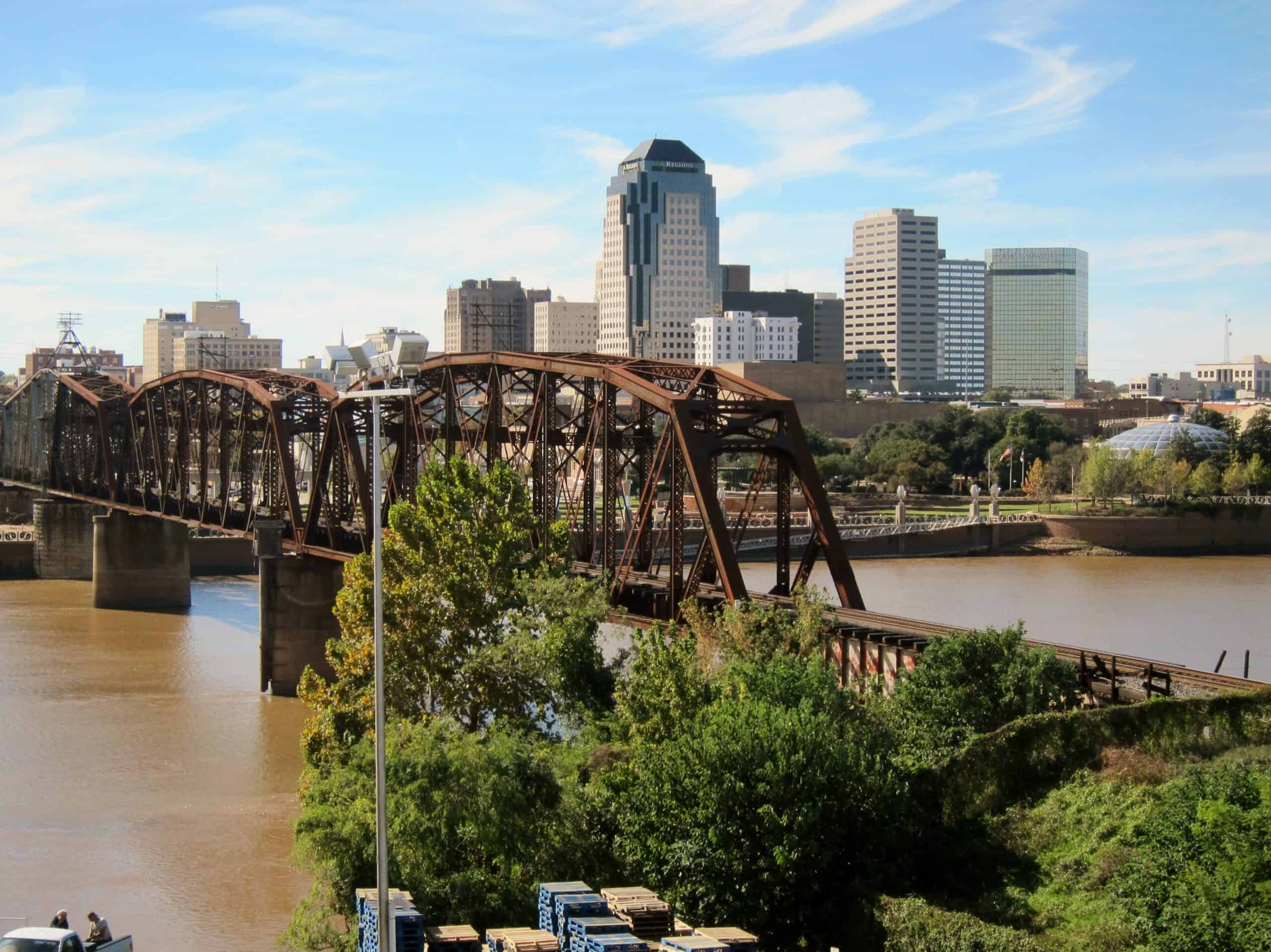
Louisiana landed 49th overall with a total score of 40.57 in WalletHub’s 2026 ranking, and the profile behind that position is blunt: 50th in economy, 49th in education and health, and 40th in safety. WalletHub’s supporting indicators add more detail, placing Louisiana 48th for crime rate, 49th for poverty share, 47th for high school attainment, and tied for 47th in average weekly work hours. The state remains culturally magnetic, but its reputation keeps getting pulled down by daily pressure points that shape ordinary life, from work to schools to basic stability, before the music and food get a chance to speak.
Arkansas
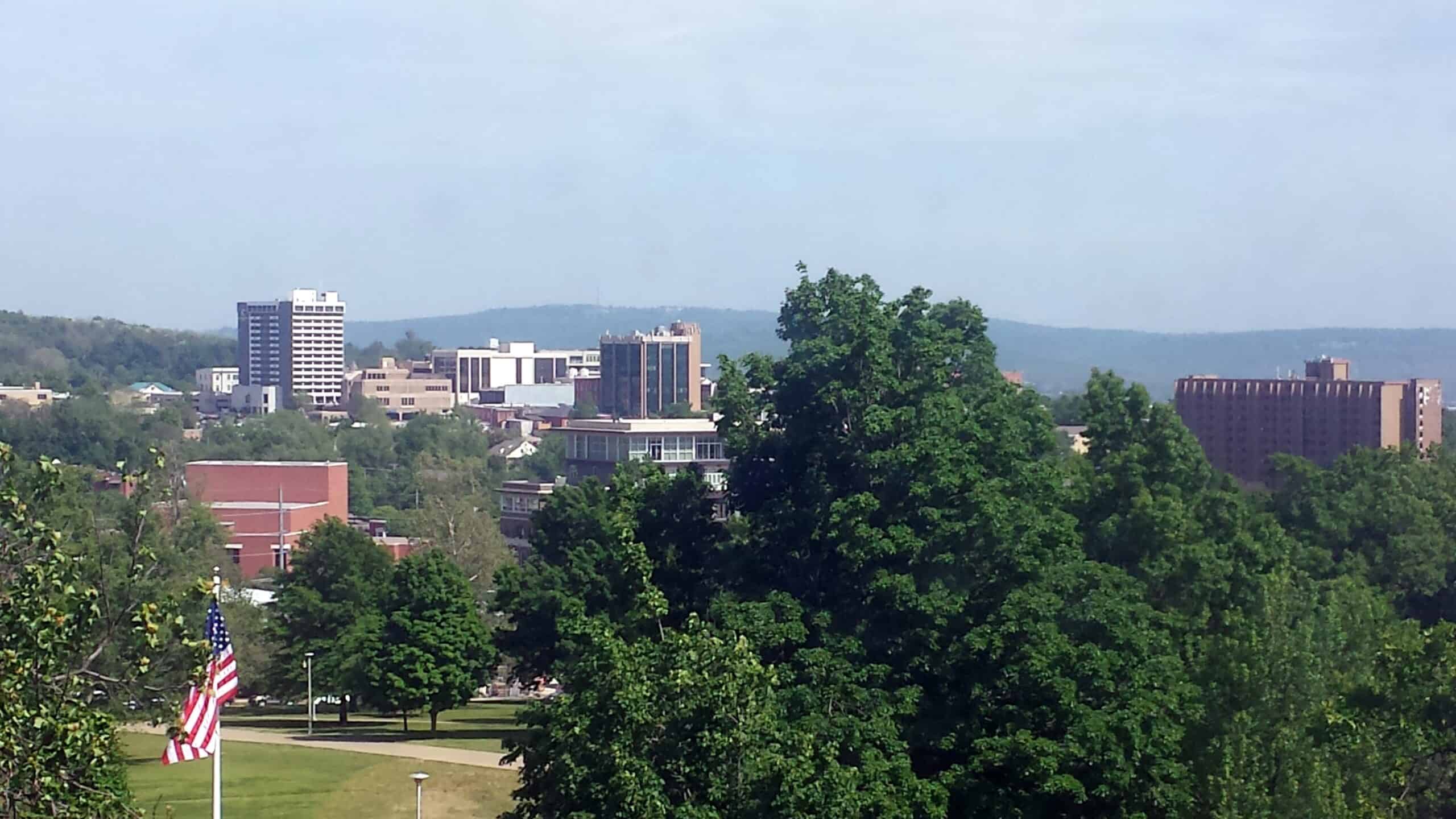
Arkansas ranked 48th overall, and its split profile says a lot about why reputation can feel so complicated. WalletHub gave Arkansas a strong affordability rank of fifth, but the state still placed 41st in economy, 45th in education and health, 48th in quality of life, and 45th in safety. That pattern creates a familiar tradeoff story: lower costs can attract attention, yet weaker outcomes in several core categories can wear down confidence over time. In national conversation, Arkansas is rarely judged on one issue alone; it is the accumulation of gaps across schools, health, and safety that keeps the image from changing faster.
Mississippi

Mississippi came in 47th overall, and the details show why its reputation remains one of the hardest to shake. WalletHub ranked it 50th in education and health and 49th in quality of life, while also placing it 50th for poverty share and 48th for high school attainment. At the same time, its safety rank of 14 is far better than many people assume, which makes Mississippi a useful reminder that state reputations can lag behind parts of reality even when major problems remain. The deeper story is not a single failure but a long struggle across health, income, and opportunity that keeps resurfacing year after year.
Alaska

Alaska ranked 46th overall, and its scores read like a state paying a premium for distance. WalletHub rated Alaska fourth in economy, yet it also ranked 50th in quality of life, 44th in safety, and 43rd in affordability, with the same study also listing Alaska last for income growth and average weekly work hours. It even placed 50th for restaurants per capita, a small but revealing signal of how sparse infrastructure can shape daily routines, service access, and public perception. Alaska’s reputation is not about beauty or ambition; it is about how hard ordinary life can feel across a vast, remote geography with long logistical limits.
Nevada

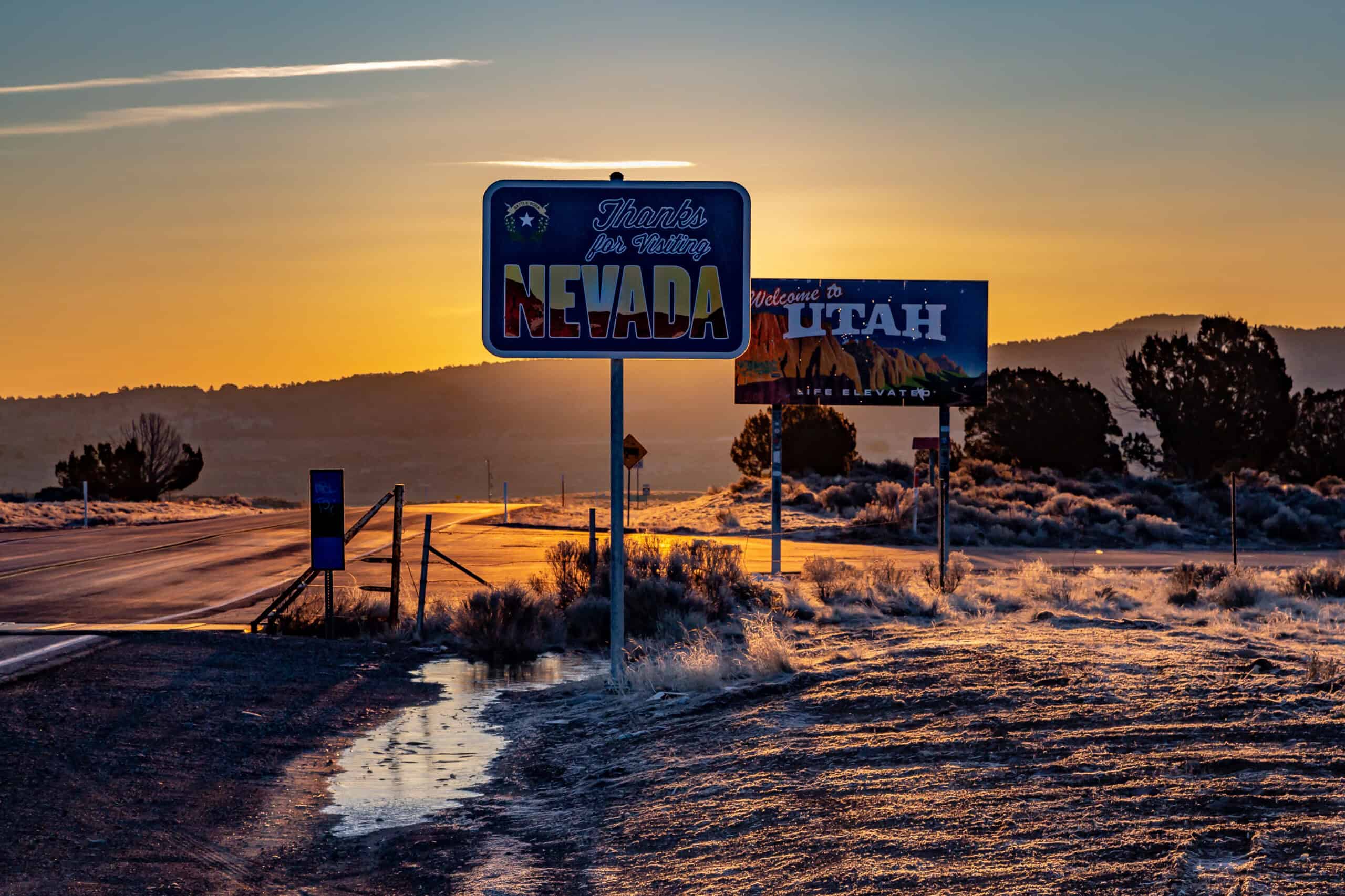
Nevada landed 45th overall, and its ranking reflects a state that can look stronger from the outside than it feels at the household level. WalletHub placed Nevada 39th in affordability, 44th in economy, 39th in education and health, and 41st in safety, while also listing it 48th for housing costs and 48th for homeownership. The study further ranks Nevada 46th for high school attainment, which adds another layer to its reputation challenges beyond tourism, casinos, and headline growth. The result is a state that can seem booming in snapshots but strained in the details that shape long-term stability for residents.
South Carolina
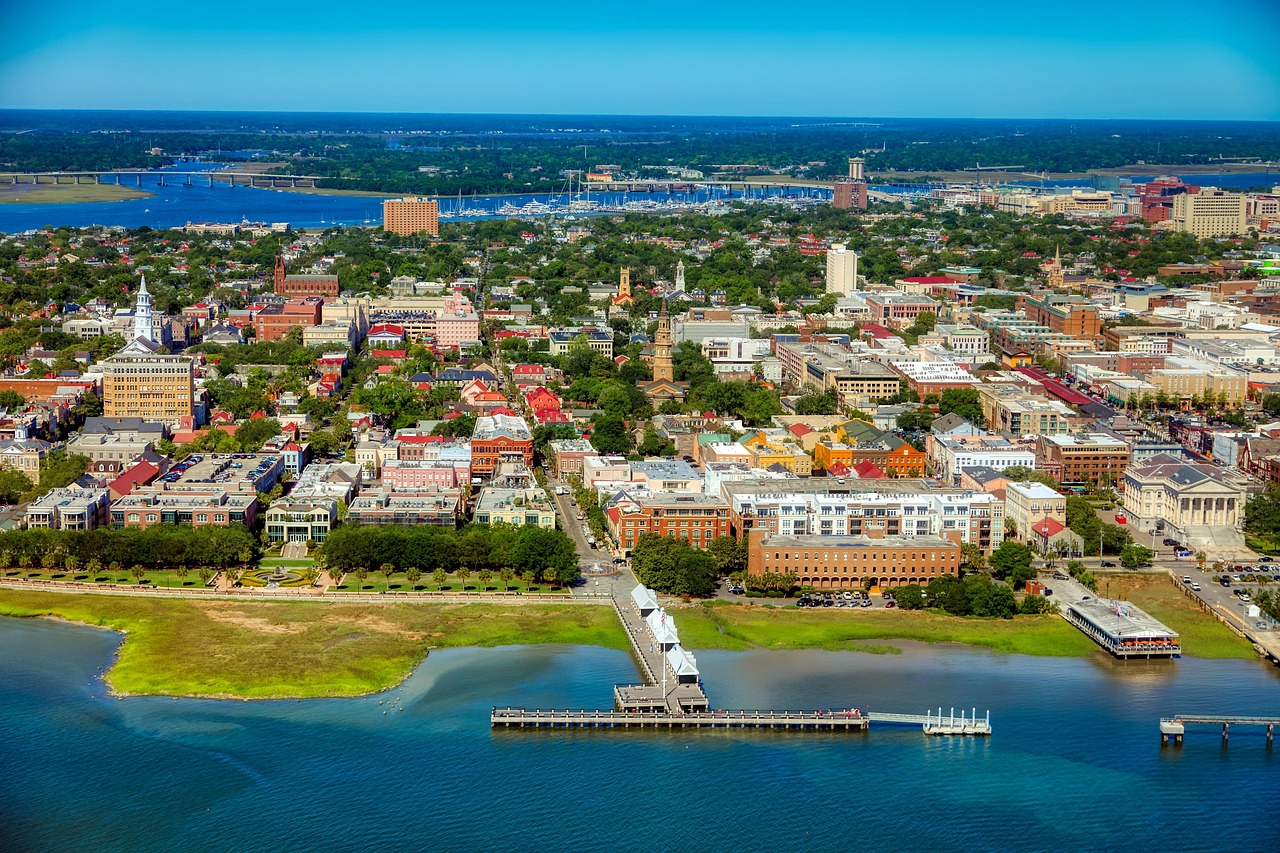
South Carolina ranked 44th overall in WalletHub’s 2026 study, and the category breakdown explains why the state’s reputation often feels mixed instead of clearly positive or negative. It performs well on affordability at ninth, but that edge is offset by weaker marks in economy at 39th, education and health at 42nd, quality of life at 34th, and safety at 46th. That spread creates a familiar perception pattern: the cost of living looks attractive first, then the conversation shifts to schools, health outcomes, and public safety. The state has real strengths, but its reputational drag comes from imbalance more than one defining weakness.
Oklahoma

Oklahoma ranked 43rd overall, which puts it just outside the bottom seven but still in the tier where negative reputation tends to stick. WalletHub scored the state 44th in education and health and 39th in safety, while a separate indicator in the same study places Oklahoma 49th for insured population. Even with a better affordability rank of 16 and an economy rank of 32, the weaker health and access signals keep carrying more weight in public perception and relocation decisions. In reputational terms, Oklahoma often gets judged by risk and services long before its affordability, industry base, or business strengths enter the conversation.