We may earn money or products from the companies mentioned in this post. This means if you click on the link and purchase the item, I will receive a small commission at no extra cost to you ... you're just helping re-supply our family's travel fund.
A border inspection is mostly about intent, credibility, and quick decisions made with imperfect information. Social media adds a second layer to that moment: it can confirm a simple travel story, or quietly complicate it with a caption, a timeline, or a message that points somewhere else. Most travelers are never searched, and most arrivals are routine. Still, the digital trail is now part of modern travel, and it shapes how questions get asked, how answers are weighed, and how long the process takes.
Purpose Mismatches Get Noticed Fast
Border questions are built around intent, and public posts can quietly complicate an otherwise clean entry, especially when they create a second version of the trip. A short “tourism” visit reads differently when a feed shows apartment tours, storage-unit drop-offs, long-stay sublets, pet adoption plans, or captions about relocating, even if it was half-joke content shared for friends. When the story does not line up, inspection often shifts from routine to detailed, with officers pressing for a return plan, proof of ties abroad, and why the online timeline hints at work, school, or a move.
Influencer And Gig Work Can Look Like Unauthorized Employment
Many travelers post casually about brand shoots, paid appearances, weddings to film, or “quick collabs,” without realizing how it reads at a port of entry. For visitors, paid work in the United States is a category question, not a vibes question, and a caption about getting booked can trigger probing about contracts, invoices, who pays, and where the work happens. What was meant as marketing can become a credibility issue, because officers may treat public content as evidence that the trip’s real purpose is employment, not sightseeing or a brief business meeting.
Long-Stay Bragging Turns Into Overstay Suspicion

Social media loves a flex, but posts about “living in” the U.S. for months, “never going home,” or “extending indefinitely” can land badly in a border interview. Even if compliance is the plan, the tone can suggest comfort with overstaying or working under the table, which are core risks officers are trained to screen for. When long stays appear normalized online, an officer may ask sharper questions about timing, money, luggage, and whether the traveler actually understands the limits and conditions printed on admission records.
Posts Can Conflict With Answers On Visa Or ESTA Forms
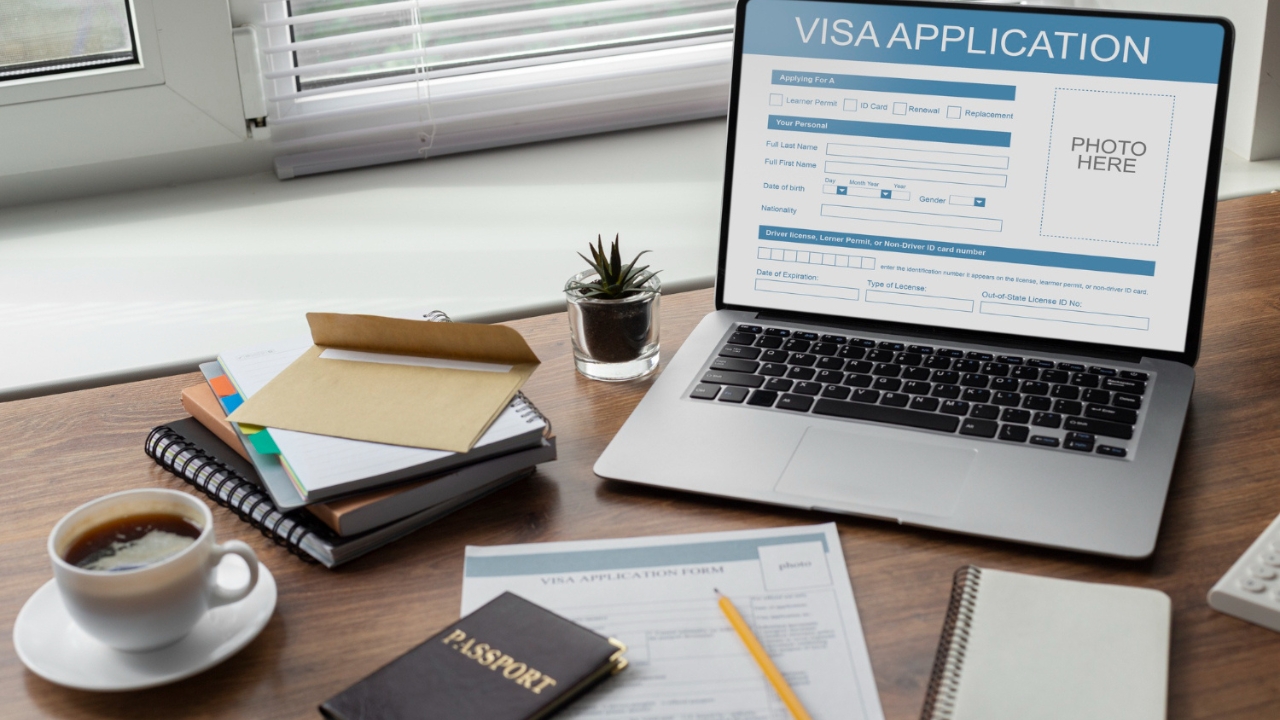
Since May 31, 2019, most U.S. visa applicants have been asked for social media identifiers on application forms, so handles can follow an applicant into official records. When the listed accounts do not match what appears online, or when a profile is public under a different username, it can look like concealment rather than forgetfulness. That gap is small on a screen but big in a credibility-based process, and it can lead to longer questioning about identity, prior travel, affiliations, and why the application record does not match the public footprint.
Public DMs, Group Chats, And Cached Content May Surface In A Device Search
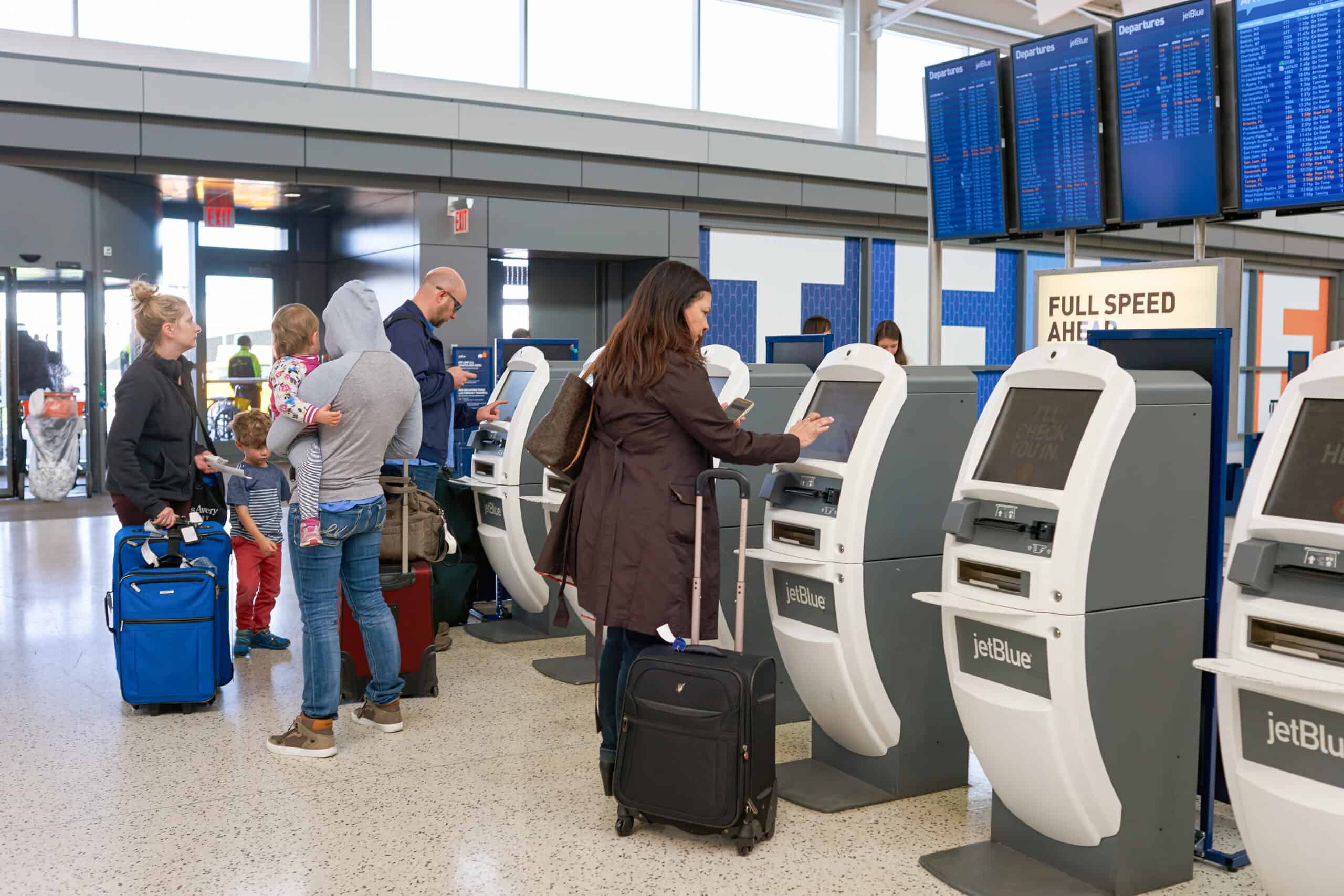
CBP says that on rare occasions it may search a traveler’s phone or other electronics during inspection, and its annual statistics show tens of thousands of device searches in a year out of very large traveler volumes. Even without opening an app, devices can hold cached photos, downloaded messages, saved boarding passes, and notifications that effectively summarize recent conversations. When a search happens, the risk is not only what is posted publicly, but what sits on the device and contradicts the stated plan, such as job leads, housing arrangements, or a message thread about staying long-term.
Jokes About Drugs, Weapons, Or Smuggling Stop Being Funny At The Border
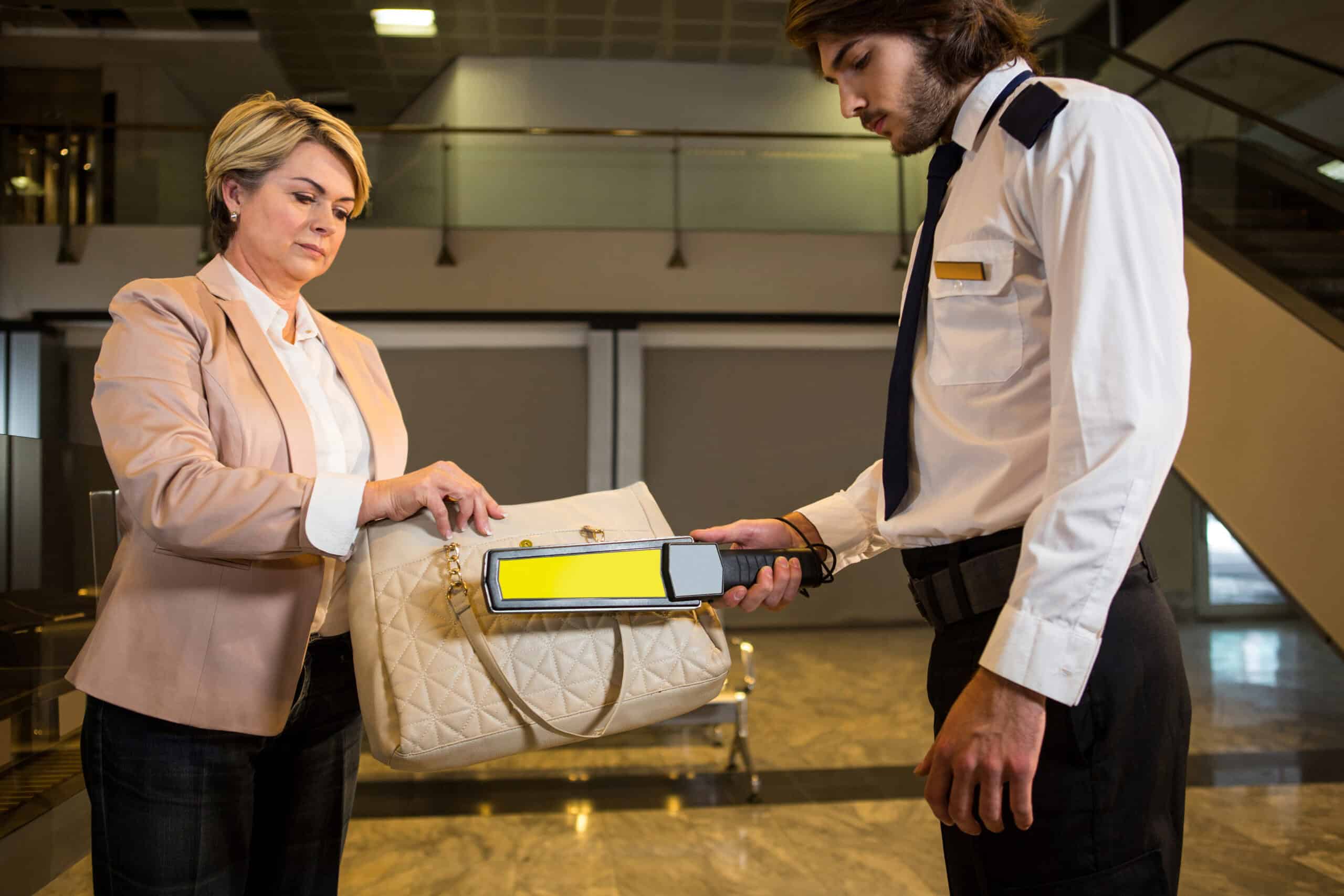
/Freepik
Travel feeds often treat contraband jokes like harmless humor, but border inspections are built around safety and admissibility, not tone or personality. A meme about “bringing something spicy,” a reel with drug paraphernalia, or a caption about sneaking anything can prompt extra scrutiny, because officers cannot assume it is performance. In a setting where discretion is broad, edgy content can turn into follow-up questions, a bag search, or a referral to secondary inspection, simply to remove doubt about what is being carried and what laws apply.
Relationship Posts Can Complicate ‘Just Visiting’ Claims
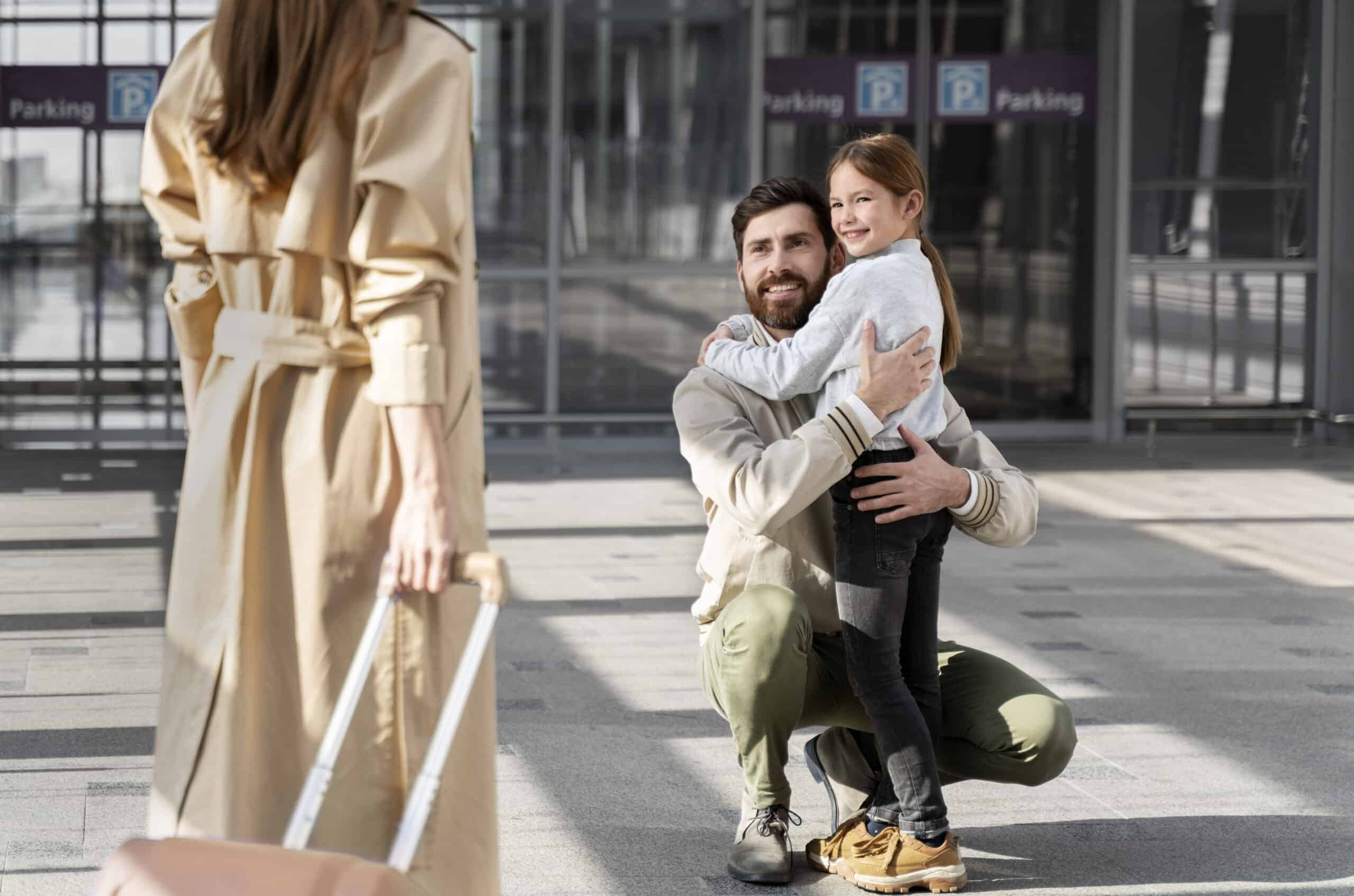
People post engagements, surprise move-ins, and “closing the distance” reels because they are happy, but those signals can collide with a visitor narrative. For some travelers, an officer may interpret intense relationship content as a clue that the trip is about joining a partner, not short-term tourism, and ask about wedding timing, residence, and financial support. The point is not to police romance, but to reconcile the story with the rules, and social posts can push that reconciliation into a longer, more personal interview with more proof requested.
Deleted Or Suddenly Hidden Accounts Can Look Like Consciousness Of Guilt

A rapid switch to private mode, mass deletion, or frantic handle changes right before travel can draw suspicion if it comes up during questioning or a device review. Officers do not need to be social media experts to notice a pattern that looks like last-minute cleanup, especially when other facts already feel shaky or inconsistent. In practice, sudden changes can lengthen inspection because they raise the question of what was removed and why, and because they can make an officer doubt the completeness of the traveler’s answers about online identity.