We may earn money or products from the companies mentioned in this post. This means if you click on the link and purchase the item, I will receive a small commission at no extra cost to you ... you're just helping re-supply our family's travel fund.

Across the U.S., campaigns against junk fees are colliding with the reality of restaurant economics. Federal regulators, state attorneys general, and city governments are pushing for upfront, all-in pricing, while operators still face rising wages, rent, and food costs. Diners see fewer mysterious line items at the bottom of checks, but more sticker shock at the top of the menu. What looks like a win against hidden fees is quietly rewriting how restaurants price, present, and explain nearly everything they sell.
Base Prices Jump As Fees Fold Into The Menu
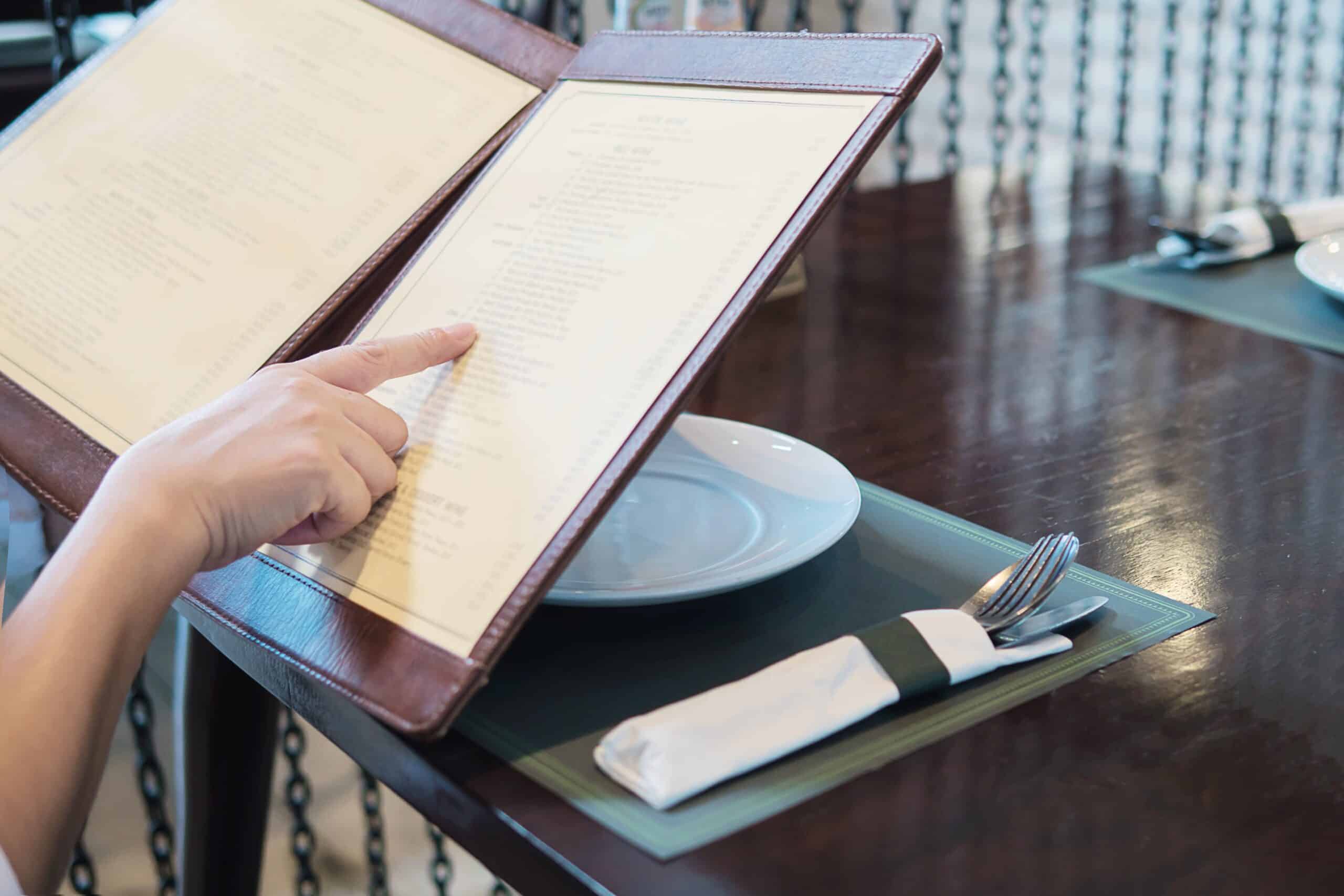
When laws or lawsuits make hidden surcharges risky, many operators simply drag those dollars into the printed price. A burger that once carried a wellness fee, kitchen appreciation charge, and credit card add-on suddenly appears with a higher baseline number. Diners see fewer stray lines on the receipt but feel the increase the moment the menu opens. That change helps regulators, who care more about clear advertising than about how restaurants split the total on the bill.
Service Charges Get Renamed And Fully Explained

Mandatory service fees have not disappeared; they are being rebranded and spelled out in big, direct language. Menus now feature boxes explaining that a set percentage supports higher wages, benefits, or kitchen staff, and that it is not a tip for servers. After public backlash to surprise “living wage” fees shared online, restaurants learned that vague wording creates anger fast. Clear, honest explanations turn a potential junk fee into something closer to a visible policy choice.
Credit Card Surcharges Turn Into Dual Pricing

In states tightening rules on card surcharges, many restaurants pivot to dual pricing instead of quiet fees. One line lists the cash price; another lists the higher card price, often tied to actual processing costs and capped by law. Wall signs and menu notes spell out the difference in plain language. The same charge that once hid in fine print now sits beside the entrée total, turning a regulatory headache into a visible reminder that plastic has a price.
Tipping Lines Shrink As Fixed Fees Take Over
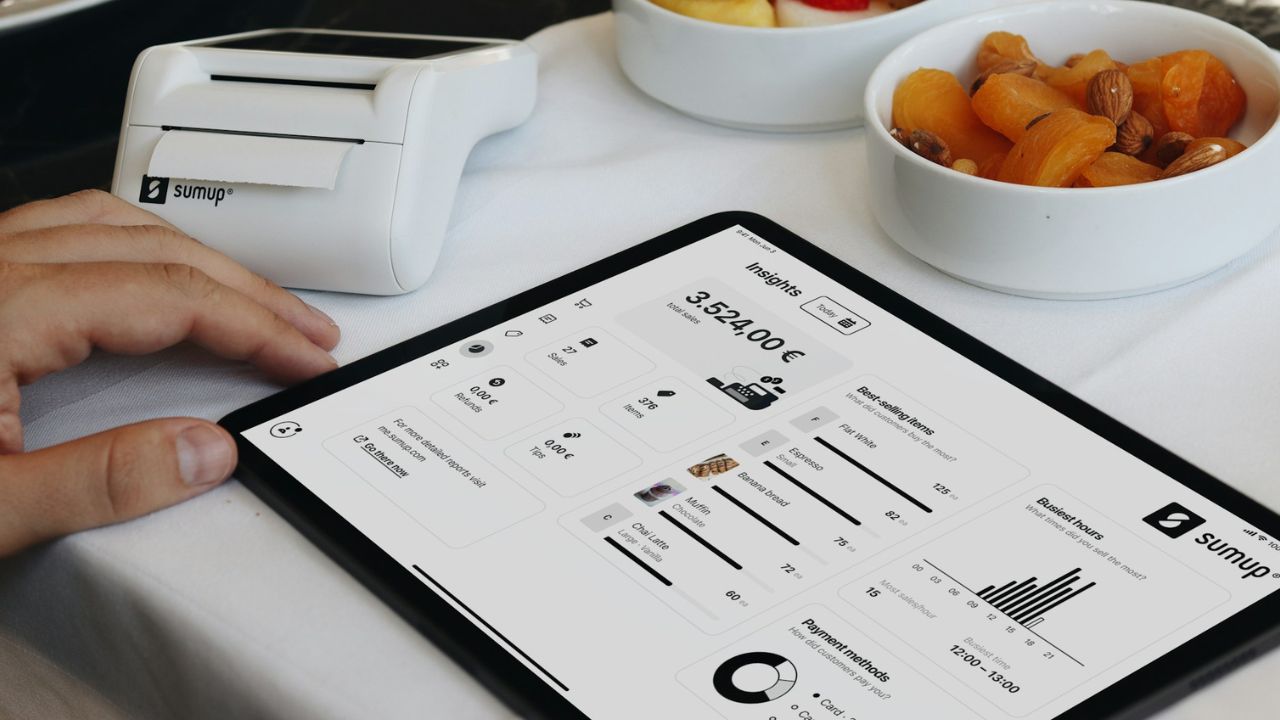
Some full-service spots are moving away from wide-open tip percentages toward fixed service charges that fund higher hourly pay. Instead of multiple lines for tip suggestions, receipts show a single mandatory percentage, plus a short explanation of how staff share it. That shift satisfies transparency rules while giving owners a more predictable revenue stream for payroll. It also changes the emotional math at the table, turning a once flexible gesture into part of the structural price.
QR Menus Make Constant Repricing Easier

Once fees must be baked into listed prices, the menu itself becomes a living document. QR codes give restaurants a way to update prices weekly or even daily without reprinting paper. When meat costs spike or delivery commissions climb, managers can nudge a few items upward rather than tack on a new surcharge. Digital menus double as a quiet survival tool, helping kitchens keep pace with costs while staying compliant with “no surprise fees” expectations.
Portion Sizes Adjust Instead Of Slapping On New Fees

In places where regulators and customers have lost patience with add-on line items, some operators tweak portions instead. A side dish shrinks slightly, garnish becomes simpler, or bread service disappears unless ordered. On paper, the price has not changed and no new fee appears, but the value equation moves. It is a subtler response to junk fee pressure, trading controversial charges for measured changes that keep total plate costs within a workable range.
Online Delivery Menus Split Out A Different Fee Story
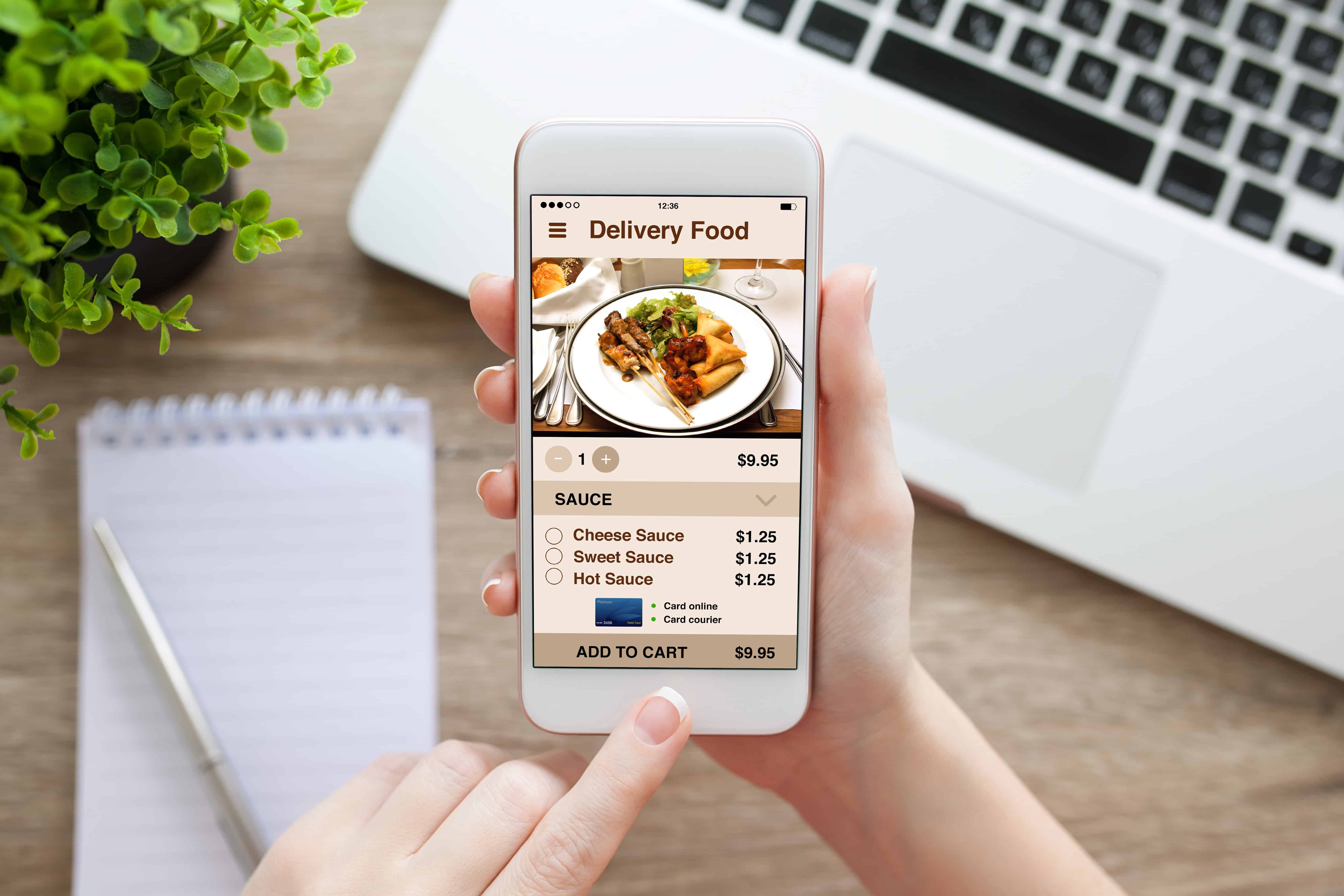
Delivery and takeout channels now tell a more complicated, but clearer, story about fees. Platforms often list higher menu prices, explicit delivery charges, and separate service or platform fees, all shown before checkout. Many restaurants mirror that structure on their own sites to stay competitive and compliant. The old strategy of low menu prices plus surprise charges at the last screen is fading, replaced by a layered but visible stack of costs tied to convenience.
Menus Fragment As States Write Different Rules
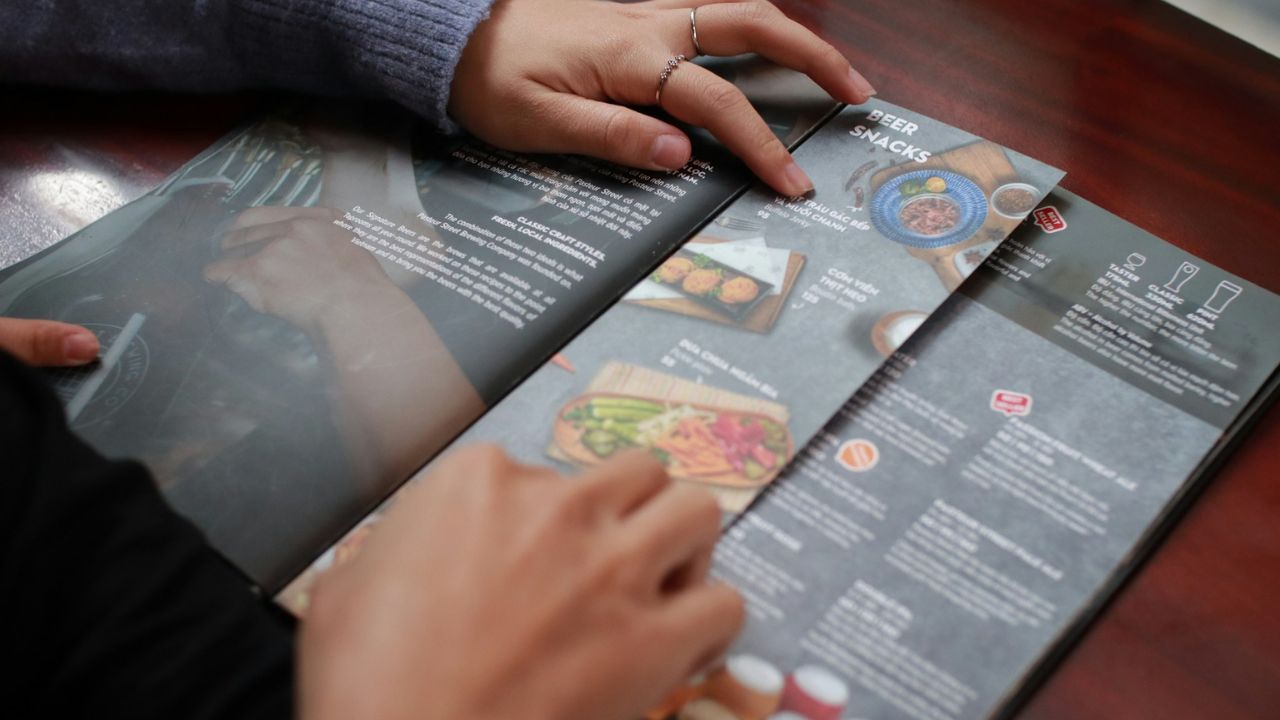
A national chain now juggles a patchwork of state rules on hidden fees, card surcharges, and mandatory disclosures. A surcharge allowed in one city may be banned or tightly capped in another, forcing separate menu layouts and pricing logic. Some locations highlight all-in pricing as a selling point, while others lean on clearly labeled service charges to cover high local costs. The result is a menu landscape shaped as much by law as by flavor.