We may earn money or products from the companies mentioned in this post. This means if you click on the link and purchase the item, I will receive a small commission at no extra cost to you ... you're just helping re-supply our family's travel fund.
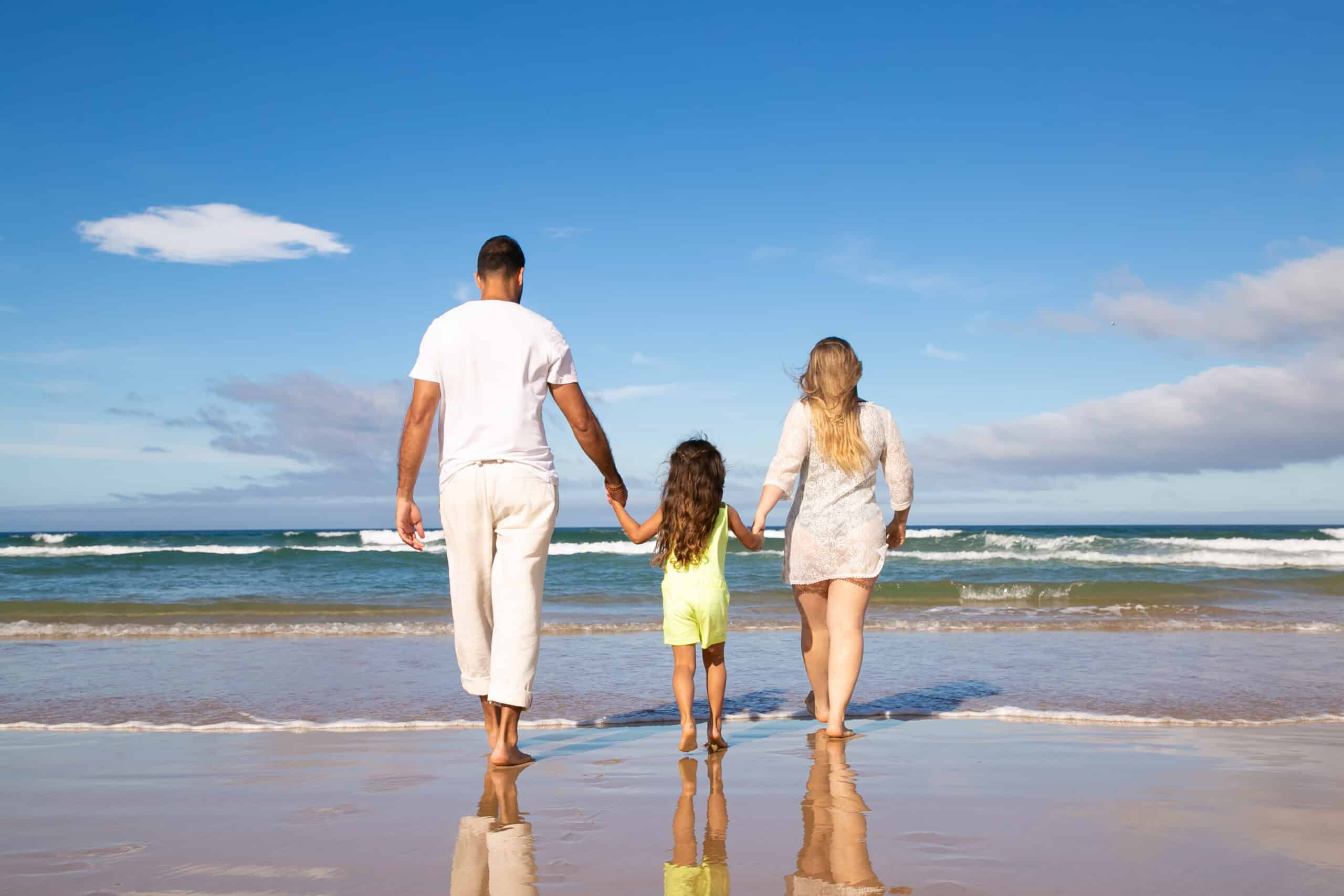
Extreme heat is quietly rewriting the rules of family-friendly travel. In 2026, the biggest shifts are not only where families go, but how days are structured once they arrive. Midday becomes a recovery block, shade becomes an amenity, and flexibility starts to matter as much as a flight deal. Parks post stronger warnings, cities move events later, and hotels sell comfort as a kind of safety. The trips that feel easiest are the ones designed around heat, not surprised by it.
Morning-First Itineraries Replace All-Day Sightseeing
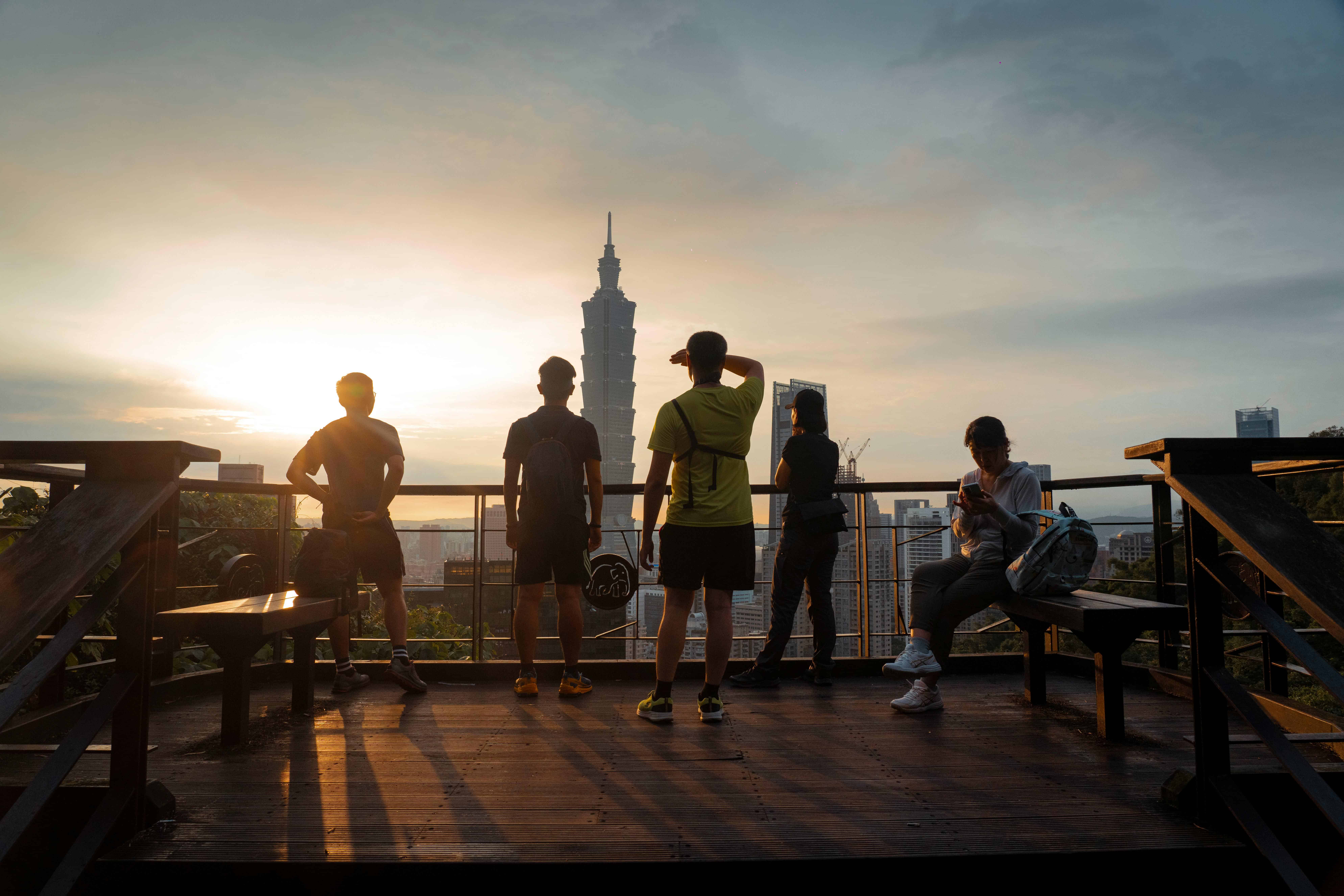
Family travel is being rebuilt around the cool hours, with 7 a.m. starts replacing the old late breakfast routine and afternoons treated as recovery time. Indoor anchors like aquariums, museums, and shaded markets carry the midday stretch, while outdoor tours move to sunrise and golden hour when sidewalks are calmer and strollers roll easier. Health guidance emphasizes planning activity for cooler parts of the day, resting often in shade, and drinking plenty of fluids, so families book timed entries early, pack hats and stroller fans, and judge success by comfort, not nonstop steps, even in classic “must-see” cities.
Hotels Win Because Midday Recovery Matters

In hotter destinations, lodging is no longer just a bed. Families favor hotels for reliable air-conditioning, shaded pools, and lobbies that feel like a refuge when the heat index lingers and patience runs thin after long walks and crowded attractions. Properties with blackout curtains, easy ice access, bottle-fill stations, flexible housekeeping, and kid-friendly quiet corners earn repeat bookings because midday naps and cool-down breaks become part of the plan. Early check-in, late checkout, and simple perks like indoor playrooms or a cold towel at the desk can decide whether a family feels cared for or merely accommodated. That reset matters.
Theme Parks Lean Into Cooling Infrastructure
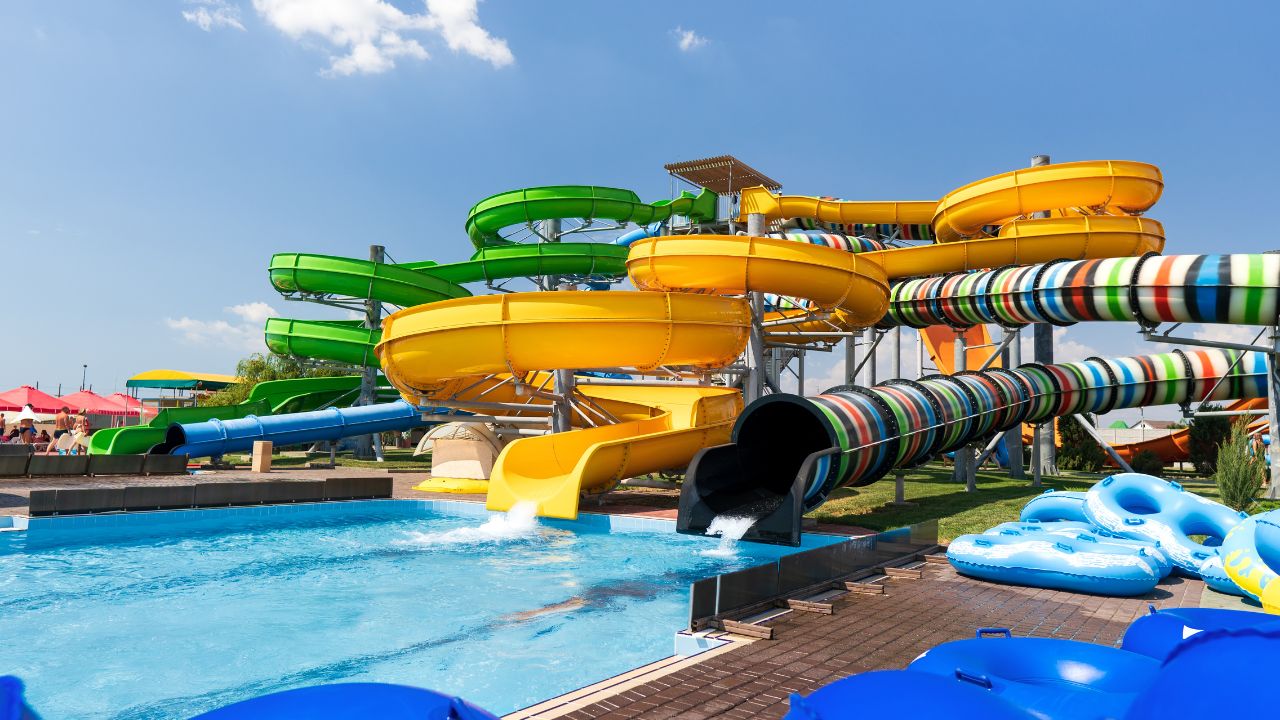
Crowd-heavy parks are adding shade structures, misting corridors, indoor queueing, and more water refill points because heat changes how long kids can wait comfortably without small frustrations turning into meltdowns. Operators push early entry, late-night tickets, and heat-triggered alerts that steer guests toward indoor shows when conditions spike, and mobile ordering helps families step into air-conditioning instead of standing in food lines. Guidance for attractions frames cooling zones and hydration stations as essential, so a day is mapped by shade and recovery, not only by rides, particularly for little kids.
National Parks Post Stronger Heat Warnings And Close Trails
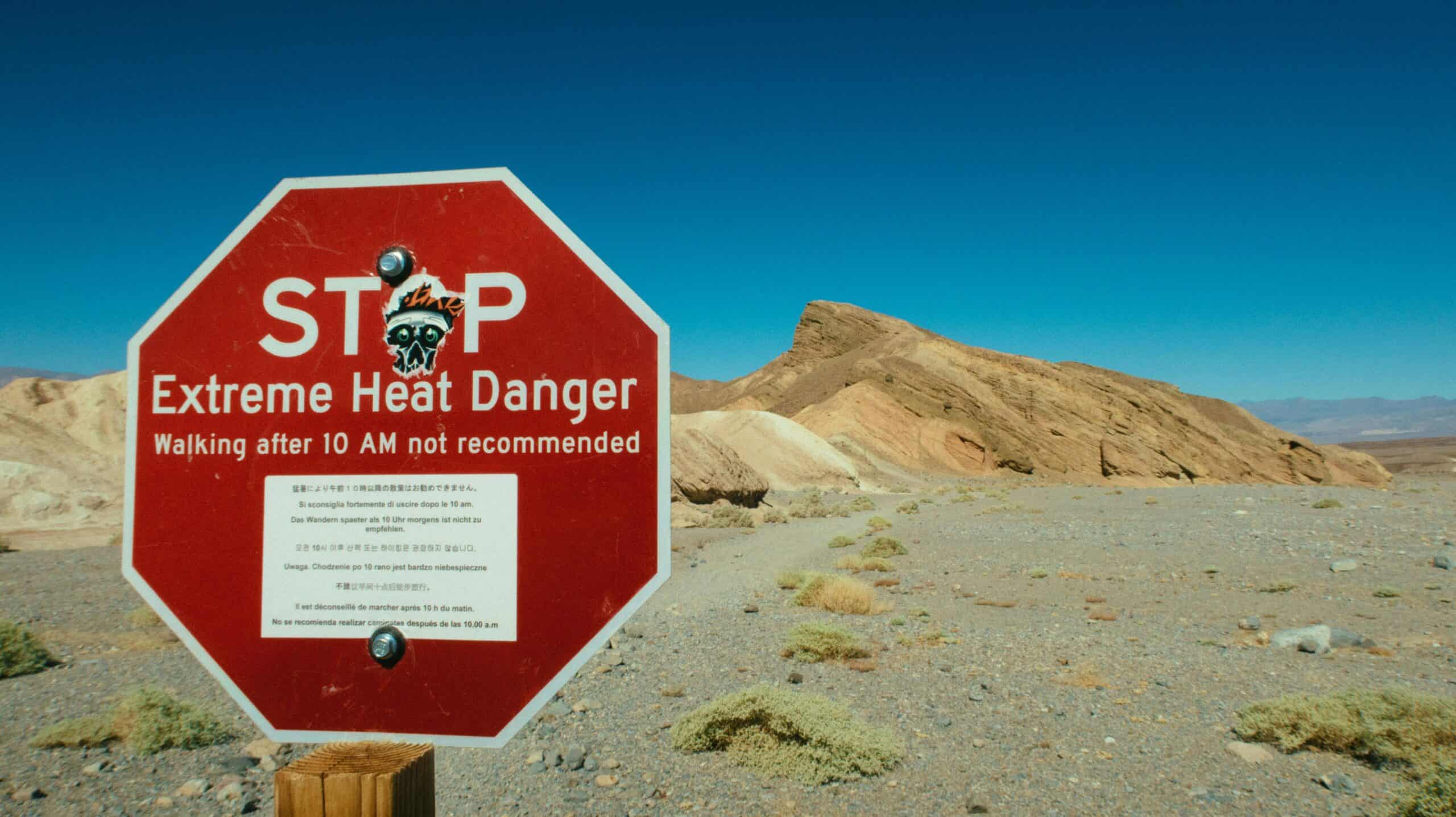
In the desert Southwest, heat forces clearer boundaries, and family plans are adapting. Rangers urge visitors to avoid strenuous hikes during excessive heat warnings, and closures arrive as a safety tool, not a rare exception, especially on exposed routes with little shade or water. The National Park Service notes that extreme heat can delay rescues and limit helicopter flying, and recent rescues have involved large groups, including children, so itineraries shift toward rim viewpoints, shuttle-friendly stops, short interpretive trails, and indoor exhibits until temperatures ease, often in fall, for safety and sanity.
Car-Based Vacations Add Heat Rules Of Their Own
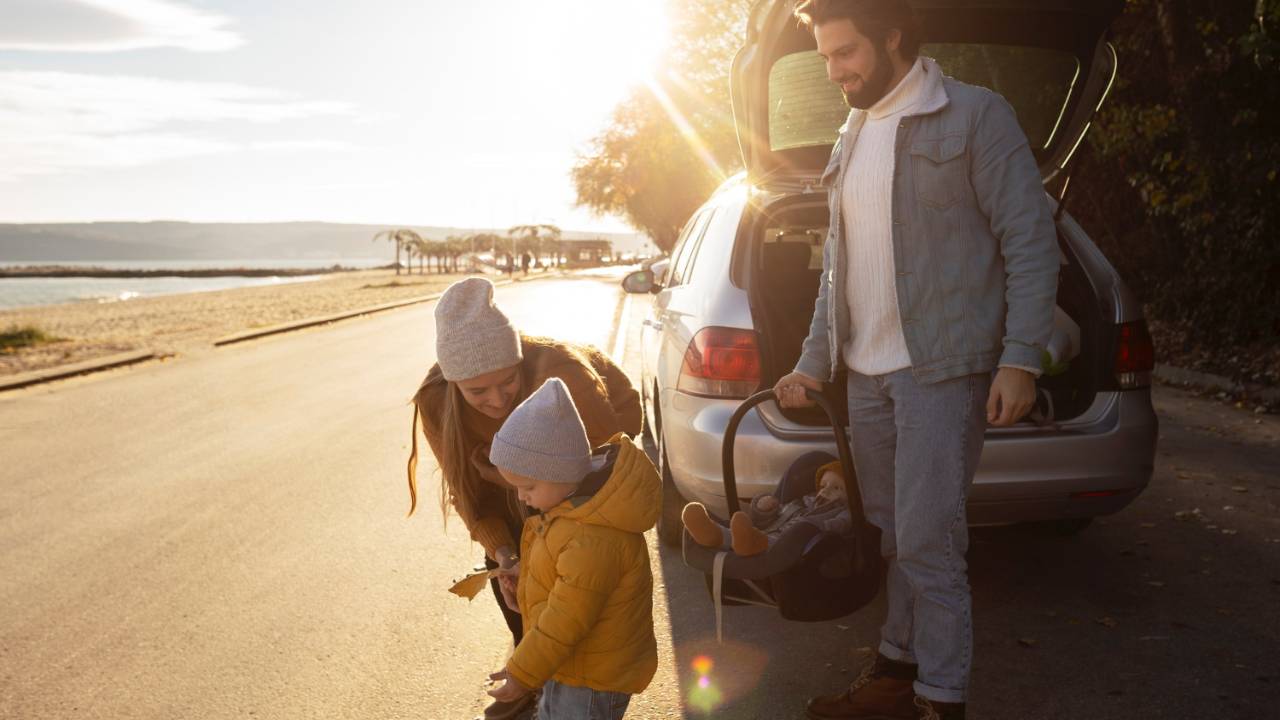
Road trips feel different when parking lots bake, seat-belt buckles heat up fast, and a quick gas stop can turn into a sweaty ordeal. Families prioritize shaded parking, remote start, window shades, and indoor breaks, then schedule long driving blocks for early morning instead of the hottest afternoon hours, treating midday as a planned stop rather than an accident. Emergency kits shift too, with extra water, cooling towels, and simple snacks treated like basics, and the day’s highlights move toward shaded rest areas, visitor centers, and hotel pools so the back seat stays calm and the driver stays focused. Even photo stops get timed for comfort.
Outdoor Dining And Street Festivals Shift To Night
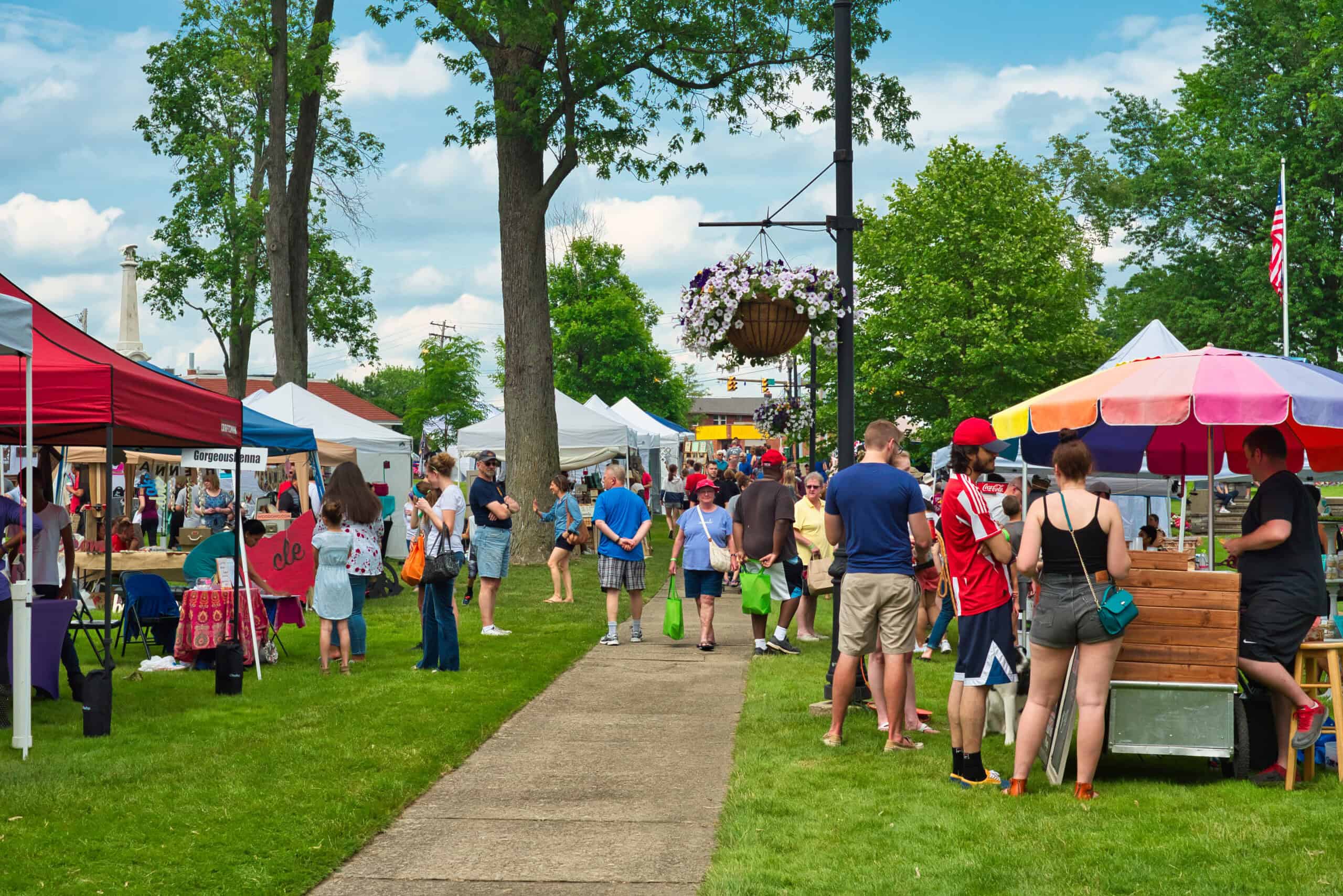
Hot evenings are turning nightlife into the comfortable option for families who once built vacations around midday street fairs and long patio lunches. Cities move farmers markets, concerts, and food-truck gatherings later, and restaurants rely on shade, airflow, and reservation timing more than ever to keep outdoor dining workable without heat-worn kids fading at the table. The rhythm changes: museums and beaches happen early, pools fill the midday gap, and public squares come alive after sunset with night markets, fountain shows, and cooler breezes, so family-friendly starts to mean a calm evening stroll and an earlier bedtime when possible.
“Coolcation” Thinking Spreads Beyond Trendy Talk
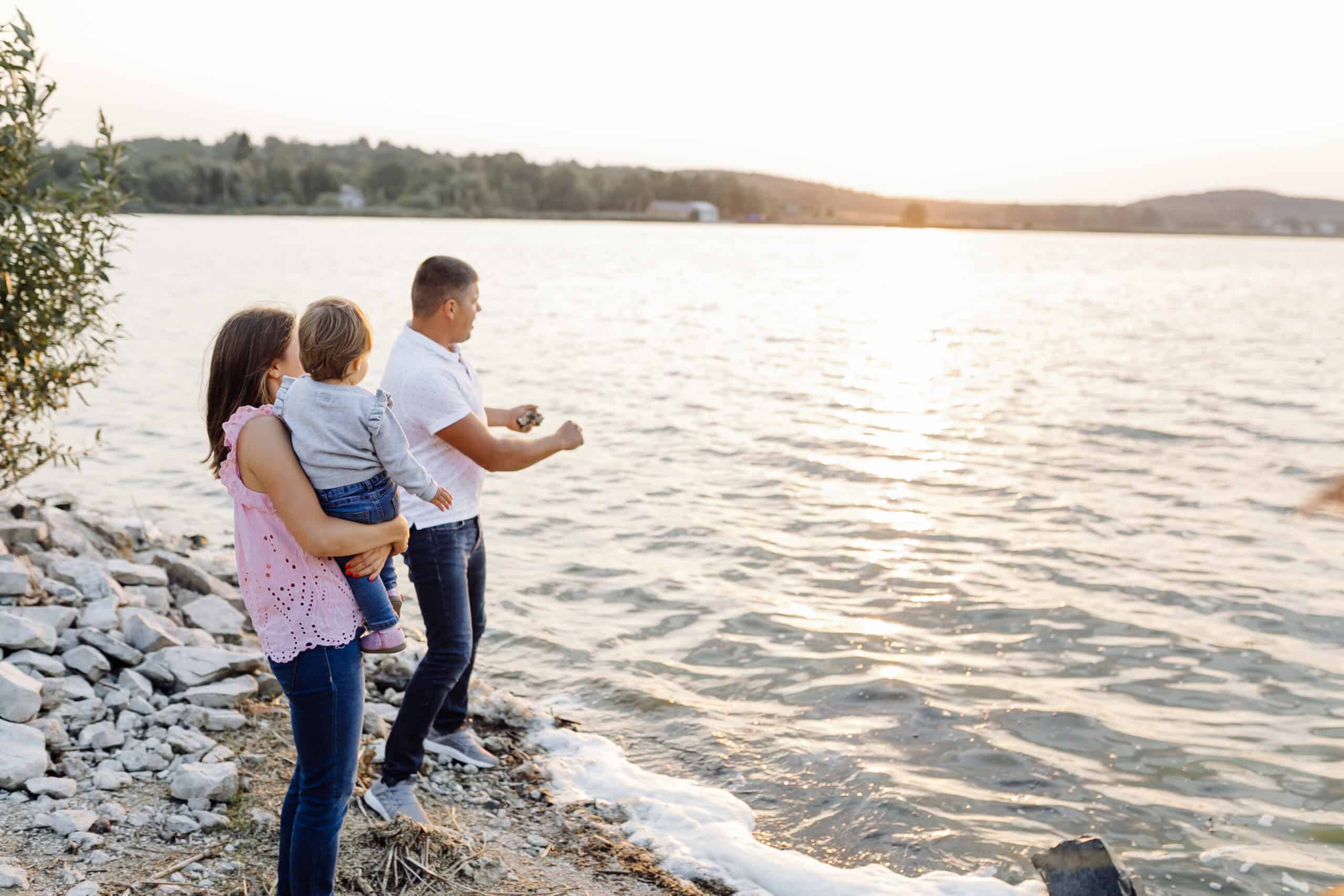
More families are choosing summer trips in places where heat is less punishing, trading desert icons for lake towns, higher elevations, and coastal fog that keeps afternoons usable. The label “coolcation” is new, but the behavior is practical: school break no longer automatically means the hottest destination on the map, and shoulder-season travel feels smarter than stubborn. Cooler regions see longer stays and better availability, while hot-weather cities expand indoor programming and adjust hours to protect guests, and the definition of a great summer shifts toward comfort and breathable air, even if the postcard looks different.
Playgrounds, Zoos, And Beaches Redesign For Shade
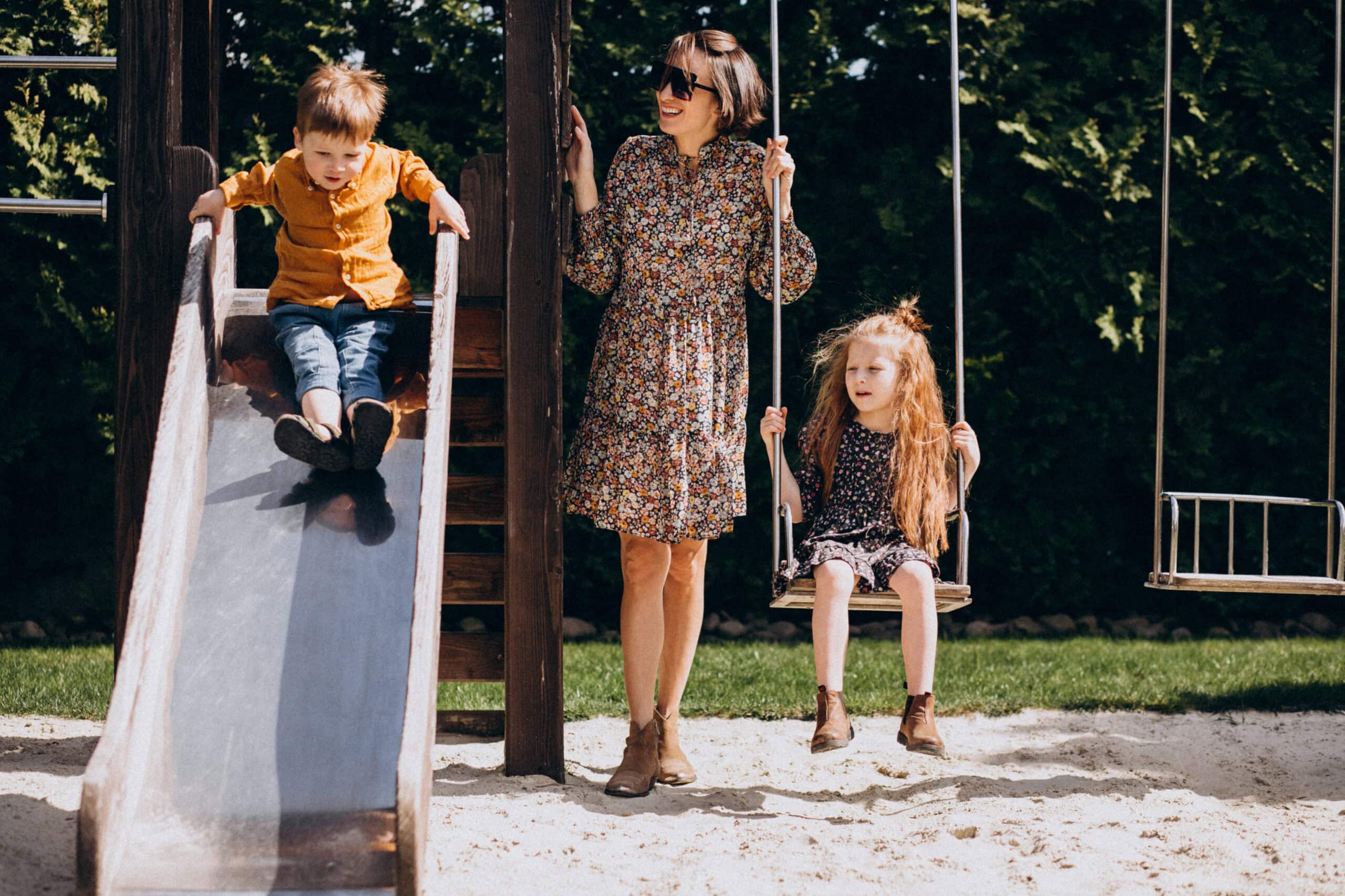
Heat is changing the design of the spaces families rely on, and comfort upgrades are becoming a form of access rather than a luxury add-on. Zoos add shaded queueing, splash pads, and cooled indoor exhibits as primary draws, and many expand indoor animal houses and education rooms so a child can still feel the day is exciting at 2 p.m. without overheating. Beaches and playgrounds lean on shade sails, misting posts, and water features because hot surfaces end visits quickly, and guidance for children emphasizes staying out of direct sun and shifting activity to cooler times, especially in the early season before acclimation.