We may earn money or products from the companies mentioned in this post. This means if you click on the link and purchase the item, I will receive a small commission at no extra cost to you ... you're just helping re-supply our family's travel fund.
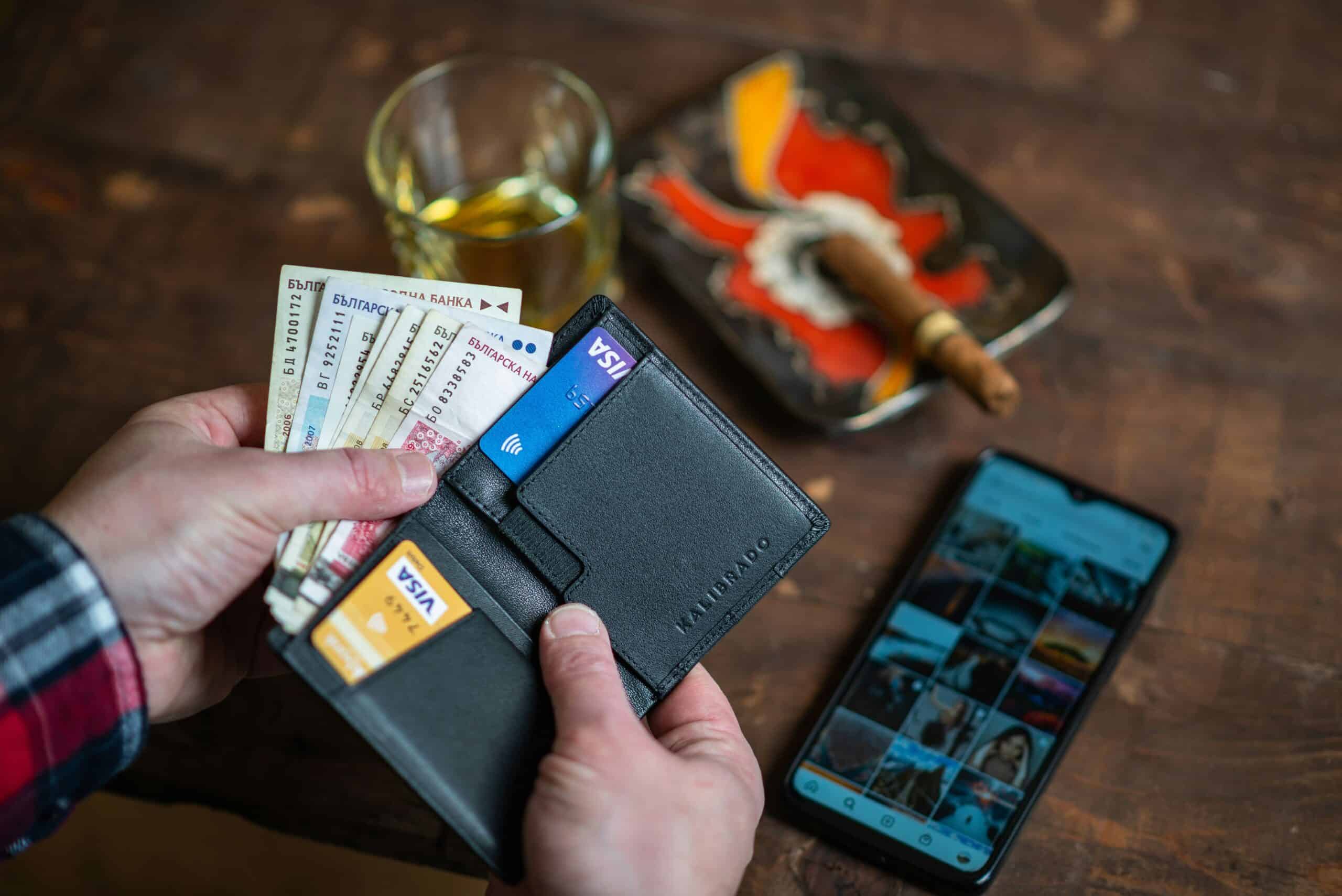
Air travel has a way of exposing every tiny habit that felt harmless at home. A wallet packed with extras can slow a checkpoint, confuse an ID check, or turn one small loss into a much bigger headache by the time a gate change, connection, or late arrival hits. The smartest preflight habit is not glamorous, but it works: strip a wallet down to what the trip truly needs. In 2026, that means thinking like a calm traveler and a cautious one at the same time.
Loose Change
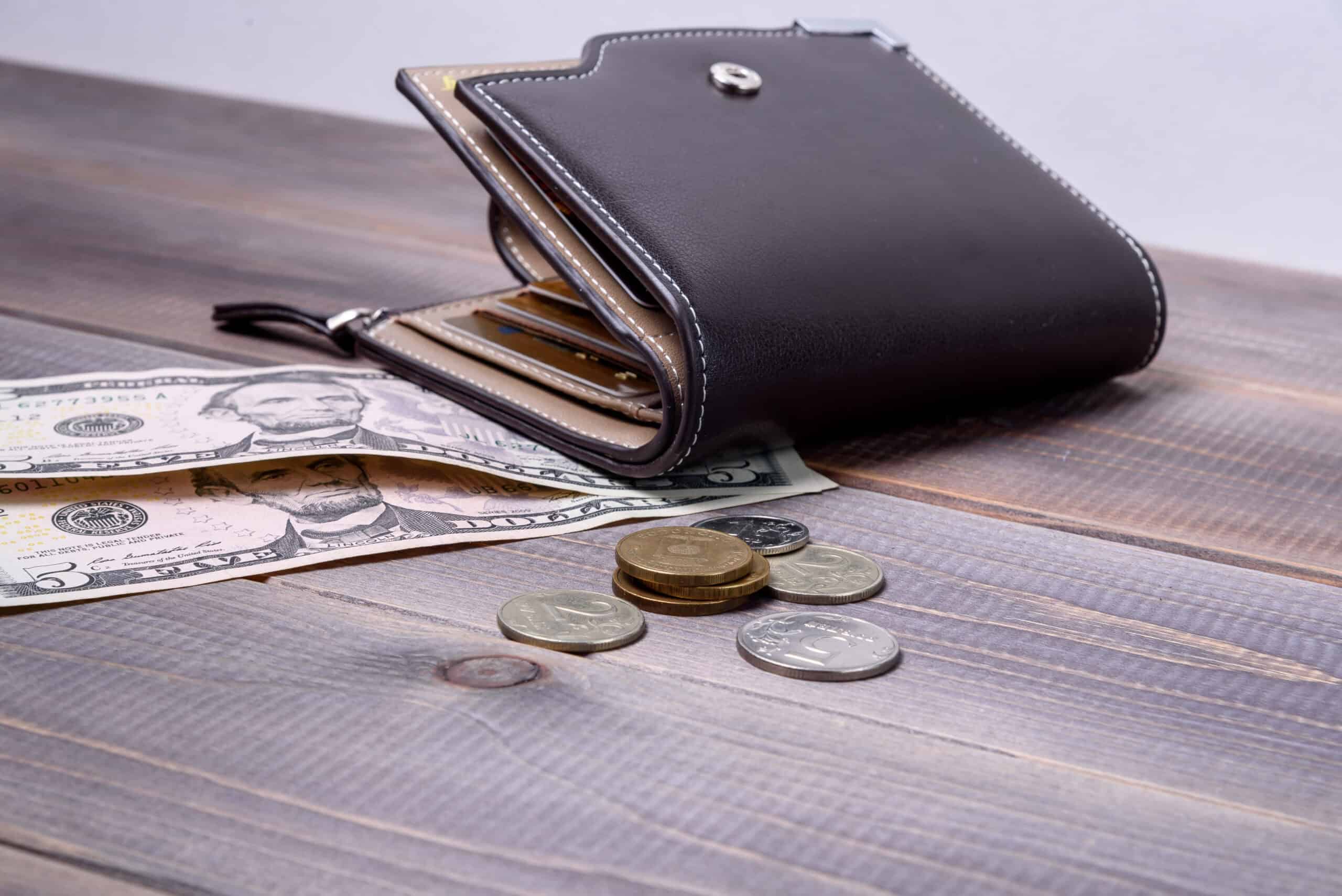
Loose change seems minor until the checkpoint turns it into a delay, because TSA keeps reminding travelers to empty pockets completely and place wallets, phones, keys, and coins inside a carry-on bag before screening instead of scattering them into a bin or leaving them buried in clothing. Coins also make a wallet heavier, harder to sort, and more likely to spill open when a traveler is already juggling an ID, a boarding pass, and a moving line. The smartest habit is to empty them at home, keep the wallet flat, and arrive at security with one less metallic distraction to manage.
Credit Card Knife
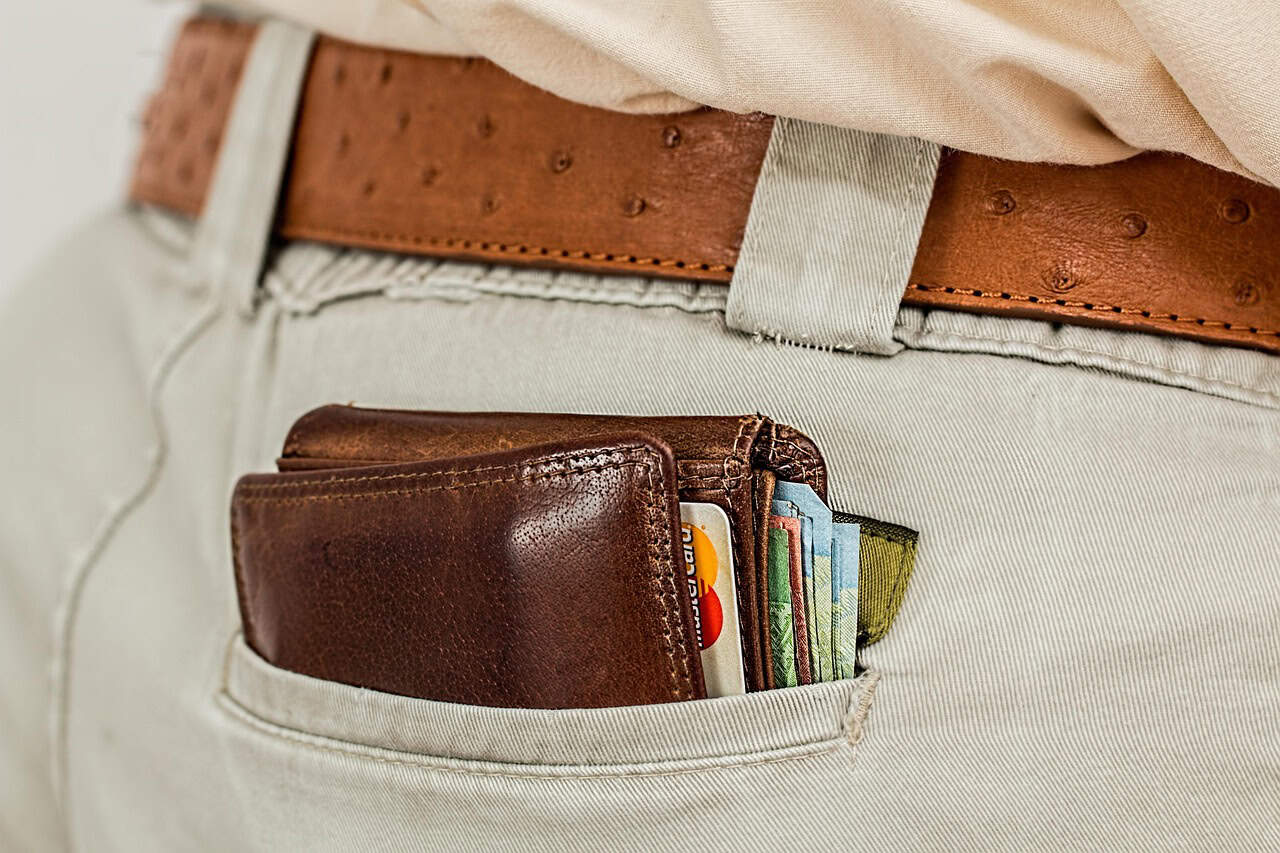
Some of the easiest problems to miss are the ones designed to look harmless, which is why credit card knives keep turning up in TSA warnings even though they slide into a wallet like any other plastic card or promotional sleeve. Standard pocketknives are prohibited in carry-on bags, and these slim novelty versions are especially easy to forget because they can sit quietly behind an old gift card or membership badge for months. Before every flight, each flat slot deserves a real check, because one tiny folding blade can end a smooth airport morning before it properly starts.
Wallet Multi-Tool
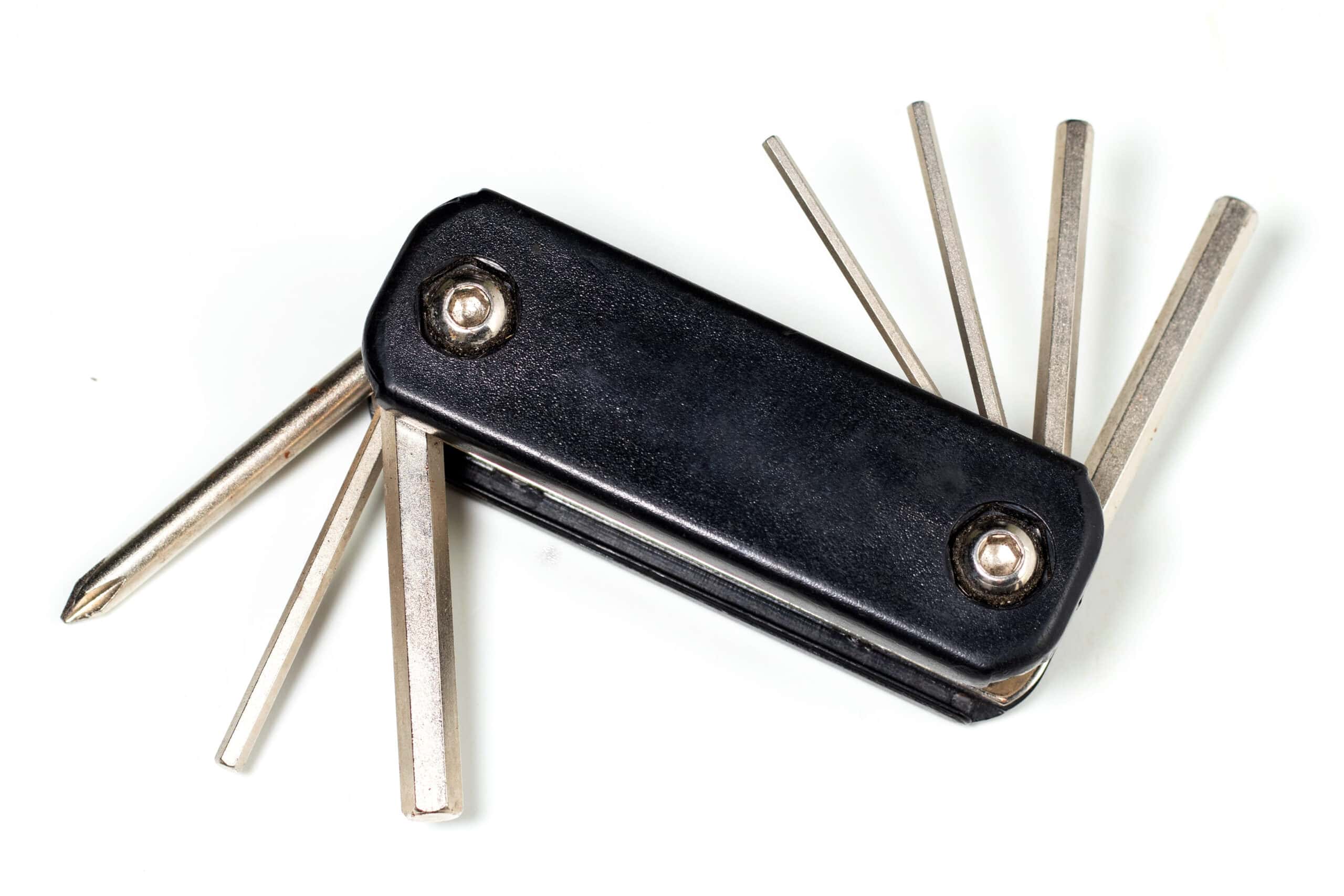
A wallet multi-tool can feel like smart everyday preparedness right up to the moment security reads it as a prohibited item, because TSA says multi-tools with knives of any length are not allowed in carry-on bags while bladeless versions may be permitted. The trouble is that many card-shaped tools hide a tiny edge, fold-out blade, or sharpened point that looks forgettable at home and suddenly matters a great deal under airport screening, especially when the traveler assumed it was just another gadget. Unless the exact design is clearly permitted, the cleaner move is to take it out before leaving and avoid a preventable holdup.
Loose Razor Blade
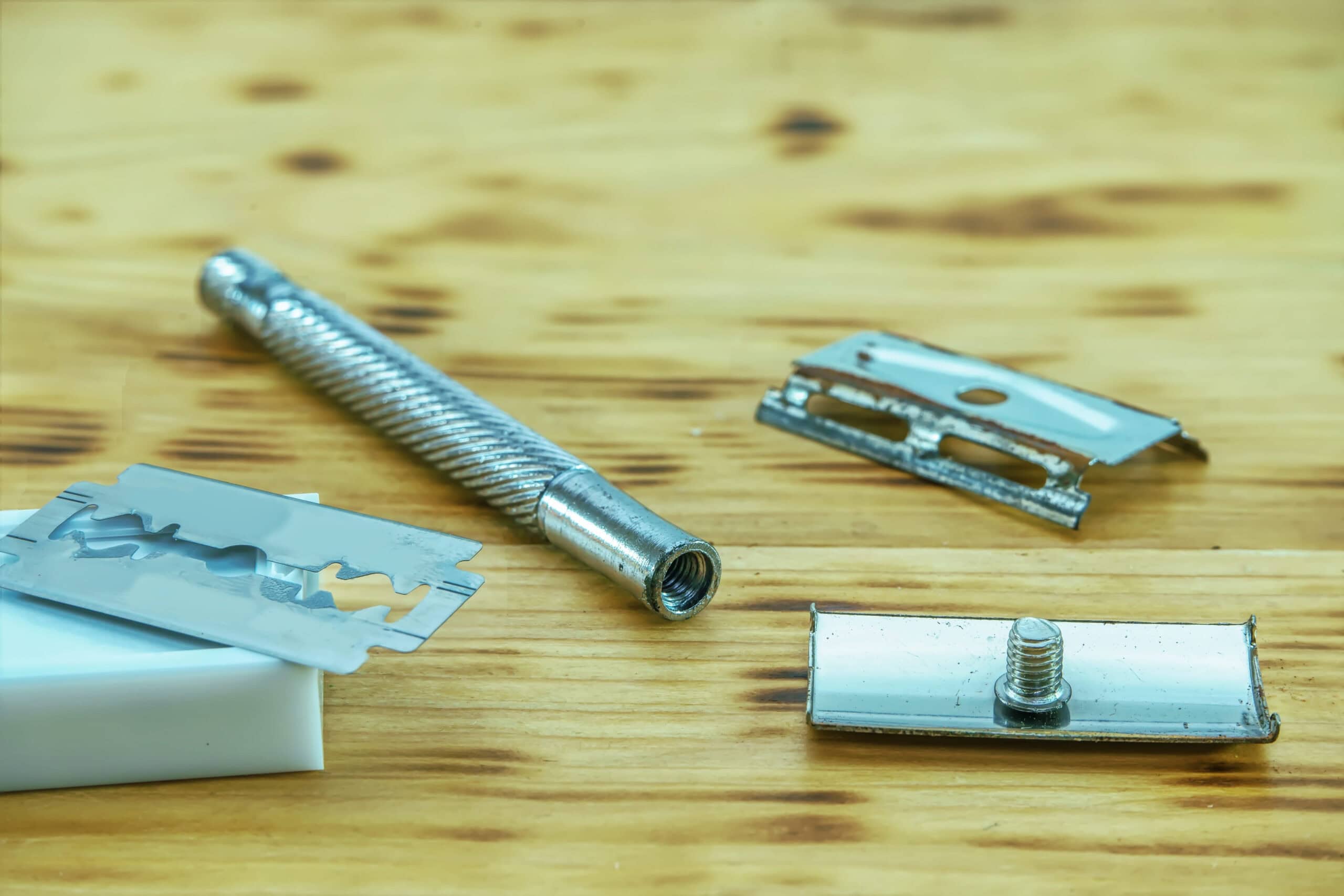
Loose razor blades create the same kind of avoidable chaos because they often drift away from the razor they belong to and end up tucked into a wallet sleeve, a coin pocket, or a folded scrap of paper. TSA says loose razor-type blades and safety razor blades are not allowed through the checkpoint, even though a safety razor without the blade may be, which is a distinction busy travelers do not always catch until screening begins. A preflight wallet check should include any slim compartment where a spare blade could hide, because this is exactly the sort of tiny mistake that becomes an annoying delay.
Expired Or Old ID
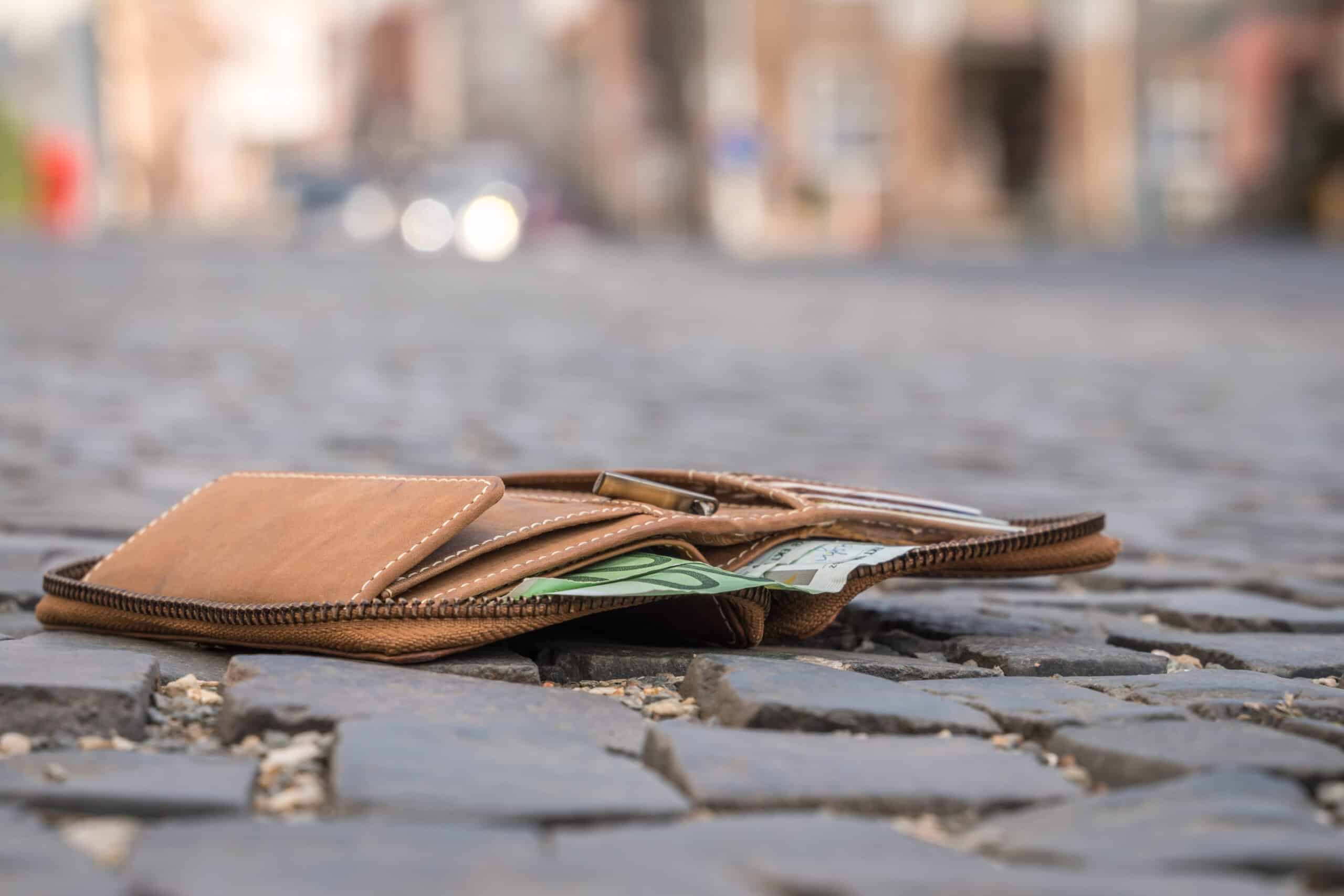
An overstuffed wallet can create a quieter problem when the wrong card comes out first, especially now that TSA says noncompliant state-issued licenses and IDs are no longer accepted for domestic flights after REAL ID enforcement began on May 7, 2025. TSA also says some travelers without acceptable identification can use TSA ConfirmID starting Feb. 1, 2026, but that adds a fee and another layer of hassle that no rushed airport morning needs. Removing expired licenses and old IDs before travel keeps the valid document easy to grab, reduces fumbling, and makes the checkpoint interaction cleaner.
Social Security Card
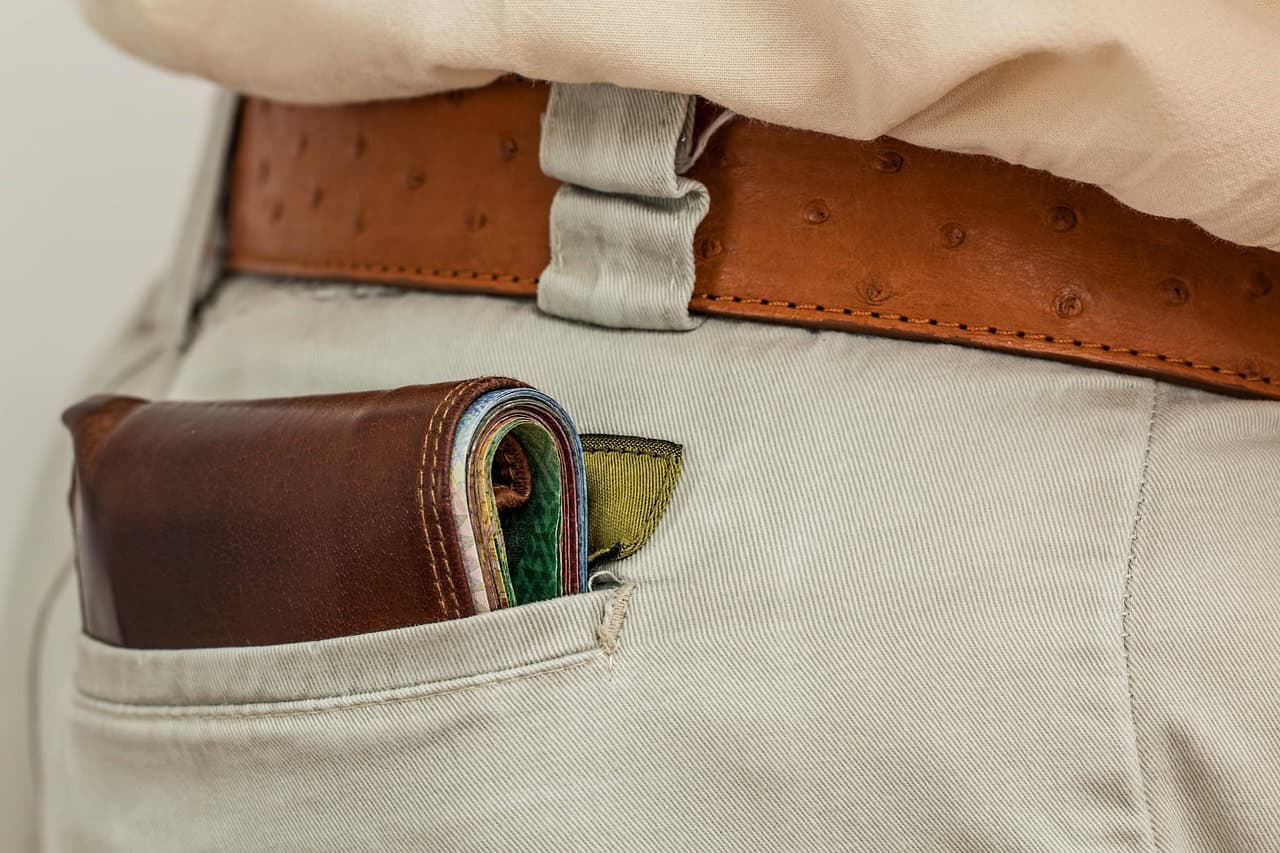
A Social Security card has almost no reason to travel in a daily wallet, and a flight is one of the worst times to realize it has been riding there unnoticed for months. The Social Security Administration says people should not routinely carry the card unless it is needed, which is rare, and should keep it in a safe place instead, because the damage from a lost wallet can reach far beyond missing cash. Airports compress stress, motion, and distraction into a few crowded hours, so removing that card before a trip is less about paranoia and more about refusing to widen the consequences of one mistake.
Extra Bank Cards
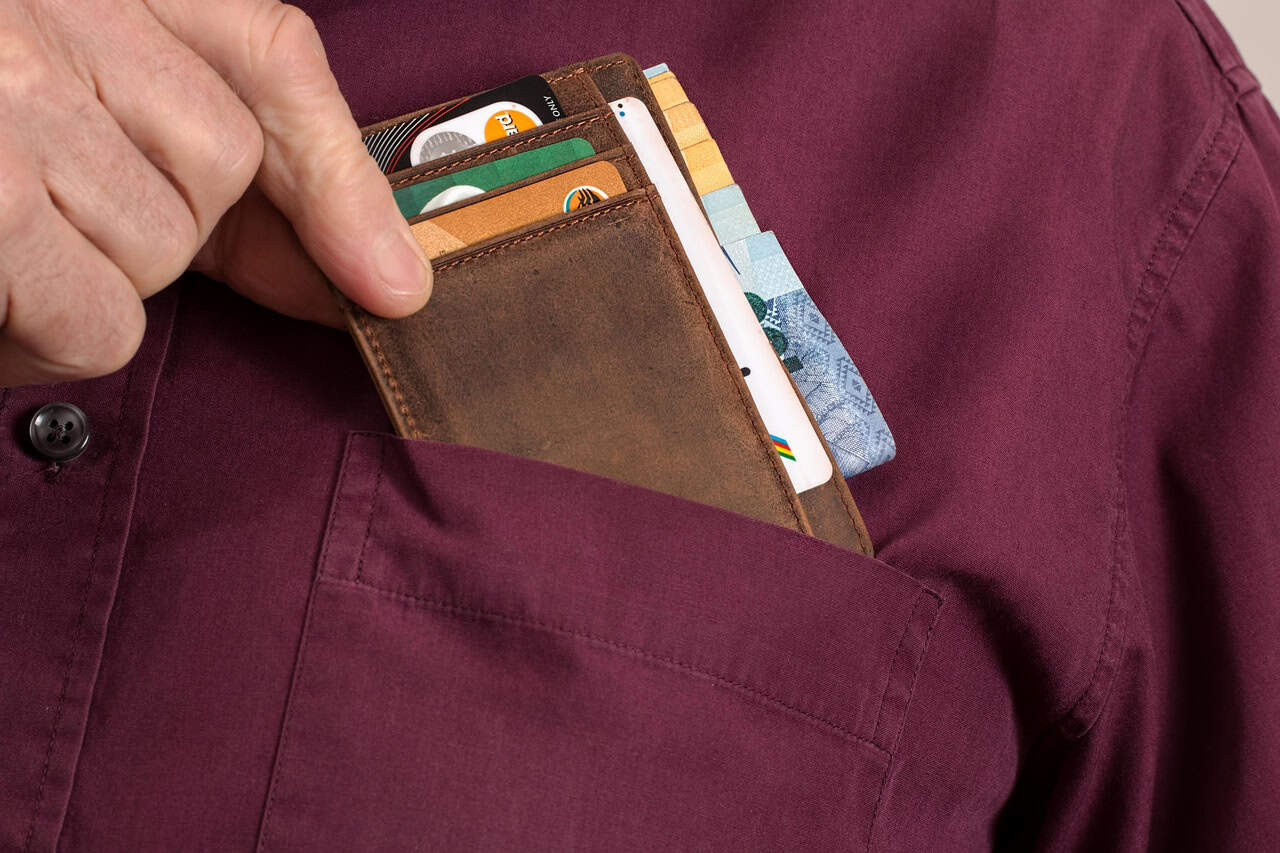
Flying with every debit and credit card a person owns can feel prepared, but it also enlarges the mess if the wallet slips out in a rideshare, at a checkpoint, or between hotel check-in and dinner. FTC guidance says lost or stolen cards should be reported immediately because protections can depend on how fast the cardholder acts, and USA.gov notes that thieves target wallets for IDs, credit cards, and bank cards. A tighter travel wallet makes more sense: carry what the trip actually needs, keep one backup stored elsewhere, and leave the rest at home where they cannot all become one problem at once.
Blank Checks
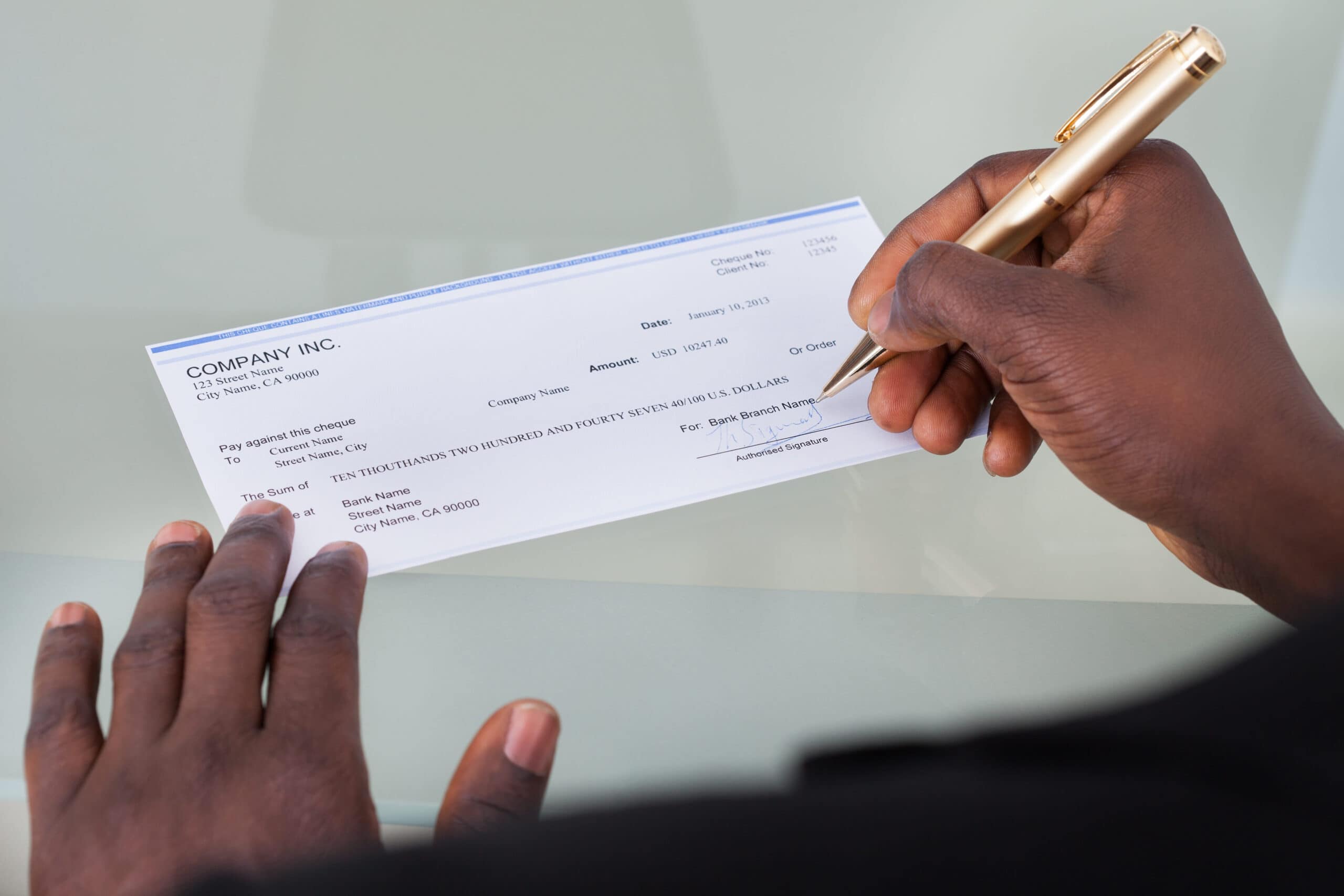
Blank checks are an old wallet habit that makes even less sense on travel day, when one missing item can already create enough administrative trouble without adding the possibility of forgery. Consumer Financial Protection Bureau guidance makes clear that stolen checks can trigger urgent calls to a bank or credit union and a long paper trail of cleanup, which is the last thing anyone wants while chasing a gate change or sitting through a delay. Unless a trip truly requires them, loose checks and checkbooks belong at home, because they bring more banking risk than practical convenience to an airport.