We may earn money or products from the companies mentioned in this post. This means if you click on the link and purchase the item, I will receive a small commission at no extra cost to you ... you're just helping re-supply our family's travel fund.
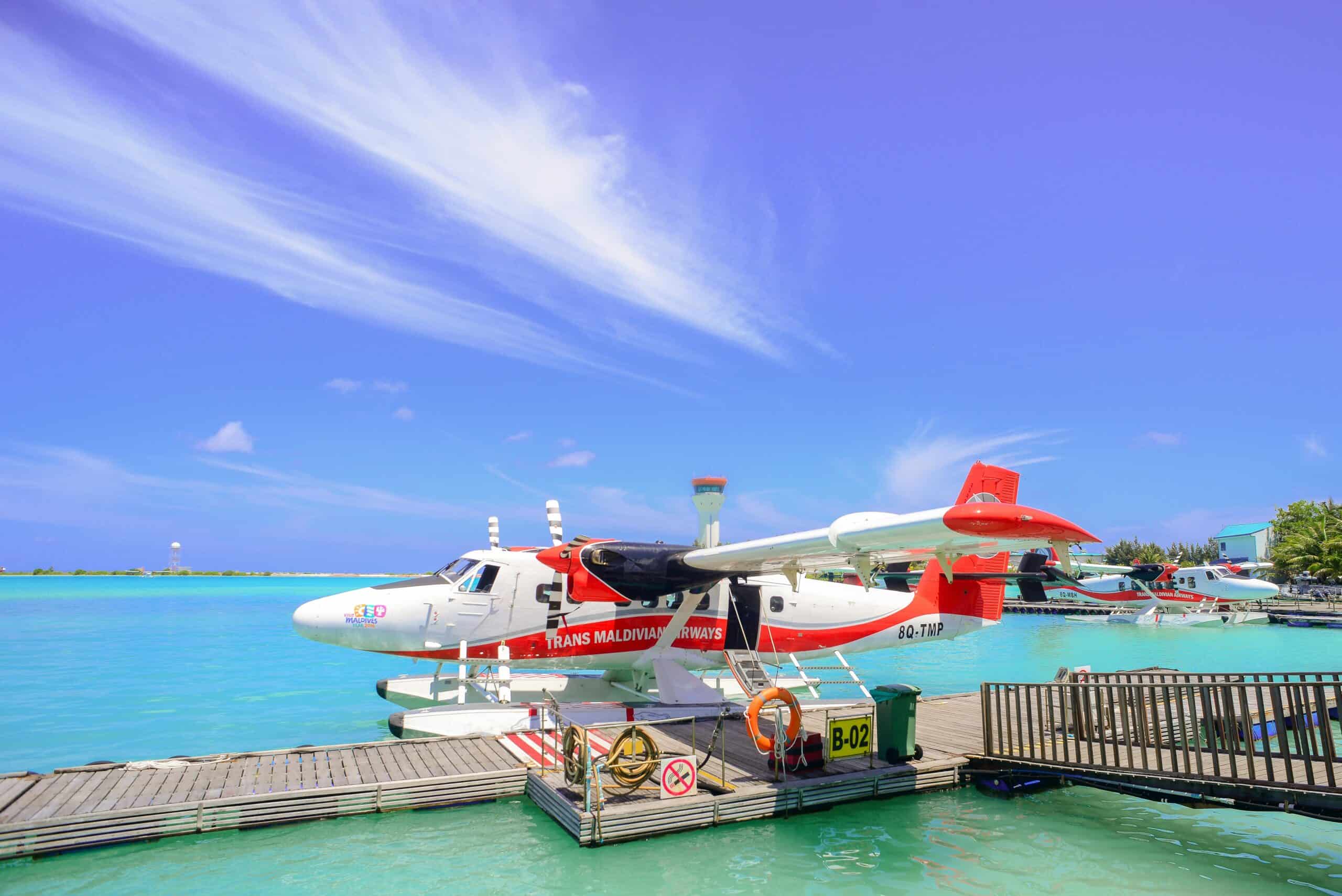
Luggage trouble rarely starts with the suitcase. It starts with a tight connection, a boat transfer, or a small airport juggling three arrivals at once. The most fragile itineraries are the ones that look dreamy on a map: islands reached by prop planes, remote lodges served by one daily flight, or multi-leg routes stitched together by different carriers. In these places, bags usually arrive, but delays and misroutes can stretch into days. These eight vacation spots share one theme: logistics that leave little margin for error.
Greek Island-Hopping Routes

Greek island-hopping often mixes an international arrival, a domestic hop, and a ferry, so one bag tag can pass through multiple hands in a single day. When wind roughens the Aegean or a ferry window shifts, travelers may be rerouted while checked bags stay on the original plan, especially when different operators handle air and sea segments and baggage systems do not talk to each other across tickets. Add small island airports with tight storage, fast turnarounds, crowded piers during school holidays, and last-minute gate changes, and a suitcase can miss the last connection home even after the traveler is already checked in somewhere else.
Caribbean Islands With Short Connections

Many Caribbean getaways run on narrow flight banks, where several arrivals land close together and the same crews must unload, sort, and re-tag bags for onward flights. A short connection plus a late inbound or gate change can separate travelers from luggage, and the next flight may be tomorrow, not later the same afternoon, because schedules thin out after the last wave lands and storms interrupt ramp work. With limited storage, fewer couriers between islands, and frequent weather delays, a simple mishap can become days of tracking, interim shopping, and hotline calls before the bag finds the right dock and the right hotel.
Maldives Resort Transfers By Seaplane
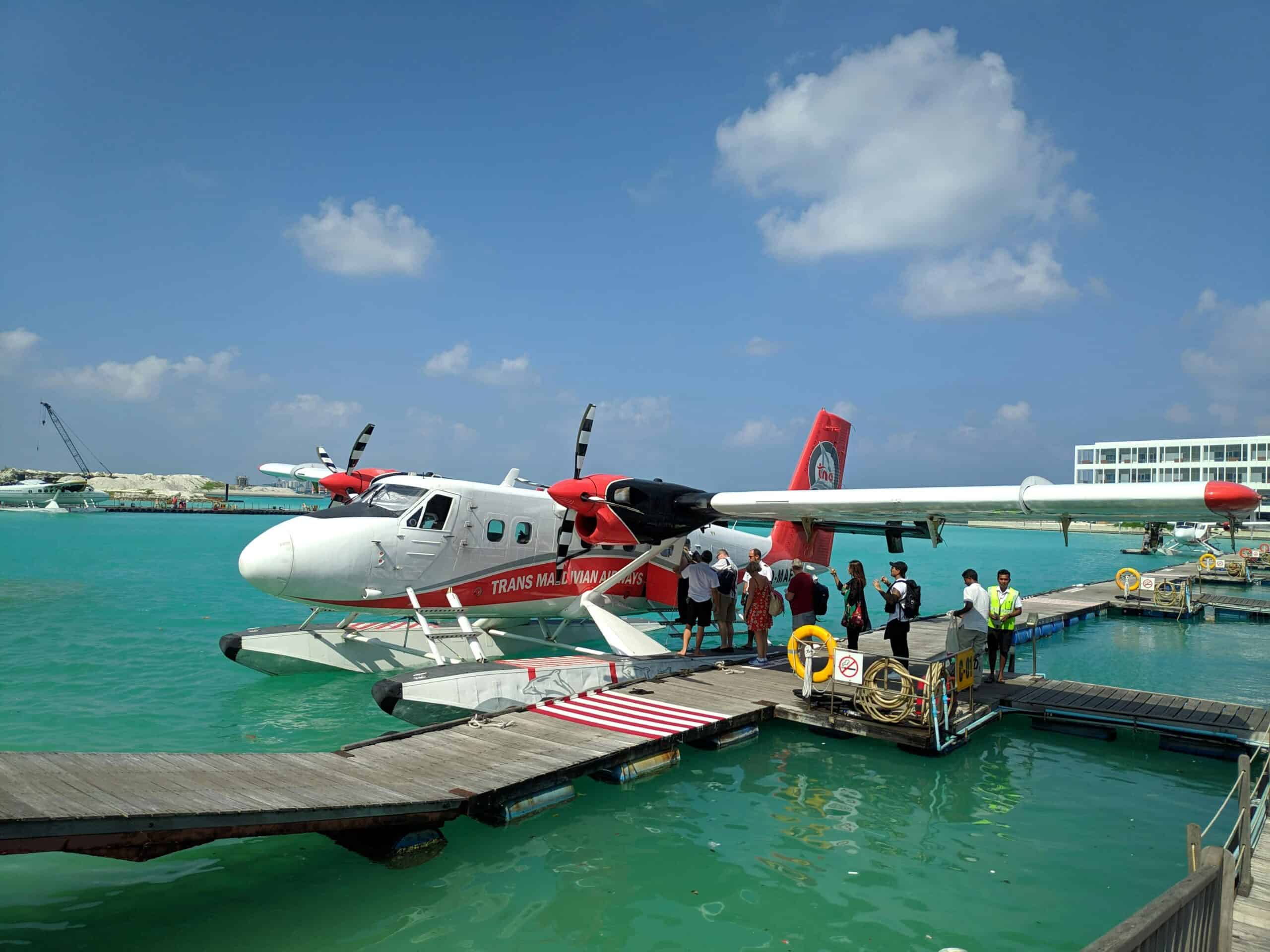
In the Maldives, the airport arrival is only the first leg, because many resorts rely on seaplanes or domestic flights followed by speedboats, each with weight limits and daylight cutoffs. When aircraft are near capacity, bags can be bumped to a later departure, and the next slot may depend on sea state, weather holds, and how many resorts are feeding the route from the same terminal, where luggage can sit staged for hours. Travelers reach the villa while luggage follows its own chain of docks and manifests, so the first day can feel unfinished until the bag catches up with swimwear, chargers, and the one outfit meant for dinner.
Galápagos With Domestic Flights And Boats
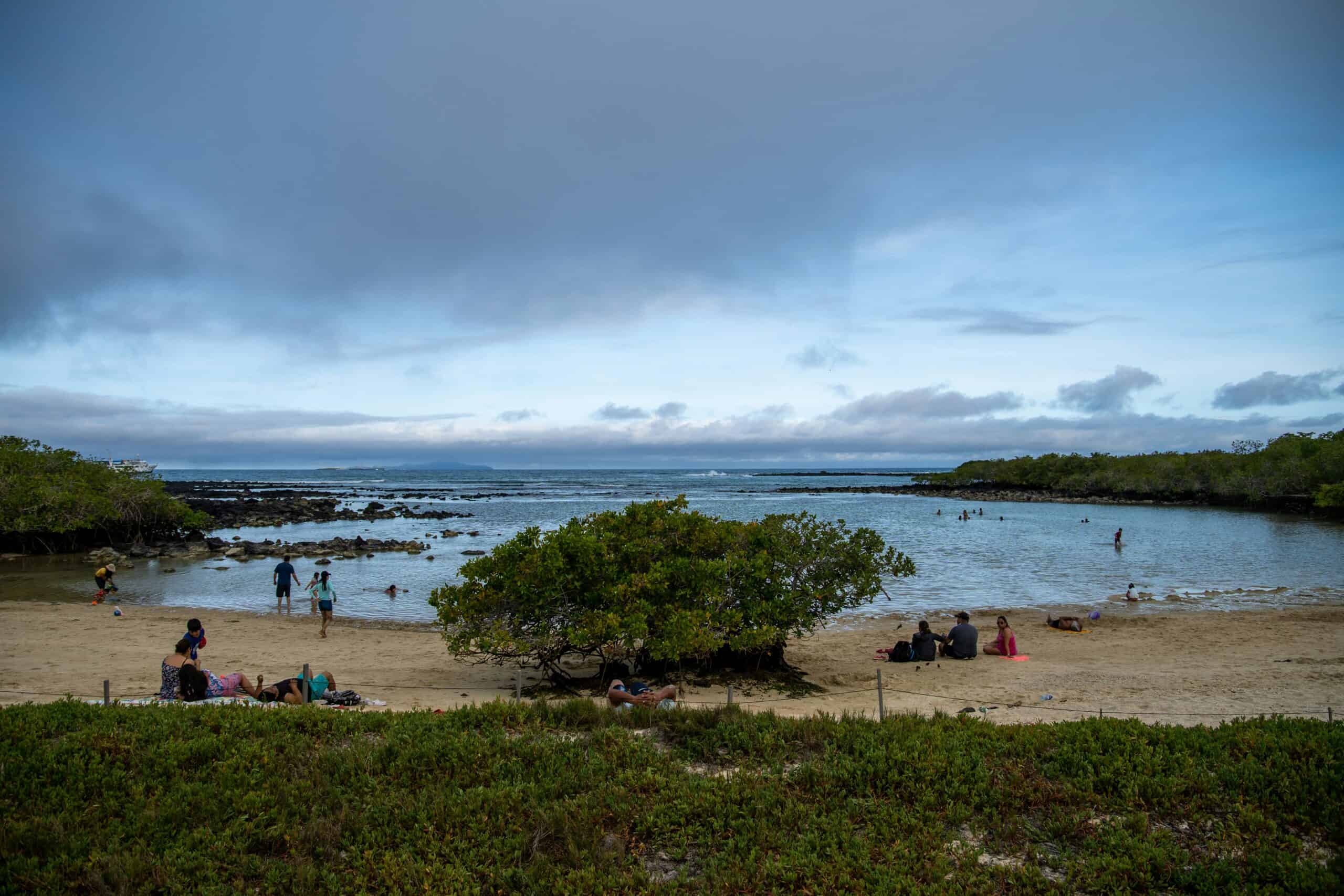
Getting to the Galápagos often means a mainland flight, a connection, an island airport, then a boat transfer to a cruise or lodge, which is a lot of links for one suitcase. When weather or a tight connection forces a same-day reroute, checked bags can be sent to the original endpoint while travelers take a different path, and island airports have limited equipment and staff to recover quickly once a tag is mis-scanned. Boat departures also run on fixed windows tied to tides and park rules, so a missed handoff can mean luggage arrives after the itinerary has already moved on to another island, another pier, and another cabin assignment.
Alaska Remote Lodges And Small-Plane Hops
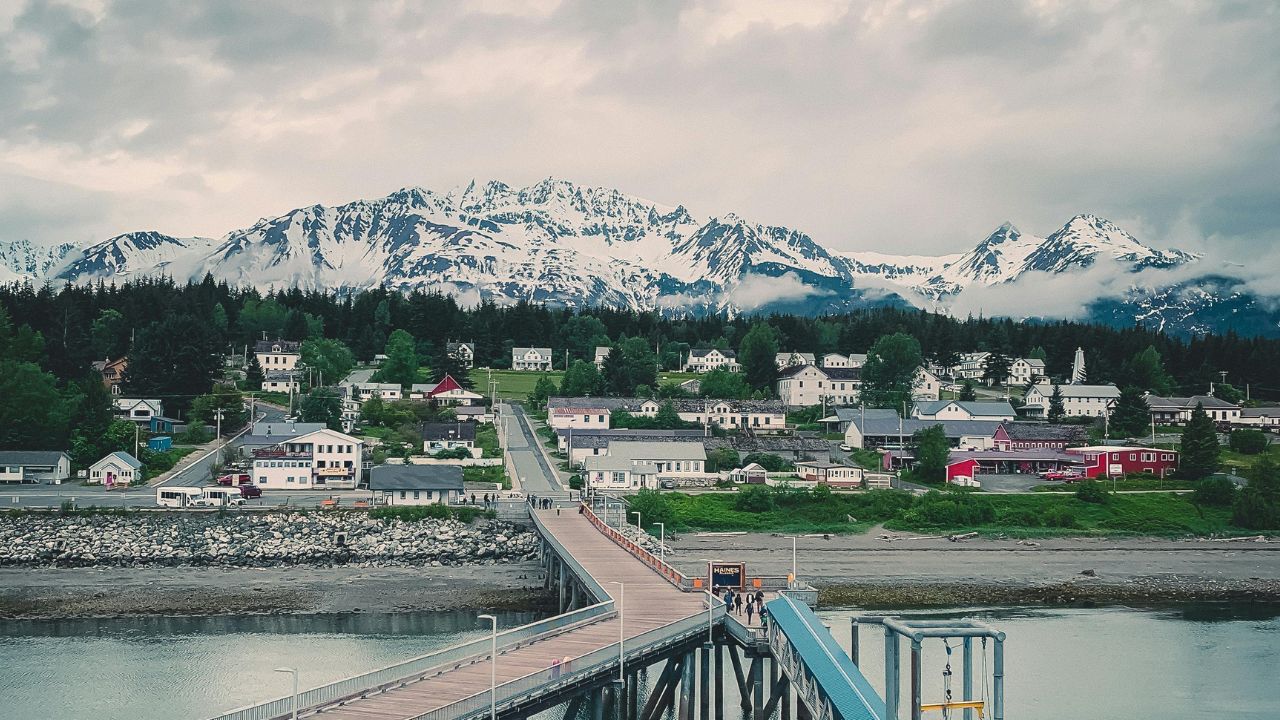
Alaska vacations often finish with a floatplane or bush-plane hop into a lodge, and those final legs run on strict weight and balance rules that can trigger last-minute offloads. Fog, snow, or wind can delay small aircraft, and bags may be routed later to keep passengers moving, while distance turns every fix into a slow one because the next delivery might be a pilot with spare space, not a courier on a schedule. The wilderness payoff is huge, but the first 24 hours feel calmer when critical layers, meds, a headlamp, and basic toiletries are not trapped in the hold while weather closes the last mile and daylight fades early.
Patagonia’s Cross-Border Circuits

Patagonia itineraries are often stitched across Chile and Argentina with domestic flights, long drives, and border crossings on fixed times, so there is little slack when one segment slips. A late arrival can push travelers onto a different routing while checked bags follow the original endpoint, and storms can ground flights for days, stacking unclaimed luggage in small terminals with limited staff, limited storage, and limited phone support. The landscapes are worth it, but the smoothest trips keep the kit minimal and the warm layer, headlamp, and one change of clothes close at hand until the bag reappears and the winds finally ease.
Indonesia’s Island Chains And Boat Transfers
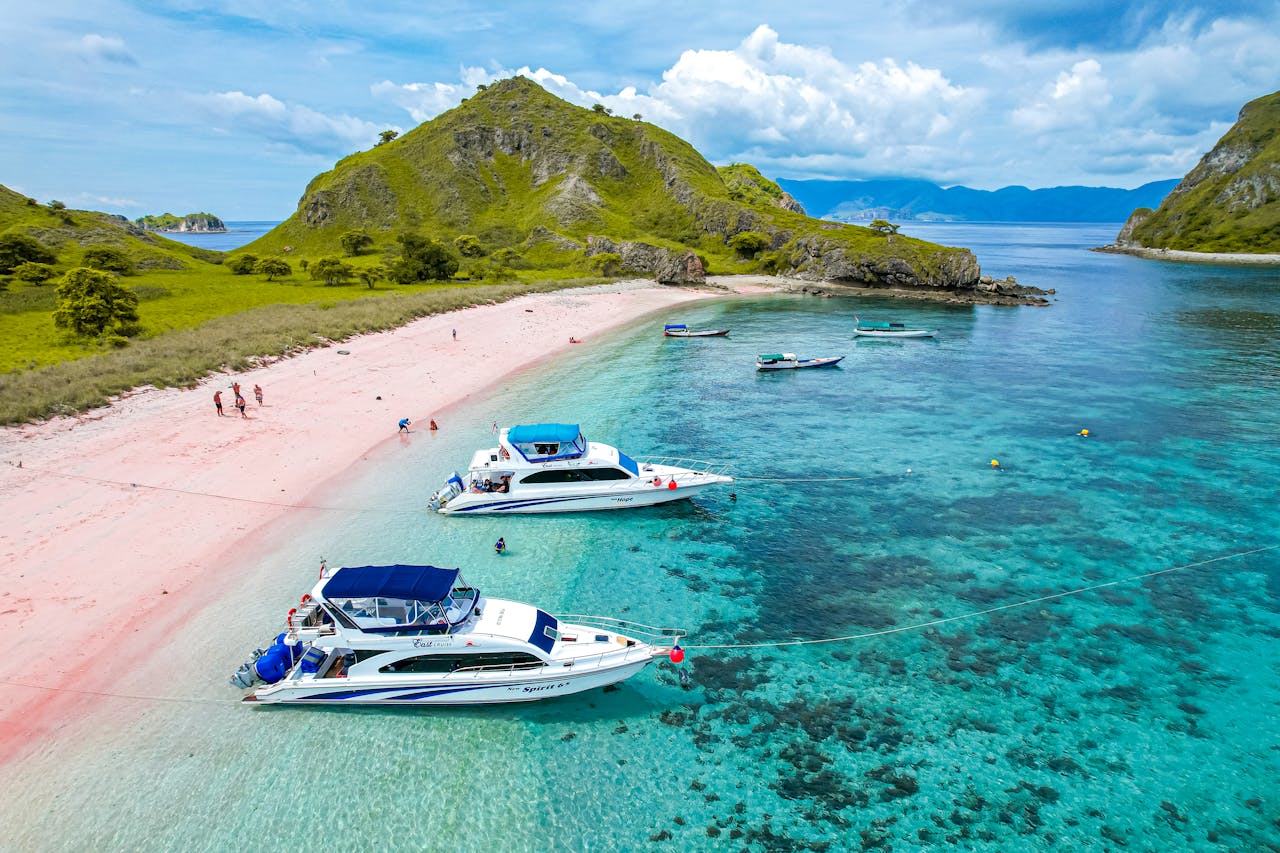
Indonesia’s best routes combine domestic flights with fast boats between islands, multiplying baggage handoffs across crowded terminals, small baggage rooms, and hurried dock transfers. Schedules shift with sea conditions, luggage is weighed and loaded late, and oversized items may be held back or rebooked quietly when capacity is tight, leaving travelers guessing which boat or plane holds the bag, and whether the tag was read correctly. The route still sings, but it runs better when essentials stay close, tags are bold, and checked bags are treated as arriving soon rather than arriving on a perfect timetable, especially in monsoon months.
Tanzania Safari Circuits With Bush Flights

Many Tanzania safaris connect a major airport to bush flights that hop between parks, and the small aircraft impose strict baggage limits that can push items onto later planes. Soft-sided duffels fit; hard cases may be refused or delayed until space opens, and a camp change due to weather can leave bags following the earlier plan while guests take the new one across a different airstrip and a different transfer truck. Wildlife moments remain unforgettable, but light packing, duplicate essentials, bold name tags, and one spare outfit in hand reduce the chance that gear spends the first night in a hangar instead of at the tent.