We may earn money or products from the companies mentioned in this post. This means if you click on the link and purchase the item, I will receive a small commission at no extra cost to you ... you're just helping re-supply our family's travel fund.

Some destinations look manageable on the first booking screen, then reveal their real cost through stacked fees, timing penalties, and local rules that surface after arrival. A transfer here, a mandatory levy there, a sold out ticket that forces an upgrade, and a careful budget can bend quietly without any single luxury choice. The issue is rarely one dramatic expense. It is the steady pressure of taxes, transport gaps, and convenience pricing. These eight vacation spots show how hidden drift happens, and why realistic planning matters before wheels leave the ground.
Venice, Italy
João Rodrigues/Unsplash
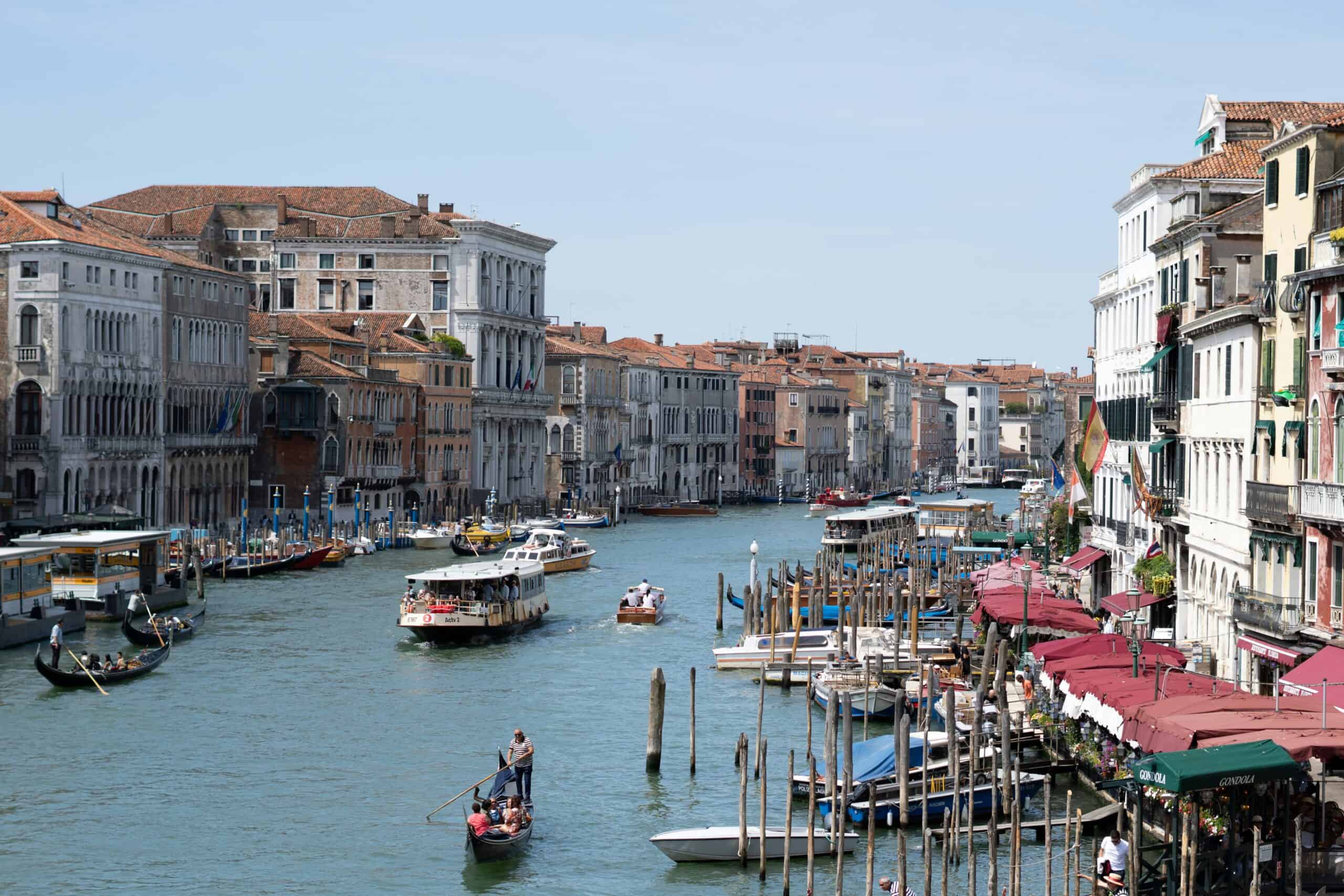
Venice now charges day visitors on selected high traffic dates, and the fee rises for late planners, so a low cost stop can begin with a penalty before coffee is ordered. Peak arrival windows also push travelers toward pricier train times, private water taxis, and crowded meal slots where canal side tables are priced for demand rather than value. Once timed entry museums, lagoon transfers, and simple lunches stack together, daily spending climbs quietly in repeated micro charges that feel minor alone but heavy in total, and the squeeze is subtle, but it is consistent from morning entry to evening return.
Amsterdam, Netherlands
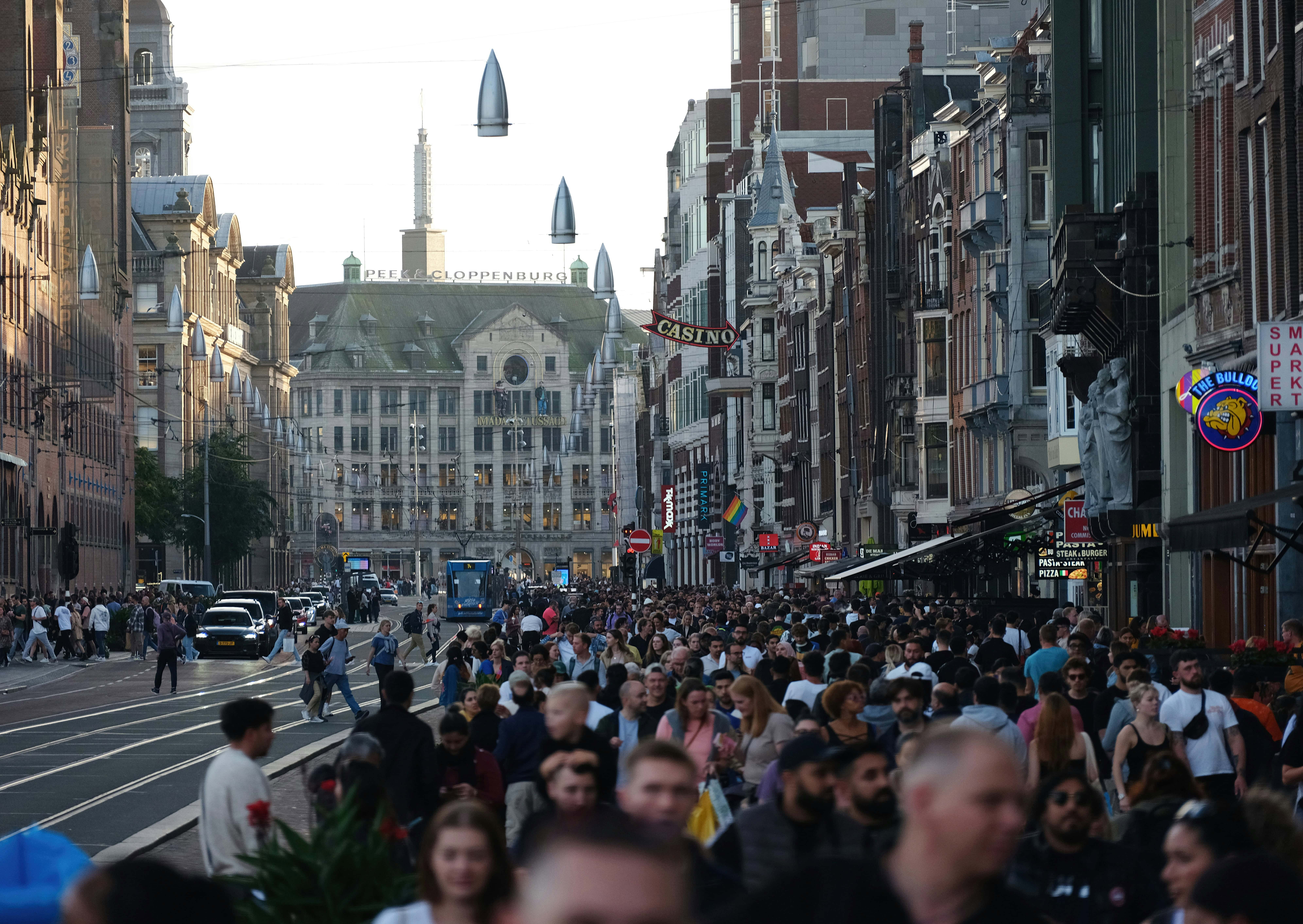
Amsterdam costs often hide in layers rather than headline rates, because the city tourist tax is 12.5% of the overnight room price and short stay accommodation moved to a 21% VAT rate in 2026. That tax structure can make a moderate hotel look reasonable at booking time, then noticeably higher at checkout, especially in central districts during event weeks. Add sold out museum slots, premium rebooking, and steady transit and café spending around the canals, and budgets drift upward without one obvious splurge, and the city still rewards curiosity, but careful timing now matters as much as hotel choice.
Bali, Indonesia

Bali can look affordable at first glance, yet totals rise as movement costs accumulate between beach towns, upland temples, and busy corridors where app rides or private drivers become daily essentials. Foreign visitors also pay a mandatory levy of Rp 150,000, while popular clubs, cafés, and day tours are priced for short stay demand and impulse booking. Even when hotel rates appear balanced, transfer days, bundled activities, and convenience purchases can quietly stretch a moderate plan beyond the first search result; that shift often appears only at the end, after many small decisions felt harmless in the moment.
Cancun And Riviera Maya, Mexico
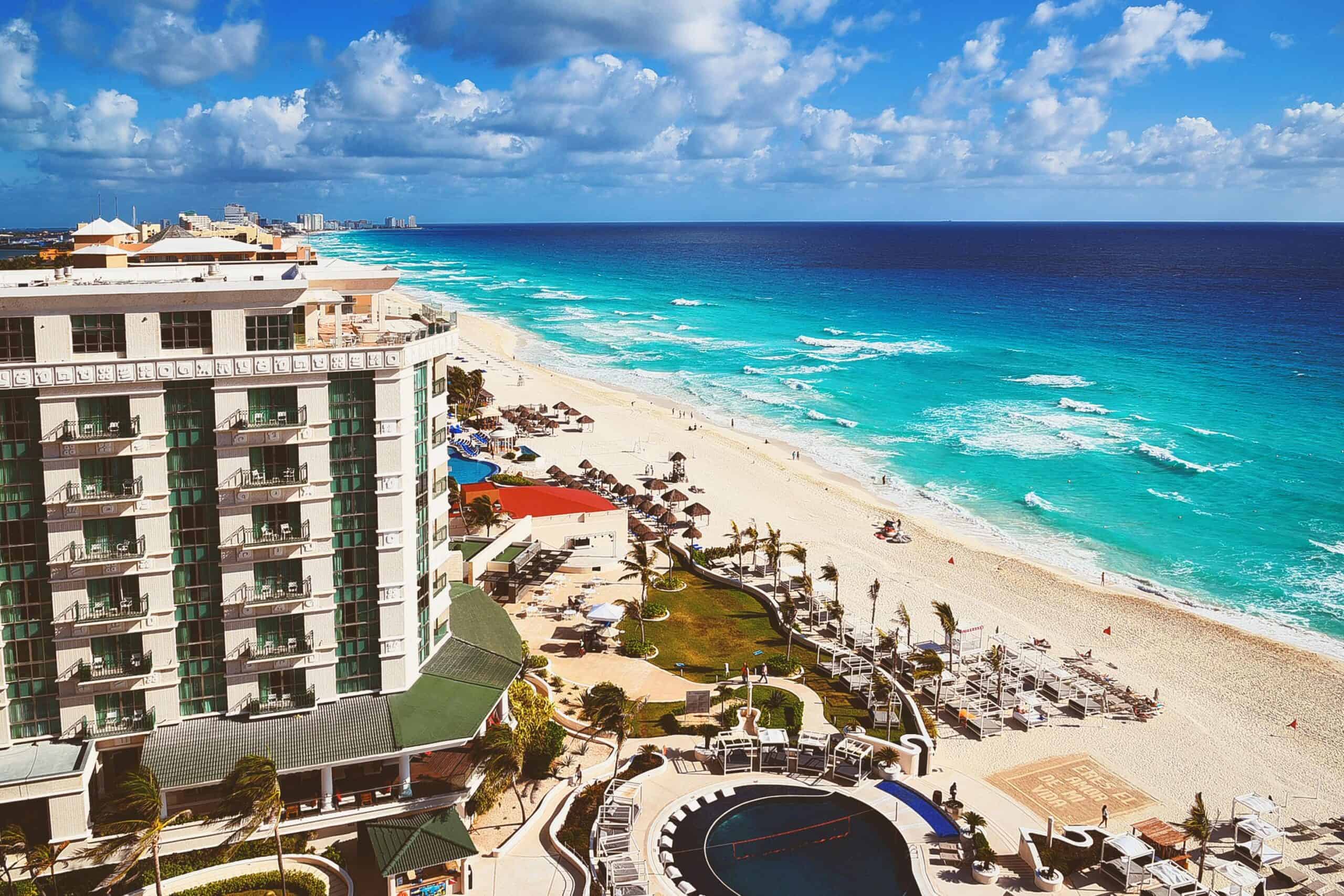
Cancun and the Riviera Maya often advertise attractive package prices, but the final spend can widen once local obligations and add on structures begin appearing across a short trip. Foreign tourists in Quintana Roo are required to pay VISITAX, and many stays also layer resort level charges after the room rate has already set expectations. Excursions frequently separate base fare from gear, dock, and environmental surcharges, so a value beach escape can turn into a chain of small extras that feels manageable until the final total lands; nothing looks extreme alone, yet the cumulative effect can overwhelm a modest daily target.
Dubai, United Arab Emirates
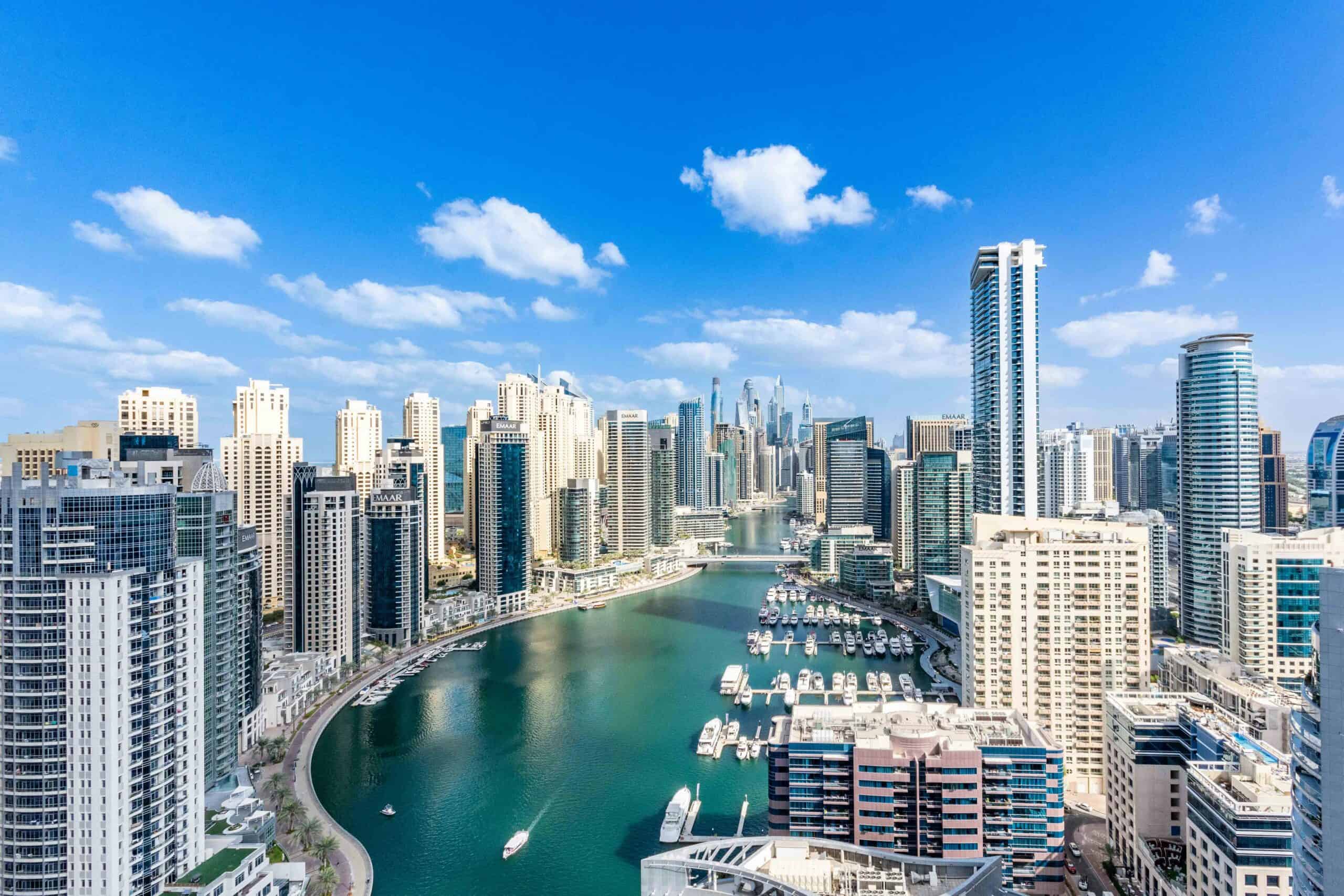
Dubai rewards planning, but casual budgeting can unravel fast because hotel bills include mandatory layers such as VAT and the Tourism Dirham fee charged per occupied room night. A room that looks straightforward on a booking page can settle higher at checkout, especially in peak conference or holiday windows when rates shift quickly across districts. Add repeated taxi trips between beaches, malls, and dining hubs, then fold in major attraction tickets, and polished convenience starts pulling daily spending upward at a steady pace, while unplanned choices tend to carry a clear premium.
Thimphu And Paro, Bhutan

Bhutan offers rare calm and extraordinary mountain culture, yet it is structured around purposeful tourism instead of bargain spontaneity, so fixed costs define the trip early. Most international visitors pay a Sustainable Development Fee of US$100 per person per day plus a one time visa fee, creating a clear floor before rooms, transport, or guides are counted. When weather and road conditions tighten itineraries, last minute changes can add further pressure, which makes early planning essential for travelers hoping to keep costs predictable, and the experience is deeply worthwhile, though it favors travelers who lock logistics early.
Maldives

The Maldives feels like a simple beach retreat in photos, but the financial pressure usually arrives through tax policy and transfer logistics long before room décor becomes the issue. Tourism GST is 17%, and departing passengers face airport taxes and fees that vary by class, with higher foreign passenger rates in effect since Dec. 1, 2024. Once speedboat or seaplane transfers, meal plan differences, and island specific add ons are included, a short break that looked tidy on paper can expand into a premium spend pattern very quickly, and the destination remains unforgettable, but cost clarity is essential before arrival.
New York City, United States
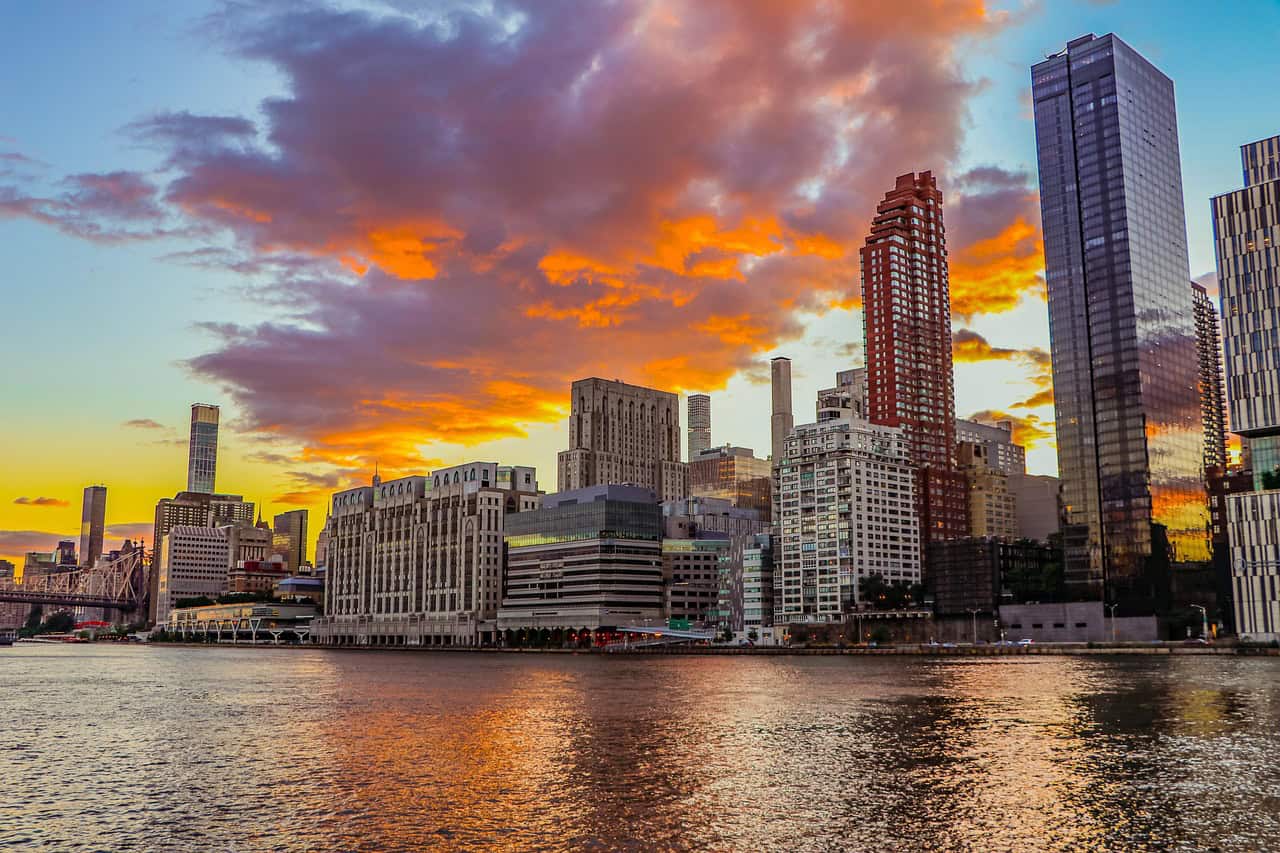
New York City rarely markets itself as cheap, yet the sharpest budget surprises often begin with lodging math, where several taxes and fees can compound quickly across even a short stay. Hotel bills can include multiple tax layers plus the New York State hotel unit fee of $1.50 per unit per day, and separate service charges may still appear by property policy. With dining, transit, and ticket spending packed tightly into high energy itineraries, the city’s pace encourages frequent small purchases that quietly reshape total trip cost; it is a thrilling city, though constant motion can turn small buys into major totals.