We may earn money or products from the companies mentioned in this post. This means if you click on the link and purchase the item, I will receive a small commission at no extra cost to you ... you're just helping re-supply our family's travel fund.
Rich Martello/Unsplash
A trip can go over budget without a single reckless splurge. The real damage usually comes from stacked extras: local taxes, mandatory fees, transfers, seasonal pricing, and small convenience purchases that feel harmless in the moment. Many destinations look affordable at booking, then become expensive once daily reality kicks in. That does not make them bad choices. It means expectations need to match how money is actually spent on the ground. These eight spots are still worth seeing, but they are known for costs that rise faster than most travelers predict.
Zurich, Switzerland

Zurich is polished, efficient, and consistently expensive in everyday categories, not only in luxury spaces. Travelers often budget for the hotel and flight, then get surprised by dining, coffee, transit, and simple convenience buys in central districts. Even modest days can cost more than expected because baseline prices are high across the board. The city absolutely delivers on quality and comfort, but value depends on planning with realistic daily spend targets, not optimistic estimates. In Zurich, small transactions are where budgets quietly drift first.
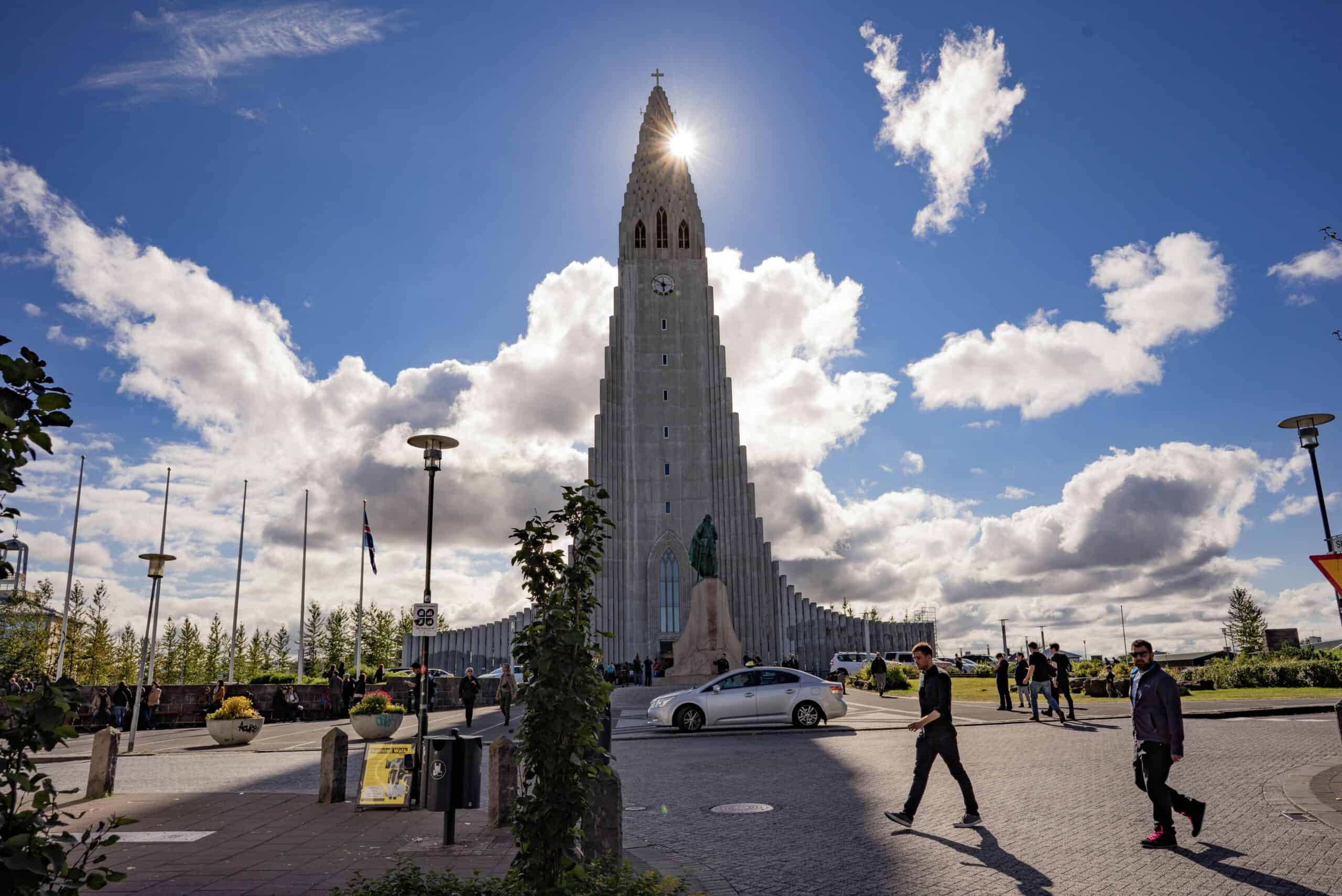
Reykjavik, Iceland

Reykjavik can look manageable online, then feel costly once meals, transport, and excursions are added in real time. The biggest budget swings usually come from day tours, airport transfers, and food choices after long activity days when convenience matters more than price. Iceland’s natural experiences are extraordinary, but they are rarely low-cost when booked late or without comparison. Travelers who pre-price core outings and map meal options tend to keep spending stable. Without that structure, daily costs stack quickly and turn a short itinerary into a premium trip.
Venice, Italy
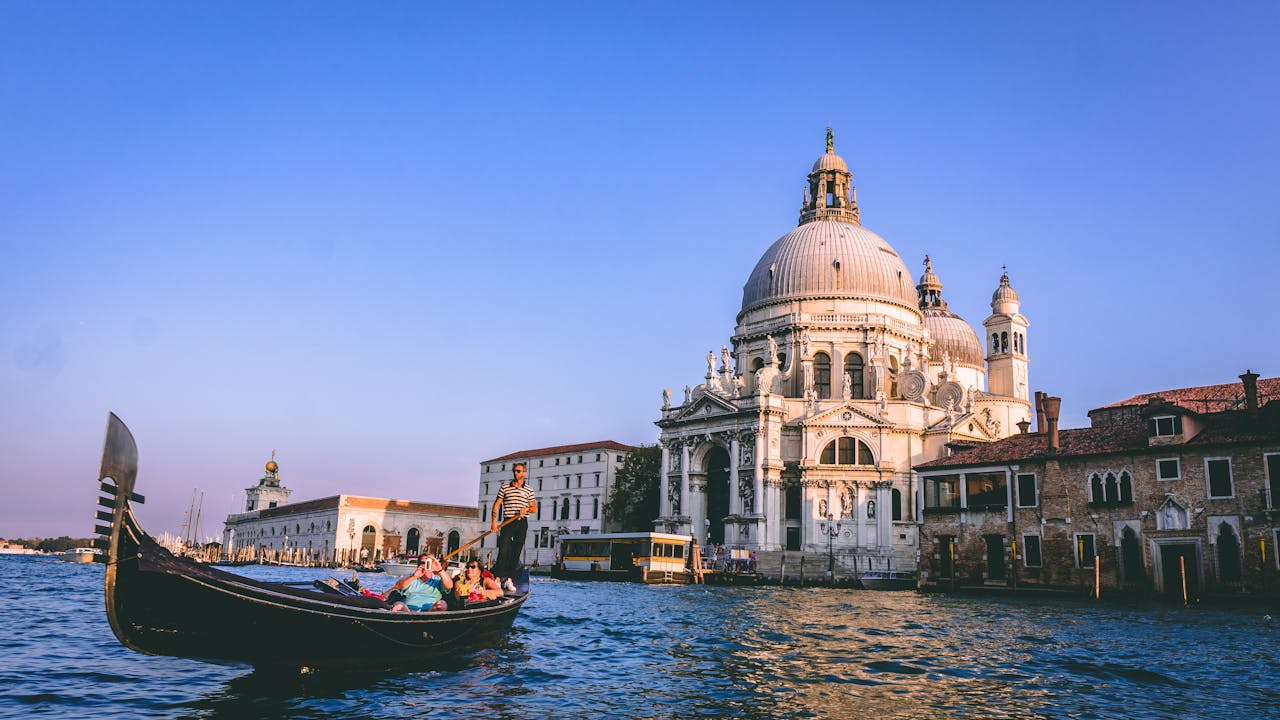
Venice rewards early planning and says so clearly through its pricing logic. Access fees for certain day visitors, peak demand in the historic center, and transport costs on water routes can all add up quickly, especially for short visits packed with attractions. None of these expenses are hidden, but they are easy to underestimate when comparing Venice to mainland city breaks. The destination is unforgettable, yet it is financially sensitive to timing. Late decisions in Venice are often the most expensive decisions, and that pattern repeats across lodging, meals, and mobility.
Hawaii, United States

Hawaii often goes over budget through structure, not excess. Lodging taxes, resort fees, inter-island logistics, and activity pricing can push final totals far beyond first impressions from nightly room rates. Food costs can also climb fast in tourist-heavy corridors, especially when transport options are limited and spontaneous dining becomes the default. The islands are spectacular and deeply worth the effort, but they punish vague planning. Trips stay healthier financially when travelers compare full-stay totals line by line, then leave room for realistic daily spending once on island time.
Bhutan

Bhutan’s tourism model is intentionally different, and that difference affects cost from day one. The country applies a nightly Sustainable Development Fee for most international visitors, and that baseline can surprise travelers who compare it to nearby destinations without adjusting for policy design. This structure supports conservation and cultural priorities, but it also means the trip framework starts at a higher floor before accommodations, guiding, and internal transport are added. Bhutan can be transformative, yet it works best for travelers who budget the full system early instead of estimating by instinct.
Paris, France
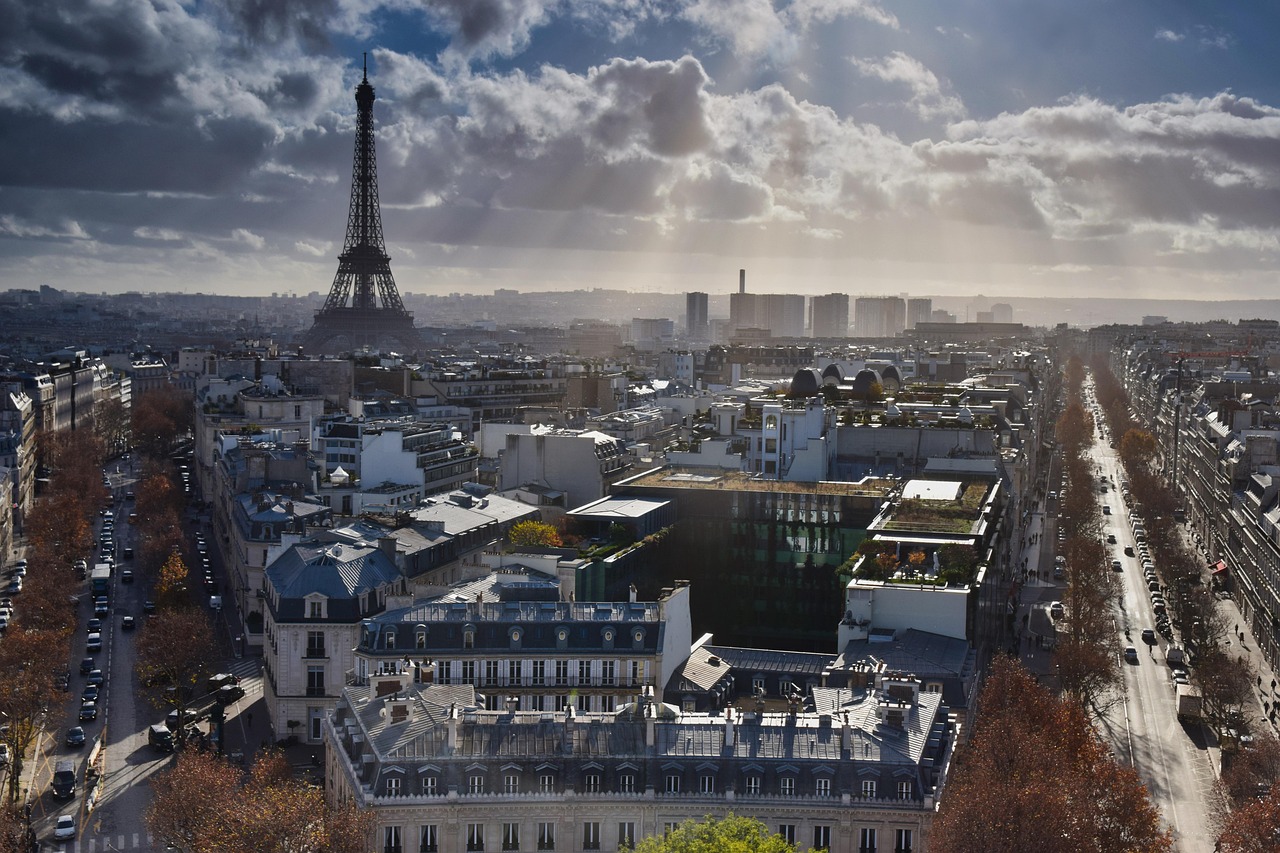
Paris can appear reasonable on paper, then grow expensive through daily rhythm. Museum clusters, central dining, airport-city transfers, and neighborhood premiums compound quickly, especially on short itineraries where convenience drives most choices. The city offers outstanding value in culture and atmosphere, but it rarely rewards last-minute spending habits. Budget stability usually comes from smart district selection, transit confidence, and meal planning that balances classic experiences with practical options. In Paris, the cost challenge is rarely one big purchase. It is repetition at high unit prices.
Dubai, United Arab Emirates
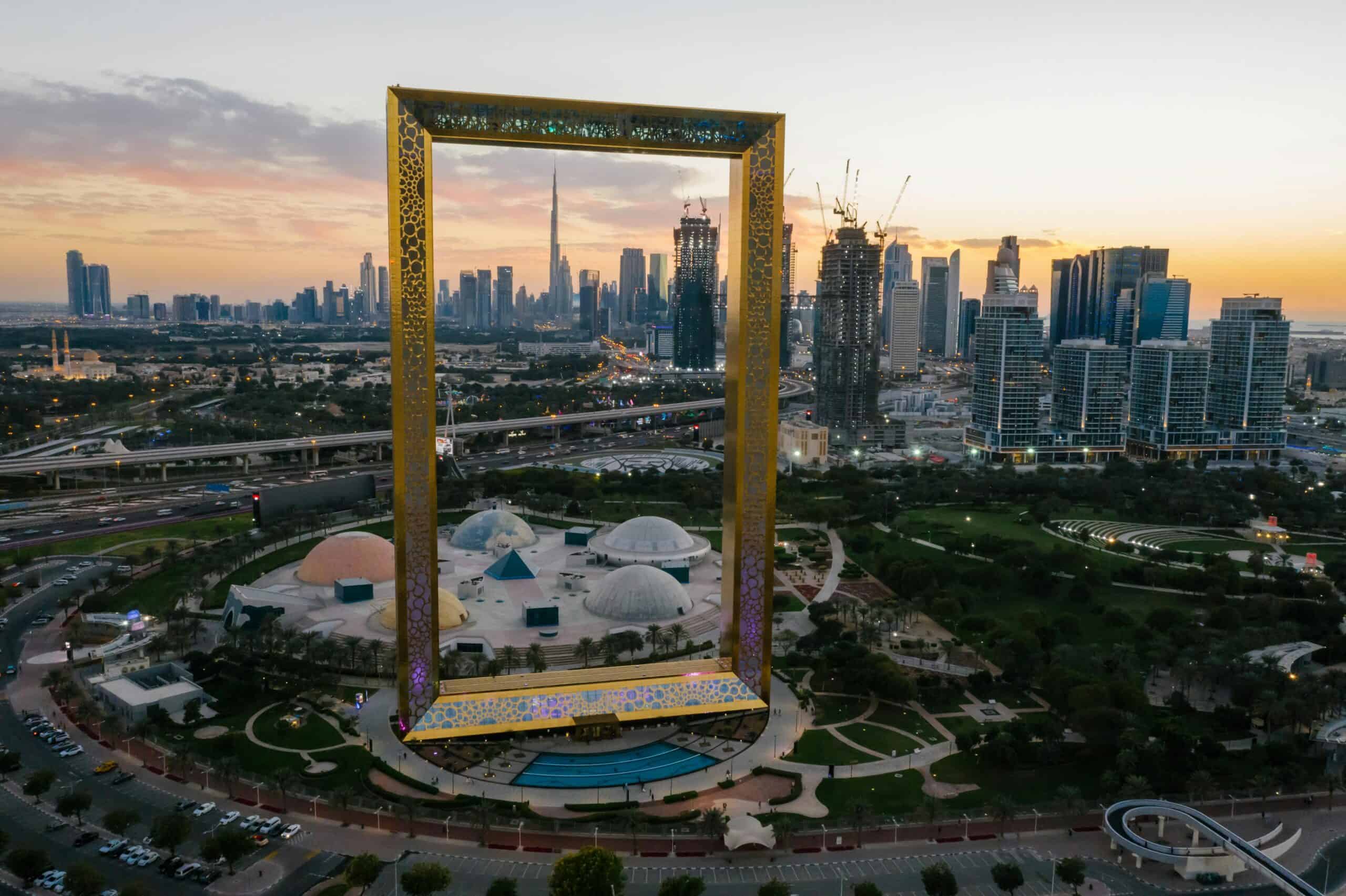
Dubai can be cost-efficient in limited areas, but overall spend rises fast once experience expectations expand. Taxis over metro, premium dining, paid attractions, and branded leisure options can turn an average day into a high-cost day without much warning. The city is designed around abundance and choice, which is part of its appeal, but that same design encourages impulse upgrades at every step. Travelers who lock a daily spending plan before arrival usually do far better. Without guardrails, Dubai’s convenience culture can outpace even generous budgets.
Maldives
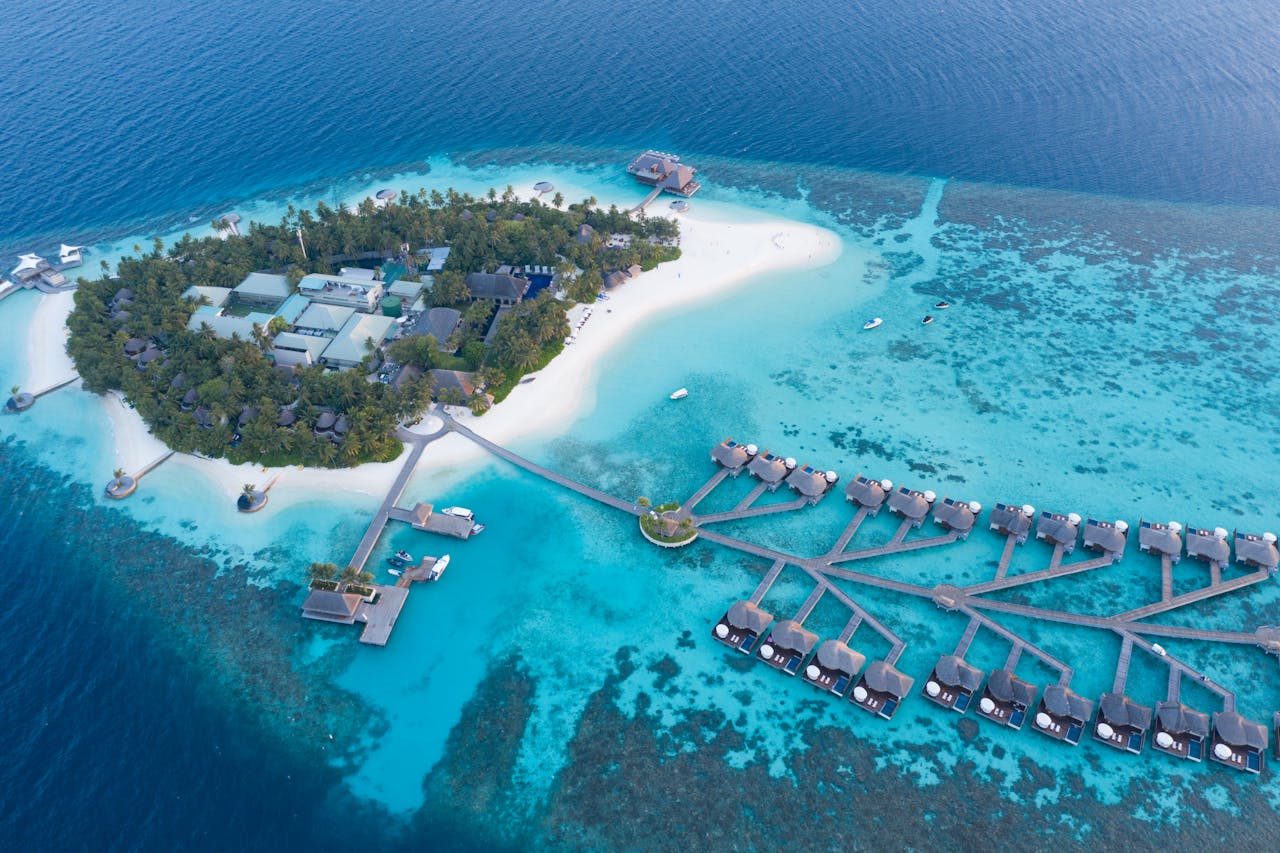
The Maldives is a classic case of beautiful isolation with expensive logistics. A resort may seem fairly priced at booking, then transfers, meal plans, excursions, and on-island markups reshape the total. Because alternatives are limited once on property, small add-ons carry outsized impact compared with city destinations where cheaper options are nearby. The experience can be extraordinary, but budgeting by room rate alone almost always underestimates real spend. Clear pre-trip math on inclusions, transfer terms, and activity pricing is what separates planned luxury from post-trip sticker shock.