We may earn money or products from the companies mentioned in this post. This means if you click on the link and purchase the item, I will receive a small commission at no extra cost to you ... you're just helping re-supply our family's travel fund.

Vacations are supposed to restore a body, but certain destinations come with health traps that hide behind the fun. Heat, thin air, crowded spaces, unfamiliar microbes, and limited medical access can turn a simple getaway into days of fatigue, coughs, rashes, or worse. The risk is rarely the postcard view. It is the small choices around timing, crowds, water, and recovery that decide whether a trip feels renewing or punishing. These eight popular travel scenarios deserve a closer look before plans lock in.
High-Altitude Mountain Cities
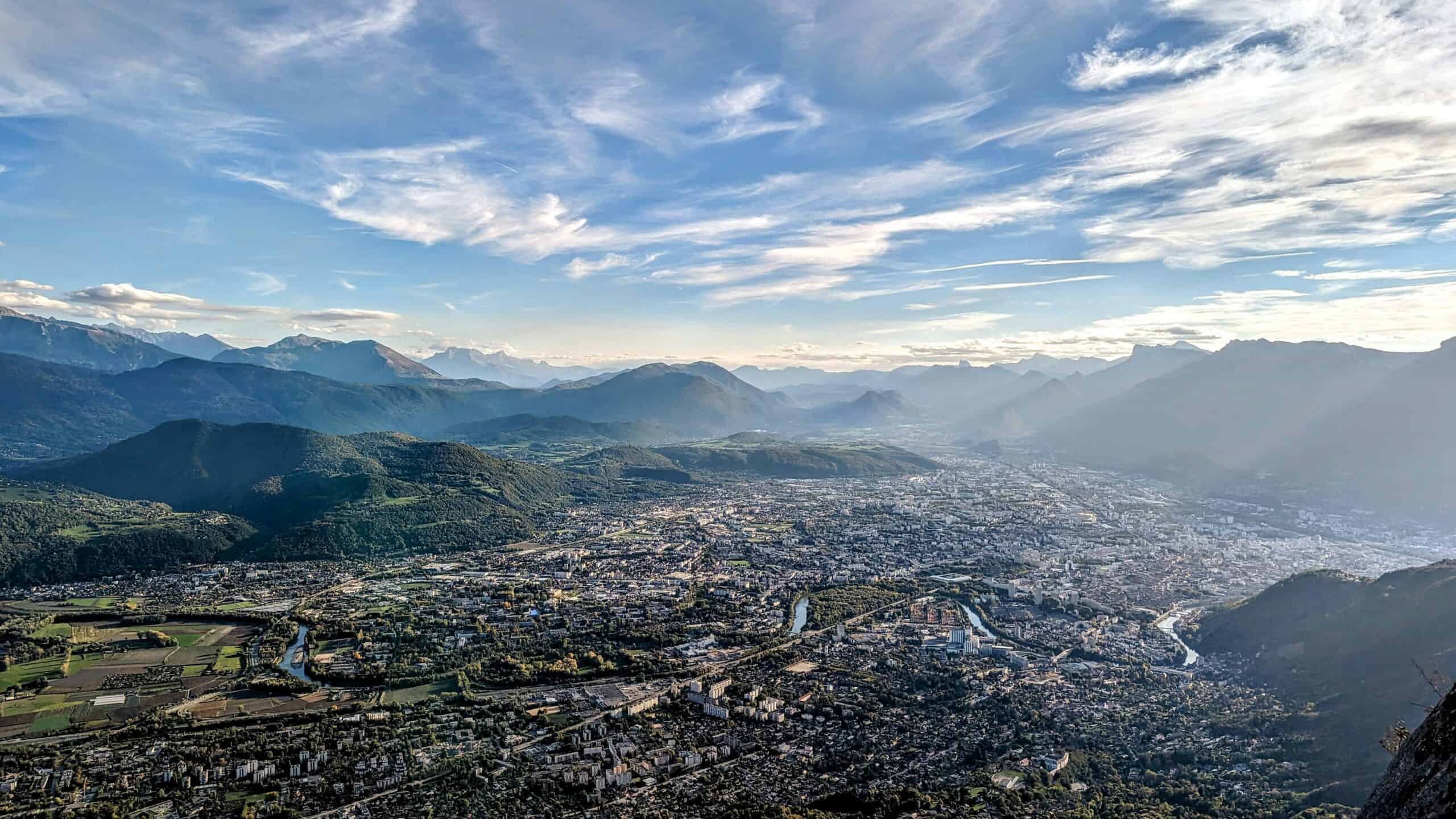
Places like Cusco, La Paz, and Leh can feel exhilarating, but thin air pushes the body into overdrive, especially during the first 24 hours. Headache, nausea, poor sleep, and a pounding heart can arrive quickly, and alcohol, long stair climbs, or a big first-day tour can magnify the strain in cold, dry air that quietly dehydrates. Many itineraries stay smoother when day one is treated as acclimation, warning signs like worsening confusion or chest tightness are taken seriously, a nearby clinic is identified, and a simple descent option stays on the table if symptoms do not ease. Travel insurance that covers evacuation can provide extra peace.
All-Inclusive Beach Resorts
All-inclusive beach resorts can look like pure rest, yet shared buffets, crowded bars, and high-touch surfaces can turn one sick guest into a rapid chain of stomach bugs. Norovirus outbreaks are a known cruise-and-resort problem, and dehydration from sun, salty swims, and extra cocktails can make even mild illness feel punishing. Trips tend to go better when hand hygiene is treated like sunscreen, bottled water guidance is followed, and travelers keep oral rehydration packets and a plan for medical care if fever, blood, or severe vomiting appears. Even simple choices like skipping lukewarm seafood and using clean tongs can cut risk fast, too.
Cruise Ships

Cruise vacations promise easy fun, yet the same design that makes them social also makes germs efficient, with shared dining rooms, elevators, and tight cabins. Respiratory infections and stomach outbreaks can spread quickly at sea, and rough water, disrupted sleep, and rich food can stress bodies that expected rest. The healthiest sailings often come from strong hand-washing habits, staying home when ill, choosing outdoor air when possible, and carrying basic meds for nausea, fever, and dehydration, since onboard clinics can be costly and ports may be far away. Caution around buffet lines and kids clubs can reduce exposure significantly too.
Desert Cities and Scorching Park Roads

Summer desert getaways, from Las Vegas day trips to Death Valley overlooks, can punish bodies that underestimate heat and distance. Dehydration sneaks up in dry air, sunburn builds faster than expected, and heat exhaustion can turn a short scenic stop into a medical emergency, especially when alcohol or long drives stack on top. Smart planning means early-morning outdoor time, shaded breaks, extra water beyond what feels necessary, and a willingness to skip a trail when temperatures spike or the car’s A/C is struggling. Cell service can be spotty, so offline maps, a full tank, and electrolyte packets help keep small mistakes from snowballing.
Big Cities With Chronic Smog Days

Some bucket-list cities can come with invisible baggage: high pollution days that irritate lungs, trigger migraines, and leave travelers unusually drained. Places prone to winter inversions or wildfire smoke can see air-quality alerts that make long walks, temple climbs, or outdoor markets feel harsher than the itinerary promised. A little flexibility helps, such as shifting sightseeing to mornings after rain, choosing museums on bad-air days, and packing a well-fitting mask for transit corridors where exhaust lingers. Those with asthma or heart disease feel it first, so air filters, medication refills, and a backup rest day matter even more.
Summer Cabins in Tick-Heavy Woodlands

Lakeside cabins and forest rentals can feel like a reset, but peak summer is also peak season for ticks and mosquitoes, especially in humid, brushy yards. Lyme disease, babesiosis, and other tick-borne illnesses begin with bites that are easy to miss, while mosquitoes add itch, sleepless nights, and the occasional feverish surprise. Healthier weekends come from trimmed grass, light-colored clothing, repellent where appropriate, and a nightly check for ticks, plus quick showering after hikes and careful handling of pets that bring hitchhikers indoors. Poison ivy, too, can derail a trip, so knowing the nearest urgent care helps before arrival.
Hot Springs and Thermal Bath Towns
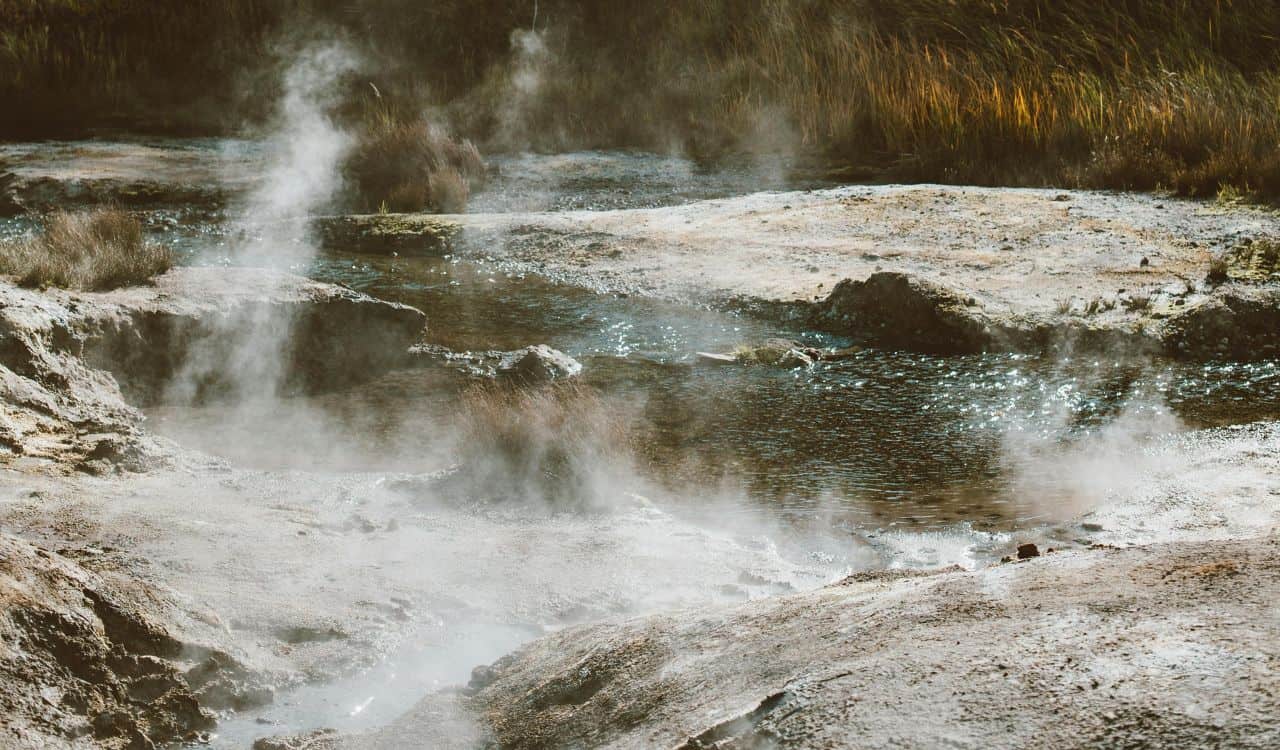
Natural hot springs and thermal spas can feel healing, yet warm water also invites hazards that ordinary pools do not, from slippery edges to heat stress. Poorly maintained systems can harbor germs that cause rashes or respiratory illness, and long soaks can drop blood pressure, leading to dizziness or fainting when standing up. Safer visits favor reputable operators, posted temperature limits, short sessions with cool-down breaks, and extra care for travelers with heart or lung conditions, since even a relaxing soak can become intense faster than expected. Footwear, no head dunking, and water between soaks help keep the mood intact for all.
Remote Islands With Limited Medical Care

Remote islands and far-flung beach towns can deliver the fantasy of unplugging, but distance can turn minor problems into major ones. Limited clinics, scarce pharmacies, and long transfers by boat or mountain road matter most after common vacation injuries, like scooter crashes, coral cuts, dehydration, or severe allergies. Travelers stay safer when medications are packed with duplicates, travel insurance covers evacuation, local emergency numbers are saved, and risky activities are paired with reputable guides, helmets, and daylight timing rather than late-night bravado. A quick check on the nearest hospital can remove later guesswork today.