We may earn money or products from the companies mentioned in this post. This means if you click on the link and purchase the item, I will receive a small commission at no extra cost to you ... you're just helping re-supply our family's travel fund.
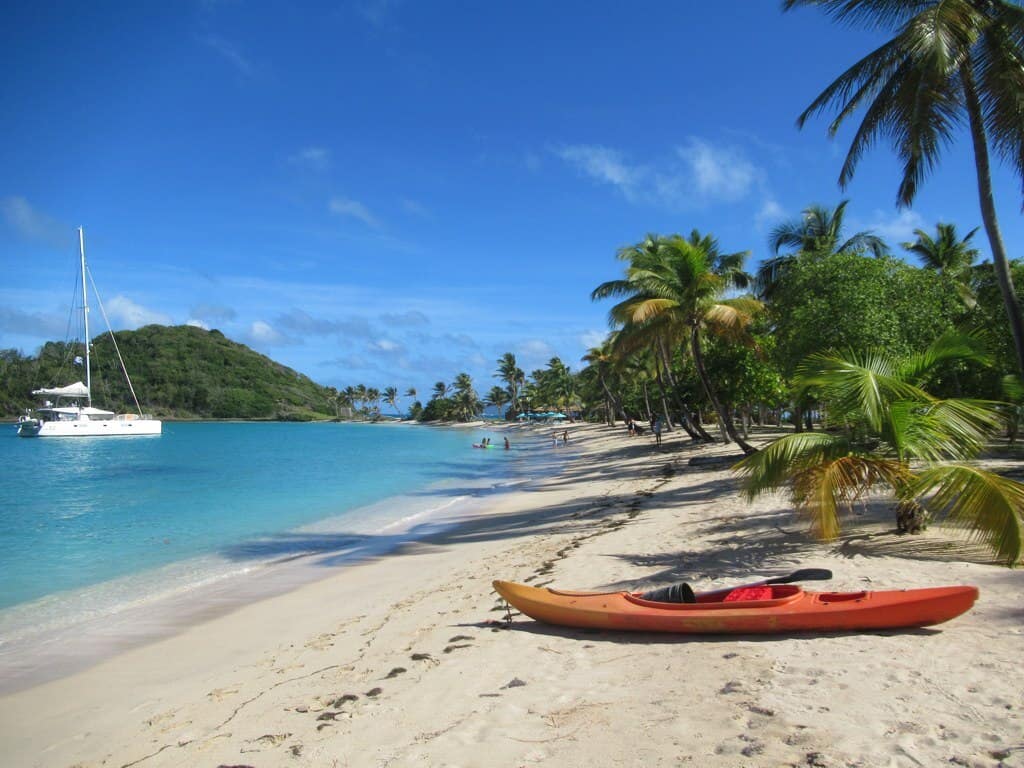
While much of the Caribbean has been shaped by cruise ports and mega-resorts, dozens of islands remain quietly untouched, where daily life still follows tides and trade winds. These places are harder to reach, lightly populated, and protected by geography rather than gates. What they offer instead is rare silence, thriving ecosystems, and beaches that feel discovered rather than marketed. This list highlights eight Caribbean islands where development remains minimal, visitor numbers stay low, and nature still sets the rules, perfect for travelers seeking genuine paradise instead of polished perfection.
1. Jardines de la Reina, Cuba
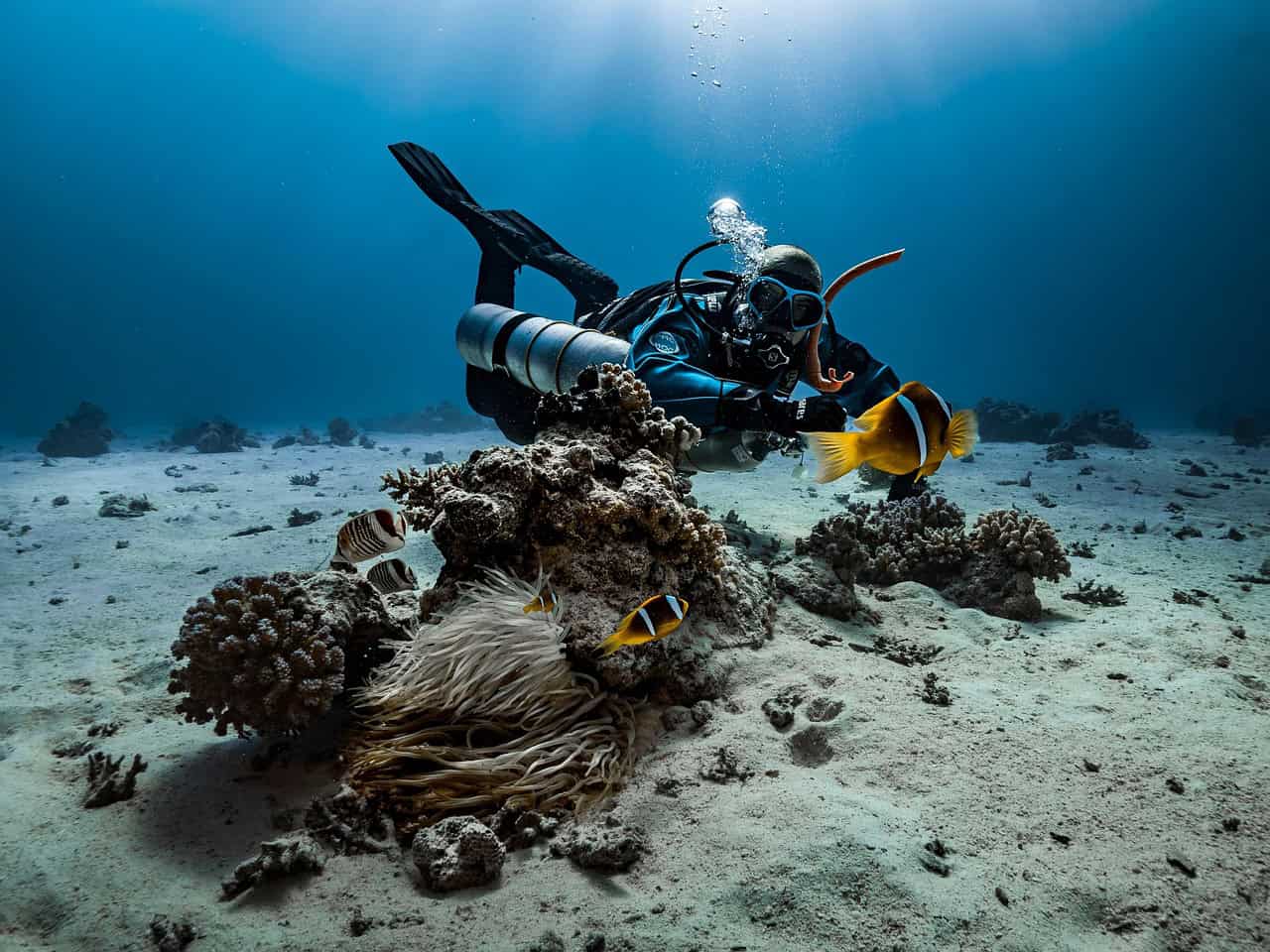
Stretching over 2,170 square kilometers, Jardines de la Reina is one of the largest protected marine reserves in the Caribbean. The archipelago contains 600+ small islands and mangrove cays, most of which remain completely uninhabited. Tourism is tightly capped at a few hundred divers per year, which has allowed reef systems to flourish uninterrupted for decades. Water visibility often exceeds 30 meters, and shark populations are among the densest recorded in the region. With no roads, towns, or resorts, access is limited to regulated liveaboards, preserving an ecosystem that feels closer to pre-industrial oceans than modern Caribbean travel.
2. Mayaguana, The Bahamas

Covering roughly 285 square kilometers with a population of under 300 residents, Mayaguana is one of the least visited inhabited islands in The Bahamas. There are no large hotels, shopping centers, or nightlife districts, just small settlements and long, undeveloped coastlines. Beaches stretch for kilometers without footprints, while inland salt ponds attract migratory birds throughout the year. Fishing and subsistence farming remain central to daily life, and visitor arrivals are estimated at fewer than 1,000 annually. Mayaguana appeals to travelers who value isolation, slow rhythms, and the feeling of being far removed from mainstream island tourism.
3. Sandy Spit, British Virgin Islands
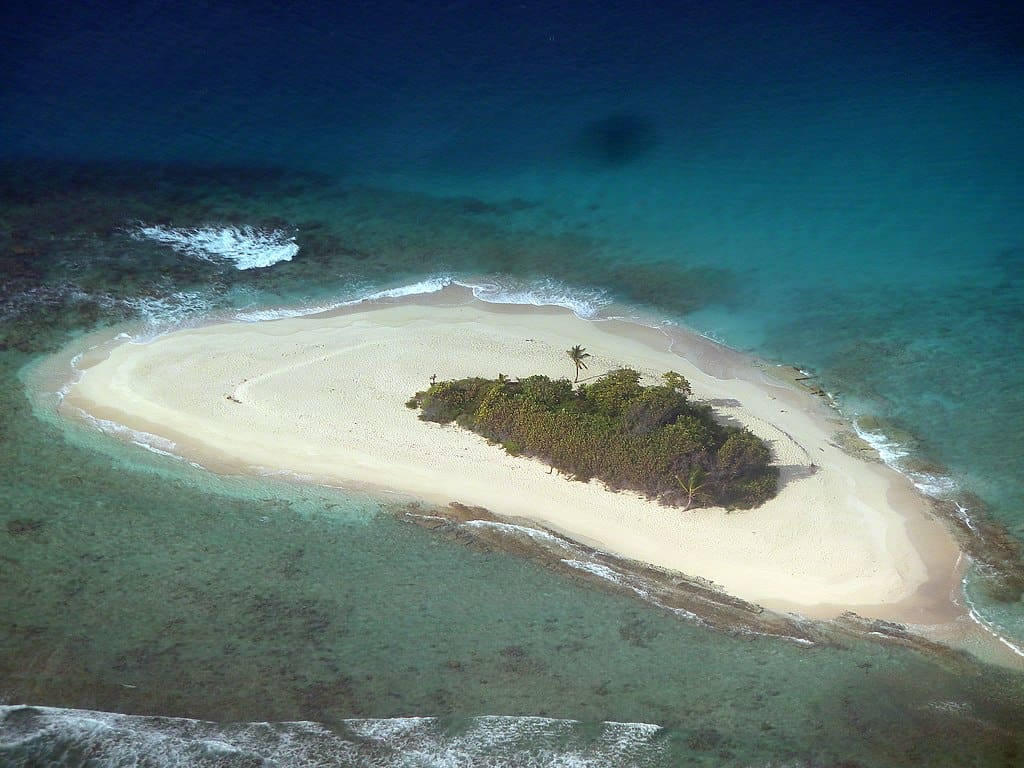
Sandy Spit measures less than 0.1 square kilometers, making it one of the smallest islands on this list. Completely uninhabited, it consists primarily of white sand, low shrubs, and shallow surrounding reefs. There are no docks, buildings, or freshwater sources, which naturally limits visitation. Most visitors arrive briefly by small boats or private yachts, often finding themselves alone for hours. The surrounding waters support healthy coral growth and reef fish populations despite the island’s tiny size. Sandy Spit’s simplicity; sand, sea, and sky, captures the purest version of the Caribbean island fantasy.
4. Ginger Island, British Virgin Islands

Ginger Island spans approximately 258 acres and remains entirely uninhabited despite its proximity to more developed islands. Dense vegetation covers steep hillsides, and there are no beaches designed for easy access. What draws visitors are the surrounding waters, where steep underwater drop-offs create dramatic dive conditions. Depths descend rapidly beyond 30 meters, supporting large pelagic species and colorful reef life. There are no public facilities or anchoring marinas, which keeps visitor numbers extremely low. Ginger Island feels intentionally forgotten, offering a rugged, untamed counterpoint to the British Virgin Islands’ more polished destinations.
5. Anguillita, Anguilla
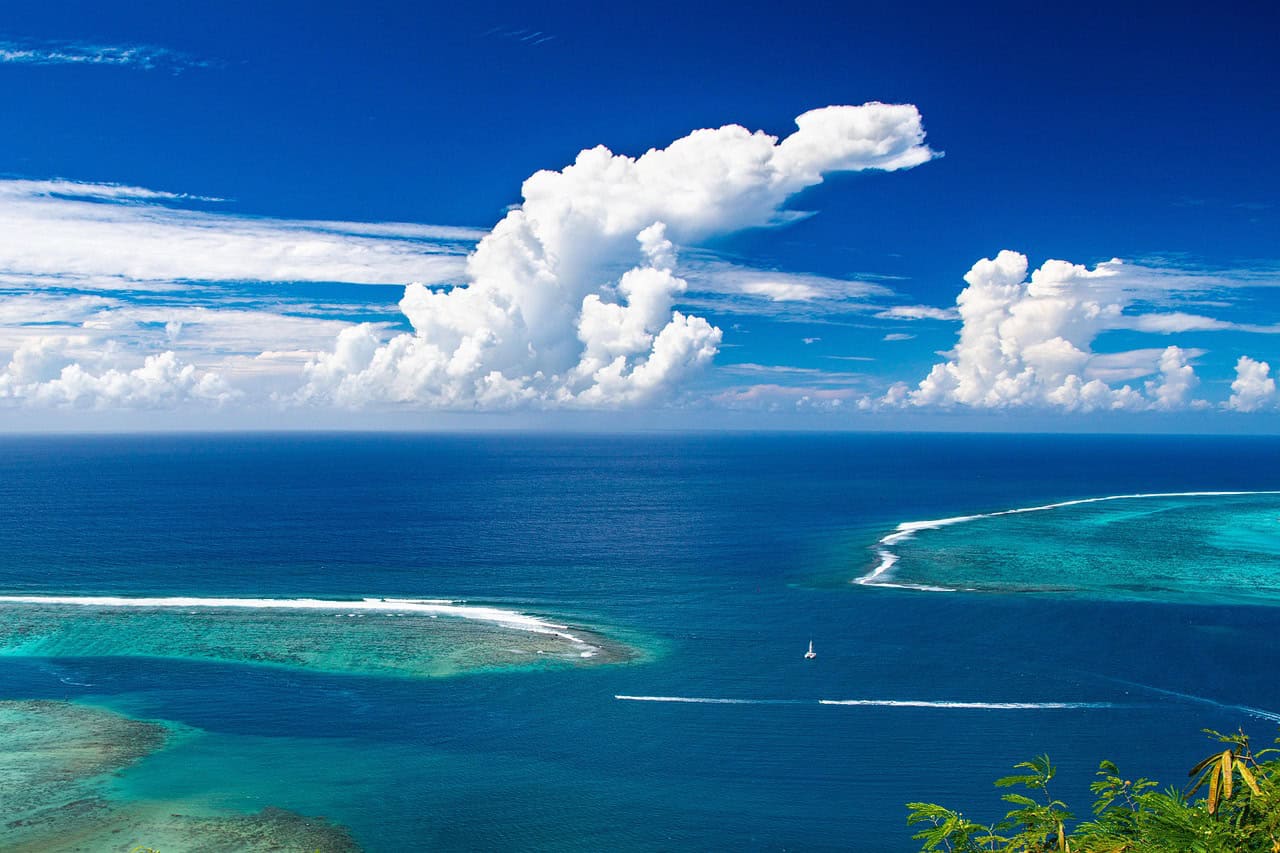
Anguillita is a small, rocky offshore island with zero permanent residents and no flat beaches for casual landings. Its value lies almost entirely below the surface. Strong currents and underwater caves support dense coral formations and large marine species uncommon near busy coastlines. Snorkelers and divers frequently report visibility exceeding 25 meters, with sightings of turtles, rays, and schooling fish. Access requires calm conditions and experienced boat handling, which naturally restricts tourism. Because Anguillita lacks infrastructure and easy entry points, it remains one of the least disturbed marine environments in the eastern Caribbean.
6. Great Bird Island, Antigua
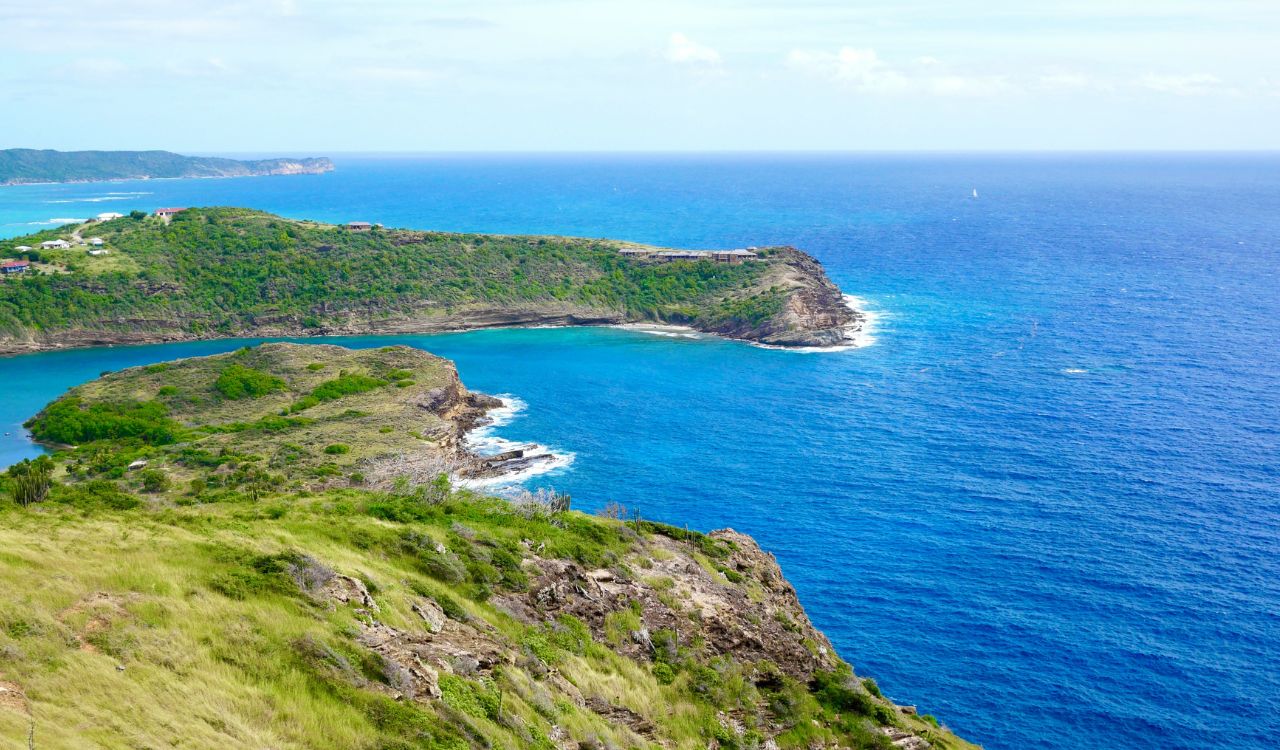
At just 20 acres, Great Bird Island is small but ecologically significant. Located about 2.5 kilometers off Antigua’s coast, it has no permanent residents and no commercial development. The island serves as a nesting site for multiple seabird species and supports one of the last wild populations of the Antiguan racer snake. Visitor numbers are modest due to the lack of facilities, and most trips last only a few hours. Short trails loop around the island, revealing hidden coves and panoramic views. Despite its proximity to Antigua, the island retains a quiet, untouched atmosphere.
7. Mayreau, St. Vincent and the Grenadines
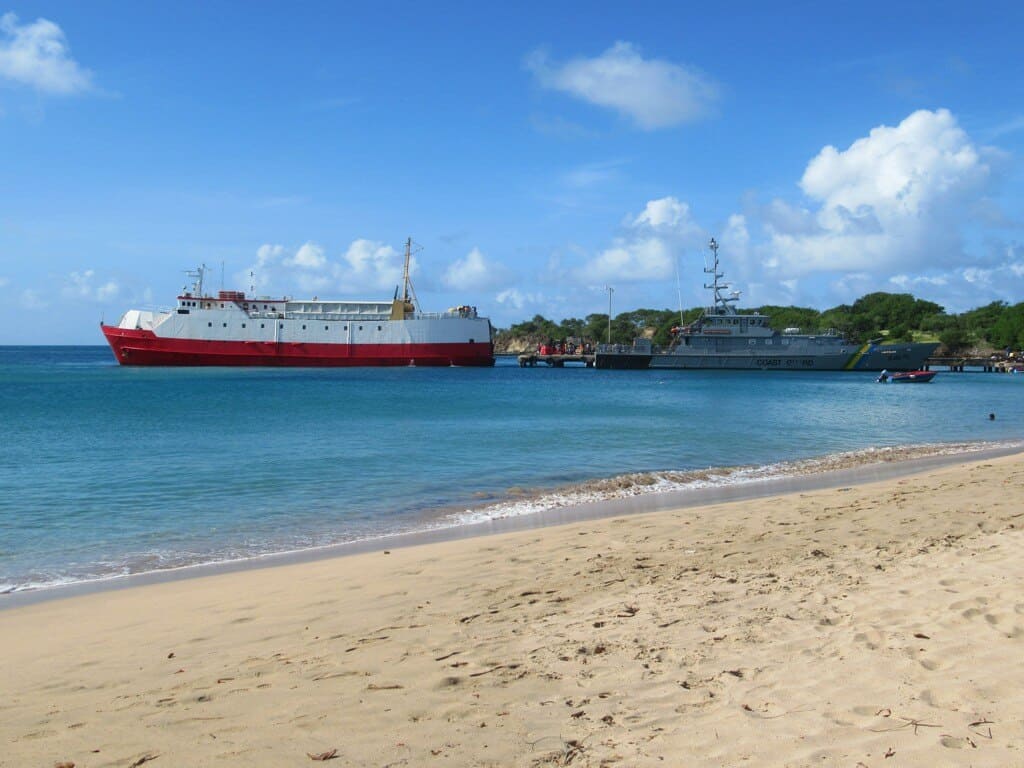
Mayreau is home to roughly 300 people, making it the smallest inhabited island in the Grenadines. There is no airport, and ferry access is limited, which keeps tourism at a manageable scale. One small village sits atop a hill, while the rest of the island is ringed by calm bays and coral-rich waters. Vehicles are rare, and many paths are still walked daily rather than driven. Nearby beaches often host fewer than a dozen people at a time, even during peak season. Mayreau’s appeal lies in its simplicity and strong sense of local continuity.
8. Montserrat
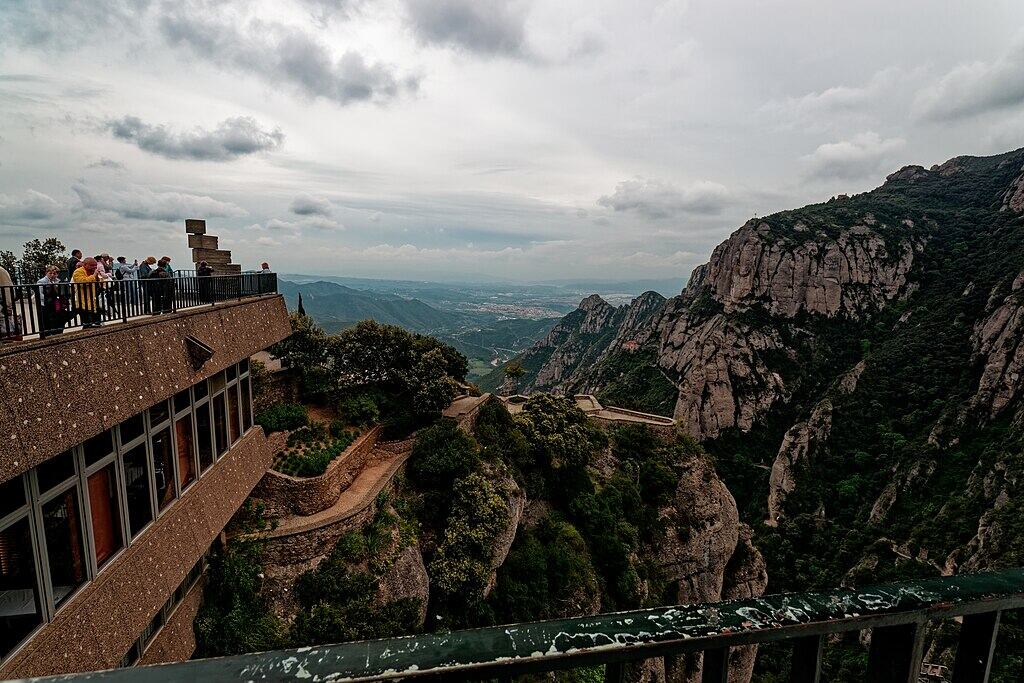
Montserrat covers 102 square kilometers and has one of the lowest annual visitor counts in the Caribbean, estimated at under 10,000 per year. Much of the island remains forested, with restricted zones near the Soufrière Hills volcano preserving untouched landscapes. Black-sand beaches, volcanic cliffs, and dense jungle dominate the scenery. Unlike resort-heavy islands, accommodation here is small-scale, rarely exceeding 20 rooms per property. Hiking trails, empty coves, and quiet towns define the experience. Montserrat feels contemplative rather than celebratory; a place where nature, not tourism, sets the tone.