We may earn money or products from the companies mentioned in this post. This means if you click on the link and purchase the item, I will receive a small commission at no extra cost to you ... you're just helping re-supply our family's travel fund.
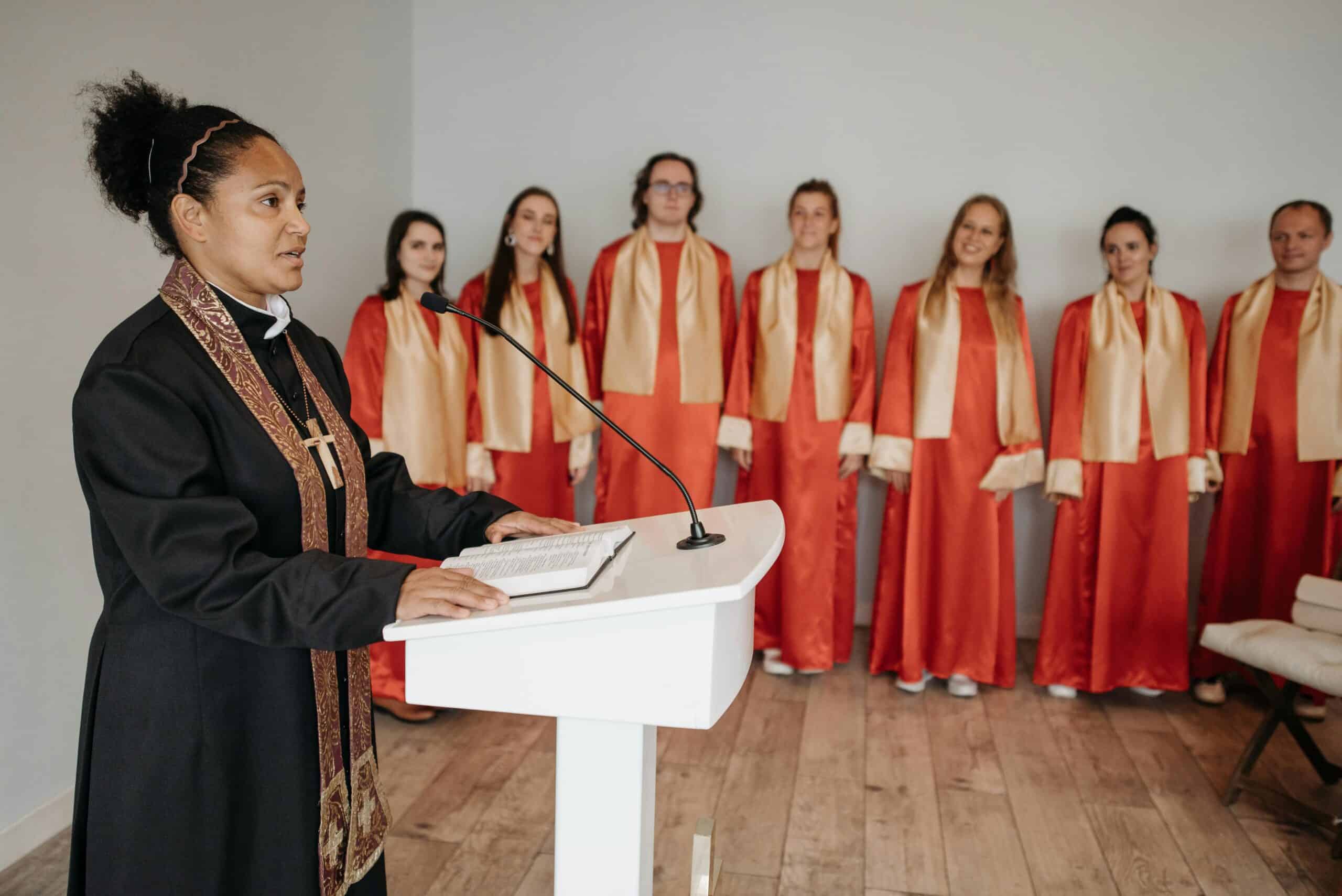
Some trips are built around landmarks. Others are built around the way a community gathers, sings, and feeds people, often in the same weekend. Across the United States, Black faith traditions shape public life through church anniversaries, parades, homecoming meals, and the quiet hospitality of a shared table. In the right towns, a morning service flows into a lunch counter, then into museums, music, and conversations that explain the place better than any brochure. These stops reward curiosity, respect, and time.
New Orleans, Louisiana
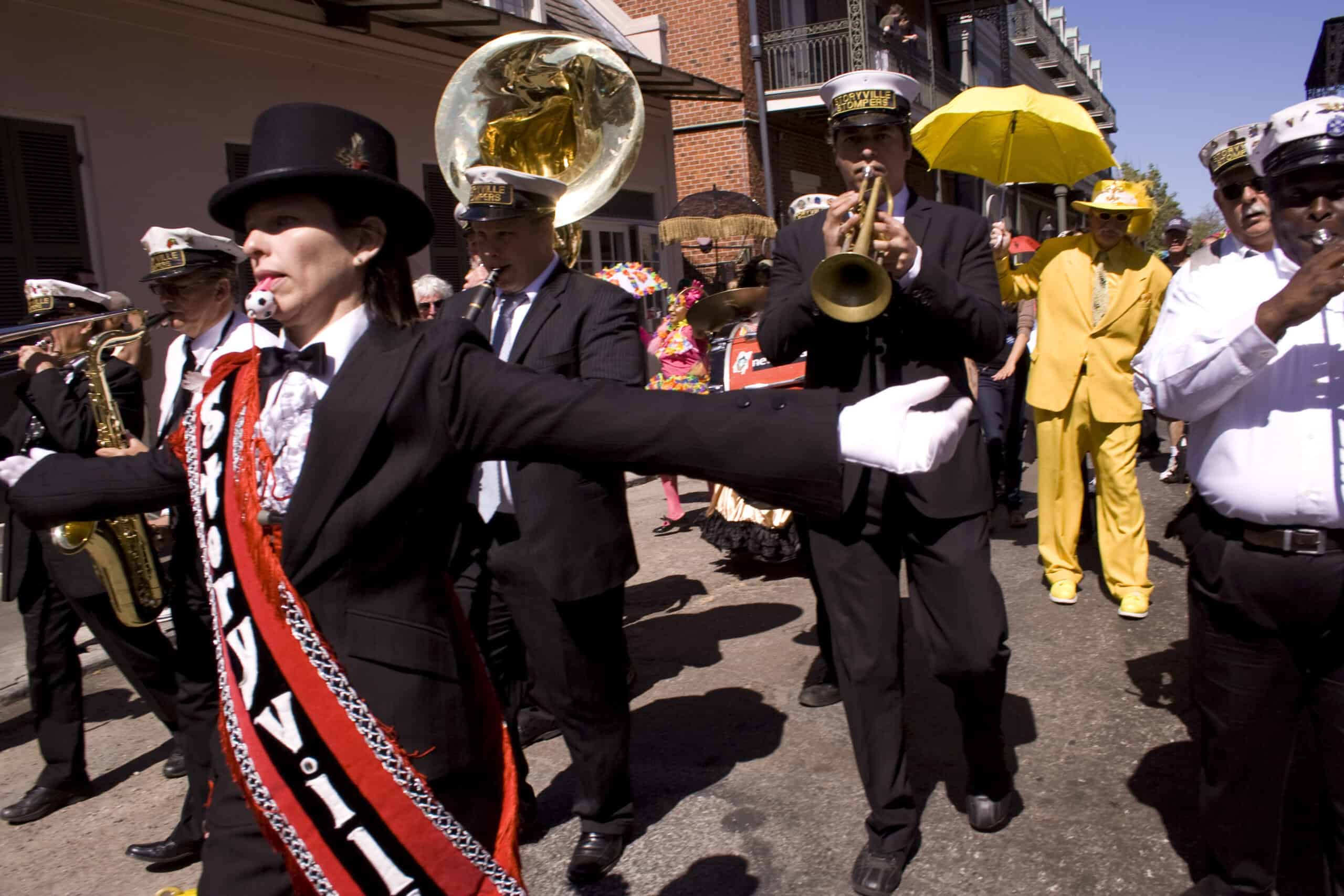
In Tremé and the Seventh Ward, Sunday starts with church suits, brass bands, and a second line rhythm that feels like praise in motion, not performance, especially near Congo Square. Neighborhood kitchens turn Creole comfort into communion, from red beans and rice to gumbo, hot sausage po’boys, and sweet pralines, served with stories about who taught whom, who survived what, and who is being fed today. Museums, rehearsal halls, and corner bars keep the line between sacred and social thin, so a hymn, a handshake, a history lesson, and a plate can belong to the same afternoon. Without anyone needing to announce belief or explain why it matters.
Charleston, South Carolina
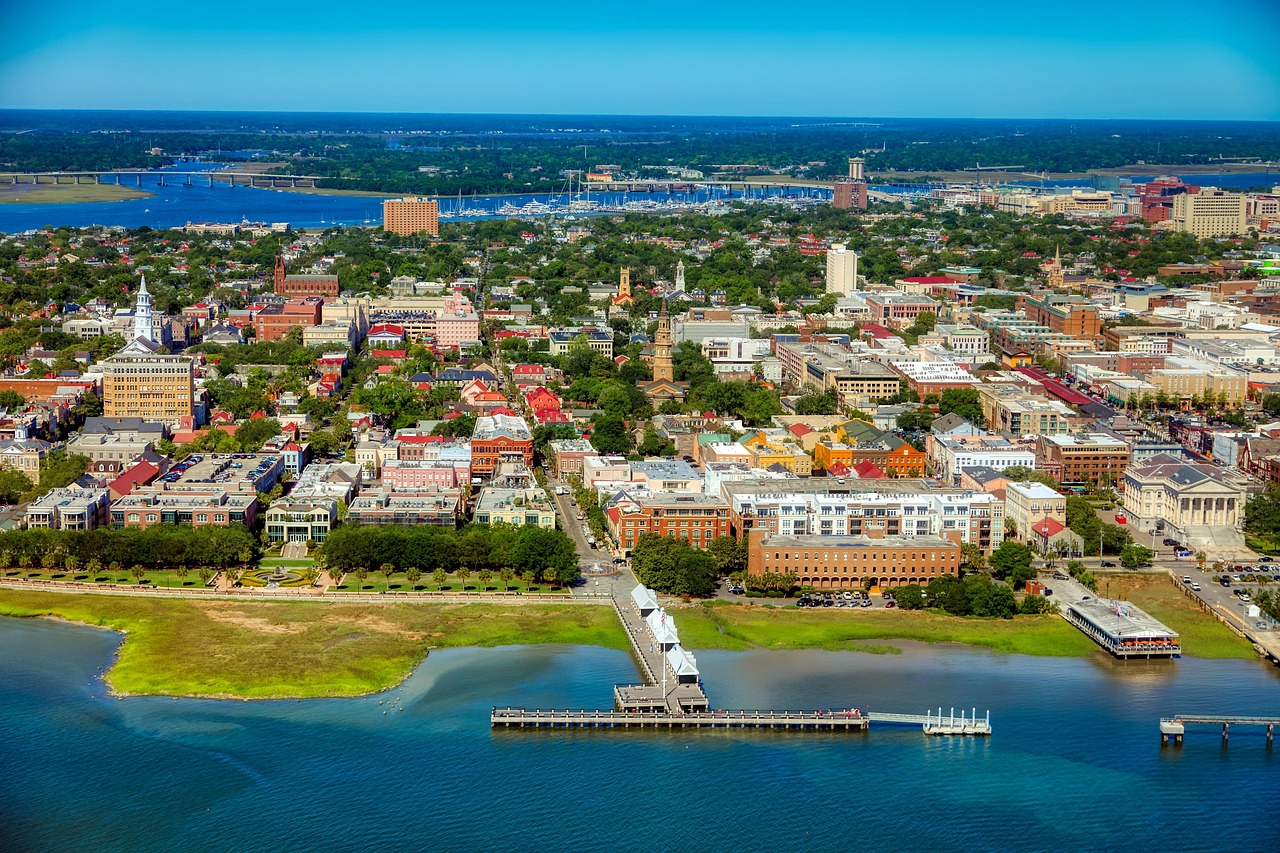
Charleston’s Lowcountry churches hold generations of Black coastal tradition, and the food nearby carries the same memory with it, from Sunday hats to the closing hymn. Gullah Geechee influence shows up in rice, seafood, okra, and slow stews that taste like tides and work, not trends, alongside benne wafers, crab rice, and shrimp and grits done the old way. Between praise houses, sweetgrass baskets, and family-run kitchens that still greet regulars by name, the city ties faith, history, and the plate into one steady conversation, even when the waterfront looks polished. The best meals feel like testimony, served quietly without a sales pitch.
Savannah, Georgia
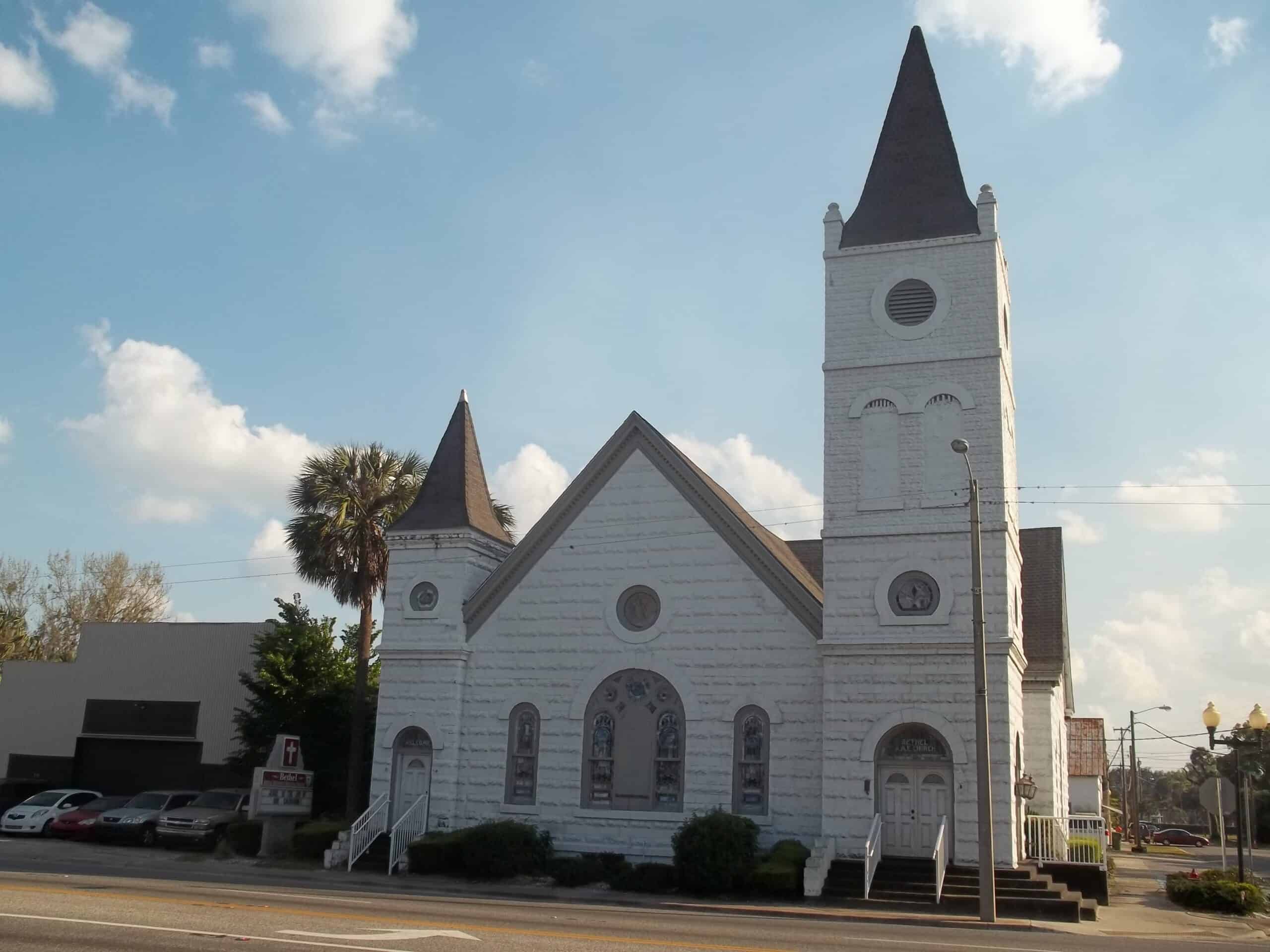
Savannah’s squares feel serene, but the Black spiritual history runs deep, anchored by churches that have guided communities through every era of change, from emancipation to the present. After services, the city’s cooking shifts from tourist gloss to real comfort, where fried chicken, collards, red rice, and sweet tea land like home, and the kitchen staff knows who wants extra hot sauce. Stops in places like Pin Point and the First African Baptist story add context, and the day often ends with live music and porch talk that makes faith and food feel less like attractions and more like neighborhood rhythm shared in plain sight, unforced too.
Memphis, Tennessee
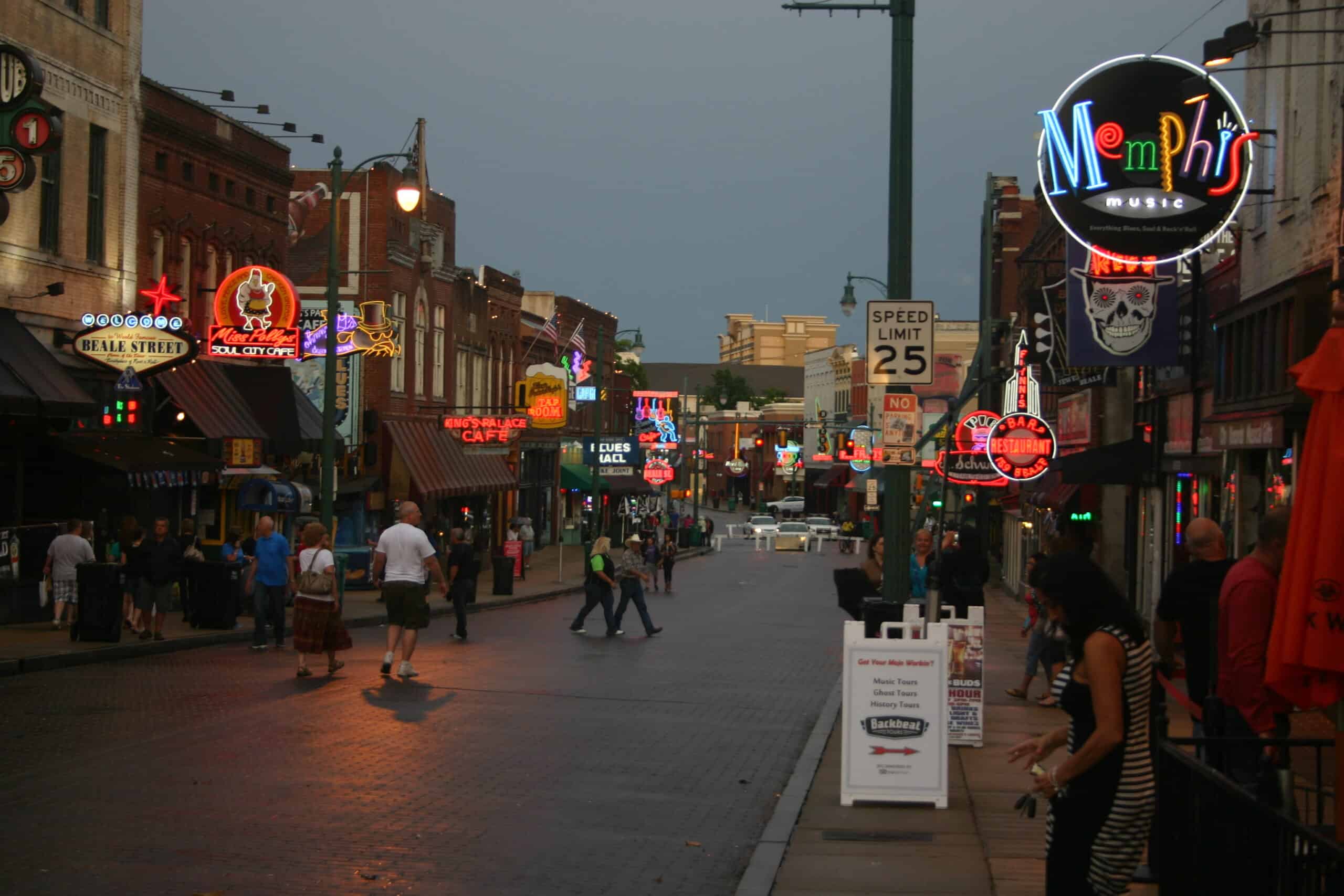
Memphis carries gospel in its bones, from Sunday choirs that lift the room to street-corner music that refuses to quit, even when summer heat presses down. Soul food here is not a theme; it is a language, built on barbecue smoke, hot fish, cornbread, greens, and recipes guarded with pride, whether the line is at a rib shack, a church fish fry, or a cafeteria that still calls everyone baby. With the National Civil Rights Museum, Stax, and neighborhood churches all within easy reach, the city turns a weekend into a loop of praise, memory, and meals that leave people steadier than when they arrived. Less touring, more listening, more care today.
Birmingham, Alabama
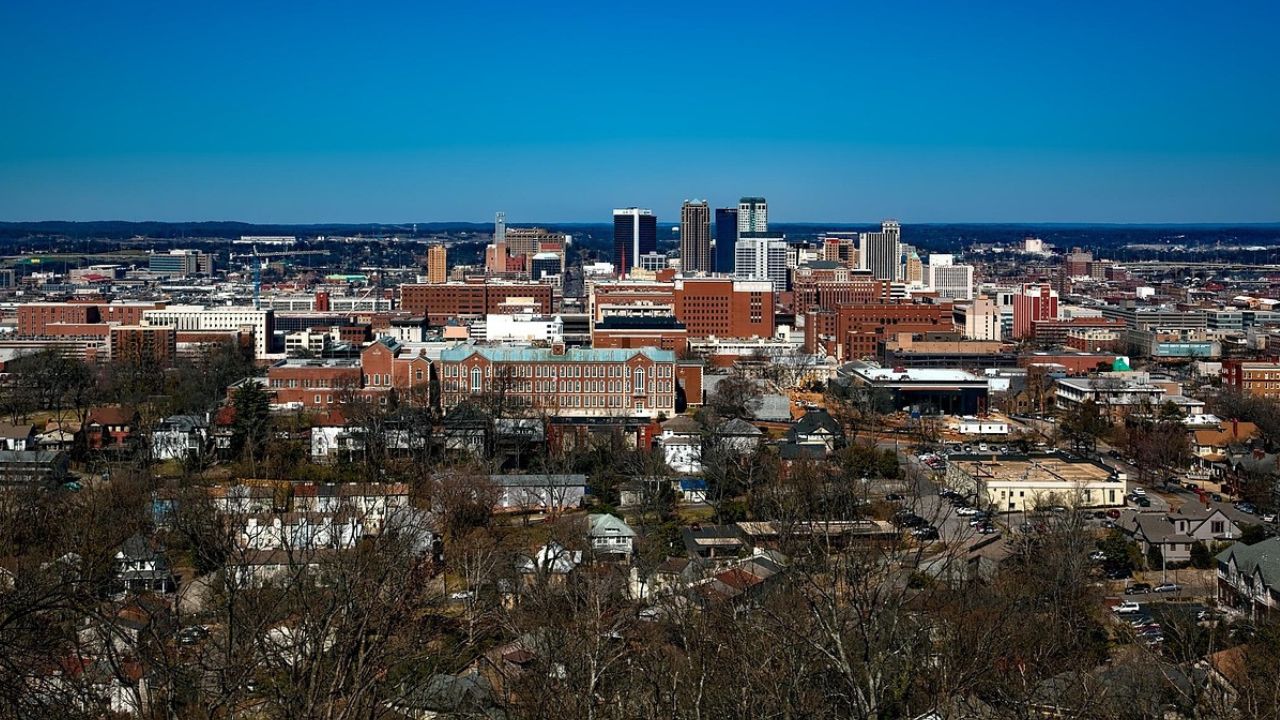
Birmingham’s church culture has long been tied to organizing, resilience, and the daily work of holding community together, a thread that still runs through Sunday mornings. The food follows that same logic, with meat-and-three counters, church repasts, and family kitchens that treat a plate as care, not just calories, from cornbread and beans to fried pork chops, mac and cheese, and peach cobbler. Between the 16th Street Baptist area, local gospel programs, and unpretentious dining rooms, the city offers a trip where history is honored without being frozen, and where hospitality feels practiced, not performed. It feeds people on purpose too.
Selma, Alabama
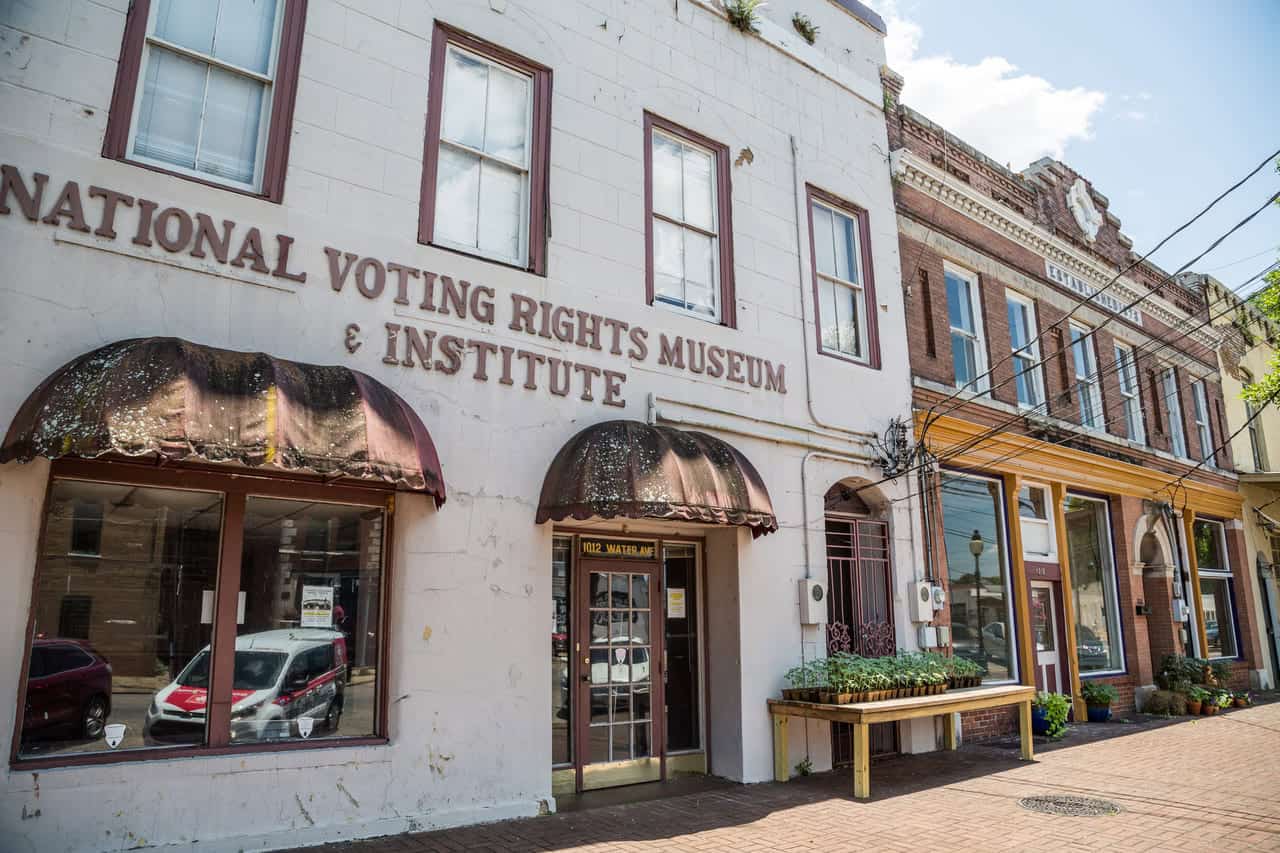
Selma’s spiritual life and civil rights legacy are intertwined, and many visits begin with churches like Brown Chapel AME, once a staging ground and still a place of prayer. Meals nearby lean Southern and straightforward, served by people who can trace the town’s story through family names and pews, with collards, cornbread, fried fish, and peach cobbler arriving like a familiar refrain. A walk near the Edmund Pettus Bridge carries gravity, but it does not cancel warmth; the town shows how remembrance can be lived through hospitality, where a shared plate makes history feel close and human. It lingers long after the photos are taken here too.
Detroit, Michigan

Detroit’s Black church tradition remains a steady heartbeat, with gospel programs, choir anniversaries, and community outreach that extend well beyond Sunday and into everyday needs. The food scene mirrors that generosity, blending classic soul staples with newer takes rooted in the same blocks, from catfish and cornbread to bakery counters, Coney-adjacent comfort, and plates served after services that run long. Motown history and Eastern Market add range, but the strongest through-line is how faith communities, kitchens, and cultural spaces keep showing up for one another, making the city feel fed in more than one way. It stays warm indoors.
Durham, North Carolina
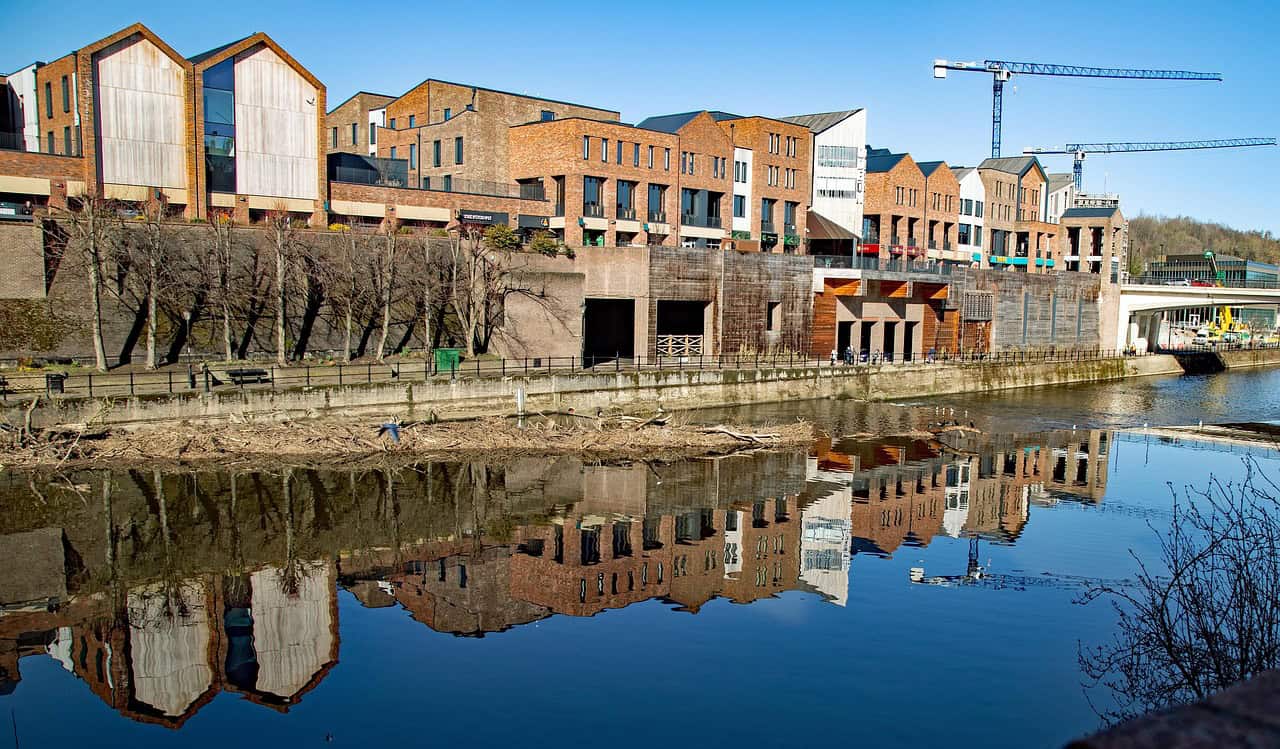
Durham’s Black cultural life has a strong spiritual backbone, from historic churches to mutual-aid work that treats care as a practice, not a slogan. The food tells a parallel story, mixing Southern roots with modern craft while still honoring who built the table first, whether it is barbecue, biscuits, oxtails, or a Sunday supper special that sells out early. Hayti history, NCCU pride, and small restaurants that double as gathering spaces give the day its shape, so faith, flavor, and cultural pride connect naturally, without needing to be staged for visitors. It feels like a city that remembers its roots while still feeding new ideas daily.