We may earn money or products from the companies mentioned in this post. This means if you click on the link and purchase the item, I will receive a small commission at no extra cost to you ... you're just helping re-supply our family's travel fund.

As remote work continues reshaping where people live, many U.S. states are offering financial and lifestyle incentives to attract remote workers. These “relocate-for-work” programs reward newcomers with cash grants, housing support, co-working access, and other perks — often contingent on remote employment and a commitment to stay for a certain period. For professionals seeking a change of scenery or lower cost of living, these incentives can add up to thousands of dollars — making relocation a financially attractive move in 2026. Below are eight states offering notable relocation incentives for remote workers.
West Virginia
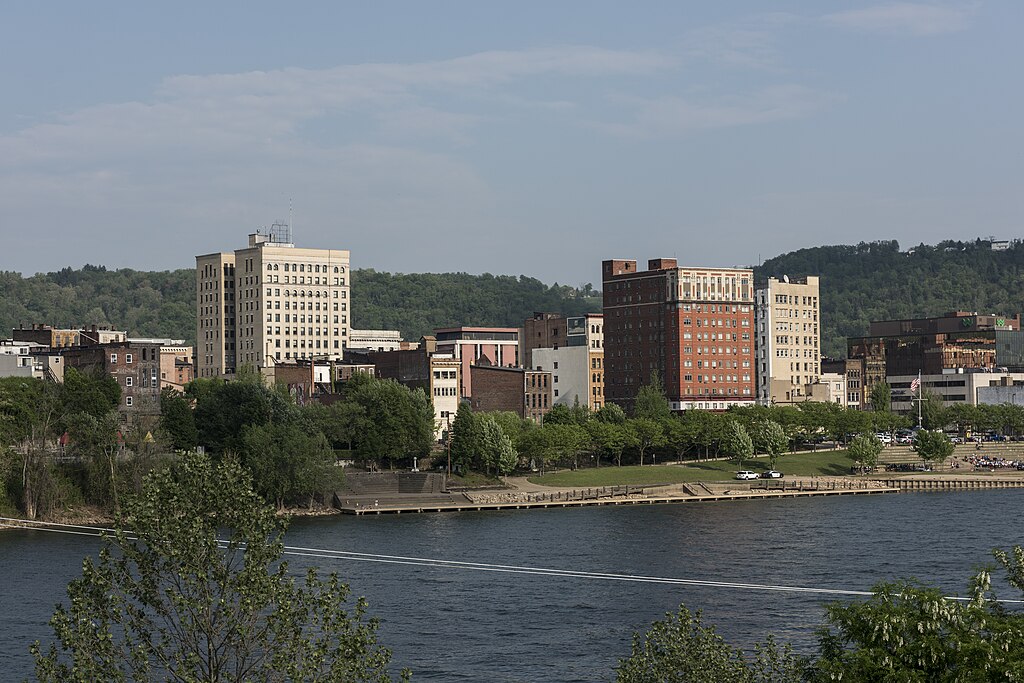
Under the program designed to attract remote professionals, West Virginia offers up to twelve thousand dollars in cash incentives for eligible remote workers who relocate to certain communities such as Morgantown, the Eastern Panhandle, or Greenbrier Valley. Recipients may also gain access to coworking spaces and outdoor-recreation packages, making this offer appealing for those who value lifestyle, affordability, and nature. The combination of cash and quality-of-life perks has made West Virginia a prominent state to watch for remote-worker relocation in 2026.
Oklahoma

Oklahoma’s program targeted at remote employees grants up to ten thousand dollars to people relocating to Tulsa with remote jobs based elsewhere. The package includes financial support plus access to affordable housing or coworking memberships for those who qualify. For remote workers seeking lower cost-of-living environments without sacrificing connectivity or community amenities, this incentive makes Tulsa an attractive relocation destination in 2026, according to recent state-level relocation data.
Kansas
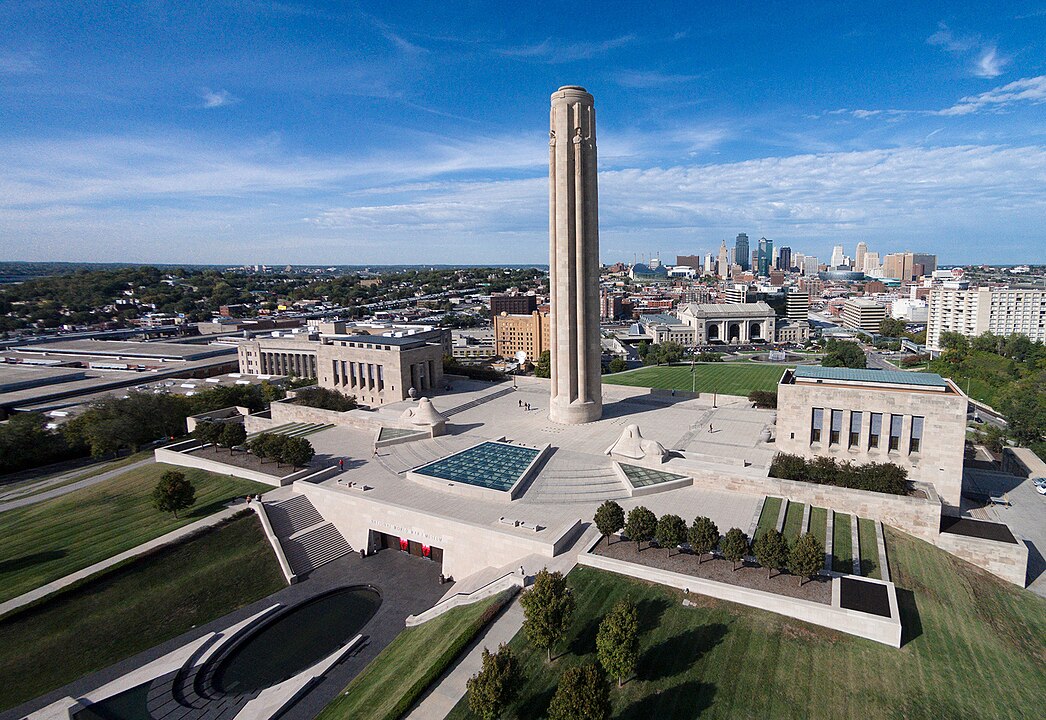
Kansas has multiple towns and cities offering incentives to remote workers, including cash grants for renters or home buyers and other perks. Depending on location and program terms, remote professionals may receive several thousand dollars toward relocation or housing costs when they move there with full-time remote employment. For those open to less urban environments and aiming to stretch their income further, these Kansas offers provide a compelling alternative to traditional high-cost metros during 2026.
Alabama
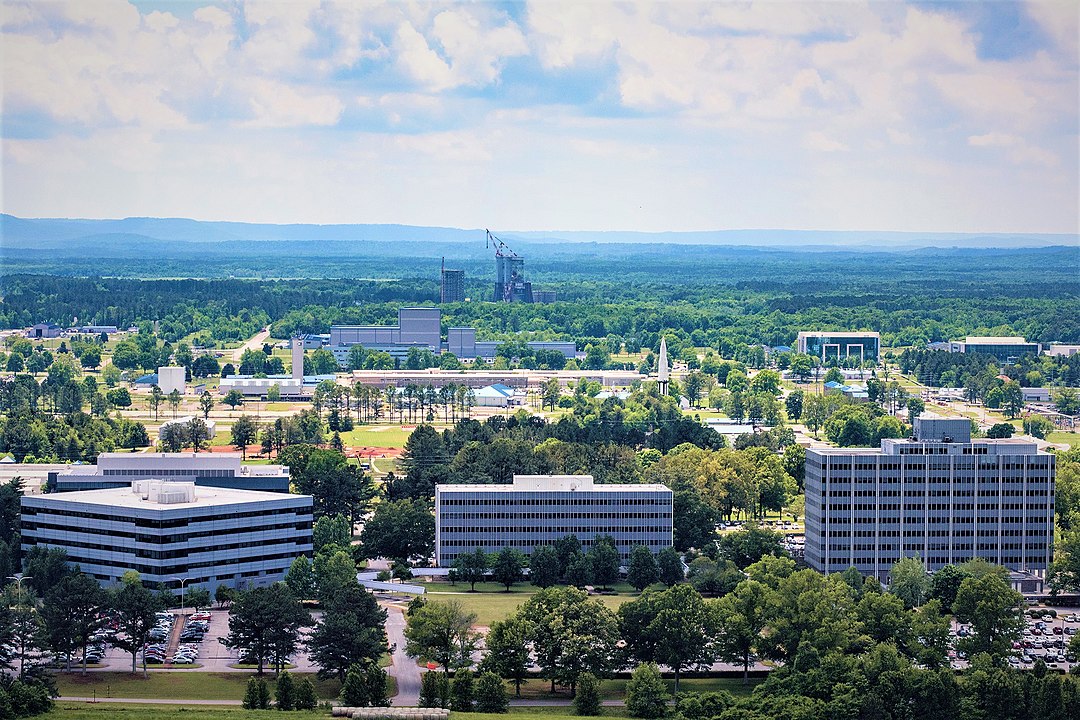
In northern Alabama, the Shoals region has offered financial incentives — including cash grants — to remote workers willing to relocate and meet certain income and employment criteria. Although program availability can vary over time, historic offers in the region highlight how smaller and less-noticed areas are competing for remote talent by combining affordability with relocation bonuses. For remote workers seeking quieter communities and lower living costs, the Shoals region remains a potential relocation option in 2026.
Arkansas

Parts of Northwest Arkansas provide relocation incentives aimed at remote and flexible workers, including cash support and lifestyle perks such as access to cultural amenities or local recreation. These incentives reflect an effort to attract professionals to growing yet affordable communities outside high-cost coastal metros. For remote workers interested in a balance of smaller-town living, community amenities, and financial incentives, this region remains one to watch in 2026.
Illinois

Some smaller Illinois communities have launched relocation incentive packages designed for remote workers. These packages may include cash contributions, bill-offsetting support, or other perks aimed at reducing moving costs. Such initiatives show how even traditional Midwest states are competing for remote talent by offering lower cost-of-living and financial incentives. For remote workers open to quieter Midwestern towns, these Illinois options may offer budgeting advantages in 2026.
Nebraska

Certain communities in Nebraska are offering free or low-cost land parcels alongside other incentives to individuals and families willing to relocate and build homes there. For remote workers seeking space, affordable housing, and an opportunity to build equity without massive mortgages, these offers make Nebraska an appealing option. The affordability of land and housing — combined with relocation incentives — could make Nebraska a strong contender for remote-worker relocation decisions in 2026.
Georgia

Some parts of Georgia are among the states expanding remote-worker incentive offerings, including cash bonuses, housing support, and community-integration perks for newcomers. These incentives aim to attract professionals to growing but still affordable regions with access to amenities and good infrastructure. For remote workers who value both affordability and access to Southern climate and culture, Georgia’s relocation incentives present interesting possibilities coming into 2026.