We may earn money or products from the companies mentioned in this post. This means if you click on the link and purchase the item, I will receive a small commission at no extra cost to you ... you're just helping re-supply our family's travel fund.

Some lakes invite a towel and a long afternoon. Others sit behind rules that never loosen, no matter how hot the summer gets. Across the U.S., a handful of reservoirs and city-managed lakes are closed to swimmers year-round, usually to protect drinking-water supplies, fragile shorelines, or restricted watersheds. They can still be beautiful from a trail, a lookout, or a permitted boat, but the waterline remains a boundary. In 2026, those boundaries still shape local routines, turning a simple dip into something that happens elsewhere.
Quabbin Reservoir, Massachusetts
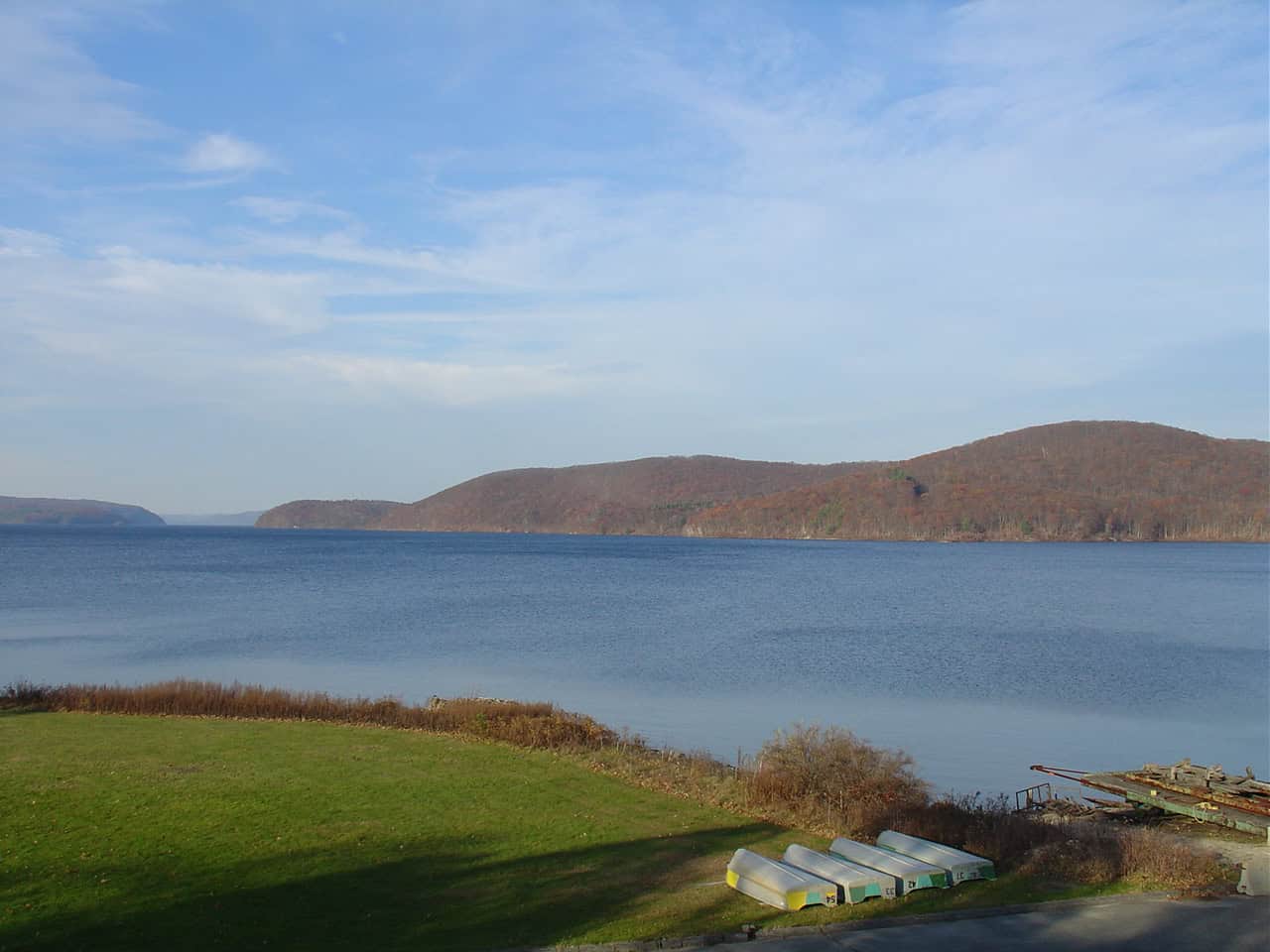
Quabbin looks like a wild inland sea, but it is Massachusetts’ drinking-water workhorse, and that mission comes with strict boundaries. State guidance lists no swimming, which keeps the shoreline from turning into an unofficial beach and reduces the messy variables that come with crowds, sunscreen, and stirred-up sediment. From the causeways and lookouts, the scene stays almost solemn: long horizons wind-ruffled water, and birds skimming the water, while visitors filter in through designated gates for hiking, picnics, and permitted fishing and boating, never for a dip, even on July afternoons when the water looks inviting.
Hetch Hetchy Reservoir, California
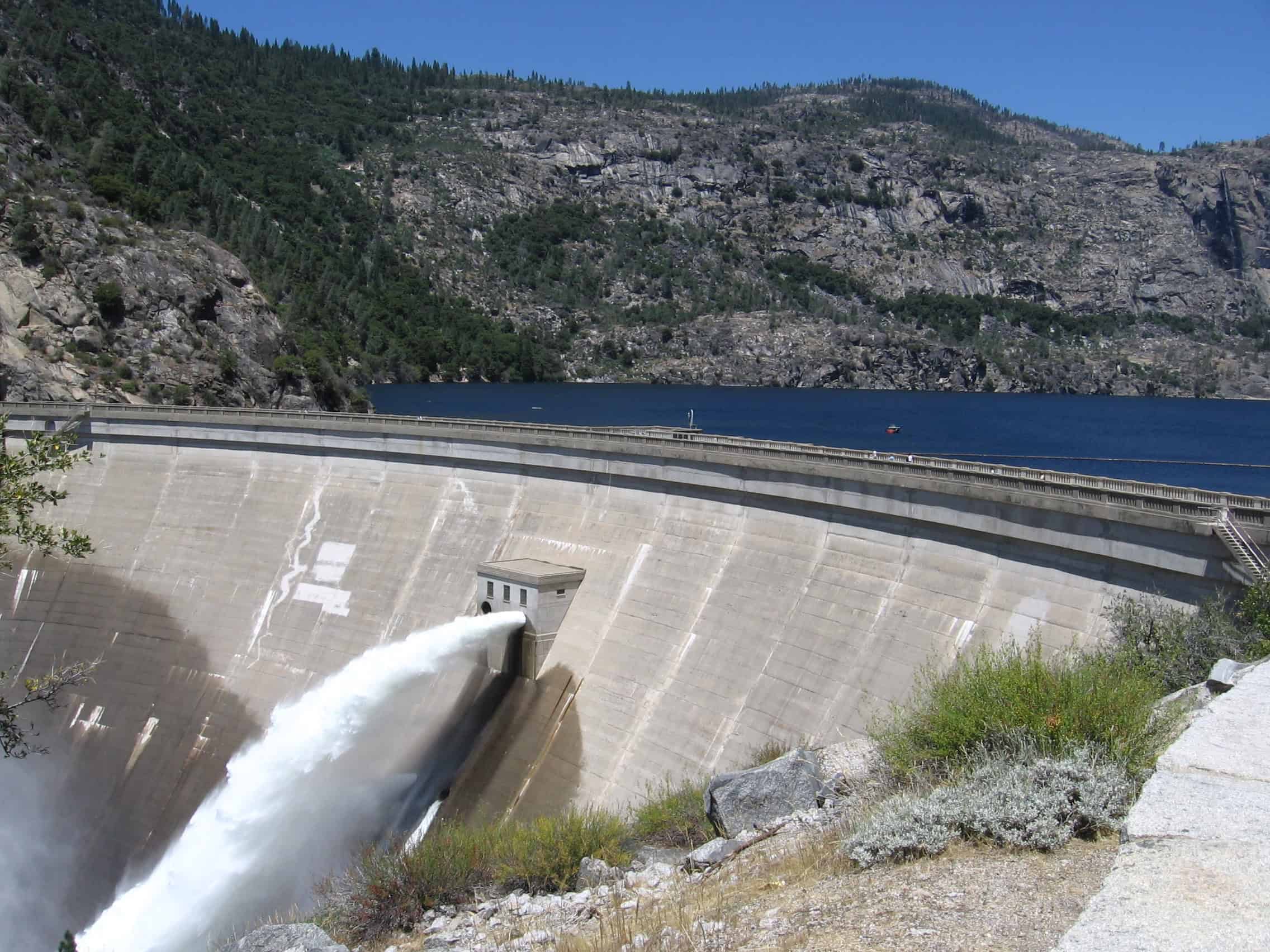
In Yosemite, Hetch Hetchy feels like a postcard that never became a playground, even when the sun turns the water into polished steel. The National Park Service prohibits swimming and boating in the reservoir to maintain a clean source of drinking water, and it also bars public access below the high-water mark. That restriction sharpens the experience into pure scenery: waterfalls dropping from high cliffs, hikers moving along the dam and trails, and the quiet awareness that the tempting part of the view is the one nobody enters, season after season, under the same simple rule, even when heat shimmers off the canyon walls.
Occoquan Reservoir, Virginia
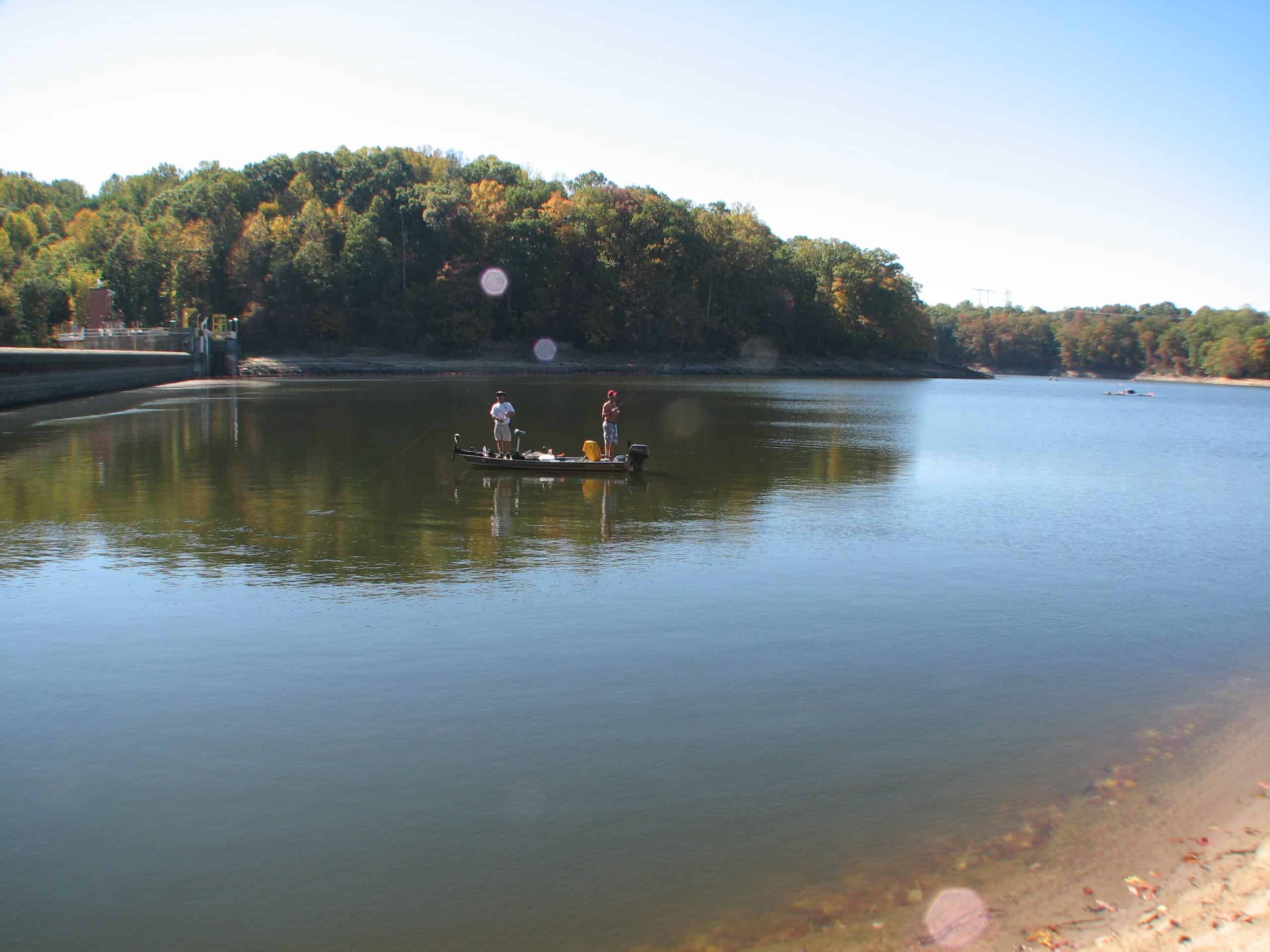
Occoquan Reservoir supplies Northern Virginia, and Fairfax Water’s no-swimming policy treats the surface as part of the region’s utility, not its summer entertainment. The policy applies across reservoir areas owned or controlled by Fairfax Water, stretching along the Occoquan River and Bull Run, from the Occoquan Dam upstream to Lake Jackson, so the rule is bigger than a single cove or boat ramp. On calm mornings, it can feel intentional: rowers and anglers working quietly, tree lines, reflected like glass, and a wide expanse of water kept off-limits to bodies so it can keep flowing to taps, with fewer surprises at scale.
Bull Run Lake, Oregon

Bull Run Lake sits inside the protected Bull Run watershed that serves Portland, and the area is managed as a source, not a park. City code bars recreational use in the watershed closure area, and the Portland Water Bureau describes the watershed as off-limits to public recreation, with access limited to guided tours. That turns the lake into something locals talk about more than they visit: an evergreen basin where the rules keep beaches and casual swims out of the picture, and where roads that would normally end at a launch instead end at gates and signs that keep the border deliberate, not temporary, now.
Lake Bloomington, Illinois

Lake Bloomington is a working municipal reservoir, and the City of Bloomington posts a clearer rule: no swimming or wading. That line shapes how the lake is used, steering summer energy into boating, fishing, and shoreline picnics instead of crowded beaches, rafts, and cannonballs, and it helps keep sediments settled near the banks where intake quality matters most. The water can look inviting, especially at dusk when the surface turns copper, but the city’s priority is simpler treatment and fewer contamination risks, so the lake keeps its recreation politely above the waterline, season after season for everyone.
Griffy Lake, Indiana

Griffy Lake, tucked into a nature preserve above Bloomington, Indiana, is managed for wildlife, small-craft paddling, and a slower pace. The City of Bloomington lists a rule in its regulations: no swimming, which keeps the coves from turning into informal beaches and limits erosion along a shoreline that is easy to damage. Even in peak summer, the atmosphere stays hushed and observant, with kayaks gliding past lily pads, turtles sunning on logs, and hikers moving through shade, while the water remains a mirror for birds and tree canopies instead of a place for crowds with rules posted at the ramp and followed. too.
Lake Brandt, North Carolina
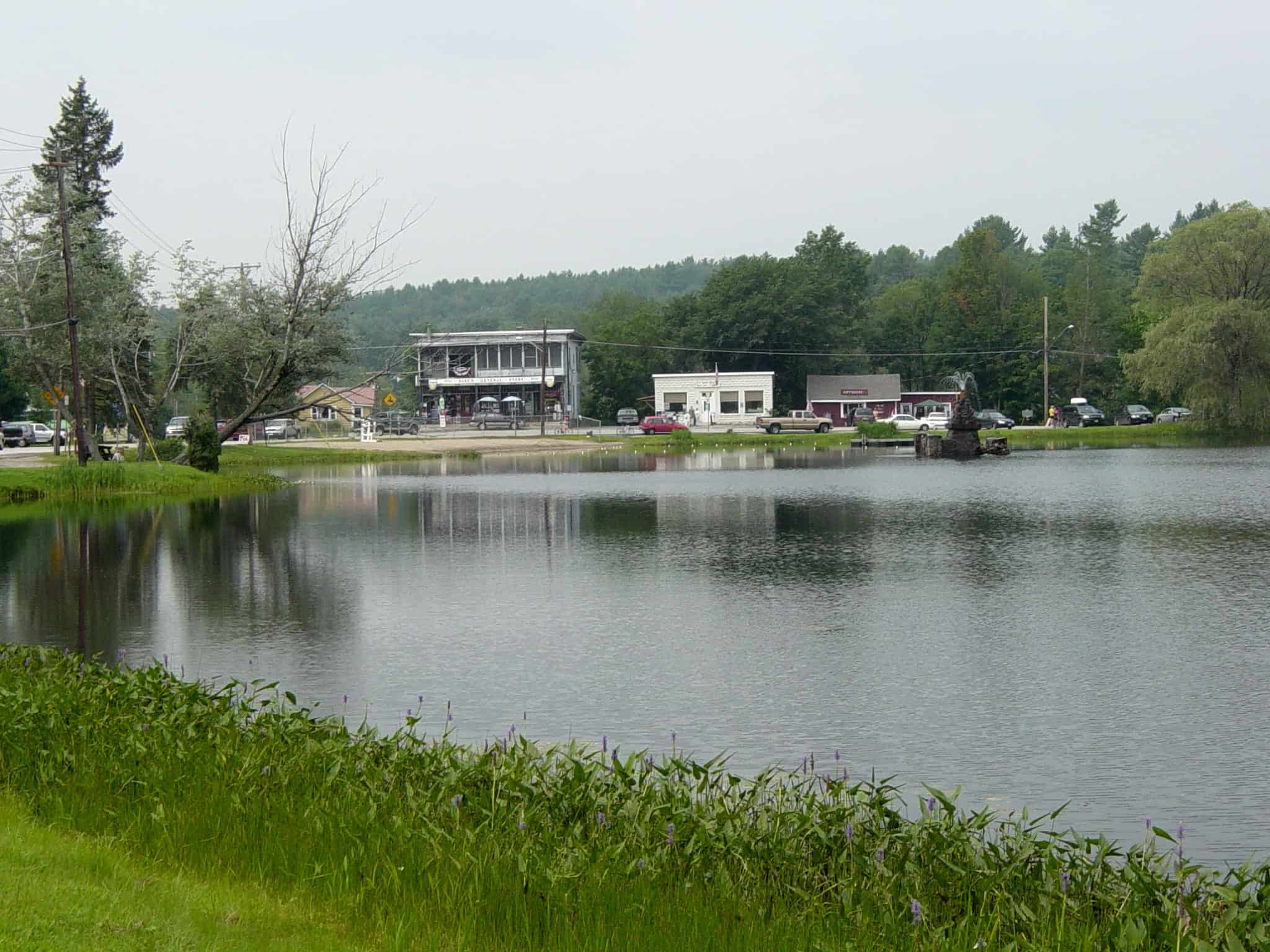
Greensboro’s Lake Brandt is a reservoir first and a recreation spot second, and the city spells it out: no swimming or wading is allowed at Lake Brandt and the city lakes. Kayaks, canoes, and stand-up boards can cross the water, with rentals May 1-Oct. 31, but the rule prevents shoreline hangouts from turning into crowded swim zones and keeps the reservoir aligned with its water-supply role. On late afternoons, the contrast is striking: paddles, tap quietly, herons lift off from reeds, and the water stays visually inviting, while remaining a line that nobody crosses on purpose, even when the sun makes the surface sparkle.
Pepacton Reservoir, New York
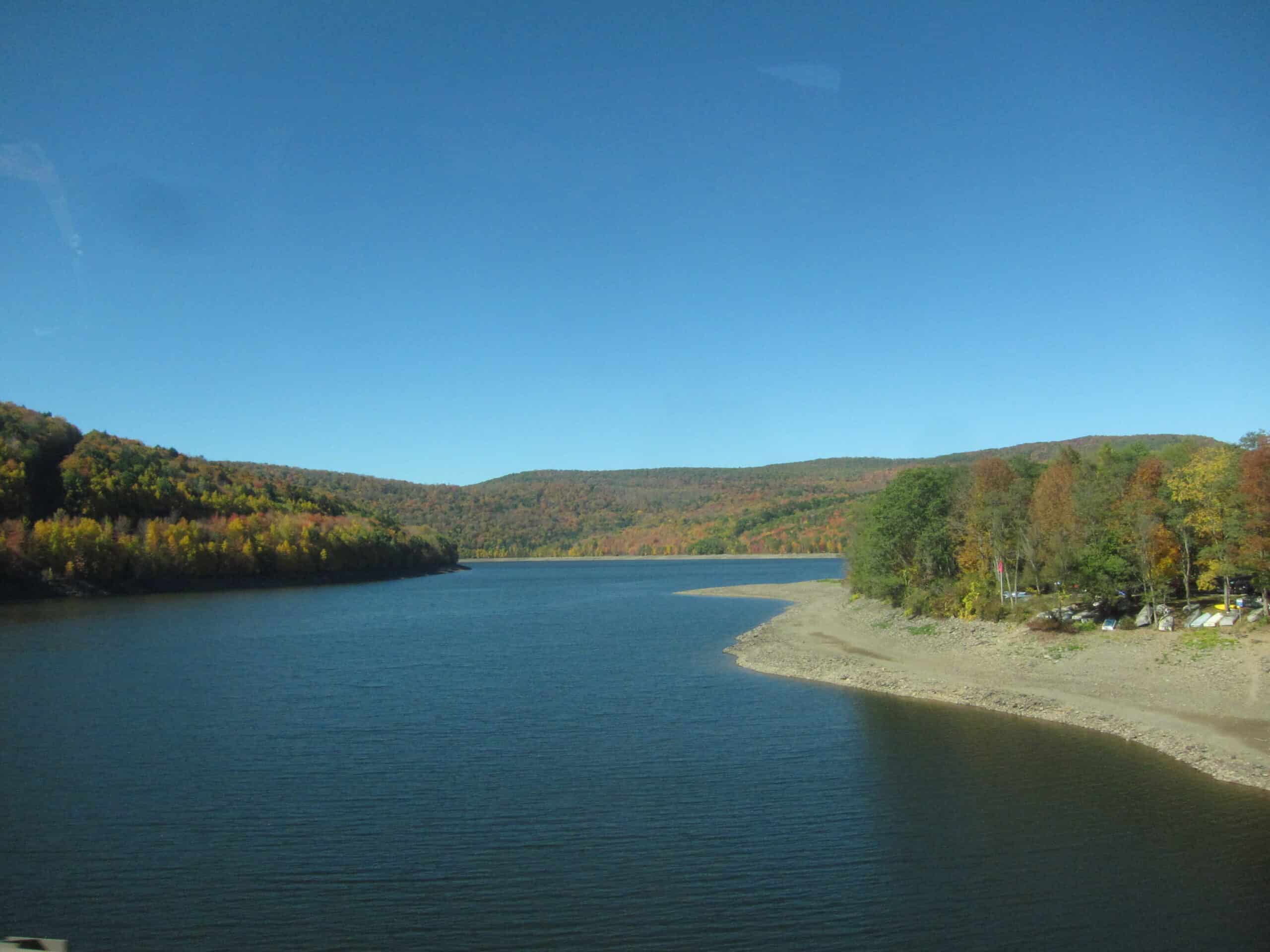
Pepacton Reservoir is part of New York City’s Catskill-Delaware water system, and its rules are written like health policy, not vacation copy. NYC DEP’s watershed regulations list bathing and swimming among prohibited activities on city water-supply lands and waters, a ban that holds even where boating is allowed under permits and strict boat-cleaning rules. That mix creates a distinctive scene in the Catskills: blue water under mountain ridges, anglers working quietly, from boats, and a shoreline that stays more protected than playful because millions of faucets depend on it far downstream in apartments and diners each day.