We may earn money or products from the companies mentioned in this post. This means if you click on the link and purchase the item, I will receive a small commission at no extra cost to you ... you're just helping re-supply our family's travel fund.
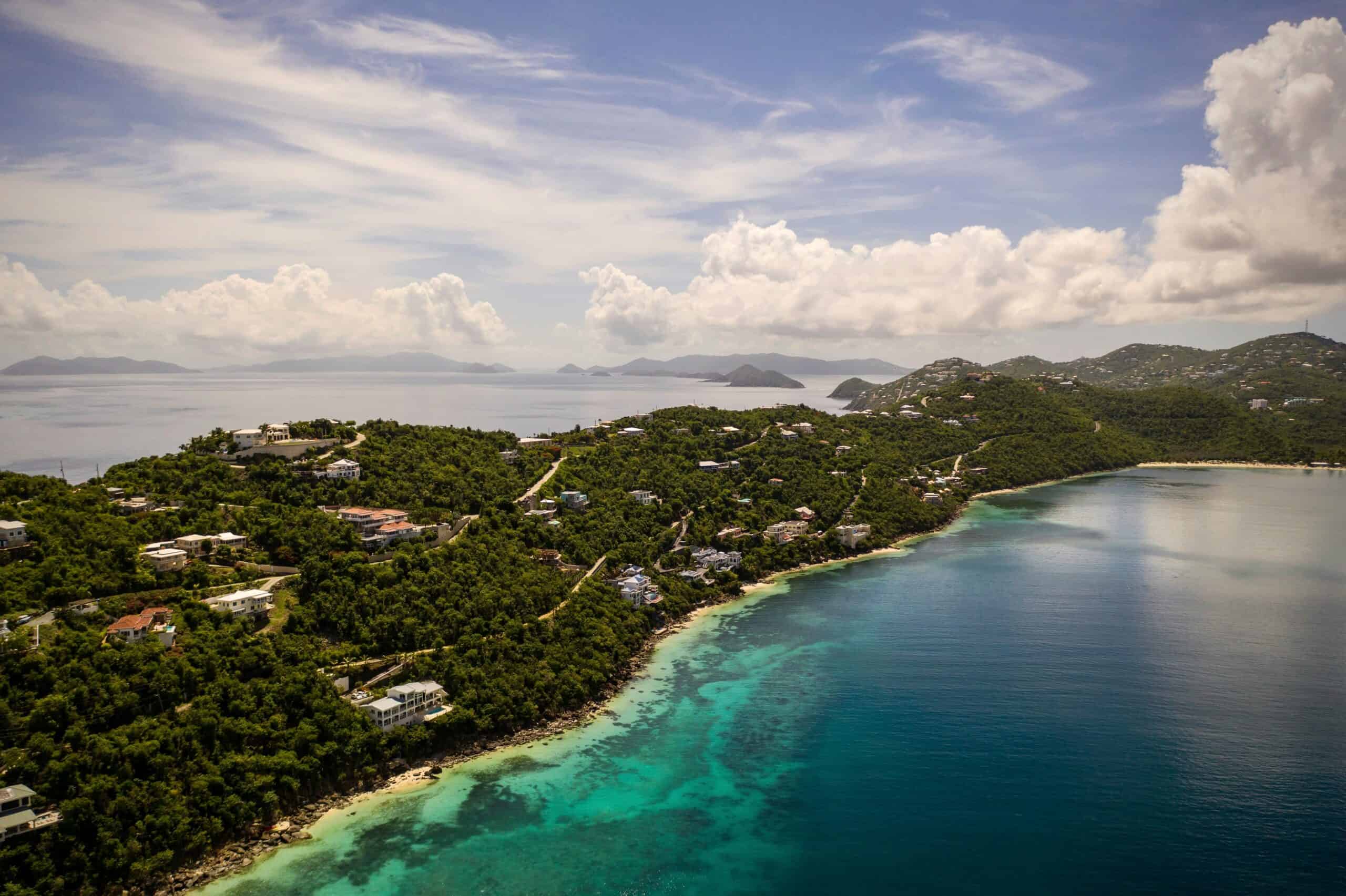
Across the United States, stretches of ocean and sound hide places that feel far removed from mainland routines. Island travel carries its own kind of reset, whether the crossing takes five minutes by ferry or several hours by plane. Many travelers assume borders stand between them and a true island escape, yet some of the country’s most memorable shorelines require no international passport at all. These destinations prove that remoteness can be domestic, defined less by customs lines and more by salt air, slower mornings, and the small pleasure of arriving somewhere that feels slightly apart.
Oahu, Hawaii
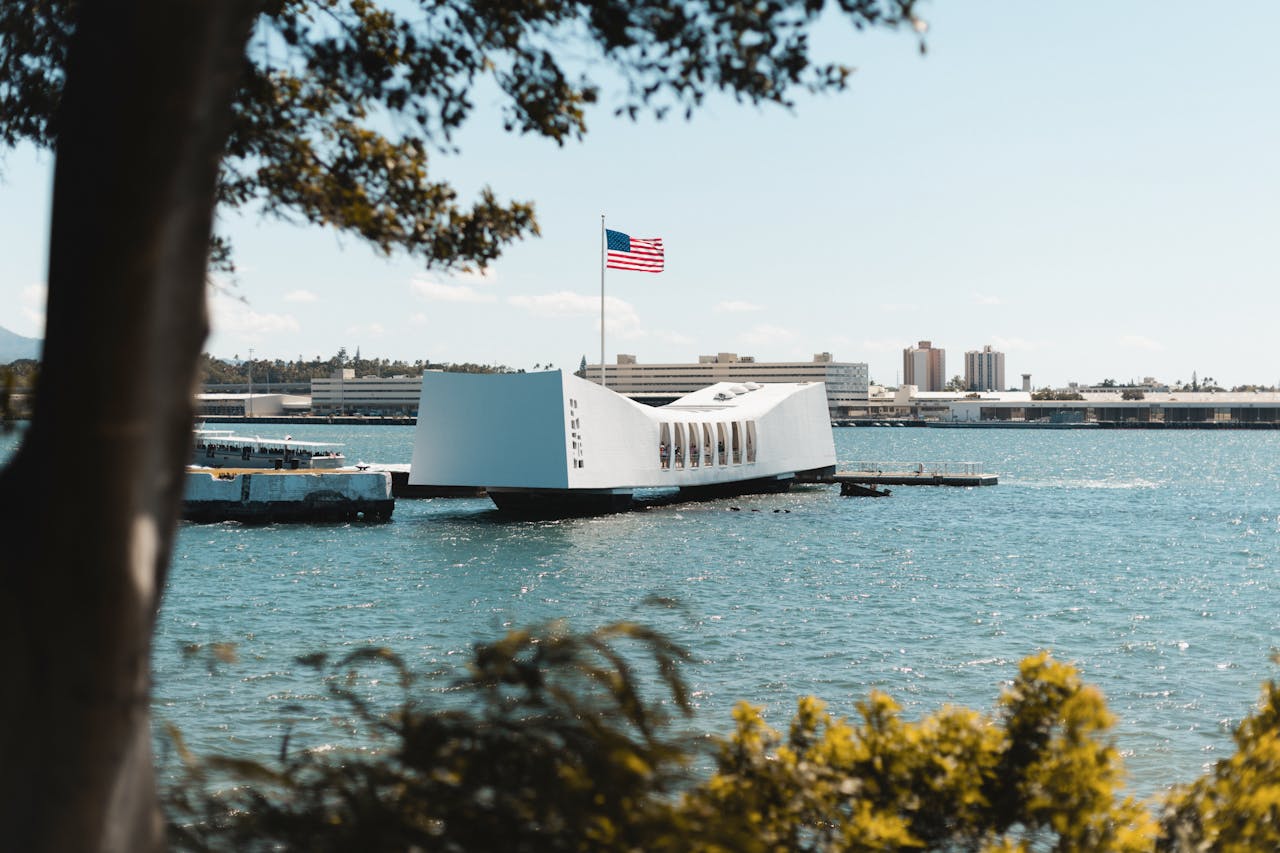
Oahu makes a strong case for the easiest “far away” trip Americans can take without leaving the country. Honolulu brings big-city comfort, food, and history, while the windward coast and North Shore shift the mood into something quieter and more physical, with trails, trade winds, and winter surf that turns beaches into viewing rooms. The island’s variety keeps it from feeling like a resort bubble. One day can move from a crater hike to a plate lunch to a sunset swim. The surreal part is the logistics: a domestic flight, a standard ID, and suddenly the air smells like plumeria instead of asphalt.
St. Thomas, U.S. Virgin Islands
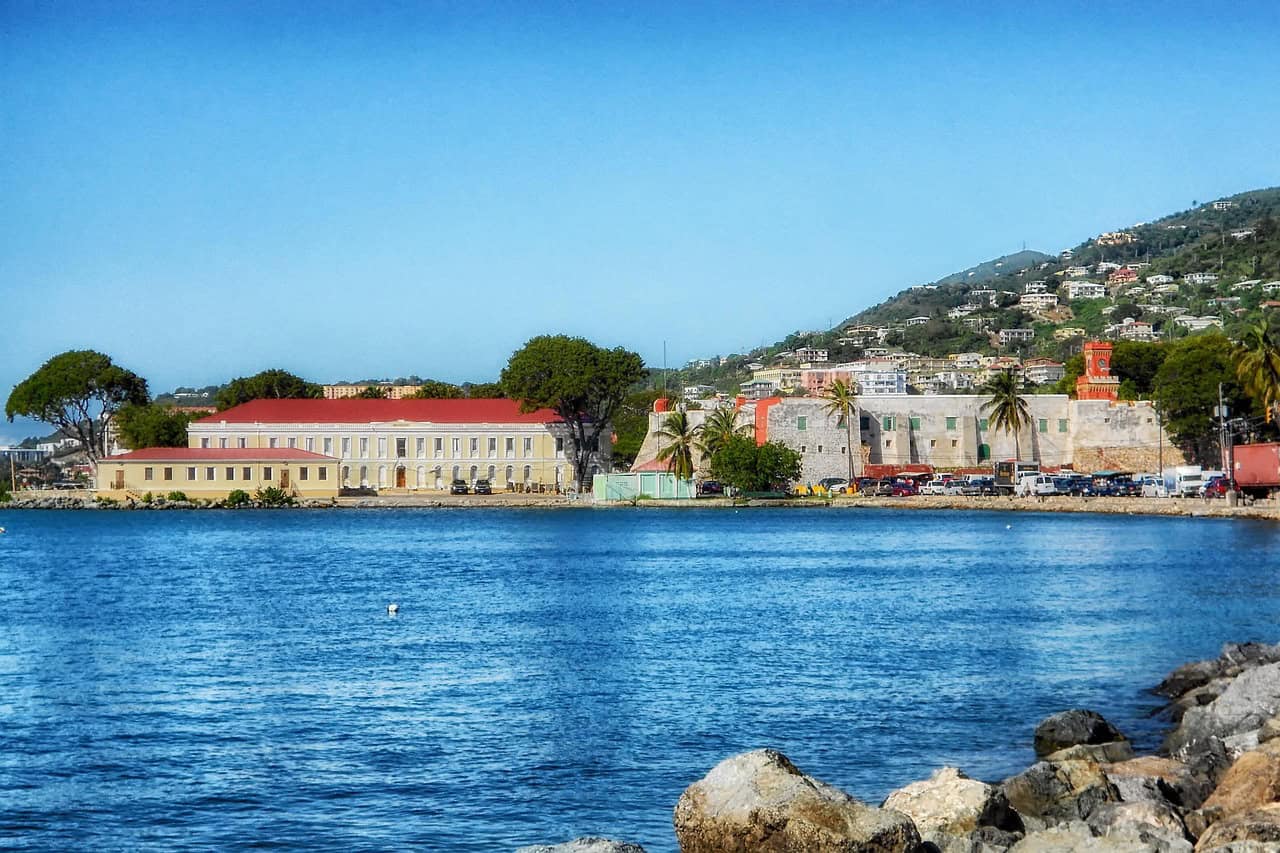
St. Thomas feels like a postcard that got upgraded with real life: turquoise coves, coral-clear water, and hillsides dotted with bright roofs. Because the U.S. Virgin Islands are U.S. territory, U.S. citizens do not need a passport for entry, which removes a common planning hurdle for families, older travelers, and last-minute trips. Charlotte Amalie’s harbor markets and cruise-day bustle offer energy when it is wanted, but it is easy to slip away to quieter beaches and lookout drives that frame the water in layers of blue. The island also works as a hub, with quick connections toward St. John for a calmer, park-like feel.
Puerto Rico (Main Island)

Puerto Rico delivers the kind of depth some island trips lack. San Juan’s old forts, cobblestone streets, and late-night food scene feel historically grounded, not staged, while the interior shifts into green mountains and roadside kiosks that reward slow driving. Domestic entry keeps the trip approachable, but the culture feels distinctly its own, from music to language to how evenings stretch later than expected. Many visitors pair city days with rainforest time in El Yunque or a bioluminescent bay near Fajardo, where darkness becomes part of the experience. It is an island that can be relaxed or ambitious, depending on the mood.
Martha’s Vineyard, Massachusetts
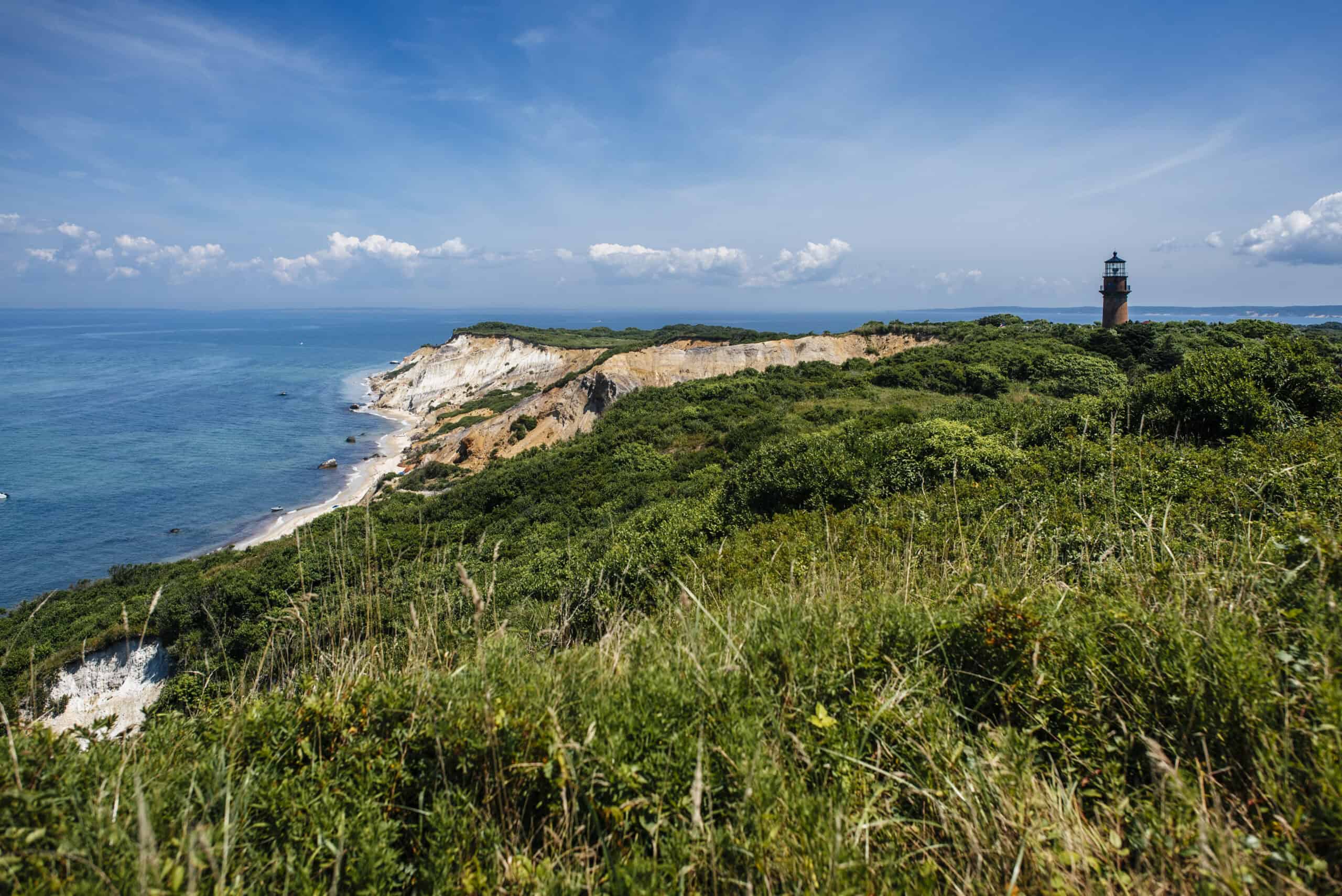
Martha’s Vineyard feels like New England in its gentlest form, softened by sea air and a seasonal rhythm that makes even busy days feel unhurried. Ferries and small planes create a natural transition, and once on the island the pace shifts toward bikes, porch time, and walks that end at calm harbors. Edgartown leans classic with tidy streets and historic houses, while Oak Bluffs adds color, gingerbread cottages, and an easy beach-town friendliness. The charm is not hidden. It is in how ordinary routines, coffee, bookstores, seafood rolls, become slightly better when everything is framed by water and the sense that the mainland is temporarily out of reach.
Key West, Florida
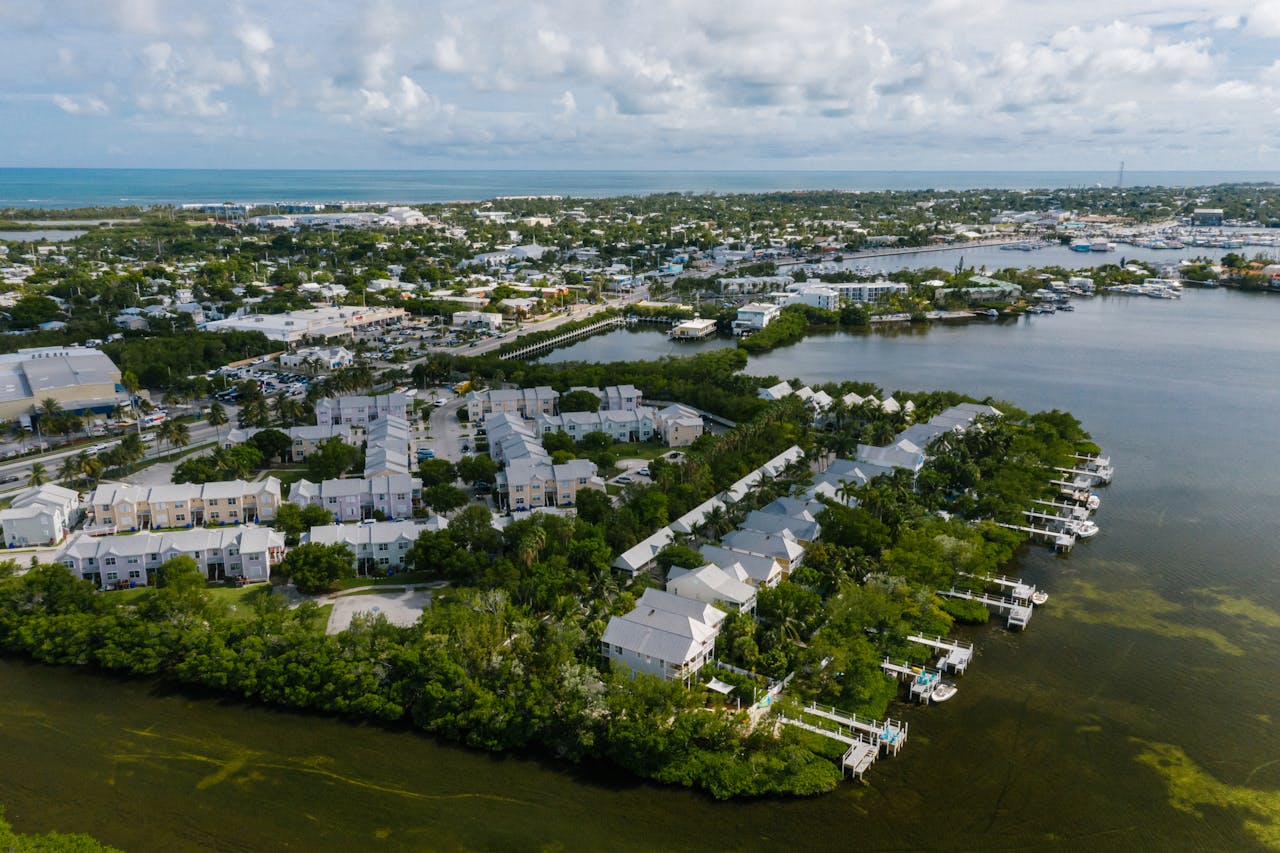
Key West feels foreign in tone without being foreign in paperwork, which is part of its appeal. The Overseas Highway turns the journey into a moving bridge of sea and sky, and arriving at the end of it carries a small thrill, like reaching a punctuation mark. The island mixes pastel houses, porch culture, and a nightlife pulse that can be loud in one block and calm in the next. Hemingway history, conch-style architecture, and sunset rituals give the town a theatrical streak, but the best moments are simpler: early morning walks before the heat builds, Cuban coffee in hand, and the sense of being surrounded by water in every direction.
San Juan Islands, Washington

The San Juan Islands offer a different kind of island escape, cool-toned, maritime, and quietly cinematic. Ferry travel sets the mood immediately, with wind, gulls, and that slow glide that makes schedules feel less urgent. Friday Harbor has just enough to feel lively, with seafood counters, bookstores, and docks that look like an old postcard, while the surrounding islands lean into calm roads, farms, and viewpoints where the water stays silver under cloud cover. Orca-watching is part of the region’s identity, but even without wildlife sightings, the evenings feel reflective. Fog rolls in, lights soften, and the islands become a place to listen more than perform.
Kodiak Island, Alaska
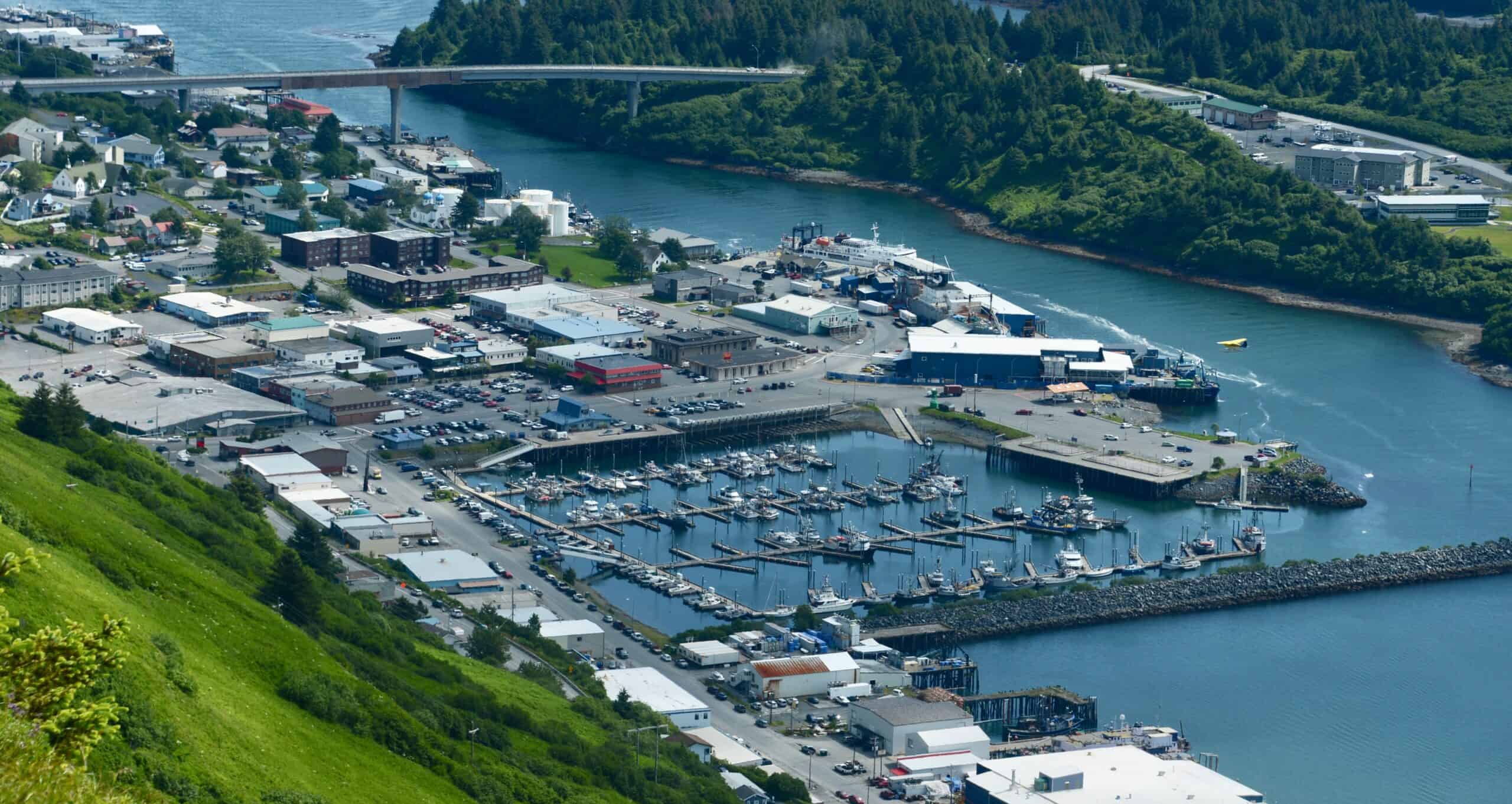
Kodiak is the kind of place that can make travelers feel small in a good way. It is remote, rugged, and drenched in marine weather, yet it remains domestic travel, reachable by flight without an international passport. The island’s reputation is built on brown bears, fishing culture, and coastlines that look carved rather than landscaped, with mist shifting the scene hour by hour. Town life has working-harbor energy, not souvenir-shop gloss, and even casual walks can feel like they belong to an expedition. Visitors often arrive expecting “adventure,” then realize Kodiak’s real gift is humility, the sense that nature sets the terms and humans adjust.
Fire Island, New York
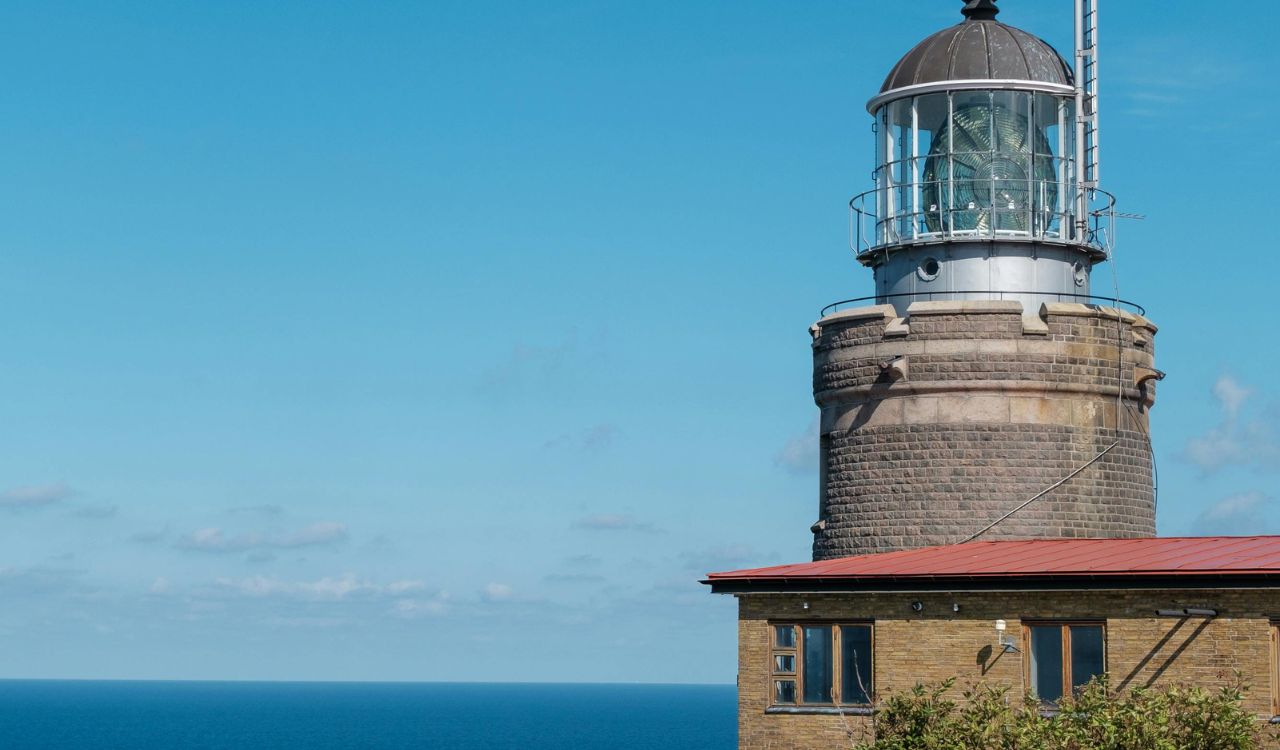
Fire Island proves that escape can be measured in hours, not borders. A short ferry ride from Long Island removes cars from the equation and replaces them with boardwalks, dunes, and the simple pleasure of walking everywhere. Different communities carry different moods, with certain pockets known for nightlife and others defined by quiet beaches and family routines. The contrast is part of the magic: one moment can feel like a private coastal retreat, and the next can feel like a social summer village. Its proximity to New York City sharpens everything. The same people who navigate subways all week can be barefoot on sand by afternoon, listening to waves instead of traffic.