We may earn money or products from the companies mentioned in this post. This means if you click on the link and purchase the item, I will receive a small commission at no extra cost to you ... you're just helping re-supply our family's travel fund.

Traveling in the U.S. often feels familiar, but local laws can change dramatically from city to city. Many tourist fines don’t come from serious misconduct but from small, outdated, or hyper-specific ordinances that visitors rarely expect. From beach rules to pedestrian behavior, these laws are quietly enforced every year, generating thousands of citations. Knowing where travelers most often get caught off guard can save money, stress, and an awkward encounter with local authorities.
1. Carmel-by-the-Sea, California
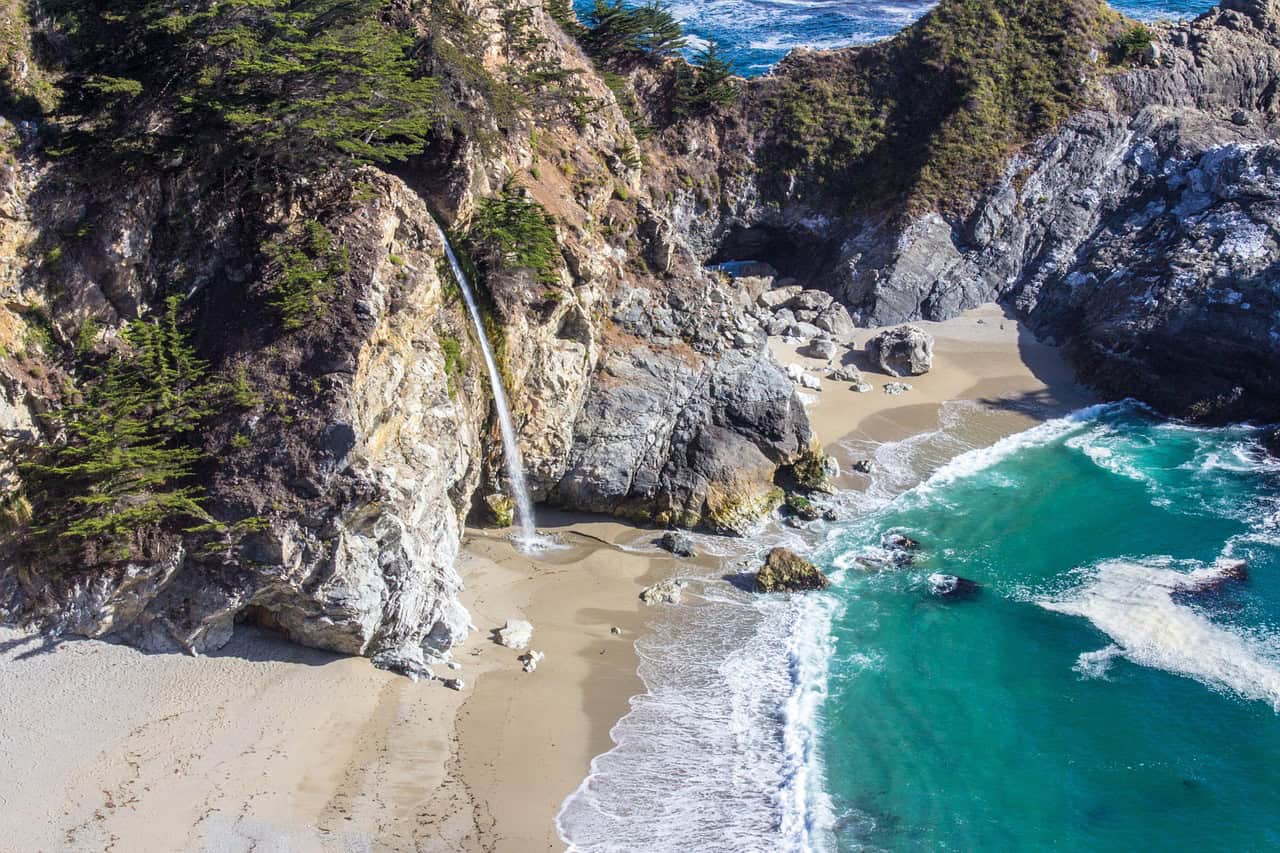
Carmel-by-the-Sea is known for its fairytale cottages and sloping streets, but it also has one of the most unusual safety ordinances in the country. The city technically requires a free permit to wear shoes with heels over 2 inches tall or soles narrower than 1 inch. The rule exists because the town’s sidewalks are intentionally uneven. While permits aren’t often demanded, liability-related citations still occur. In 2023, the city logged over 45 liability claims tied to falls, with average settlements exceeding $8,000. The ordinance reduces legal exposure and gives the city leverage if injuries occur. Visitors unaware of this law often learn about it after an accident, not before.
2. Myrtle Beach, South Carolina
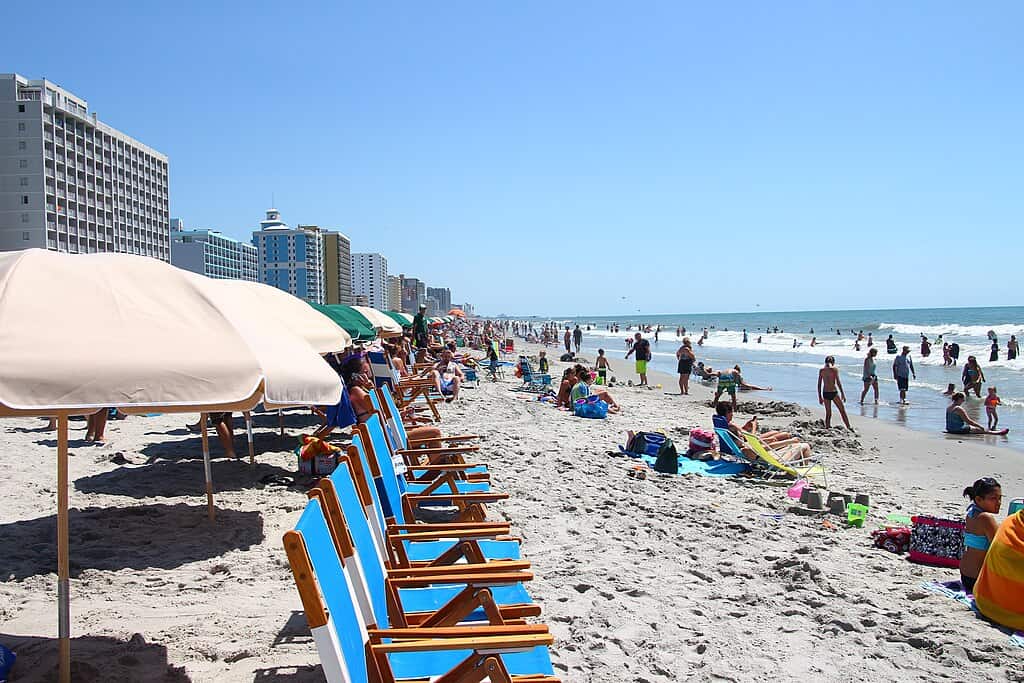
Myrtle Beach enforces strict public decency rules that surprise many vacationers. Thong swimwear, excessively revealing bikinis, and exposed buttocks are prohibited on public beaches and boardwalks. First-time violations can lead to fines starting at $100, while repeat offenses may exceed $500. During the 2022 summer season alone, local police issued more than 300 citations tied to dress code violations. Enforcement increases during peak tourist months between May and August. The law aims to maintain a “family-friendly” environment, but signage is limited, leaving many visitors unaware until an officer intervenes in the middle of a beach day.
3. Ocean City, Maryland
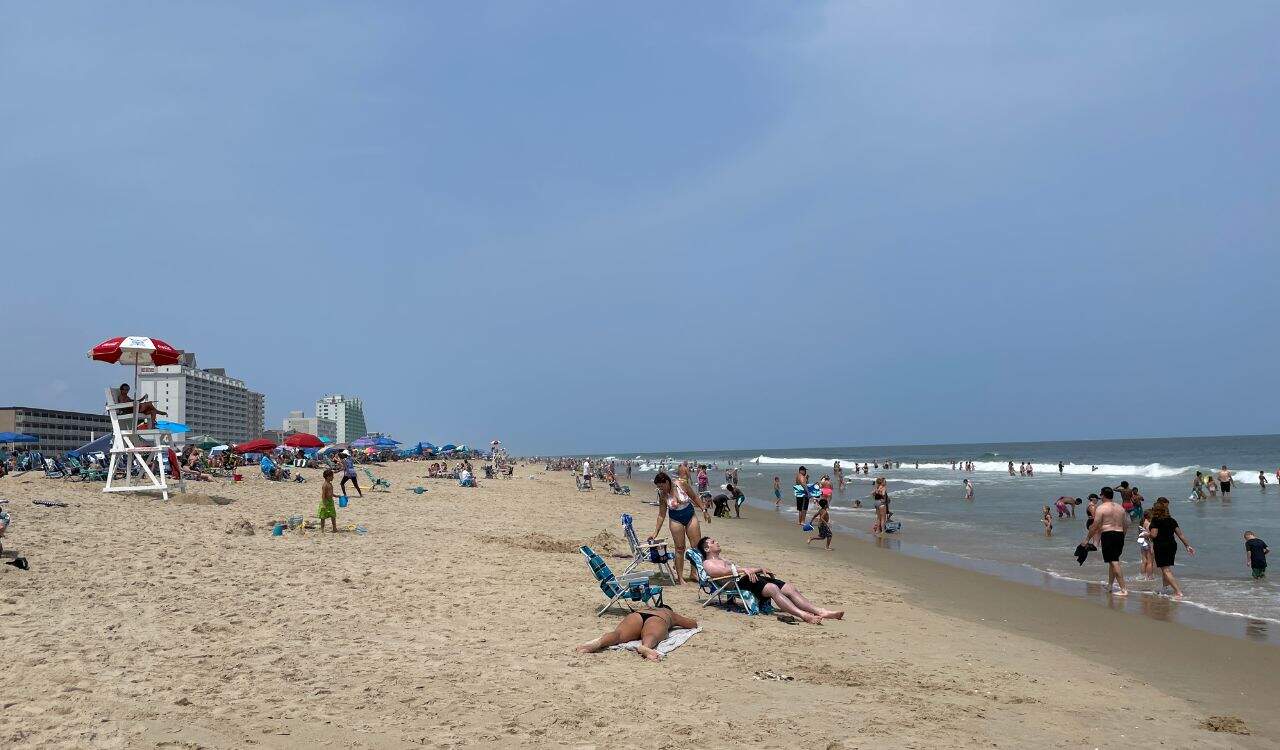
Ocean City’s beaches look carefree, but strict safety ordinances govern how visitors can use them. Digging holes deeper than 12 inches in the sand is illegal, as is leaving unattended pits. These rules exist because collapses have caused injuries and rescues. In 2023, beach patrol officers issued over 150 warnings and 40 fines related to unsafe digging, with penalties averaging $75 to $250. Additional restrictions include curfews for minors after 11 p.m. and bans on sleeping overnight on the beach. Tourists often violate these rules unintentionally, assuming casual beach behavior applies everywhere along the coast.
4. Laguna Beach, California
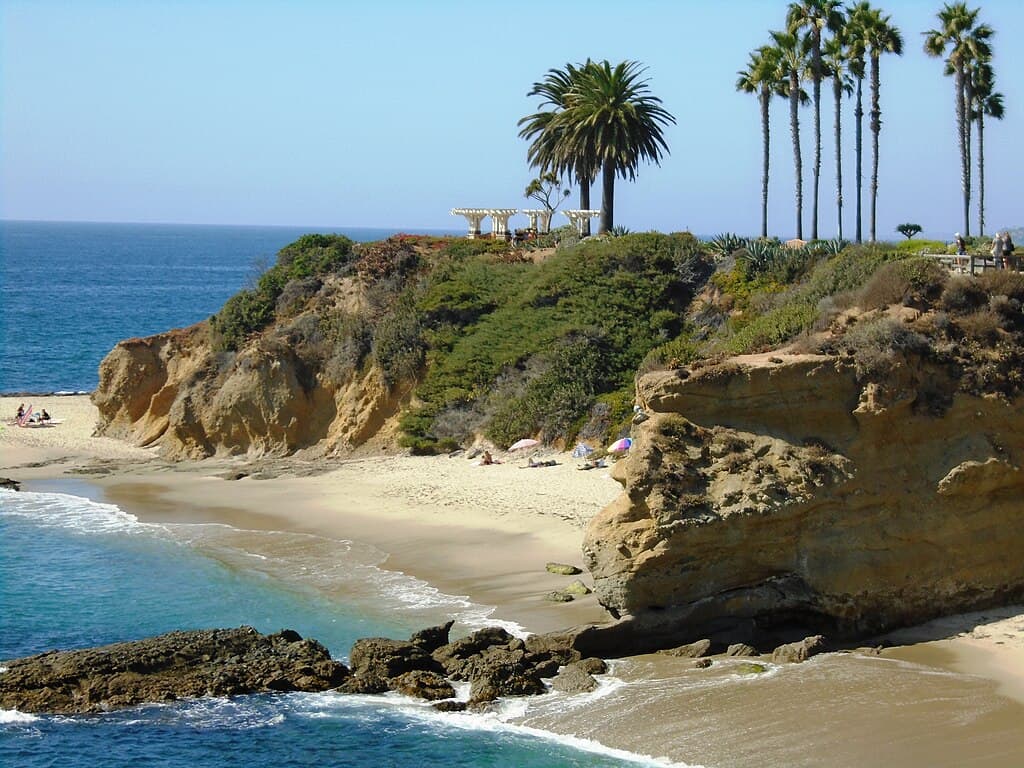
Laguna Beach has some of the strictest environmental regulations in Southern California, especially regarding balloons. Both latex and Mylar balloons are banned from public beaches, parks, and coastal areas due to wildlife hazards and fire risk. Violations can result in fines starting at $100 per balloon. In 2022, the city reported removing over 3,000 balloon fragments from shoreline cleanups. Tourists celebrating birthdays or proposals often bring balloons without realizing the ban applies even to non-release situations. Enforcement is handled by park rangers and code officers, particularly during weekends and holiday seasons when beach usage spikes.
5. New Braunfels, Texas
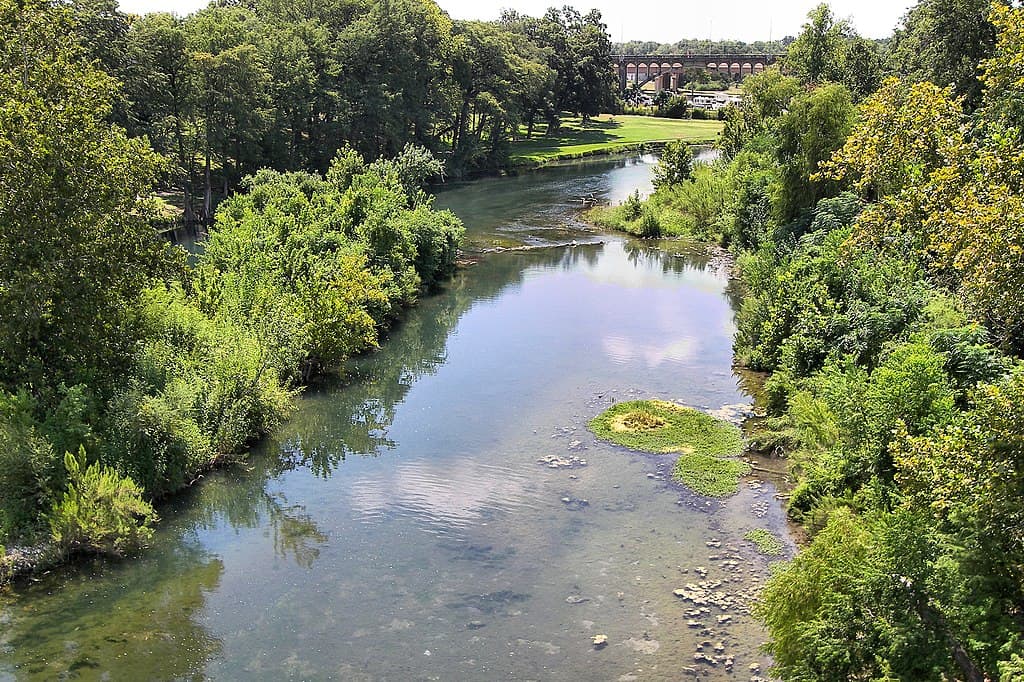
New Braunfels attracts hundreds of thousands of visitors annually for river tubing, but its river ordinances catch many tourists off guard. Disposable containers; including cans, plastic bottles, food wrappers, and foam coolers are illegal on the Comal and Guadalupe Rivers. Fines range from $25 to $500 depending on the violation. In peak season, authorities issue an average of 1,000 citations per summer. The rule was enacted after cleanup crews removed more than 200 tons of trash annually. Tourists renting tubes often assume outfitters handle compliance, but individuals are legally responsible for what they carry onto the water.
6. Mackinac Island, Michigan
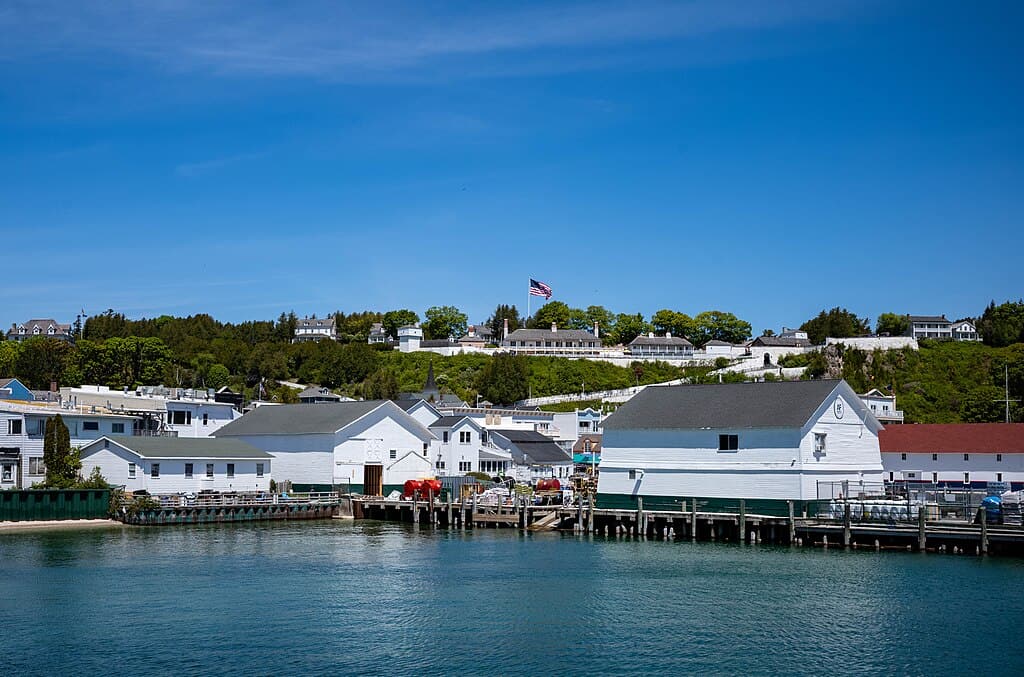
Mackinac Island famously bans motor vehicles, but newer restrictions have added confusion for visitors. Many electric bicycles, scooters, and motor-assisted devices are prohibited unless explicitly approved. Fines for unauthorized motorized transport range from $75 to $300. In 2023, local police recorded over 120 citations involving e-bikes alone. The island’s infrastructure is designed for pedestrians, horses, and traditional bicycles, and violations are taken seriously to preserve safety and historic character. Tourists often rent devices from off-island vendors without realizing local bans apply once they disembark from the ferry.
7. Honolulu, Hawaii
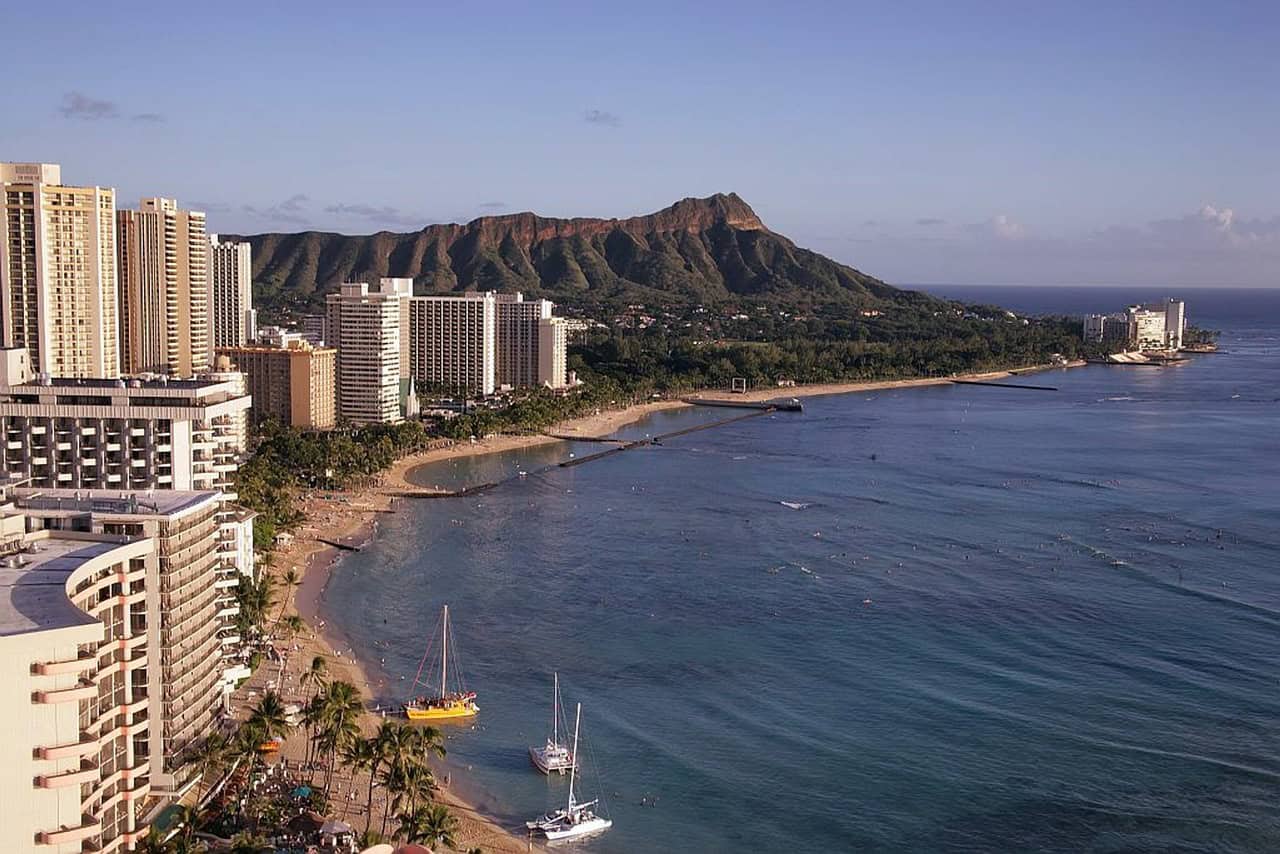
Jaywalking is aggressively enforced in Honolulu, particularly in tourist-heavy areas like Waikiki. Crossing outside a marked crosswalk or against pedestrian signals can result in fines starting at $130. In 2022, Honolulu issued over 8,500 jaywalking citations, with tourists accounting for a significant portion. Enforcement focuses on accident prevention, as pedestrian incidents make up nearly 40% of traffic injuries on Oahu. Visitors accustomed to casual street crossing are often surprised when officers issue tickets even on empty roads. Public awareness campaigns exist, but many travelers only learn the rules after receiving a citation.
8. Key West, Florida
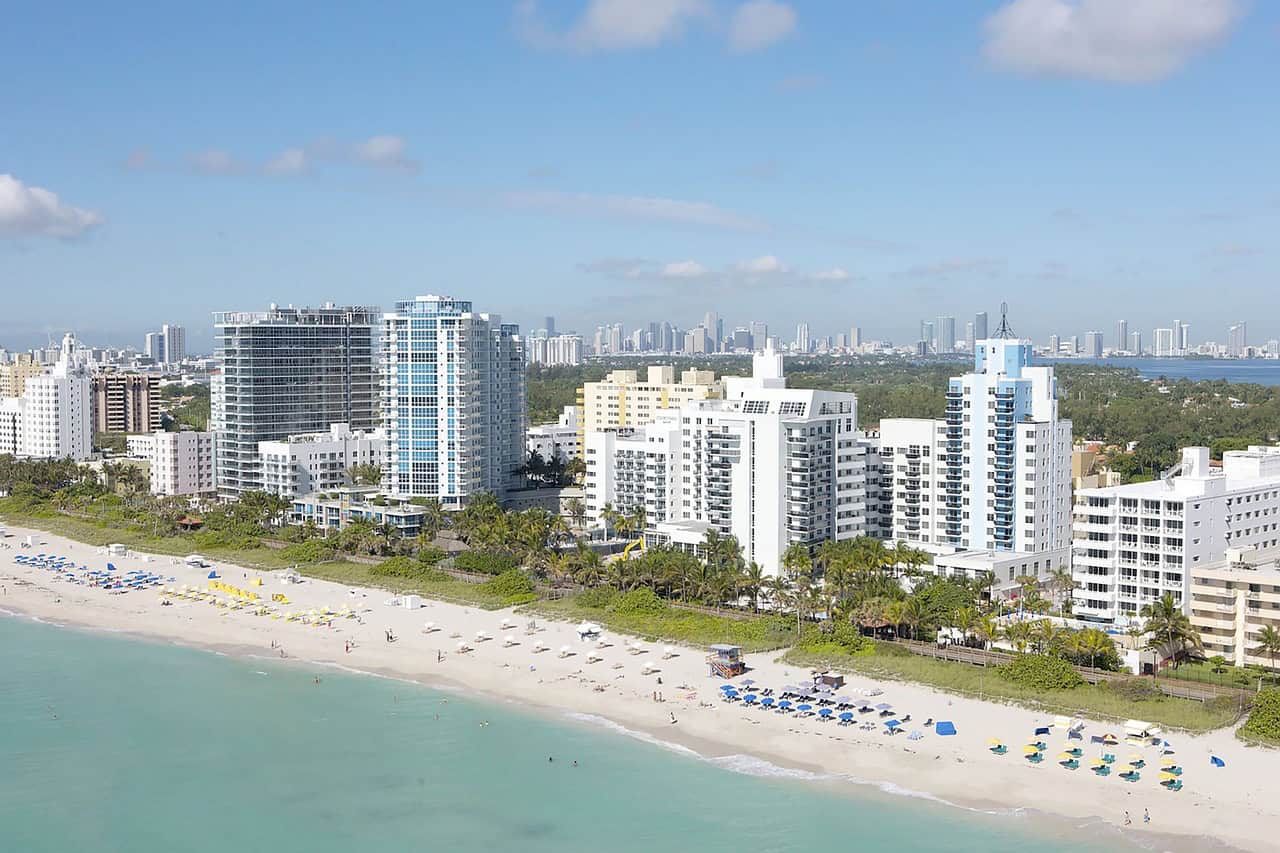
Key West enforces strict laws protecting its natural environment, including bans on removing coral, shells, and certain rocks from beaches and shorelines. Even small souvenirs can result in fines ranging from $100 to over $500 under state and federal regulations. In 2023, Florida Fish and Wildlife officers cited more than 200 visitors statewide for illegal removal of marine materials, with Key West among the top locations. Many items are protected because they support erosion control and marine ecosystems. Tourists often assume loose shells are fair game, unaware they’re considered protected resources.