We may earn money or products from the companies mentioned in this post. This means if you click on the link and purchase the item, I will receive a small commission at no extra cost to you ... you're just helping re-supply our family's travel fund.
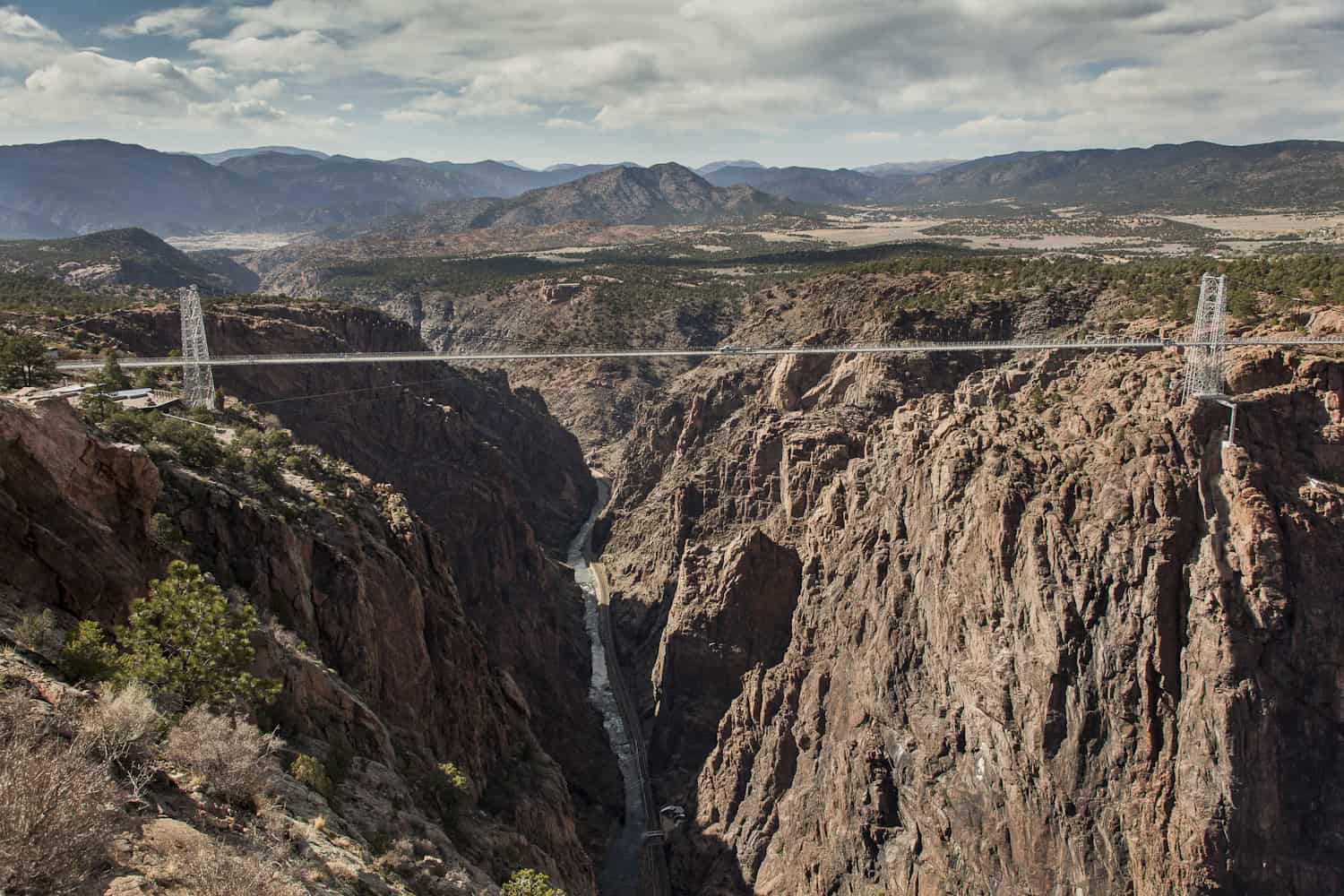
Suspension spans and mountain crossings stir a particular kind of American nerves. A bridge can feel like both promise and threat, linking places while hovering over water, wind, or steep terrain. Engineering has kept getting safer, but fear persists because the brain reacts to exposure more than statistics. Even in 2026, travelers still report sweaty hands, racing pulses, and the instinct to stare straight ahead. Weather, height, and memory turn these routes into tests of focus, where motion and vulnerability meet in midair.
The Chesapeake Bay Bridge, Maryland

The Chesapeake Bay Bridge runs more than 4 miles across open water, and the exposure is the point: sky, spray, and wind with nowhere to hide. On blustery days, gusts push at the car, the lanes feel tighter than they are, and the horizon turns into a thin line that makes distance hard to judge, especially near the higher main span where guardrails frame nothing but water. Maryland even has escort services for anxious drivers, a quiet admission that confidence is not about math; it is about steady breathing, a predictable speed, and reaching the far shore without turning each lane change into a mini crisis.
Mackinac Bridge, Michigan
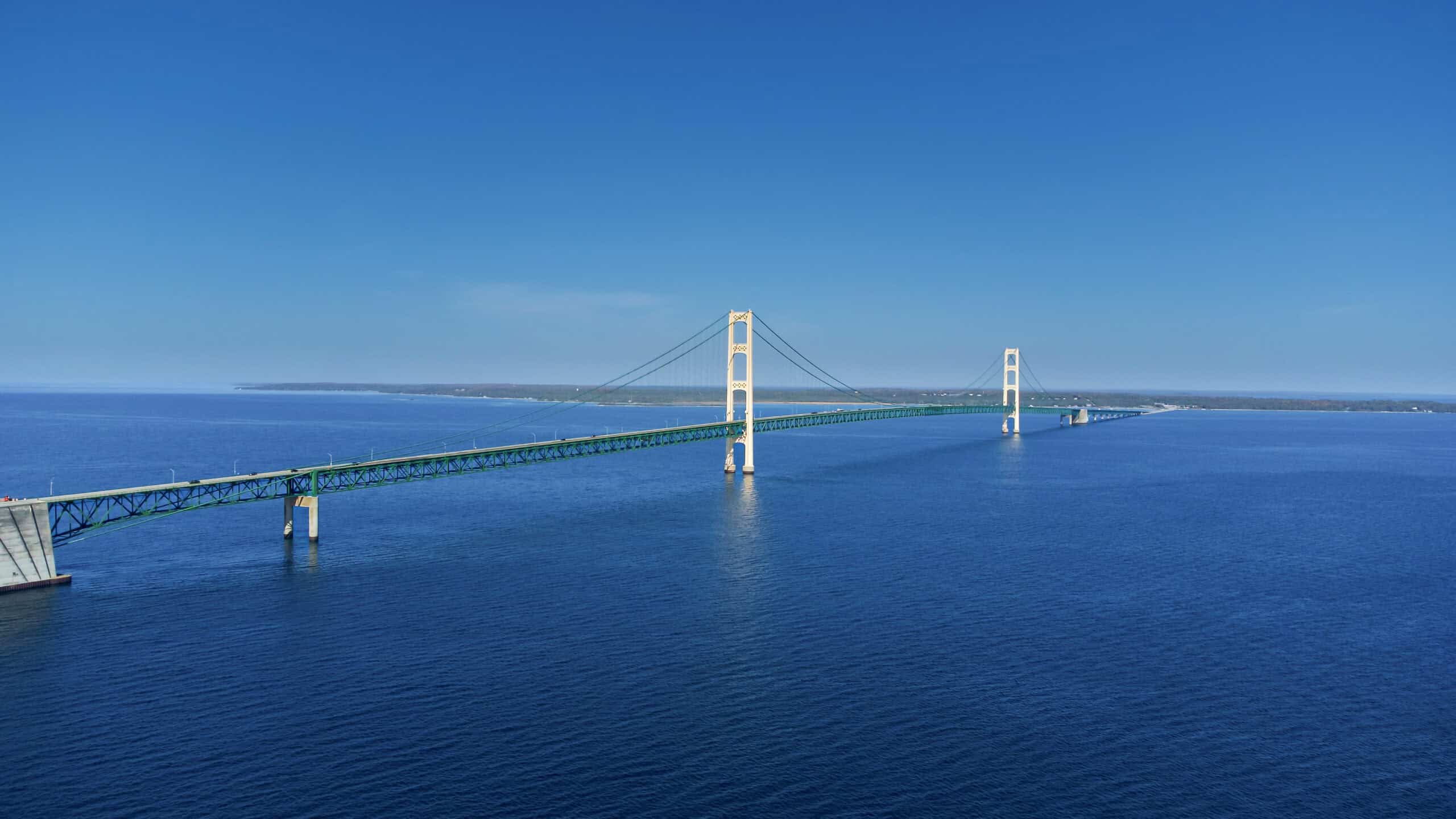
The Mackinac Bridge hangs between Lakes Michigan and Huron, and the weather can make it feel alive even when traffic is moving smoothly. Late-season gusts shove at high-profile vehicles, and the grating on parts of the deck lets brief flashes of water appear under the tire line, a visual that jolts the nervous system the instant it registers. Officials sometimes restrict or halt crossings in strong winds, and that pause feeds the legend, turning a famously sound structure into a place where people pick the right lane early, avoid sudden steering, watch the next taillight for steadiness, and exhale only after the towers shrink in the rearview.
Royal Gorge Bridge, Colorado
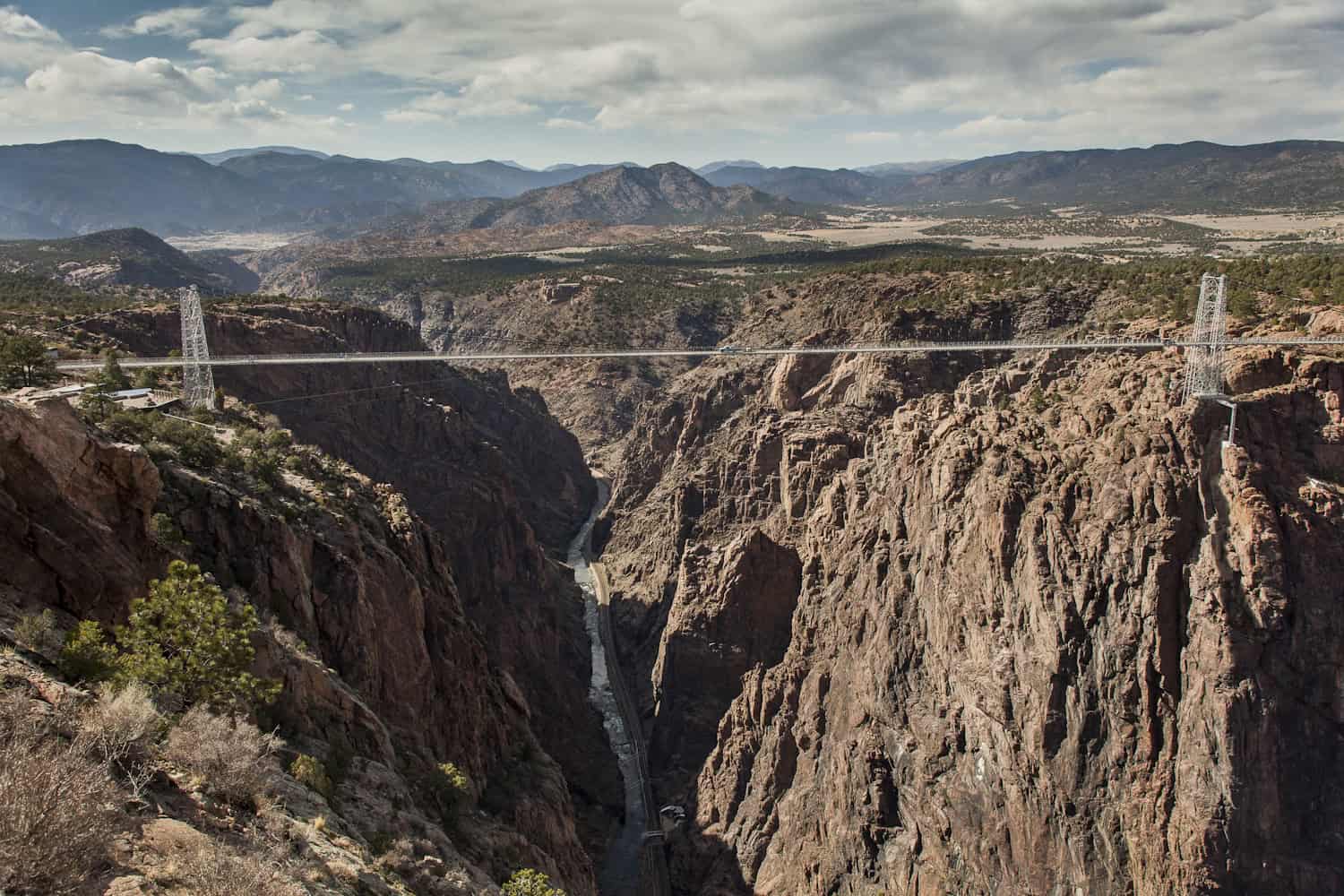
Royal Gorge is a pedestrian bridge about 950 feet above the canyon, high enough to make the Arkansas River look like a thin ribbon of light. The boards can sway slightly under foot traffic, and that tiny movement is often what breaks confidence first, freezing visitors mid-step as cameras click and voices echo off the rock walls. Nothing is actually failing, but perception does not care; wind slicing through the gorge and shifting shadows on the cliffs make the drop feel deeper than it is, so many people focus on short steps, a hand on the rail, and the far end as a fixed point while their stomach catches up.
Verrazzano-Narrows Bridge, New York
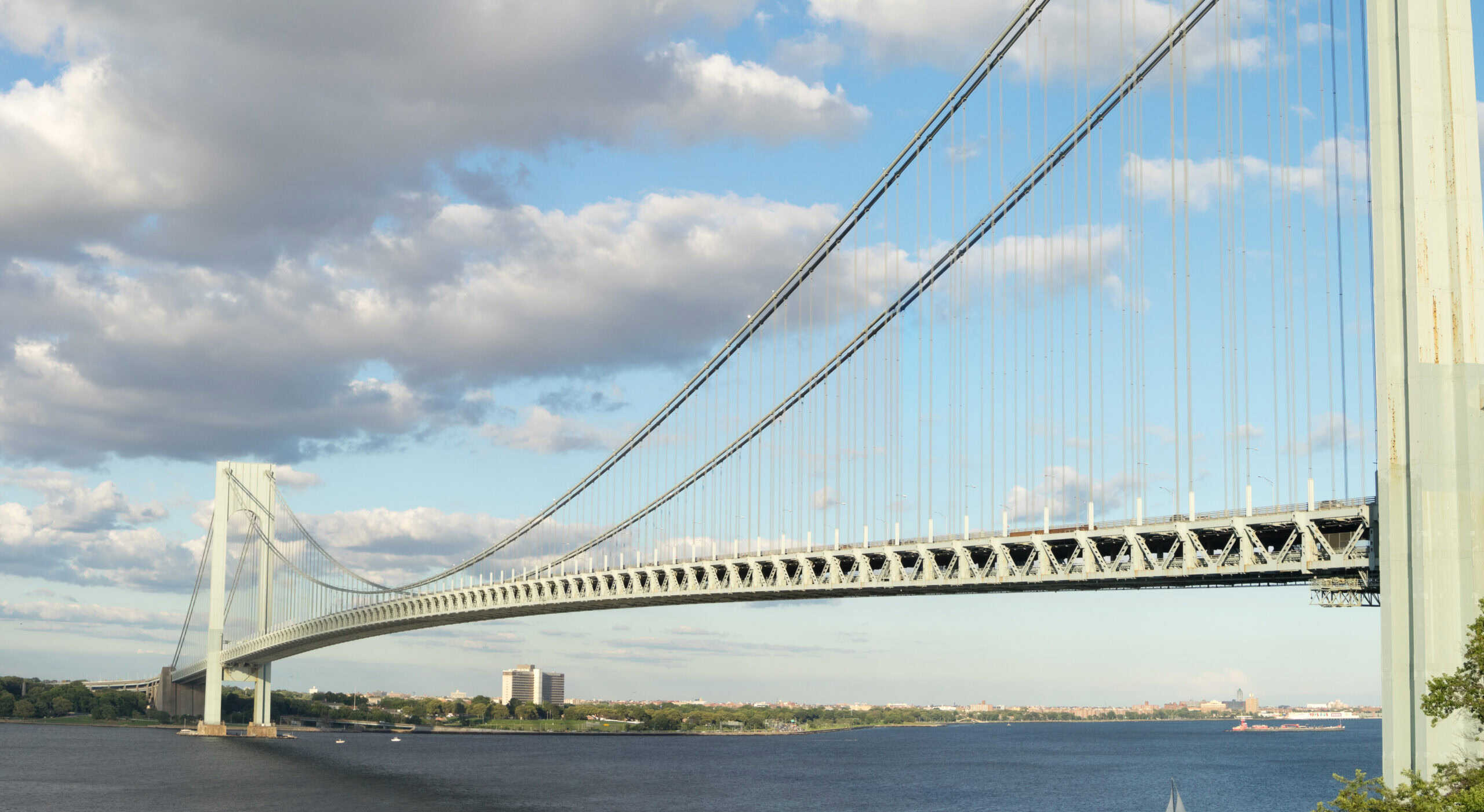
The Verrazzano-Narrows Bridge rises over New York Harbor with a long, steady climb that feels longer than expected, especially when the weather turns sharp. The approach pulls drivers into fast, dense traffic with little mental space to reset, and the height becomes obvious at midspan when the water and skyline fall away on both sides while trucks and buses keep pace. Crosswinds can add a subtle sideways push that keeps hands tight on the wheel, and the barriers feel lower than instincts want, which is why some commuters time crossings for calmer hours, keep a steady speed, and relax only after the descent begins toward Staten Island.
Deception Pass Bridge, Washington
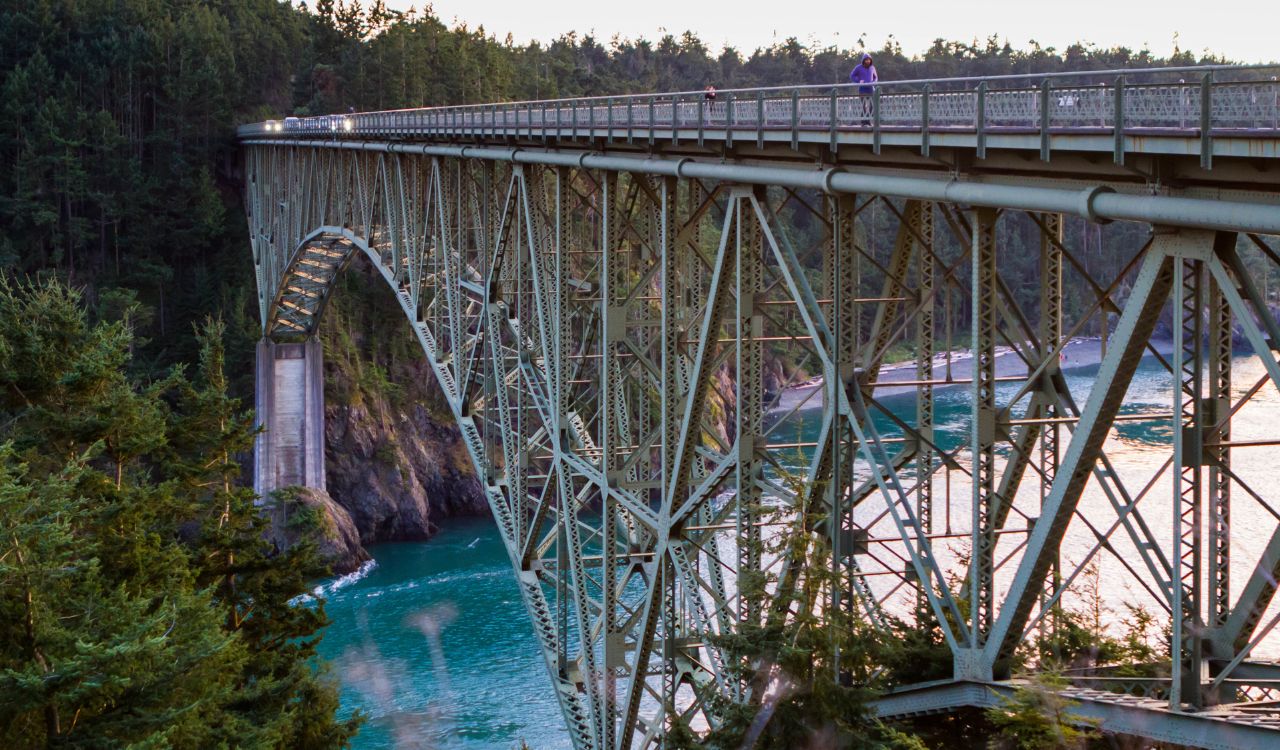
Deception Pass Bridge is not the tallest crossing on paper, but it feels intense because the scenery is loud, close, and constantly moving. Below the steel truss, tidal water rips through a narrow channel, twisting foam into whirl patterns that pull the eye downward while wind funnels between cliffs and turns the walkway into a vibrating corridor of sound. The pedestrian path is where nerves show up most: some lean out for photos, others clamp the rail and wait for balance to settle, reminded that the mind reacts to motion, noise, and rushing current more than to any posted height or measurement.
Seven Mile Bridge, Florida Keys
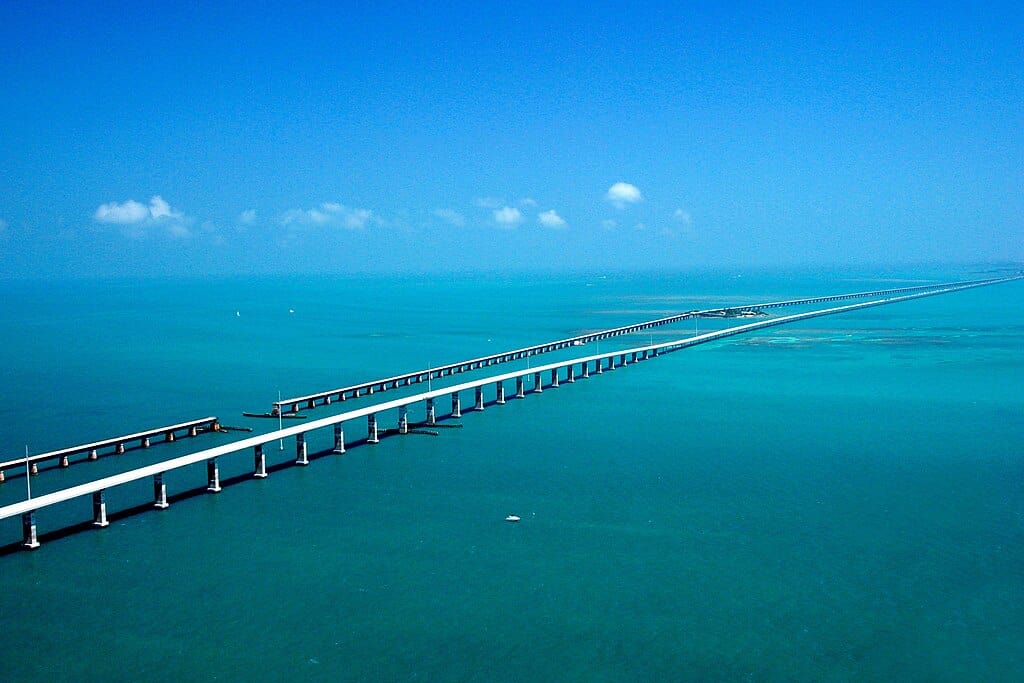
Seven Mile Bridge sits low, but it can rattle people in a different way: the ocean is everywhere, and the road seems to float on a thin line of concrete. There is no quick exit and few places to pull off, so a sudden squall, heavy downpour, or bright glare off the water can feel like being pinned in place, committed to the span until it decides to end. The repeating water-and-sky view also plays tricks on depth and speed, leaving some drivers light-headed or oddly disconnected, which is why calm weather feels effortless and rough weather feels like a long, exposed corridor with no shoulder and no pause.
Lake Pontchartrain Causeway, Louisiana
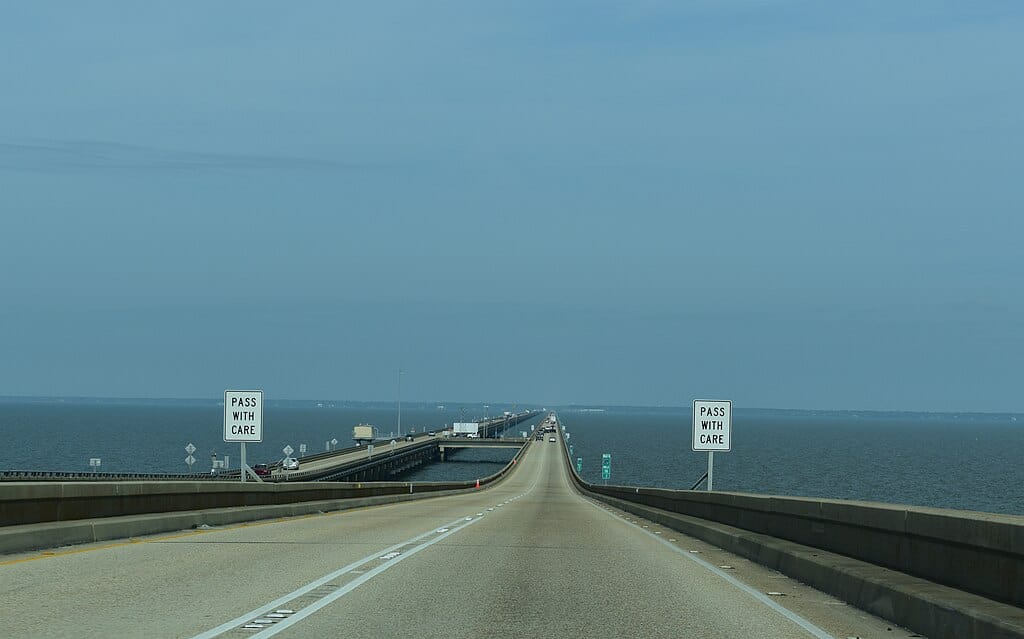
The Lake Pontchartrain Causeway is long enough to create a strange moment of doubt, when land disappears and the bridge becomes the only reference point. The view is flat and repetitive, which can trigger disorientation, especially when traffic boxes vehicles in at midspan and the guardrails feel like the only visible edges of the world. People describe a mild panic that is less about height and more about distance, because turning around does not feel immediate; in haze or rain, the endless line of pylons and taillights can make the crossing feel like it might never end, even though the next shore is still approaching.
Tallulah Gorge Suspension Bridge, Georgia
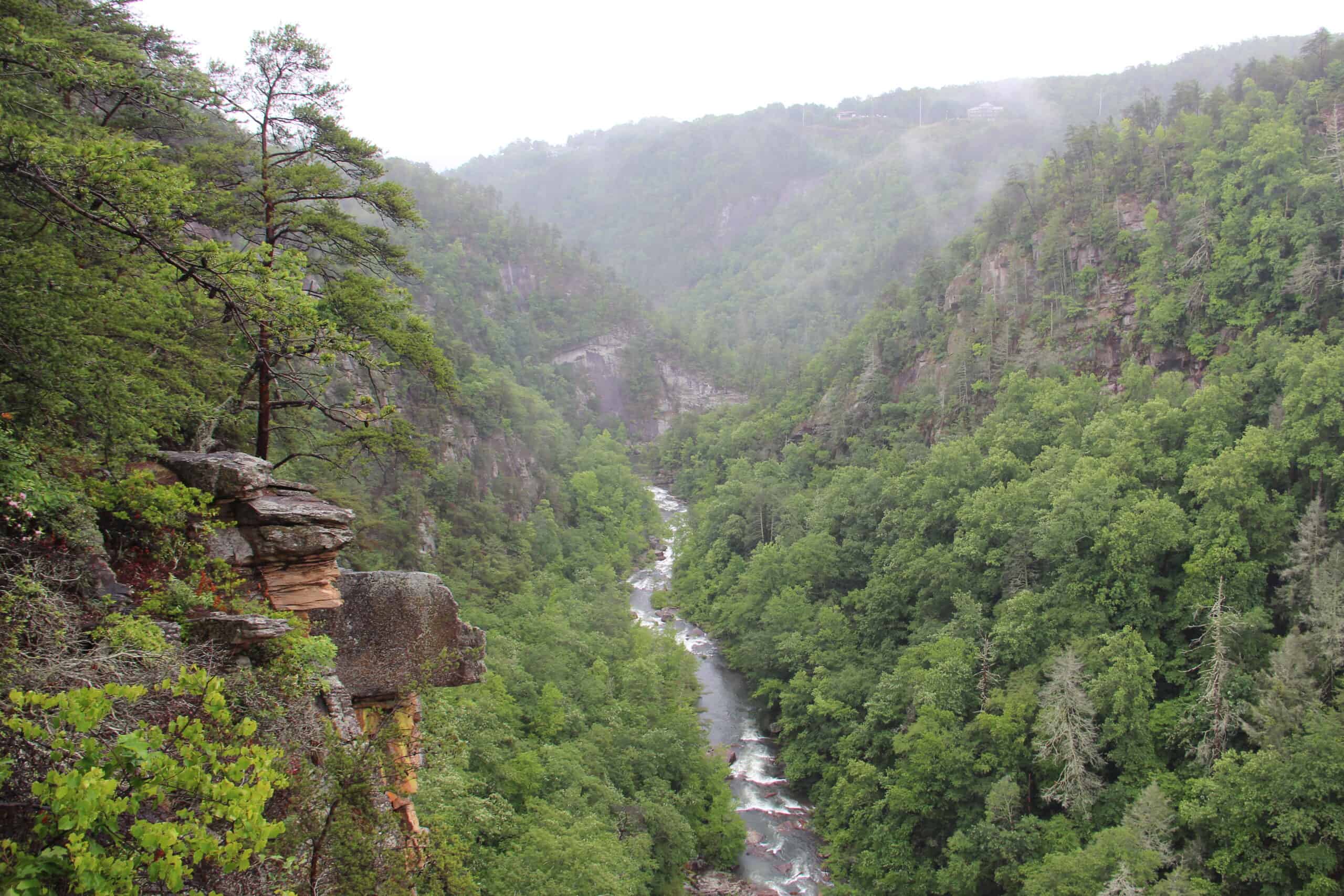
Tallulah Gorge’s suspension footbridge hangs above a narrow canyon where the floor drops away fast and the air can feel heavy with humidity. The planks may flex slightly and the cables hum with movement, and that sensory feedback convinces some brains that the structure is less stable than it is, even when the anchors are solid and the span is engineered for crowds. Visitors who stride across for photos often amplify the nerves of everyone behind them, who grip the rail and measure each step, reminded that fear rarely argues with facts once the gorge pulls the eye downward and the boards answer back underfoot.