We may earn money or products from the companies mentioned in this post. This means if you click on the link and purchase the item, I will receive a small commission at no extra cost to you ... you're just helping re-supply our family's travel fund.
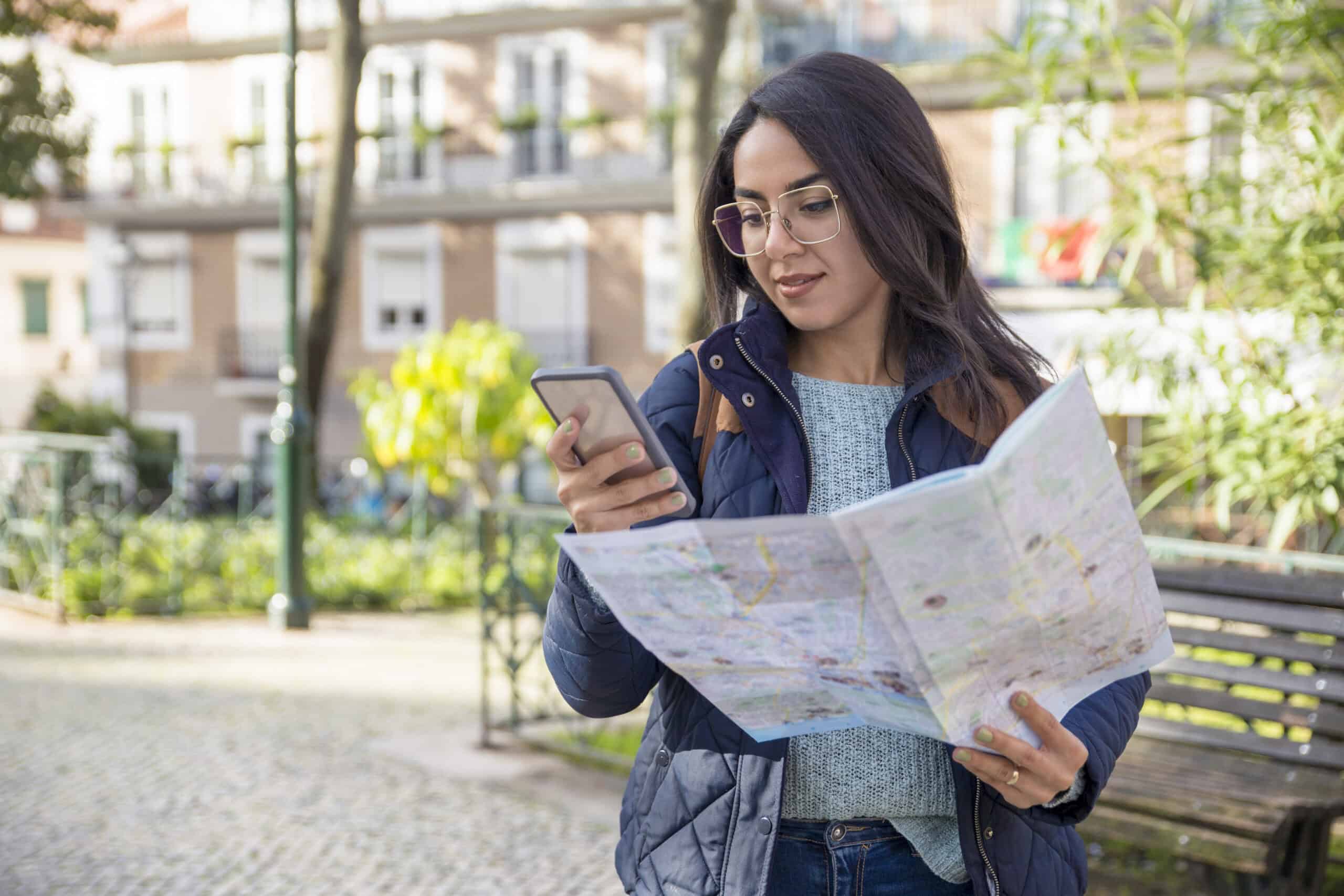
Travel trouble rarely starts with one dramatic mistake. It usually begins with a story repeated too confidently: the road is short, the water is calm, the phone will work, or help will arrive on demand. In unfamiliar places, those myths collide with thin infrastructure, different safety norms, and slower response times. The safest travelers replace folklore with a few steady habits: verify, plan, and stay humble about what is not known. That mindset keeps decisions calm when the unexpected shows up.
Crime Is The Biggest Risk Everywhere
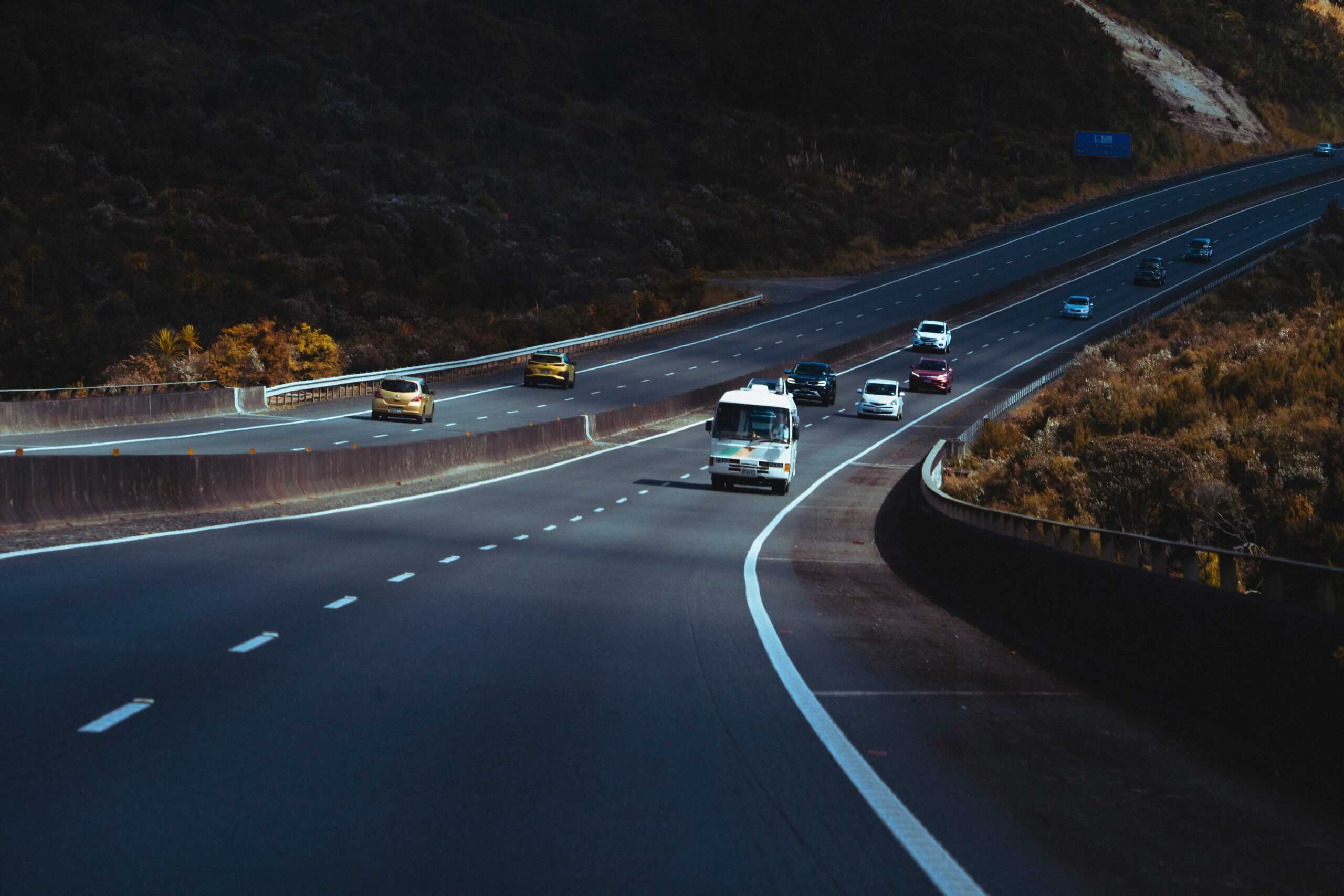
Crime grabs attention, but the biggest travel danger is often ordinary transport when fatigue meets unfamiliar roads. CDC notes motor vehicle crashes are the leading non-natural cause of death for U.S. citizens abroad, ahead of homicide and water-related deaths. Safer trips lean on unglamorous habits: seat belts every ride, helmets on bikes and scooters, daytime intercity travel, and fewer last-minute detours with unknown drivers, overloaded vehicles, or night highways where lighting is poor, shoulders are narrow, and help can be far away after a simple breakdown, even for rides that look quick on a map.
Calm Water Means A Safe Swim
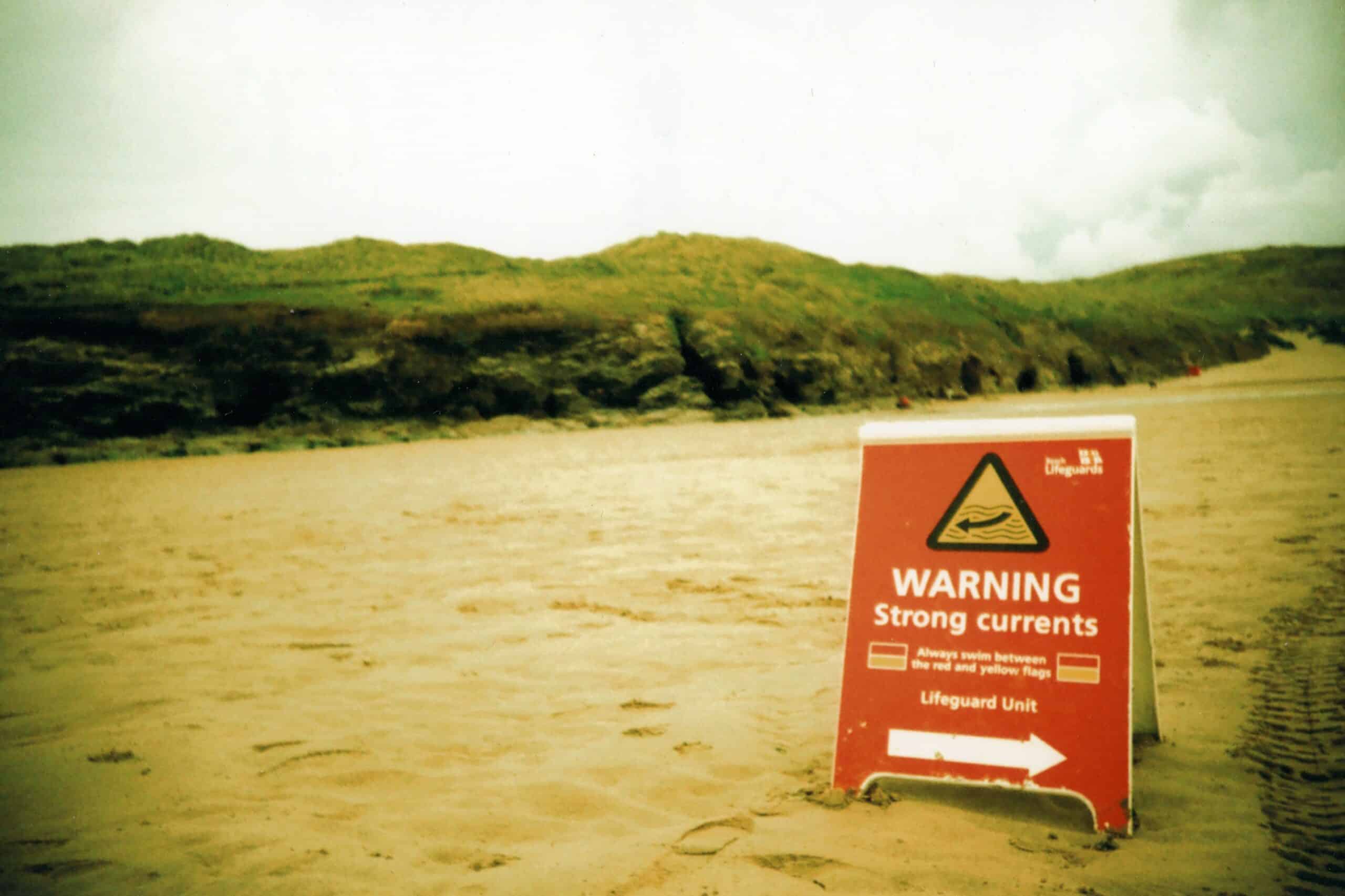
Water can look calm and still hide a rip current, especially near jetties, piers, and steep sandbars where flow concentrates, even on small-wave days. NOAA advises staying calm, floating, and signaling for help, then swimming parallel to shore to exit the current instead of fighting straight back in. The myth that strength will beat the water can trigger panic and exhaustion, turning an ordinary swim into an emergency on unguarded beaches, at dusk, or after drinks, when swimming alone is common, rescue is slower, and ignoring lifeguard zones or warning flags removes the simplest layer of protection.
Altitude Sickness Only Hits The Unfit

Altitude illness is not a fitness test. It often hits healthy travelers who ascend too fast, sleep high on night one, and treat headaches and nausea as something to power through. CDC guidance stresses gradual ascent, limiting sleeping altitude gains once above 3,000 m, and avoiding alcohol for the first 48 hours at elevation. The myth that symptoms are just dehydration delays the one fix that reliably helps: rest and, when symptoms worsen, descending before confusion, chest tightness, or trouble walking appear, because those warning signs can escalate quickly when clinics are far and nights are cold.
Bottled Water Makes Everything Safe

A sealed bottle helps, but it does not protect against the quiet sources of unsafe water: ice, rinsed produce, fountain drinks, and brushing teeth. CDC notes that in many destinations tap water can be unsafe for drinking and for making ice, cooking, and brushing teeth, and it recommends factory-sealed bottled or properly disinfected water. The myth that bottled water ends the problem leads to stomach illness and dehydration that can snowball in heat, on long bus days, or at high altitude, when pharmacies close early and recovery depends on fluids, salts, and rest often found quickly, not willpower.
Friendly Animals Are Safe To Touch

A friendly dog, a temple monkey, or a stray kitten can look harmless, yet bites and scratches create urgent medical decisions. CDC advises travelers not to touch or feed animals, noting that monkeys can spread rabies and other serious infections, and that even small wounds can require prompt care. The myth that calm animals are safe fuels selfies and quick petting, then leaves people racing to wash wounds, find vaccines, and navigate clinics, sometimes in rural areas where supplies are limited, language support is thin, and waiting to see what happens wastes the one resource that cannot be replaced: time.
The Embassy Can Fix Any Emergency Fast

Embassies and consulates can help, but not in the movie way, and that gap matters when something goes wrong late and options shrink. State Department guidance says consular staff can visit detainees, share lists of local attorneys, and contact family with permission, but they cannot get someone out of jail, act as legal counsel, or pay fees. The myth of instant rescue encourages thin backups, while the safer approach is simple: share itineraries, keep emergency funds, carry insurance, and store document copies and key phone numbers, because many problems are solved through local systems, translators, and paperwork, not a fast phone call.
Credit Card Perks Replace Travel Insurance
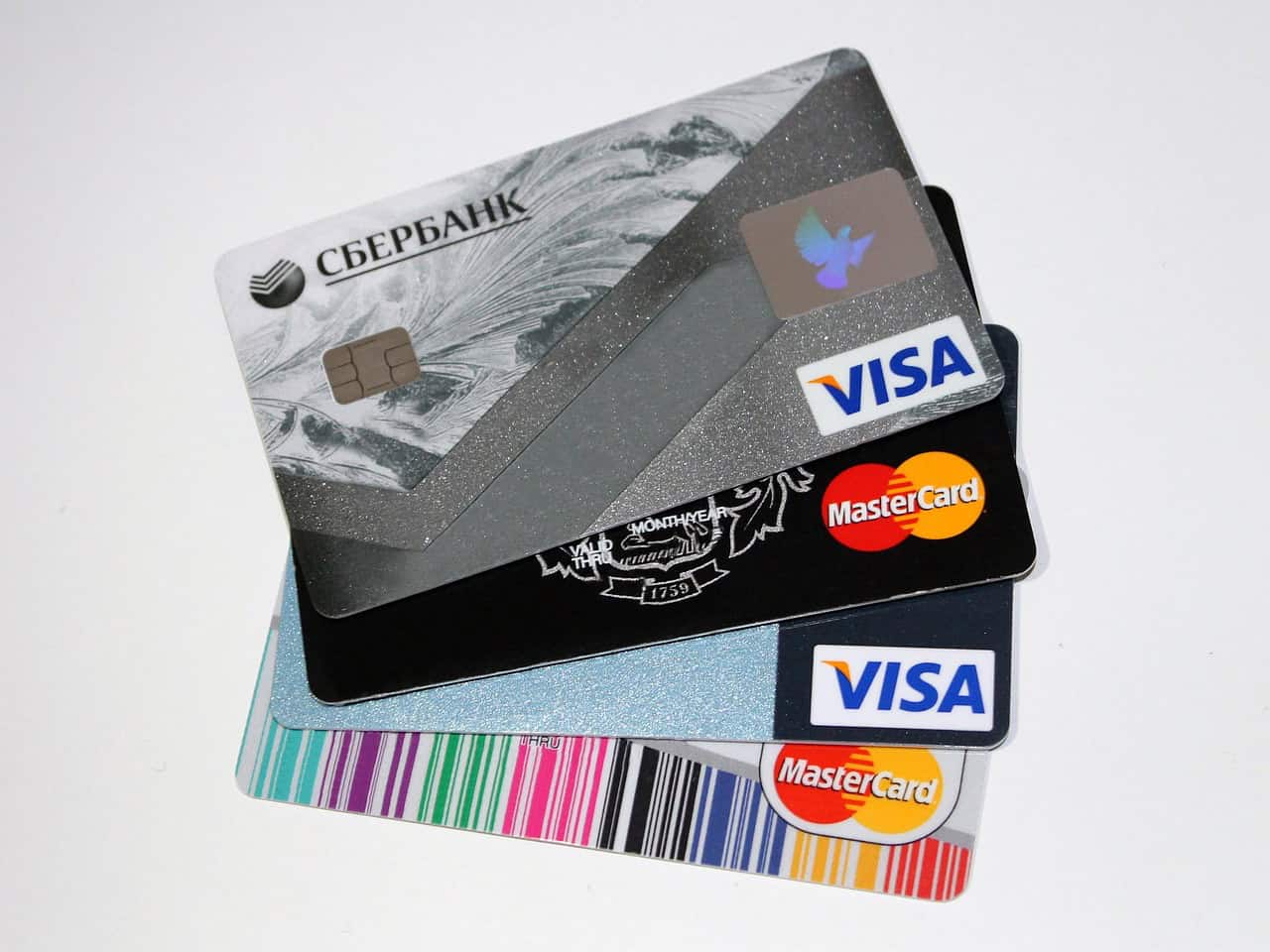
Credit card perks can be helpful, but they rarely replace travel health coverage when real medical decisions show up. CDC notes medical evacuation from a remote area to a high-quality hospital could otherwise cost more than $100,000, and the State Department warns catastrophic evacuation can run well in excess of that. The myth that perks cover everything delays care while families scramble for approvals, transfers, and payment across time zones, and it can turn a broken bone or severe infection into a logistics crisis when a clinic requires a cash deposit or written guarantee before treatment or transport.
Wi-Fi And A Phone Will Solve Everything

A phone feels like a safety net until the battery dies, the network drops, or a driver cannot find an address written in the wrong script. The State Department’s STEP program can send alerts from the nearest U.S. embassy or consulate, but it does not replace offline maps, printed addresses, and saved local numbers. The myth that everything can be handled in real time leaves travelers stranded at the worst moment, while a few screenshots, a written hotel address, a charged power bank, and a backup contact card keep decisions clear when apps fail, signage blurs, and stress rises in an unfamiliar place.