We may earn money or products from the companies mentioned in this post. This means if you click on the link and purchase the item, I will receive a small commission at no extra cost to you ... you're just helping re-supply our family's travel fund.
Not every beautiful destination is built for carefree travel. Some places quietly combine extreme geography, fragile infrastructure, dangerous health risks, and isolation that can turn a dream trip into a survival problem. These locations aren’t “bad” places but they demand serious preparation, experience, and risk tolerance. Below are eight travel destinations that repeatedly cause illness, injury, evacuation, or long-term stranding for unprepared visitors. Each section explains why they’re risky, what typically goes wrong, and the hard numbers travelers often underestimate.
1. Mount Everest Base Camp, Nepal
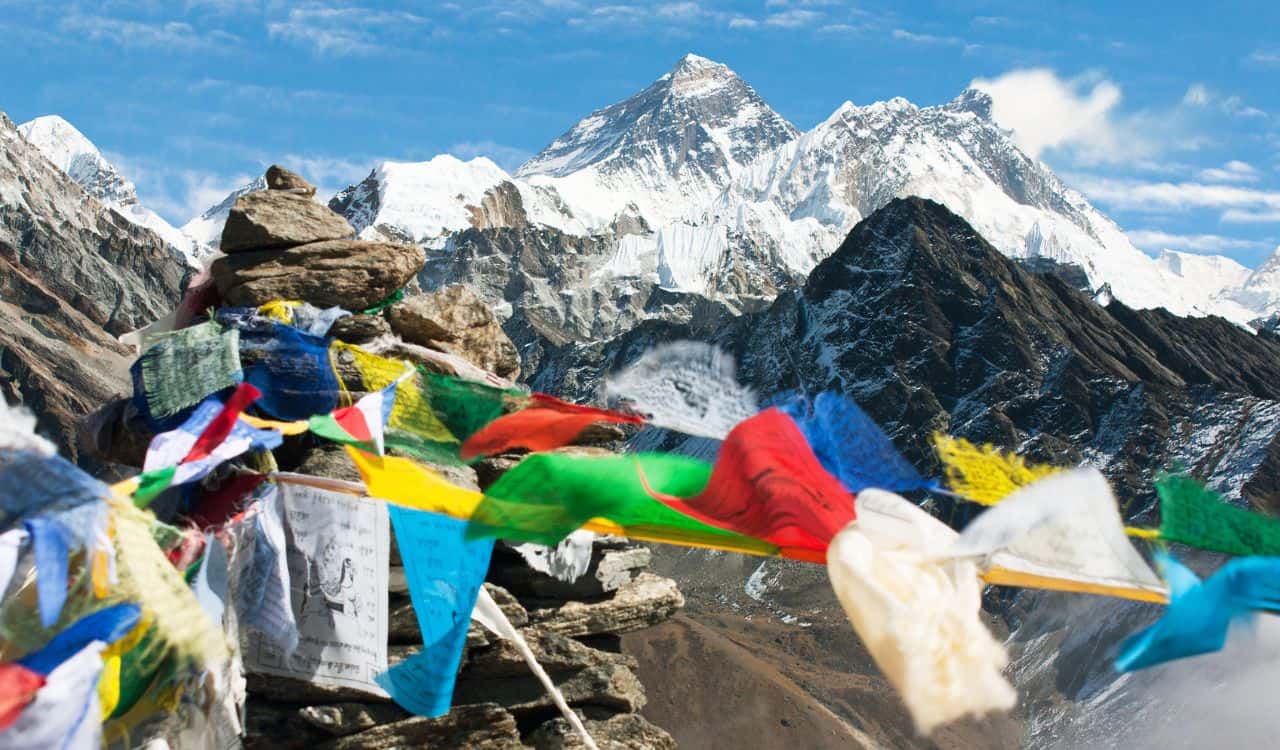
Trekking to Everest Base Camp sounds manageable, but altitude is the silent danger most travelers misjudge. The trail climbs from roughly 2,860 meters to over 5,364 meters, where oxygen levels drop by nearly 50 percent. Around 40–50% of trekkers experience some form of Acute Mountain Sickness, and 10–15% develop severe symptoms requiring descent. Medical facilities are sparse, and helicopter evacuations can cost $5,000–$10,000 depending on weather. Temperatures can plunge to -15°C even in peak seasons, increasing frostbite risk. Poor acclimatization, dehydration, and exhaustion are common causes of injury. Once you’re high on the trail, weather delays can strand trekkers for days with limited food, power, or medical support.
2. The Amazon Rainforest, Brazil & Peru
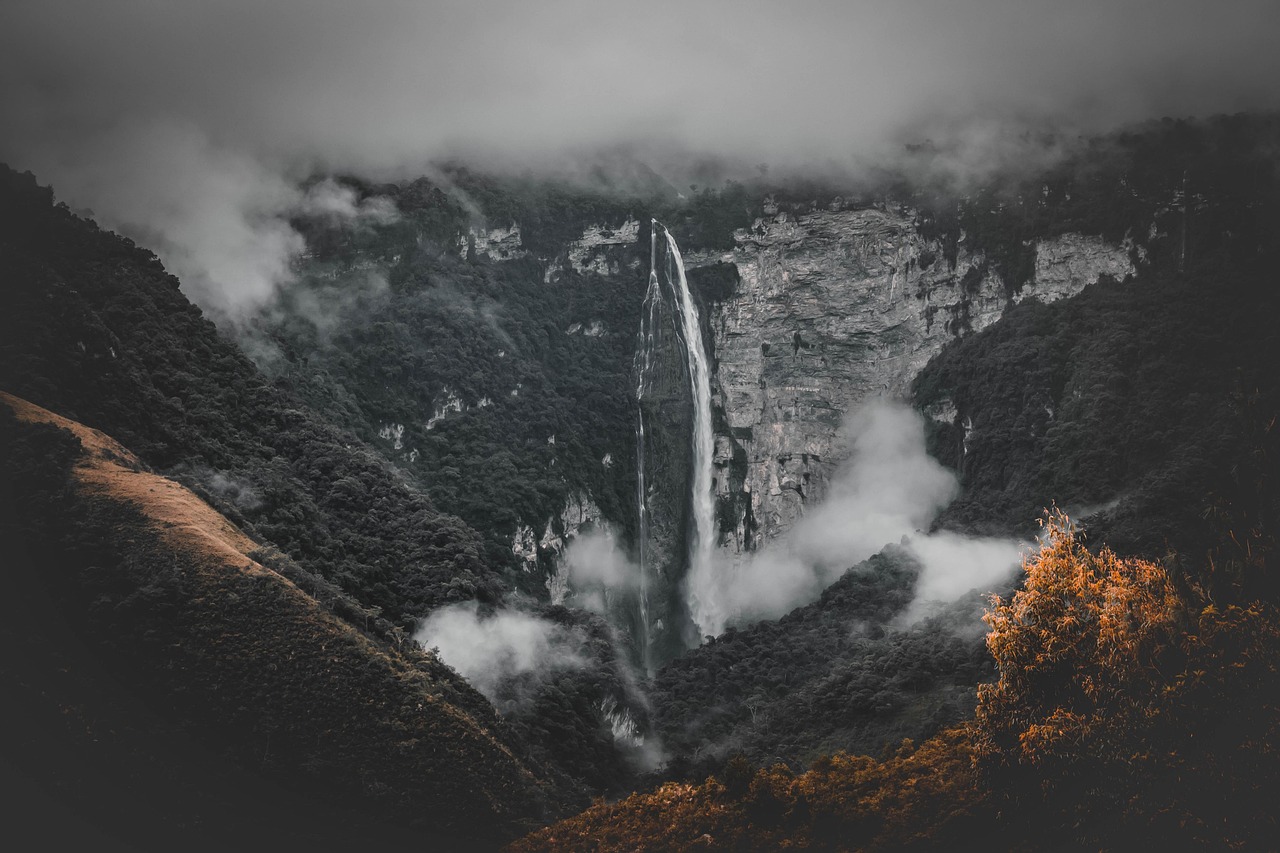
The Amazon is biologically rich and medically unforgiving. Travelers face high exposure to malaria, dengue, yellow fever, and parasitic infections, especially in remote river regions where infection rates can exceed 30 cases per 1,000 people annually. Humidity regularly exceeds 90%, accelerating dehydration and heat exhaustion, while daily temperatures hover between 28–35°C. Medical access is often days away by boat, and injuries like infected cuts can escalate quickly. Communication blackouts are common, and evacuation costs can exceed $15,000 due to distance. Many visitors underestimate insect exposure, contaminated water risks, and navigation difficulty, leading to illness or becoming lost in terrain where visibility drops to under 10 meters.
3. Death Valley National Park, USA
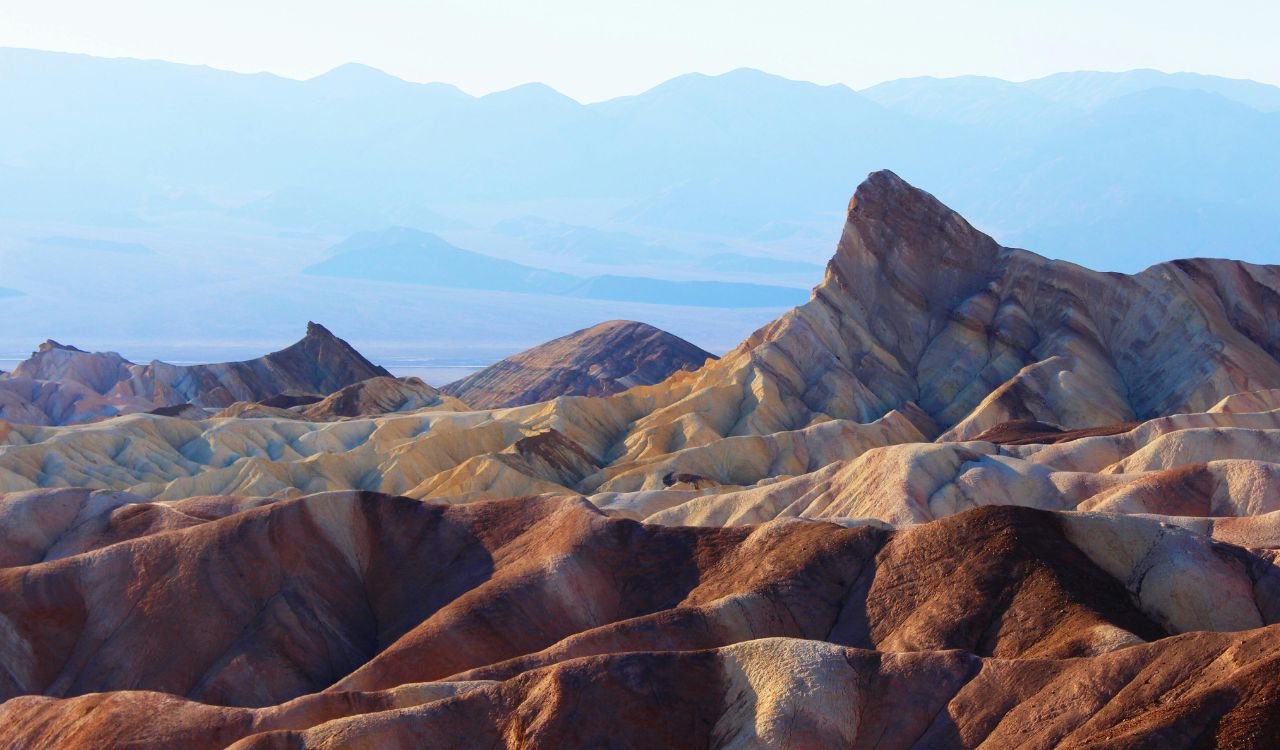
Death Valley is one of the hottest places on Earth, with summer temperatures frequently exceeding 47°C and ground temperatures topping 80°C. Every year, dozens of travelers require rescue after vehicles overheat or hikers underestimate water needs. Dehydration can begin in under 30 minutes of exertion, and heat stroke fatalities still occur annually. Cell coverage is unreliable across vast areas, and rescue response times can exceed 24 hours. Many roads are unpaved, increasing breakdown risk. Rangers recommend carrying at least 4–5 liters of water per person per day, yet many visitors bring half that. In extreme heat, even short walks can become medical emergencies.
4. Chernobyl Exclusion Zone, Ukraine
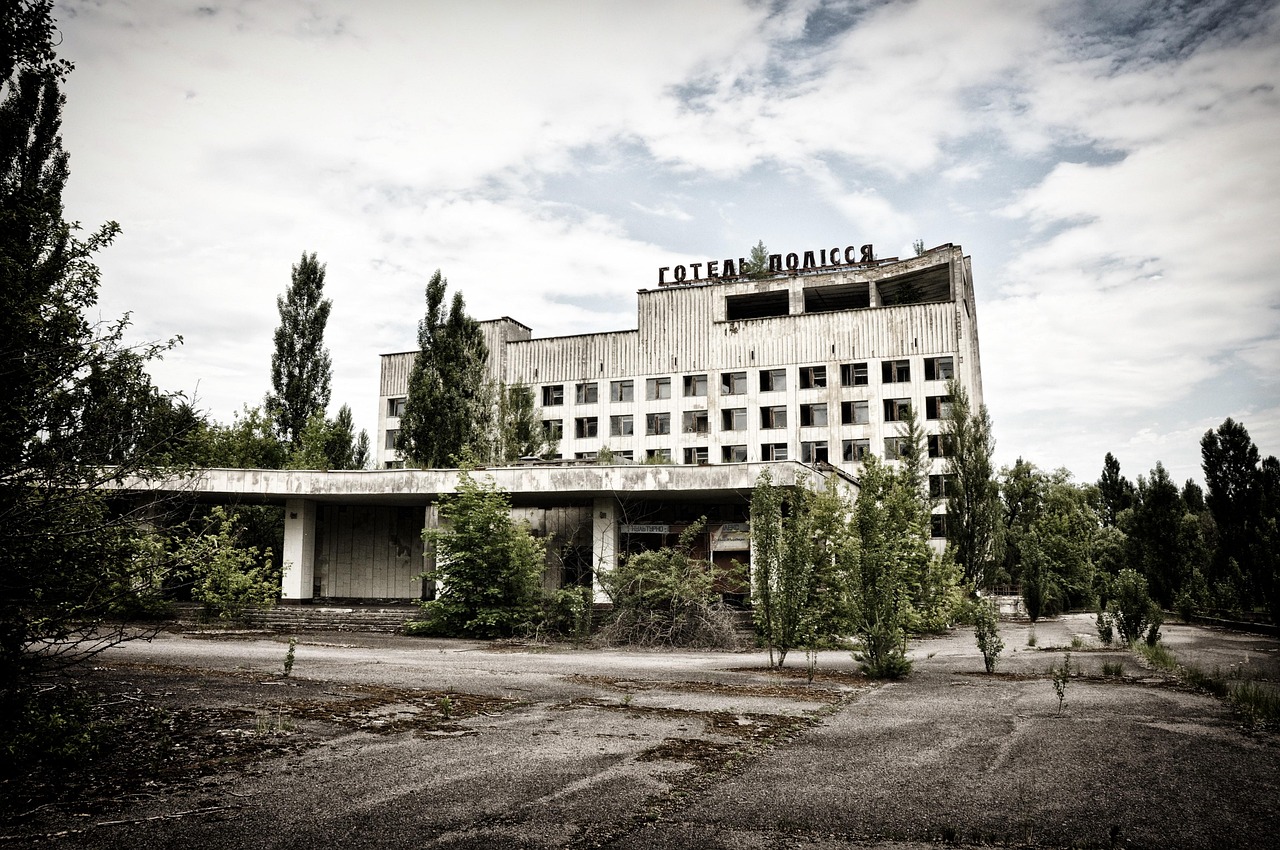
While radiation levels vary, some hotspots in the Exclusion Zone still measure over 1–5 microsieverts per hour—dozens of times above natural background radiation. Visitors risk exposure through contaminated dust, especially inside abandoned buildings. Injuries are common due to unstable floors, exposed rebar, and collapsing structures. Medical facilities are limited, and evacuation protocols are strict. Unauthorized movement can lead to fines or detainment. Weather extremes range from -20°C in winter to 30°C in summer, complicating safety gear needs. Many tourists underestimate physical hazards, assuming radiation is the only risk, while injuries and legal trouble remain far more common causes of serious incidents.
5. The Danakil Depression, Ethiopia
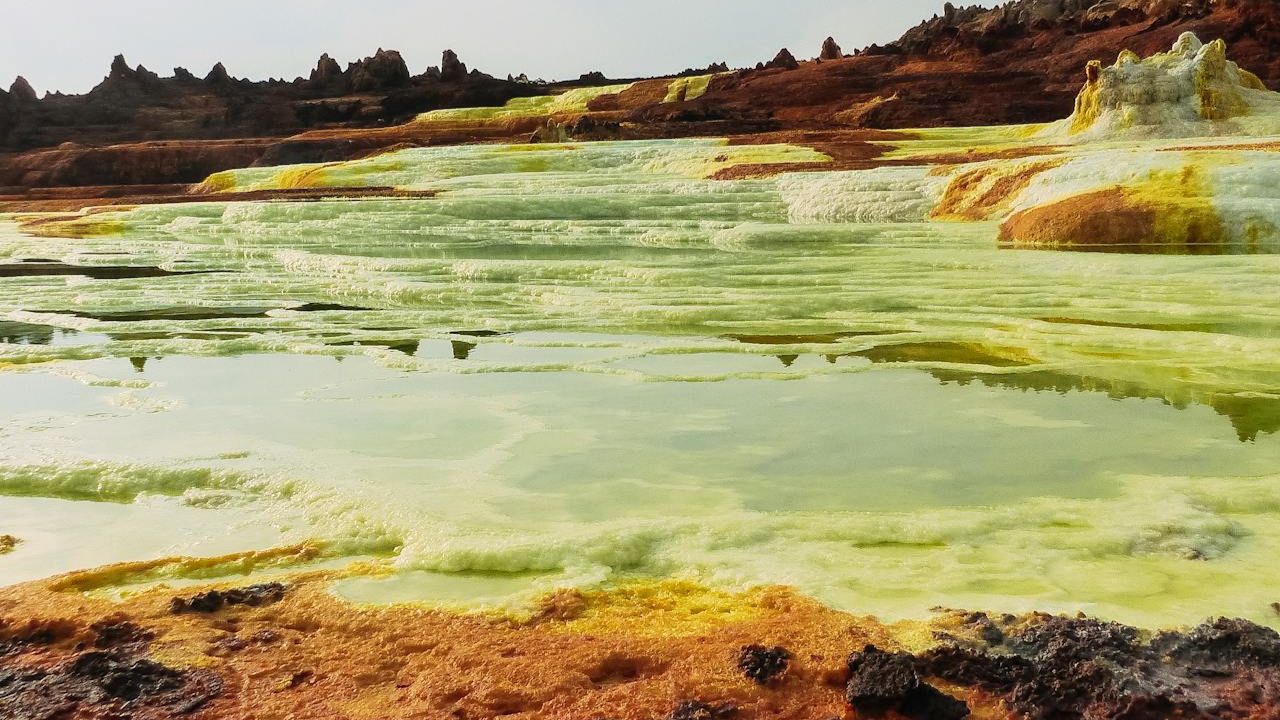
The Danakil Depression is one of the most hostile environments on the planet, sitting over 100 meters below sea level with average temperatures of 35–45°C year-round. Heat exhaustion and dehydration are the most frequent medical issues, with sweat loss exceeding 1.5 liters per hour during activity. The region has limited infrastructure, no reliable emergency services, and political instability that can restrict movement without warning. Volcanic gases, acidic pools, and sharp salt formations increase injury risk. Rescue or evacuation can take days and cost tens of thousands of dollars. Travelers often underestimate how quickly physical collapse occurs in sustained extreme heat.
6. K2 Base Camp, Pakistan
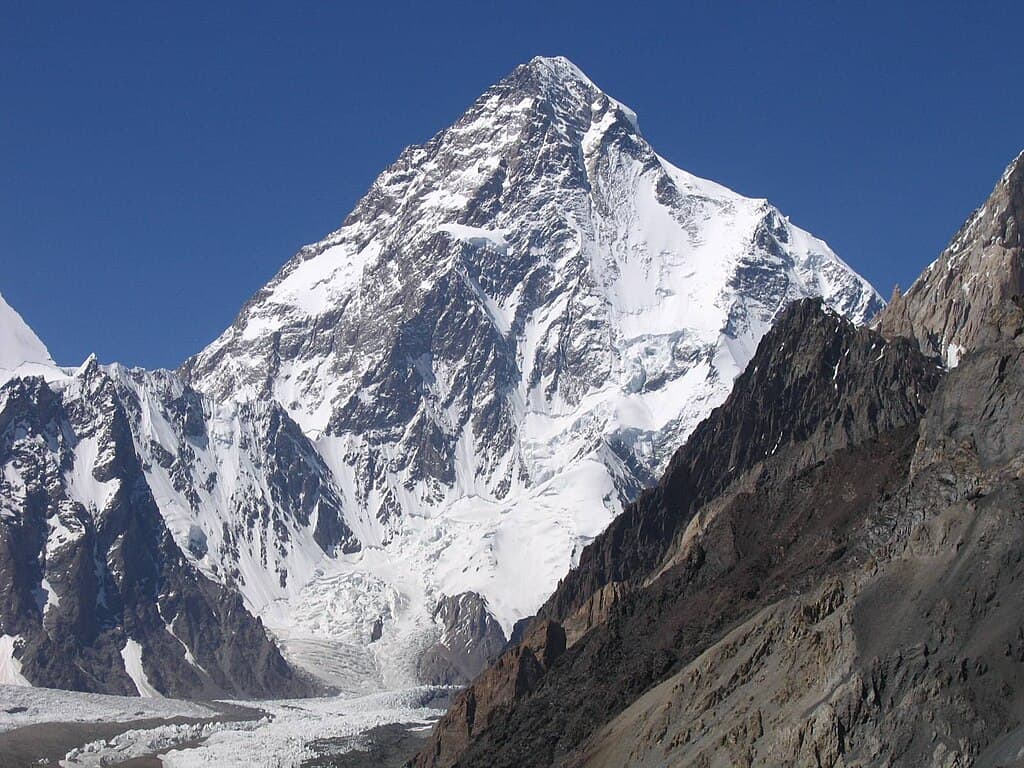
K2 Base Camp is more remote and dangerous than Everest’s approach. The trek reaches over 5,100 meters, with glacier travel accounting for nearly 60% of the route. Injury rates are high due to unstable ice, rockfall, and river crossings. Temperatures regularly fall below -10°C, and storms can isolate groups for days. Unlike Everest, helicopter rescues are rare and unreliable, with evacuation costs exceeding $20,000 when possible. Altitude sickness affects over 50% of trekkers to some degree. Once past key checkpoints, retreat can be as dangerous as continuing, making this one of the easiest places to become stranded.
7. Papua New Guinea Highlands
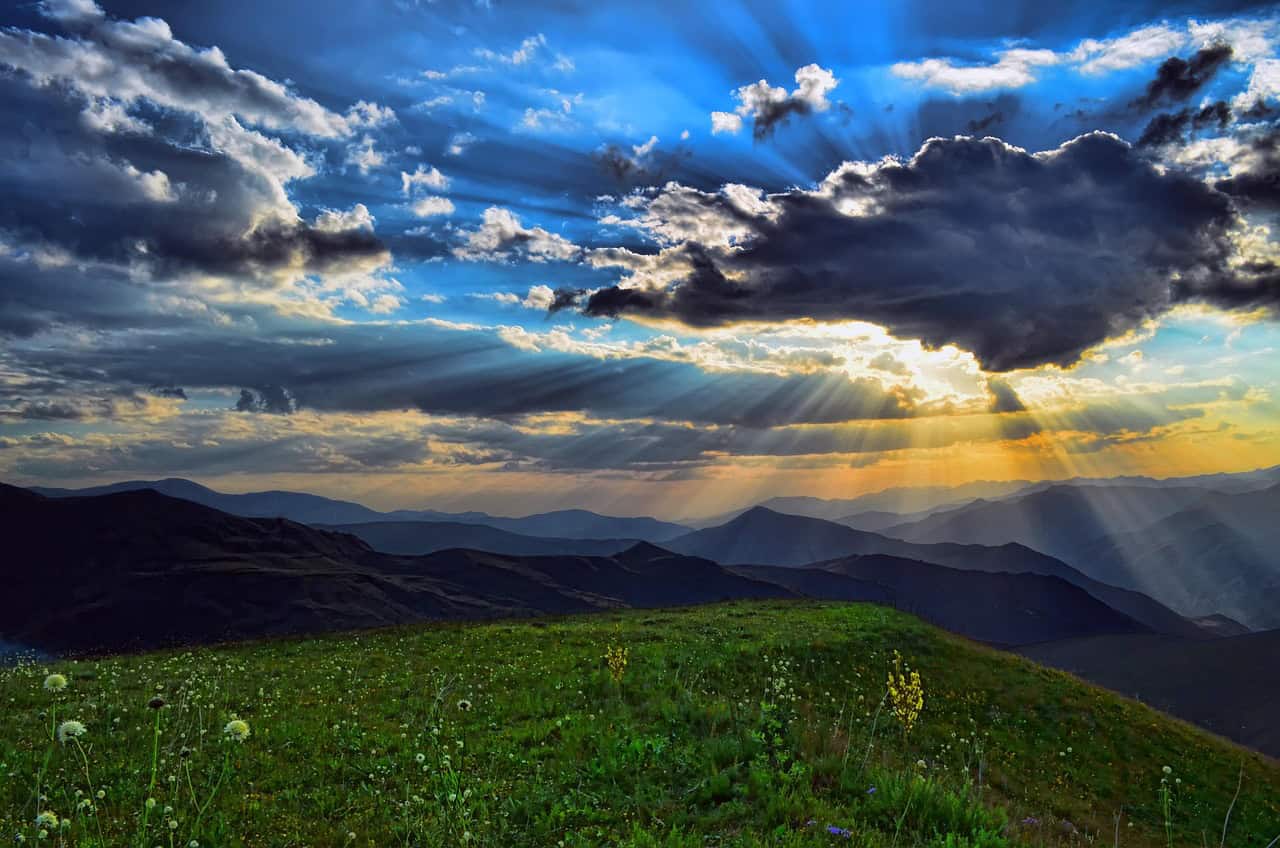
The highlands of Papua New Guinea combine rugged terrain with limited healthcare access and high rates of malaria and tuberculosis. Some regions report malaria prevalence above 20%, and medical clinics may be several days’ travel away. Roads are unreliable, flights are frequently canceled, and tribal conflicts can erupt without warning. Injury risk is amplified by steep terrain, frequent rain, and landslides. Communication blackouts are common, making coordination difficult if something goes wrong. Travelers often underestimate logistical isolation, assuming domestic flights guarantee access, only to find themselves stuck for weeks due to weather or security concerns.
8. The Skeleton Coast, Namibia
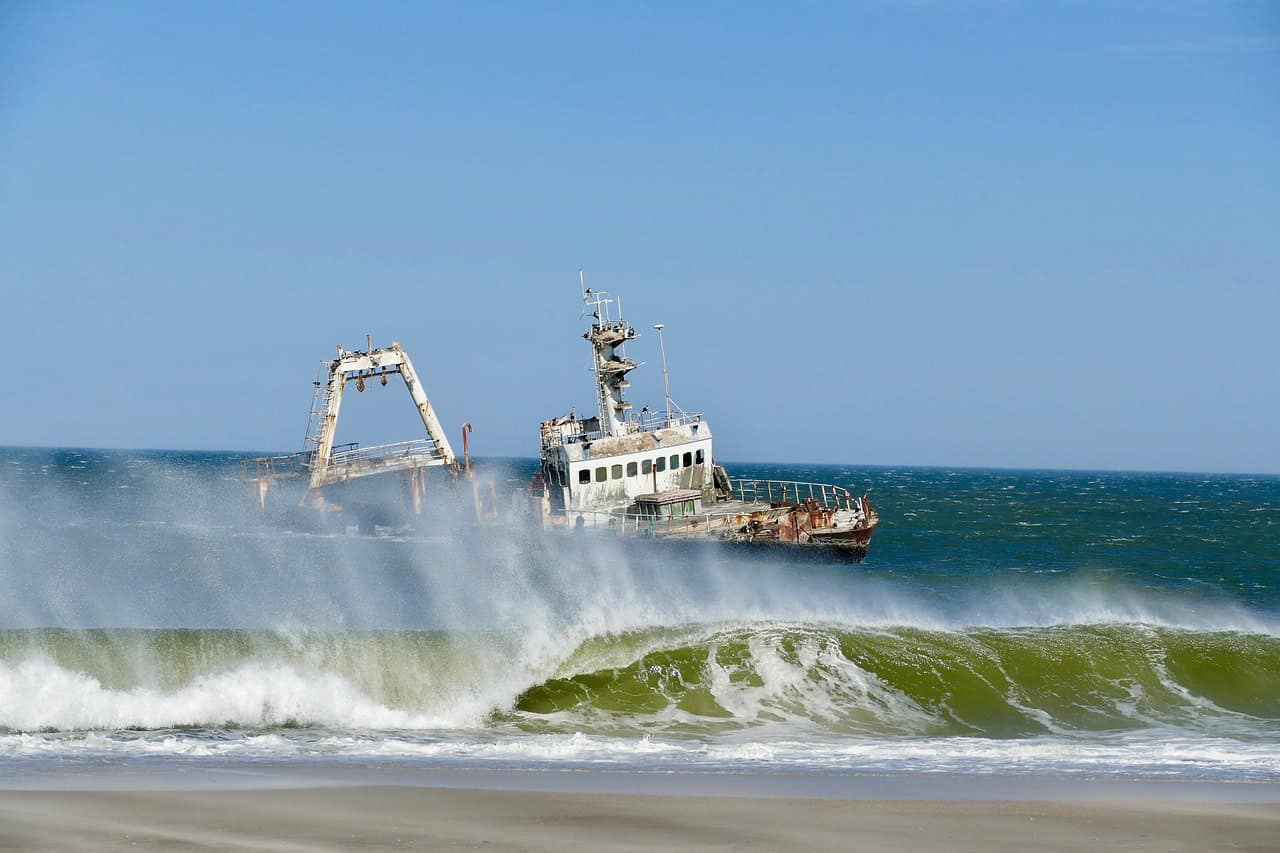
The Skeleton Coast is breathtaking and brutally unforgiving. Stretching over 500 kilometers, it combines dense fog, freezing Atlantic currents, and near-zero freshwater availability. Temperatures fluctuate between 10–30°C, but dehydration remains the biggest killer due to constant wind and arid conditions. Shipwrecks dot the coast for a reason: navigation errors are common. Rescue infrastructure is minimal, and vehicle breakdowns can leave travelers stranded with no shade or water. Rangers recommend carrying at least 10 liters of water per person per day, yet many underestimate consumption. Once lost or immobilized, survival time can be measured in days.