We may earn money or products from the companies mentioned in this post. This means if you click on the link and purchase the item, I will receive a small commission at no extra cost to you ... you're just helping re-supply our family's travel fund.
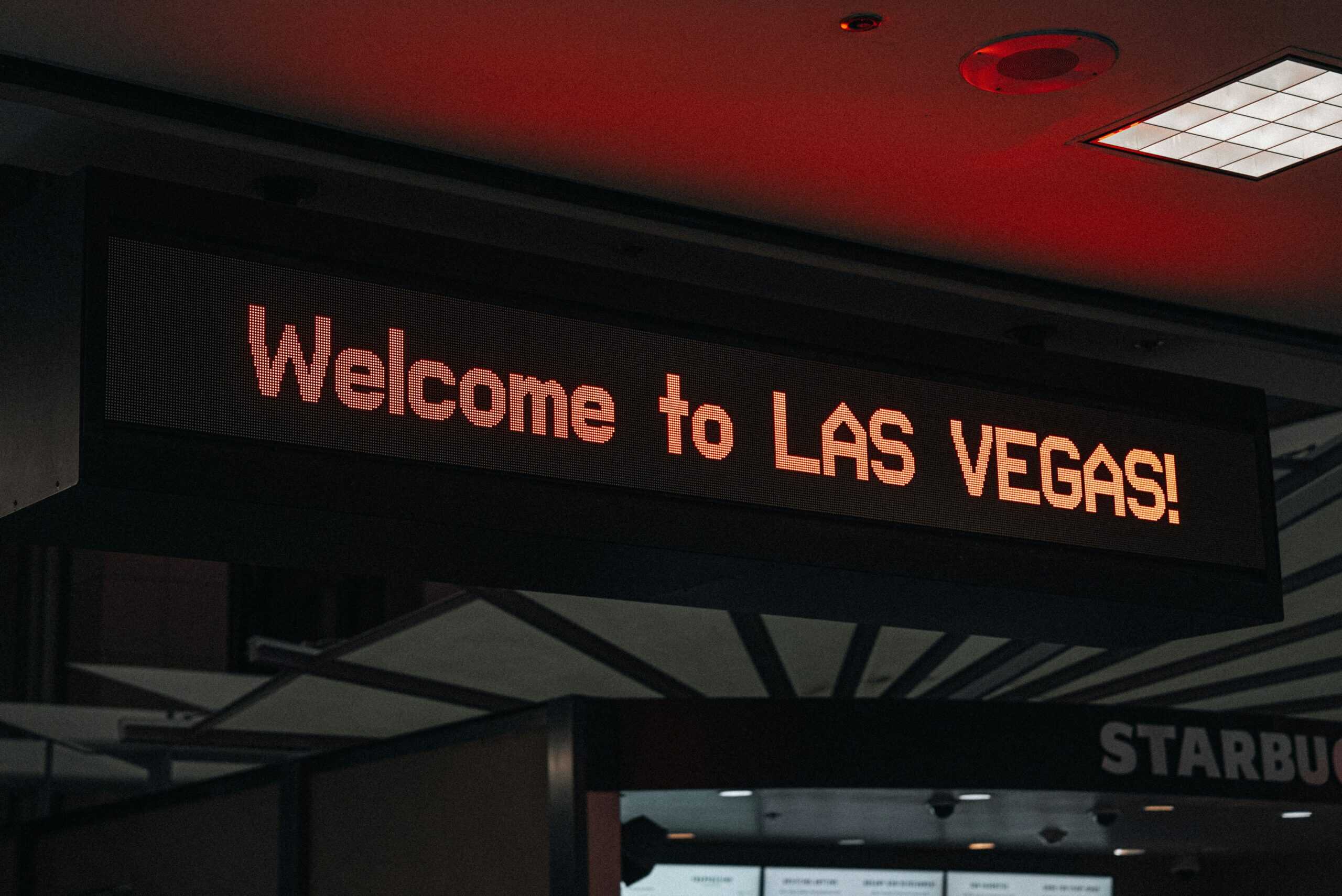
Las Vegas almost never takes money in one loud, obvious grab. It pulls it away in layers: a room that looks cheaper than it really is, a casino floor that makes wandering feel natural, a rewards program that turns spending into progress, and a long chain of little charges that stop feeling unusual because the whole city treats them as normal. In 2025, 81% of visitors gambled during their stay, and gamblers reported an average gambling budget of $848.95, which says a lot about how effective those small systems have become.
The Floor Is Built To Keep People Circling
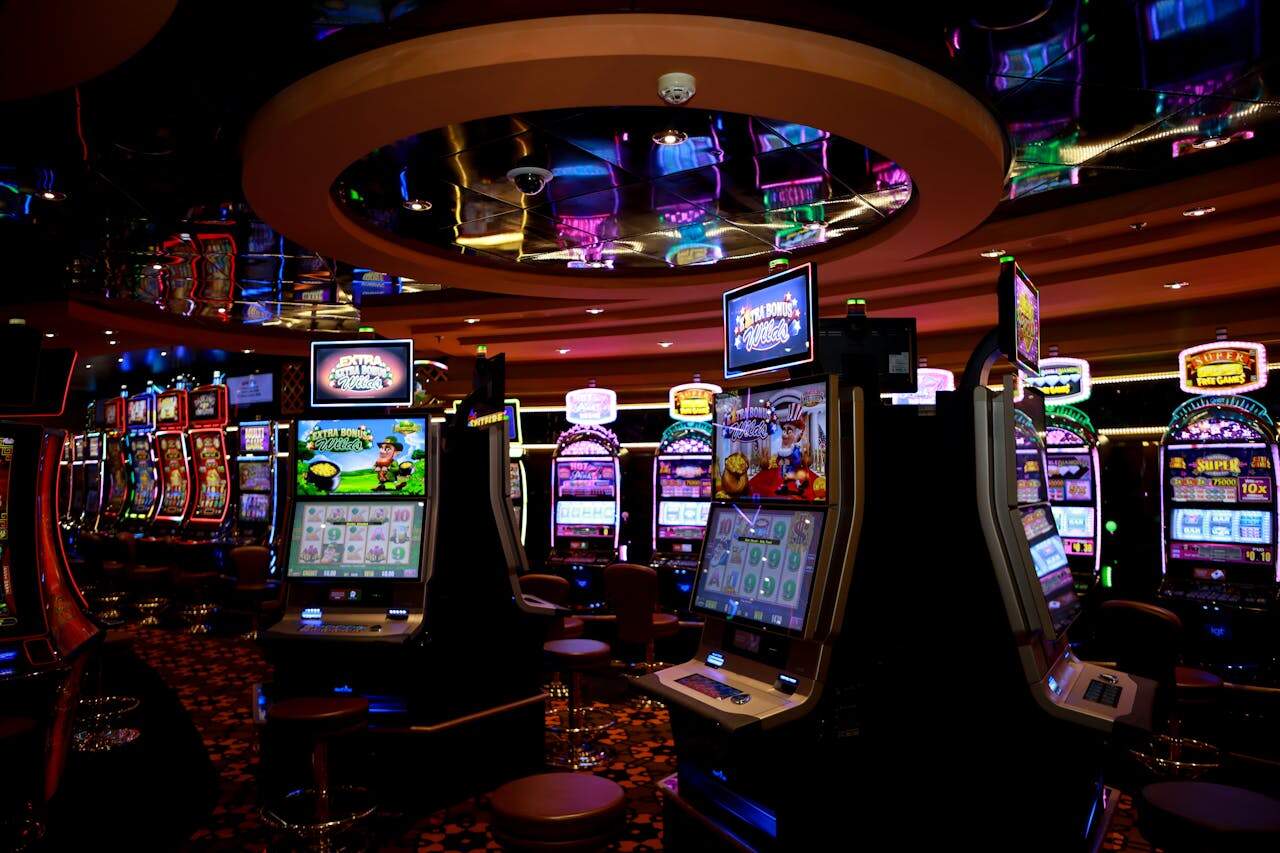
Vegas learned long ago that a casino does not need to feel like a trap to work like one. Research from UNLV describes the old maze-style layout as a design that pulled gamblers inward by limiting awareness of the outside world, while casino design commentary still notes how maze-like planning encourages more wandering before anyone reaches a restaurant, lobby, or exit. The longer the path, the more chances there are to stop at a machine, a table, or a bar and spend without ever deciding to make spending the point of the moment.
Time Gets Soft The Minute The Doors Close Behind You
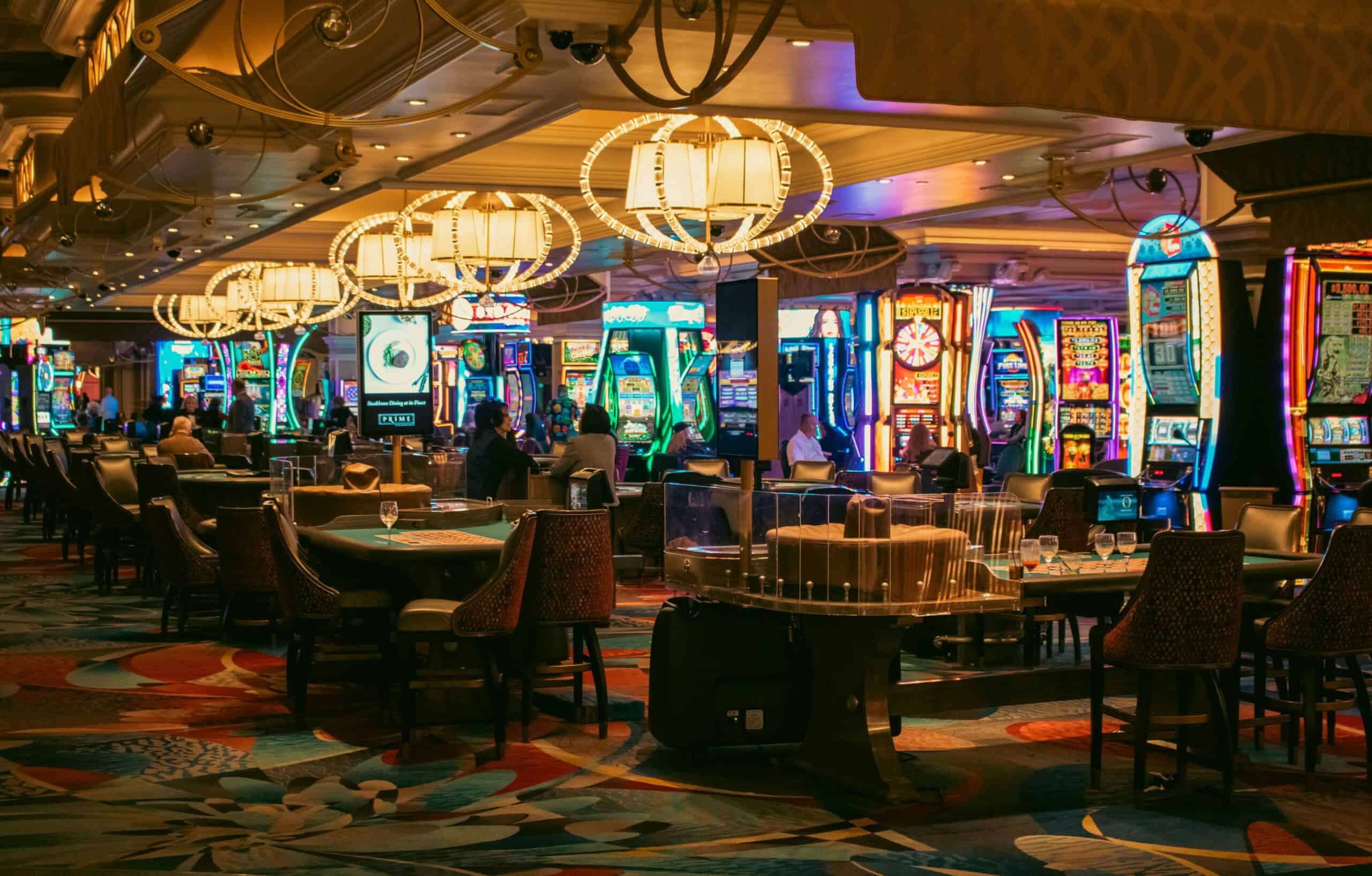
Part of Vegas’s skill is making time feel less solid than it does anywhere else. UNLV’s design research describes the classic casino model as one with no windows or clocks in sight, and Smithsonian’s history of the Flamingo notes that guests were meant to pass through the games without the usual cues of the outside world. Even where modern resorts feel brighter and more open, the old logic still lingers in the lighting, the noise, and the way afternoon, evening, and midnight can start to blur into one long invitation to keep going.
Cheap Rooms Often Arrive With A Second Price Tag
Alex Vegas/Unsplash
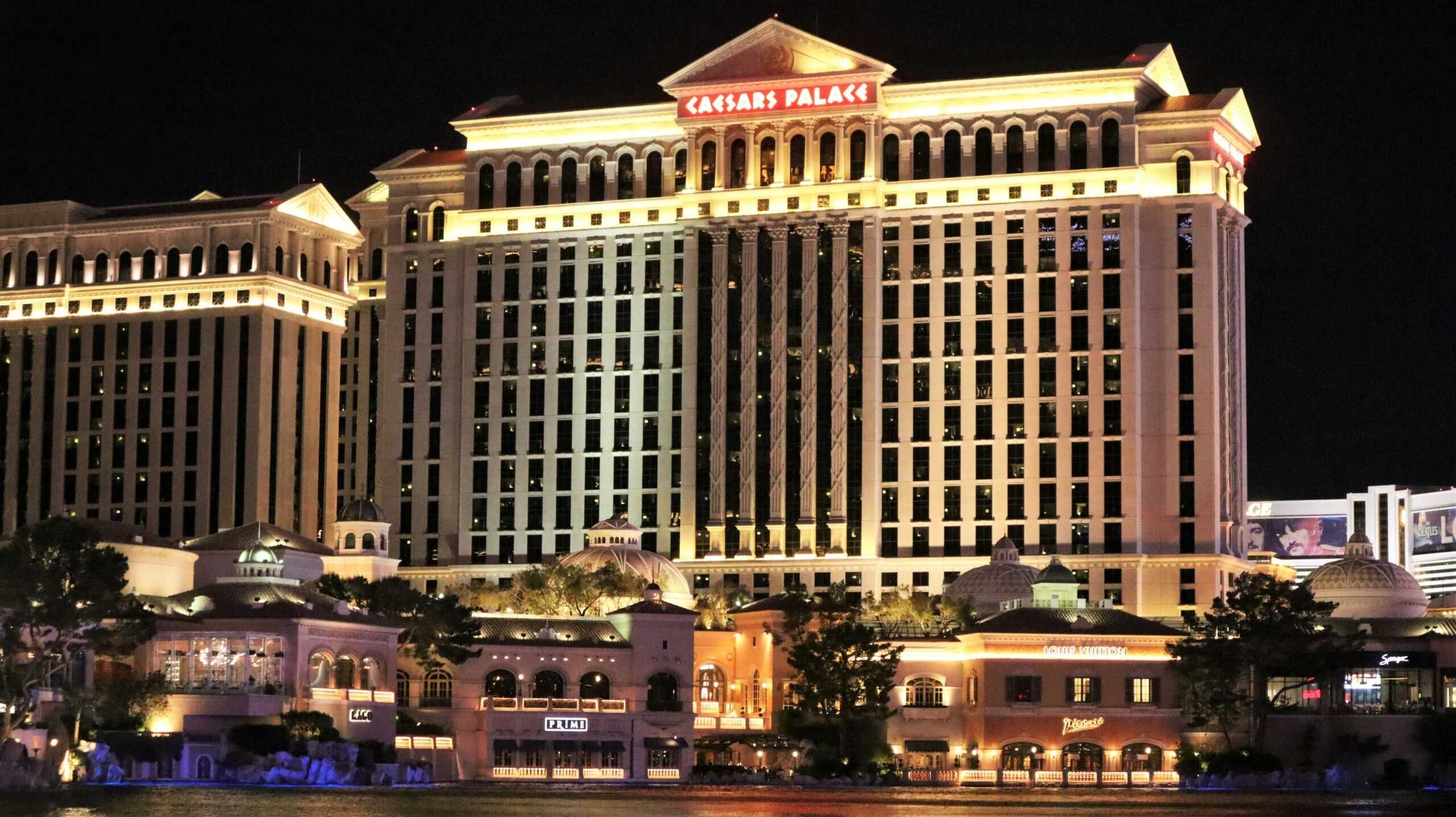
One of Vegas’s oldest tricks is emotional timing. The booking gets its yes when the room rate looks manageable, and the heavier truth appears once the stay is already mentally purchased. Wynn’s terms say a daily resort fee of $55 plus tax is added for each room night, along with the benefits attached to it, which is perfectly legal and clearly disclosed, but still effective because the charge lands after the first wave of excitement. The room feels like the deal. The full stay often feels different once the math catches up.
Even Parking Has Been Turned Into Part Of The Spend
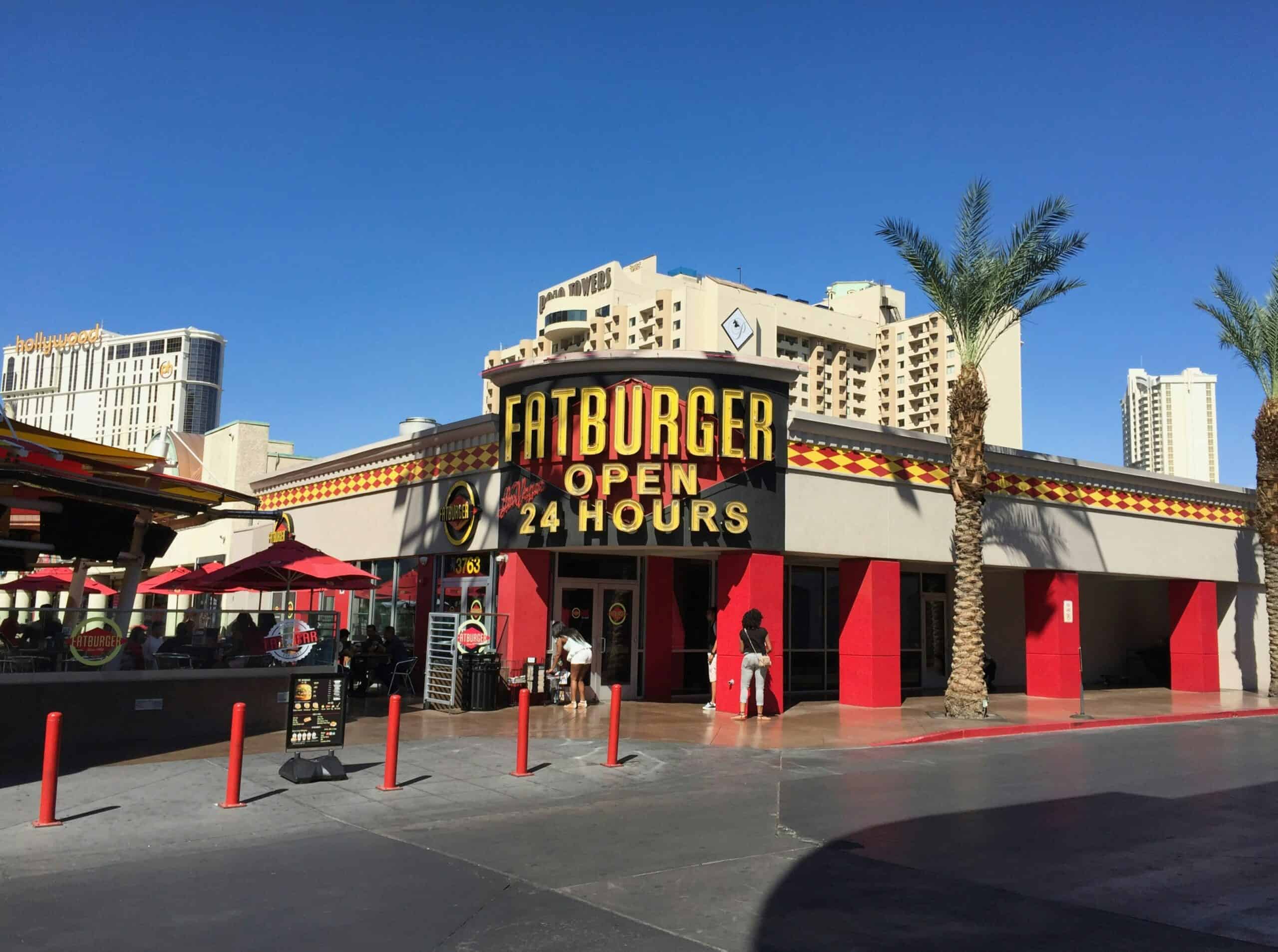
Vegas no longer treats arrival as a neutral step on the way to the fun. It monetizes that, too. MGM says self-parking for many non-hotel guests runs $20 on weekdays and $25 on weekends, while valet is $40, which means the meter often starts running before anyone has eaten, checked in, or placed a single bet. Parking used to feel like background logistics, something barely worth noticing. On the Strip now, it can be one more small drain that blends so smoothly into the experience that it barely feels like a separate purchase at all.
Rewards Programs Make Spending Feel Smart’
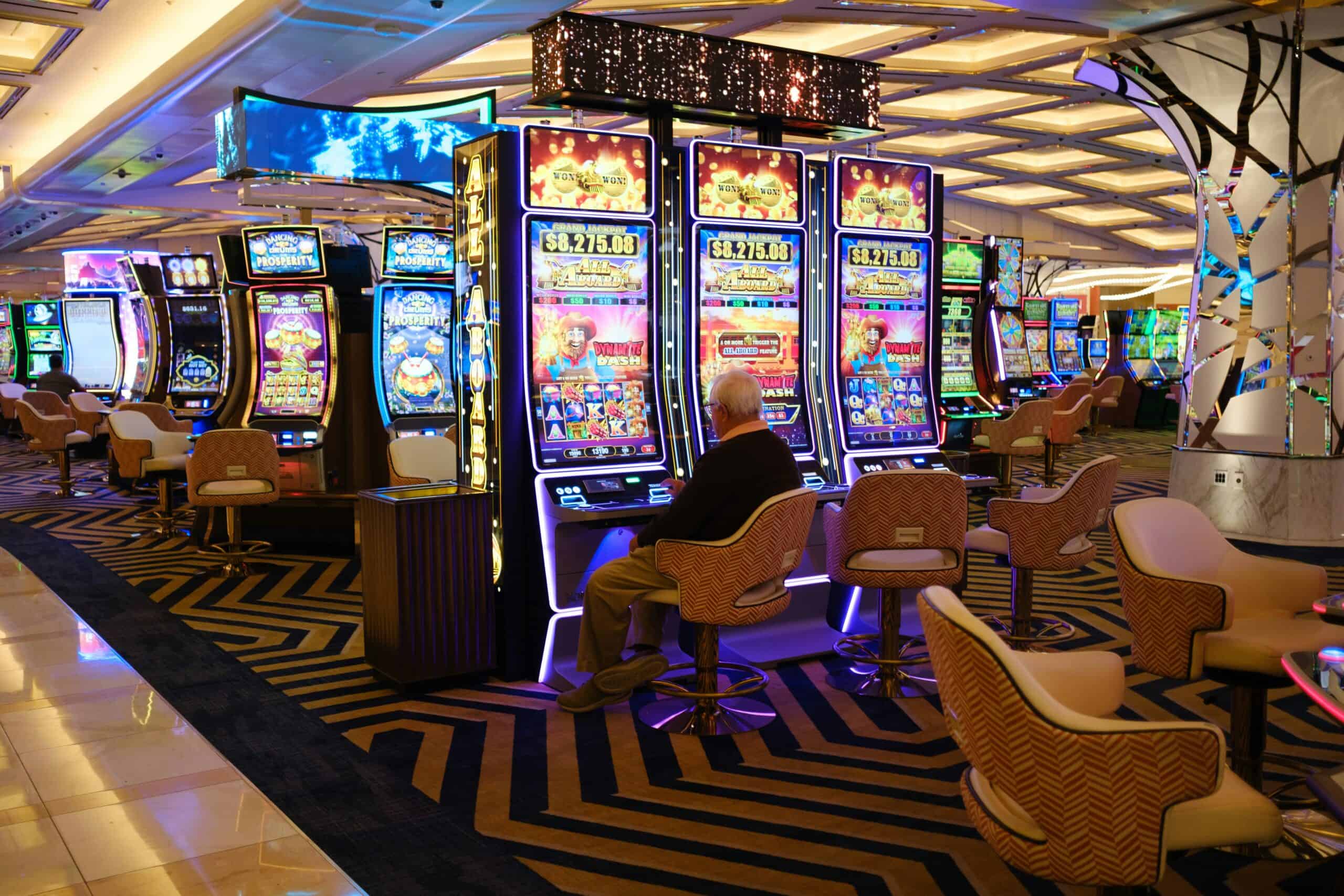
Vegas is brilliant at turning cost into momentum. Rio says members can earn FrioPlay and resort credit through tracked spend, while Fontainebleau promotes points, credits, and perks tied to gaming, dining, bars, and spa purchases. That is what makes the system work so well: money stops feeling gone and starts feeling converted into something else, something that sounds like value, status, or future relief. A drink, dinner, or late-night session can suddenly feel less like another expense and more like part of a clever strategy to get something back.
Cashless Play Removes One More Chance To Pause
Available for hire/Unsplash
Cash used to create friction, and friction sometimes protected people from themselves. A player had to stop, count, reach for more, or walk elsewhere to continue. Nevada regulators said in a 2025 industry notice that cashless wagering systems could operate with approved compensating controls, a step that helps explain why the city keeps moving toward smoother forms of play. That matters because a pause is often where second thoughts live. Once one more break in the sequence disappears, continuing becomes easier, faster, and emotionally less noticeable.
Slot Machines Are Built To Keep Hope Alive
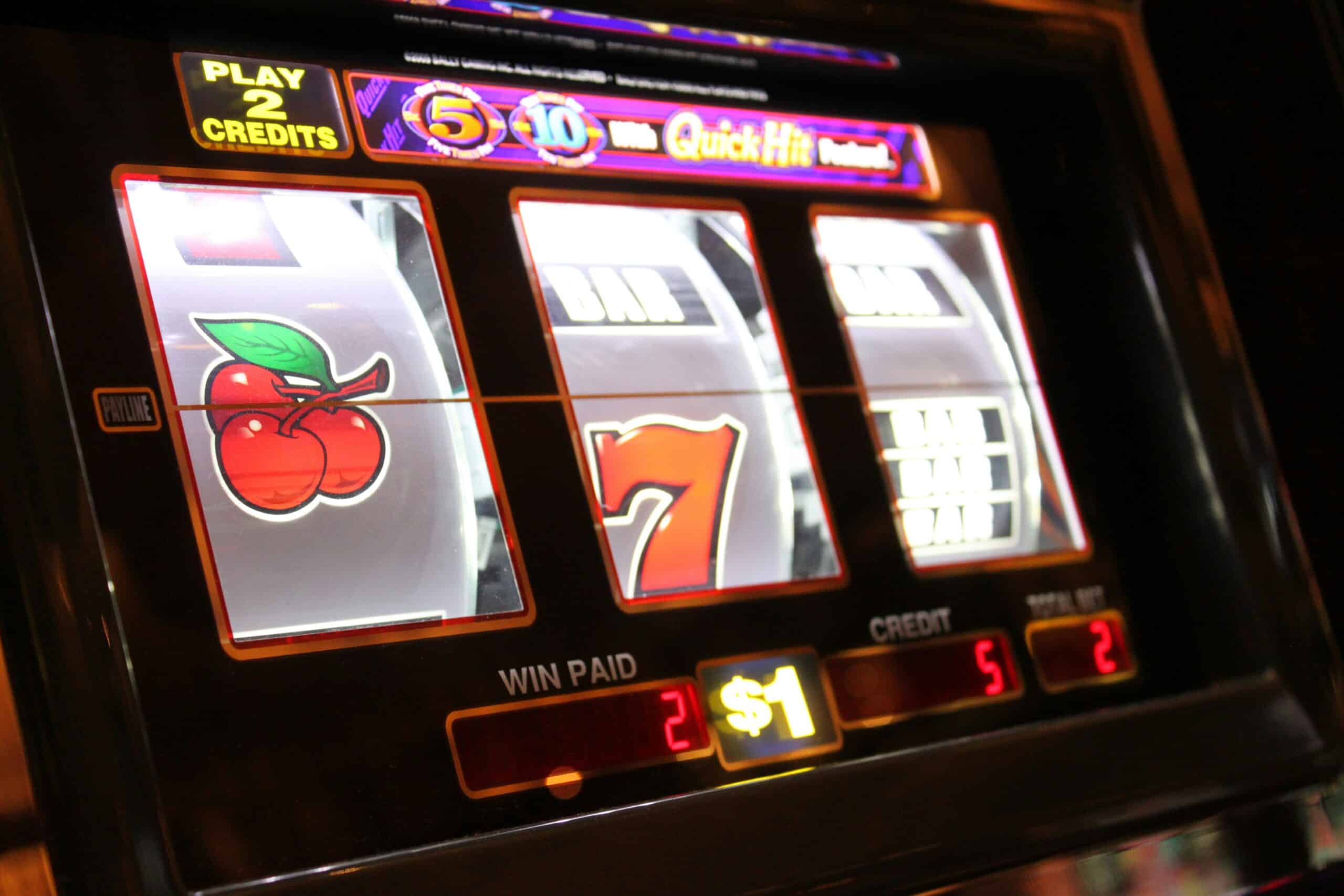
A slot machine does not need to win often to stay persuasive. It only needs to feel close often enough to keep the brain interested. Research on the near-miss effect has found that losses that resemble almost-wins can encourage continued play, and related work has linked near-misses to heightened motivation even when the player objectively lost. That helps explain why a machine can feel strangely compelling after a frustrating spin. The result looks like failure on paper, but emotionally it can land like unfinished business, and unfinished business keeps people seated.
The Whole City Makes Losses Feel Ordinary
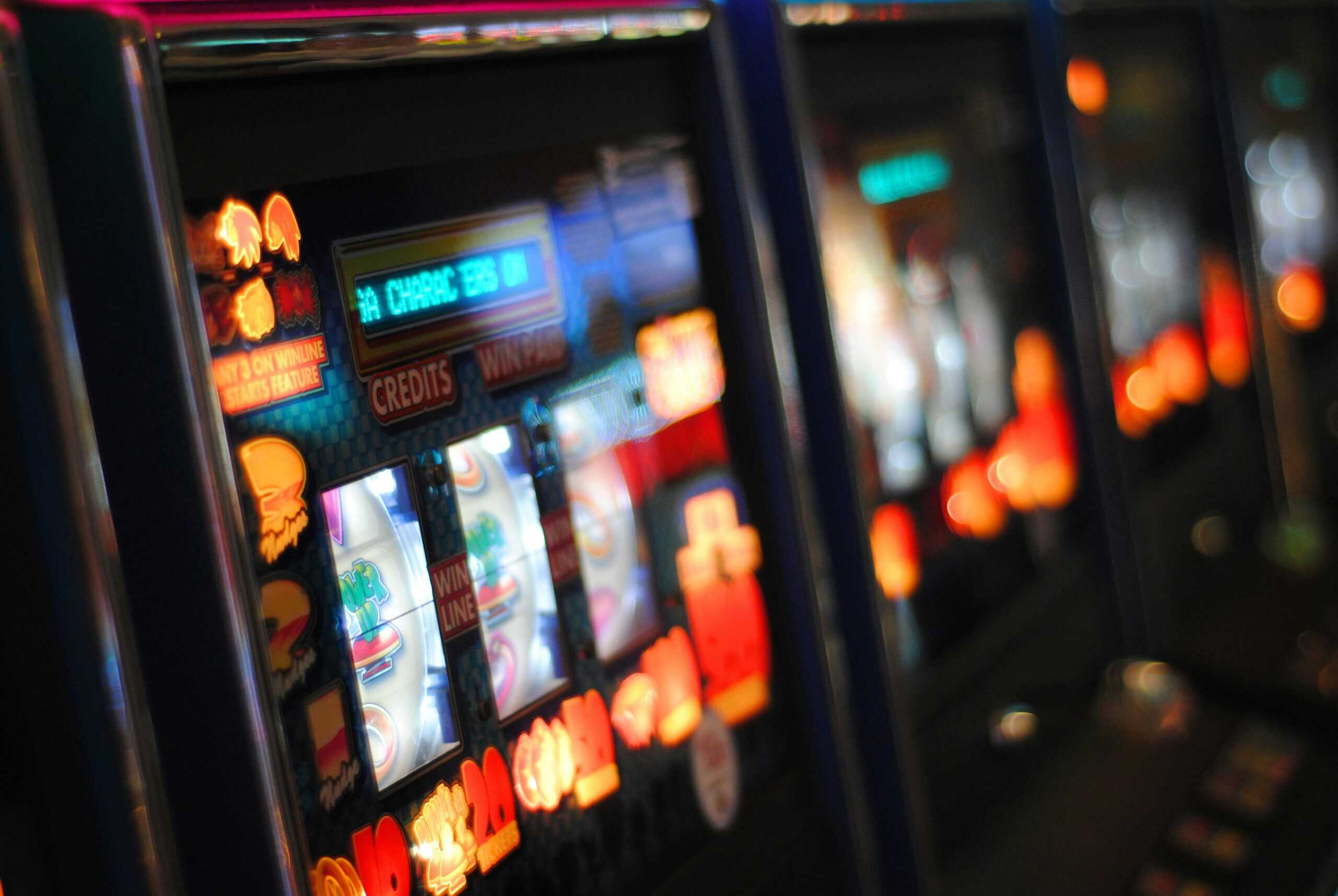
Vegas has one final advantage over any single casino game: scale. When nearly everyone seems to be playing, buying, upgrading, parking, charging, and chasing a little more, personal spending starts to feel less dramatic. The 2025 visitor profile found that 81% of visitors gambled, averaging 2.6 hours of gambling per day, while Nevada Gaming Control Board data showed the Las Vegas Strip recorded about $8.27 billion in gaming win over the reported 12-month figure. In that atmosphere, a few hundred dollars can stop feeling significant simply because the setting works so hard to make constant spending look normal.